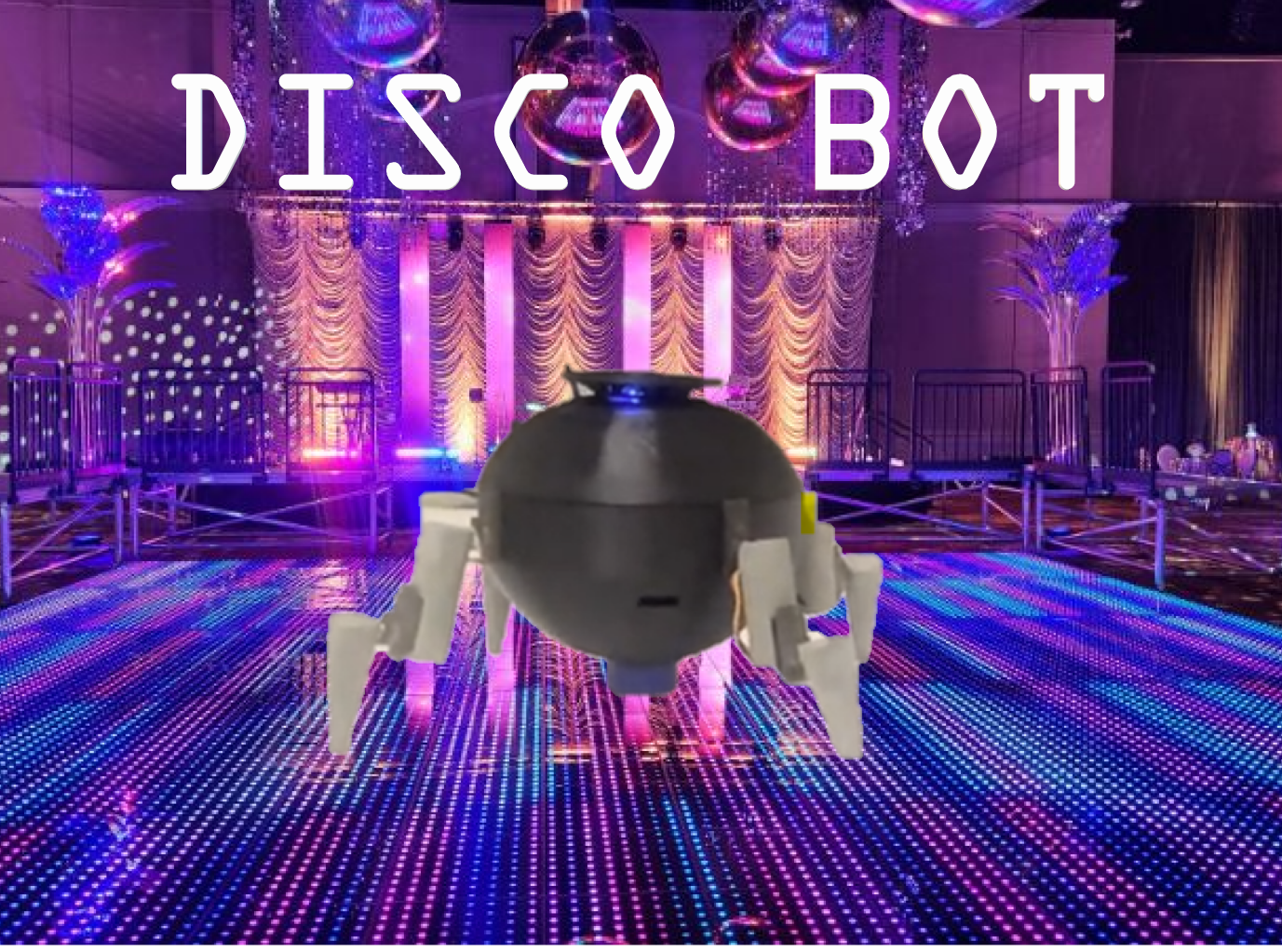
Disco-Bot 🤖🕺
Inspiration
We wanted to answer a simple question: what if you could just talk to a robot like it was a person? No app, no controller, no button mashing — just your voice. We've seen plenty of robots that follow pre-programmed scripts, and we wanted to build something that actually felt alive. So we did.
What It Does
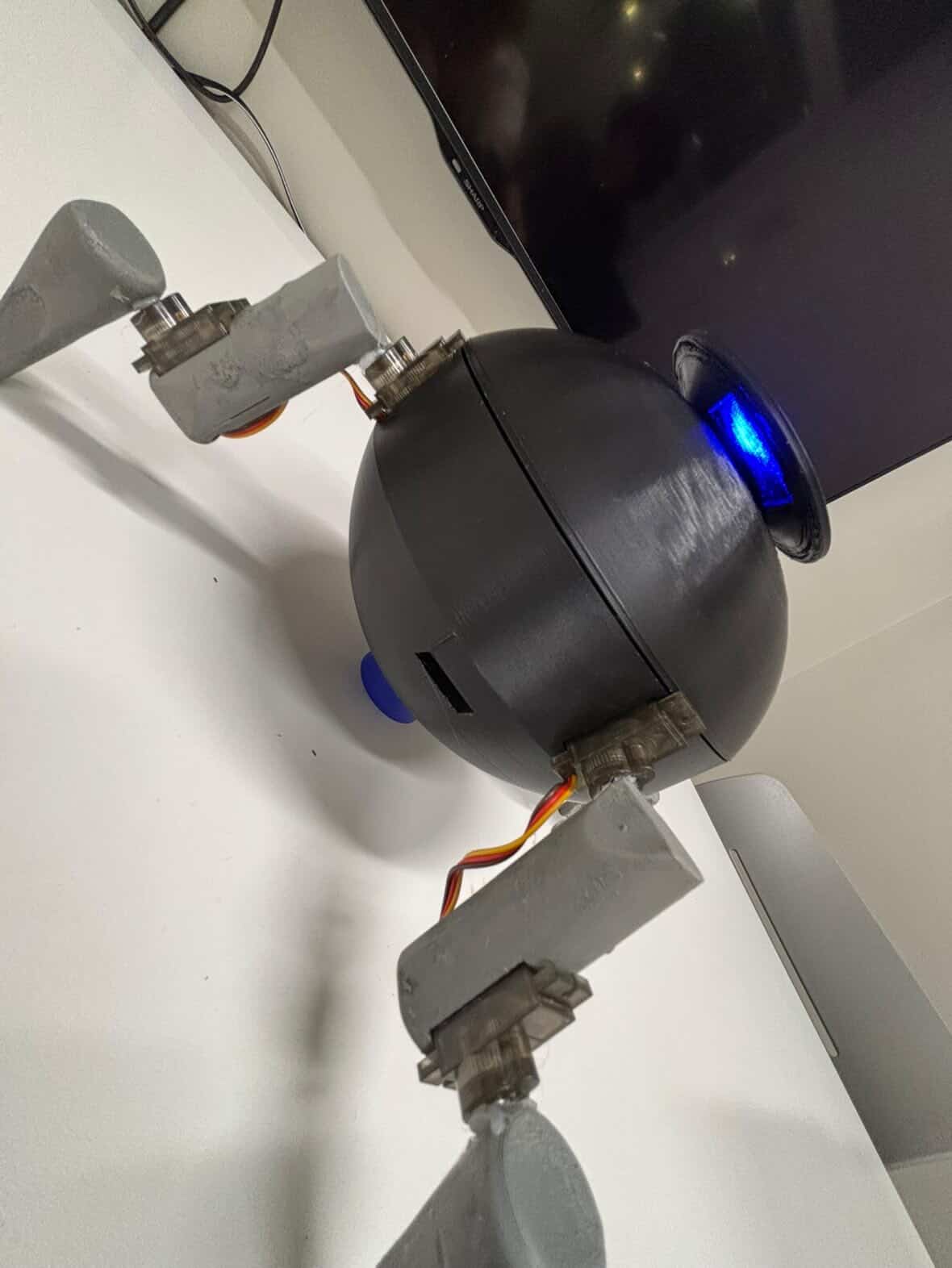
Disco-Bot is a voice-controlled robot companion that:
- Listens to your voice in real time with no wake app required
- Responds with a unique AI-generated personality every single time
- Moves physically based on what you say — say "dance" and it picks a direction, say "full routine" and it executes a full movement sequence
- Never repeats itself — both responses and movements are randomized so every interaction feels fresh
How We Built It
Laptop — The Brain
Captures voice via microphone using speech_recognition, transcribes it, sends it to Google Gemini for a live AI response, speaks it back with pyttsx3, and fires movement commands over WiFi to the Pi via HTTP POST.
Raspberry Pi — The Body
Runs a lightweight Flask server that listens for incoming commands and forwards them to an Arduino over serial, which drives the motors in real time.
The total response time from voice to movement follows:
Movement is randomized with no consecutive repeats:
Challenges
ALSA on Raspberry Pi was brutal. Missing PCM devices, unsupported sample rates, a missing FLAC encoder — getting the microphone to work at all took hours of debugging before we wrote a single line of actual logic.
Latency was another constant battle. Chaining speech recognition → Gemini API → TTS introduces delay at every step. We kept it manageable by keeping prompts short and responses concise.
Split architecture meant two devices had to stay in sync over a shared network, which introduced failure points we had to handle gracefully under pressure.
Accomplishments
We're proud that we built something that actually works end-to-end — voice in, robot moves, personality intact. Getting hardware and AI to cooperate in real time, built from scratch over a weekend, is something we're genuinely proud of.
What We Learned
- How to architect a split AI + hardware system over a local network
- The deep pain and eventual triumph of Raspberry Pi audio drivers
- How to integrate live LLM responses into a real-time physical system
- That robots are way more fun when they have a personality
What's Next for Disco-Bot 🤖
- Better movement sequences — choreographed routines instead of single direction commands
- Emotion detection — having the robot respond physically to the user's tone, not just their words
- Onboard processing — moving the AI directly onto the Pi to eliminate network dependency entirely


Log in or sign up for Devpost to join the conversation.