-
-
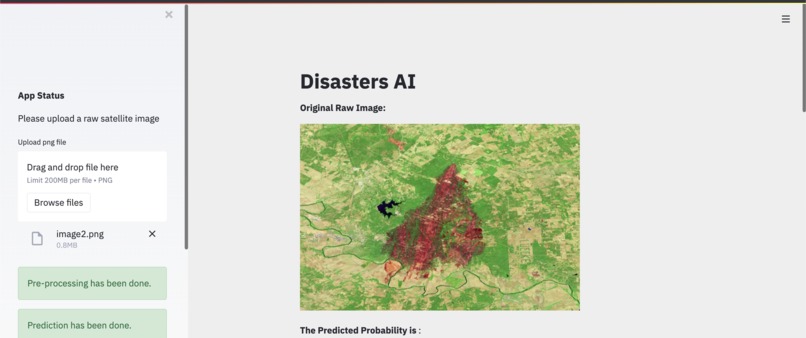
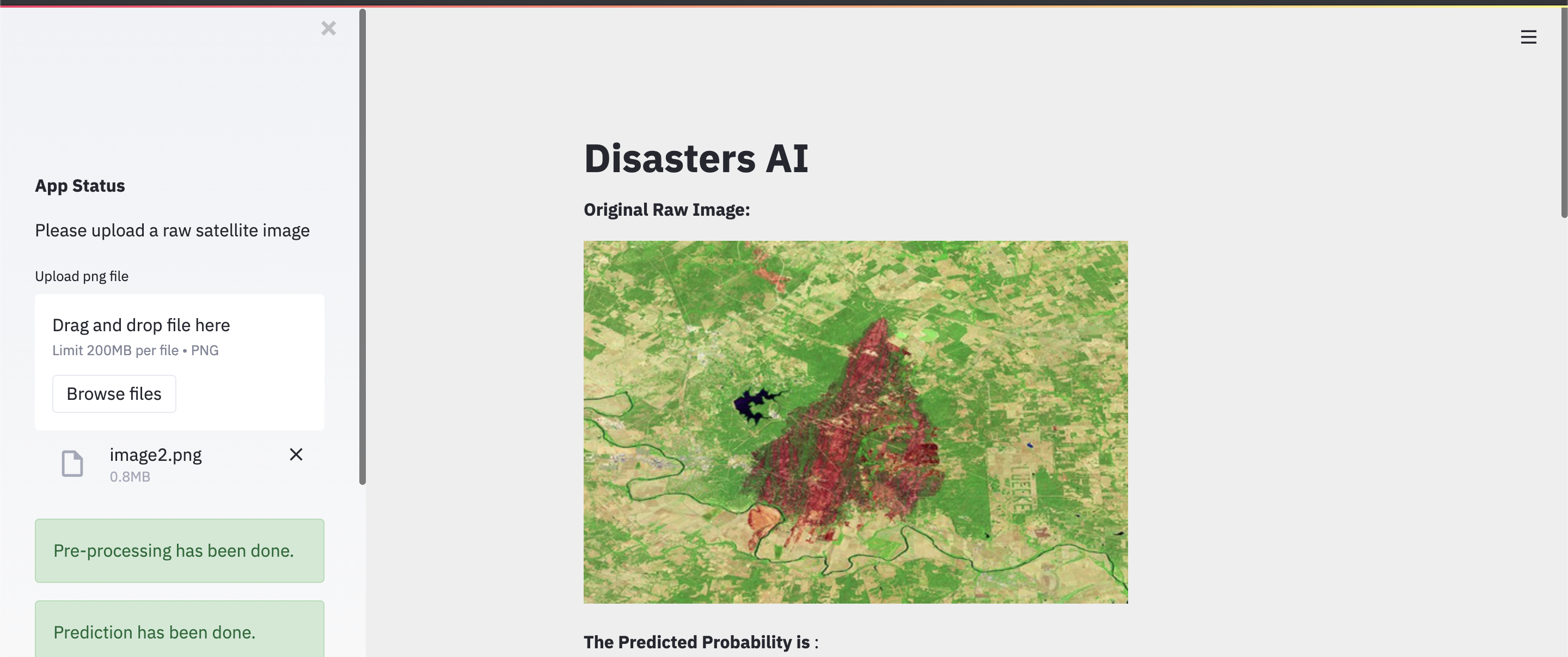
Inputted Image
-
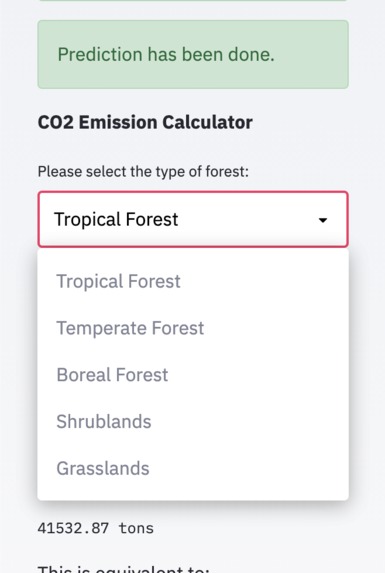
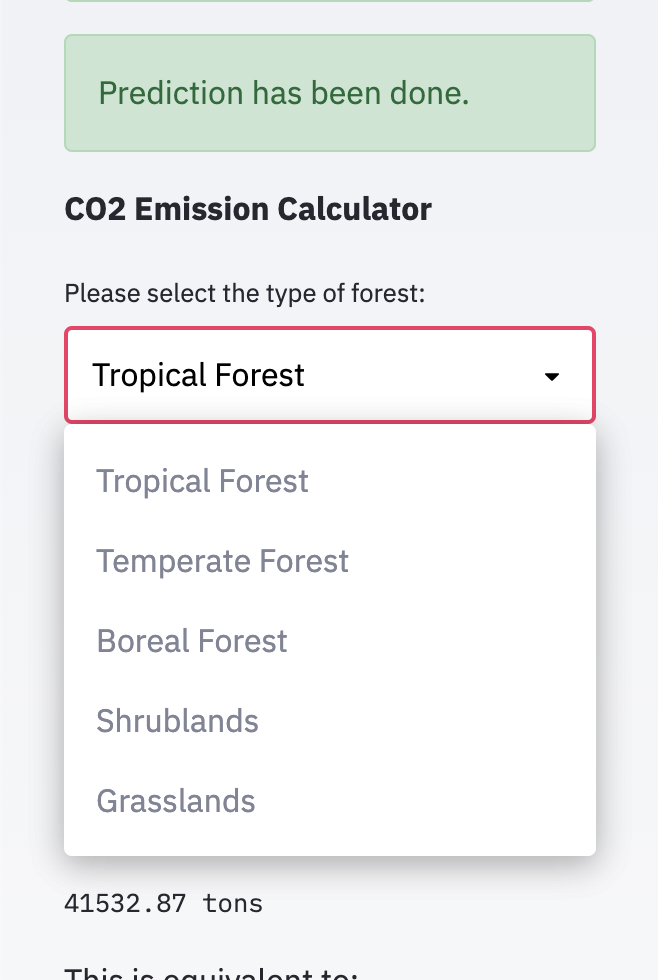
User can choose from types of forests
-
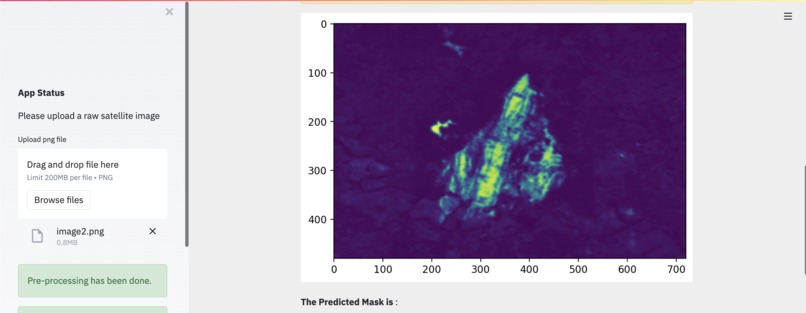
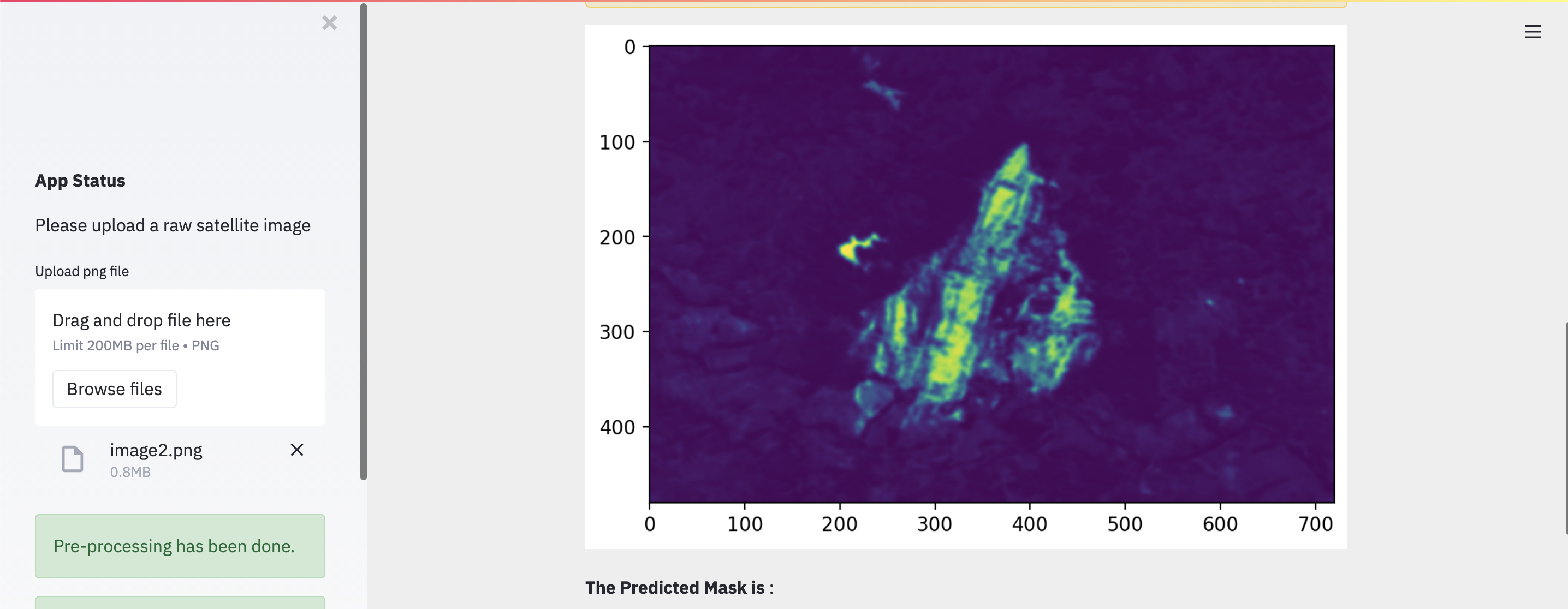
Probability prediction
-
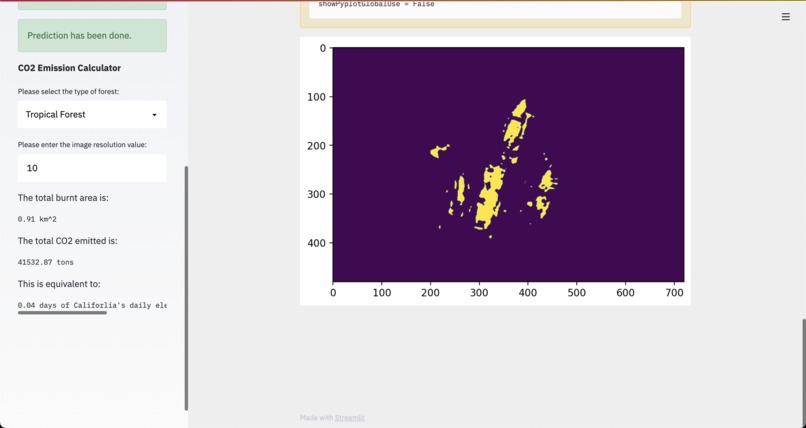
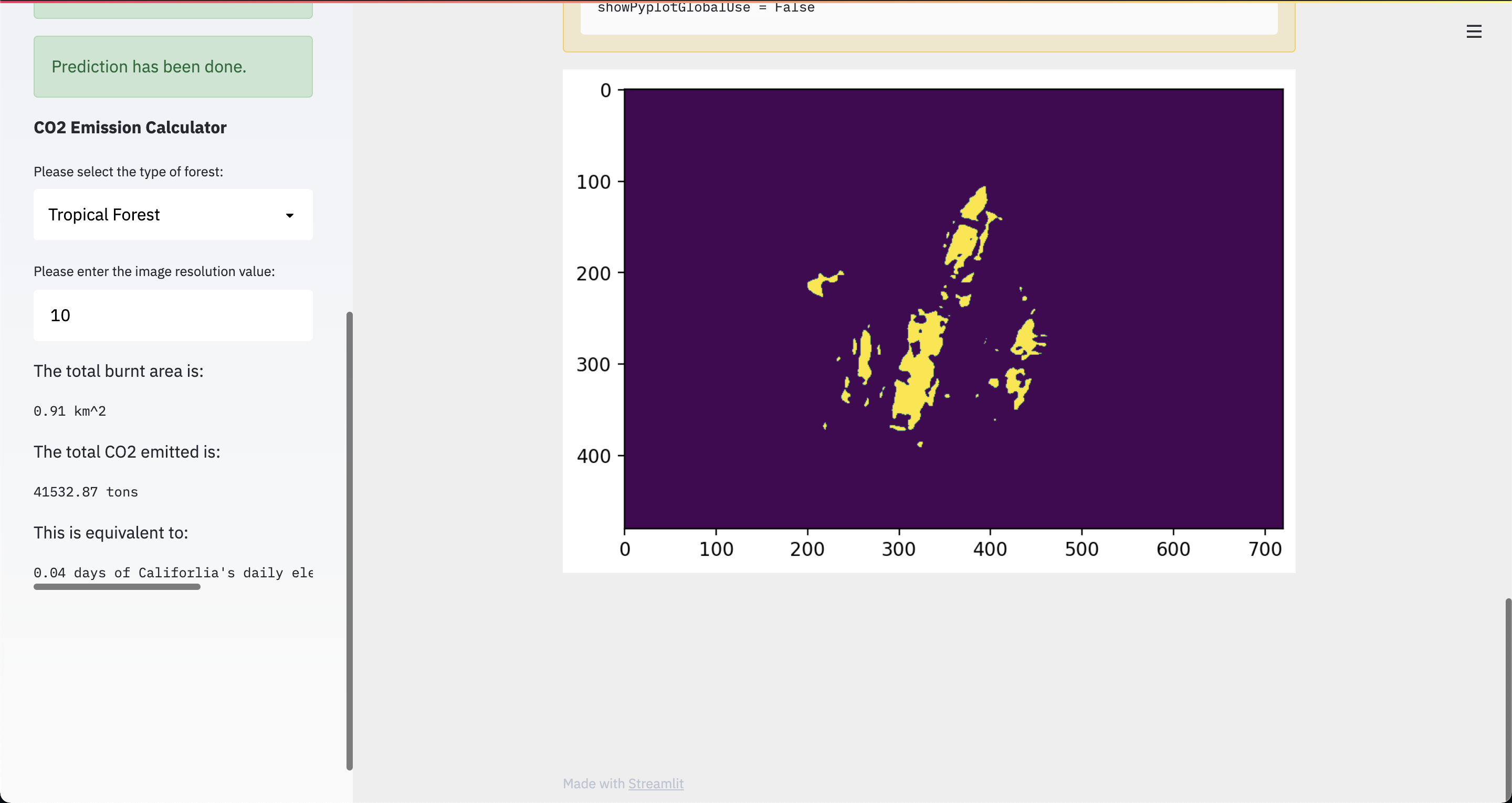
Mark Predicition
Inspiration
This past summer wildfires spread through thousands of acres across Northern California, leaving people with no other choice than to evacuate. It is crucial for these disasters to be predicted on short notice and with great accuracy, in order to ensure not only public safety, but the safety of our environment and Earth. Currently there are thousands of satellites orbiting the Earth, however, only less than 10 of them can detect wildfires, and because of these scarcely small number, wildfires have continued to persist as a huge issue for years on end. This immense problem led me to create DisastersAI, a Real Time Wildfire Detection system that uses AI to instantaneously detect wildfires around the globe from satellite imagery, in order to instantly alert citizens to evacuate, as well as predict the negative consequences of the event.
What it does
DisastersAI takes a user inputted satellite image, and utilizes a deep learning model to determine the predicted probability, mask, CO2 emission, total burnt area, and the amount of daily electricity power will be wasted during the event of the inputted wildfire.
How I built it
First I used satellite images of wildfires to train the deep learning model. The model created was a simple architecture with 17 input features, the first hidden layer with 64 neurons, the second hidden layer with 32 neurons, and the final regression node. The final model was then saved on s3 and deployed on the front-end which was developed using python's streamlit API.
Challenges I ran into
Having to develop both front and back end given the short timeframe. The deep learning model was what consumed most of my time.
Accomplishments that I'm proud of
Creating the model and utilizing a regression output within the timeframe of the hackathon.
What I learned
I improved my knowledge on front-end development and learned more about deep-learning.
What's next for DisastersAI
Potentially a more robust UI and live integration with satellite feeds.
Built With
- ai
- neural-networks
- python


Log in or sign up for Devpost to join the conversation.