-
-
-
First page
-
-
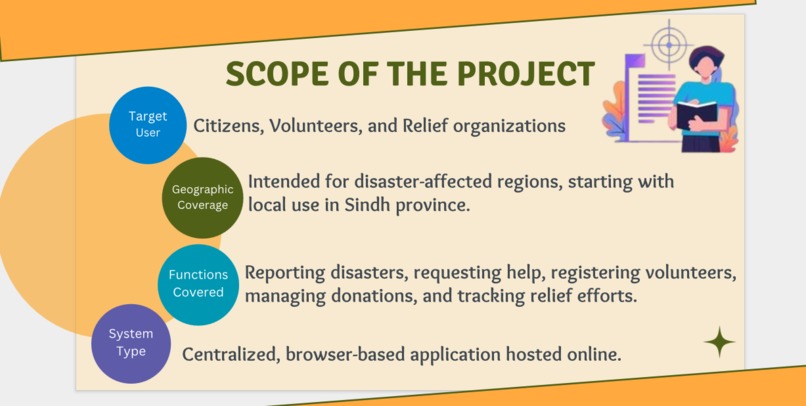
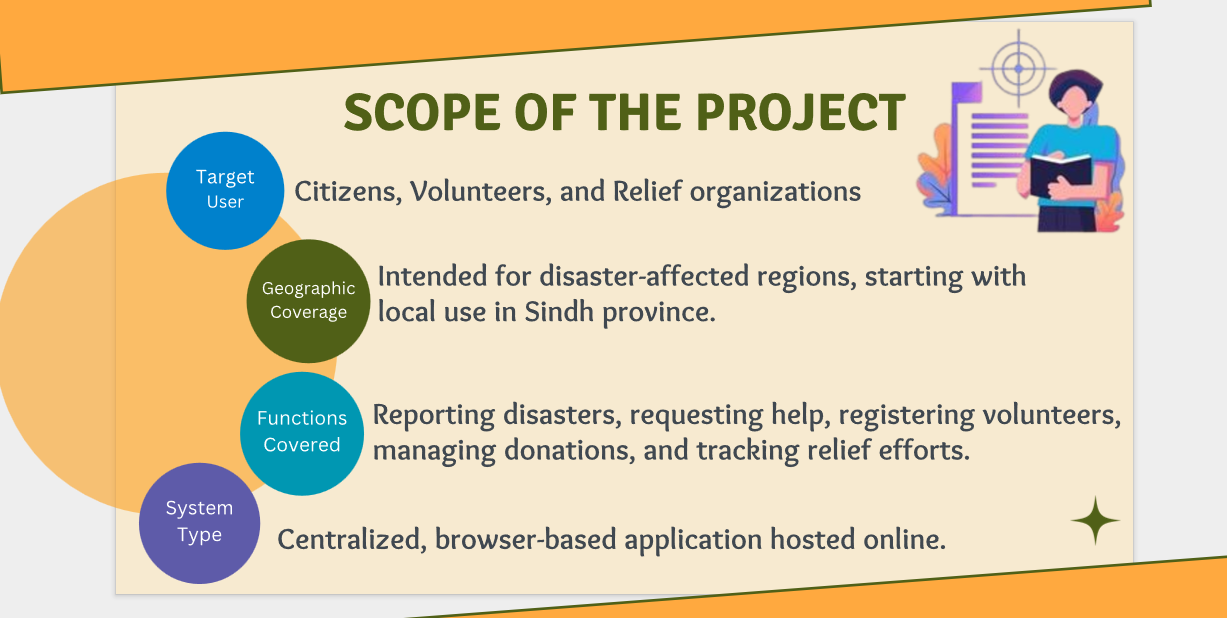
Initial Scope of the project.
Inspiration
Pakistan faces devastating floods every year, affecting millions of lives. We wanted to build a single digital platform that connects victims, rescuers, and authorities to ensure faster response, transparency, and community safety.
What it does
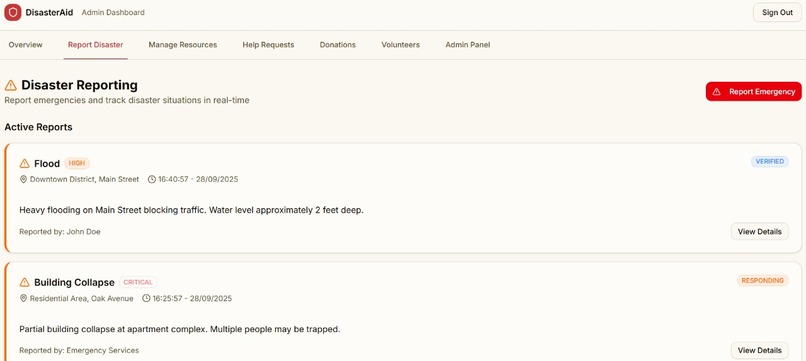
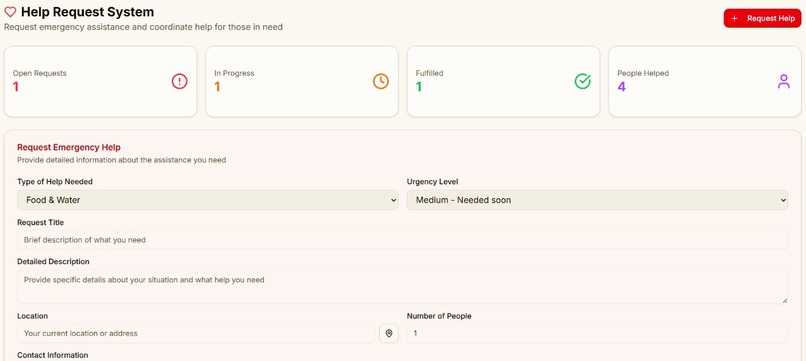
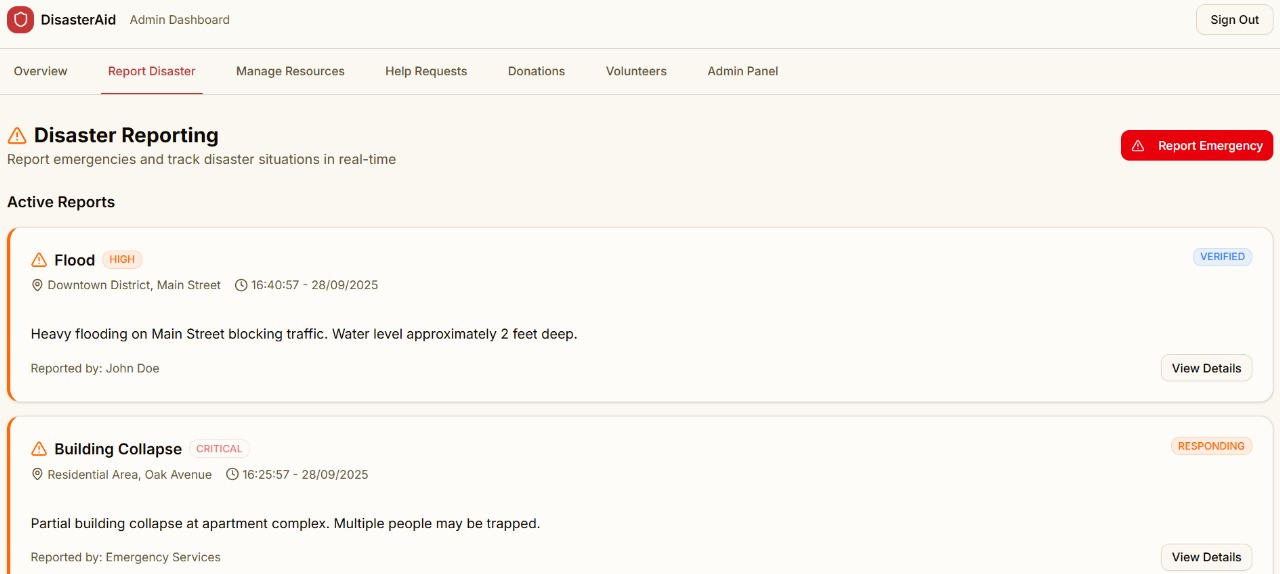
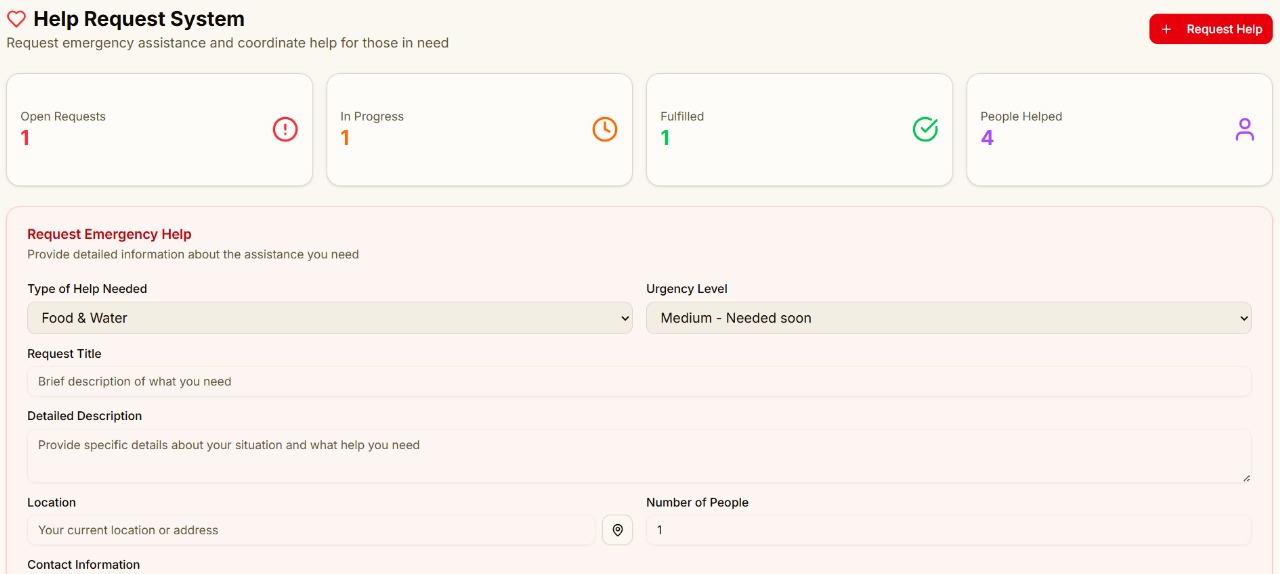
Disaster Releif portal is a flood relief and coordination app that provides real-time flood updates, connects victims with rescue teams and NGOs, and maps safe shelters and resources. It bridges the communication gap during disasters.
How we built it
We developed Disaster relief portal using React, Node.js, and Firebase for seamless data flow. We integrated Google Maps API for live location tracking and used open datasets from NDMA for flood-prone areas. The backend supports real-time requests and updates.
Challenges we ran into
Main challenges were integrating real-time data from government sources and ensuring stable performance during heavy user traffic. We also faced delays in adding early flood detection and Adonis-based flood management, which we plan to complete soon.
Accomplishments that we're proud of
We successfully created a working platform that connects people during emergencies, helping them find safe shelters and request aid instantly. The system works smoothly on both desktop and mobile, and it’s fully localized for Pakistan.
What we learned
We learned how crucial data accuracy and coordination are during disasters. We also gained deep technical experience in API integration, real-time database management, and user-centered design for crisis situations.
What's next for Umeed Connects
Next, we’ll integrate AI-based early flood detection, Adonis flood management, and SMS alerts for offline users. We also plan to partner with local NGOs and NDMA to scale Kops nationally across Pakistan.

Log in or sign up for Devpost to join the conversation.