-
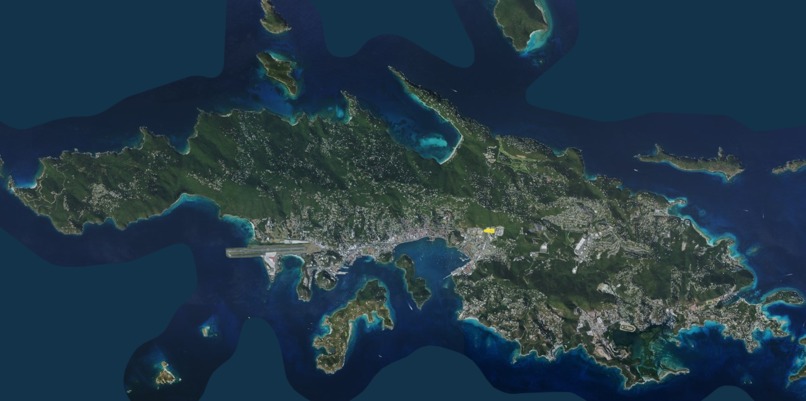
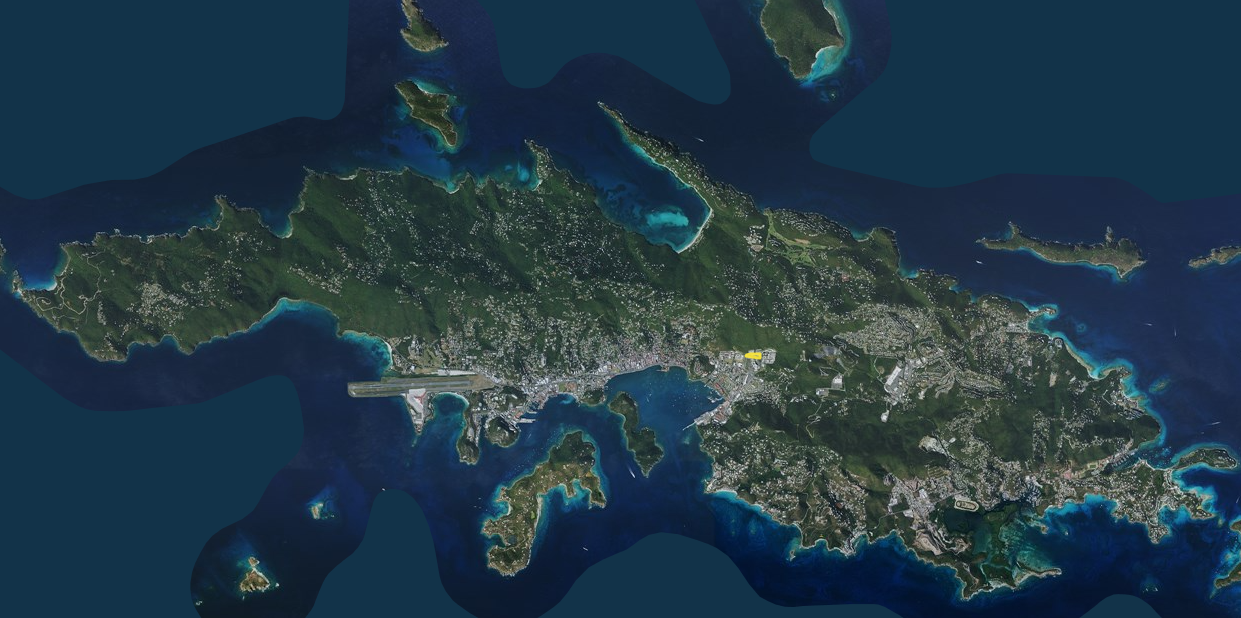
Island
-
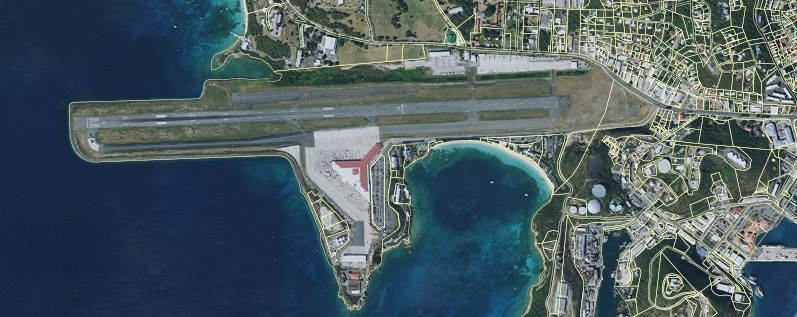
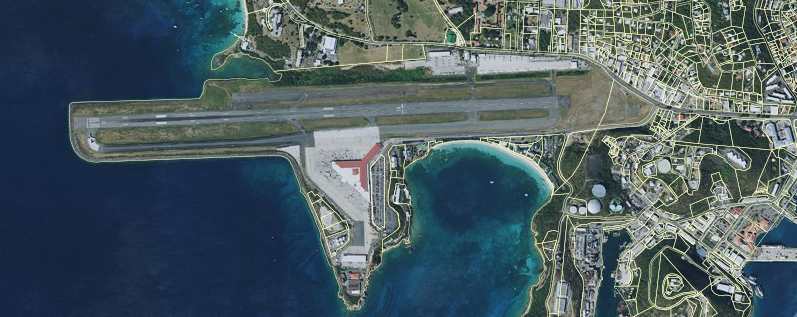
Airport
-
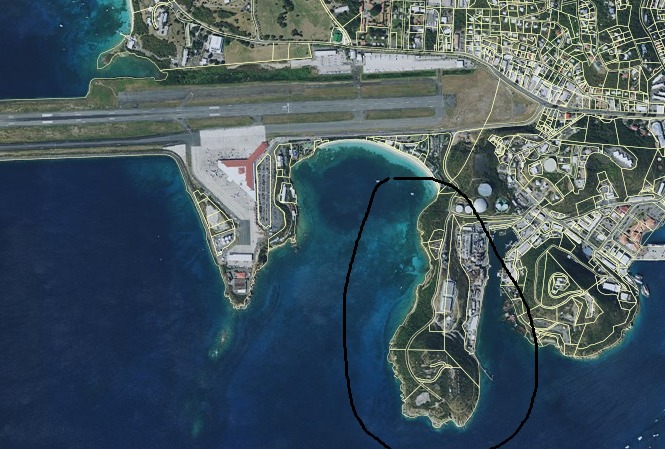
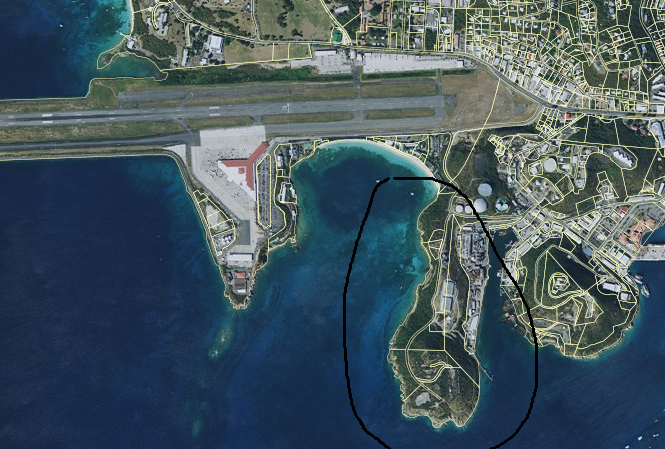
Power Plant
-
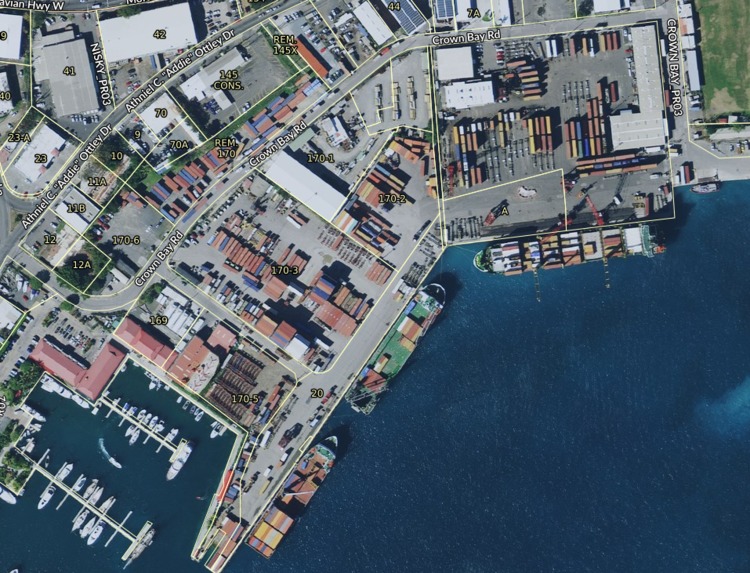
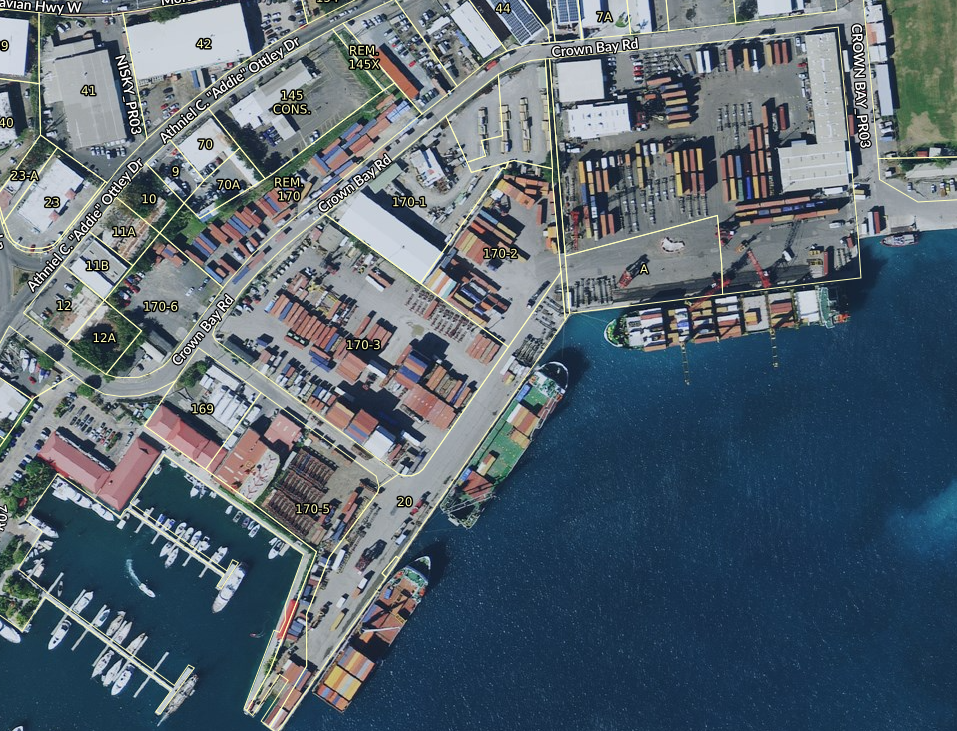
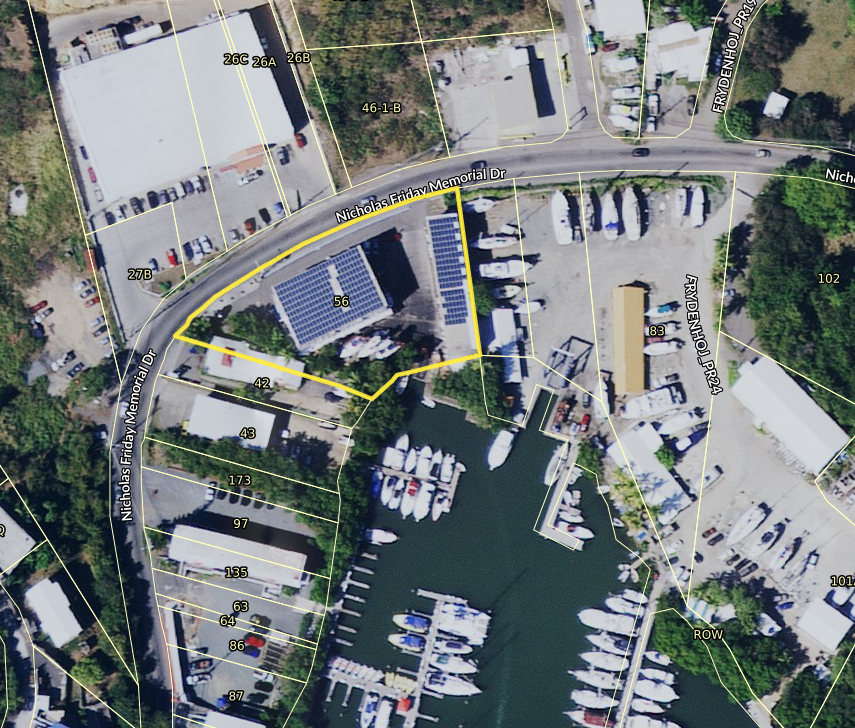
Cargo Port
-
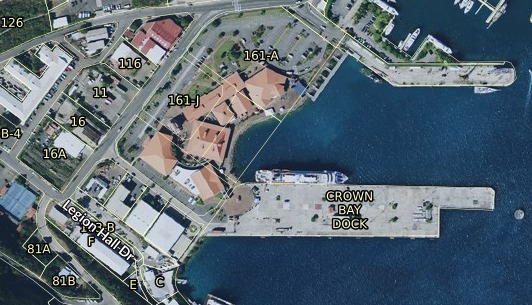
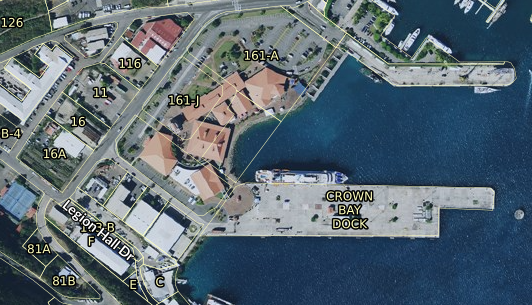
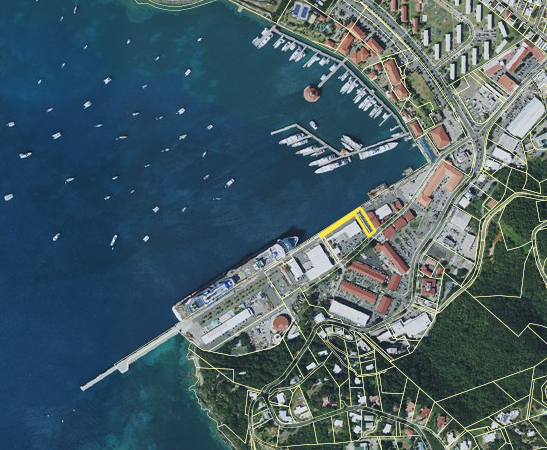
Cruise ship dock 1
-
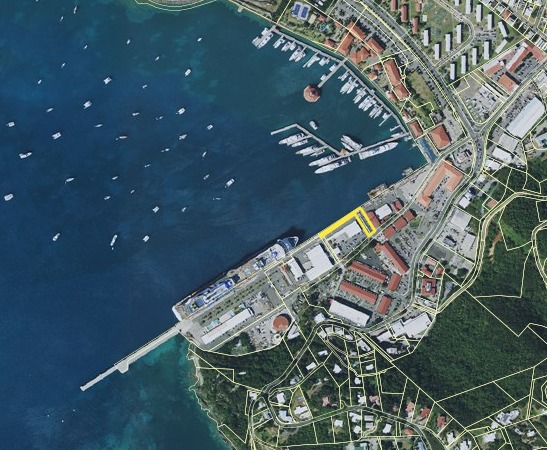
Cruise ship doc 2
-
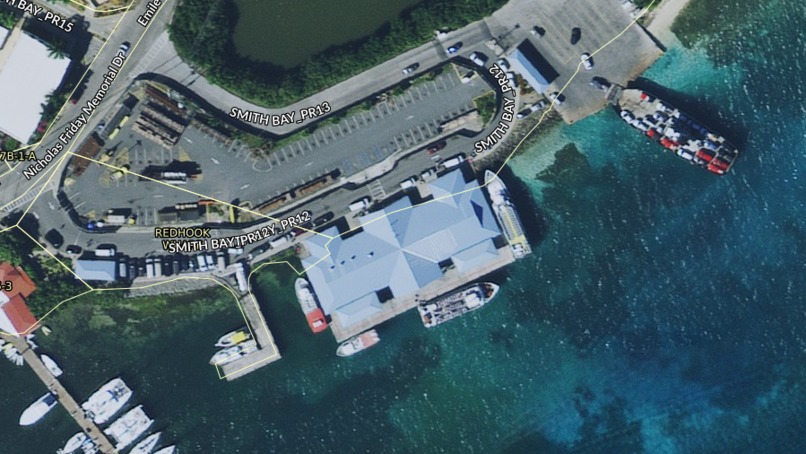
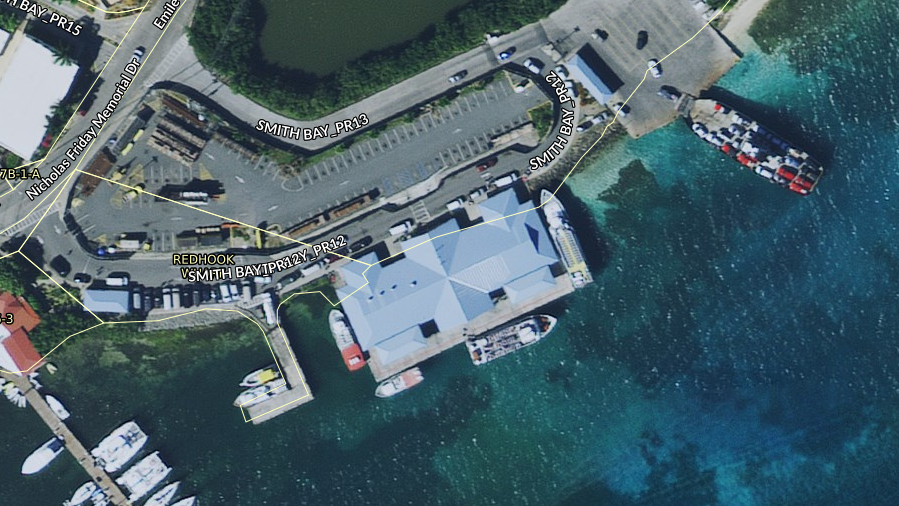
Ferry Dock
-
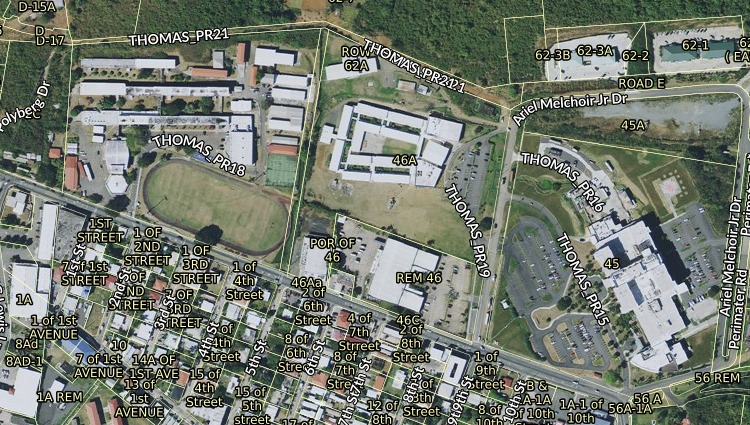
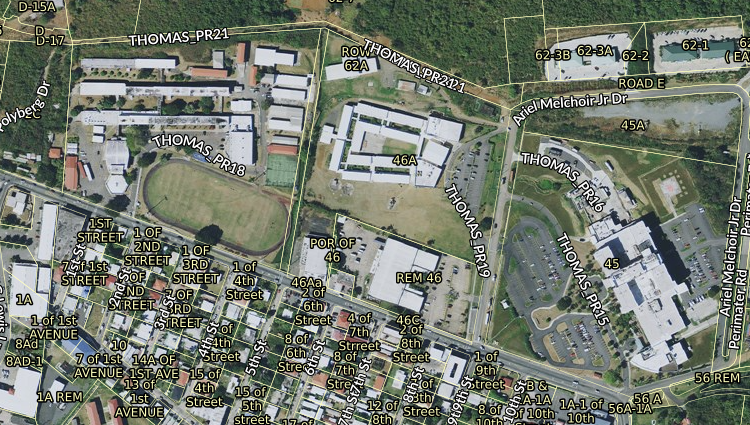
Hospital, School and Post Office
-
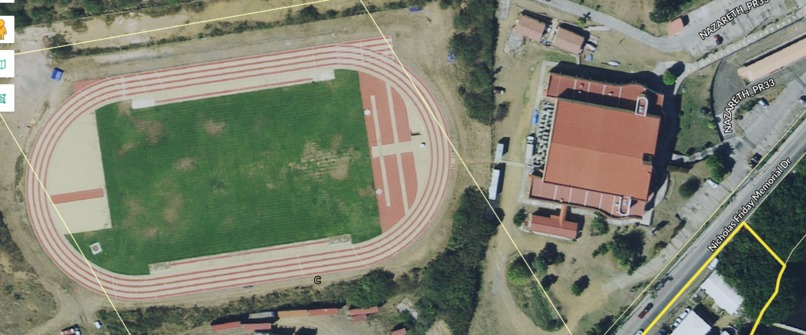
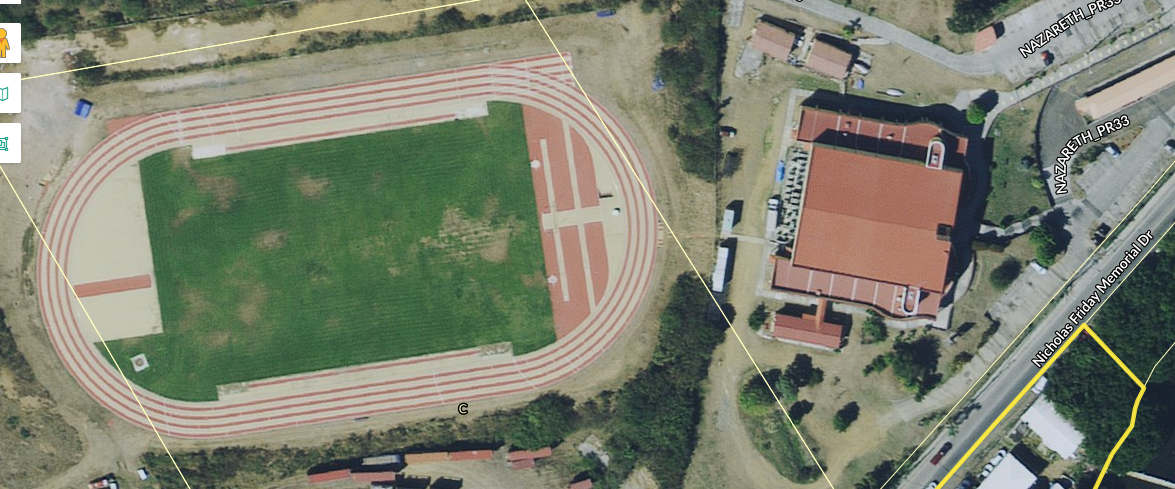
2nd High School
-
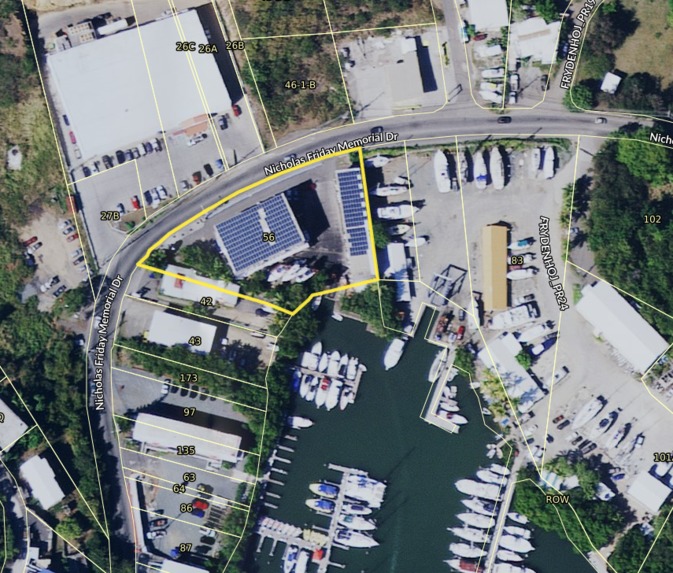
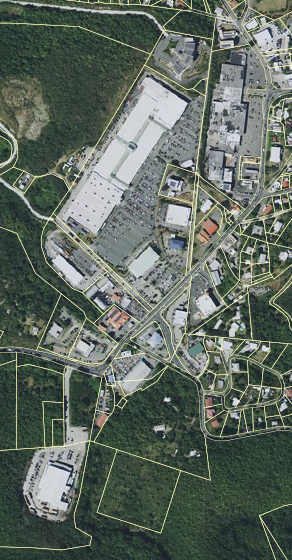
Grocery Store, marine store
-
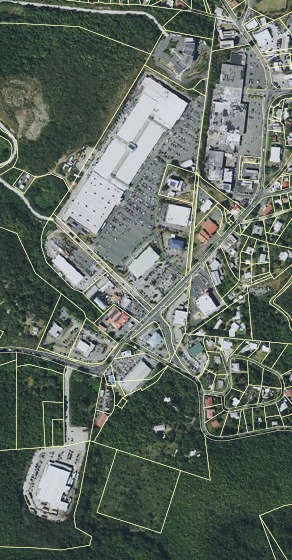
Grocery store 2
-
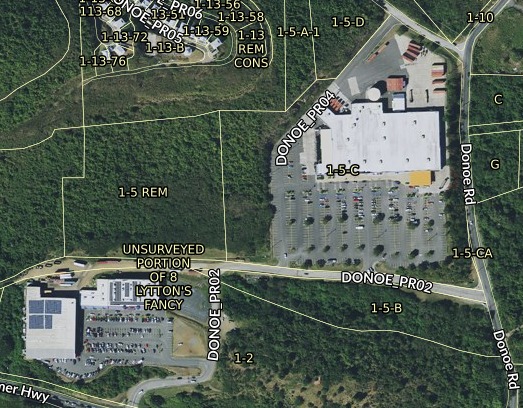
Hardware store
-
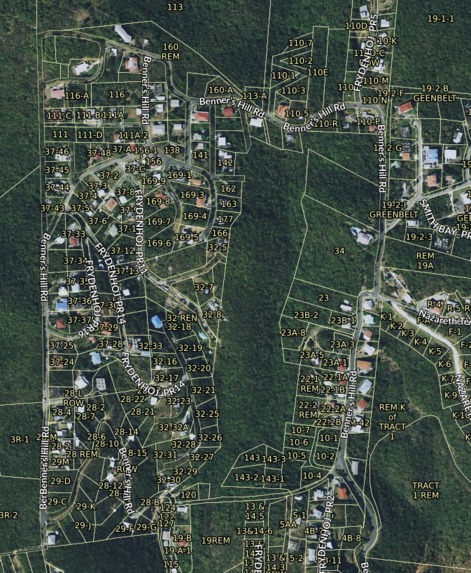
typical neighborhood
Inspiration
Disaster Recovery was inspired by the real-world challenges Caribbean communities face after major hurricanes. Having witnessed the impact that natural disasters can have on infrastructure, families, schools, businesses, and tourism, I wanted to create a game that focuses not on destruction, but on rebuilding. Many games focus on survival during a disaster. I became interested in what happens after the storm passes. Communities must clear roads, restore power, reopen hospitals, get children back to school, support local businesses, and rebuild their economy. I wanted players to experience the satisfaction of helping an entire island recover and become stronger than before. The Caribbean setting was chosen because tourism is often the lifeblood of island economies. This creates a unique recovery journey where restoring critical infrastructure eventually leads to the return of visitors, jobs, and economic stability.
What it does
Disaster Recovery* is a Simulation & Management game where players take on the role of Disaster Recovery Director following two Category 5 hurricanes that strike a Caribbean island within two weeks. Players coordinate recovery operations using equipment such as bobcats, chainsaws, bucket trucks, forklifts, and construction vehicles. They restore infrastructure, reopen schools and hospitals, rebuild neighborhoods, rescue stranded animals, support local businesses, and revive the island's tourism-based economy. Progress is tracked through an Island Recovery Meter that measures the transformation from devastation to full recovery.
How we built it
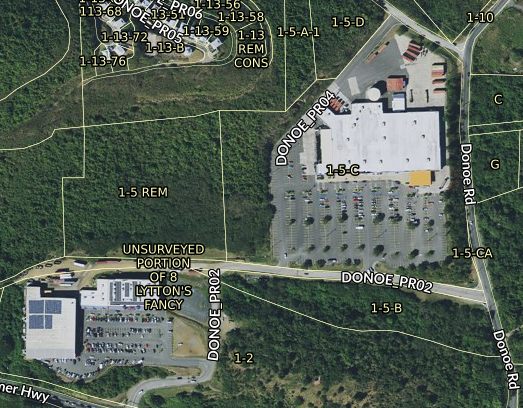
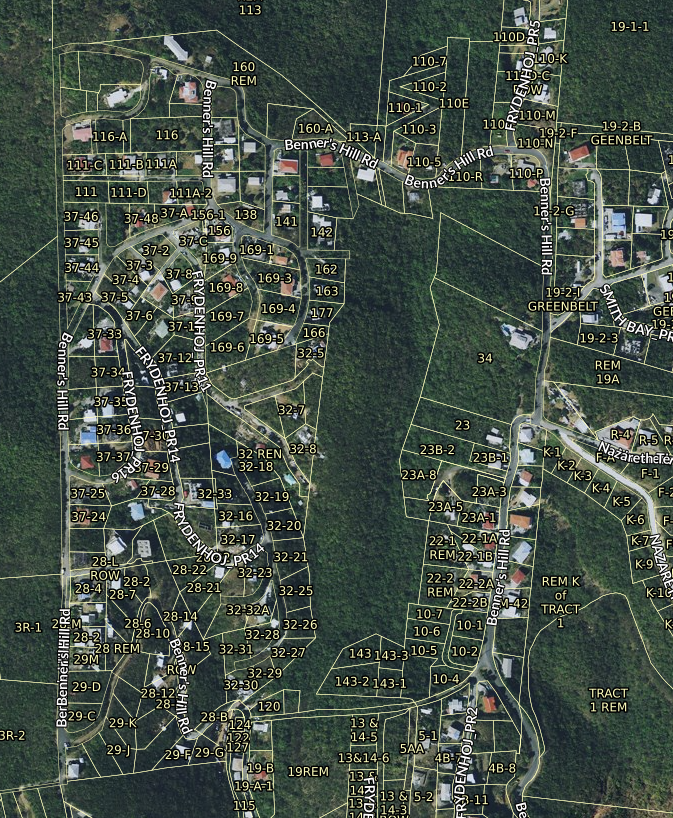
I began by identifying the most important systems that must be restored after a disaster. From there, I mapped the island into key recovery zones: • Airport • Power Plant • Cargo Port • Cruise Ship Dock • Ferry Dock • Hospital • Schools • Neighborhoods • Commercial Districts I then developed the core gameplay loop around recovery operations. Players assess damage, deploy equipment, clear debris, restore utilities, deliver supplies, and rebuild essential services. To create a sense of progression, I designed several interconnected systems: • Island Recovery Meter • Community Spirit Meter • Recovery Credits • Equipment Upgrades • Mission Progression These systems work together to ensure that every action contributes to the island’s visible recovery.
Challenges we ran into
One of the biggest challenges was balancing realism with enjoyable gameplay. Real disaster recovery involves many complex systems, but a game must remain engaging and accessible. I had to decide which elements to simplify while still preserving the authenticity of the recovery experience. Another challenge was designing a progression system that felt meaningful. I wanted players to see visible changes across the island as recovery advanced, rather than simply completing isolated tasks. Creating a recovery-focused game also required thinking differently from traditional simulation games. Instead of starting with a functioning city or business, players begin with a devastated environment and gradually restore it. This required careful planning to ensure each milestone felt rewarding.
Accomplishments that we're proud of
We are proud of creating a unique simulation concept that focuses on recovery instead of catastrophe. The project successfully combines infrastructure restoration, community rebuilding, economic recovery, and emotional storytelling into a single gameplay experience. We developed a complete island recovery system, realistic mission structures, progression mechanics, and a visual concept package that demonstrates how the island evolves from devastation to prosperity. We are especially proud of incorporating schools, hospitals, local businesses, tourism, and animal rescue missions into the recovery process.
What we learned
Throughout the design process, I learned that disaster recovery is about much more than repairing buildings. Successful recovery depends on infrastructure, logistics, public services, community morale, and economic activity working together. I also learned how important it is for game systems to support a larger emotional goal. As the concept evolved, I discovered that players are often motivated not only by rewards and progression but by seeing the positive impact of their actions. Reopening a school, restoring power to a neighborhood, or reuniting a family with a rescued pet can be just as meaningful as completing a mission objective. I also gained a deeper appreciation for the planning and coordination required to rebuild communities after major disasters.
What's next for Disaster Recovery
Future versions of Disaster Recovery will expand beyond hurricane recovery to include additional disaster scenarios such as tornadoes, floods, tsunamis, and earthquakes. We would also like to introduce cooperative multiplayer gameplay, allowing players to work together to rebuild communities. Additional features could include career specialization paths, expanded island environments, advanced economic systems, volunteer coordination, shelter management, and more detailed community recovery mechanics. Our long-term vision is to create the premier disaster recovery simulation experience that is both engaging and educational.


Log in or sign up for Devpost to join the conversation.