-
-
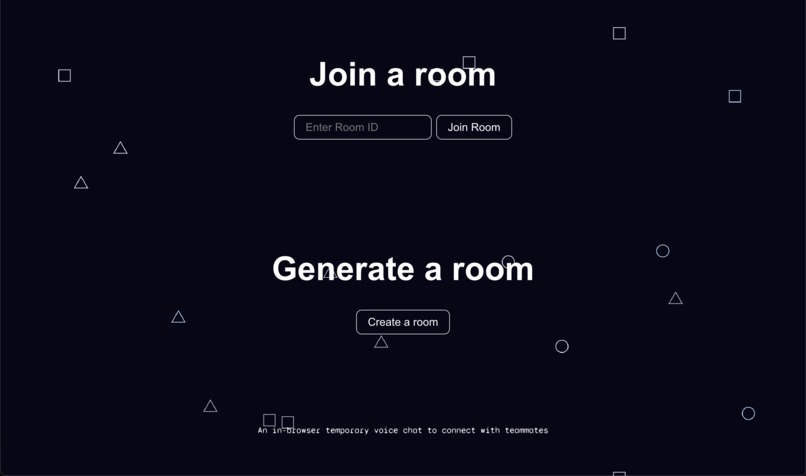
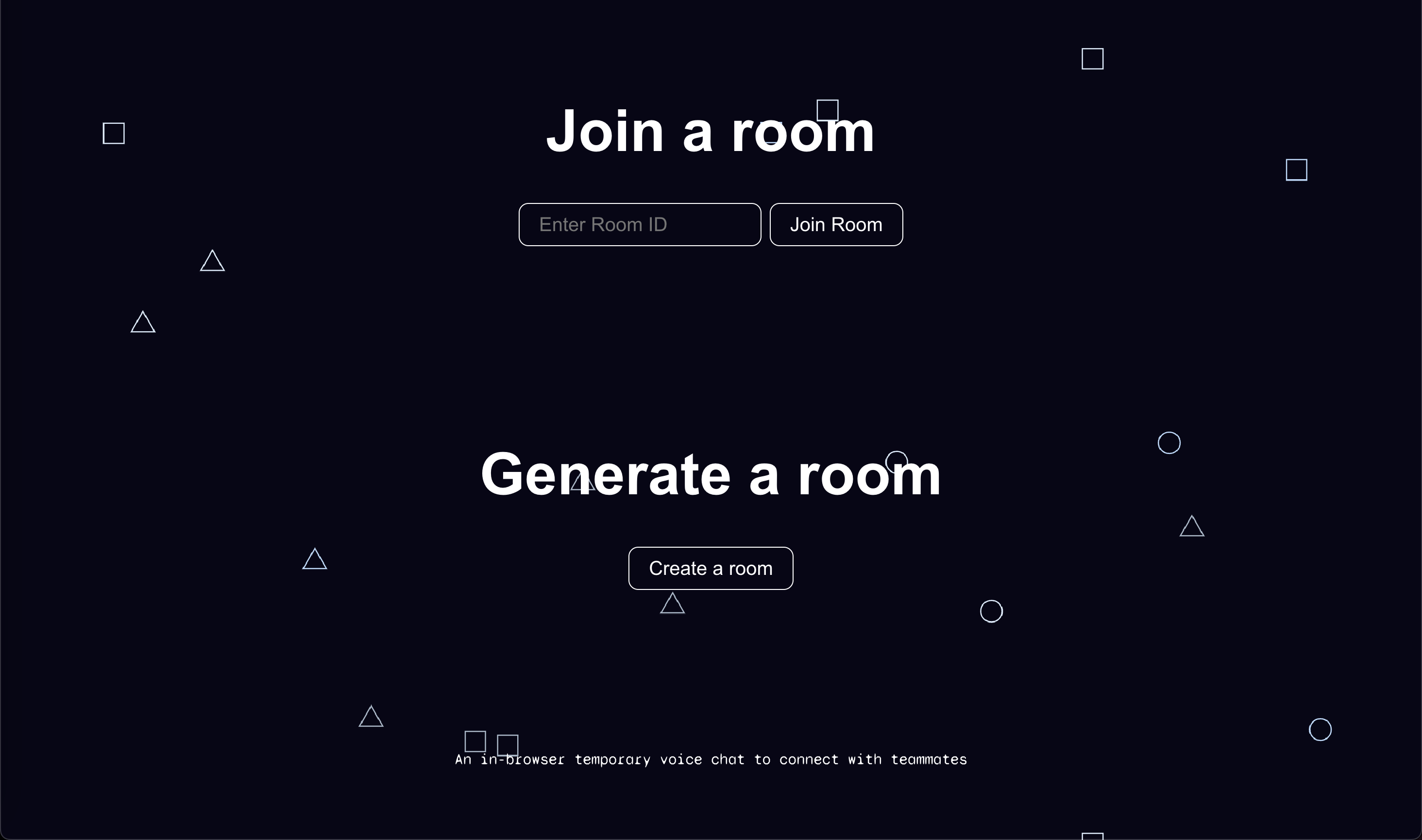
Landing Page
-
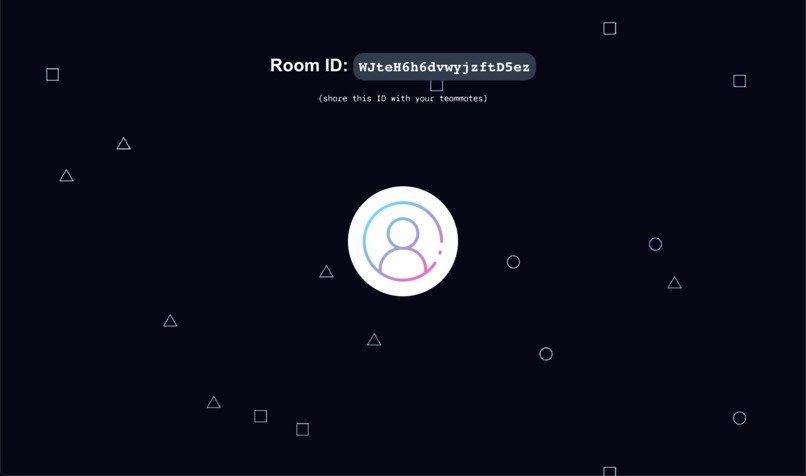
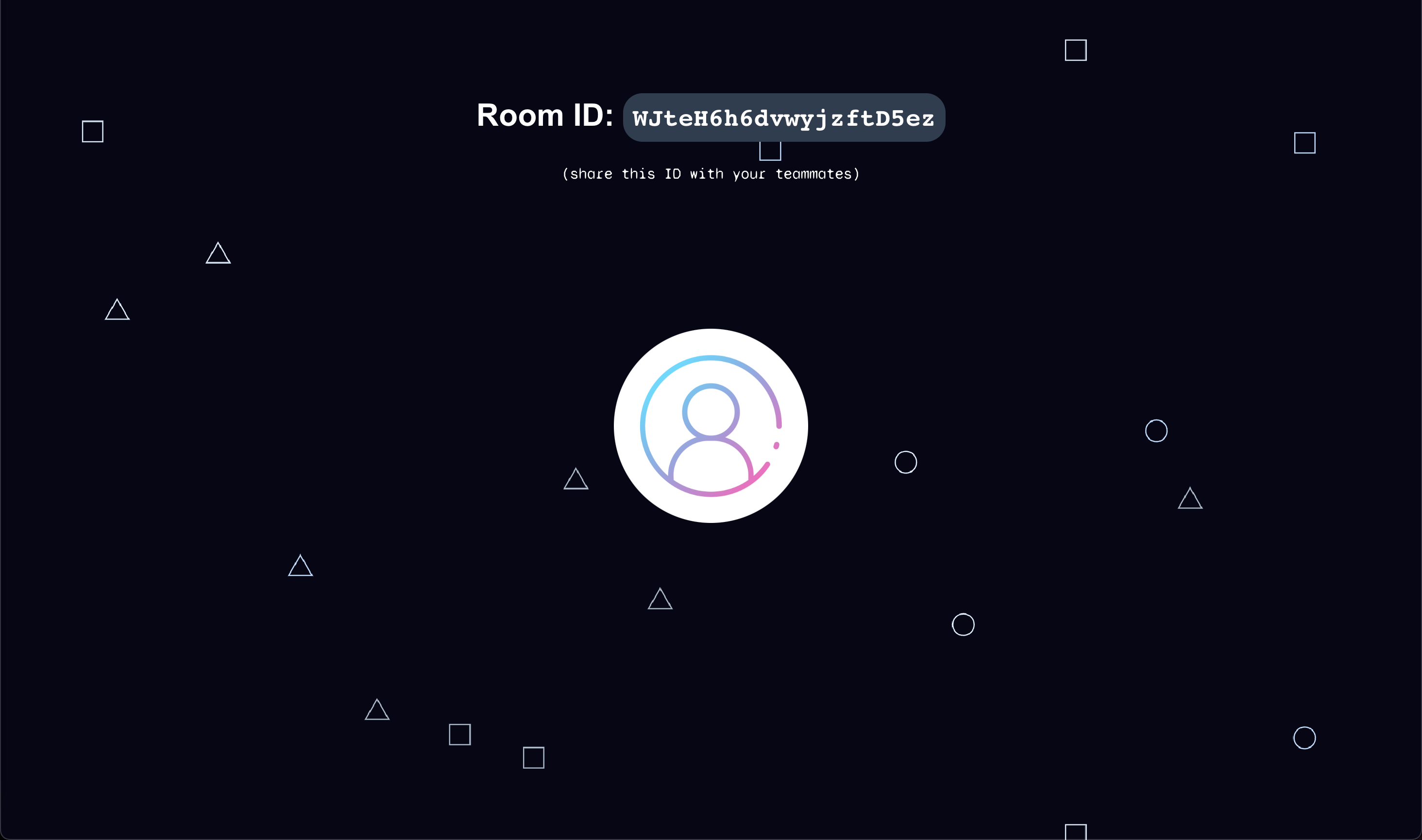
Automatically created voice chat
-
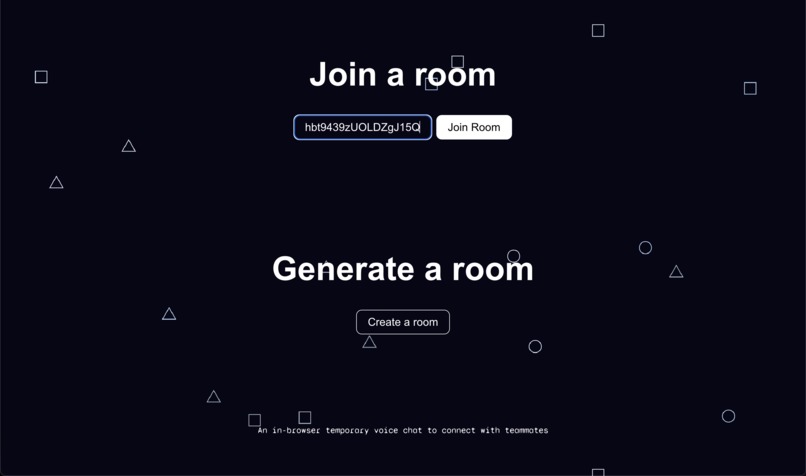
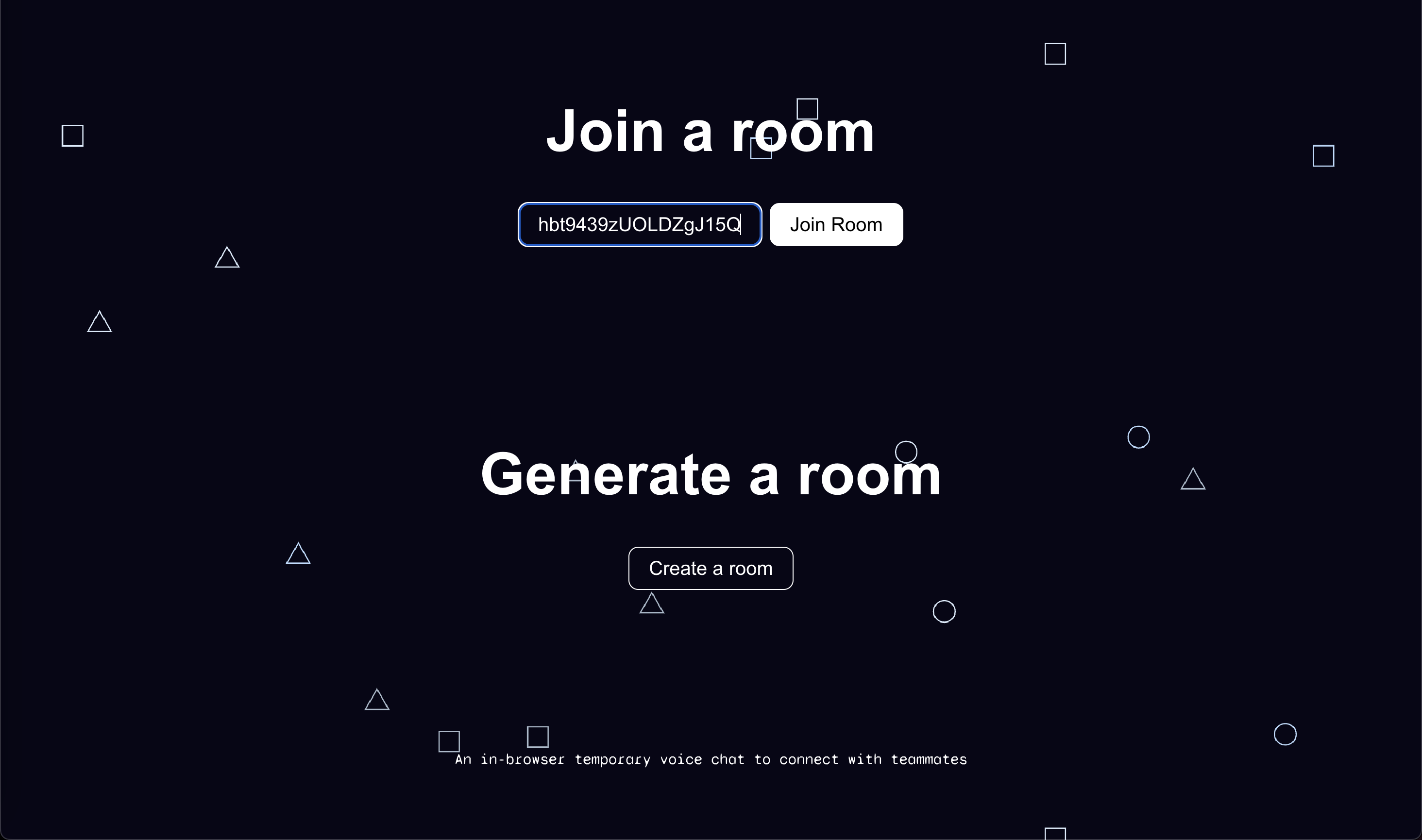
Joining a teammate's room
-
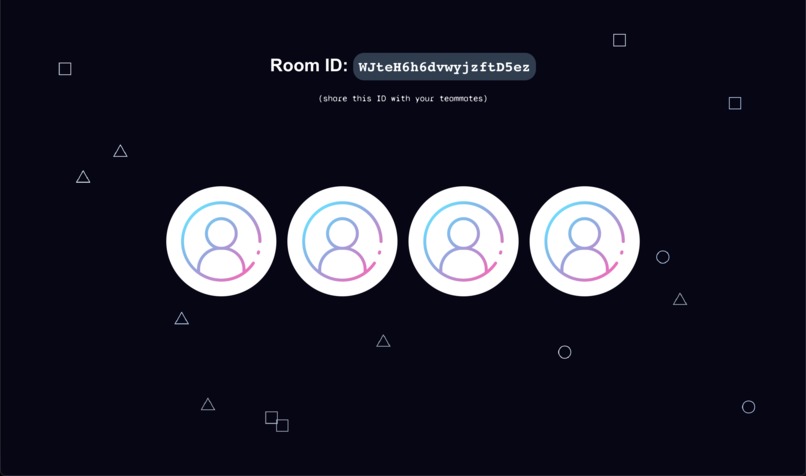
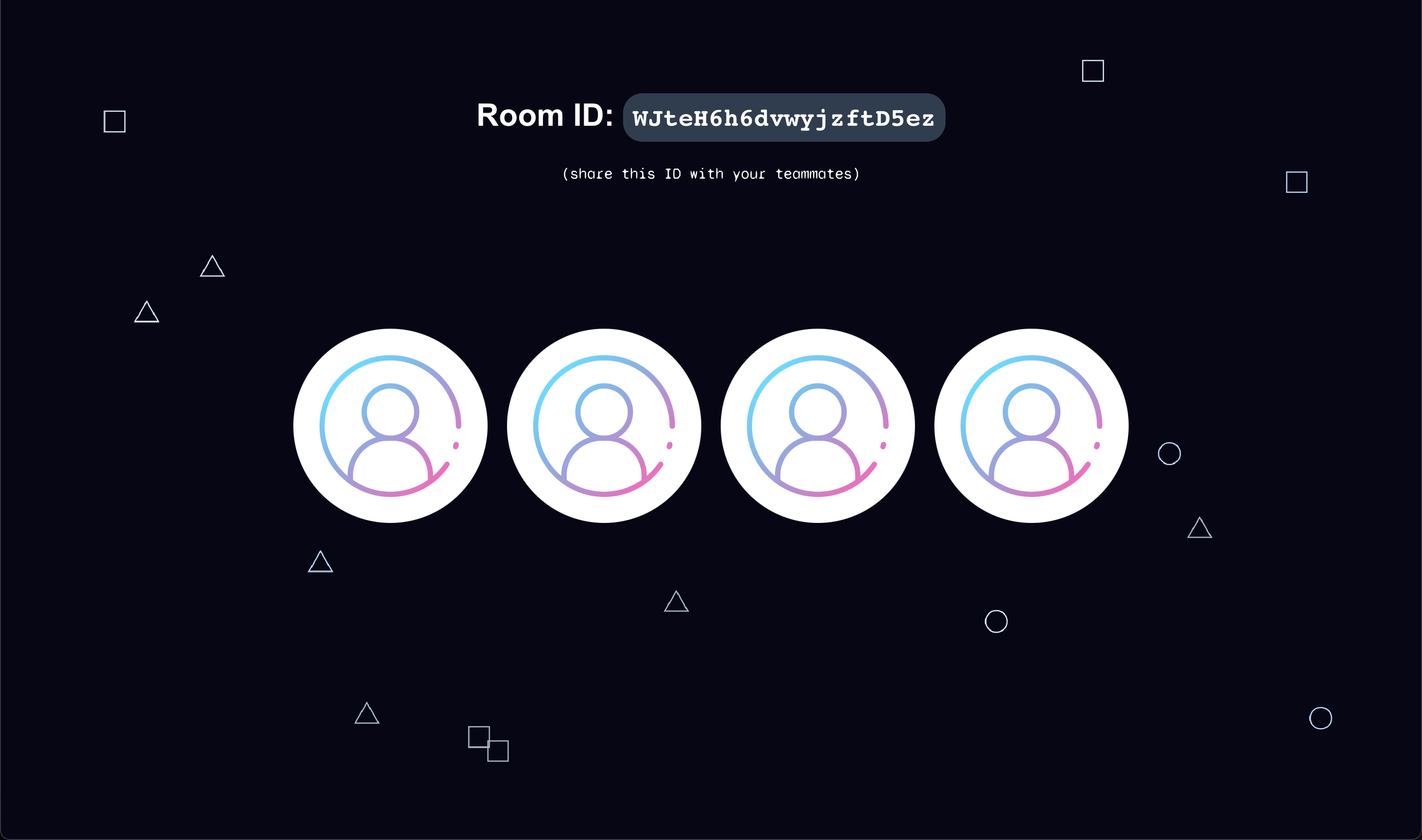
Multiple users in one call
Inspiration
Some of the biggest teamwork-oriented games today such as League of Legends and World of Warcraft do not come with an in-game voice chat by default. Even though the games require intense levels of communication throughout the matches in order for the players to be successful, the players are left to download third-party applications and each other as friends, even if it's just for one match or raid.
But what if you don't want to add strangers to your personal discord server or send your email on a global chat to set up a Google Meet? As it stands, there is no easy way to set up a temporary call amongst players for the duration of one session. That's where direcTLy comes in!
direcTLy - the low-latency, highly-accessible disposable voice lobby website
What it does
direcTLy is a completely in-browser application that allows users to generate a voice chat through a peer-to-peer network. This allows for complete privacy and little-to-no effort to get set up. The best part is that by using peer-to-peer connections, we don't need to rely on servers and can establish insanely low latency connections directly between users! Making sure that no callouts are delayed!
One person heads over to our website and creates a room, and the others join with the code generated. At the end of the match, simply close the browser tab!
How we built it
- We created the user interface of the website with HTML/CSS and JavaScript.
- The logic of establishing the peer-to-peer network was through the utilization of WebRTC in JavaScript.
- The networking and client information is persisted through Firestore in Firebase.
- The hosting & deployment pipeline was set up through Vercel and the entire application is bundled using Vite.
Challenges we ran into
- One of the biggest challenges we ran into was establishing a multi-party peer-to-peer network. Although the documentation and steps required to set up a 1-1 call is relatively simple, it was much harder to figure out how to scale the system to establish an arbitrary number of connections to allow for group calls.
- As a team, we had no prior experience with Firebase, Vite, and Vercel, so it took some time to get set up.
Accomplishments that we're proud of
- We were able to set up a successful real-time communication application which we wouldn't have thought of as possible prior to this hackathon.
- We purposefully chose to experiment with new technologies such as Vite, Vercel, and Firebase, and we were able to successfully utilize them to create our end project whilst learning an immense amount.
- Our project is entirely functional as we hoped from the initial plan
What we learned
- Setting up an automated hosting and deployment pipeline in Vercel
- Implementing an n-dimensional real-time peer-to-peer network through WebRTC and Firestore
- Storing and manipulating data through Firebase
What's next for direcTLy
- A potential extension for direcTLy could be the support for video calling
- We could add the option to mute/unmute during a session
- A nice feature would be individual user volume control
- We could allow a user to tune their audio/video settings and much more!
Built With
- css
- firebase
- html
- javascript
- vercel
- vite
- webrtc


Log in or sign up for Devpost to join the conversation.