-
-
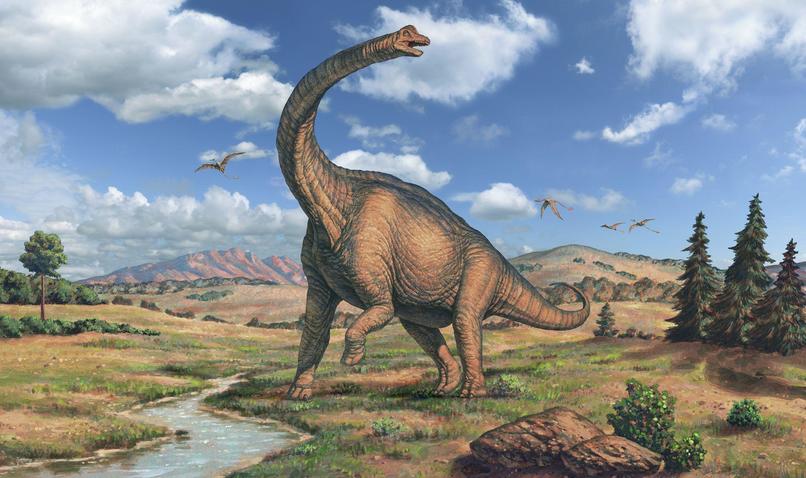
Brachiosaurus
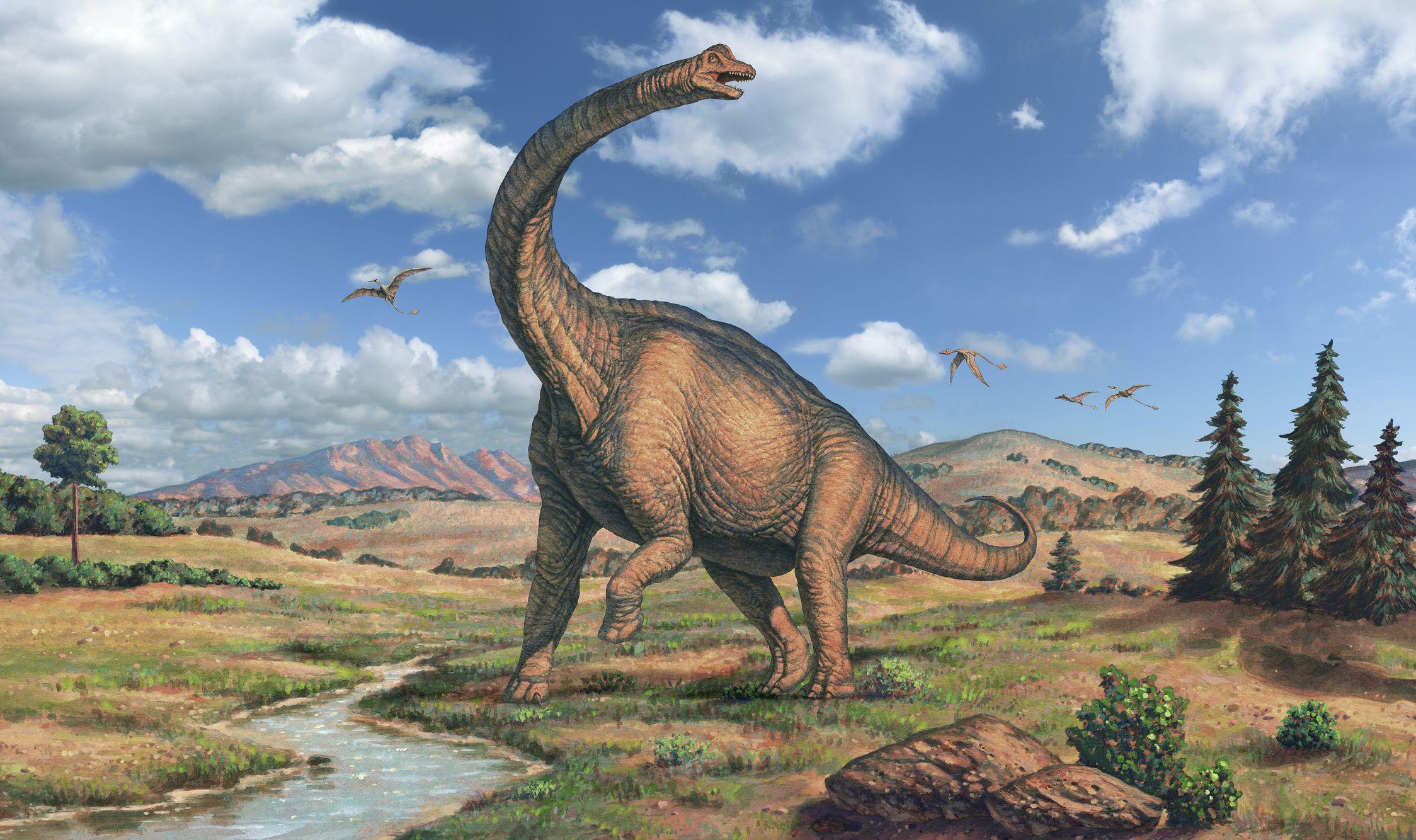
Inspiration
Our journey with DinoDetector started with a simple question: "How cool would it be to know which dinosaur you're looking at, just like that?" With our data science skills and knowledge of deep learning, we believed that we could make an app that would identify what dinosaur is in an image and give more information about that dinosaur with its classification results.
What it does
Think of DinoDetector as your time-traveling dino buddy. Upload a picture of a dinosaur, and it tells you where the Dinosaur used to roam, based on where its fossils were found across the globe.
How we built it
The backbone is a convolutional neural network on a vast dataset of dinosaur images. We used TensorFlow for machine learning, Streamlit for the web interface, and Folium for mapping the fossil locations.
Challenges we ran into
One of the biggest challenges was coming up with a dataset that we were happy with. As a lot of the pictures were AI generated and some were even toys. Thus, there was plenty of variation in image styles, since we do not have actual images of dinosaurs today. We also faced hurdles in integrating different technologies to work seamlessly together and learning on the go.
Accomplishments that we're proud of
We are proud that we could train a model and create a website for it, all within two days.
What we learned
We learned that having good group cooperation and planning is the most important aspect of the project, because if everyone is working their hardest, and in parallel, great results will happen.
What's next for DinoDetector: Unearth the Past
Come up with a better model using more advanced architectures and testing it on a even bigger dataset with more classes.


Log in or sign up for Devpost to join the conversation.