
Inspiration
Our inspiration was confronting the staggering scale of waste in the airline industry. We were shocked to learn that 34% of all in-flight cabin waste is untouched food and beverages, amounting to an estimated $6 billion in resources incinerated or landfilled annually.
The moment it all clicked, however, was when we analyzed the supply chain for a single cookie: it involved 8 industrial processes, 12 pairs of hands, 20 different raw materials, 1500 liters of water, and 3200 km of travel. Seeing this, we knew optimizing our logistics wasn't just a business improvement—it was an environmental and ethical imperative.
What it does
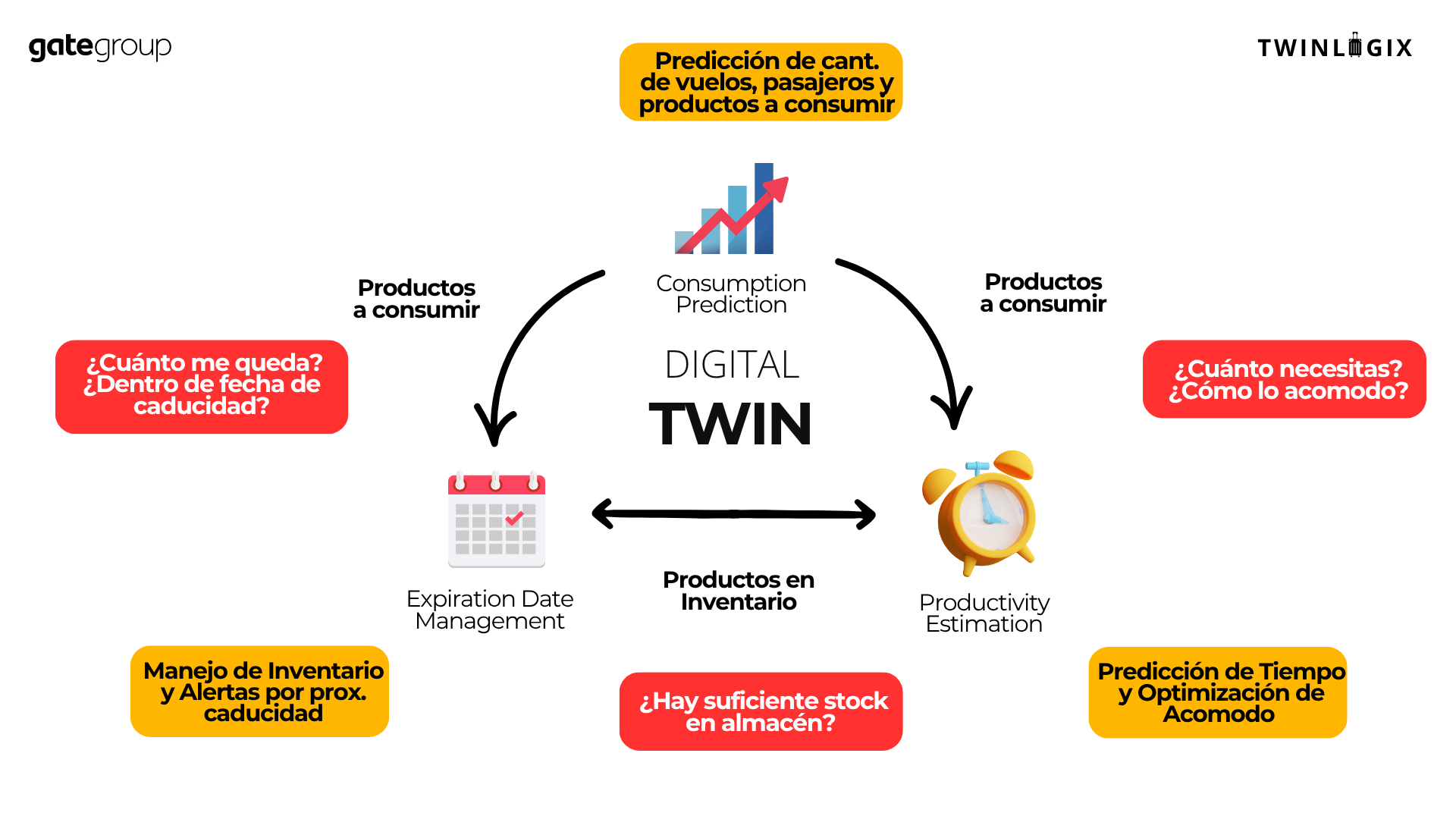
Our project, Twinlogix, is a Digital Twin—a dynamic, virtual model of our entire logistics operation. It connects every fragmented piece of our supply chain into a single, intelligent platform to stop waste before it happens.
It operates on three core pillars:
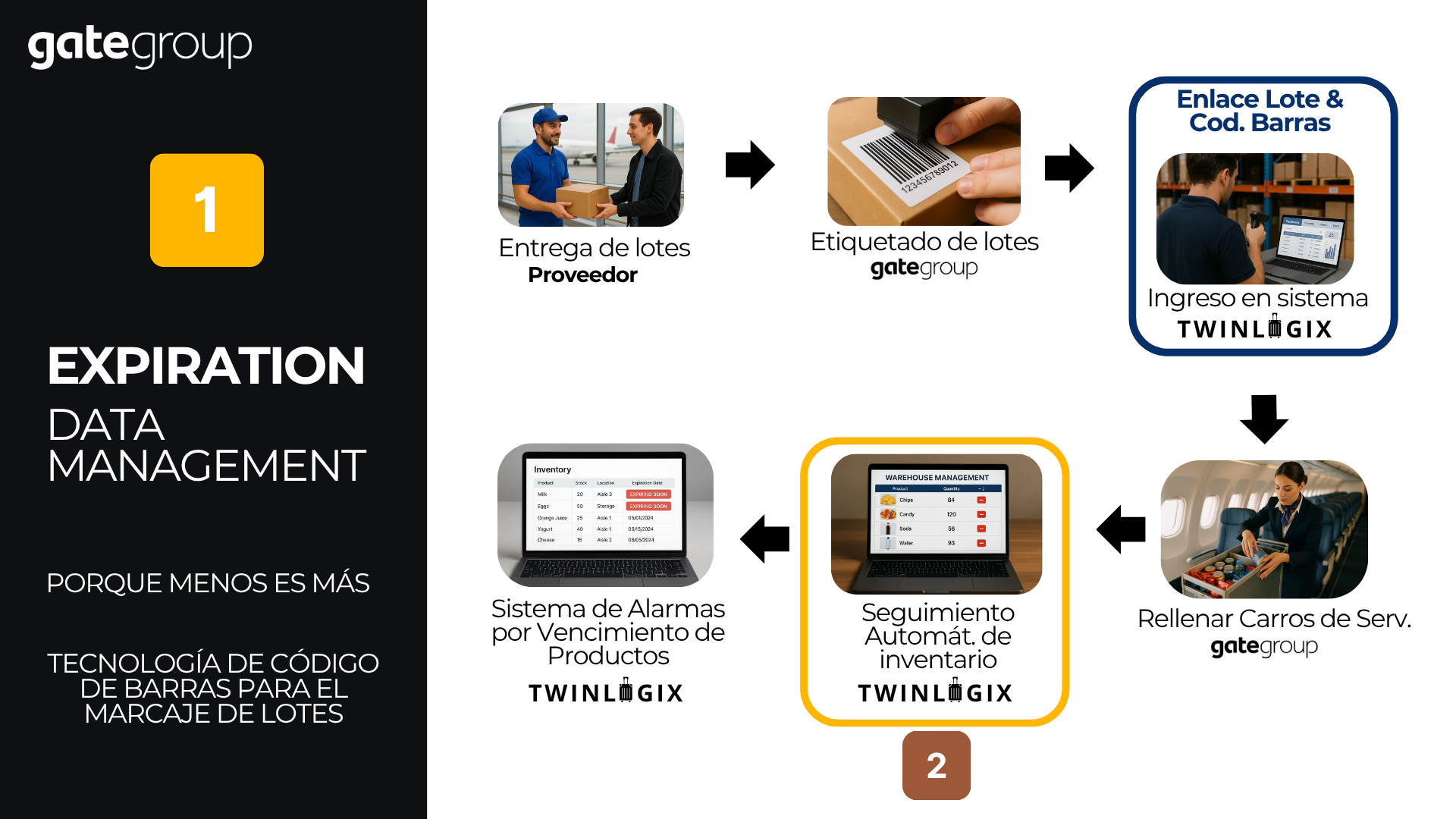
- Expiration Date Management: Tracks every product from arrival to its "use by" date in real-time.
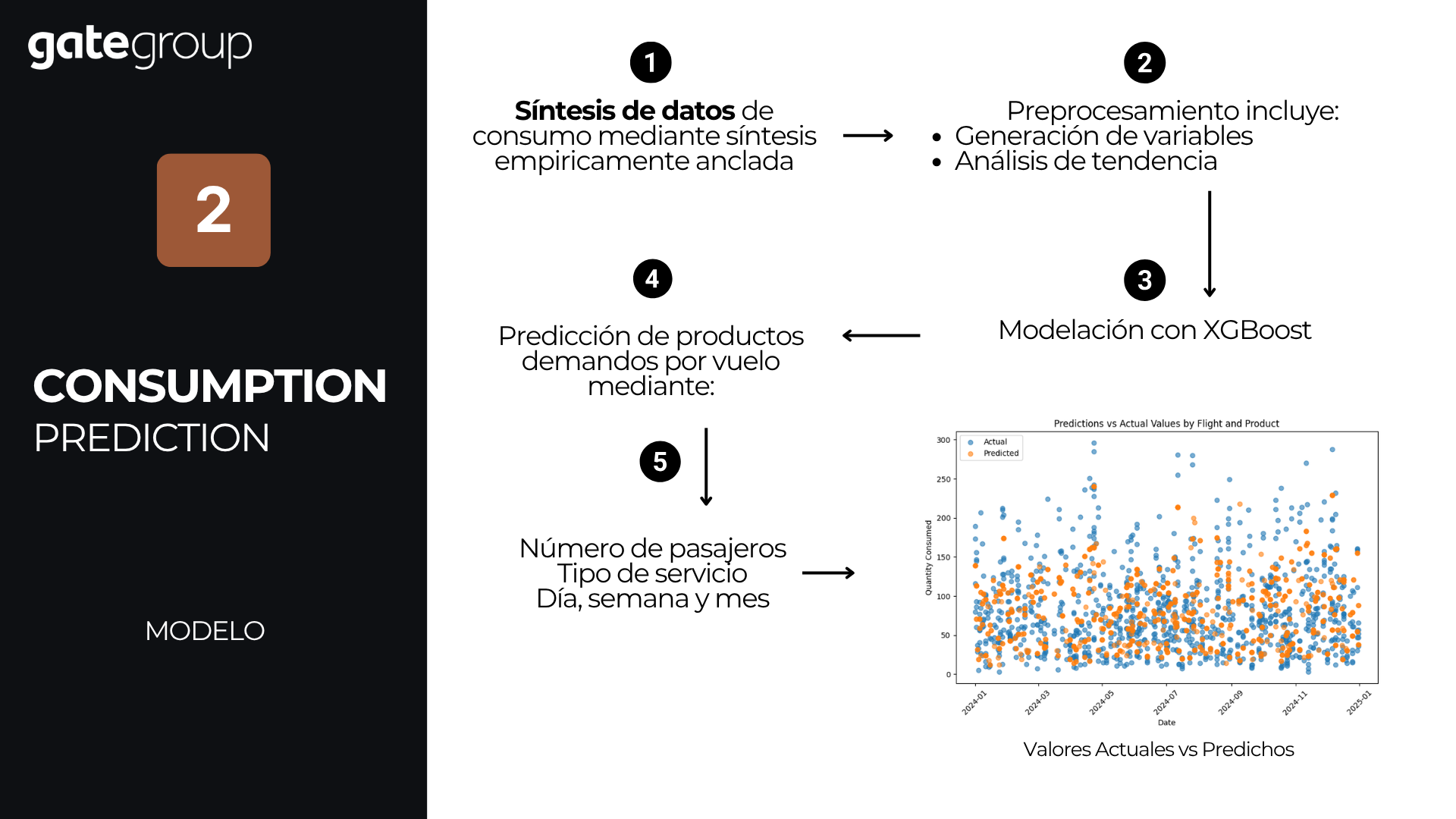
- Consumption Prediction: Uses time-series forecasting to accurately predict what products will be needed for which flights.
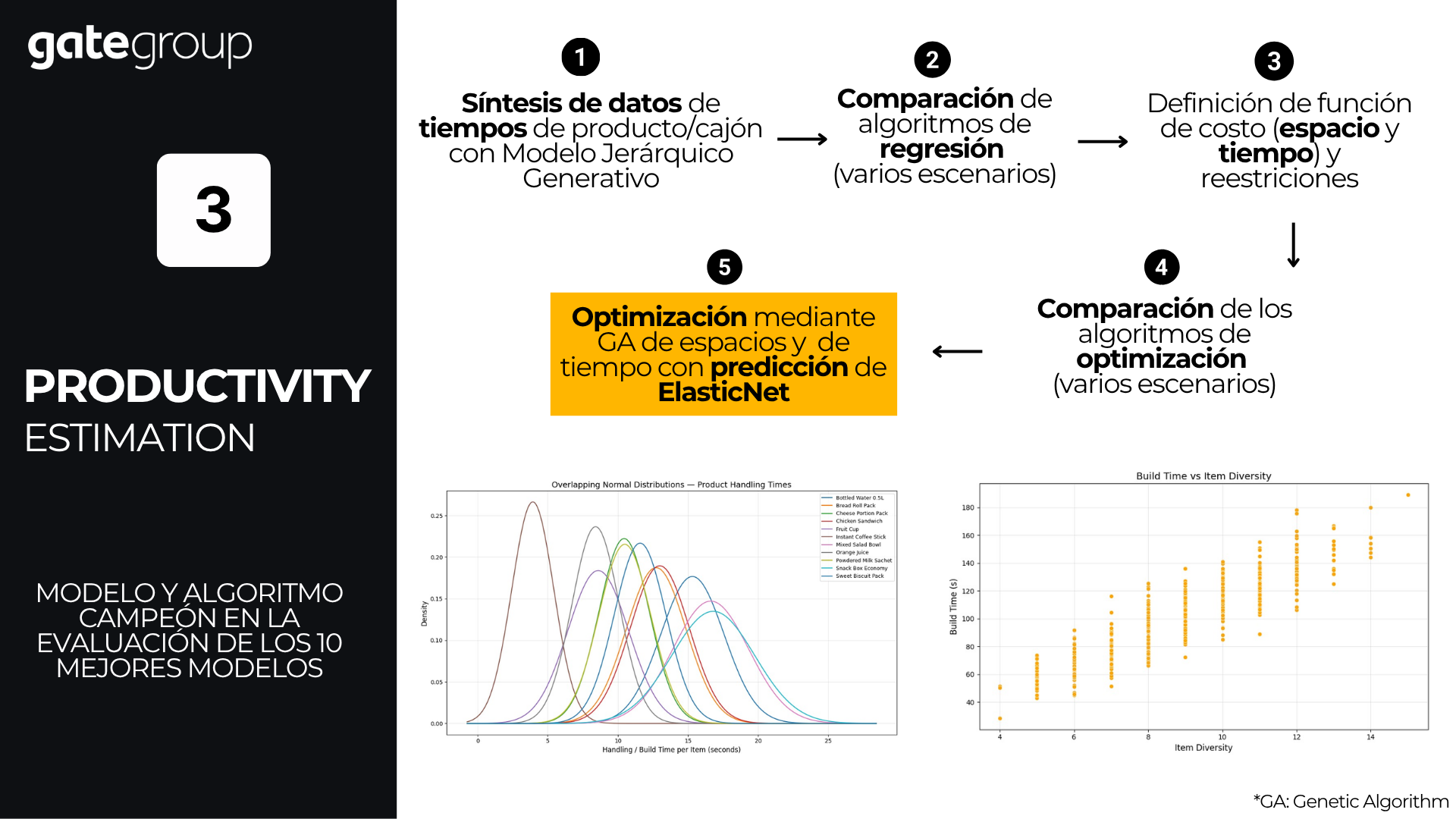
- Productivity Estimation: Optimizes how service carts are packed, balancing both the time it takes to build them and the space used to reduce weight and waste.
How we built it
We built Twinlogix by tackling each pillar with a dedicated model:
- For Expiration: We built a system that links physical barcodes to our digital inventory, providing real-time stock counts and automated alerts for products nearing expiration.
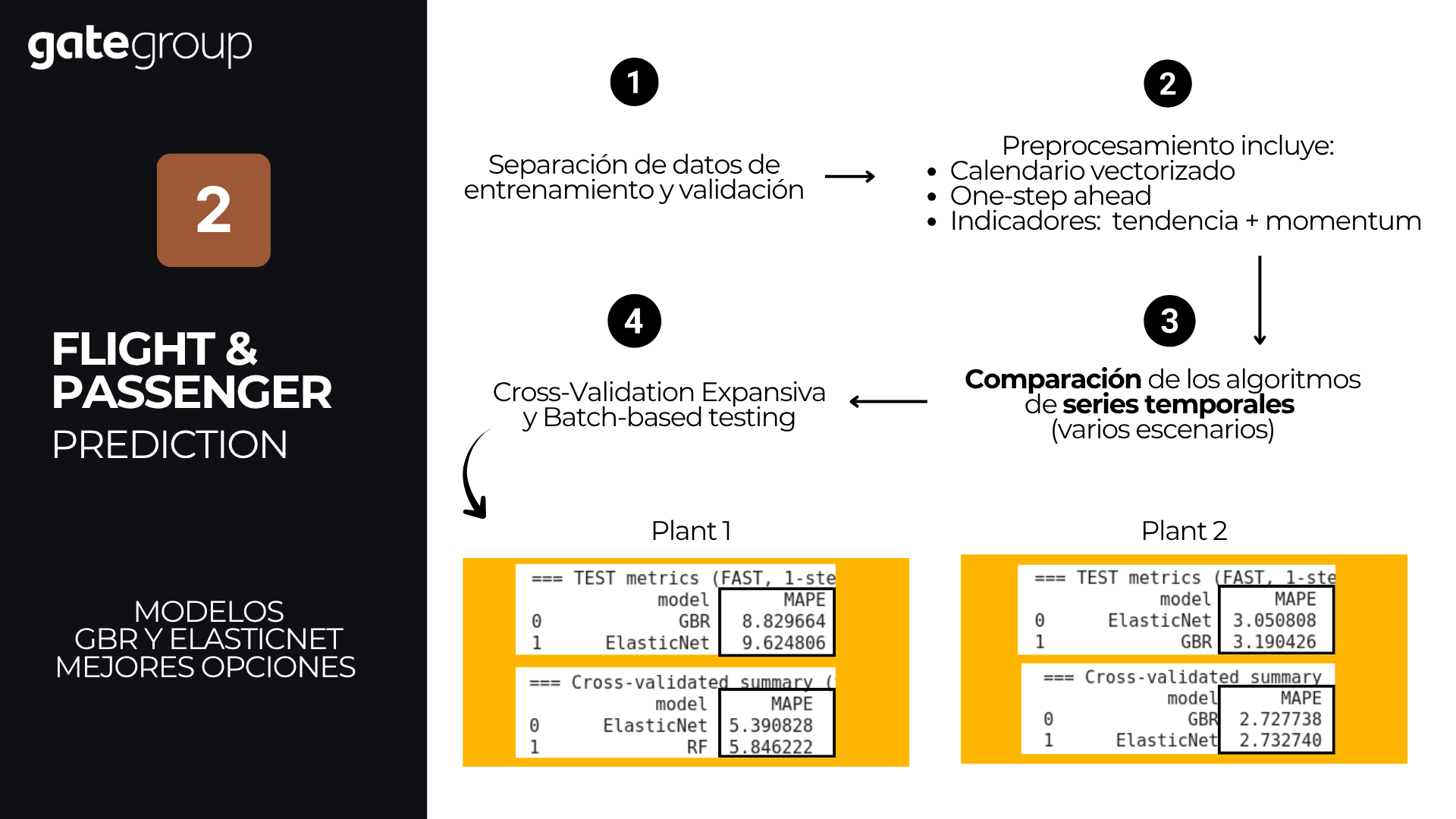
- For Consumption: We developed a powerful forecasting engine using time-series algorithms. This involved rigorously preprocessing our data, vectorizing calendars, identifying trend indicators, and using expansive cross-validation to ensure our predictions are accurate.
- For Productivity: We modeled the complex problem of packing a cart using optimization algorithms, specifically a Genetic Algorithm (GA) and ElasticNet, to find the optimal layout that saves both time and space.
Challenges we ran into
Our journey was defined by three core challenges:
- The Integration Hurdle: The greatest challenge was making three separate, complex models talk to each other seamlessly. The output of the Consumption Prediction had to reliably feed the Productivity Estimation, which also had to check against the real-time Expiration data.
- The "Perfect Pack" Problem: Defining the "cost function" for our productivity model was incredibly difficult. We had to find the perfect mathematical balance between two competing goals: minimizing the time to pack a cart and minimizing the space (volume) used.
- Finding the "Best" Algorithm: We couldn't just pick one algorithm. We had to build a framework to test and compare numerous time-series and regression algorithms across various scenarios to find the most robust and accurate models for our specific needs.
Accomplishments that we're proud of
Our biggest accomplishment was a fundamental shift in perspective. We're proud that we moved beyond thinking in terms of a linear supply chain and created a system that manages a dynamic, interconnected web.
We're also incredibly proud of cracking the "human element" of logistics. By modeling the time it takes to handle each specific item, we uncovered a direct correlation between item diversity and build time. We successfully quantified a complex human process, turning it from a random variable into an optimizable part of our system.
Ultimately, our proudest accomplishment is learning to "see the invisible"—to look at a single cookie and see the 1500 liters of water and 3200 km of travel embedded within it.
What we learned
We learned that in a complex system, the synergy between models is more valuable than any single, isolated prediction. A "perfect" forecast is meaningless if it calls for a product that's about to expire. We learned that the "Todo Conectado" (Everything Connected) principle isn't just a feature—it's the only way to make a meaningful impact.
We also learned that our most complex optimization problem wasn't about software; it was about people. By focusing on the human packers, we realized we weren't just managing products; we were managing the human effort required to move them. This transformed our project from a simple logistics exercise into a mission of true resource stewardship.
What's next for Digital Twin
Twinlogix is more than just an answer to our initial challenges; it is a scalable platform. The immediate next step is to continue refining the models with more data, further improving forecast accuracy and packing efficiency.
Looking forward, we plan to expand the Digital Twin to model even more of our operational web—from CO2 emissions per flight to optimizing supplier delivery routes. Our goal is to build the industry's most efficient, intelligent, and sustainable logistics platform.
Built With
- catboost
- numpy
- pandas
- python
- scikit-learn
- streamlit
- tensorflow
- xgboost


Log in or sign up for Devpost to join the conversation.