-
-

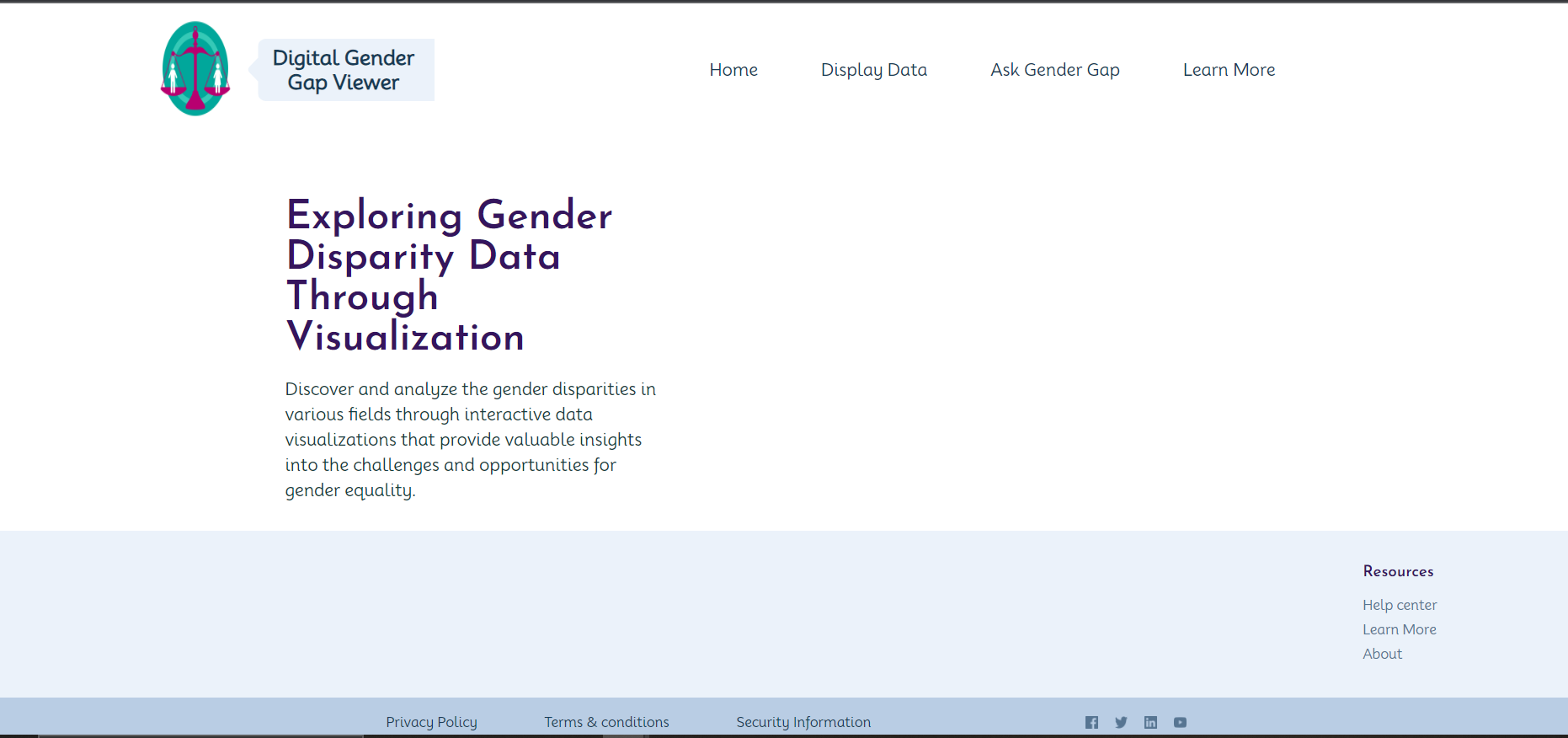
Home Page
-
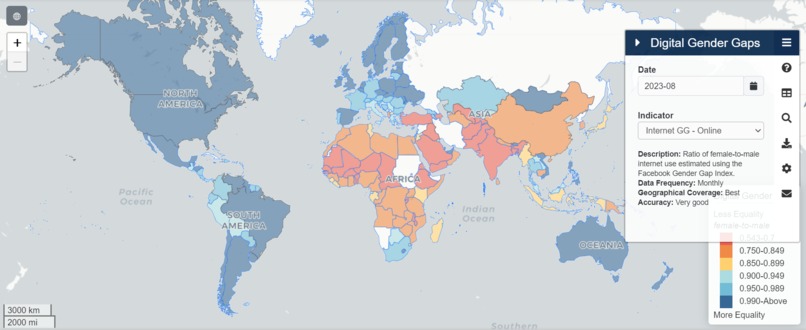
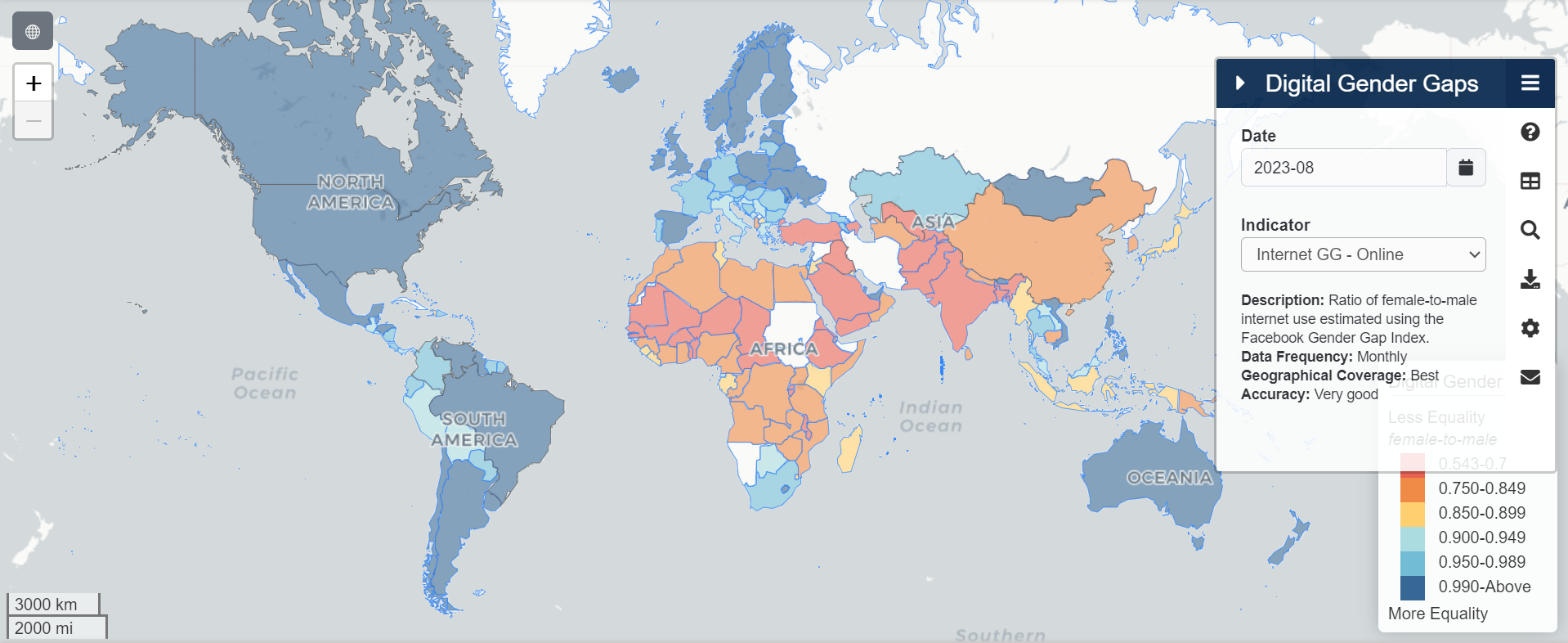
Displaying Data
-
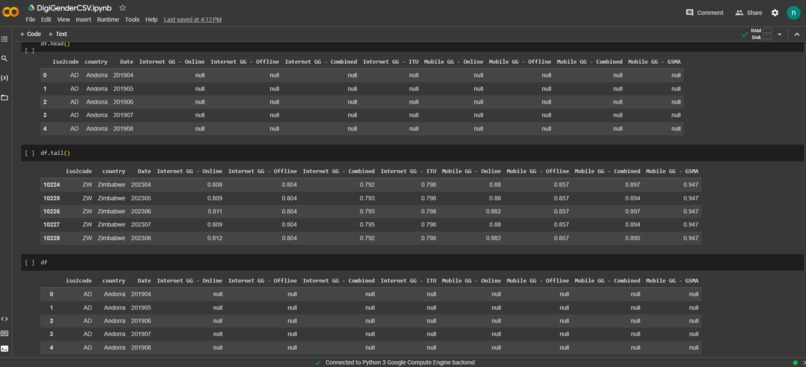
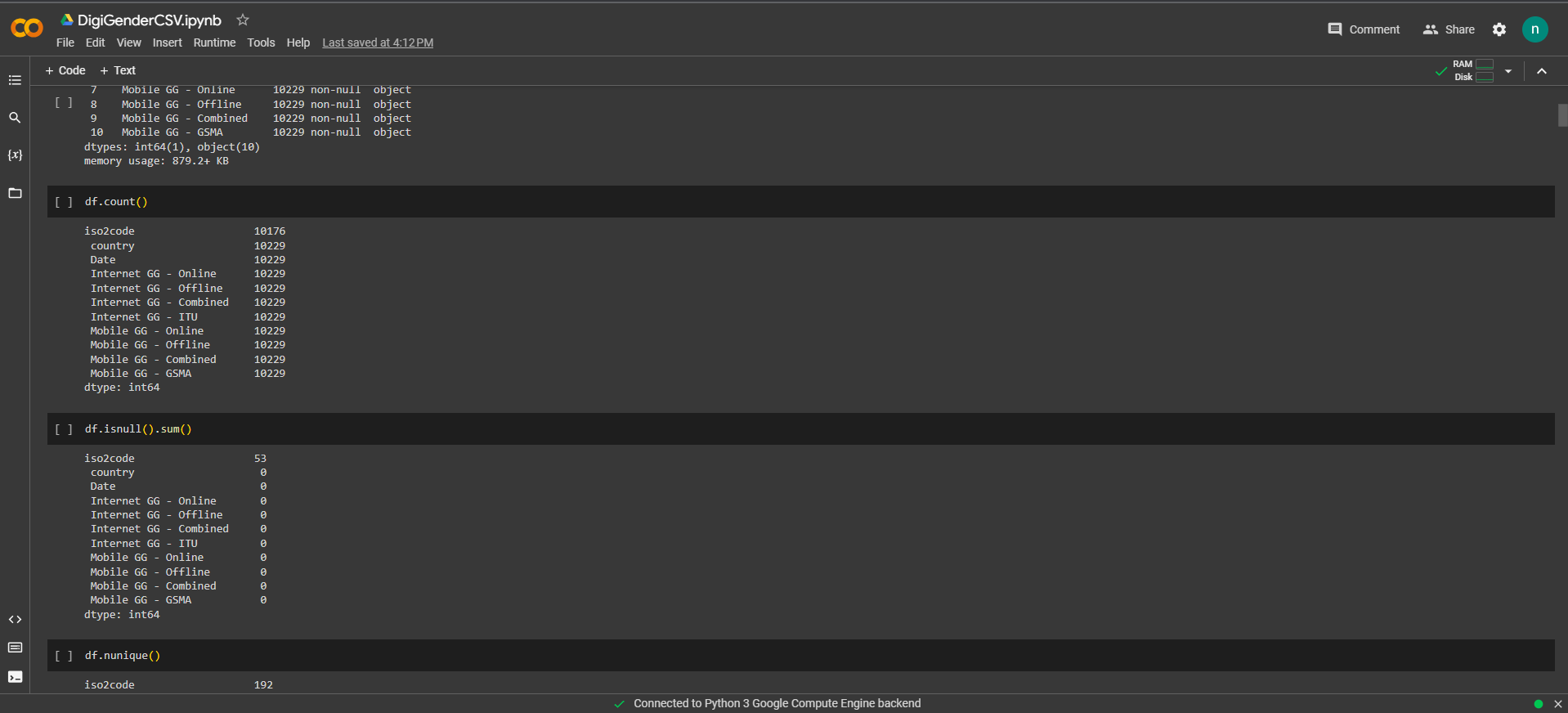
Data Analysis
-
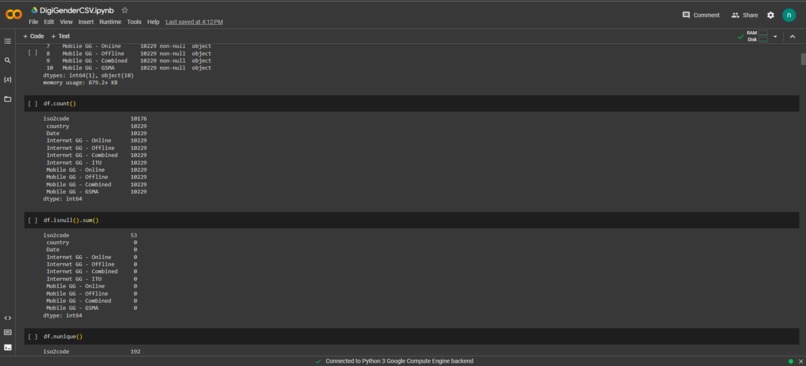
Data Analysis
-
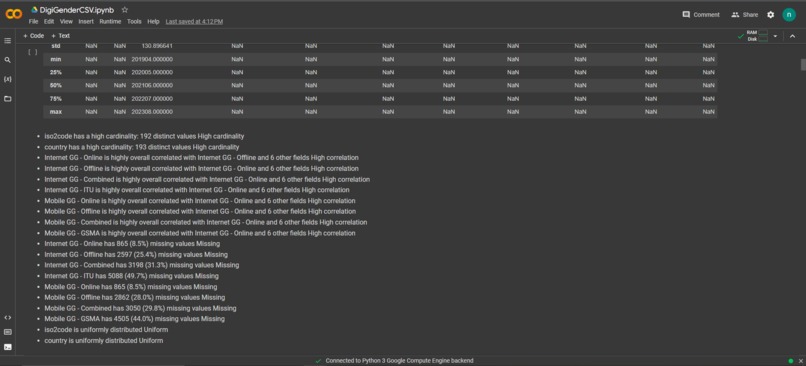
Data Analysis
-

Data Analysis
-
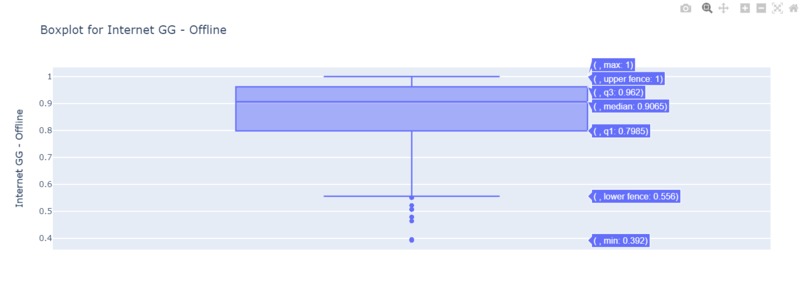
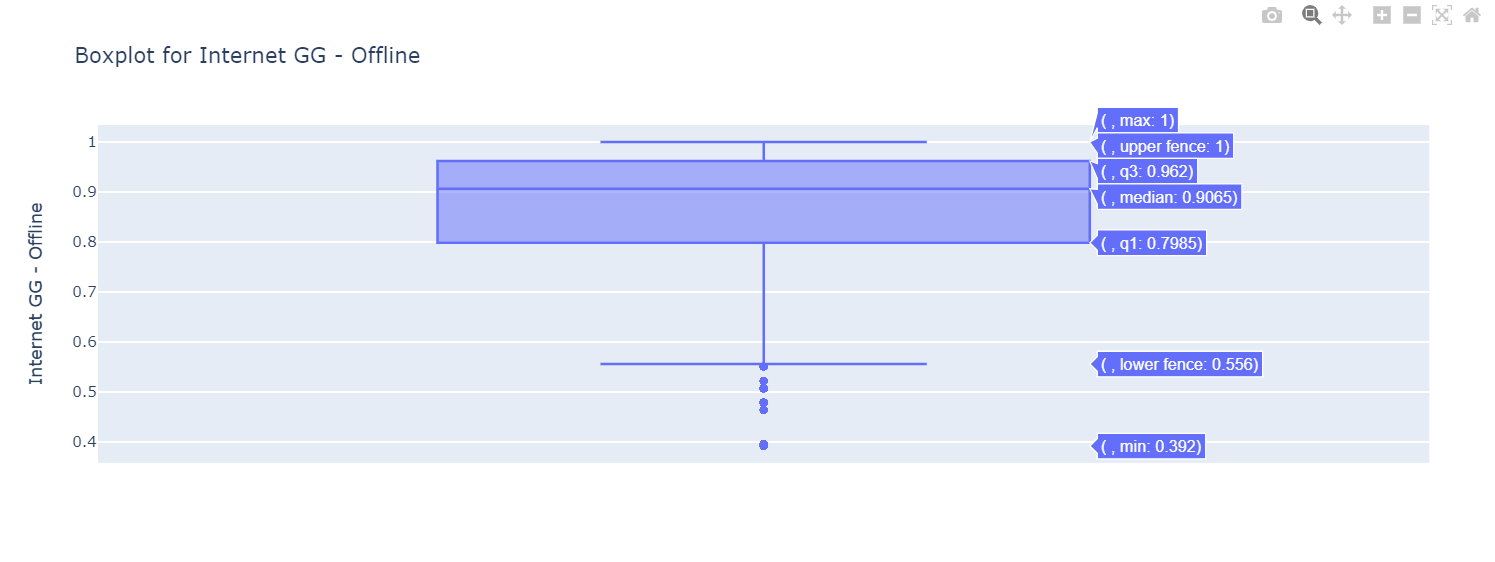
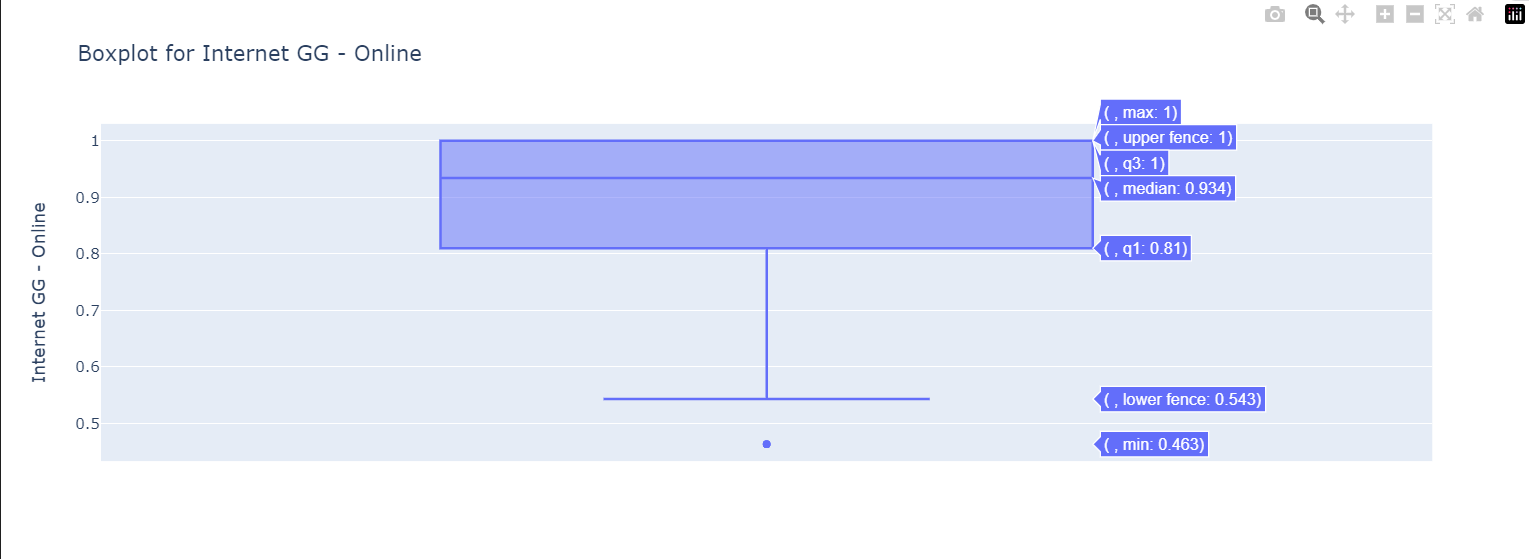
Boxplot visualizing the data distribution
-
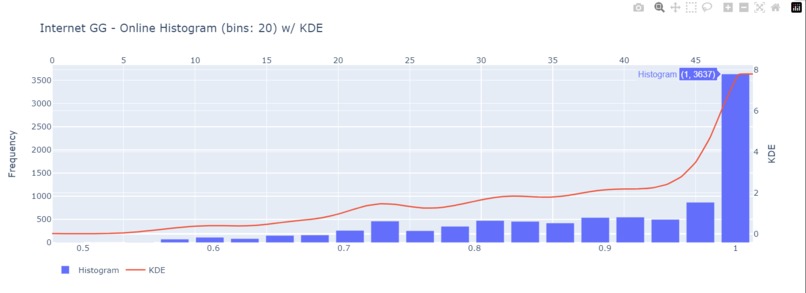
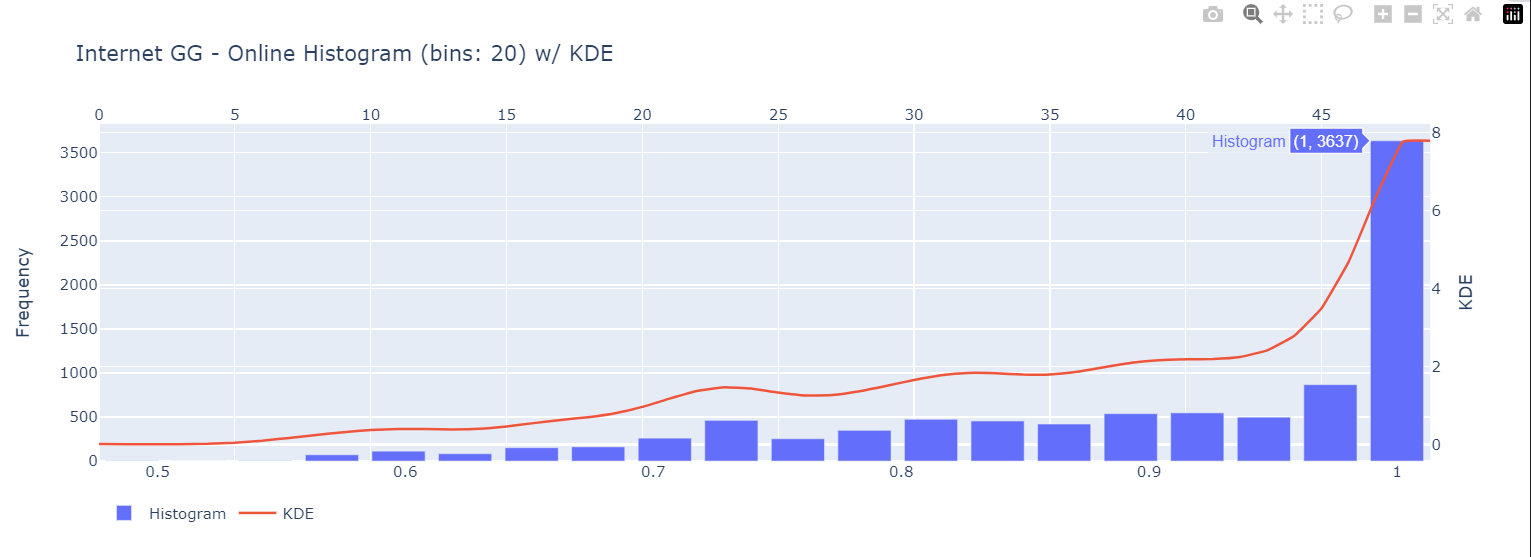
Histogram to analyze the distribution of a field
-
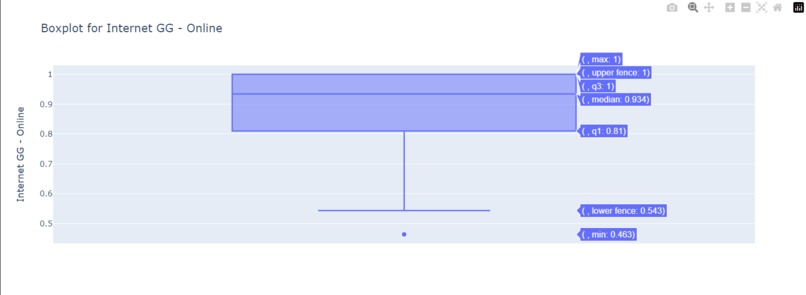
Boxplot visualizing the data distribution
-
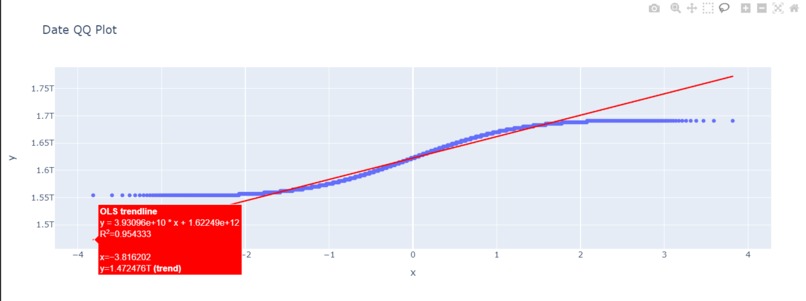
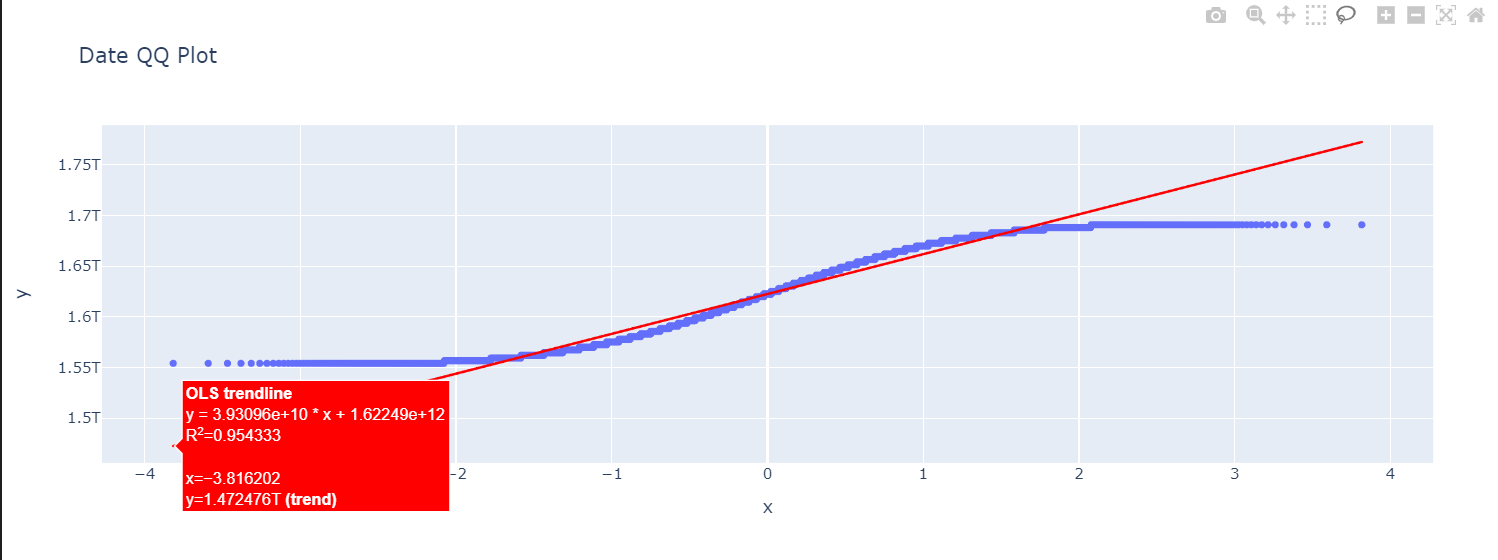
QQ plot of the Date field
-
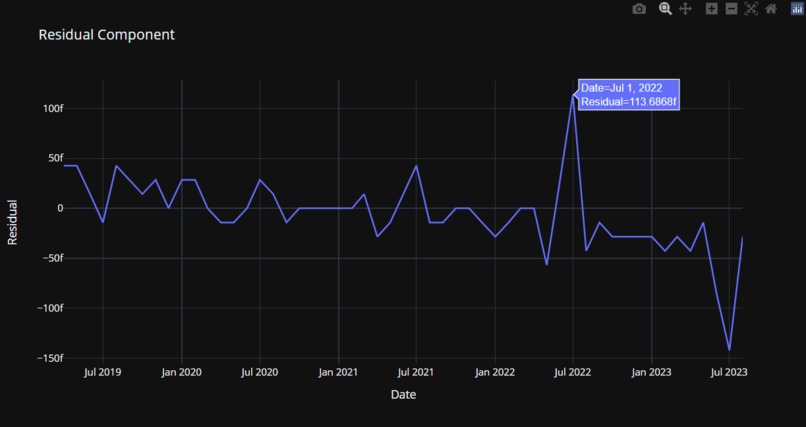
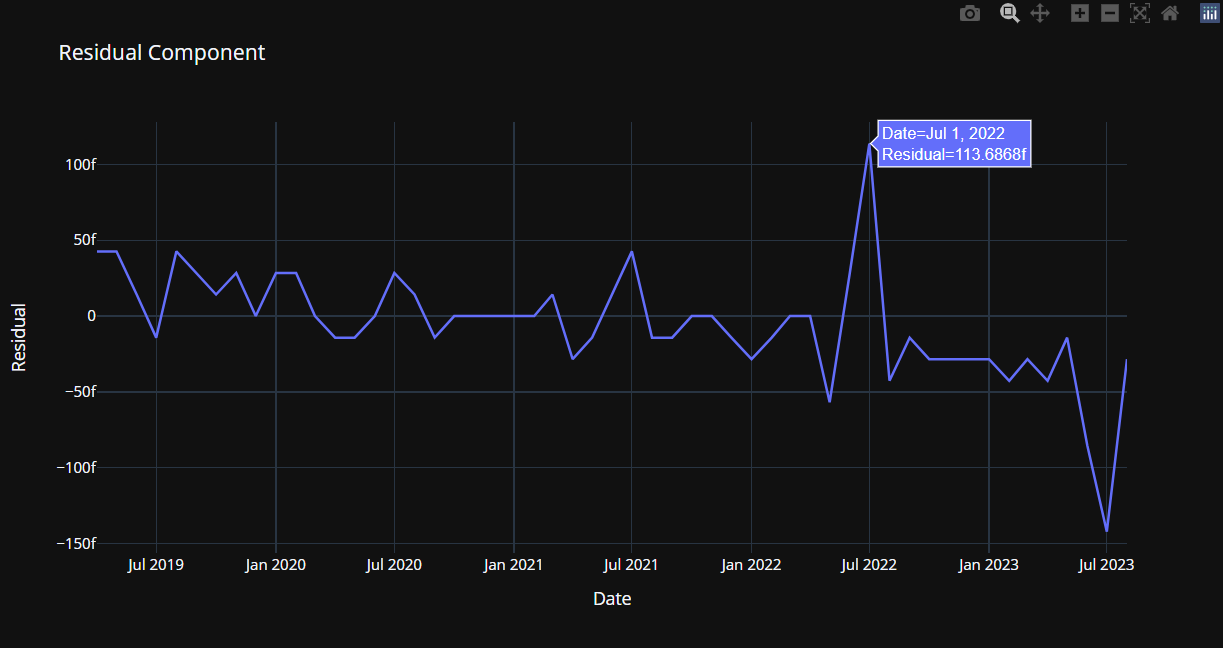
Residual Line visualization
-
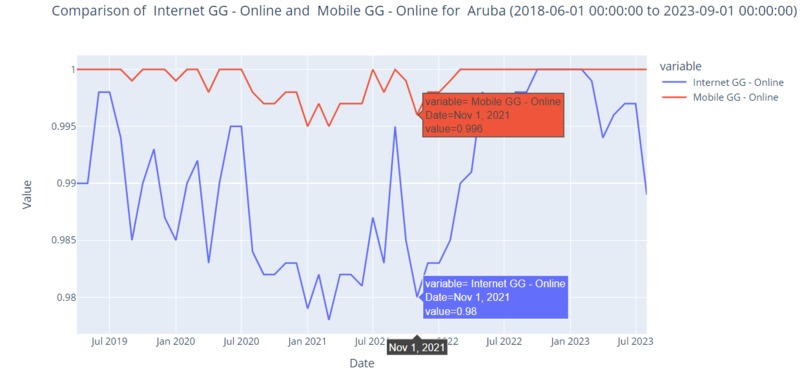
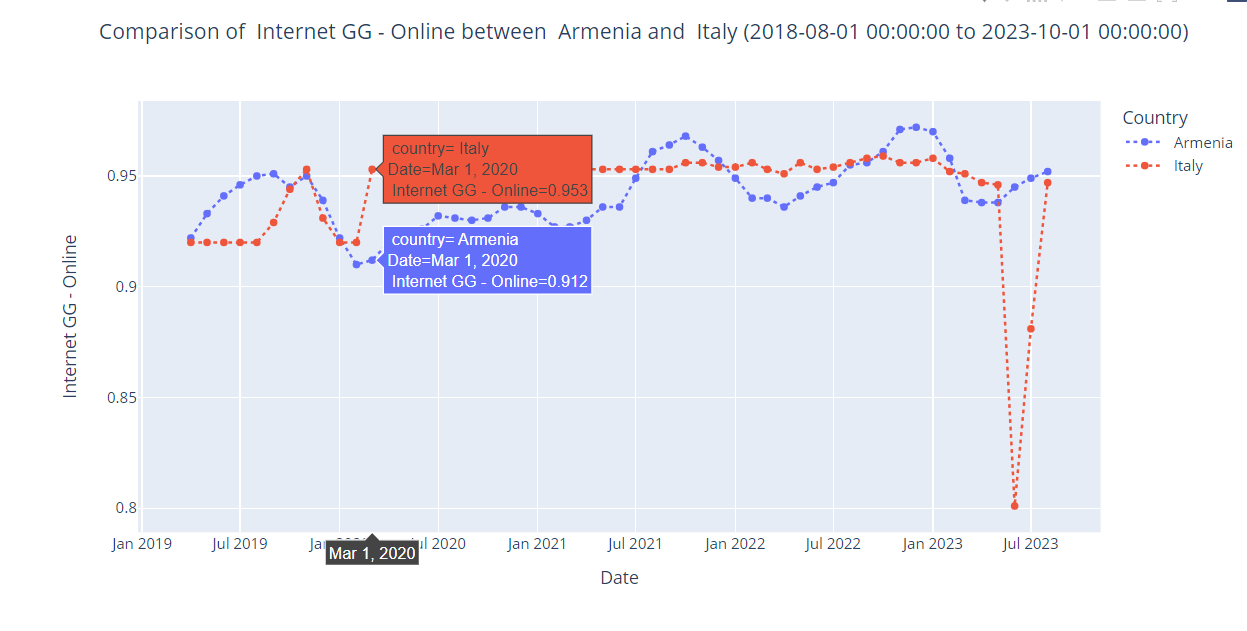
comparison of a indicator between two countries between specified date range
-
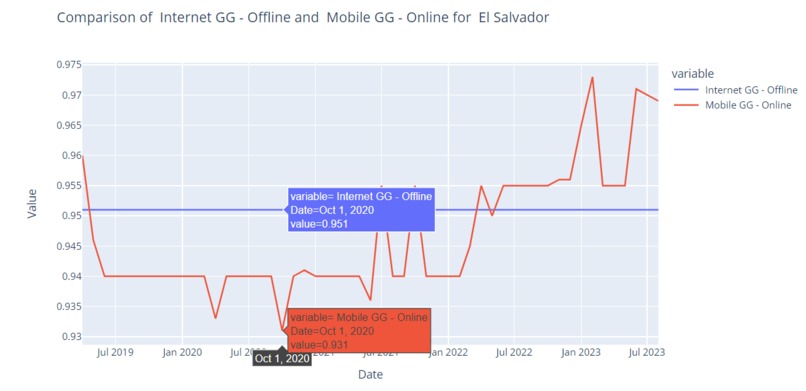
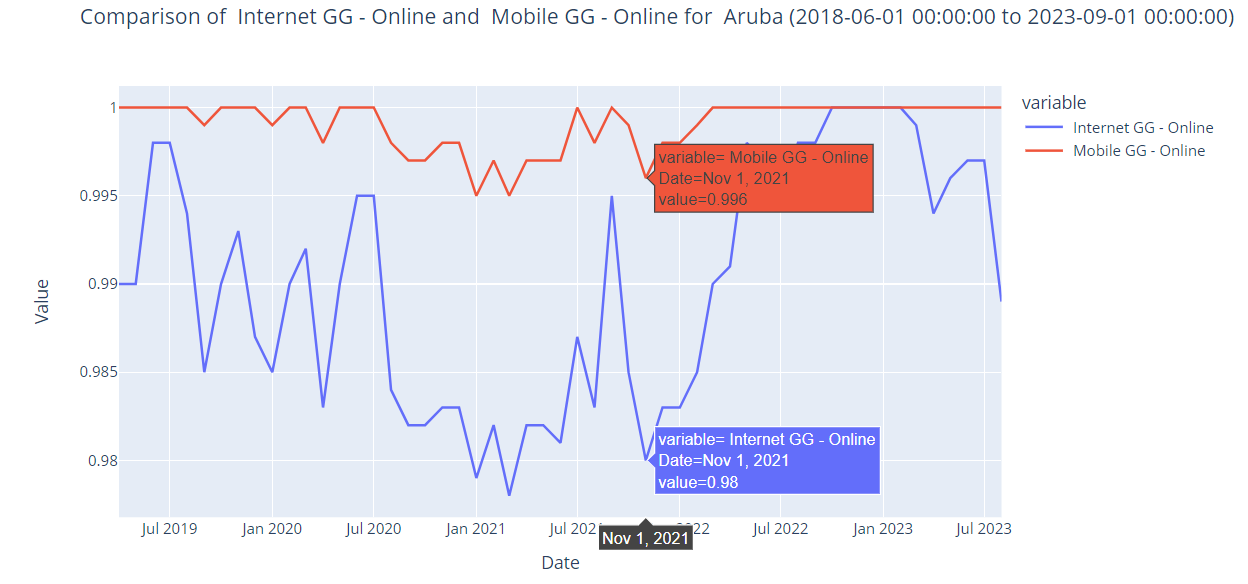
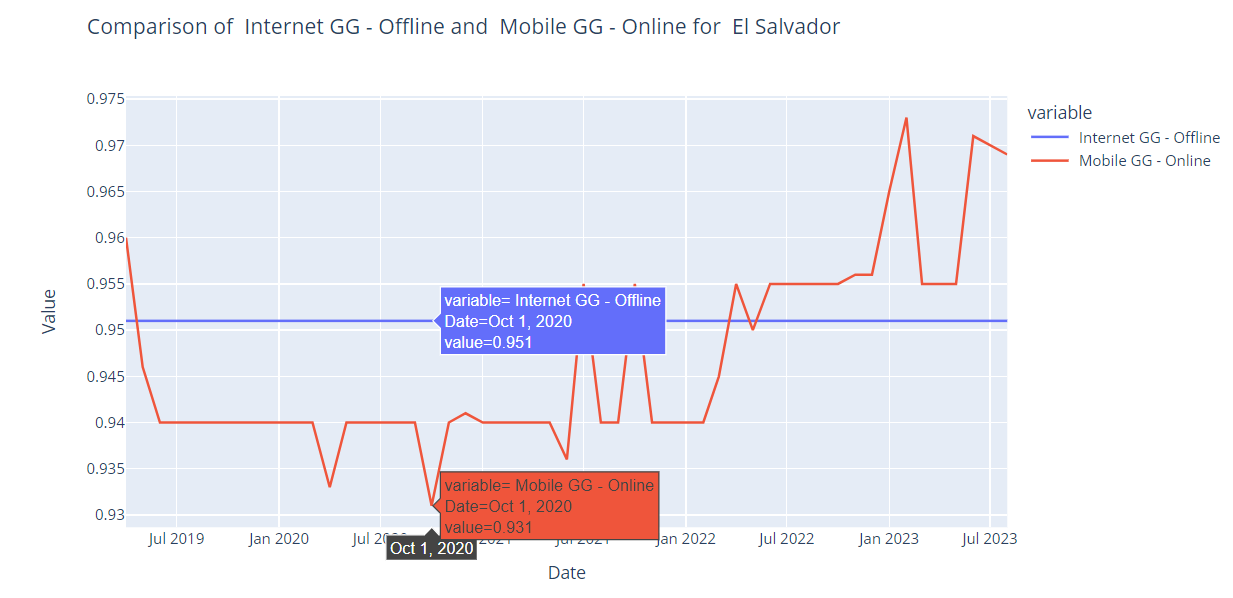
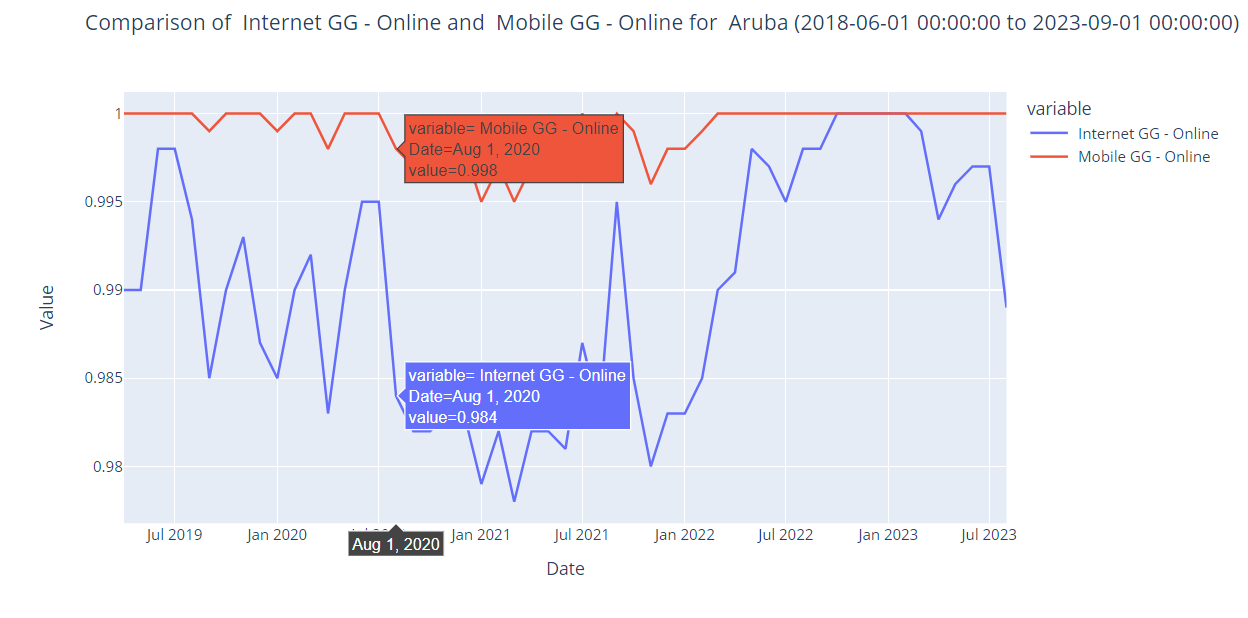
Comparison of Two indicators
-
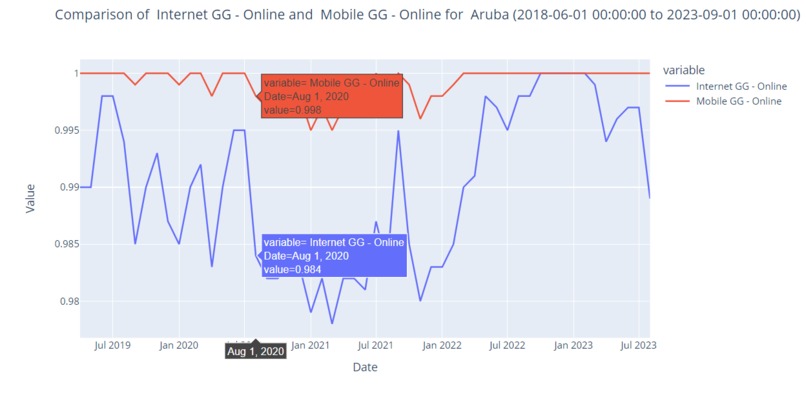
Comparison of two indicators of a specific country between specified date range
-
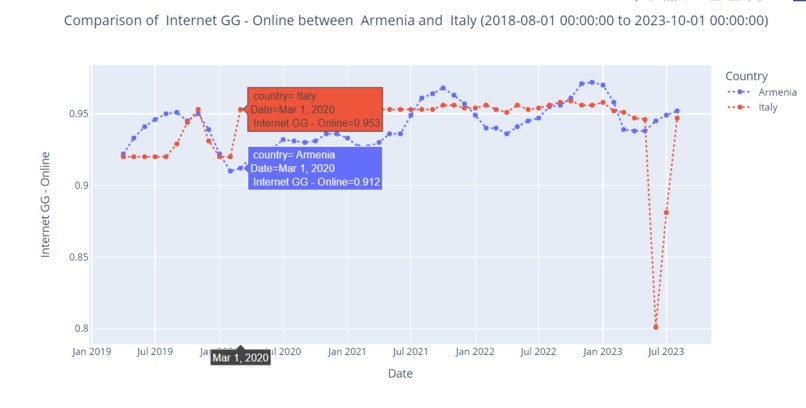
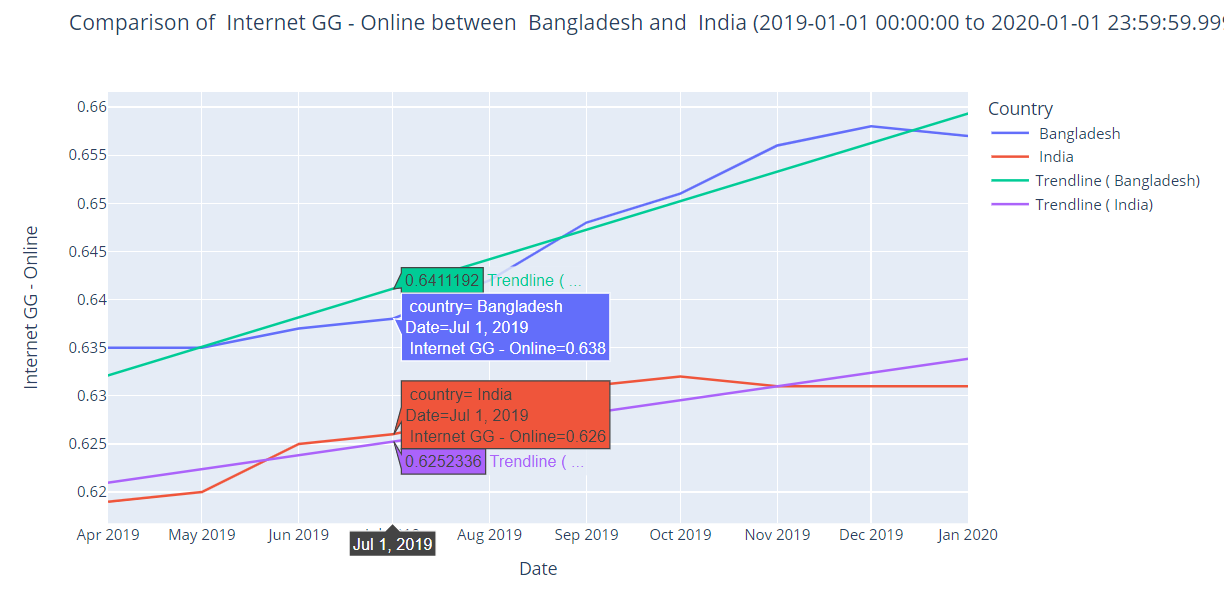
comparison of a indicator between two countries between specified date range along with trend line
-
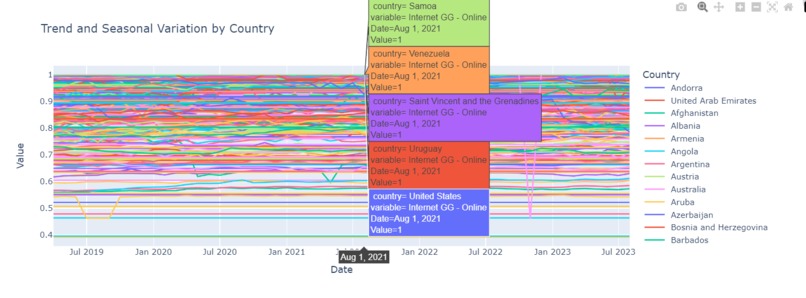
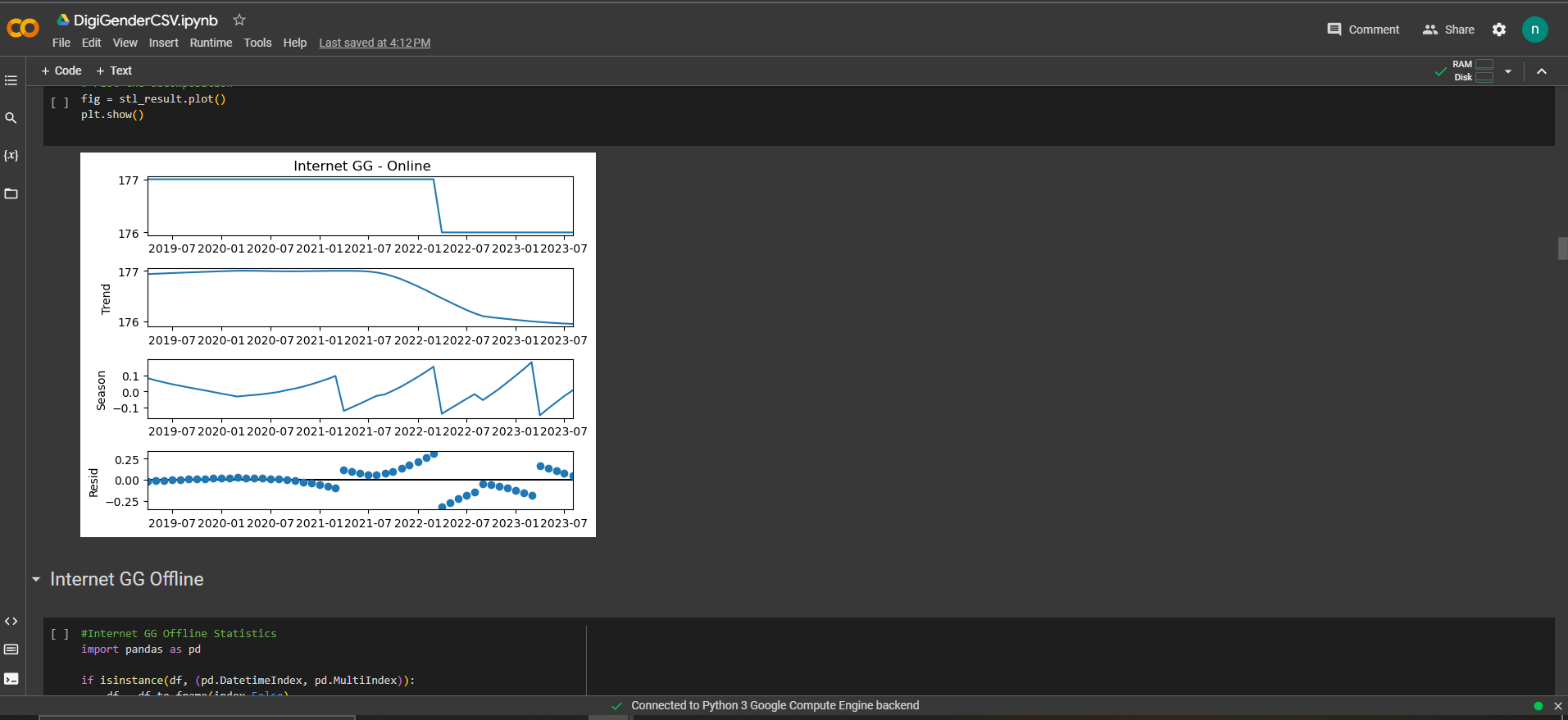
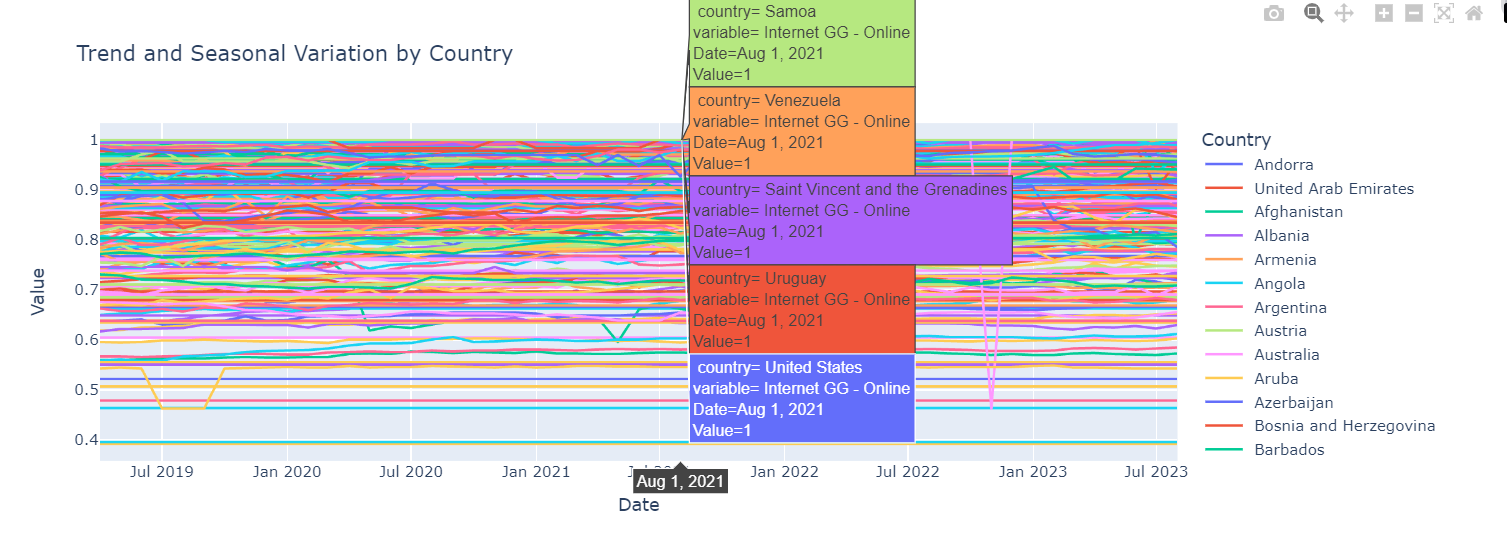
Trend and seasonal variations of all countries
-
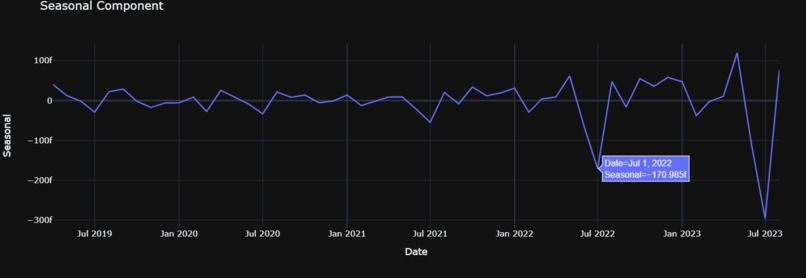
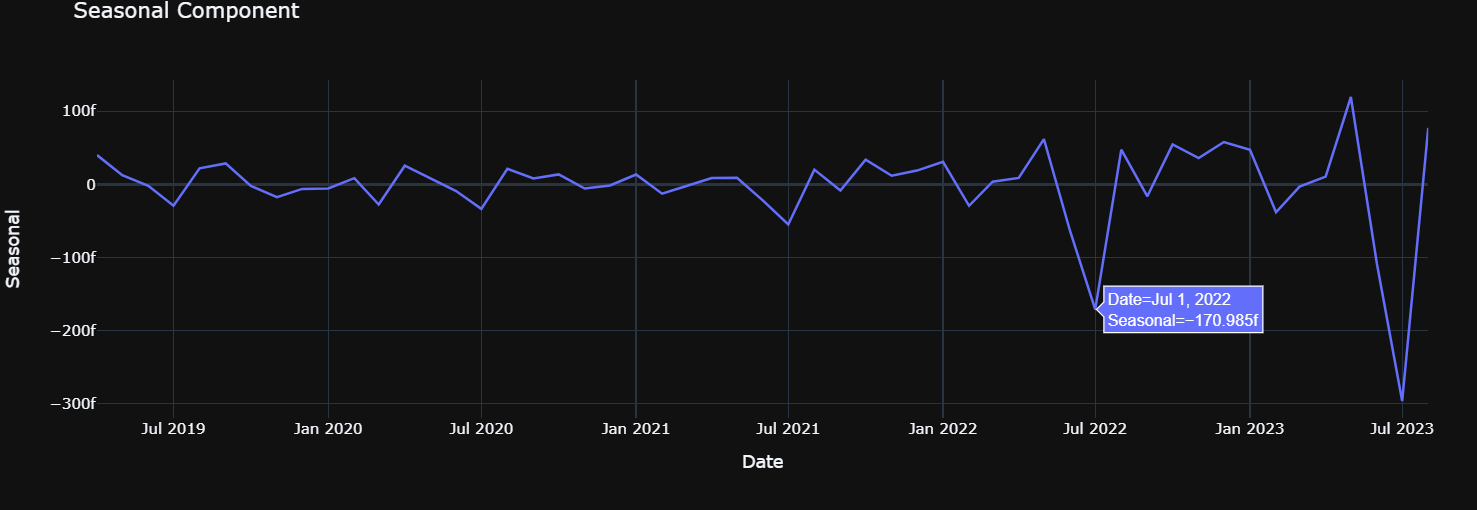
Interactive Visualization of seasonal component
-
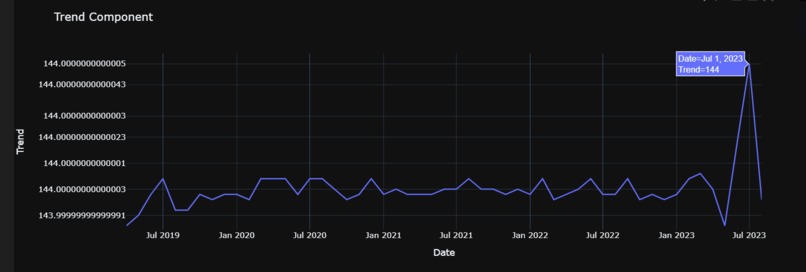
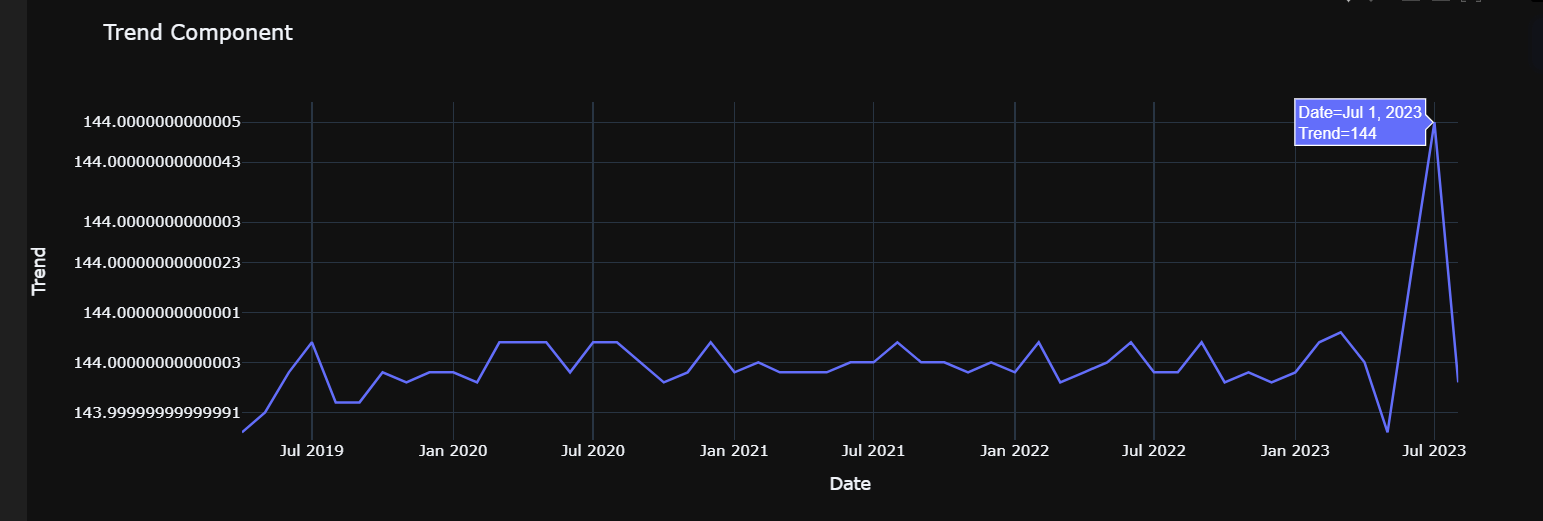
Interactive Visualization of Trend line of a field
-
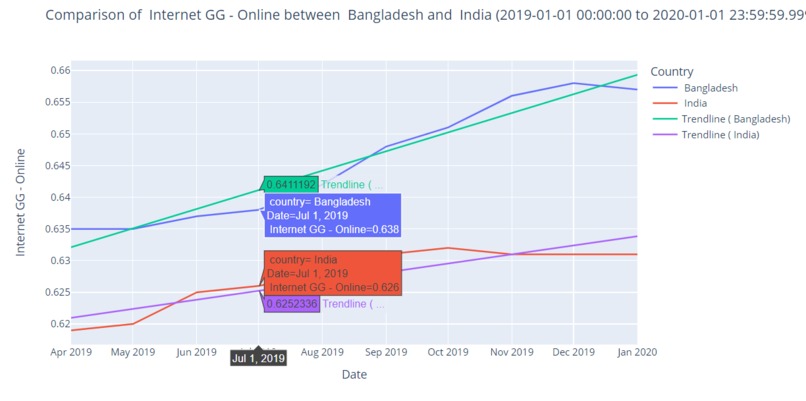
Interactive Visualization of Trend line and comparison between two countries

Inspiration 💡
The inspiration for our project to bridge the digital gender gap runs deep and is rooted in the recognition of a critical and pervasive issue in our modern world.
In today's society, the internet has become a fundamental tool for communication, education, employment, and access to information. It has the power to transform lives, economies, and societies. However, this transformative power is not equally distributed among all members of society. There exists a significant and troubling imbalance in internet access and utilization between men and women, commonly referred to as the "digital gender gap."
The digital gender gap is a reflection of the systemic gender inequalities that persist worldwide. It is not just about access to technology; it represents a broader pattern of discrimination and exclusion that affects women and girls. This gap manifests in various ways:
Access to Technology: In many regions, women and girls have less access to smartphones, computers, and the internet compared to their male counterparts. This lack of access limits their ability to connect with the digital world and access educational and economic opportunities.
Digital Literacy: Even when women have access to technology, they often face barriers related to digital literacy. They may lack the skills and knowledge needed to fully utilize digital tools and resources, which further widens the gap.
Online Harassment and Safety: Women are disproportionately affected by online harassment and abuse, which can deter them from participating in online spaces and expressing themselves freely.
Representation and Opportunities: In the tech industry and STEM fields, women are underrepresented, leading to missed opportunities for career advancement and innovation.
Digital Divides Across Regions: The digital gender gap varies significantly across countries and regions, with some areas experiencing more severe disparities than others.
Our inspiration to tackle this issue comes from a strong belief in the principles of gender equality and social justice. It is not acceptable that half of the world's population is systematically excluded from the benefits of the digital age. Closing the digital gender gap is not just a matter of fairness; it's also an economic imperative. When women have equal access to digital resources and opportunities, it has a positive ripple effect on their families, communities, and nations.
By addressing the digital gender gap, we aim to empower women and girls to participate fully in the digital society, unlock their potential, and contribute to economic growth and innovation. We draw inspiration from the countless stories of women who have overcome these challenges and made significant contributions in the digital realm, demonstrating the transformative power of equal access.
In summary, our inspiration is fueled by a deep commitment to gender equality, social inclusion, and the belief that every individual, regardless of their gender, should have the opportunity to benefit from and contribute to the digital age. Bridging the digital gender gap is not just a project; it's a mission to create a more equitable and inclusive world for all.
What it does 🔍
Our project aims to tackle the digital gender gap by providing a comprehensive platform that offers insights, resources, and solutions to countries looking to bridge this divide. It serves as a central hub for information and initiatives aimed at promoting digital inclusion for women. Users can access data on internet access rates, digital literacy programs, and success stories from around the world. Additionally, the platform offers tools for policymakers, organizations, and individuals to take concrete steps towards closing the digital gender gap in their respective regions.
How we built it ⚙️
The project was developed using a collaborative approach that involved experts from various fields, including gender studies, technology, and data analysis. We leveraged cutting-edge technologies and data sources to create a user-friendly and informative platform. Our team gathered data on internet access, digital literacy, and gender disparities, which was then analyzed to create meaningful insights and recommendations. The platform was built using modern web development tools and frameworks to ensure scalability and accessibility.
Challenges we ran into 🚧
Developing this project presented several challenges. Some of the key obstacles we encountered included:
Data Collection: Gathering accurate and up-to-date data on internet access and gender disparities proved to be a challenging task. We had to rely on a variety of sources and verification methods to ensure the reliability of the data.
Technical Integration: Integrating various data sources and technologies into a cohesive platform required careful planning and technical expertise. Compatibility issues and data synchronization challenges had to be addressed.
User Engagement: Encouraging user engagement and ensuring that the platform reaches its target audience posed a challenge. We had to develop effective outreach and marketing strategies to promote the platform.
Accomplishments that we're proud of 🙌 Despite facing challenges, we take pride in creating a valuable resource to bridge the digital gender gap. Notable accomplishments include compiling comprehensive data on internet access and gender disparities for numerous countries, offering a user-friendly platform, and establishing partnerships to promote digital literacy programs and policies.
What we learned 📚
Throughout the development of this project, we have learned valuable lessons about the digital gender gap and the complexities involved in addressing it. Some of our key takeaways include:
Data Challenges: The importance of accurate and reliable data cannot be overstated. Gathering and verifying data on gender disparities and internet access is a continuous process that requires ongoing attention.
Collaboration is Key: Collaboration between experts from diverse backgrounds is crucial for developing effective solutions. Gender advocates, technologists, policymakers, and community leaders all have a role to play.
Continued Advocacy: Closing the digital gender gap is not a one-time effort but an ongoing commitment. Advocacy, education, and policy changes must be sustained to achieve lasting results.
What's next 🚀
In the future, our project will adapt and grow by expanding our database to include more countries, fostering a strong online community, advocating for policy changes, assessing our impact, and continuing to support digital literacy programs. Our unwavering commitment is to bridge the digital gender gap and promote gender equality in the digital world.


