-
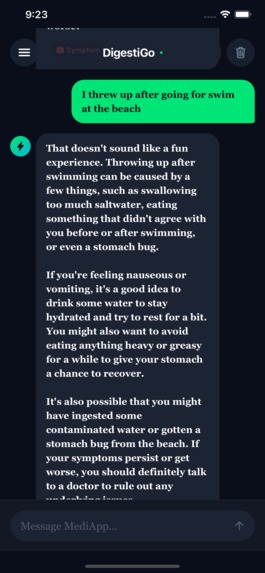
AI chat
-
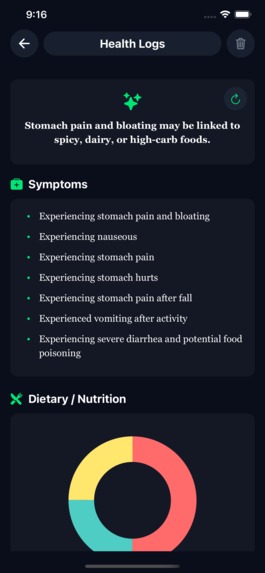
Tracking
-
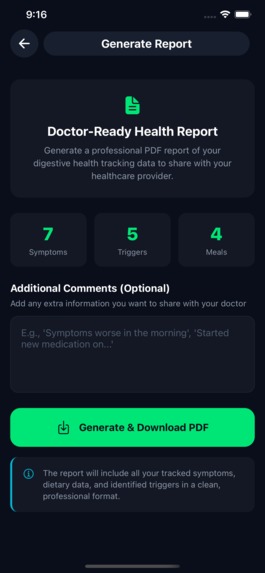
Generate Report
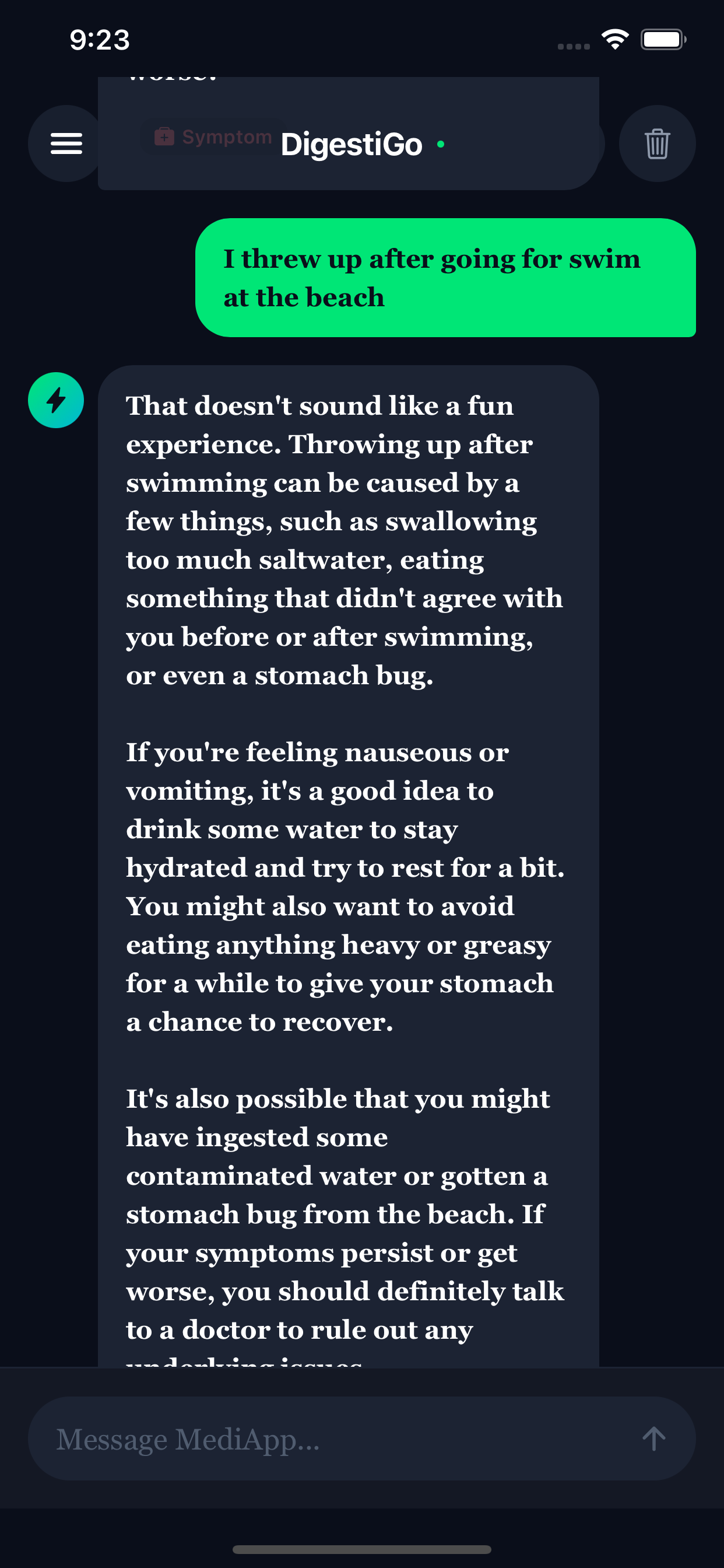
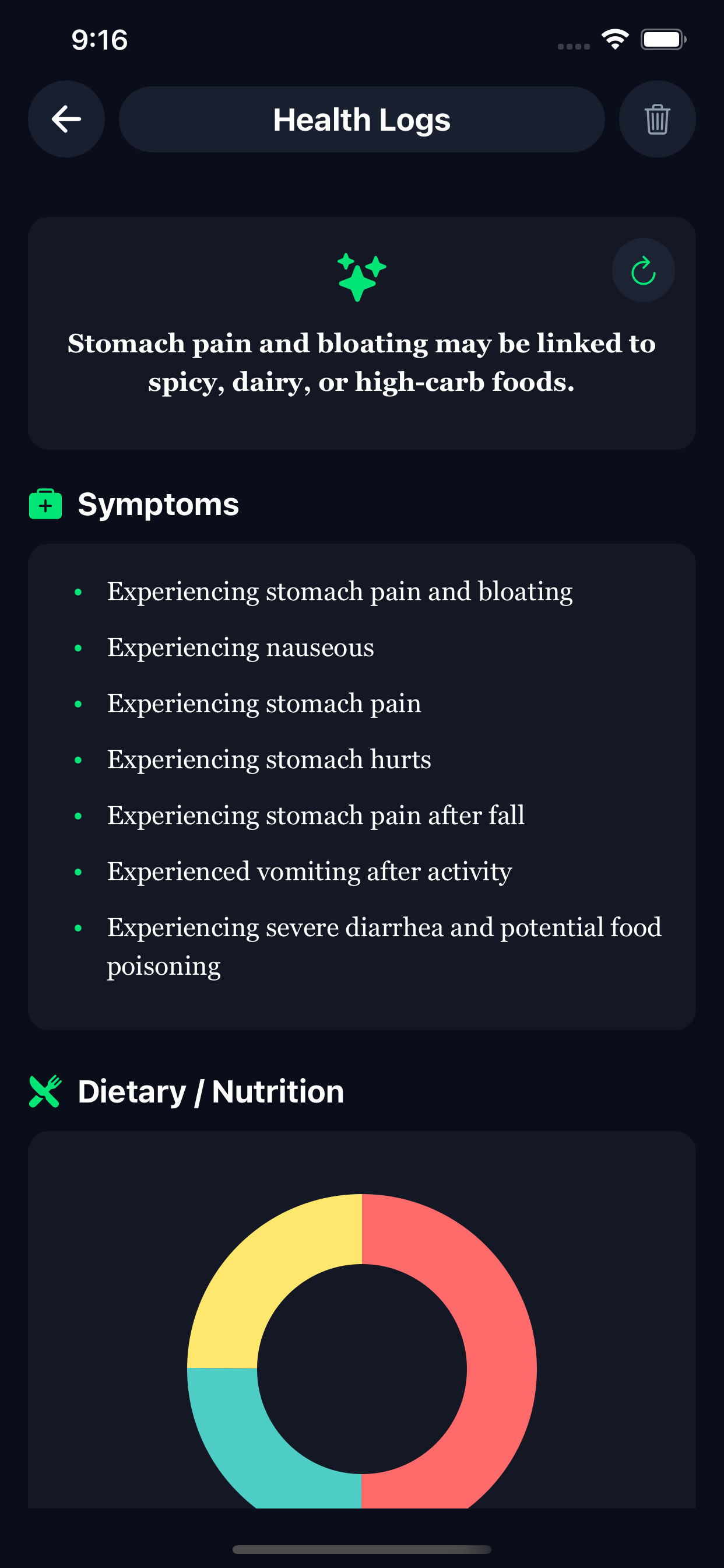
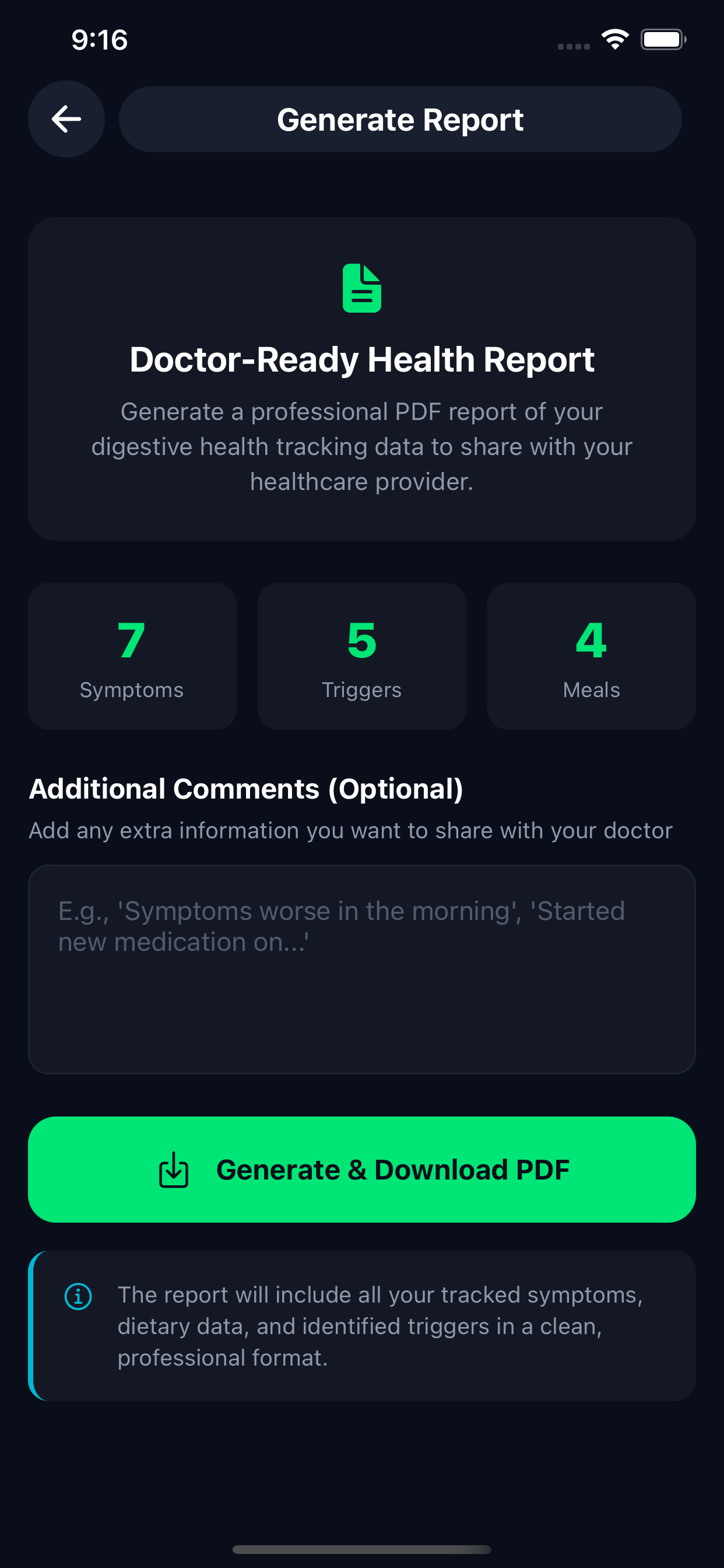
Inspiration: Most health apps assume people are disciplined. But digestive issues are unpredictable, frustrating, and emotional. Millions of people are told: “Track your food.” “Track your symptoms.” “Find patterns.” But structured tracking doesn’t align with how humans think. We don’t think in dropdown menus. We think in stories. DigestiGo was inspired by one simple question: What if tracking felt like texting instead of filling out a form? What It Does (Clear & Strong) DigestiGo is a conversational tracking engine. Users describe their day naturally: “I had pasta at 8 and felt bloated around 10.” The system: Extracts structured data Categorizes symptoms Identifies potential triggers Builds a timeline Generates pattern reports No forms. No dropdowns. No friction. Just conversation → structure → insight. How We Built It We focused on solving one core problem: friction. We built a conversational interface powered by LLM-based extraction to convert unstructured input into structured health logs. Claude was mainly used for heavy lifting programming Key components: Natural language parsing Structured tagging system (symptom, food, potential triggers, time) Pattern detection logic Report generation layer We optimized for a working AI pipeline rather than a production-grade backend, prioritizing intelligent structuring over infrastructure complexity. Challenges We Ran Into The biggest challenge wasn’t building a chatbot. It was preventing it from acting like one. We had to: Constrain responses Reduce hallucination risk Ensure consistent structured extraction Maintain clarity without overwhelming the UI Another challenge was defining scope. In health tech, it’s easy to overbuild. We intentionally kept the system focused on pattern detection, not diagnosis. That shows discipline. Accomplishments We're Proud Of Converting messy human storytelling into clean structured data Generating meaningful reports from conversational input Building a complete log → insight workflow within hackathon constraints Creating a product that feels usable, not just impressive Notice that’s not: “We coded a lot.” It’s outcome-focused. What We Learned We learned that: Friction is a bigger barrier than awareness. AI is most powerful when it structures behavior, not replaces thinking. Scope discipline matters more than feature count. Polished execution beats ambitious complexity in a 24-hour build. That sounds reflective and mature. What’s Next for DigestiGo Secure encrypted backend Longitudinal pattern modeling Clinician-friendly export summaries Expansion beyond digestive tracking into broader behavioral health tracking Privacy-first architecture Short. Focused. Believable.
Built With
- claude
- copilot
- css
- groq
- html
- javascript
- webstorm

Log in or sign up for Devpost to join the conversation.