-
-
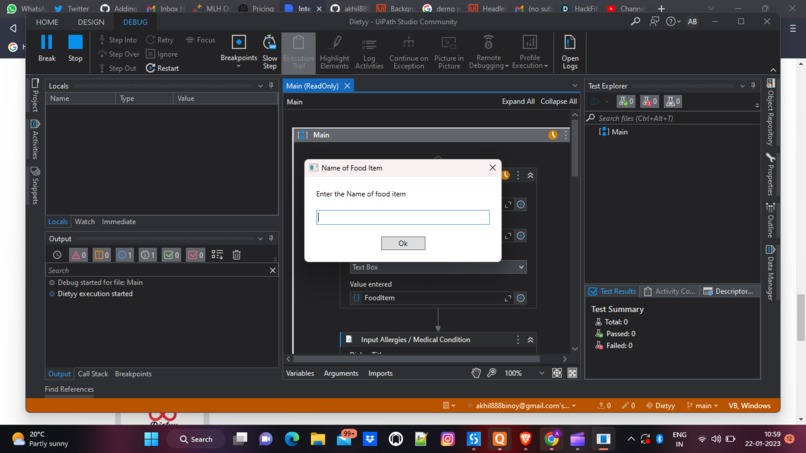
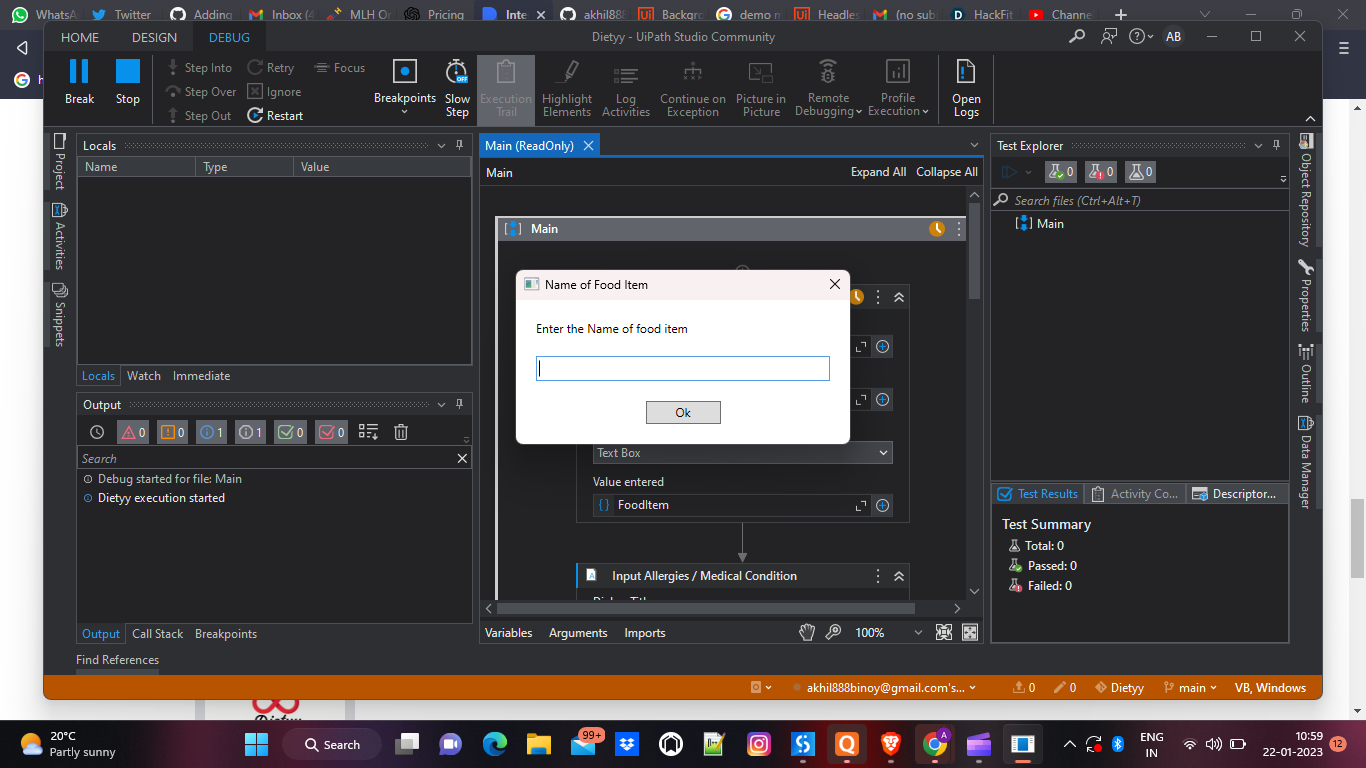
Input by Dietyy
Inspiration
The inspiration for this project may come from the growing awareness of the importance of proper nutrition in maintaining good health and managing chronic medical conditions. With an increasing number of individuals struggling with obesity, diabetes, and other health issues, the need for accessible and convenient tools to help manage these conditions is clear.
Additionally, With the fast-paced lifestyle, many people have less time to prepare healthy meals, and often rely on fast food, processed food or pre-packaged food items which may not be nutritionally adequate. This bot aims to bridge this gap by providing personalized meal plans and recommendations, based on the user's dietary needs and goals.
The use of technology to improve health outcomes is also an inspiration. The integration of natural language processing and machine learning can make the bot more accurate and user-friendly, which can be a powerful tool for managing health and dietary needs.
What it does
A dietician bot is a tool that helps users understand the potential side effects of the food they consume, based on their medical conditions. The bot uses natural language processing and machine learning algorithms to analyze a user's input (e.g. the food they ate) and determine any potential negative effects it may have on their health. The bot also provides alternative food options for the user to consider, based on their specific medical needs and dietary restrictions. This can help individuals manage their health conditions more effectively and make more informed food choices.
How we built it
Its build using Ui Path integrating the bot with OpenAI
Challenges we ran into
Accurate and up-to-date nutritional information: Ensuring that the bot has accurate and up-to-date nutritional information is crucial for providing accurate recommendations and meal plans. This information might be difficult to find or keep updated as research on nutrition is constantly evolving.
Personalization: Personalization is key for a dietician bot to be effective. It may be challenging to create a bot that can accurately tailor recommendations and meal plans to each individual user's needs, based on their medical conditions, dietary restrictions, and goals.
Natural Language Processing (NLP): NLP is a crucial component of the dietician bot, as it enables users to input their food choices and receive accurate recommendations. However, NLP can be a complex and challenging task, especially when dealing with variations in language and user input.
What we learned
Nutrition and Dietetics: To provide accurate and up-to-date nutritional information and recommendations, one may need to have a good understanding of nutrition and dietetics. This can include knowledge of macronutrients, micronutrients, vitamins, minerals, and their functions in the body.
Natural Language Processing (NLP): Building a dietician bot requires the use of natural language processing to understand and interpret user input. One may learn about various NLP techniques, such as tokenization, stemming, and sentiment analysis, and how to apply them to build a bot that can understand and respond to user input.
Machine Learning: The bot can be designed to improve its recommendations over time by learning from the user's input. One may learn about various machine learning techniques such as supervised and unsupervised learning, and how to apply them to build a bot that can learn and improve over time.
What's next for Dietyy
The bot can also provide personalized meal plans and nutrition recommendations based on the user's dietary needs and goals. The bot can integrate with wearable devices and track the user's physical activity, adjusting the meal plans and recommendations accordingly. The bot can allow users to input their own recipes and get instant nutrition information and recommendations for ingredient substitutions. The bot can also allow users to set reminders for meal times, and send notifications to remind them to eat.
Built With
- ai
- ml
- natural-language-processing
- openai
- uipath


Log in or sign up for Devpost to join the conversation.