-
-
-
-
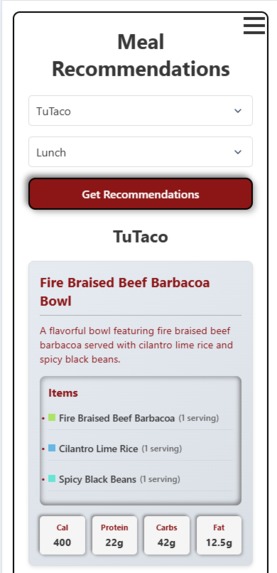
Responsive design
-
-
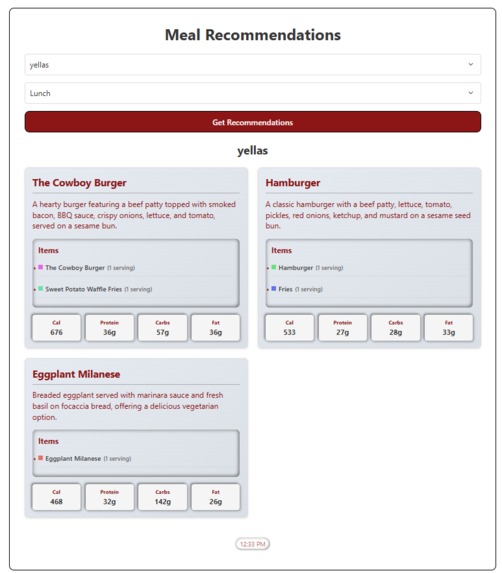
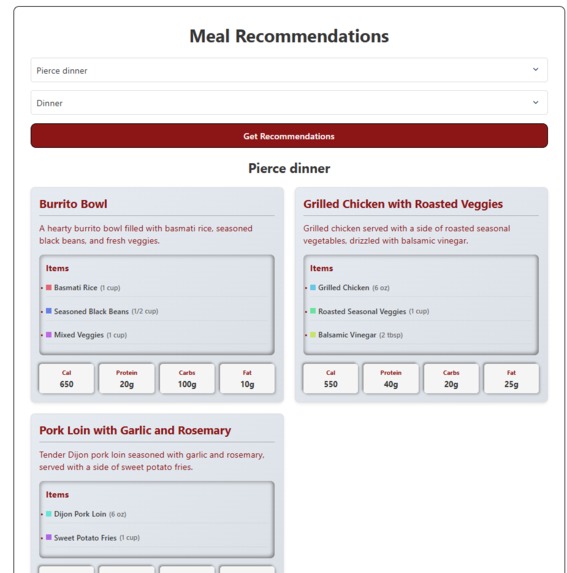
Accurate menu Items and Macros
-

Inspiration
Many students struggle with finding healthy, allergen-free, or diet-specific meals on campus. Nutritional information is sometimes hard to find, making it hard to track intake and compare options, especially when reading it off of a sign or the back of a box. We wanted to make this information more accessible to members of our Stevens community and help match them with meals that fit their personal preferences.
What it does
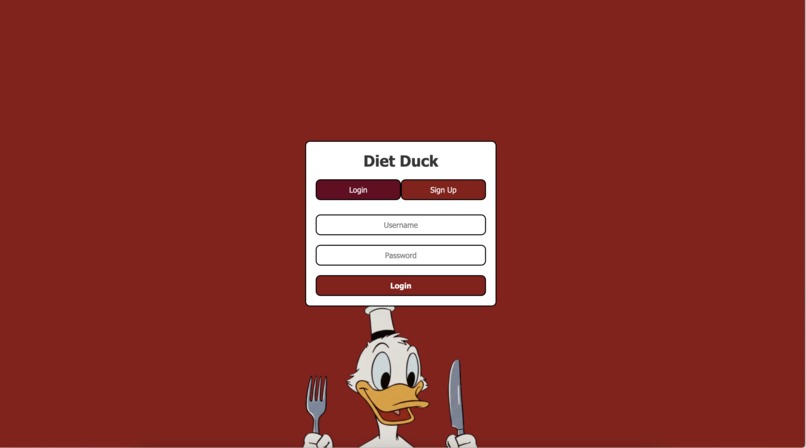
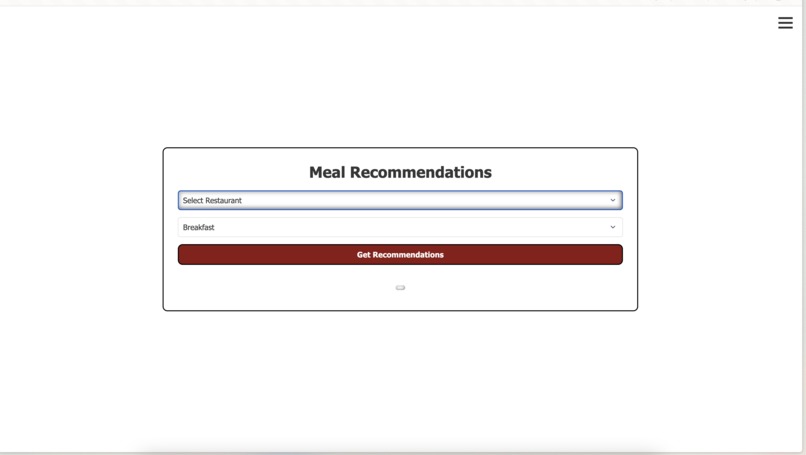
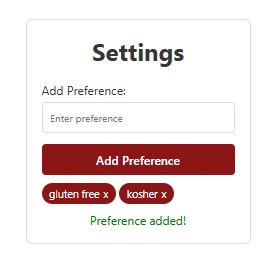
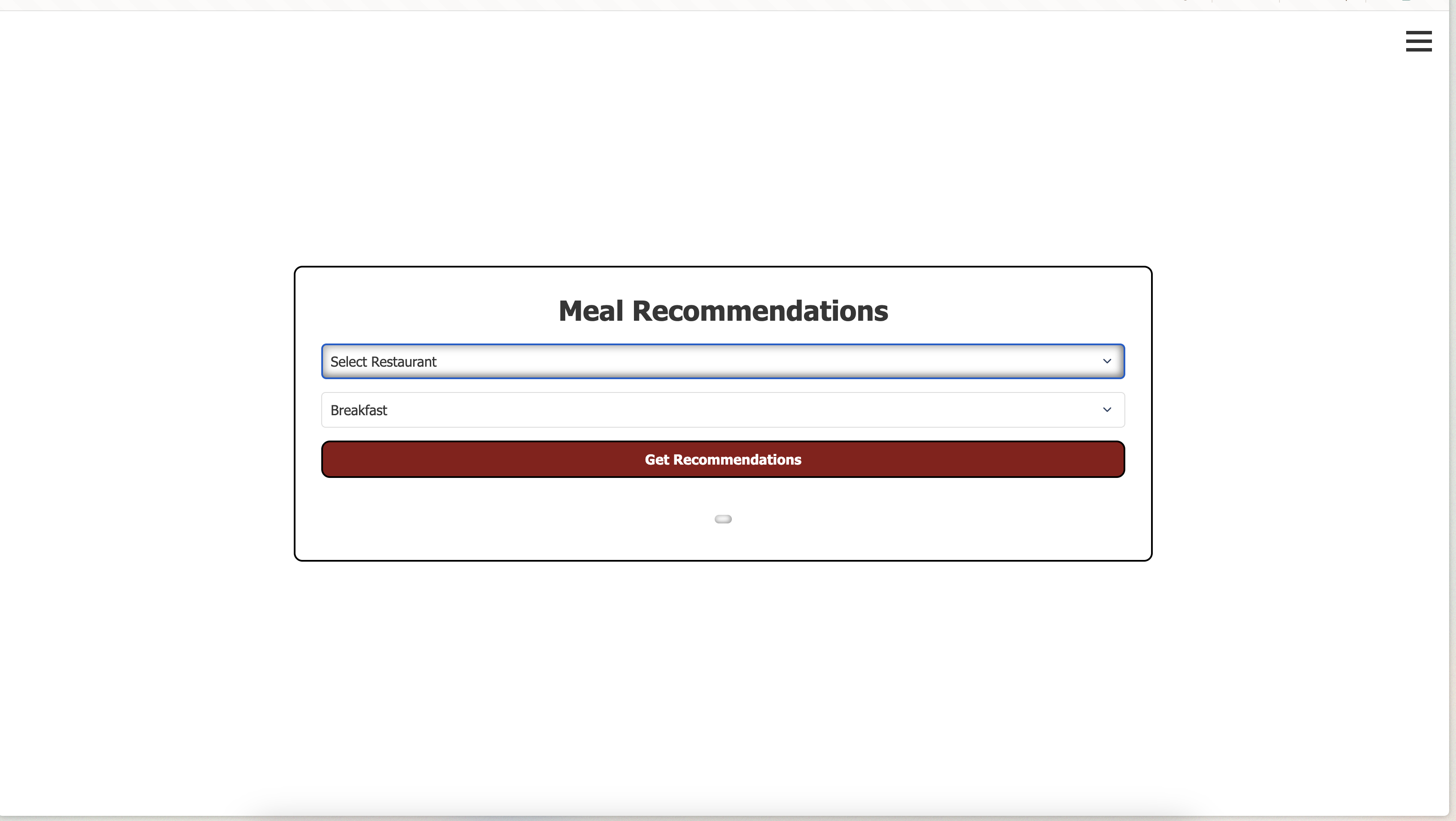
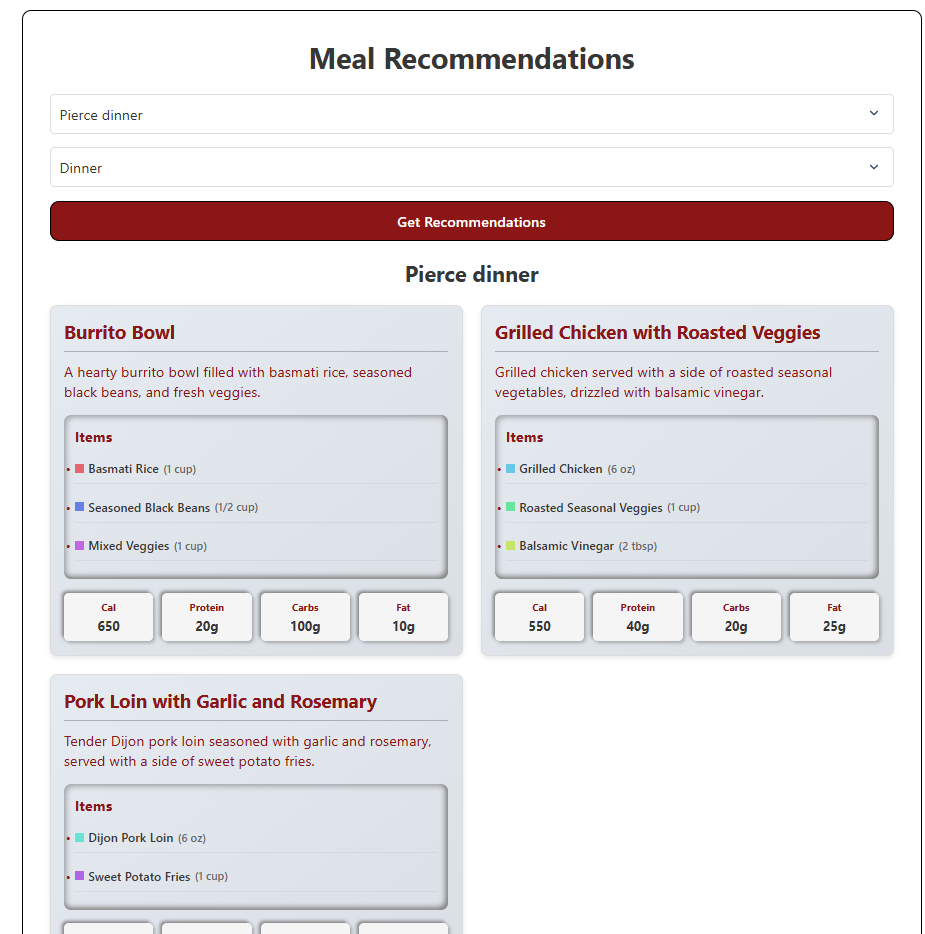
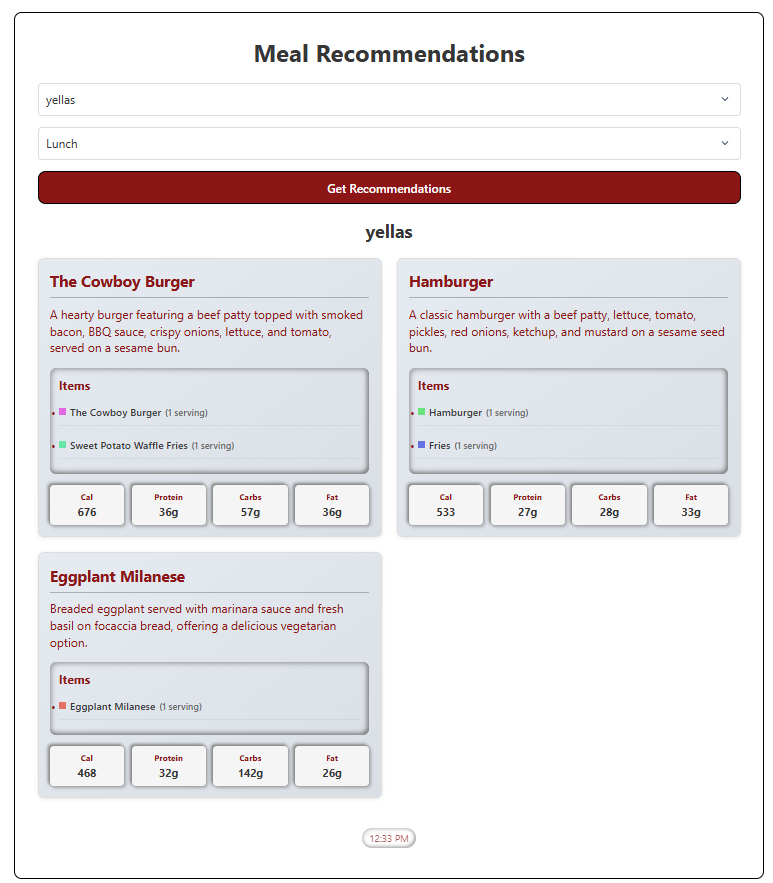
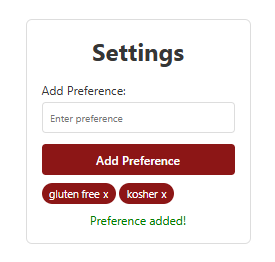
Users of Diet Duck can login securely to the platform and chat with our AI-chatbot Attillatician about their dietary preferences -- allergies, restrictions, and likes or dislikes. It then generates 3 meals from a location on campus, filtering out in real time locations that are currently closed. These 3 meals are specific to what the user has told the Attilatician, and come complete with nutritional information -- carbs, proteins, fats, etc. so that the user can have options.
How we built it
We split up work into categories:
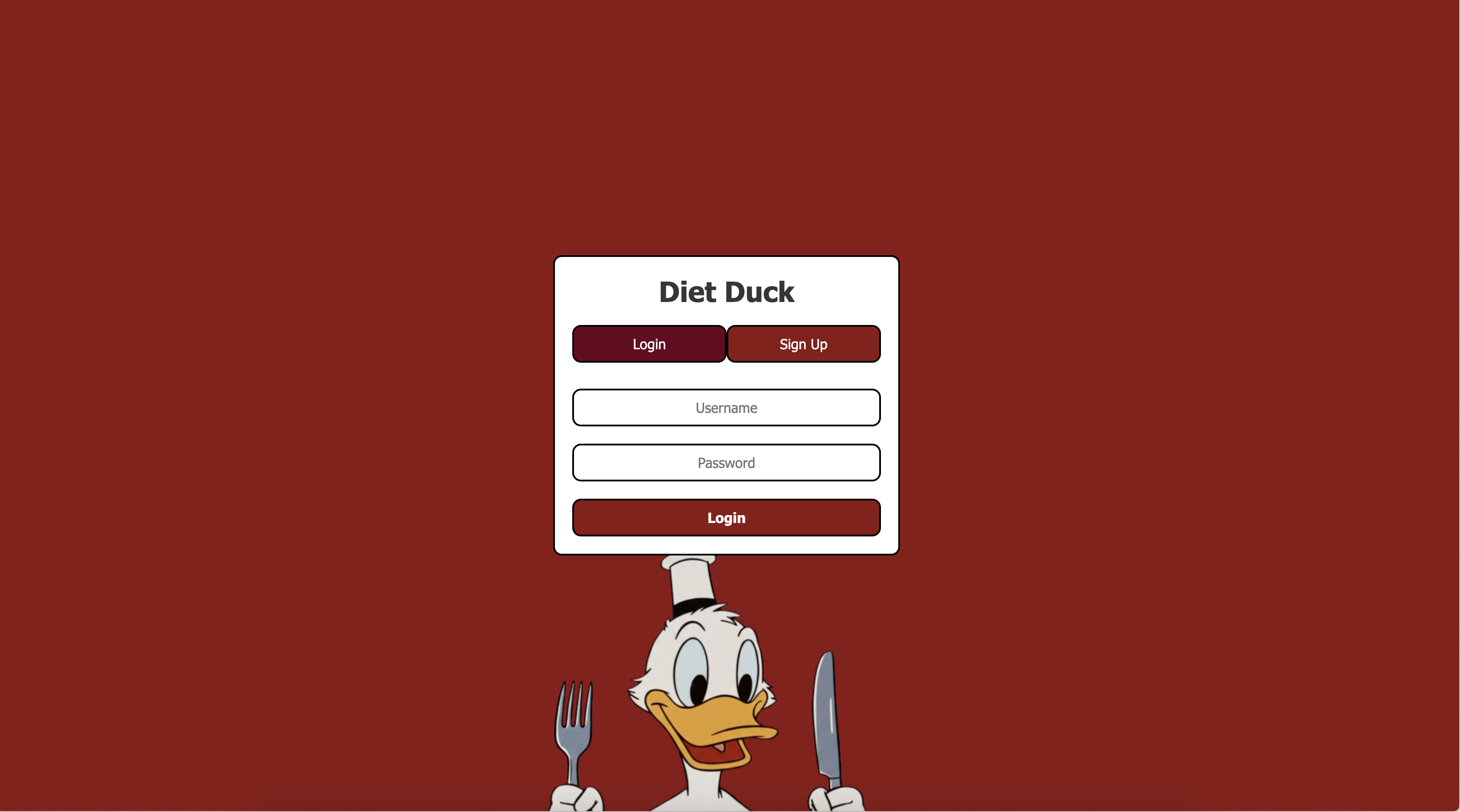
- the login page, which required hashing and saving/loading data to an AWS DynamoDB bucket for security
- the AI chatbot, whose API required connections through an Express server and integration into the web page
- the web page, with an interactive menu and CSS styling
- the Meals recommender which utilized AI to categorize campus dining options and generate three distinct meal recommendations based on user preferences, ensuring varied and accurate macronutrient distributions.
- general security, such as storing sensitive information in a .env file so that it could not be accessed from the front-end.
Challenges we ran into
Training the API on campus restaurant data was difficult due to the different headers nutritional information might have been stored under. Finding a platform we could all collaborate on was a challenge and we switched between many workspaces before settling on GitHub
Accomplishments that we're proud of
Managing front-end and back-end requests, this was a new topic for all of us and it was a new challenge we are proud to have overcome.
What we learned
Students want meals that align with their preferences, and understanding dietary restrictions like allergies can significantly improve engagement. Storing preferences, allergies, and user data securely is important, and integrating this with real-time campus meal offerings can be tricky.
What's next for Diet Duck
Next up for Diet Duck would be an interactive campus map that displays dining location opening and closing times for the user’s convenience. Currently the opening and closing times are integrated in the back-end and it would be useful for the user to see all their available options on one page.
We are participating in every prompt! Below is the updated list of challenges and awards we’re working on:
CHUBB – Harnessing AI for Community Risk Awareness
Develop an informal tool or app that educates users about potential risks in your community, such as natural disasters, health concerns, and more.
Ari Birnbaum Community Impact Award
Create mindful, unique tech solutions that address pressing community issues—whether it’s improving access to education, advancing public health, fostering inclusivity, boosting small businesses, or tackling climate change.
Best Design
Focus on user-centered design by enhancing UI/UX, precise planning, and ensuring accessibility and inclusivity for all users.
Most Innovative
Push the boundaries of creativity and ingenuity to deliver the most innovative solution to a real-world problem.
Attila’s Favorite
Integrate creative and practical use of ducks into your project—beyond just an image—reflecting the spirit of our mascot, Attila the Duck.
Best Overall
Develop a well-rounded, high-quality solution that excels in innovation, design, impact, and execution, standing out as the strongest contender overall.


Log in or sign up for Devpost to join the conversation.