-
-
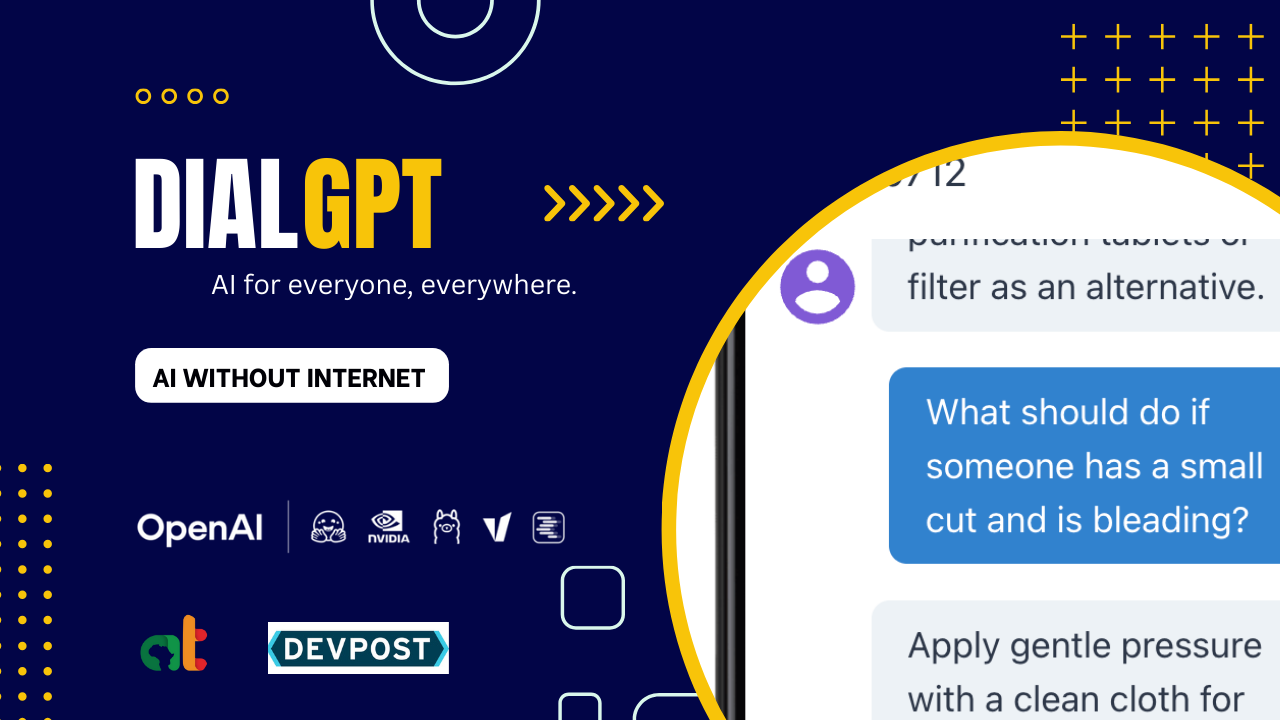
Thumbnail
-
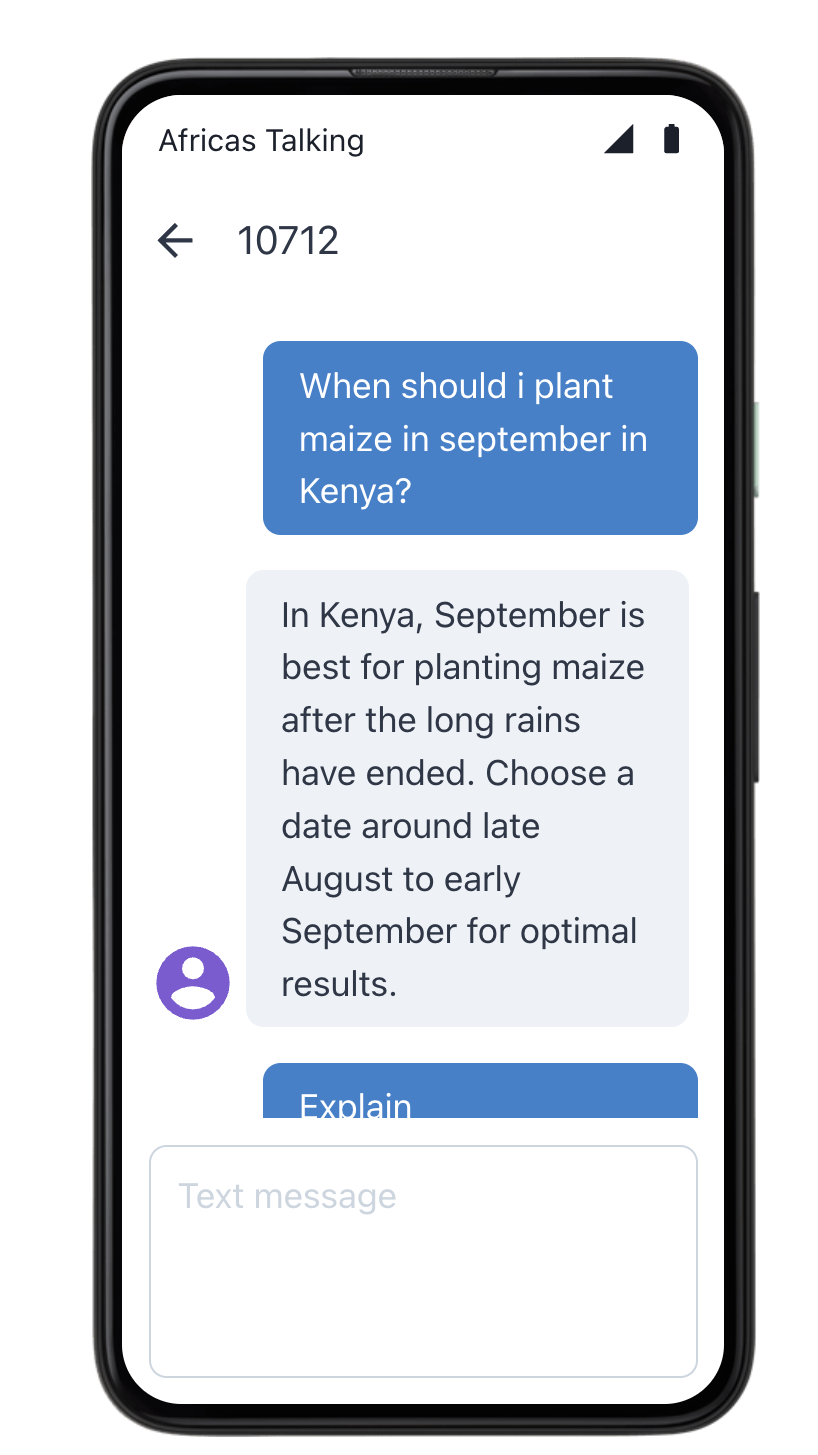
Farmer question
-
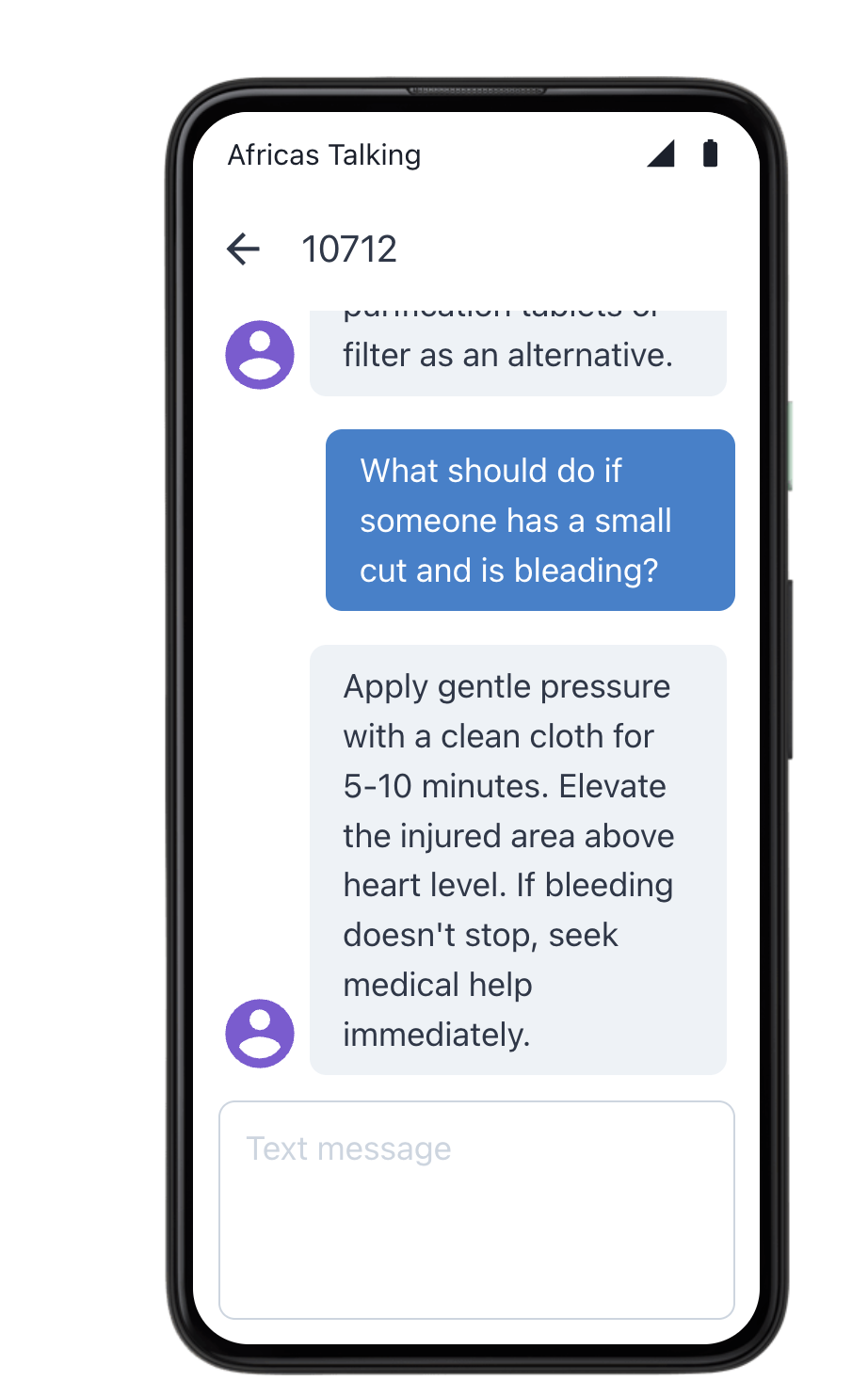
First Aid question
-
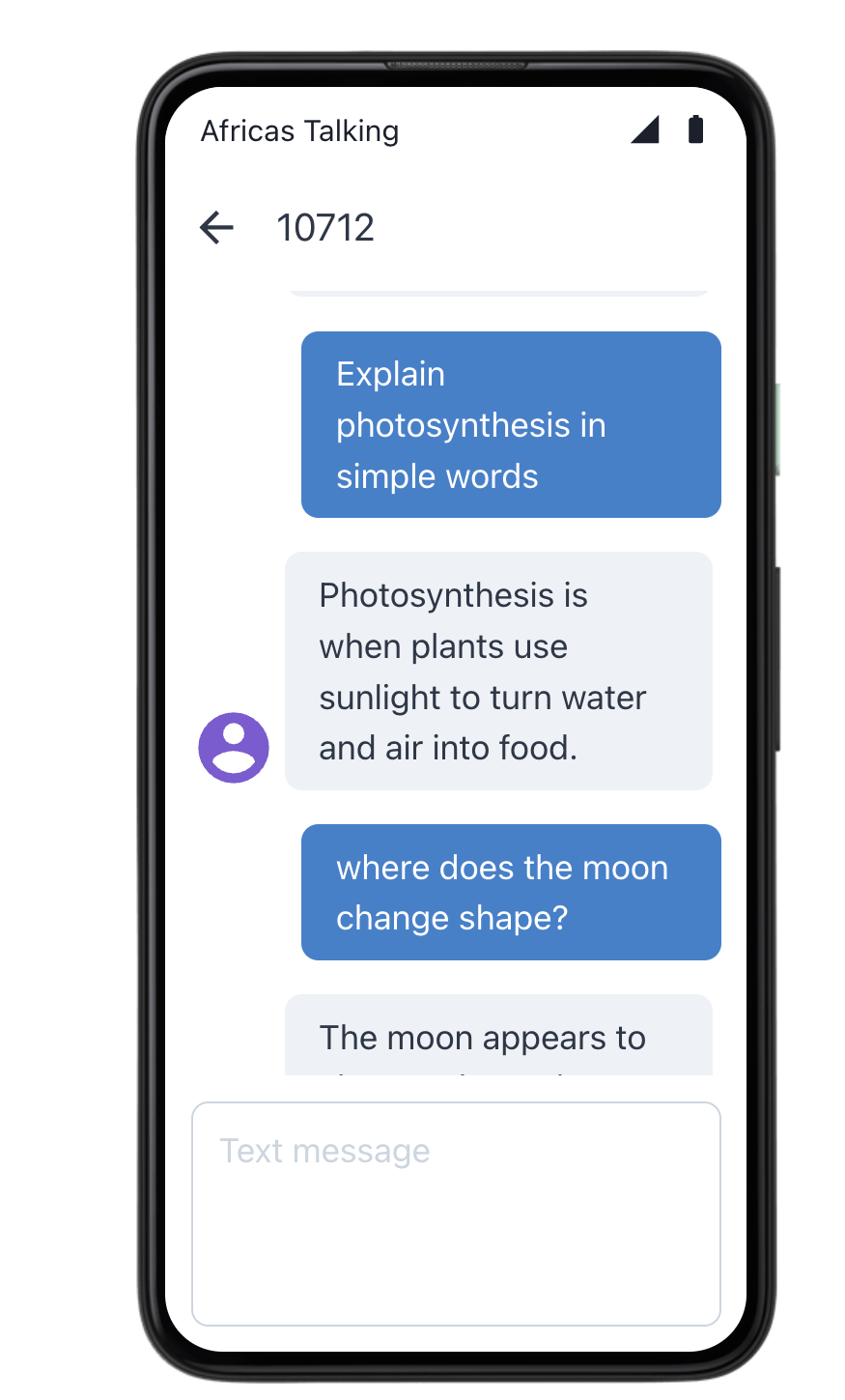
student question
Inspiration
Billions of people worldwide live without consistent internet access, yet nearly everyone has access to a basic mobile phone and SMS. While advanced AI reasoning models are reshaping industries, they remain out of reach for those who need them most: rural communities, low-income regions, disaster zones, and underserved populations.
We asked ourselves: What if advanced AI reasoning wasn't a luxury of high-speed internet, but a basic service available to anyone with a phone?
We built DialGPT to bridge this gap: bringing powerful open-weight reasoning models to any phone, without requiring internet, smartphones, or expensive data plans.
What it does
DialGPT allows anyone to: Text any question via SMS from health info, farming tips, and educational support to everyday queries. Receive instant, intelligent responses powered by gpt-oss, even on the simplest phones. Work completely offline, deployed locally, without dependence on cloud servers or continuous connectivity.
Support multiple languages to reach diverse communities.
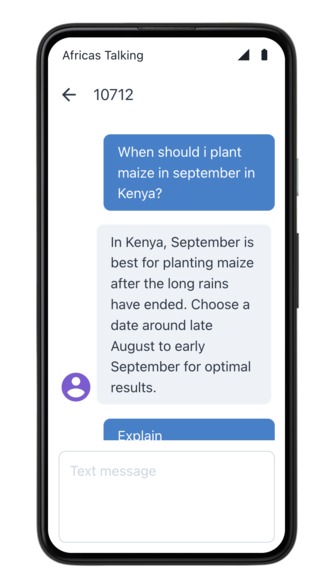
Example: A farmer in rural Kenya texts, “When is the best time to plant maize this season?” DialGPT replies with region-specific, reasoning-backed agricultural advice.
How we built it
Model Backbone: gpt-oss-20B running locally on an optimized server. Telecom Integration: An SMS gateway connects user messages to the reasoning engine. Reasoning Pipeline: Lightweight inference server (vLLM) handles requests efficiently, even on modest hardware. Offline Capability: Model is preloaded and runs without cloud dependencies, ensuring resilience in low-connectivity areas. Safety Layer: A rule-based filter ensures responses remain safe, reliable, and aligned with community needs.
How We Built It
Architecture Overview
User Phone → SMS Gateway → DialGPT Server → gpt-oss-20b → Response Processing → SMS Reply
Technical Stack
yaml Backend: Node.js + TypeScript AI Model: gpt-oss-20b via Ollama SMS Gateway: Africa's Talking Deployment: Docker + Docker Compose Monitoring: Winston logging + Health checks
Challenges we ran into
Running gpt-oss locally at scale: Getting gpt-oss-20B to run efficiently without cloud GPUs was tough. We had to experiment with quantization and optimized inference runtimes (vLLM + GPU offloading) to make it usable in real-time.
The 160-Character Constraint The gpt-oss models generate detailed, reasoned responses - exactly opposite of SMS requirements. We developed a two-stage approach: First, generate comprehensive reasoning Then, distill to actionable insight using specialized summarization prompts
Bridging SMS with AI: Traditional SMS gateways are built for notifications, not interactive AI conversations. We had to design a reliable pipeline that converts SMS into structured queries, feeds them into the model, and returns responses quickly without breaking the SMS character limit.
Cost Optimization Each SMS costs money - both for us and users. We implemented smart batching for multi-part responses Added query complexity detection to warn users before expensive operations. Built in daily limits with override capabilities
Latency & Cost Optimization: SMS responses must feel instant. Balancing inference speed with hardware limits while ensuring the cost of running each SMS session remains affordable was a major challenge.
Offline Deployment: Ensuring the system works without internet access requires preloading models, caching knowledge, and making the system resilient against connectivity failures.
Language & Context Handling: Supporting multiple languages via SMS is tricky, especially with character encoding and ensuring the model understands short, often unstructured text.
Safety & Reliability Unlike web apps, SMS doesn’t allow for flashy disclaimers or UI controls. We needed lightweight filters to ensure responses remain safe, accurate, and appropriate for vulnerable users.
Accomplishments that we're proud of
Made gpt-oss work over SMS, bringing advanced reasoning to the simplest mobile phones. Built a fully offline AI agent that runs locally, without relying on the internet or cloud servers. Optimized inference for accessibility reduced response latency while keeping deployment affordable. Bridged the digital divide by making AI usable in regions where smartphones or stable internet are a luxury. Created a working prototype in weeks that demonstrates real-world impact for farmers, students, and underserved communities.
What we learned
AI access is not equal to internet access. True democratization means designing for low-tech environments like SMS. Optimization matters: quantization, batching, and model runtime tuning were critical for making gpt-oss usable in real-time. Simplicity is powerful. Sometimes the most transformative innovation isn’t in fancy apps but in leveraging the most universal technology: SMS. Safety is non-negotiable, filtering and context management are just as important as raw reasoning power when building for broad communities. Human-first design, we learned to think less about “cool AI features” and more about who the technology is serving and how it improves lives.
What's next for DialGPT
Multilingual Support: Extend coverage to more local languages (e.g., Swahili, Sheng, Kikuyu, Amharic, Hausa, Hindi).
Domain-Specific Fine-Tunes: Tailor gpt-oss for agriculture, healthcare, and education in resource-constrained regions.
Voice Integration: Support voice calls (IVR) for populations with low literacy.
Partnerships with NGOs & Telecoms: Scale access across rural communities globally.
Hardware Mini-Deployments: Package DialGPT into portable, solar-powered edge devices for disaster zones and off-grid areas.
Scaling for Millions: Explore federation of lightweight deployments to handle SMS traffic at a national scale.
Real-World Applications
Agricultural Advisory
- Farmers text crop symptoms, receive disease diagnosis and treatment
- Weather-based planting recommendations
- Market price insights
Healthcare Guidance
- Basic symptom checking in remote areas
- Medication reminders and interactions
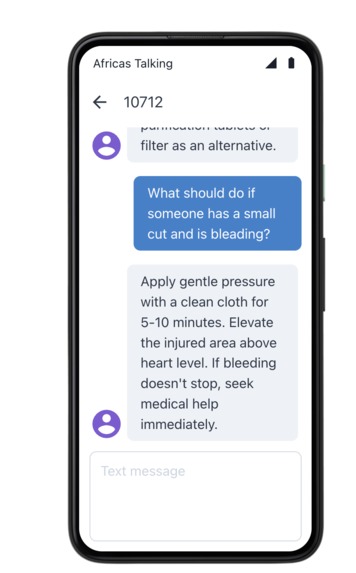
- First-aid instructions during emergencies
Educational Support
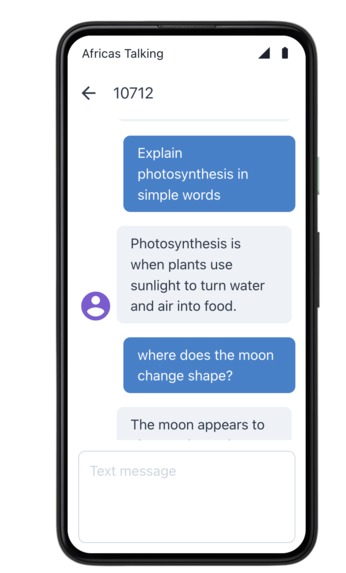
- Homework help for students without internet
- Language translation services
- Quick fact-checking and explanations
Emergency Response
- Disaster coordination when networks are down
- Location-based safety information
- Critical resource allocation
Open Source Commitment
We believe AI access is a human right. DialGPT is fully open-source, designed for easy deployment by NGOs, governments, and communities worldwide. Our Docker setup means anyone can spin up their own instance in minutes.
Conclusion
DialGPT proves that cutting-edge AI doesn't require cutting-edge infrastructure. By meeting people where they are on basic phones with simple SMS we're not just building technology; we're building bridges to a more equitable future.
In a world racing toward AGI, we chose to slow down and ensure everyone can join the journey. Because the most powerful AI is the one that reaches everyone, and the most important problems aren't always the most complex sometimes they just need a simple answer delivered to a simple phone.
DialGPT: Where every phone becomes a portal to infinite knowledge, one text at a time.
Built With
- africa's-talking
- gpt-oss
- node.js
- ollama
- typescript


Log in or sign up for Devpost to join the conversation.