-
-
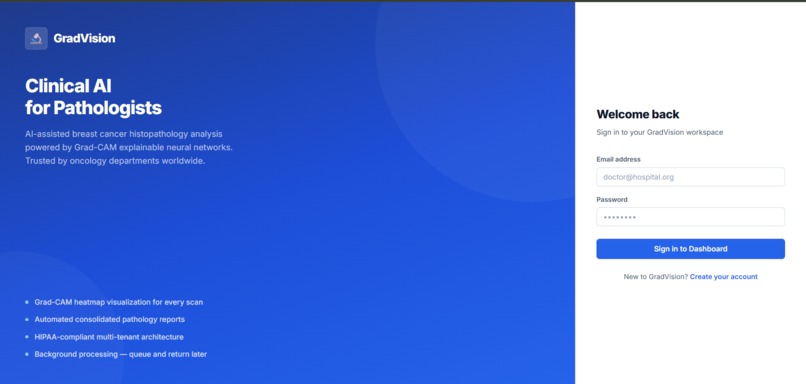
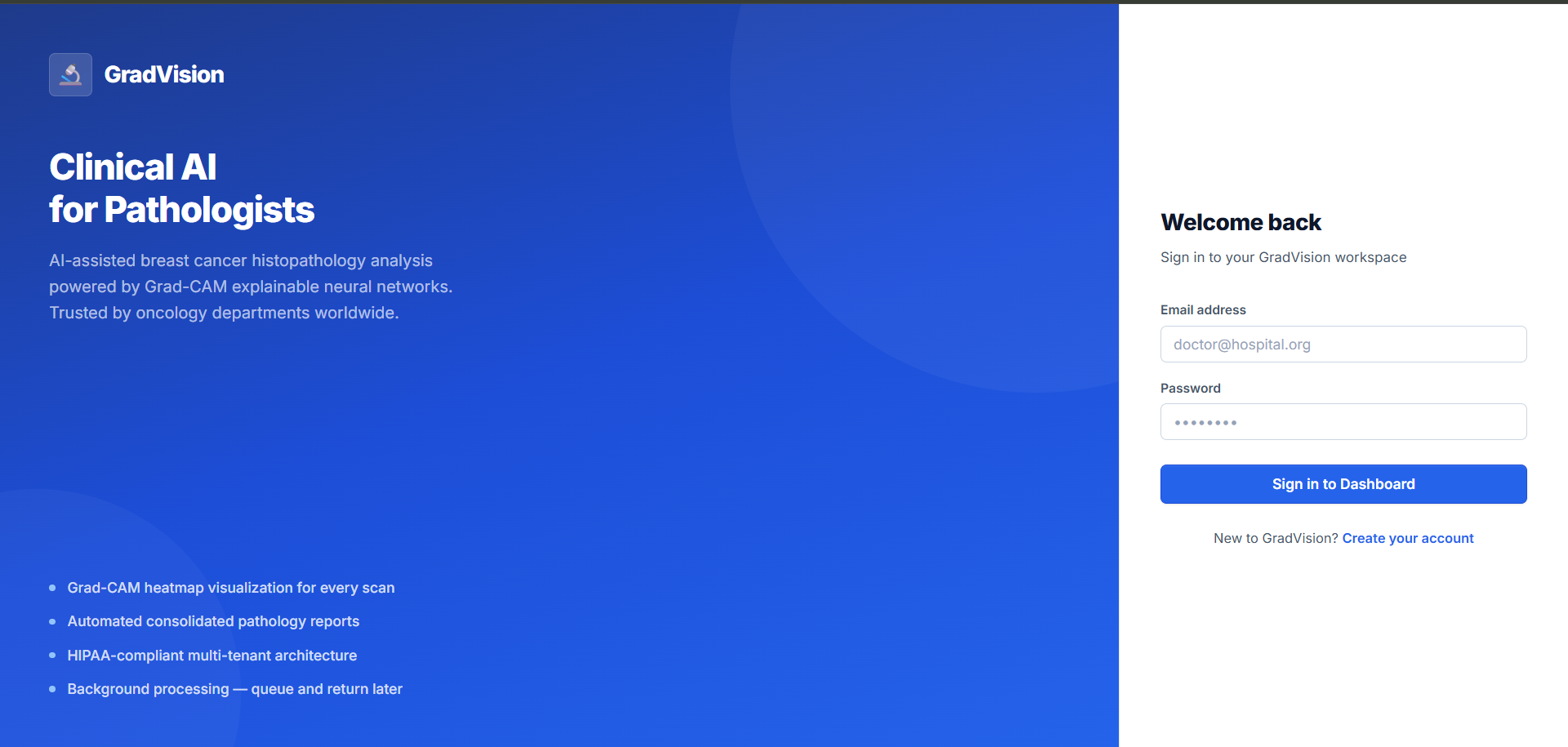
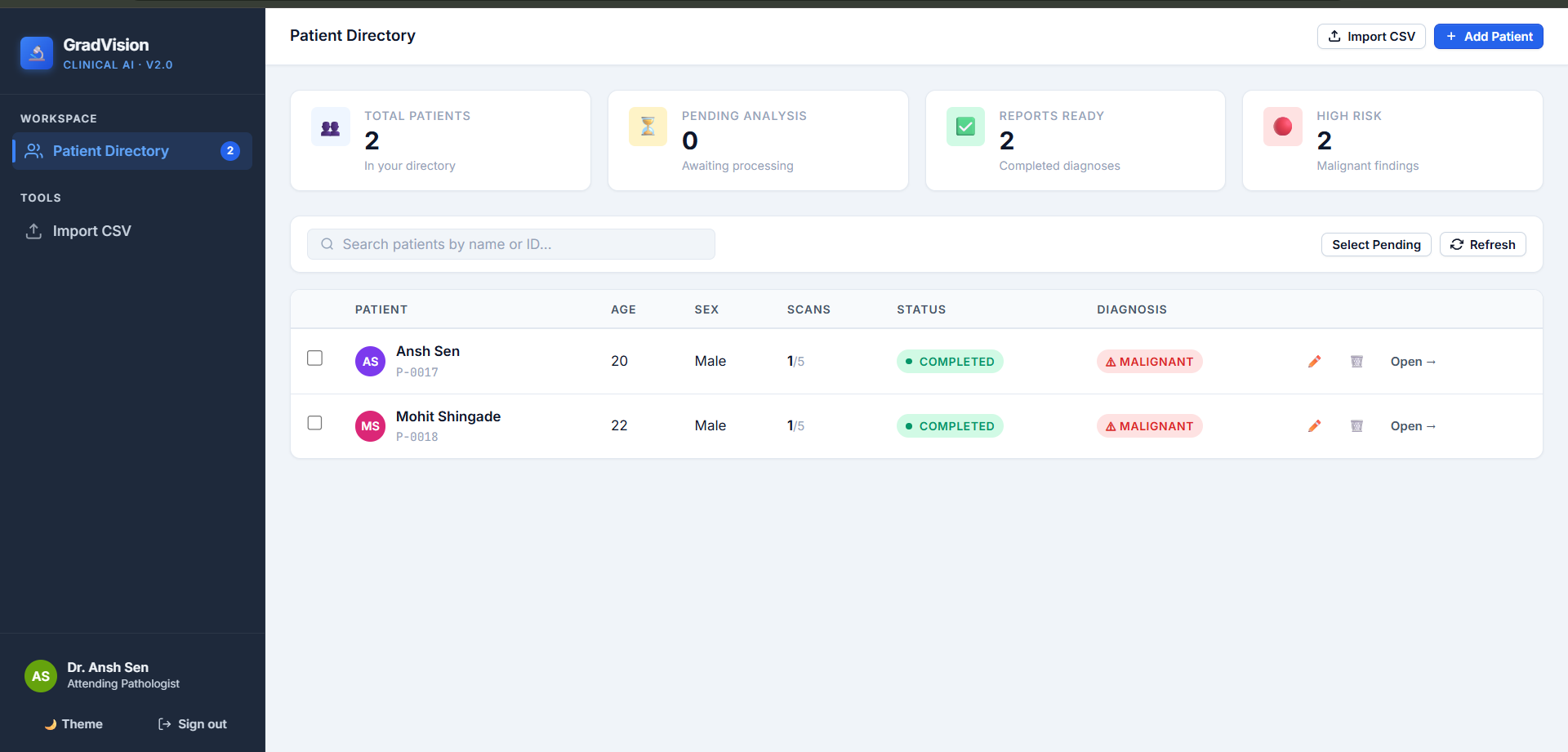
login
-
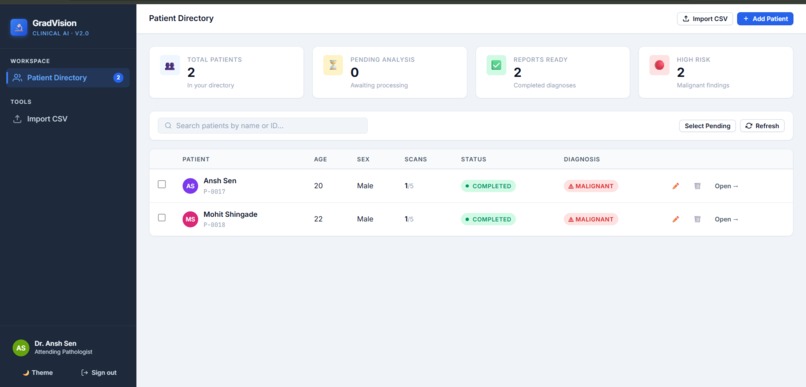
deshbord
-
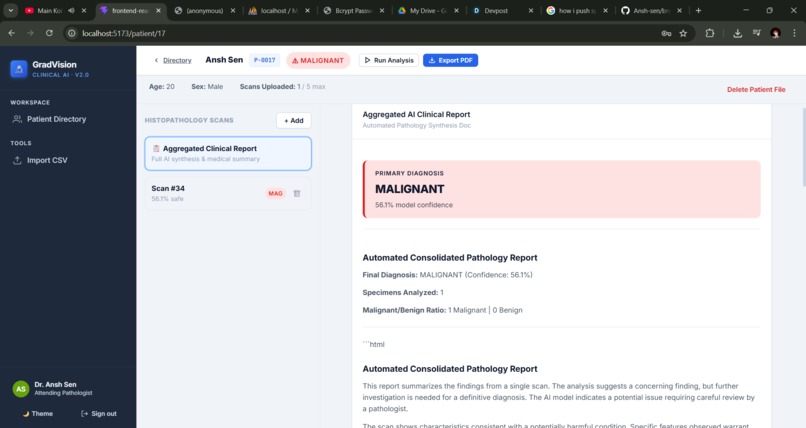
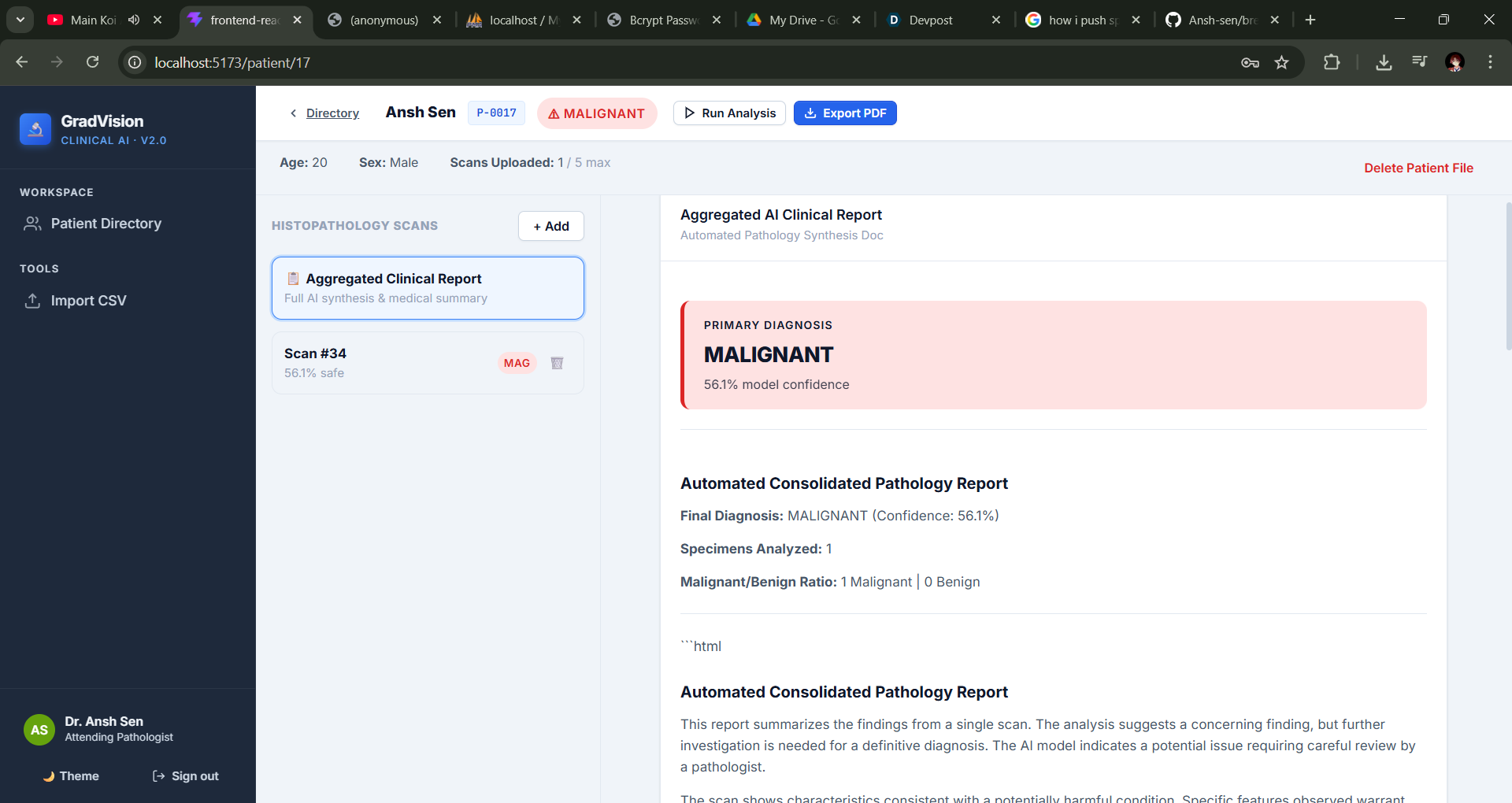
report
-
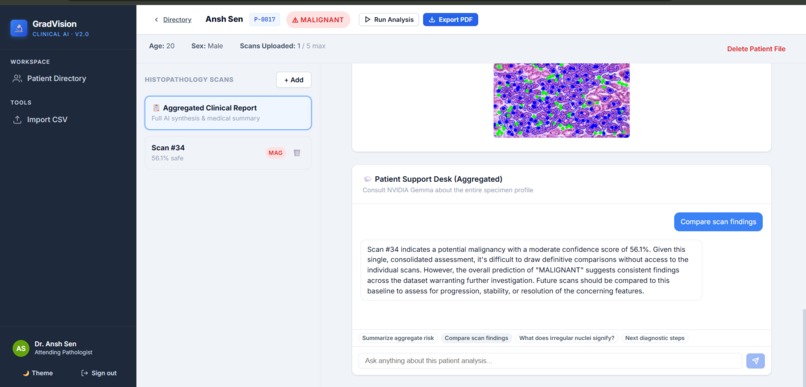
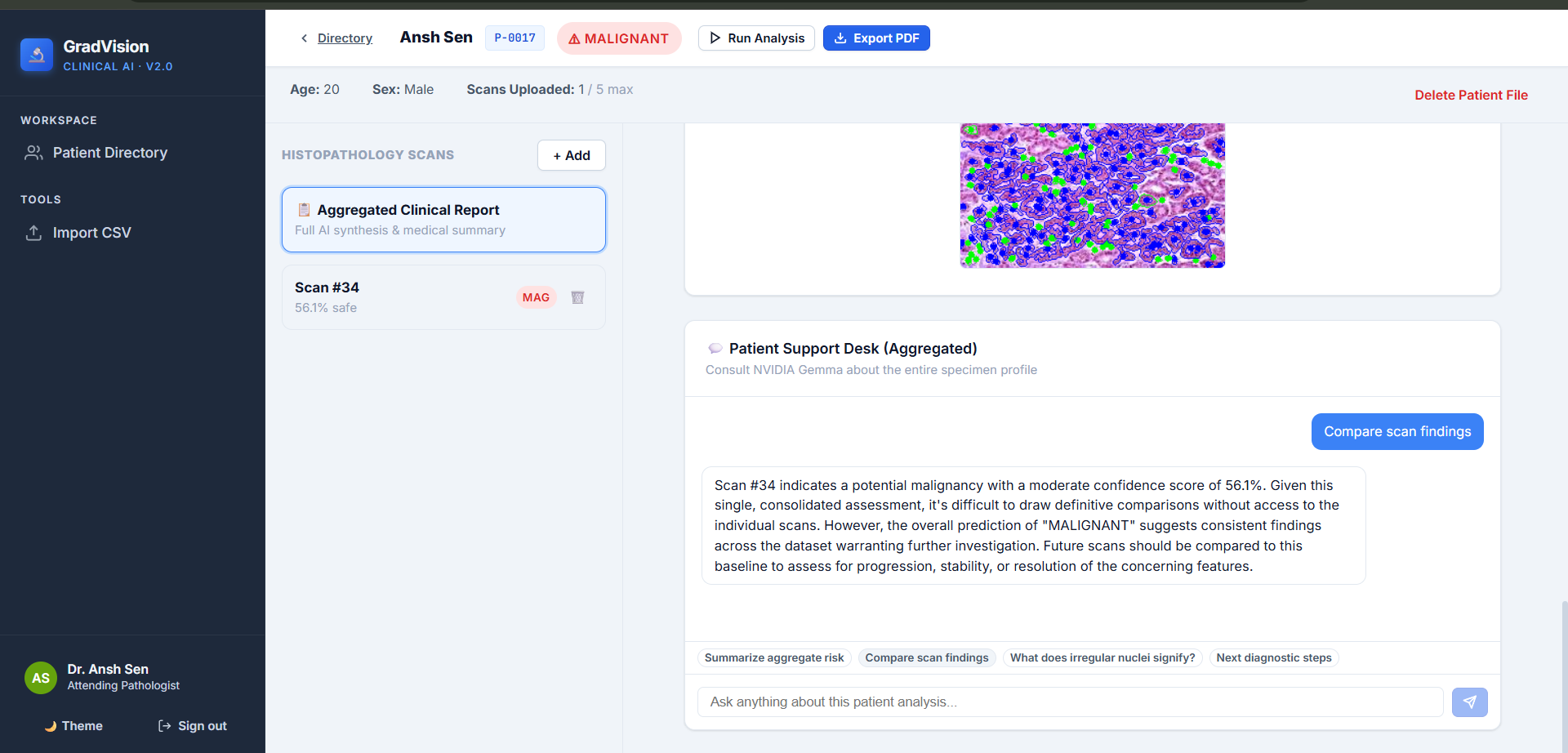
NOVA ai chatbot
-
-
-
Inspiration
While studying AI applications in healthcare, I realized that most AI models used in medical diagnosis act like black boxes. Doctors are hesitant to trust a prediction if they don’t understand why the model made that decision. This inspired me to build a system that not only detects cancer accurately but also explains its reasoning visually and in clinical language — something that can actually help doctors and build trust in AI.
What it does
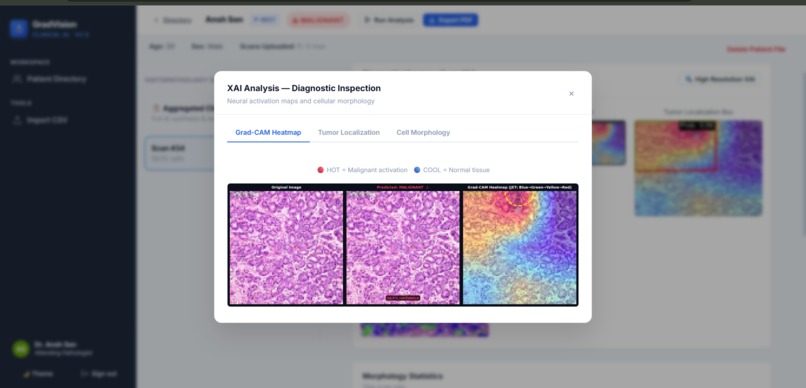
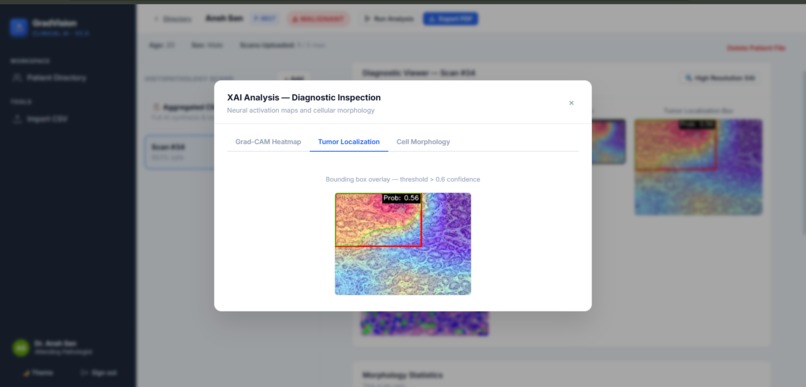
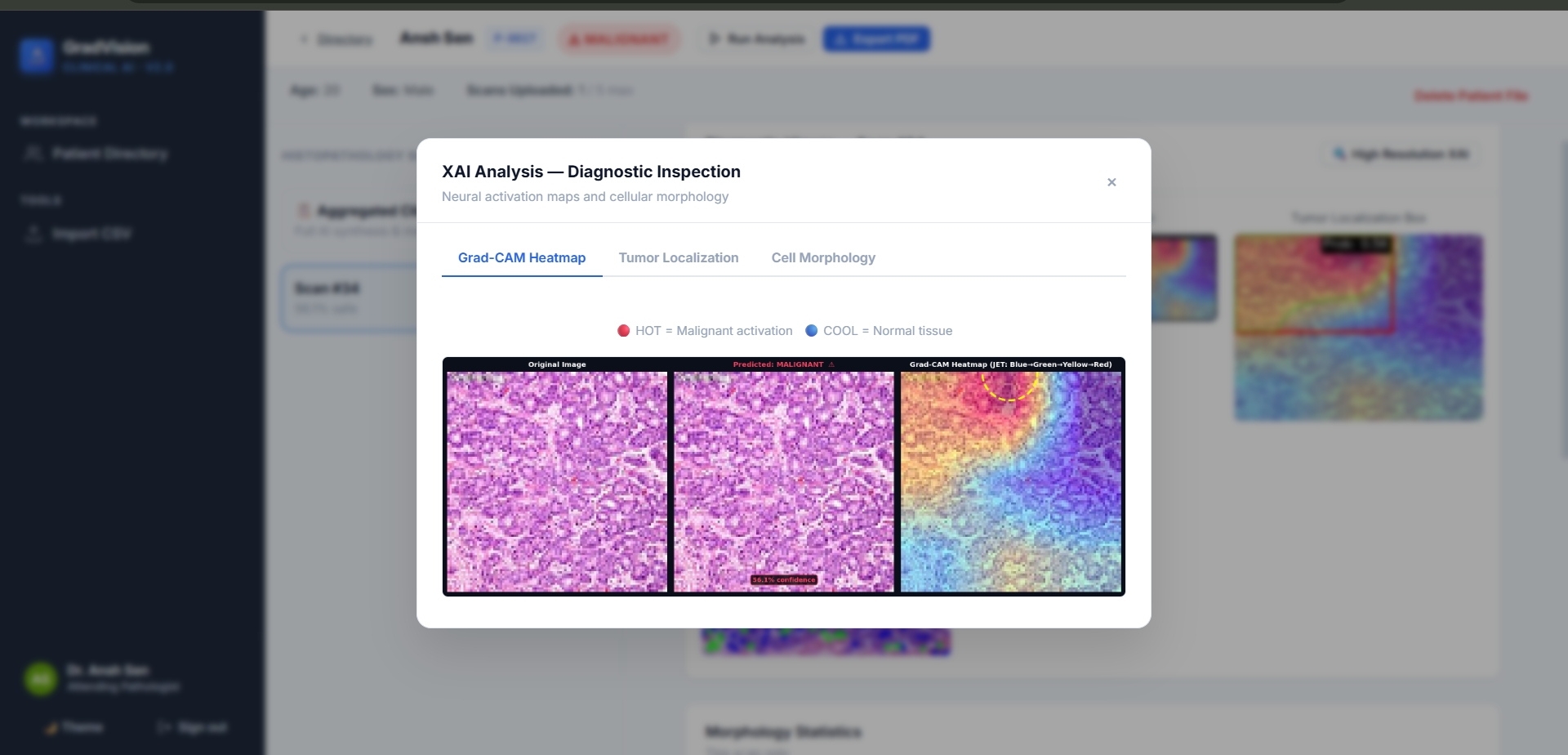
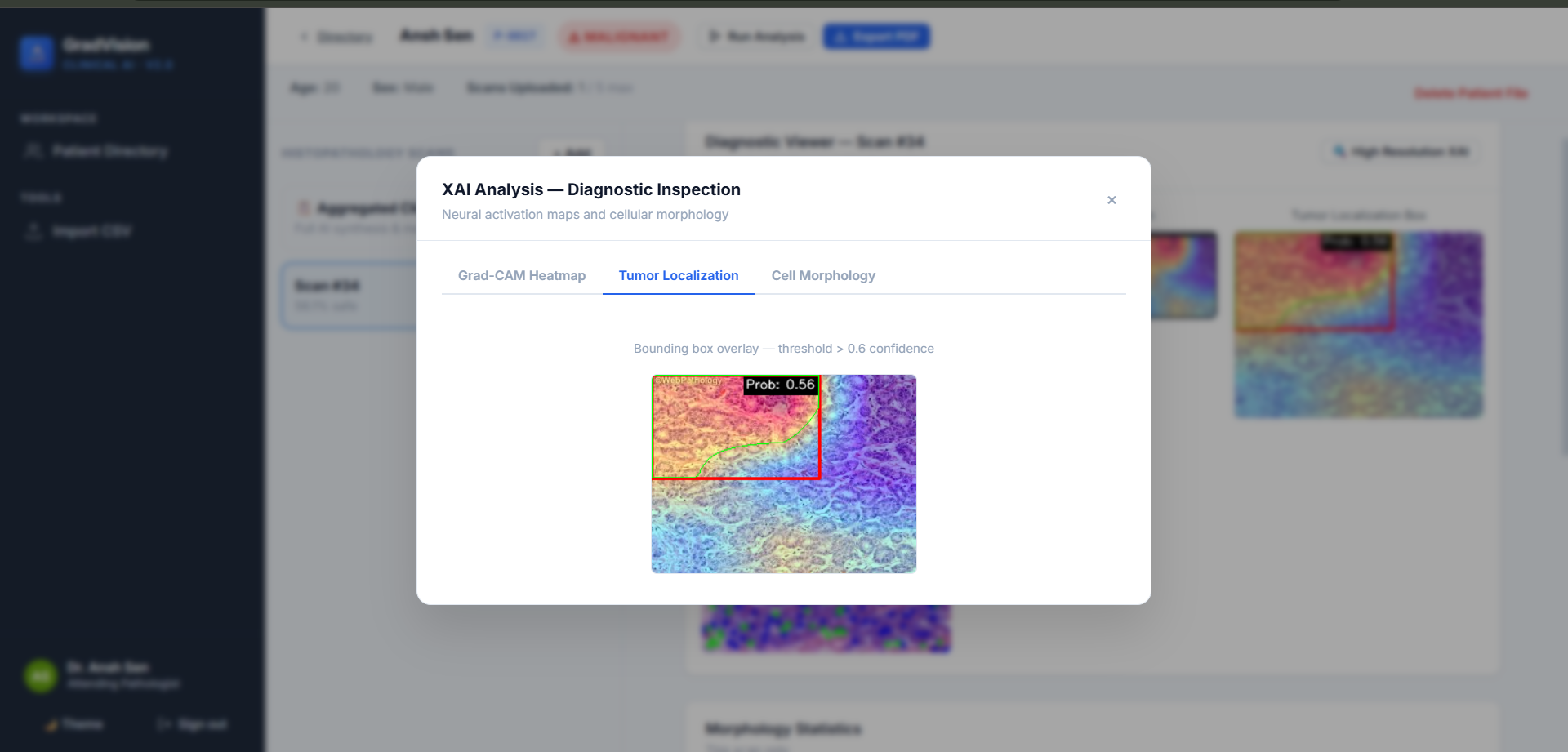
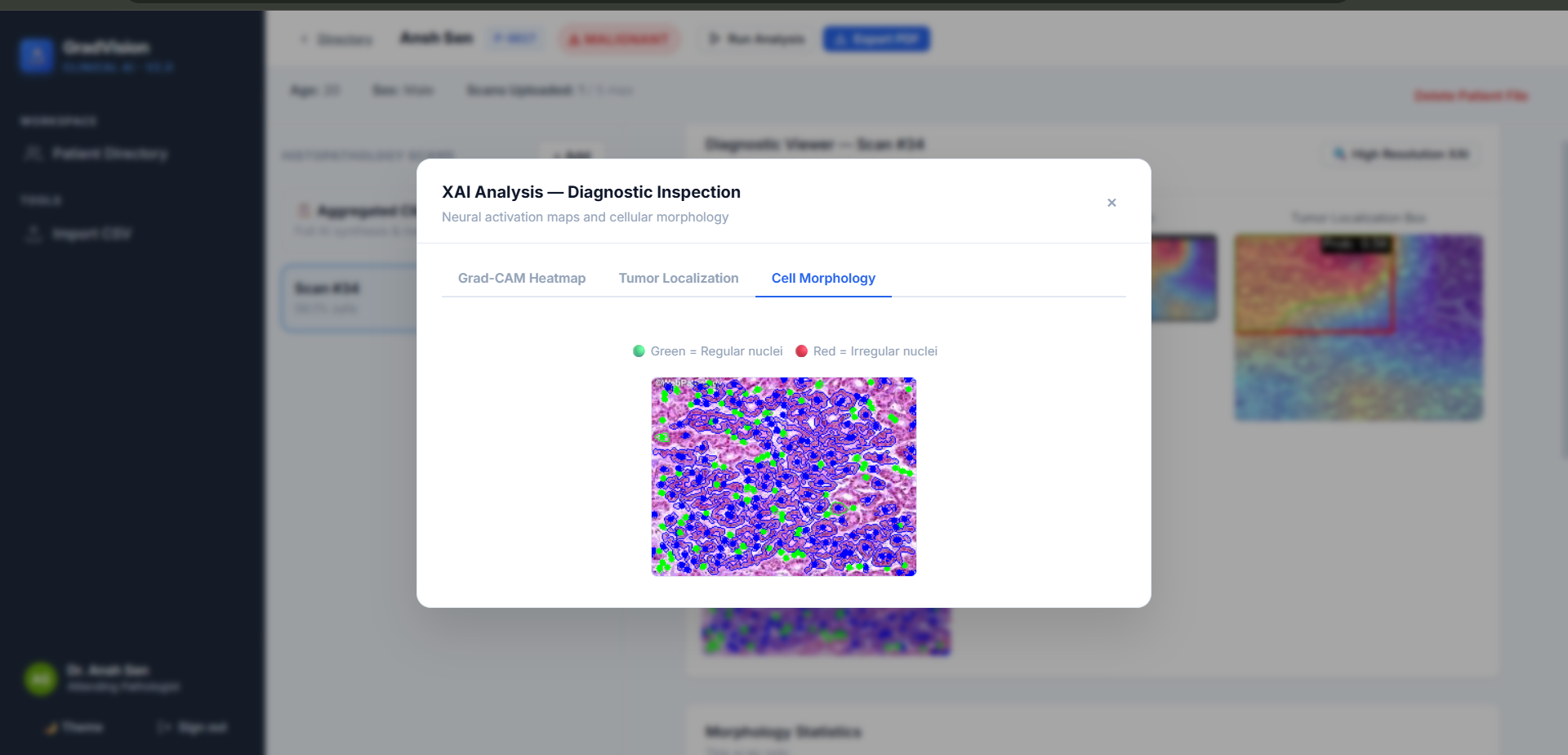
GradVision takes a histopathology image as input and: Predicts whether the tissue is Benign or Malignant Generates a Grad-CAM heatmap highlighting the exact regions the model focused on Uses Amazon Nova to generate a professional, doctor-style explanation of the findings The result is a complete, trustworthy diagnostic assistant that shows both the prediction and the reasoning behind it.
How we built it
Backend: Trained a MobileNetV2-based CNN on the Breast Histopathology Images dataset using TensorFlow/Keras Explainability: Implemented Grad-CAM to generate visual heatmaps Frontend: Built an interactive web interface using Streamlit Amazon Nova Integration: Used AWS Bedrock Converse API to generate natural language medical reports from the image, prediction, and heatmap Deployed everything locally for fast demo and testing
Challenges we ran into
Making Grad-CAM work reliably with the loaded MobileNetV2 model (graph building issues) Handling AWS Nova throttling and model access limits during development Finding the right balance between model accuracy and real-time performance in Streamlit Writing clear prompts so Nova gives clinically useful explanations
Accomplishments that we're proud of
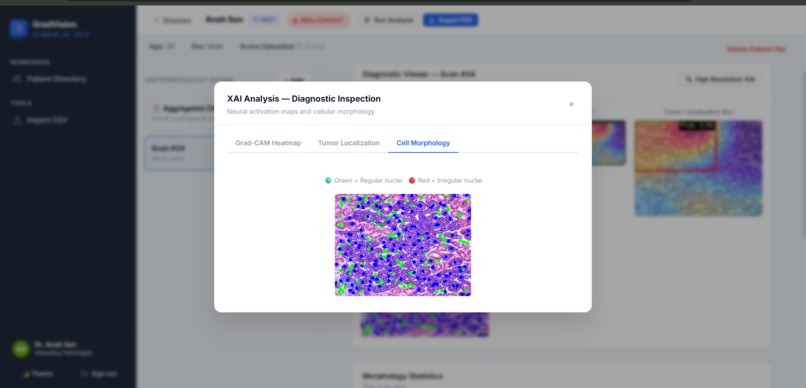
Successfully integrated CNN + Grad-CAM + Amazon Nova into a single smooth pipeline Created heatmaps that clearly highlight meaningful cellular regions Generated professional medical-style reports using Nova that sound natural and helpful Built a complete, working explainable AI system for a real medical problem in a short time
What we learned
The importance of explainability in medical AI — accuracy alone is not enough How to effectively combine traditional deep learning with modern generative models like Amazon Nova The challenges and beauty of making AI transparent and trustworthy Practical skills in Streamlit, AWS Bedrock, and prompt engineering
What's next for GradVision , Diagnostic Intelligence
Add multi-class support (different types of breast cancer) Deploy it as a web app with user authentication Integrate voice input/output using Nova Sonic Collaborate with medical professionals for real-world testing and feedback
Built With
- amazon-nova
- aws-bedrock
- computervision
- explainable-ai
- grad-cam
- keras
- medical-ai
- python
- streamlit
- tensorflow

Log in or sign up for Devpost to join the conversation.