-
-
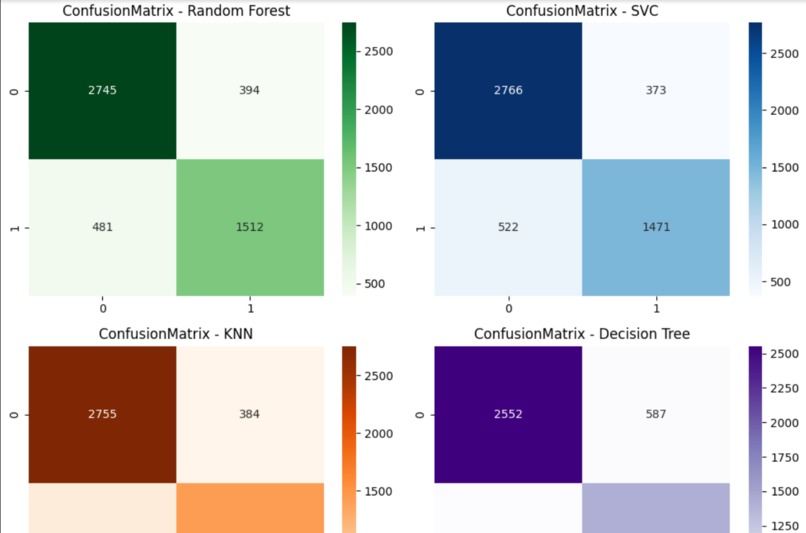
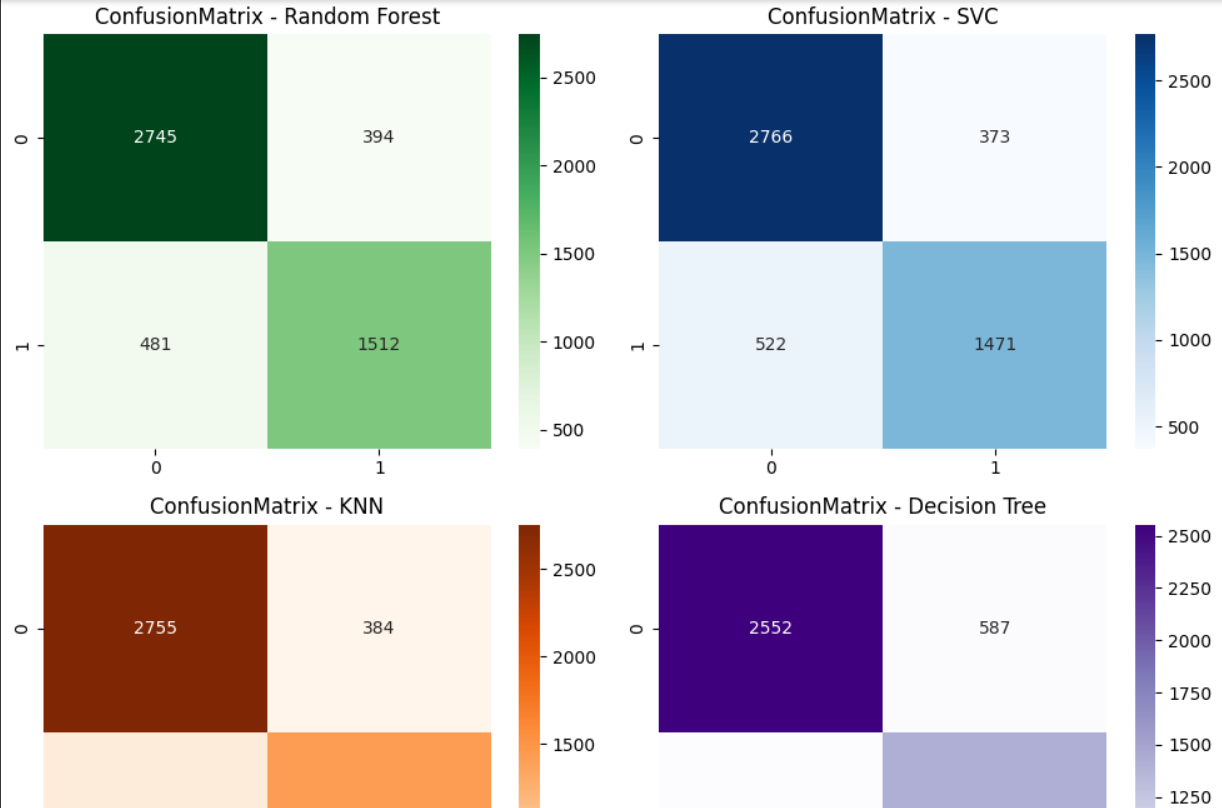
Evaluation using random forest, svc, KNN, Decision Tree
Inspiration The inspiration for this project came from the recognition of the immense potential of data-driven approaches in transforming healthcare. With the increasing availability of health data, the ability to predict diagnoses accurately and efficiently can revolutionize patient care, reduce costs, and improve outcomes. By leveraging machine learning and advanced analytics, we aimed to create a tool that could assist healthcare professionals in making informed decisions and provide early warnings for potential health issues.
What We Learned Through this project, we gained invaluable insights into the intricacies of healthcare data and the challenges associated with it. Key learnings include:
Data Preprocessing: Understanding the importance of cleaning and preprocessing raw health data to ensure accuracy and reliability. Feature Engineering: Identifying and creating meaningful features from raw data that significantly impact predictive accuracy. Model Selection: Evaluating various machine learning algorithms to determine the best fit for our predictive models. Interpretability: Balancing model accuracy with interpretability to ensure that healthcare professionals can trust and understand the predictions. Project Build The project was built through a series of methodical steps:
Data Collection: We gathered a comprehensive dataset containing various health metrics and historical diagnoses. Data Preprocessing: Cleaning the data to handle missing values, outliers, and inconsistencies. Feature Engineering: Creating new features from existing data to improve model performance. Model Training: Training multiple machine learning models and selecting the best-performing one based on accuracy, precision, and recall. Model Evaluation: Evaluating the model using cross-validation and testing on unseen data to ensure robustness. Deployment: Developing an easy-to-use interface for healthcare professionals to input patient data and receive predictive insights. Challenges Faced The journey was not without its challenges:
Data Quality: Dealing with noisy and incomplete data was a significant hurdle that required extensive preprocessing and validation. Model Interpretability: Ensuring that the model's predictions were transparent and understandable by healthcare professionals was crucial. Balancing Accuracy and Complexity: Finding the right balance between a highly accurate model and one that is computationally efficient and easy to use was challenging. Ethical Considerations: Ensuring patient privacy and data security was a constant priority, requiring stringent measures and compliance with regulations. Despite these challenges, the project has been a rewarding experience, providing a glimpse into the future of healthcare driven by predictive analytics.
Built With
- deeplearning.
- machine-learning


Log in or sign up for Devpost to join the conversation.