

Inspiration
From the ongoing debate of Obamacare in the United States, we wanted to look into healthcare systems in other countries. What we learned was shocking: 10 million children die a year due to lack of access to healthcare. Motivated by this problem, we decided to take matters into our own hands and create an application that would bring healthcare to them. Since 99.3% of people have a smartphone, we realized that the best way was to create a mobile application.
What it does
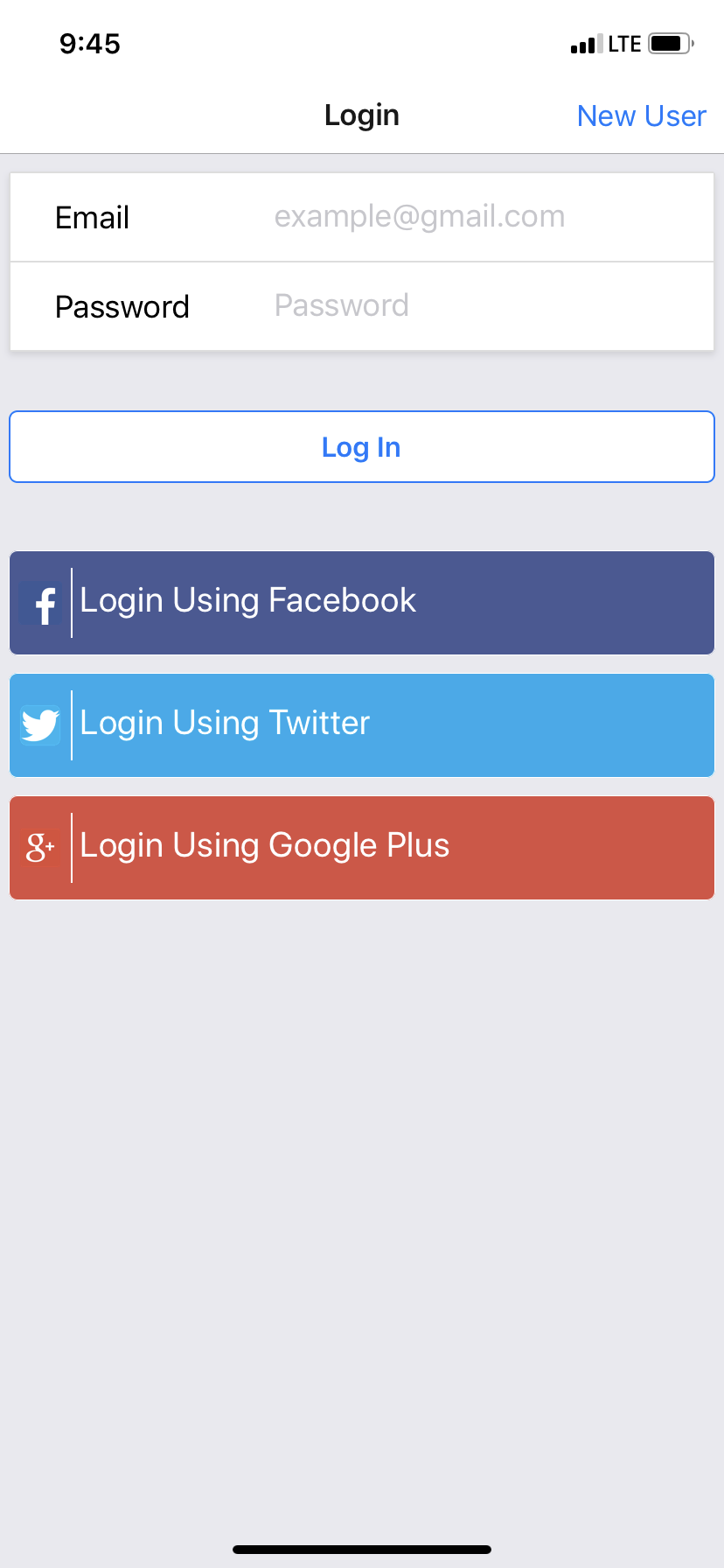
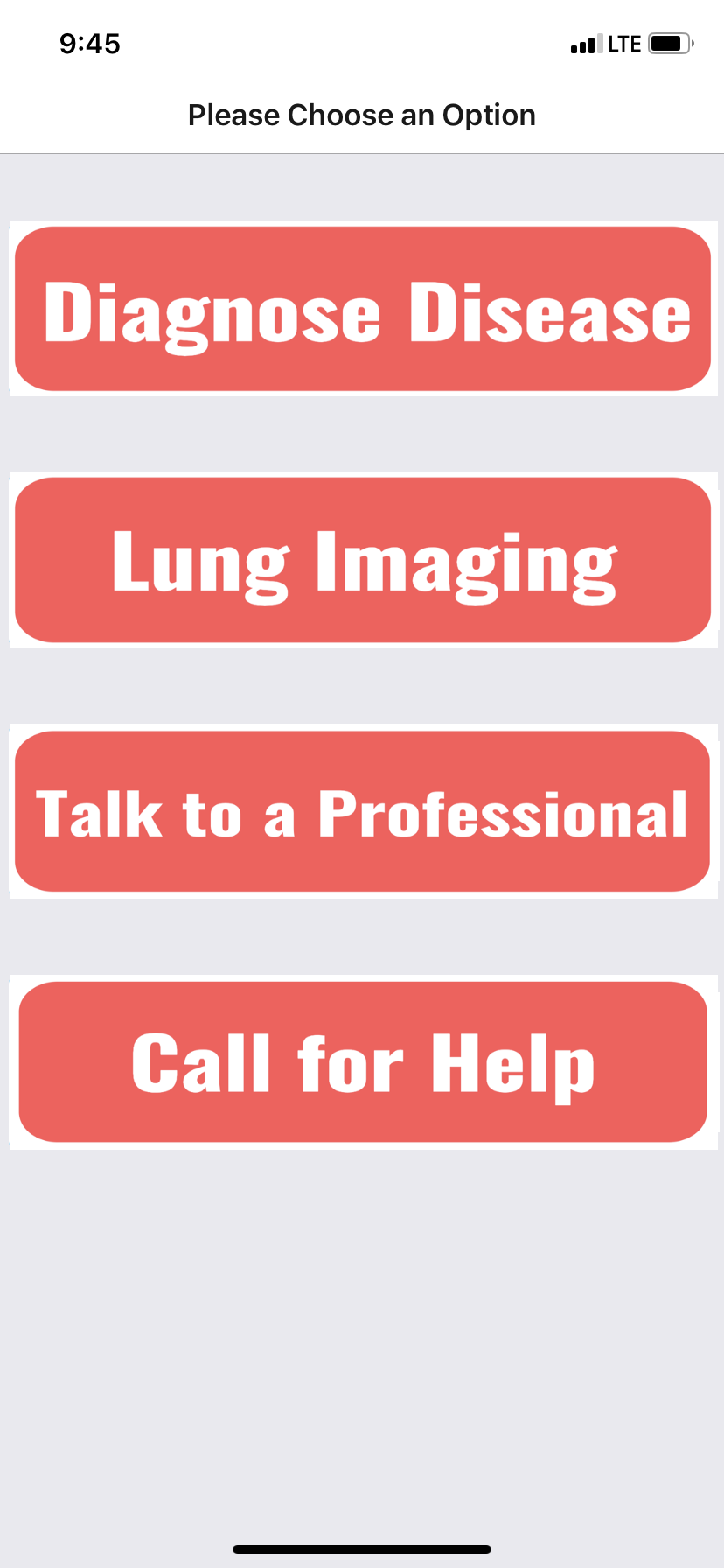
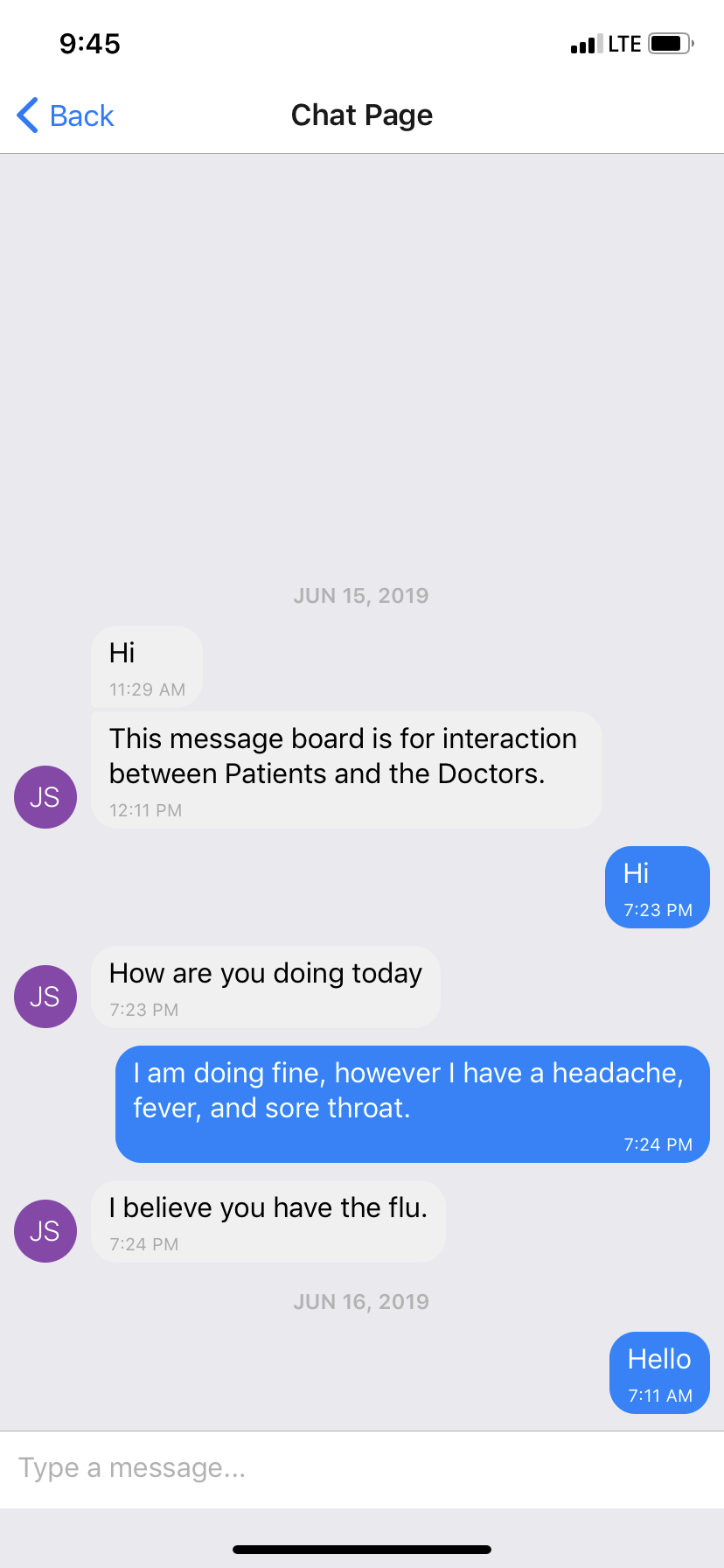
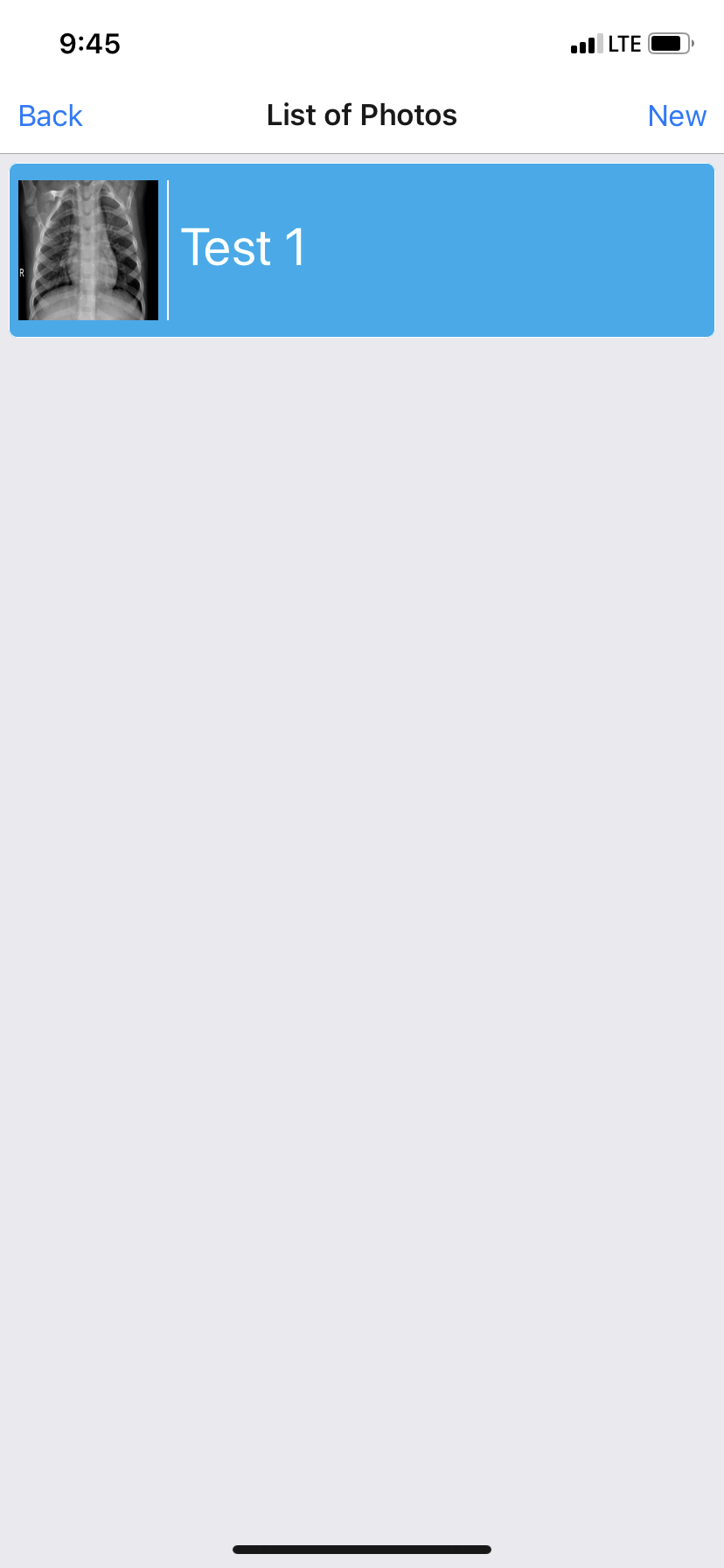
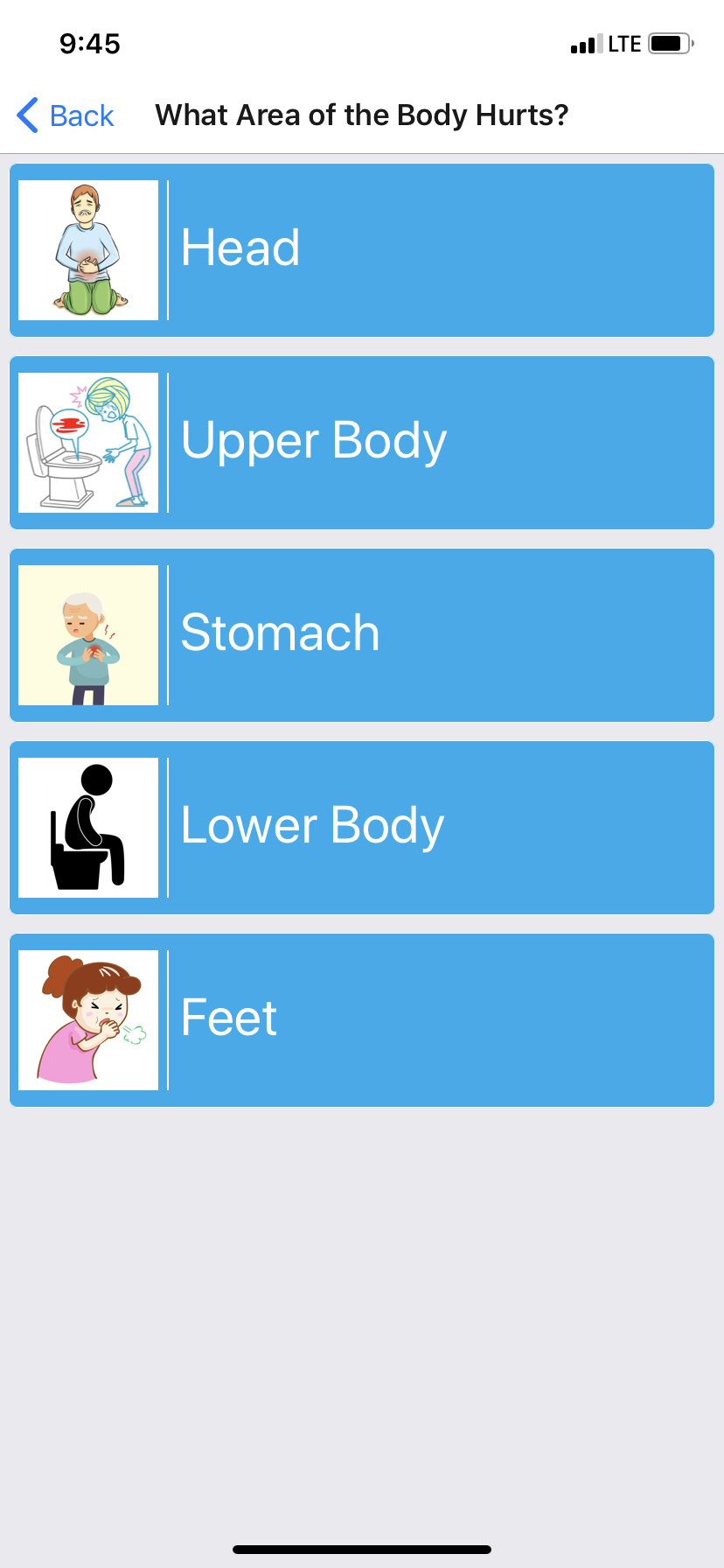
When opened, the application first requires user identification through e-mail to keep track of each user’s health every time the application is used. The home screen shows four different services the application provides to assist those who may need medical attention. The first function is a general self-diagnosis, which helps a potential patient identify the severity of their health condition easily and accurately. The second service this app provides is the ability to use X-Ray images of lungs to identify pneumonia, which can save the patient some money with the use of this easier solution. The third function provides the user with the ability to consult a professional medical care provider online to quickly identify whether a person is in need of emergency medical services or not. Lastly, the application’s fourth button calls a close friend or associate in a time of need without having to switch to different applications and wasting time.
How we built it
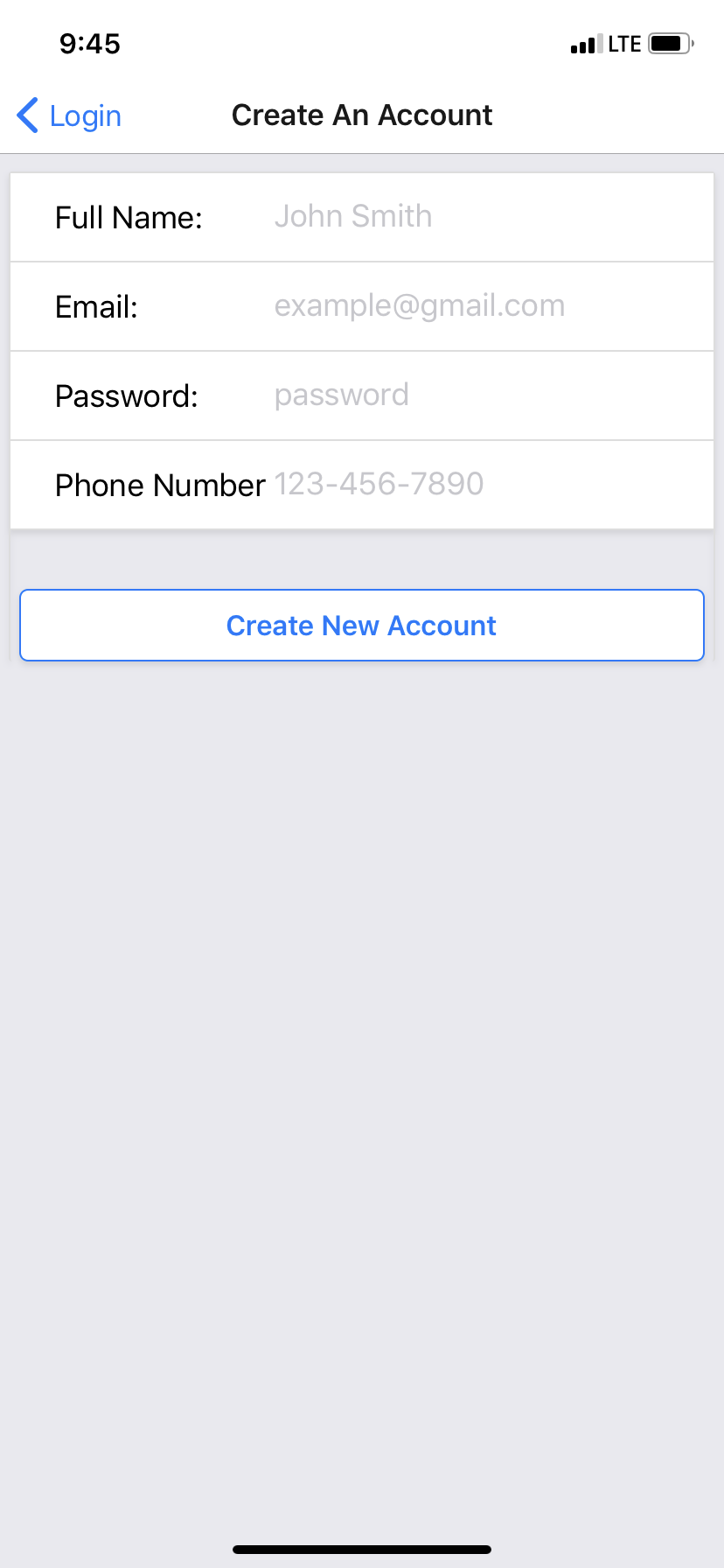
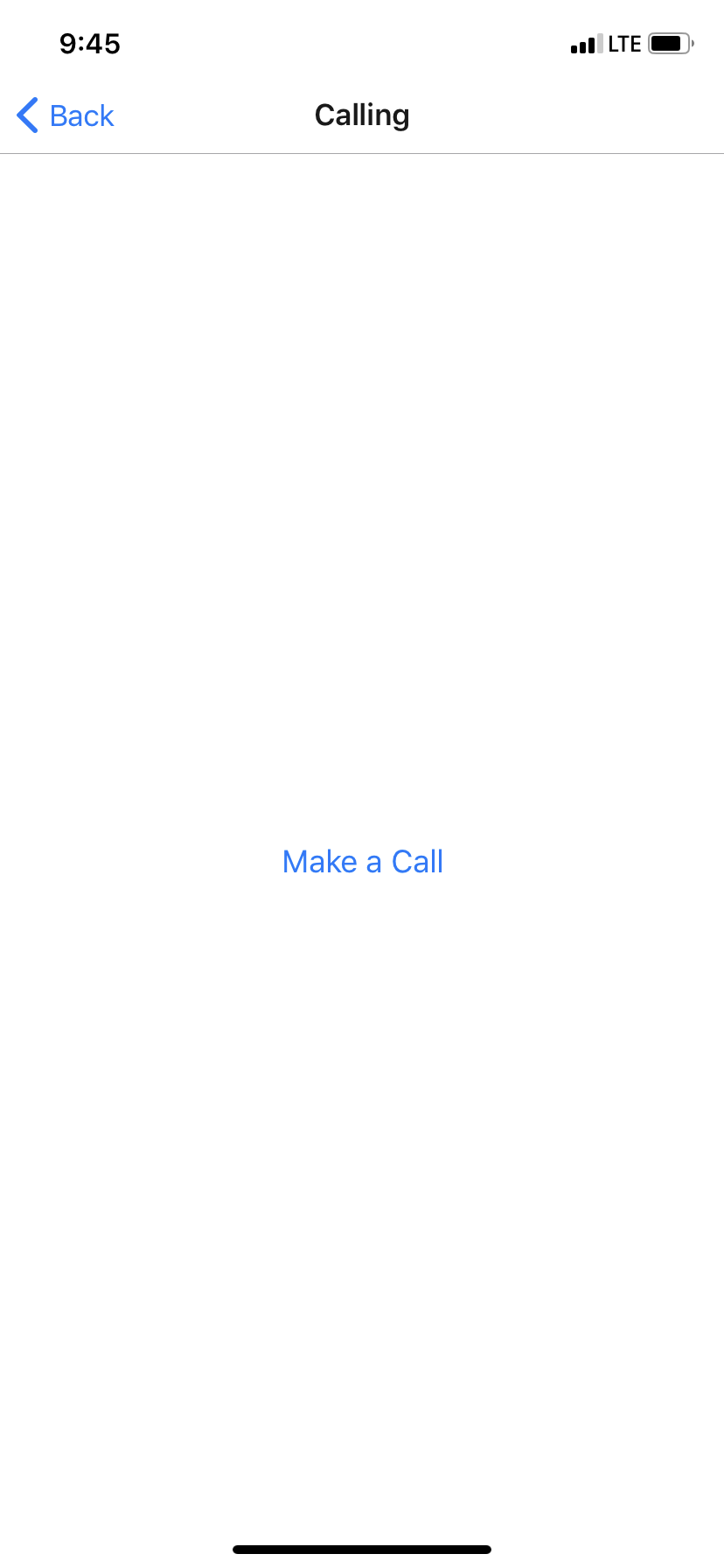
To create this mobile application, React native, a Node.js and Javascript framework, in conjunction with Google Firebase was used. The login and create account pages used actions and reducers with redux-thunk to connect to firebase with digital encryption. Next, the diagnosis part of the application was created using a convolutional neural network that could run a search algorithm to match the symptoms to the disease. The lung imaging section used artificial intelligence along with image recognition software to detect whether pneumonia is present or not. The calling screen used React Native Linking Library to make a phone call. Using firebase allowed us to have an anonymous sign in for the chat component.
Challenges we ran into
In such a limited amount of time, it was hard to make a big database to work off of so we started off with the most common and basic diseases. In addition, it was difficult to implement the artificial intelligence image recognition software as ambient light made it difficult to sometimes recognize the image. In addition, the neural network run on Python with Keras was difficult to integrate with the application.
Accomplishments that we're proud of
We were successfully able to implement machine learning as well as image recognition to produce data based on photos of X-Rays, which was an immense feat for us. We were also able to successfully connect multiple devices to create a messaging subsystem inside the application in order for potential patients to consult online professional doctors.
What we learned
We learned how to work efficiently and productively over a short period of time. In addition, we attended a couple of the workshops, where we learned how to attract customers, what an MVP is, and how to use Python. Overall, StuyHacks was a lot of fun and very entertaining.
What's next for Diagnosis
As our application expands, we plan on improving our databases to identify more diseases precisely and improve our image recognition technology to be able to identify multiple types of abnormal health conditions. We also plan on incorporating virtual and augmented reality to provide courses to instruct the public on how to respond to different medical emergencies when help takes a long time to come. We will also use artificial intelligence to track trends in a potential patient’s health and provide advice to improve their condition.


Log in or sign up for Devpost to join the conversation.