-
-
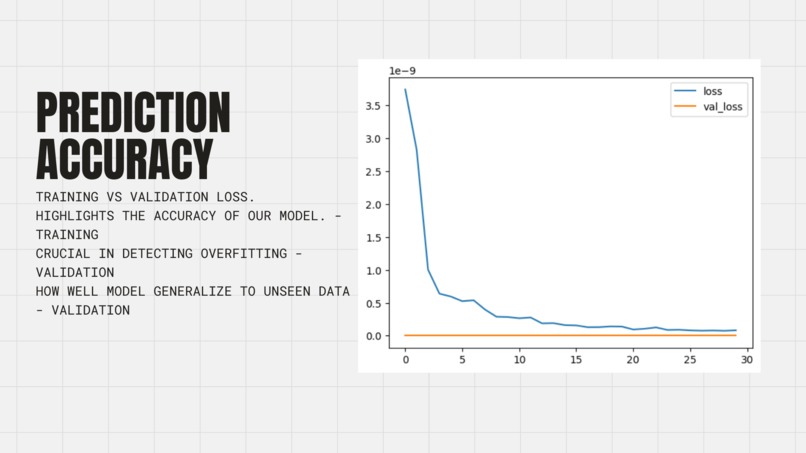
The ML Model
-
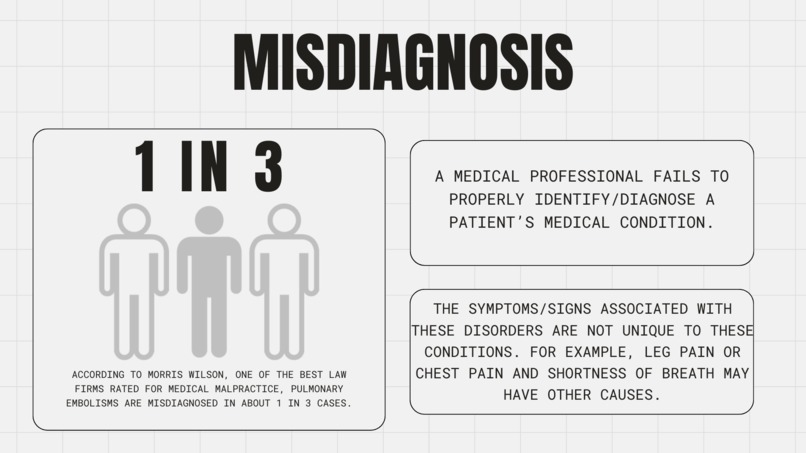
The Misdiagnosis of Blood Clots
-
-
-
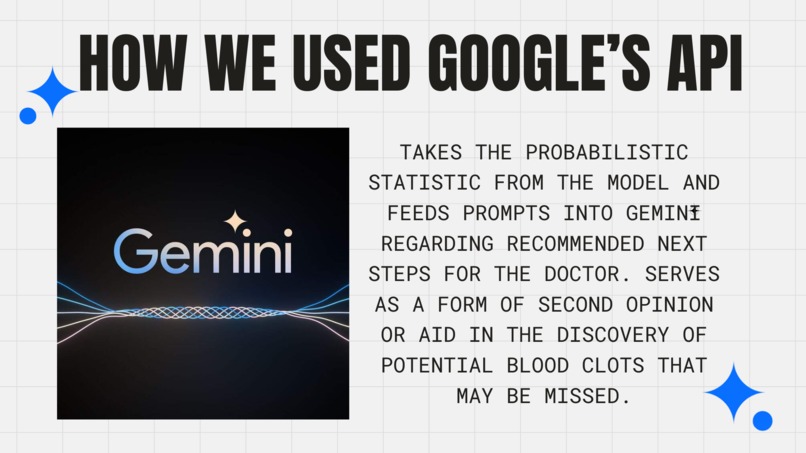
Google's Gemini API
-
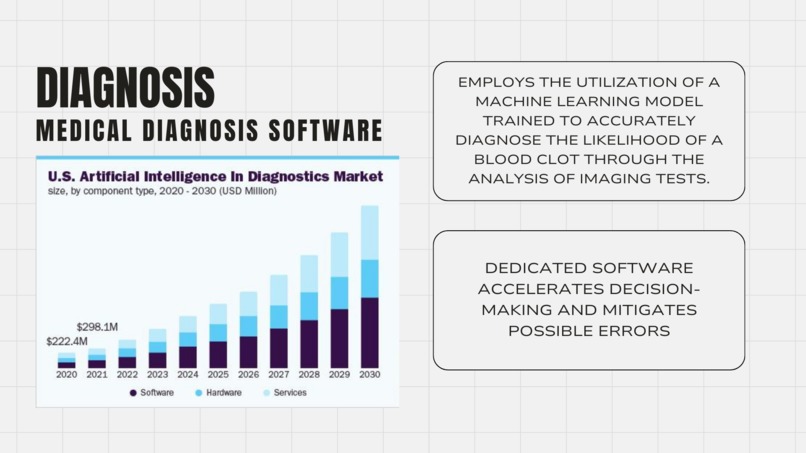
Employing ML model to create a medical diagnosis software
Inspiration
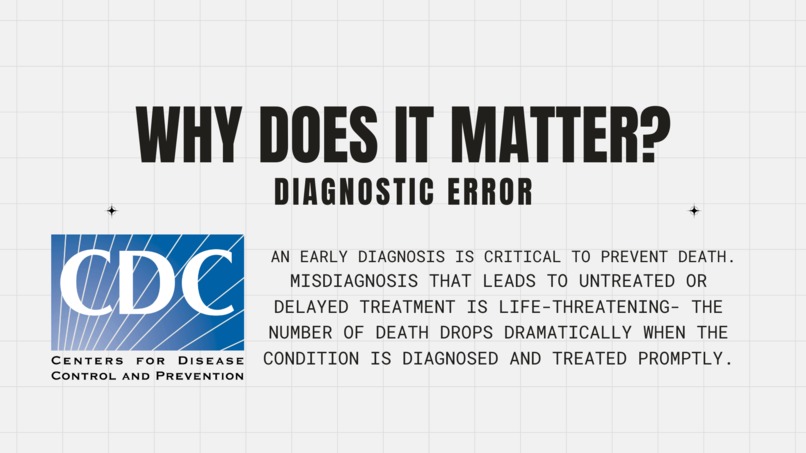
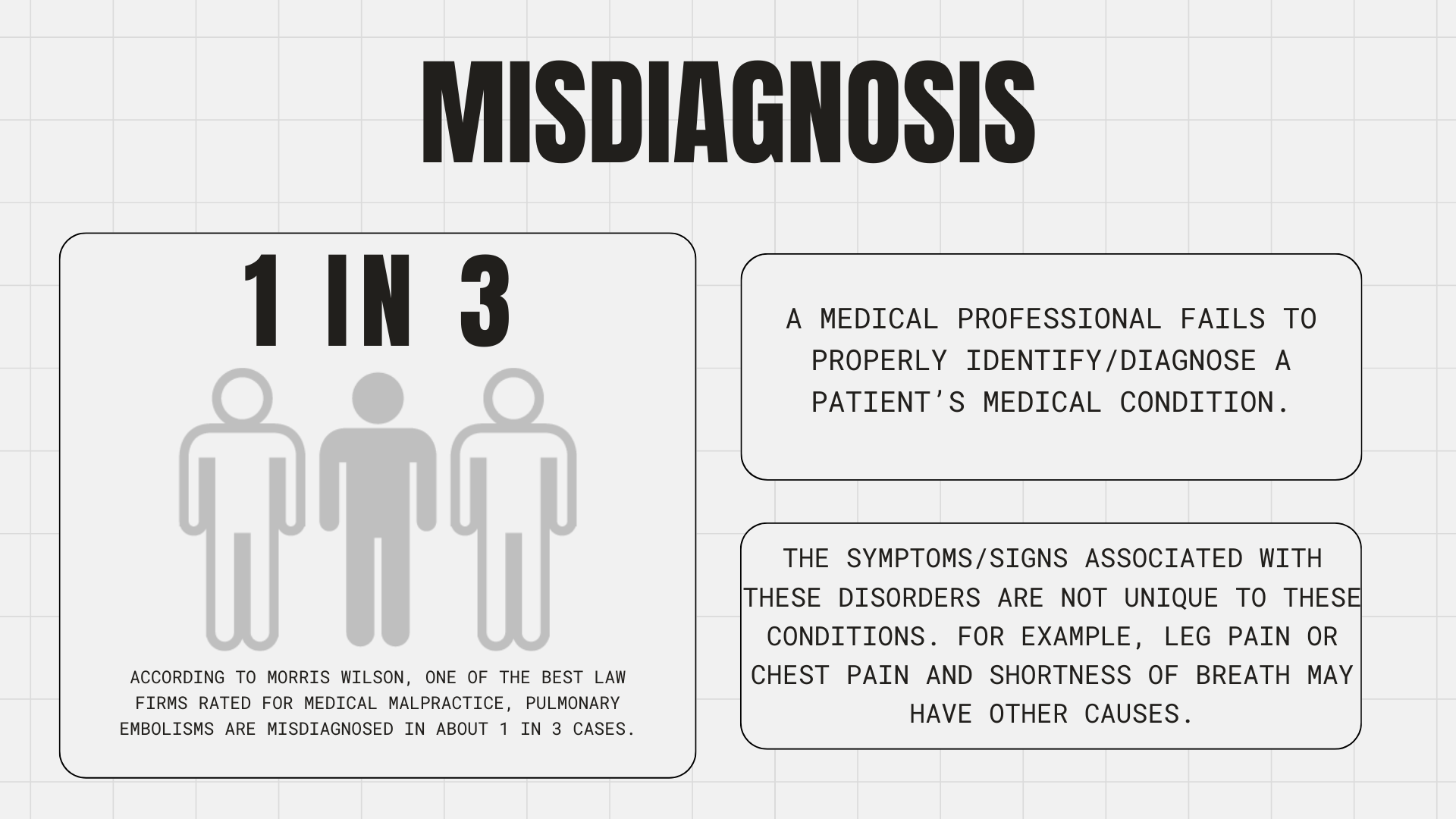
Misdiagnosis can lead to non-treatment or delayed treatment, and, in many cases, is life-threatening. Our team aims to build an application to aid medical professionals in delivering accurate diagnosis of blood clots- a condition that is often misdiagnosed.
What it does
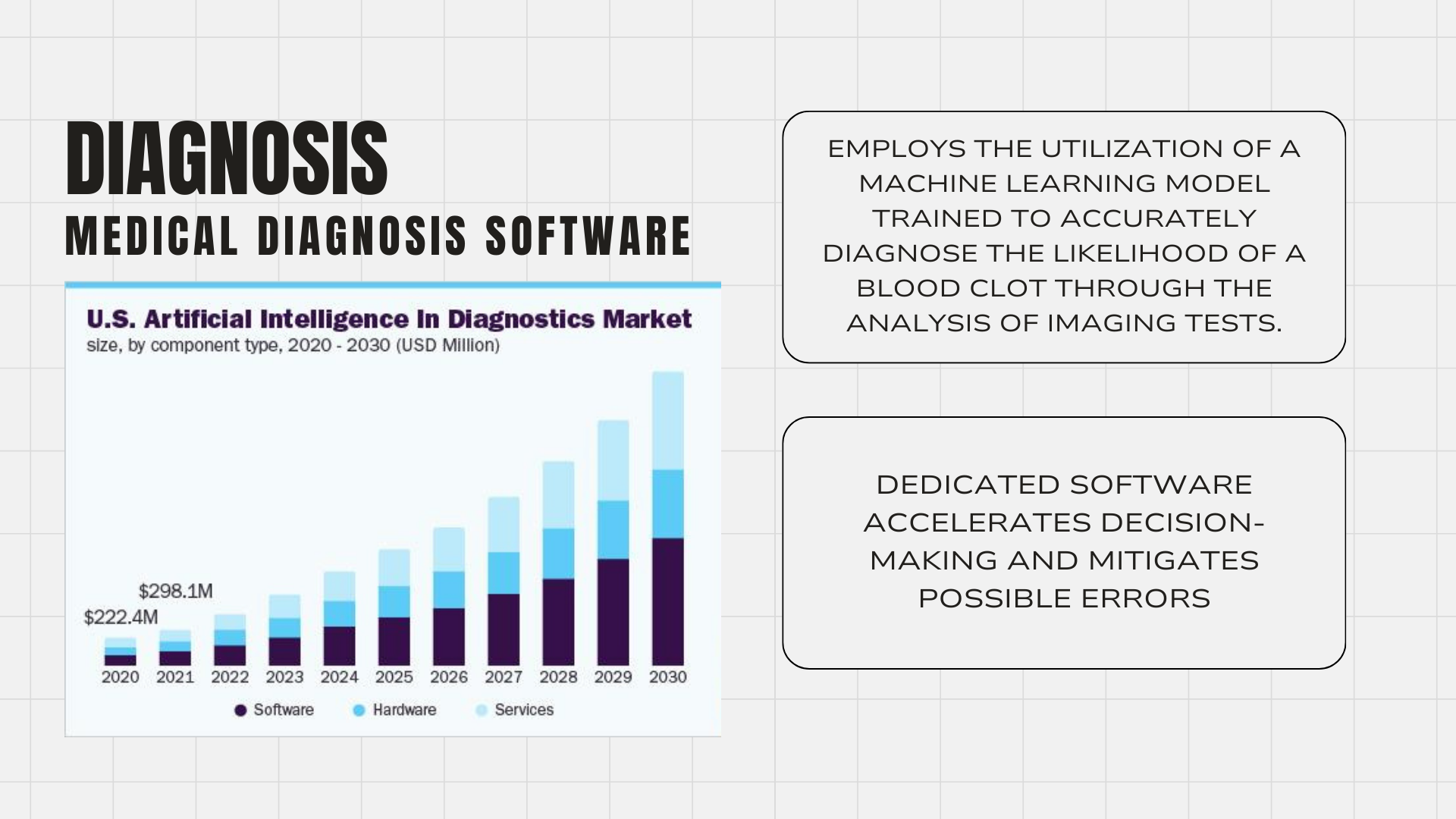
BLOTS utilizes machine learning to aid in the detection of blood clots from computed tomography (CT) scans. Depending on the probability the machine learning model detects, it is then fed into Google's Gemini to provide a second opinion to the healthcare provider, which could be passed on to the patient.
How we built it
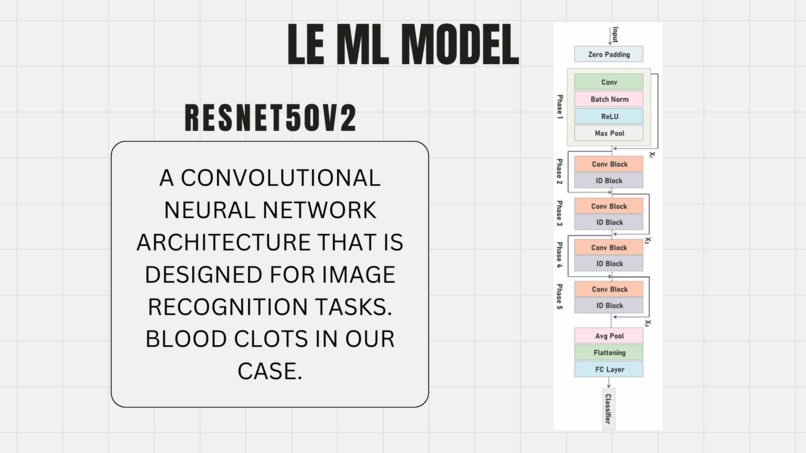
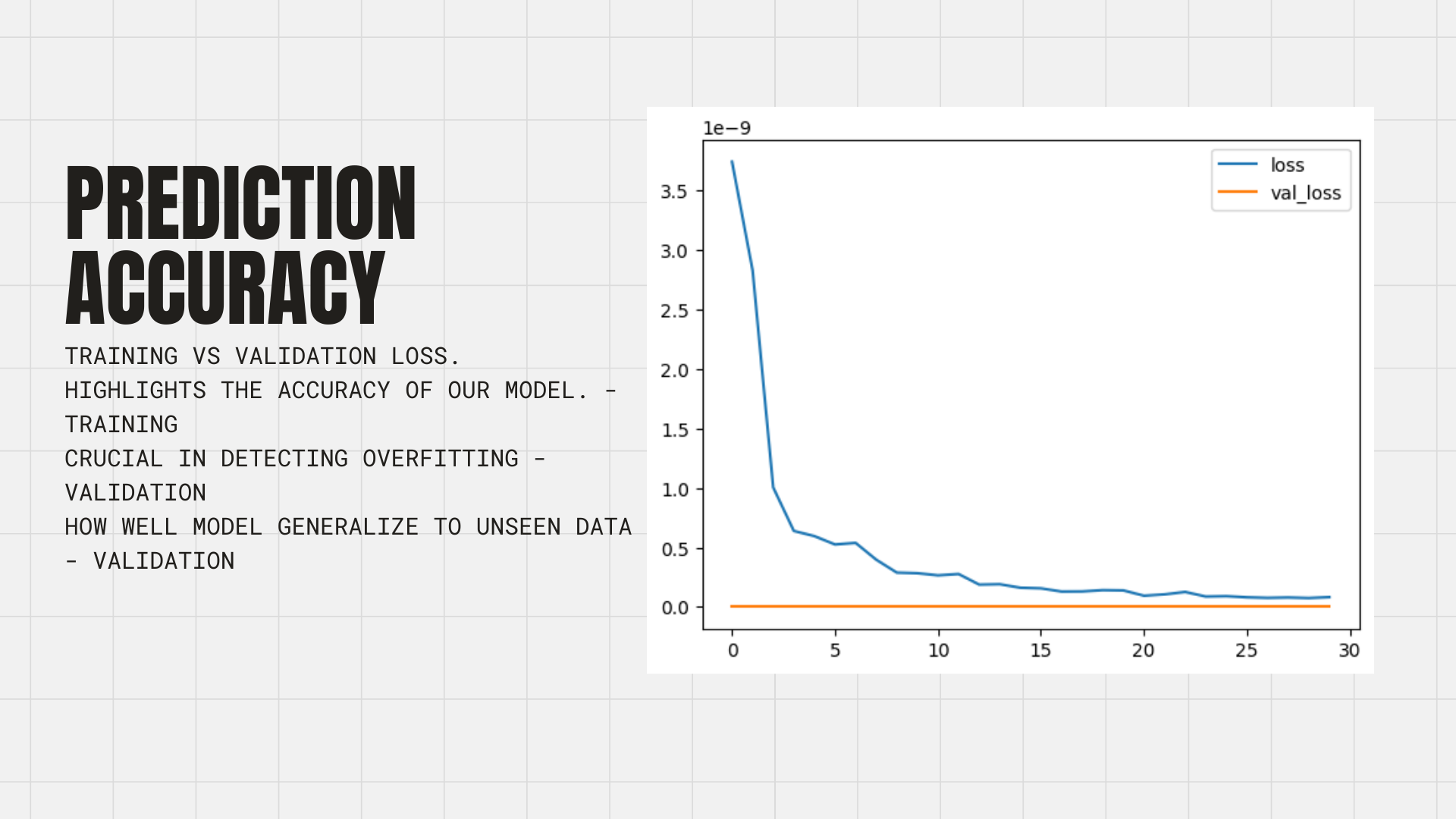
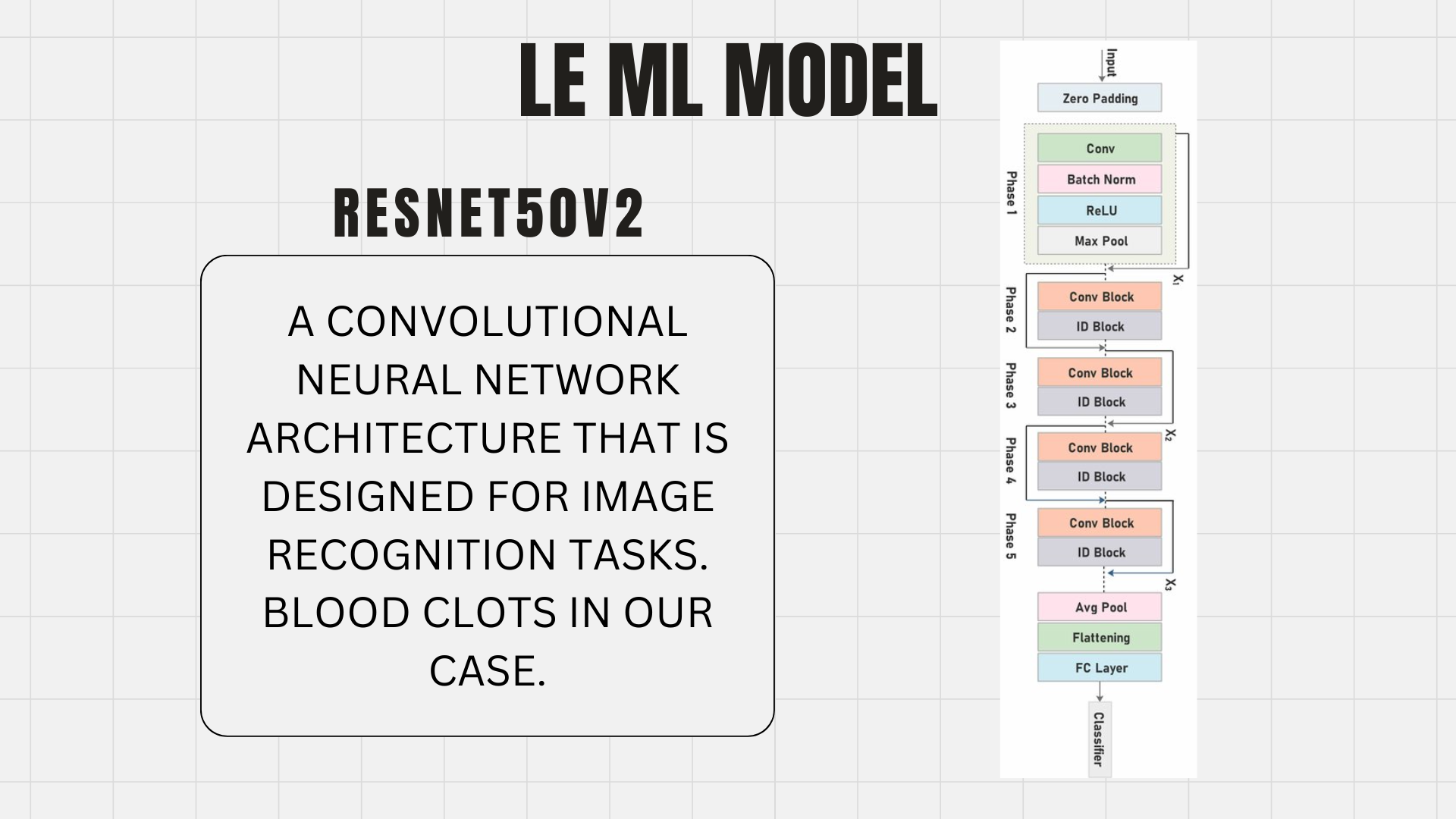
BLOTS is trained using the ResNet50V2 convolutional neural network architecture. This was further developed using the programming language Python and the machine learning framework TensorFlow. After calculating the probabilistic value of a certain image containing blood clots, Google's Gemini takes that information and outputs useful recommendations to the end user. For the end-user to visualize such information, HTML, CSS, and Javascript were utilized.
Challenges we ran into
The biggest challenge we ran into would certainly be finding the right dataset to use along with using this dataset to train the model.
Accomplishments that we're proud of
Our biggest accomplishment that we're proud of is being able to create a tool that helps the medical profession in reducing the likelihood of misdiagnosis in less than 36 hours.
What we learned
Throughout this entire process, we learned a lot surrounding each of the frameworks that were utilized as some were foreign concepts to us.
What's next for Diagnosis
In terms of what may be next for Diagnosis, currently the following is what could be implemented:
- Being able to recognize more hard-to-detect issues within the human body
- Gemini developing personalized care plans for patients
- Utilized in the early detection of serious life-threatening health issues
- Making healthcare more accessible
While some of these might be ambitious, it certainly would be possible to integrate into our current environment.

Log in or sign up for Devpost to join the conversation.