-
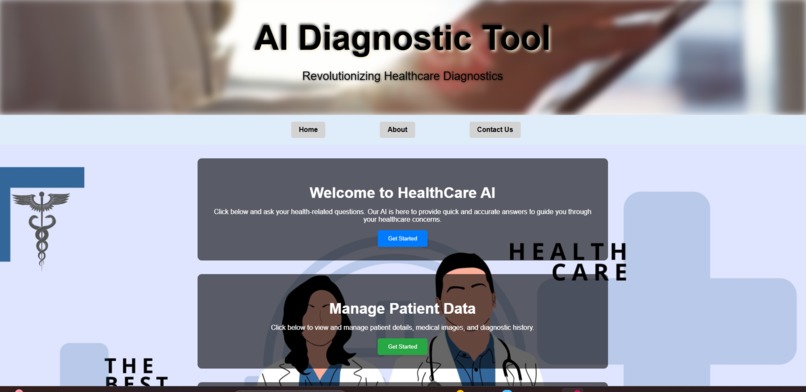
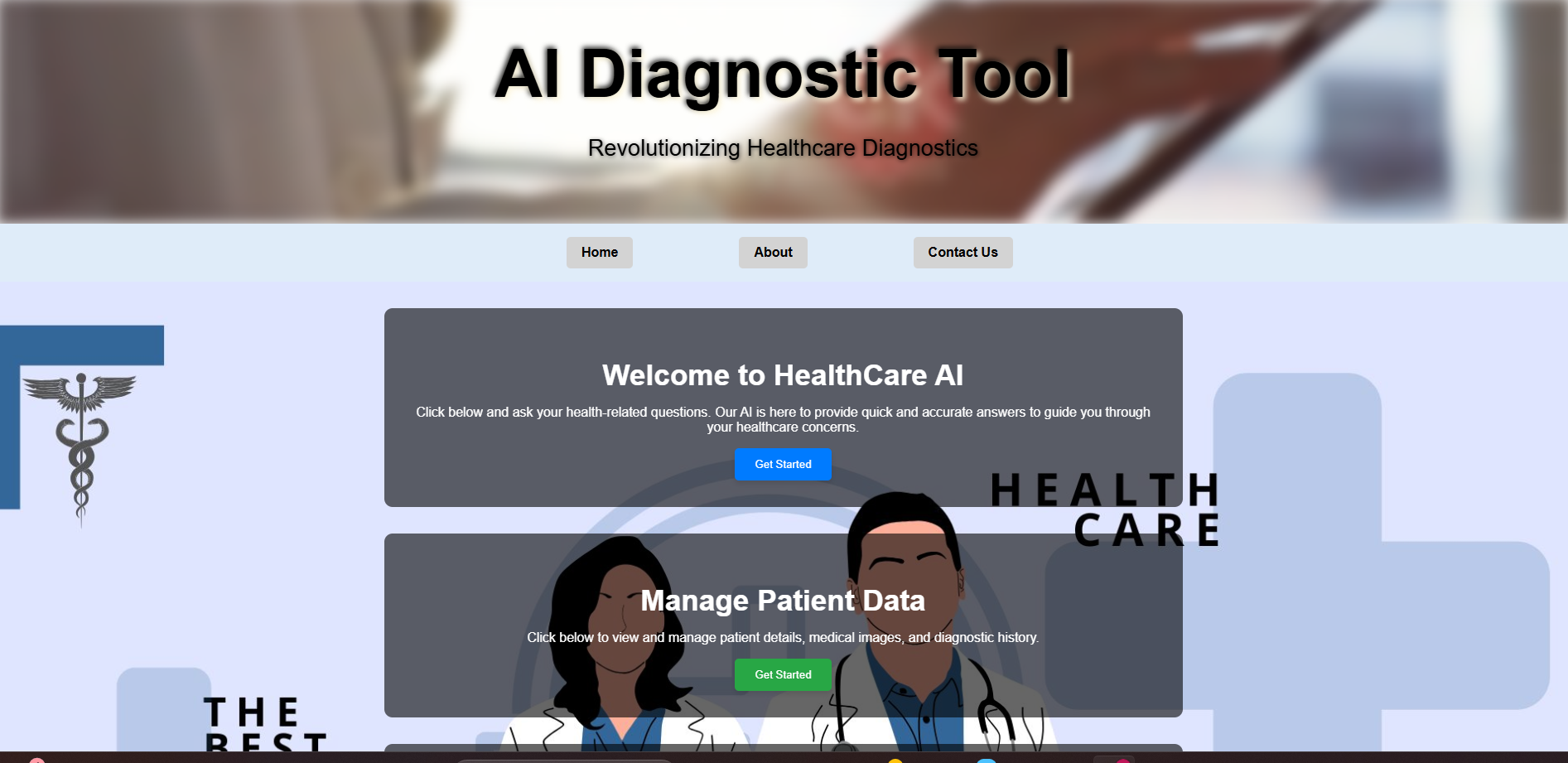
home page
-
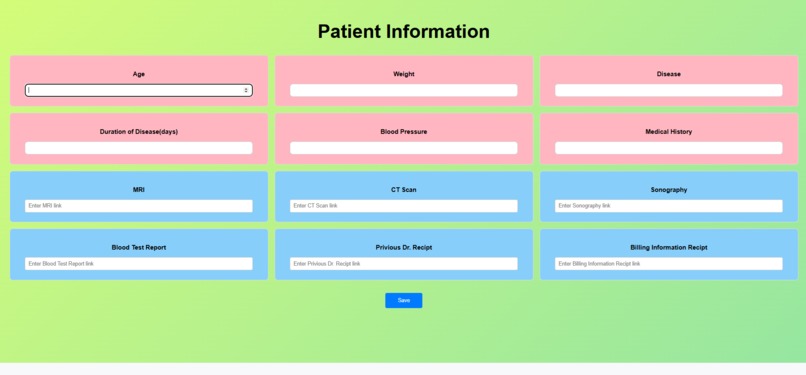
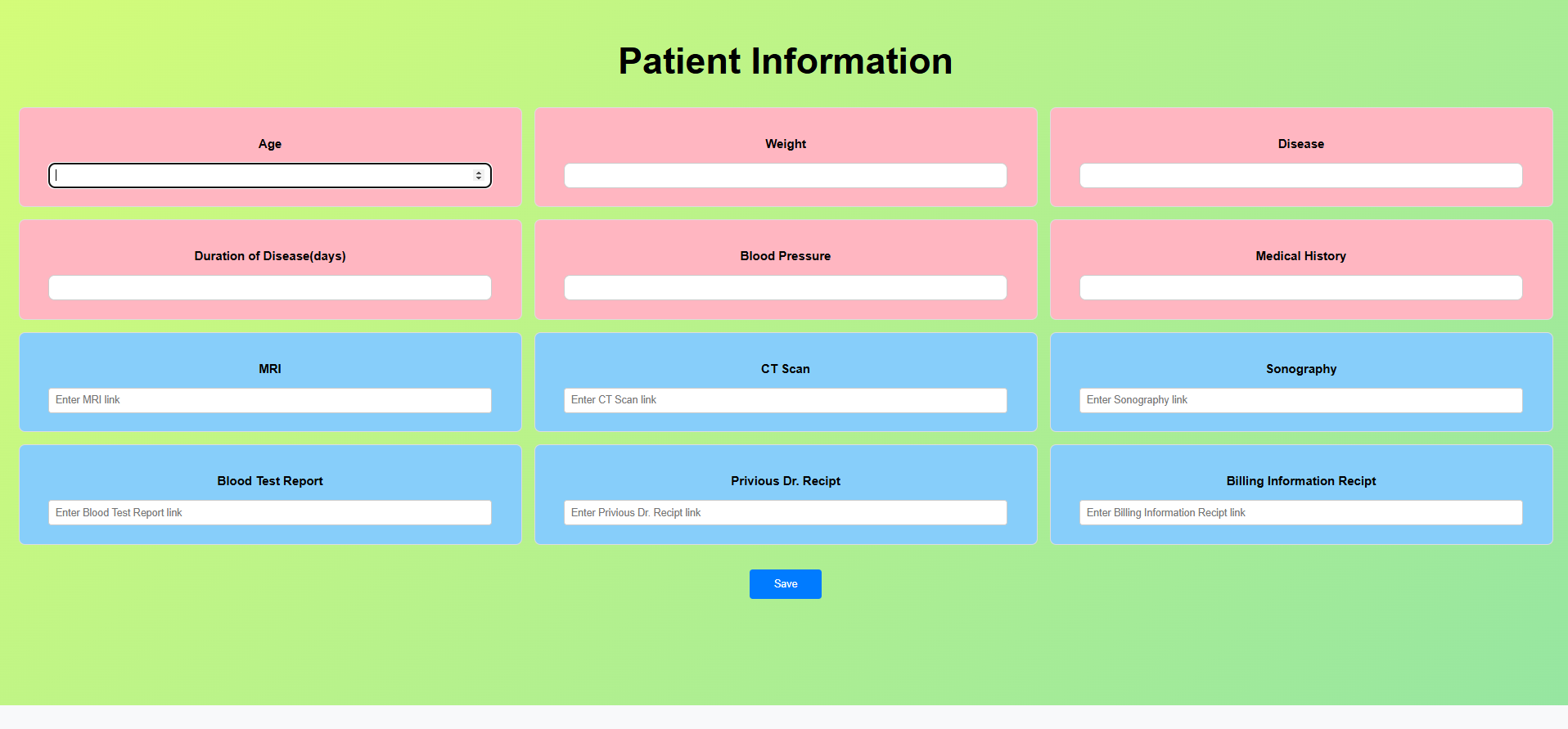
data storage page
-
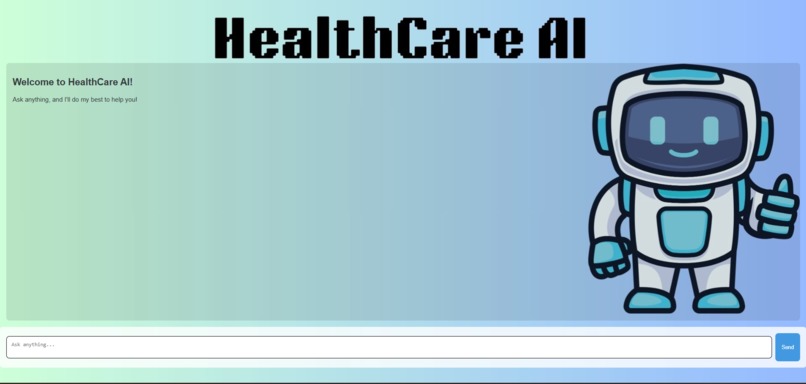
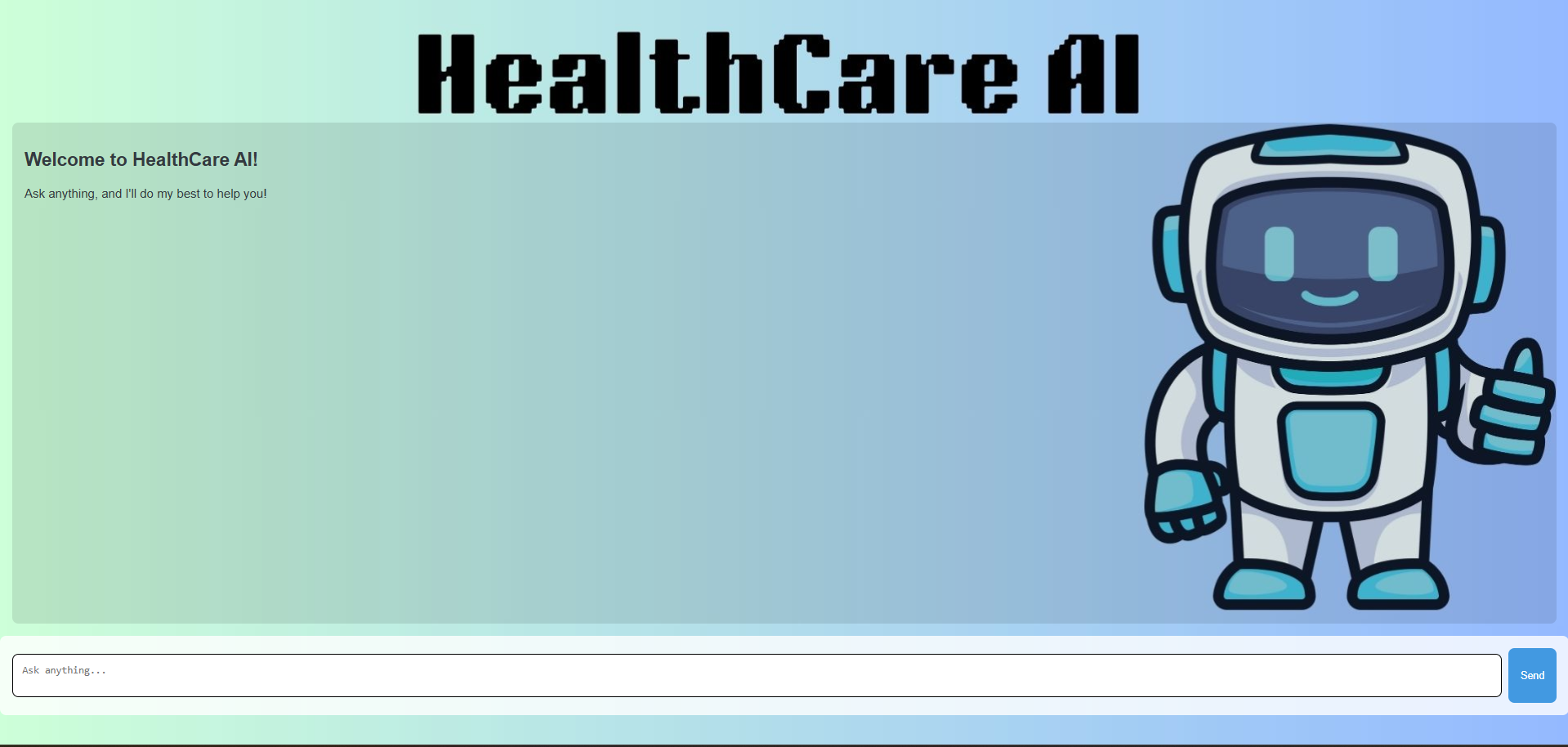
healthcatre chatbot
-
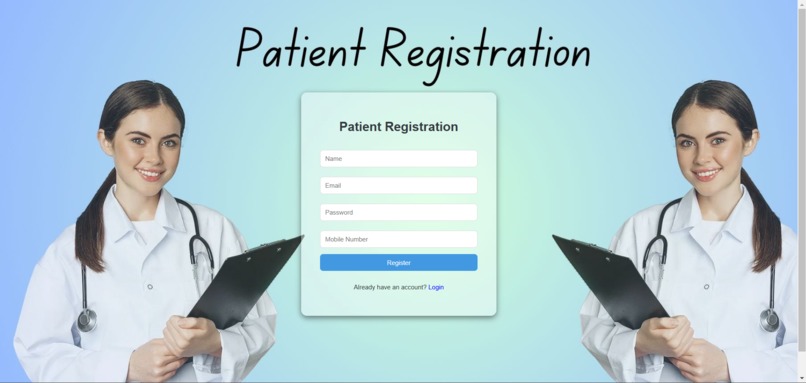
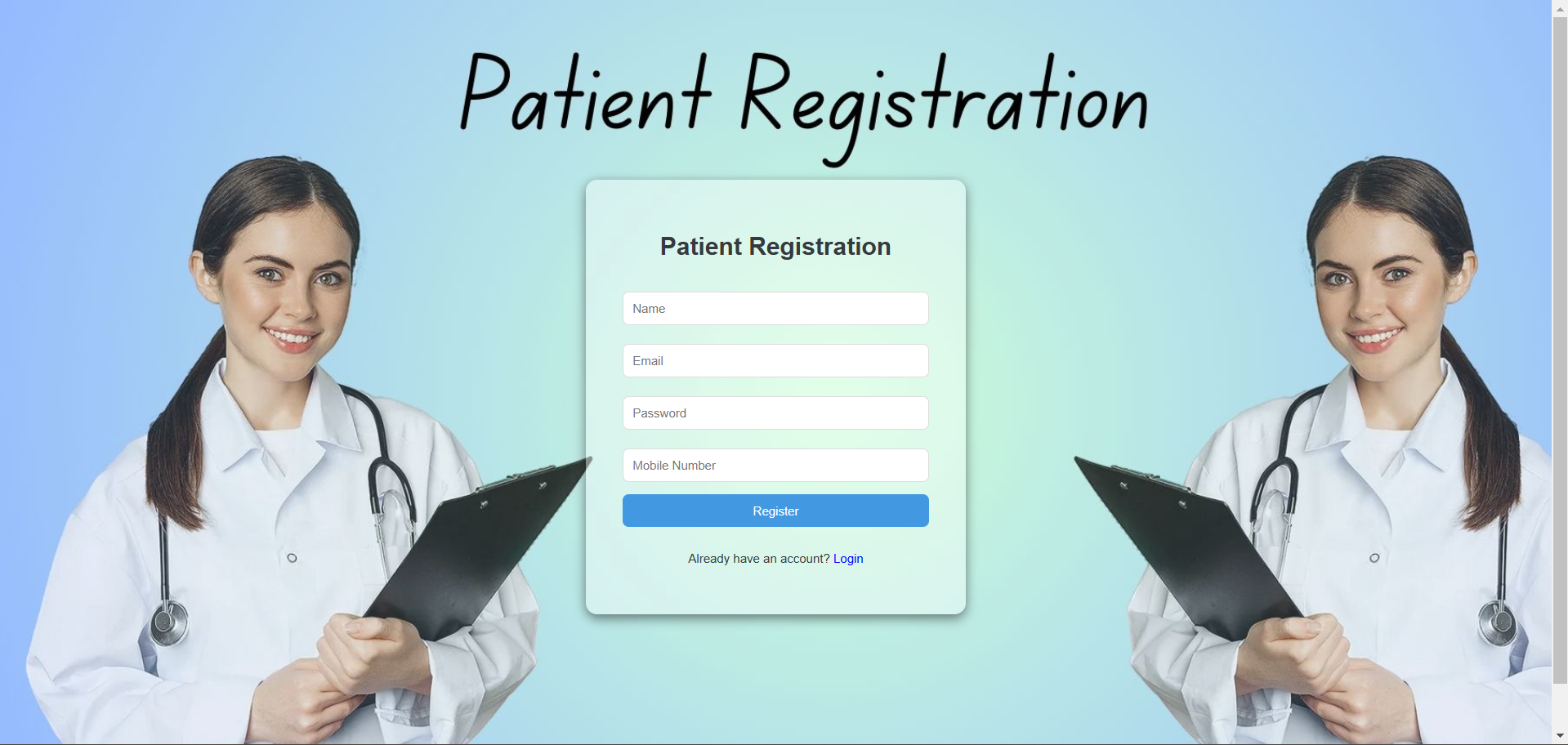
patient data registration
-
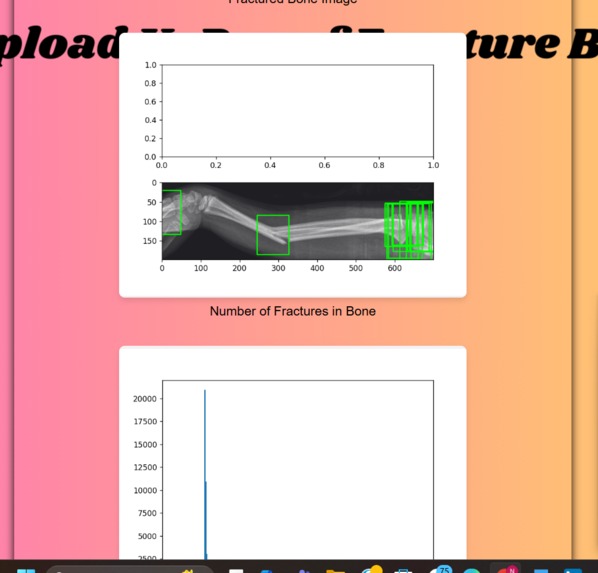
fracture report
-
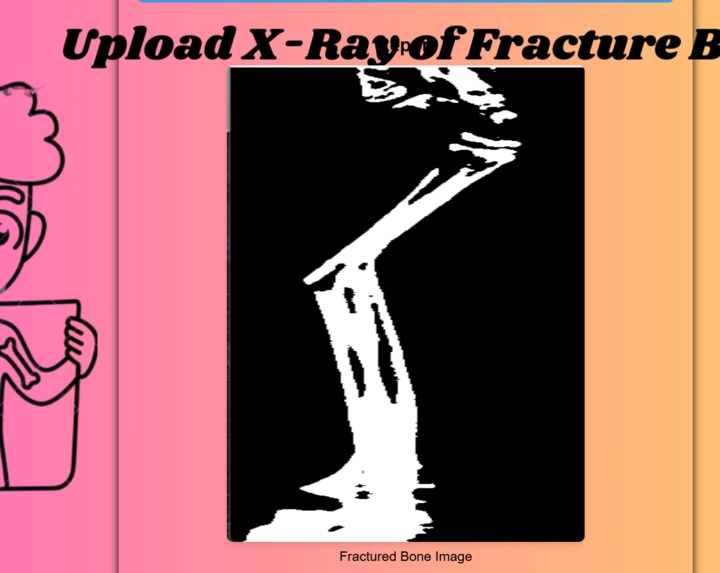
fracture scan
-
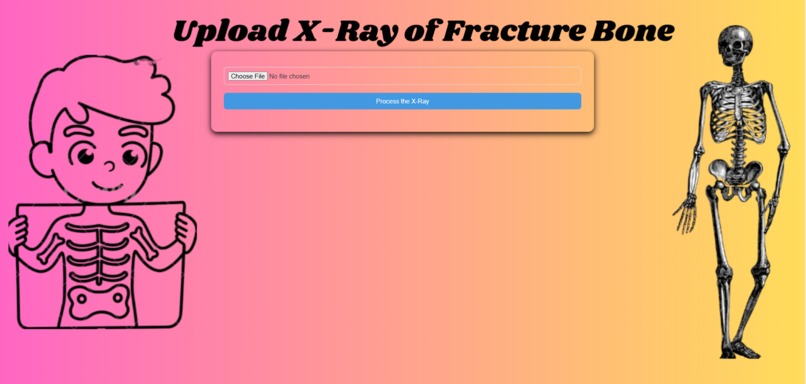
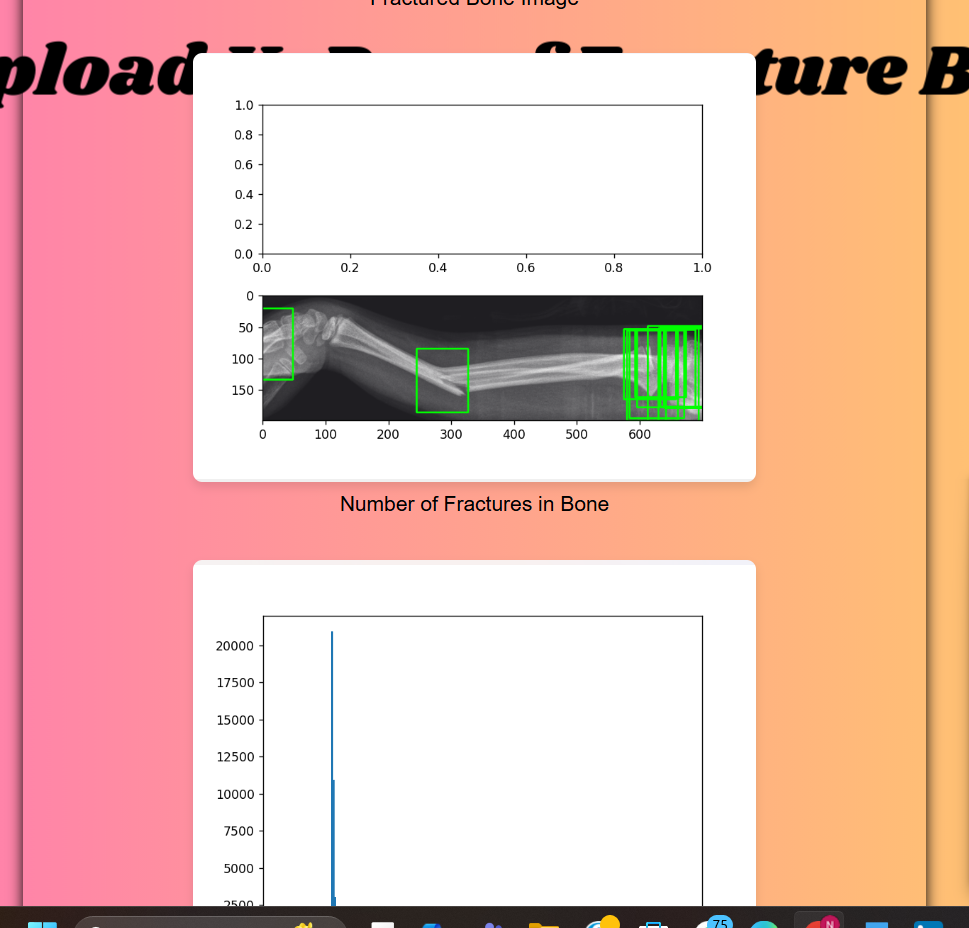
x-ray detection
Inspiration
In today’s complex healthcare landscape, many individuals struggle to access reliable diagnostics, manage their medical data, and receive personalized health advice. The lack of affordable, efficient, and AI-powered solutions inspired us to create DiagnoseAI—a platform that simplifies healthcare management, enables early detection of conditions like bone fractures, and provides users with real-time medical assistance through an intelligent chatbot.
What it Does
DiagnoseAI offers three core features:
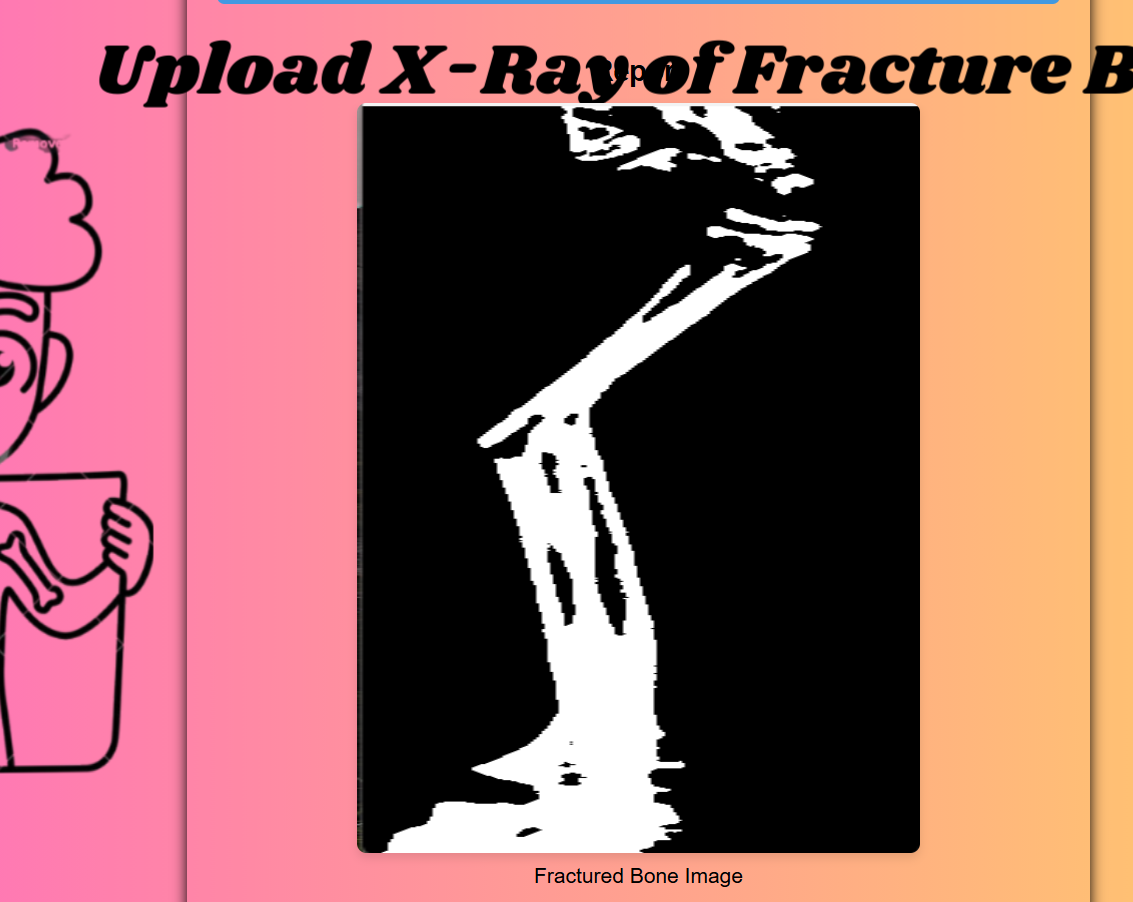
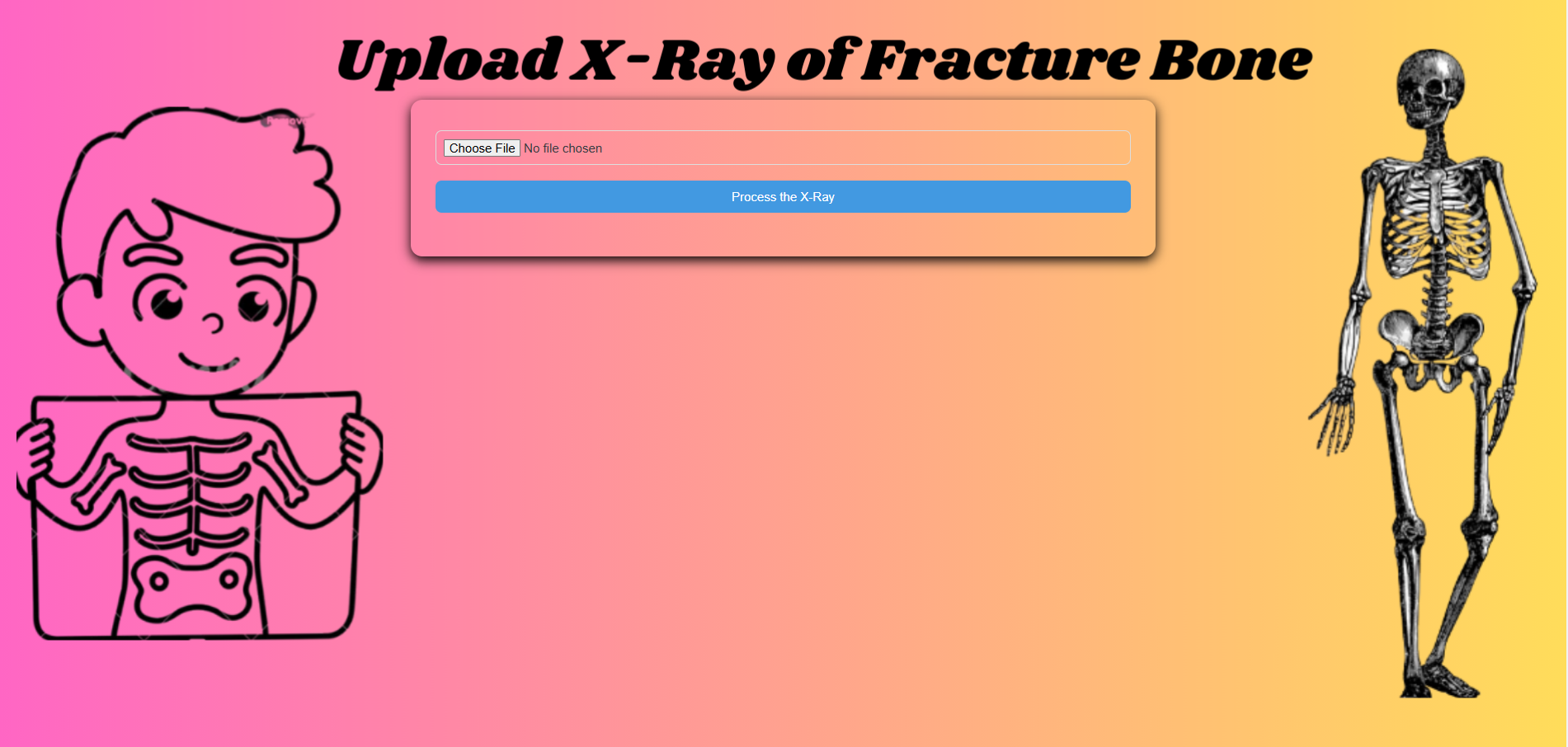
- Bone Fracture Detection: AI-powered analysis of medical images (e.g., X-rays) to detect fractures and provide detailed diagnostic reports.
- Patient Data Storage: Securely stores patient health data, including medical history, test results, and health metrics, for easy access.
- Healthcare Chatbot: An intelligent chatbot powered by OpenAI that answers medical queries, offers health advice, and simplifies complex medical jargon.
How We Built It
We developed DiagnoseAI using a modern tech stack:
- Frontend: ReactJS for creating an interactive user interface.
- Backend: Node.js and Firebase for secure data handling and API management.
- AI and Machine Learning: Leveraged TensorFlow and Keras for image analysis and OpenAI API for the chatbot.
- Data Storage: Firestore for real-time database synchronization and secure storage.
- Visualization: Chart.js for trend visualizations on the health metrics dashboard.
Each component was designed with scalability and user-friendliness in mind, ensuring a seamless experience for users.
Challenges We Ran Into
- AI Model Accuracy: Training the model to achieve reliable diagnostic results required a large dataset and extensive fine-tuning.
- Data Privacy and Security: Ensuring compliance with healthcare regulations and safeguarding sensitive user data posed significant challenges.
- User Experience: Balancing advanced functionality with a simple, intuitive interface required continuous testing and iteration.
Accomplishments That We're Proud Of
- Successfully implementing an AI model capable of detecting bone fractures with high accuracy.
- Designing a secure platform that adheres to healthcare data protection standards.
- Building a user-friendly chatbot that enhances accessibility to healthcare advice.
- Integrating real-time data visualization to help users monitor health metrics effectively.
What We Learned
- The importance of ethical AI implementation, especially in healthcare.
- Advanced techniques in AI/ML for medical image processing.
- Strategies for designing scalable, secure systems using modern backend technologies.
- The value of user feedback in improving usability and functionality.
What's Next for DiagnoseAI
- Enhanced Diagnostics: Expand the platform’s capabilities to include other medical conditions like diabetes, heart diseases, and respiratory issues.
- Language Accessibility: Integrate multilingual support to cater to a broader audience.
- Integration with Wearables: Connect with wearable devices for real-time health monitoring.
- Advanced Reporting: Provide predictive health insights using AI-driven trend analysis.
- Telemedicine Support: Enable video consultations with healthcare professionals directly through the app.
DiagnoseAI is on a mission to make healthcare smarter, more accessible, and truly patient-centric.

Log in or sign up for Devpost to join the conversation.