Inspiration
Diagno+ was inspired by a personal experience of seeing how a delayed or incorrect diagnosis can change a patient's life. That made us ask: Can AI help doctors detect cancer earlier and make diagnostic decisions more informed, consistent, and explainable? We wanted to build technology that supports clinicians rather than treating AI as a replacement for them.
What it does
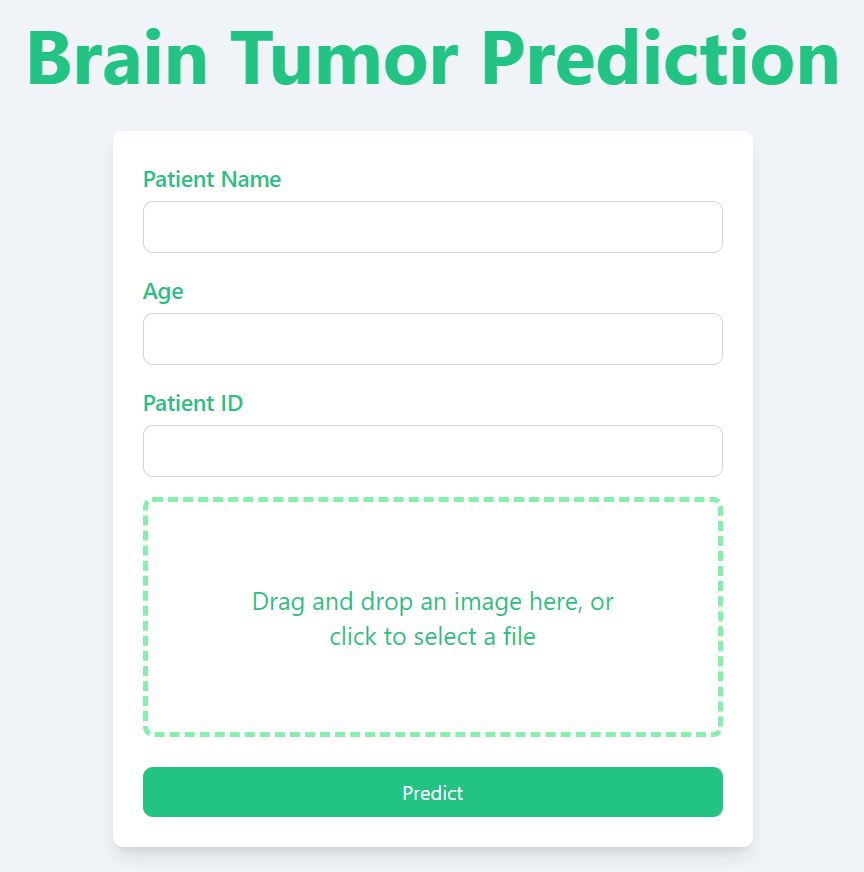
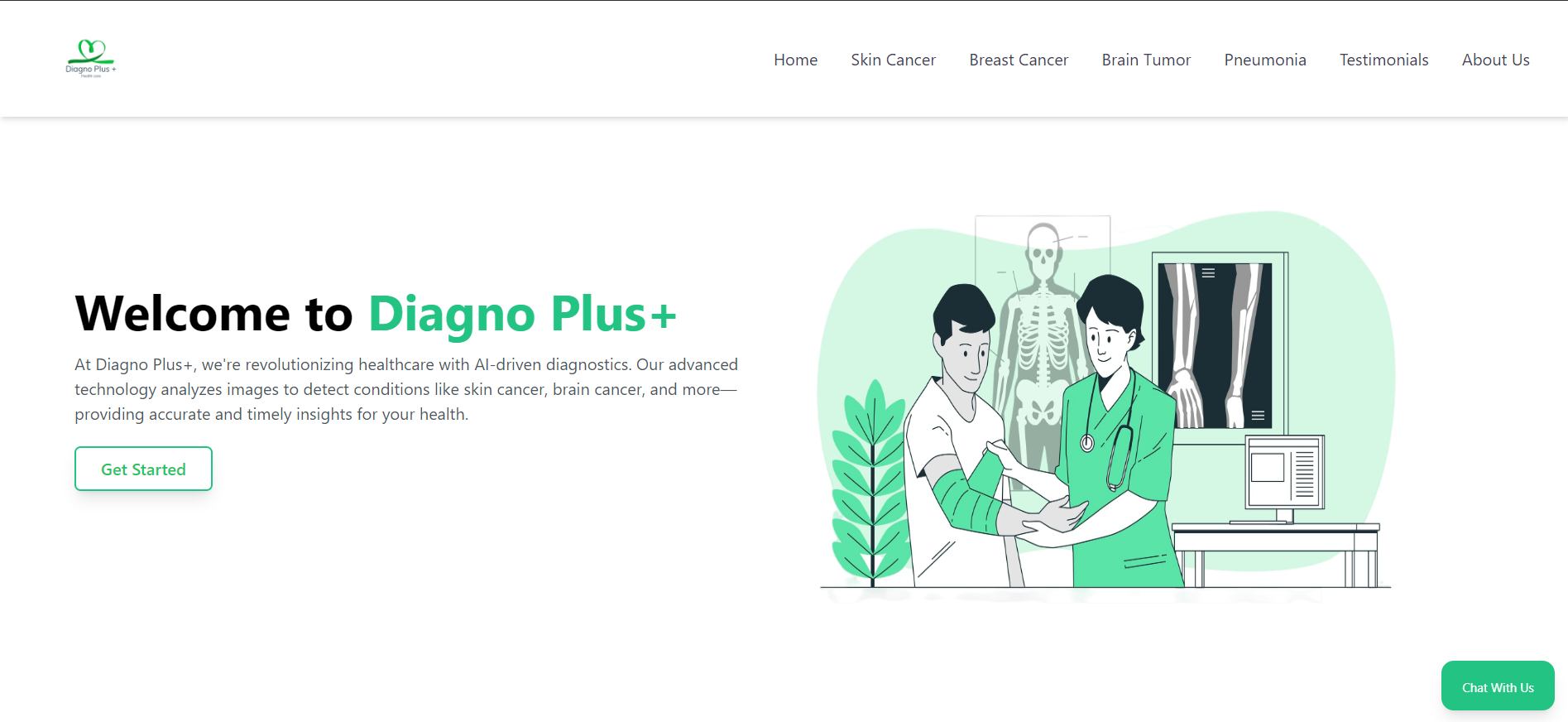
Diagno+ is an AI-powered multi-cancer diagnostic platform designed to support the analysis of medical images. It uses AI models to identify cancer-related patterns, localize suspicious regions, and generate explainable diagnostic reports. Instead of providing only a prediction, the system aims to show the reasoning behind its output, helping clinicians review and interpret AI-assisted findings. For the OneAquaHealth hackathon, we are exploring how this human-in-the-loop and explainable AI framework can be extended to incorporate relevant environmental and health indicators within a broader One Health approach.
How we built it
We are developing Diagno+ using Vision Transformer (ViT) and hybrid deep-learning architectures for medical-image analysis. The pipeline involves data preprocessing, image normalization, augmentation, model training and evaluation, followed by localization/segmentation and explainability techniques such as attention-based visualization. The platform is being developed with a React frontend and Flask backend, with cloud infrastructure for data and report management. We are also designing the system around clinician review so that AI outputs remain recommendations rather than autonomous medical decisions.
Challenges we ran into
Healthcare AI comes with challenges beyond conventional machine learning. High-quality and diverse medical datasets are difficult to obtain, and variations in imaging protocols can affect model performance. We also had to think carefully about false positives, false negatives, explainability, privacy, and clinical usability. Another challenge was translating complex model outputs into information that a healthcare professional can actually understand and use. This pushed us to focus on explainable reporting rather than simply optimizing a single accuracy metric.
Accomplishments that we're proud of
We are proud to have developed the foundation of a platform that brings together AI-based cancer assessment, localization, explainability, and automated reporting in one workflow. Diagno+ has also been recognized through multiple innovation and entrepreneurship programs and competitions, and we have spoken with 100+ doctors and radiologists to better understand real-world diagnostic challenges. These interactions have helped us shape the platform around actual clinical needs rather than purely technical performance.
What we learned
Our biggest lesson has been that healthcare AI is fundamentally a trust problem as much as a technology problem. A highly accurate model is not enough if clinicians cannot understand its reasoning, patients' data is not protected, or the system cannot fit into existing workflows. We also learned the importance of human oversight, rigorous validation, diverse datasets, and designing technology alongside its eventual users.
What's next for Diagno+
Our next goal is to move from proof-of-concept development toward a clinically validated and regulatory-ready medical AI platform. We want to improve model robustness, expand explainability, strengthen validation, and develop a more complete clinician-facing workflow. In the longer term, we aim to integrate multimodal health and environmental information where scientifically and clinically appropriate, creating a responsible AI framework that can connect environmental risk, human health, and cancer-related diagnostic intelligence, while keeping clinicians firmly in the loop.

Log in or sign up for Devpost to join the conversation.