Inspiration
This project was inspired by a problem close to home. In many remote areas of Bangladesh and India, people living with diabetes often do not realize they are developing serious eye damage until it is advanced and irreversible. Limited access to specialists and routine screening means early warning signs are frequently missed. We wanted to create an accessible tool that could raise awareness and encourage earlier action.
What it does
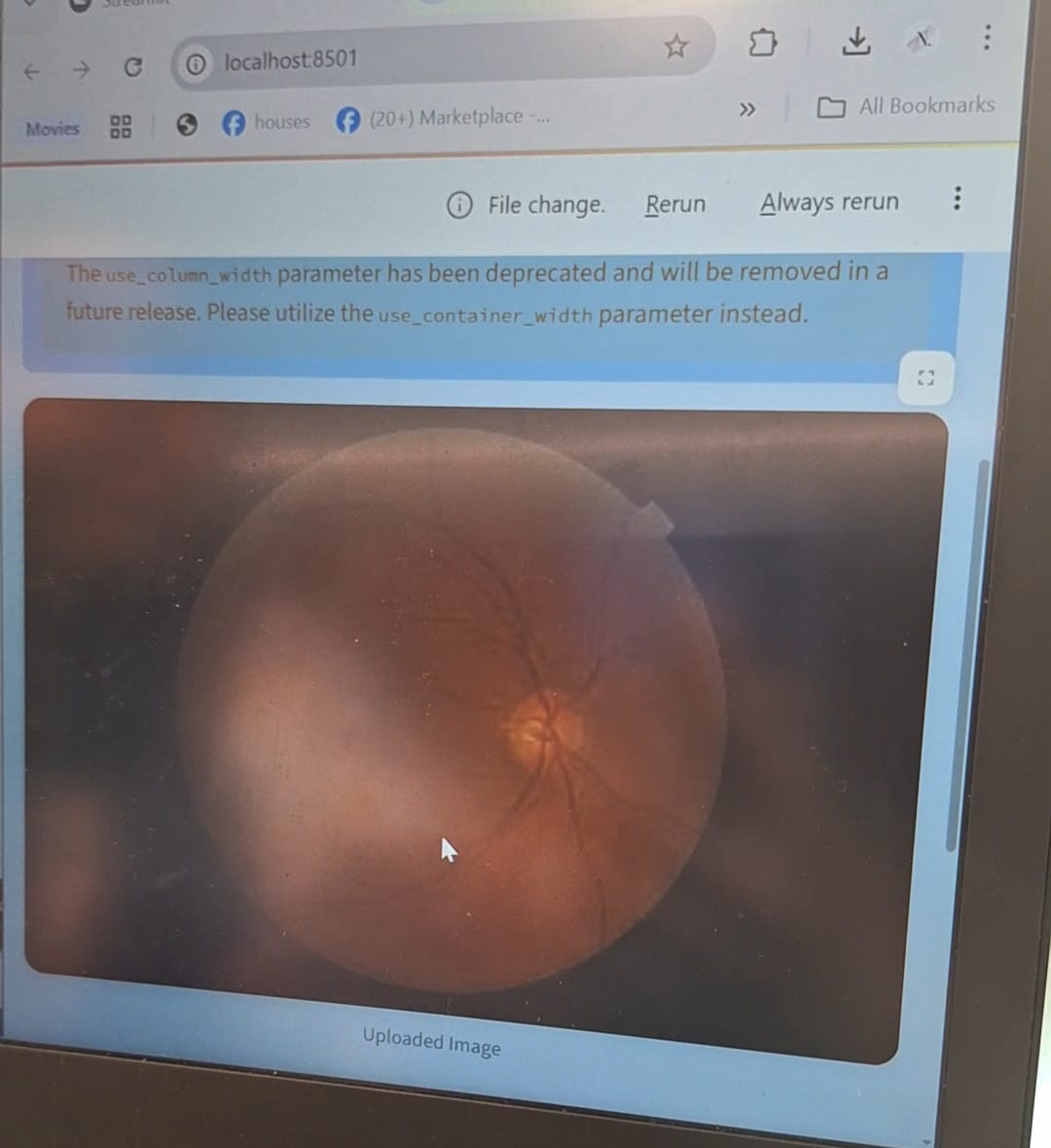
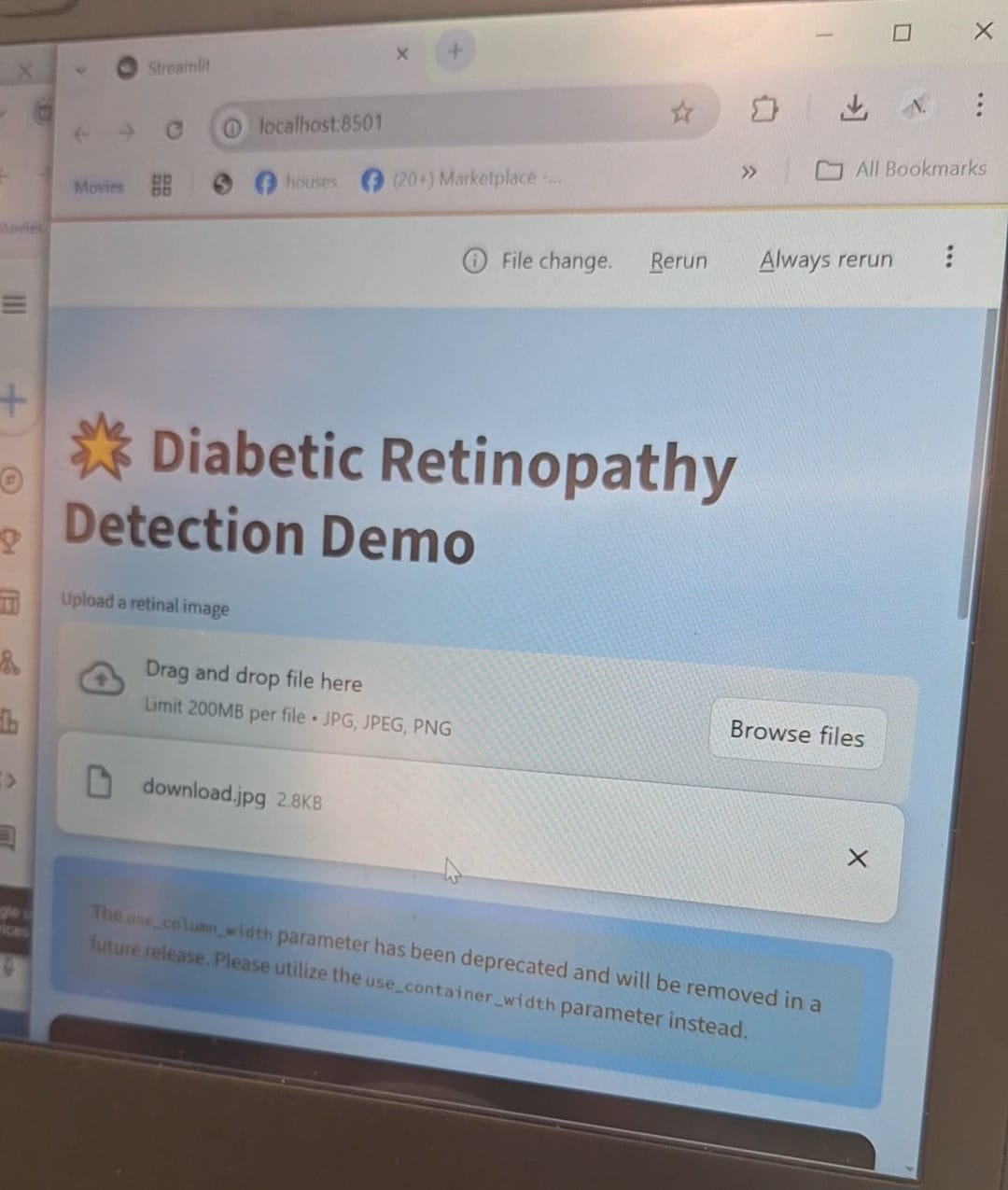
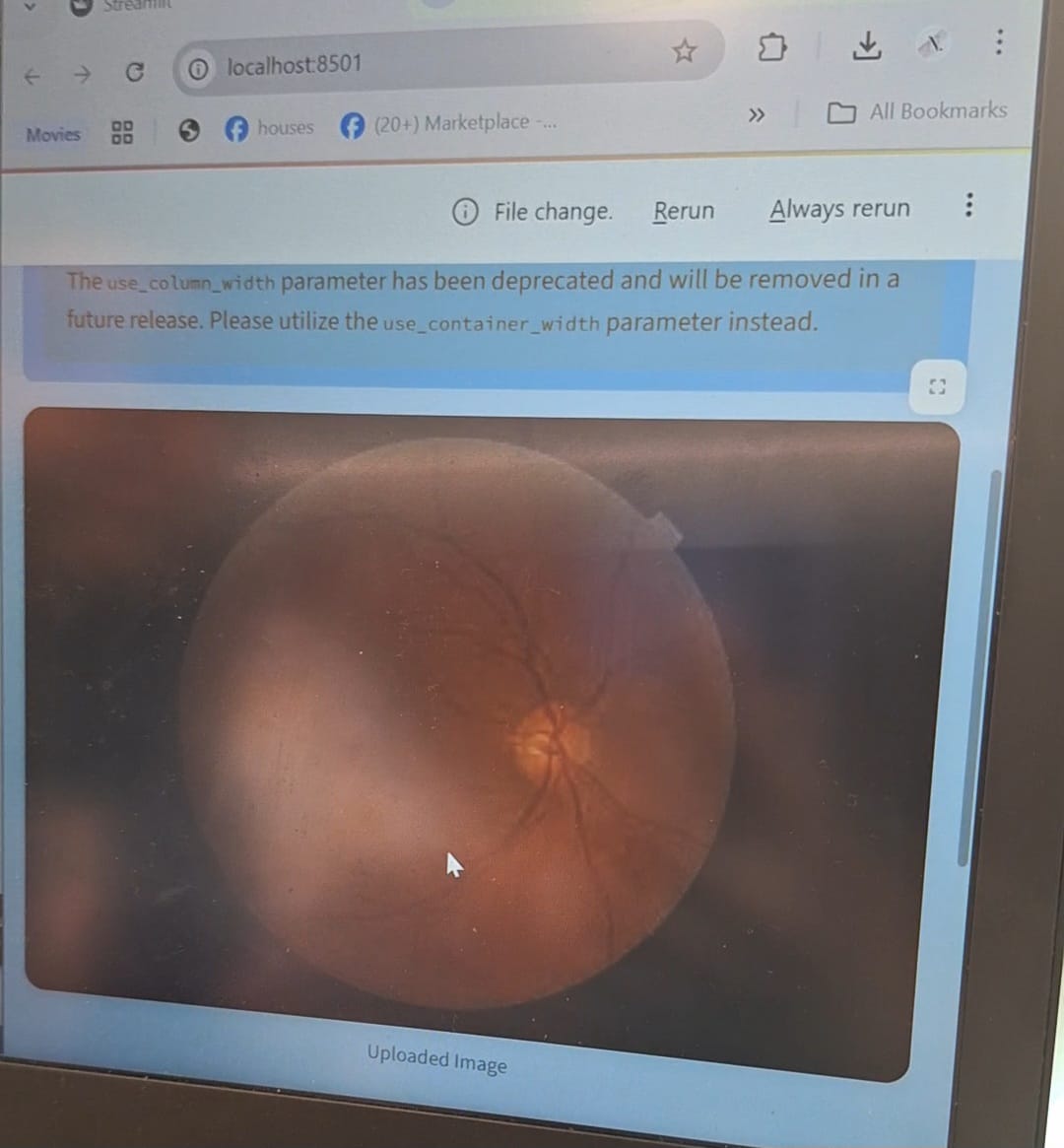
Our application uses an AI model to analyze user uploaded retinal images and estimate the level of diabetic retinopathy risk. Based on the assessment, it provides guidance on the urgency of seeking medical attention. The system is designed as an early awareness tool that helps users understand potential risks, adjust their lifestyle to better manage diabetes, and pursue timely care.
How we built it
We developed a diabetic retinopathy detection model in Python using deep learning techniques for retinal image classification. We created an image preprocessing pipeline to standardize uploaded images and improve prediction reliability. A simple web interface allows users to upload images and receive real time feedback, making the system easy to use even for non technical users.
Challenges we ran into
One major challenge was working with medical image data that varied in quality, lighting, and resolution. Ensuring consistent preprocessing and reliable predictions required careful tuning and testing. We also had to balance model performance with speed so the application could provide quick feedback in a lightweight web environment.
Accomplishments that we're proud of
We are proud of building an end to end prototype that connects a trained AI model with a user friendly interface. Most importantly, we created a tool aimed at improving awareness in underserved communities. Turning a personal motivation into a functional application that could support early detection feels meaningful.
What we learned
Through this project, we gained hands on experience with machine learning pipelines, image preprocessing, and integrating AI models into web applications. We also learned the importance of designing technology with accessibility and real world impact in mind.
What's next for diabetic retinopathy
Next, we want to improve the model with larger and more diverse medical datasets and collaborate with healthcare professionals for validation. We plan to enhance the interface, add educational resources about diabetes management, and explore ways to deploy the tool in low resource settings where early screening can make the biggest difference.

Log in or sign up for Devpost to join the conversation.