Inspiration
Our inspiration for developing a Diabetes Risk Assessment Model stems from the growing prevalence of diabetes worldwide and the potential impact on public health. We aim to leverage machine learning to create a tool that can assist in early detection and risk assessment, ultimately contributing to proactive healthcare.
What it does
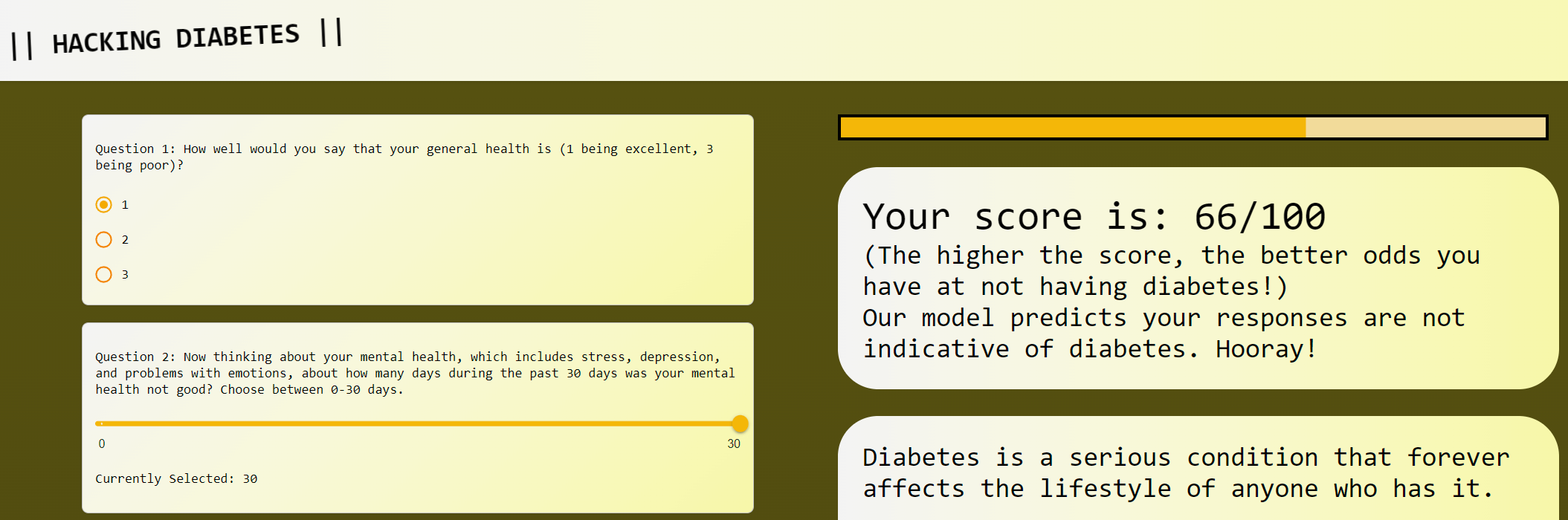
The Diabetes Risk Assessment Model utilizes a neural network to analyze various input factors and predict the likelihood of an individual developing diabetes. The model takes into account factors such as age, body mass index (BMI), family history, physical activity, and dietary habits to provide a comprehensive risk assessment.
How we built it
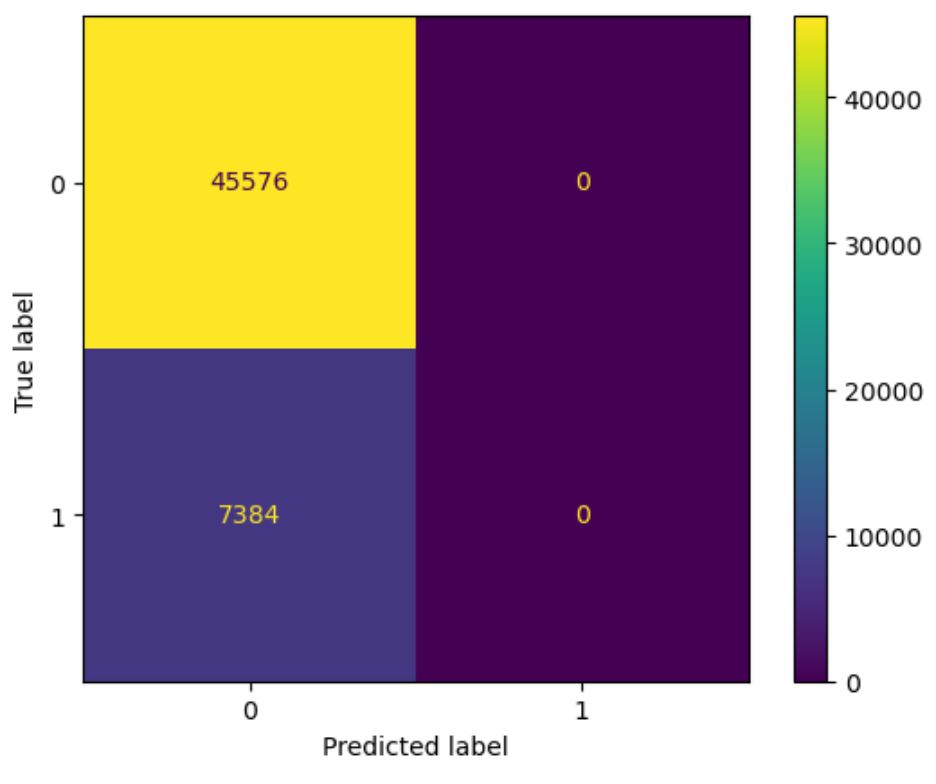
We built the Diabetes Risk Assessment Model using a neural network architecture, implementing machine learning techniques. The model was trained on a diverse dataset containing information from individuals with and without diabetes. We used popular machine learning libraries and frameworks to develop, train, and evaluate the model, ensuring its accuracy and reliability.
Challenges we ran into
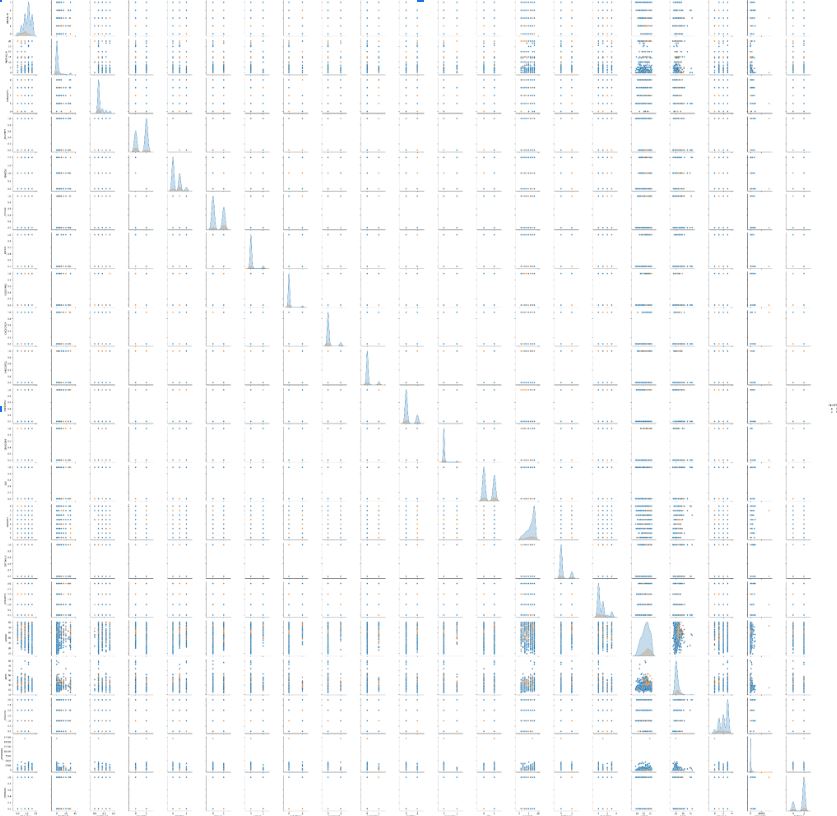
Throughout the development process, we encountered challenges related to data preprocessing, feature selection, and fine-tuning the model parameters. Balancing the trade-off between model complexity and generalization was a persistent challenge. Additionally, ensuring the model's interpretability while maintaining high accuracy posed a unique set of obstacles.
Accomplishments that we're proud of
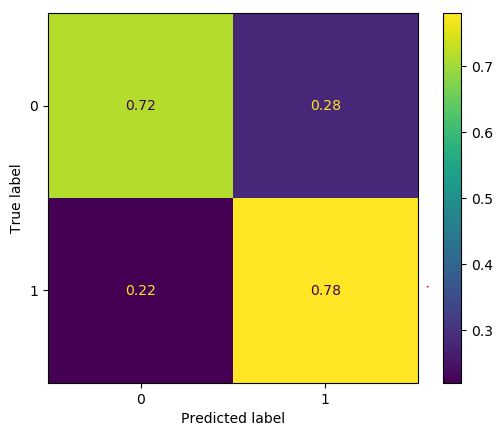
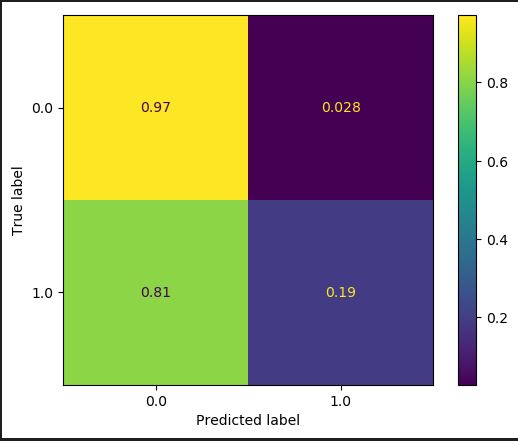
We are proud to have successfully developed a Diabetes Risk Assessment Model that shows promising results in predicting the likelihood of diabetes based on various input features. Achieving a balance between model complexity and interpretability was a significant accomplishment. Furthermore, we are proud of the model's potential to contribute to early intervention and preventive healthcare.
What we learned
Developing the Diabetes Risk Assessment Model provided us with valuable insights into the complexities of machine learning for healthcare applications. We gained a deeper understanding of feature importance, model interpretability, and the challenges associated with developing models for real-world medical scenarios.
What's next for Diabetes Risk Assessment Model
Moving forward, the accuracy of our model can be improved with more training data. If properly utilized on a large scale, we can help people help themselves against Diabetes.


Log in or sign up for Devpost to join the conversation.