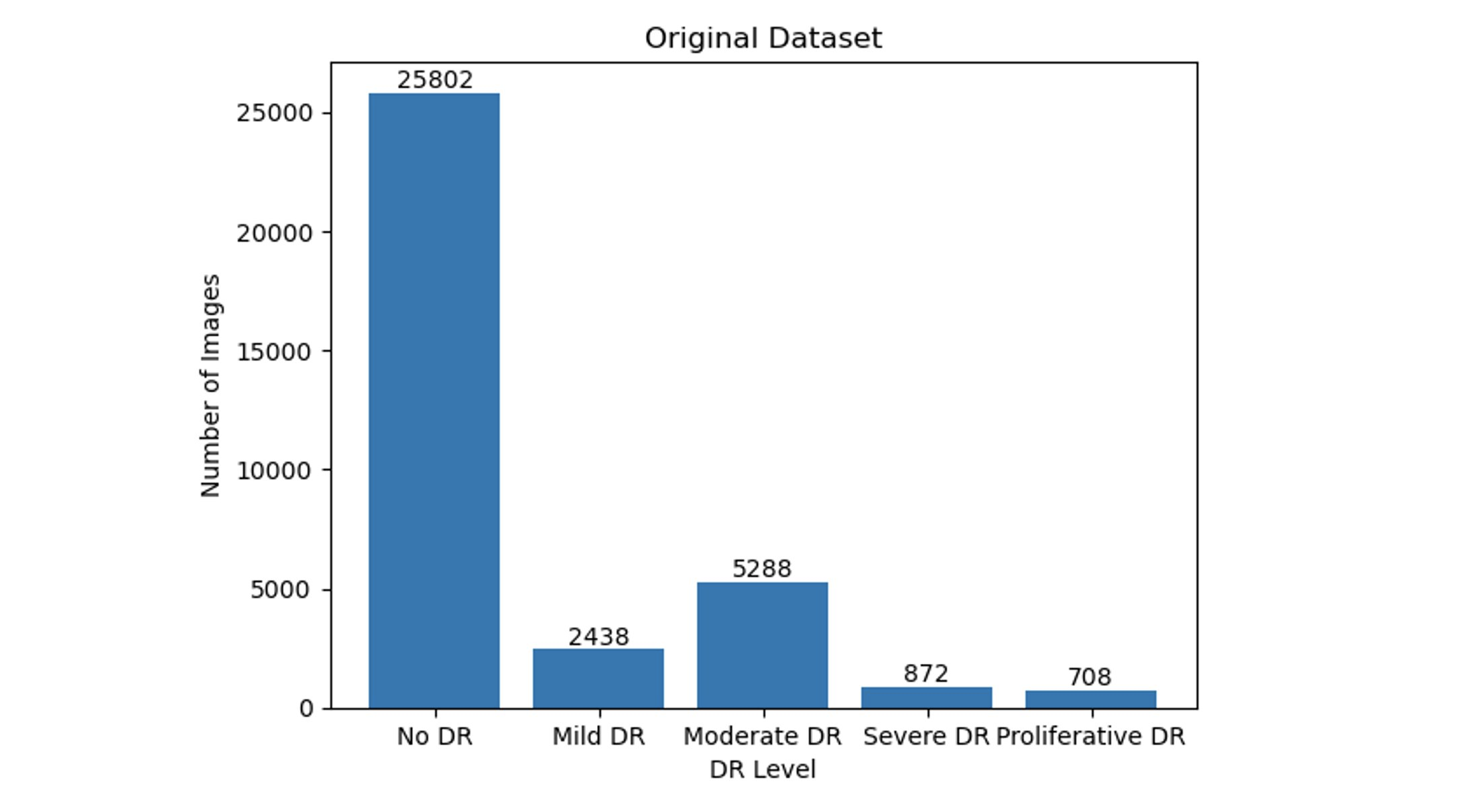
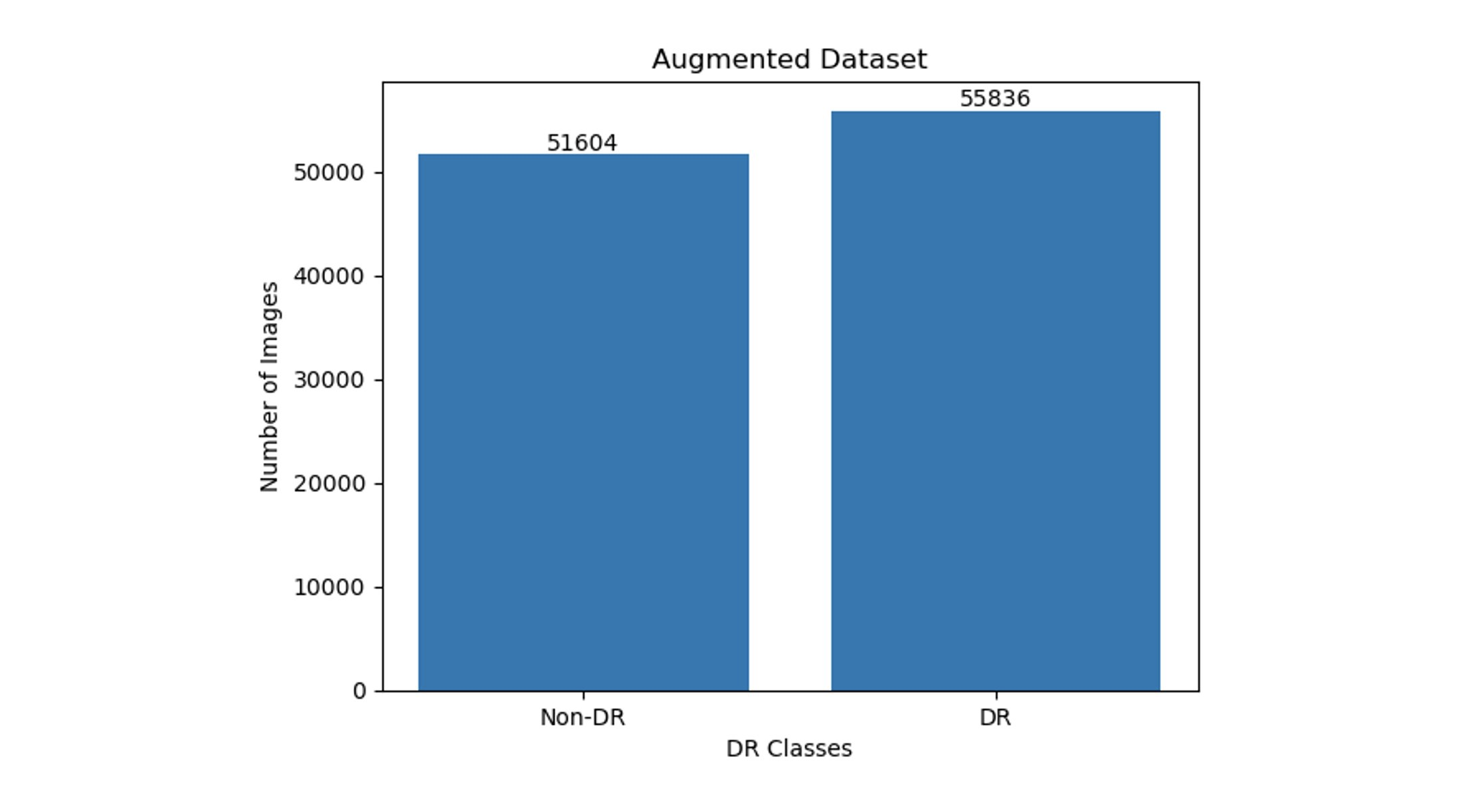
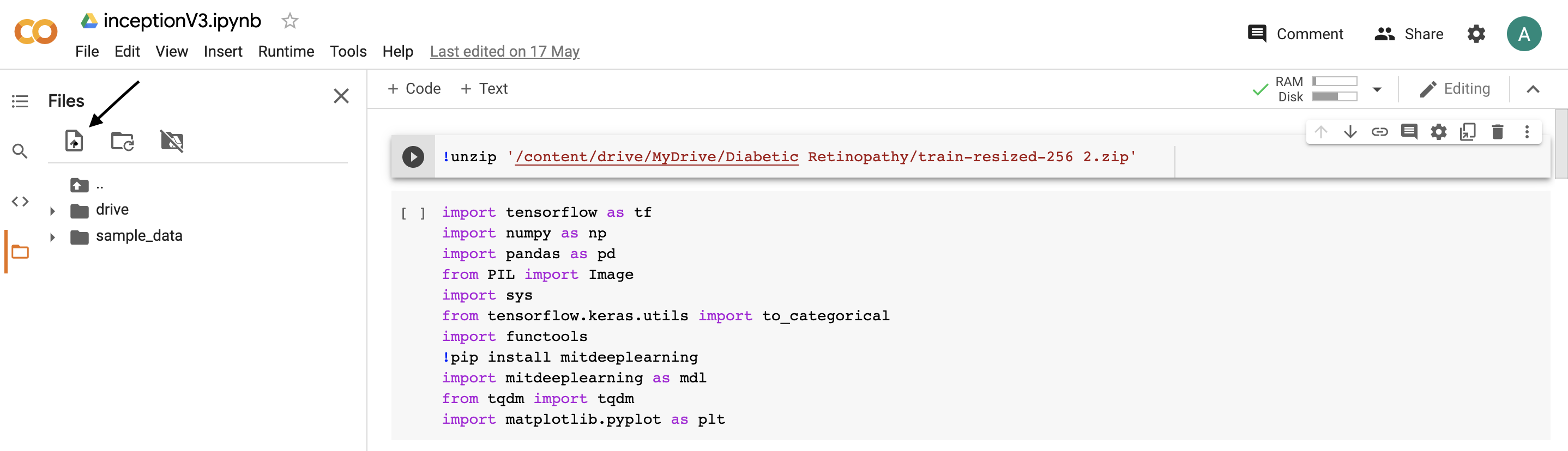
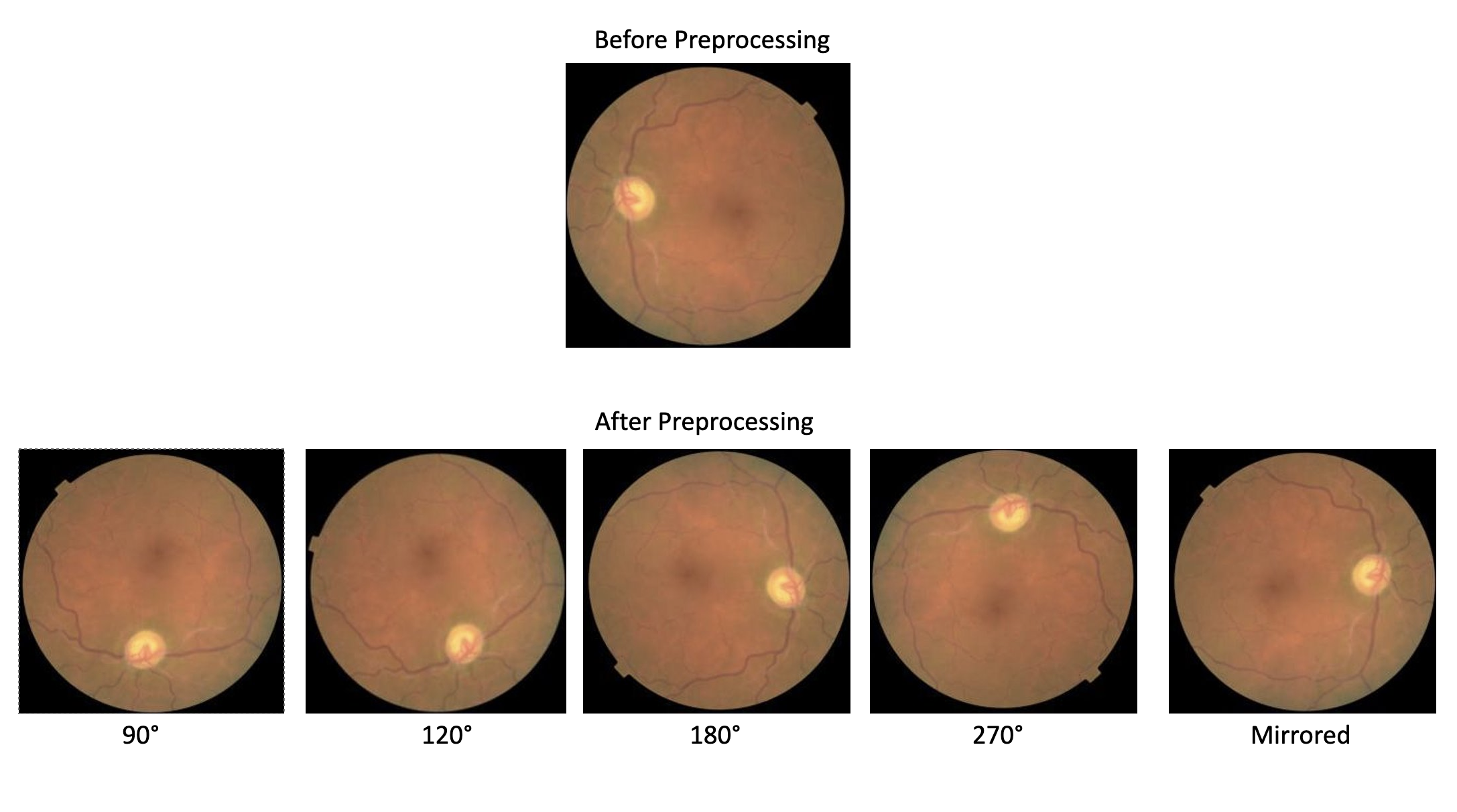
Inspiration The inspiration for this project stems from the global prevalence of diabetes and the associated risk of diabetic retinopathy, a leading cause of preventable blindness. Despite its severe impact, diabetic retinopathy can often be managed if detected early. We sought to create a solution that combines artificial intelligence with healthcare to improve early detection and prevent vision loss in diabetic patients.
What it does This project uses Convolutional Neural Networks (CNNs) to analyze retinal images and automatically detect signs of diabetic retinopathy. The system classifies images into various stages of retinopathy, ranging from healthy to severe, helping healthcare professionals diagnose the condition more accurately and quickly.
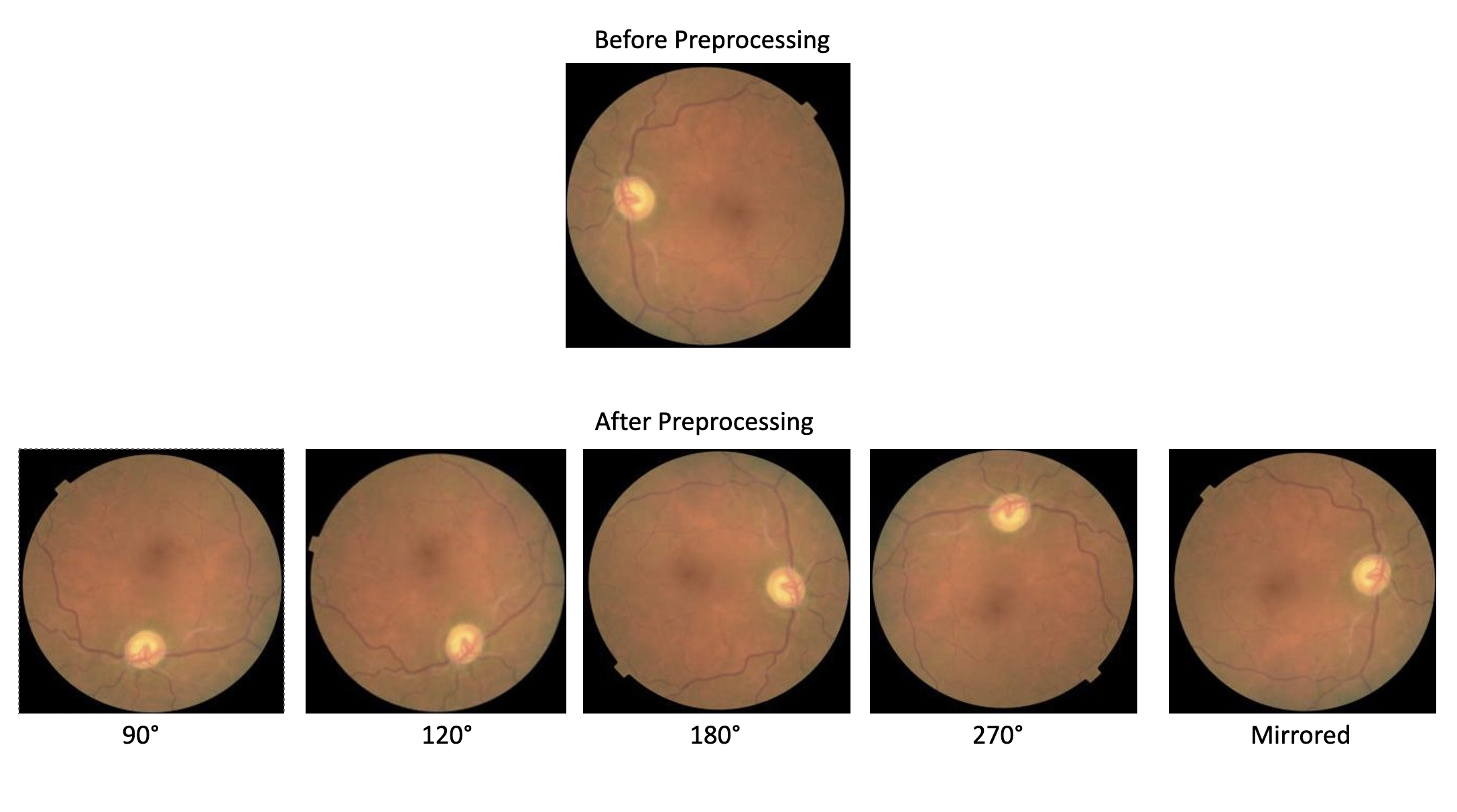
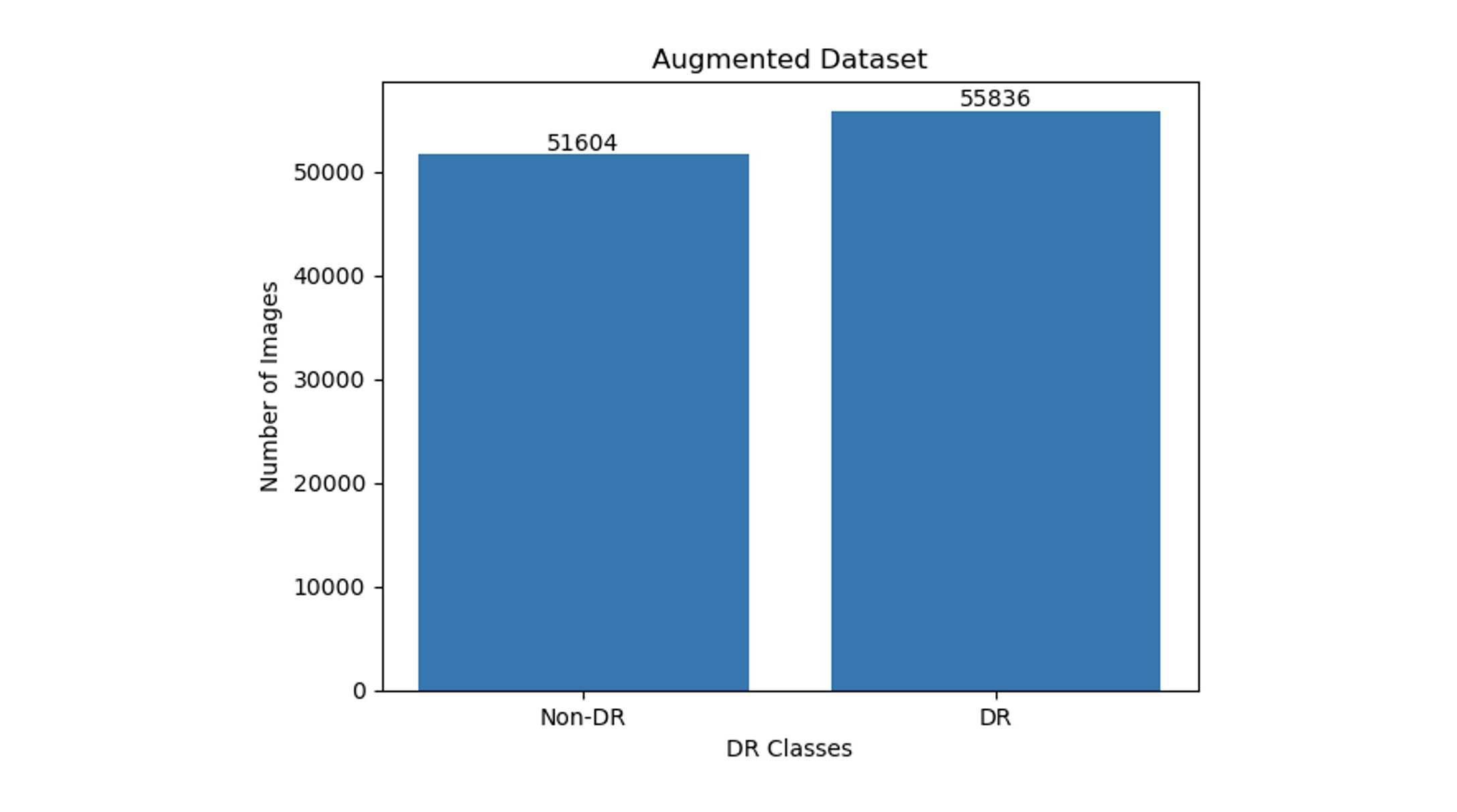
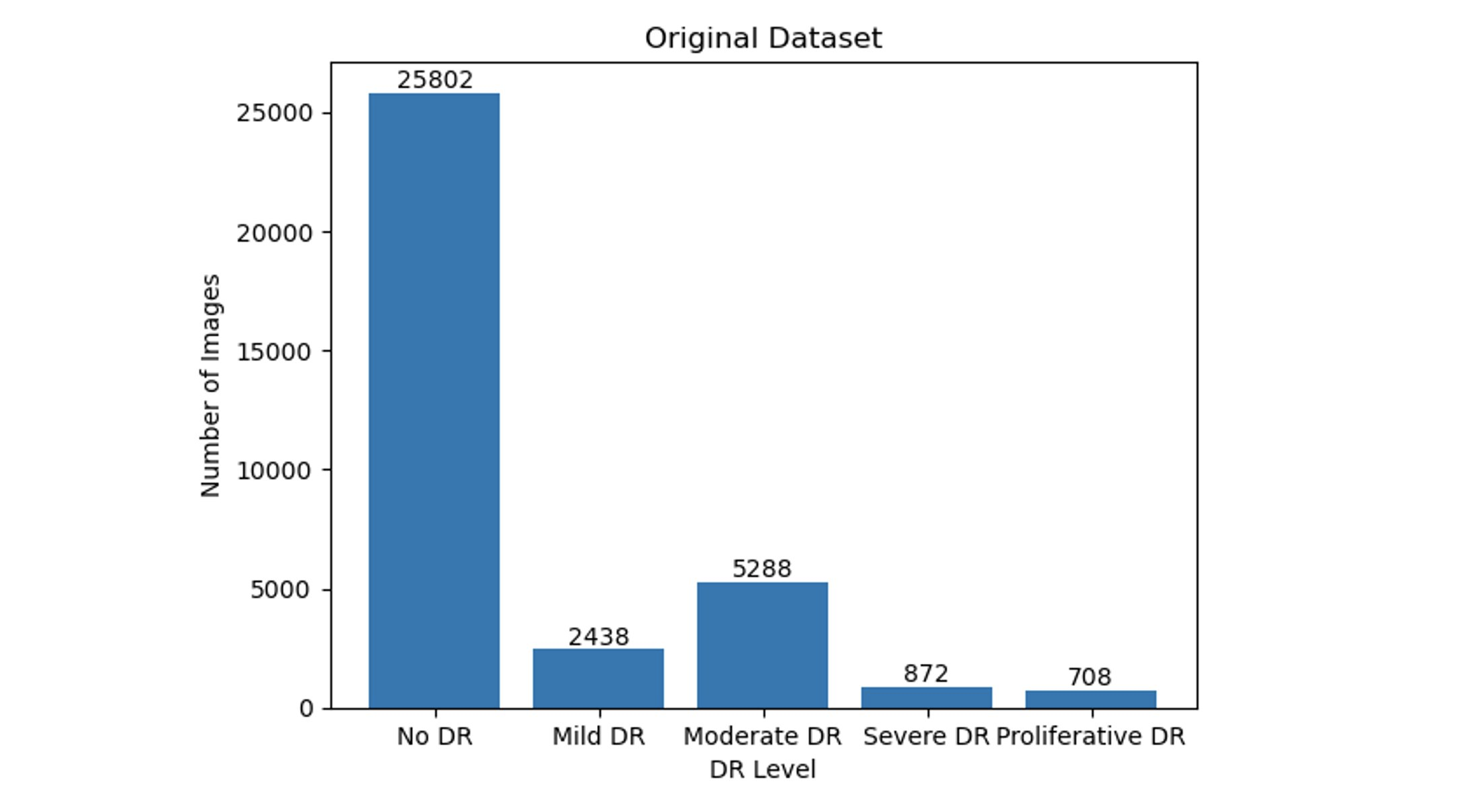
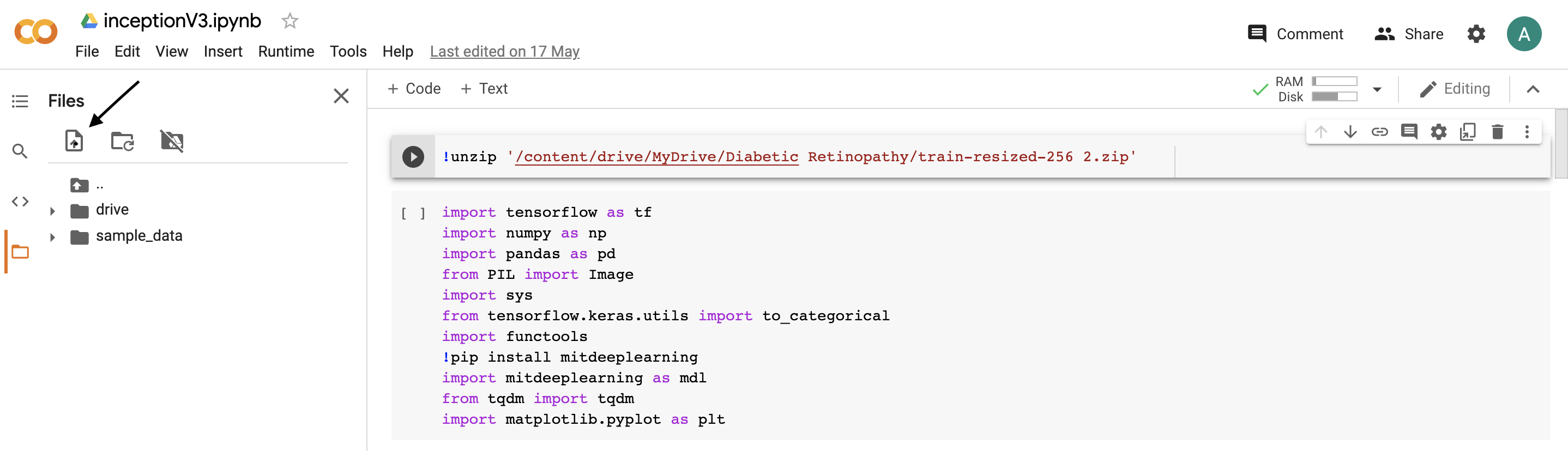
How we built it We built this solution by first collecting a large dataset of retinal images, labeled with the severity of diabetic retinopathy. Using Python and TensorFlow, we developed a CNN model that processes these images and identifies patterns indicative of retinopathy. The process included data preprocessing, model training, testing, and validation. The model was then deployed to a user-friendly interface for easy use by healthcare professionals.
Challenges we ran into The main challenges were related to data quality, as the dataset included varying image resolutions and noise, requiring extensive preprocessing. Another challenge was optimizing the CNN model for accuracy while avoiding overfitting. Hyperparameter tuning took significant time and effort to strike the right balance between performance and generalization.
Accomplishments that we're proud of We are particularly proud of the model’s ability to accurately classify retinal images, even with the challenges of imperfect data. The solution’s potential for improving the speed and accuracy of diabetic retinopathy diagnosis is a significant accomplishment. We also overcame technical obstacles in optimizing the deep learning model, ensuring high performance with a minimal error rate.
What we learned Through this project, we learned the complexities of working with deep learning models, particularly CNNs. We gained hands-on experience with image preprocessing, data augmentation, and model optimization techniques. Additionally, we learned how crucial it is to ensure data quality for training effective models and how to approach real-world healthcare problems with AI.
What’s next for DIABETES RETINOPATHY USING CONVOLUTIONAL NETWORK The next steps involve improving the model’s accuracy by incorporating more diverse datasets, including images from various demographic groups. We also plan to enhance the user interface, making it even more intuitive for healthcare providers. Future work will focus on integrating the system into real-world healthcare settings, testing it on a larger scale, and ensuring it meets regulatory standards for medical devices.
Built With
- amazon-web-services
- artificialintellegence
- docker
- flask
- google-cloud
- keras
- machine-learning
- mongodb
- numpy
- opencv
- pandas
- python
- sql
- tensorflow

Log in or sign up for Devpost to join the conversation.