-
-
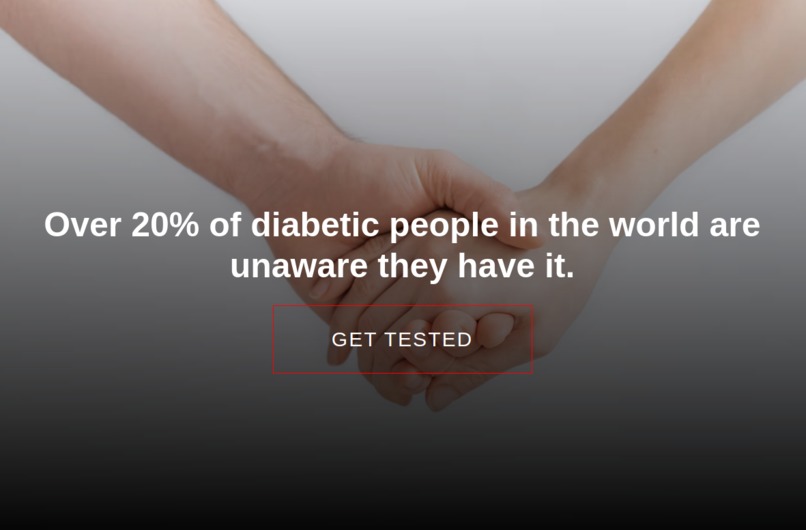
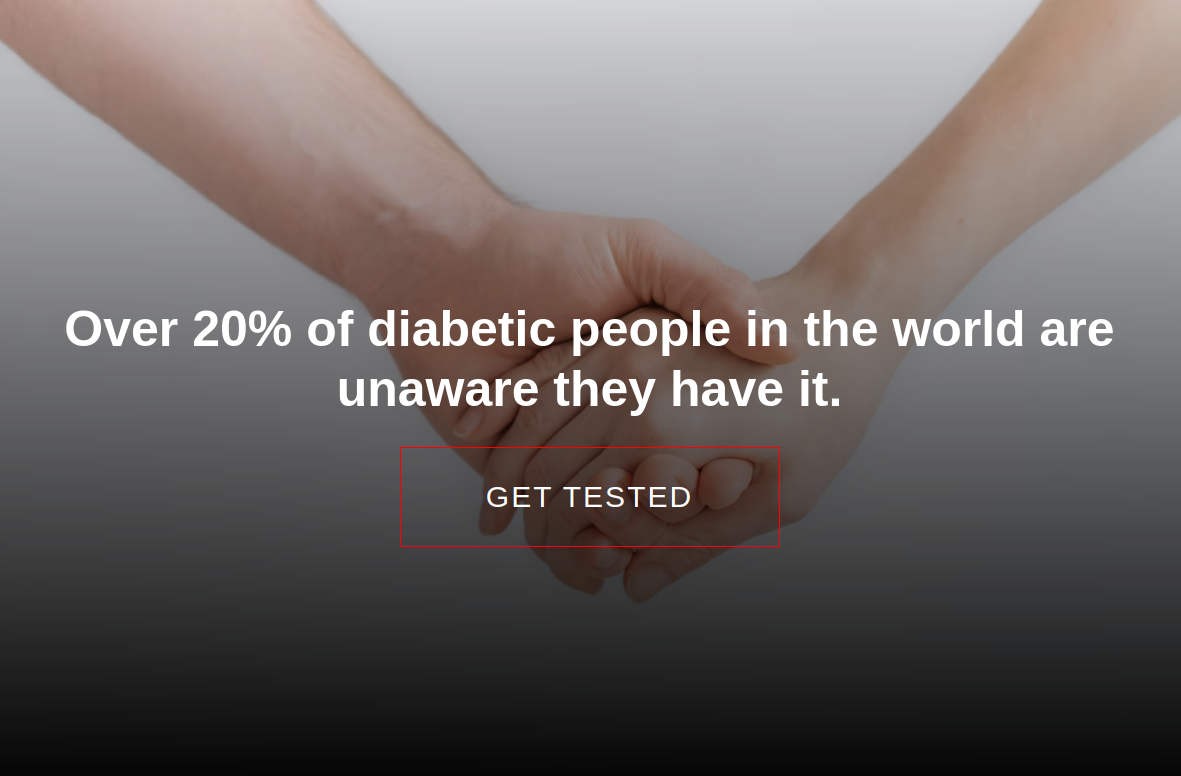
Homepage
-
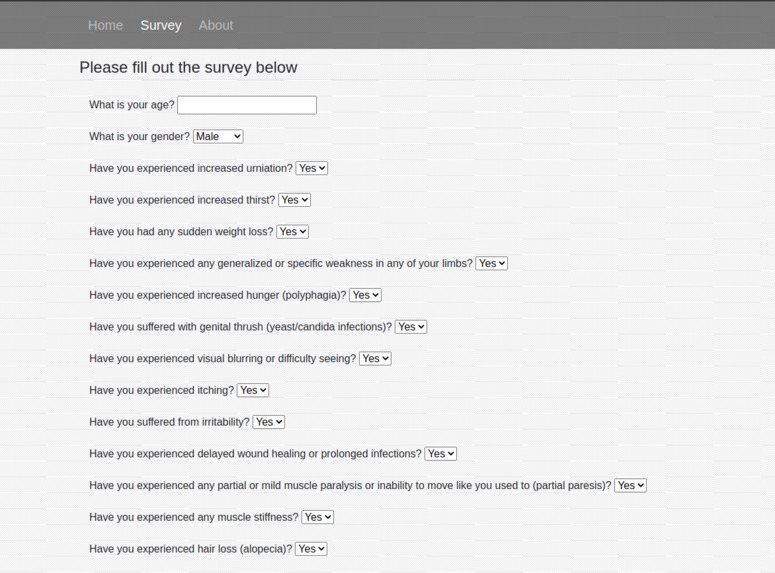
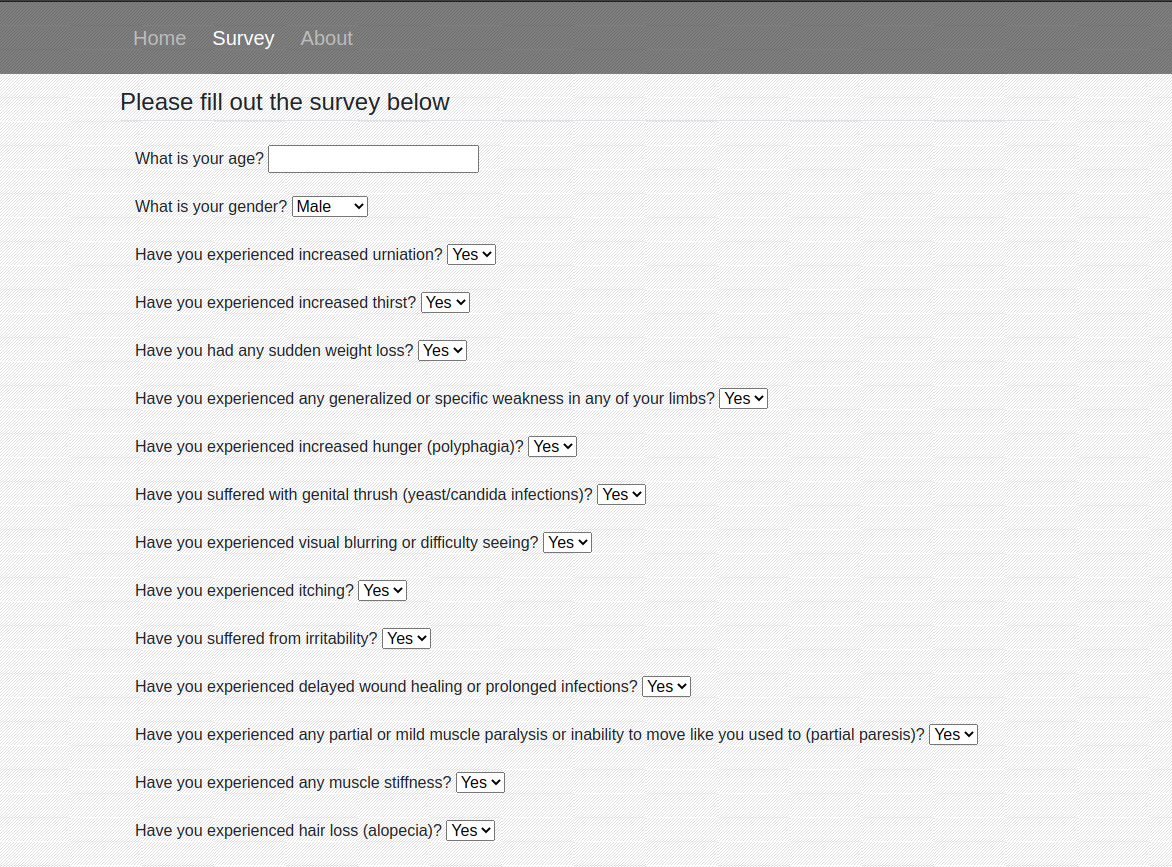
Survey
-
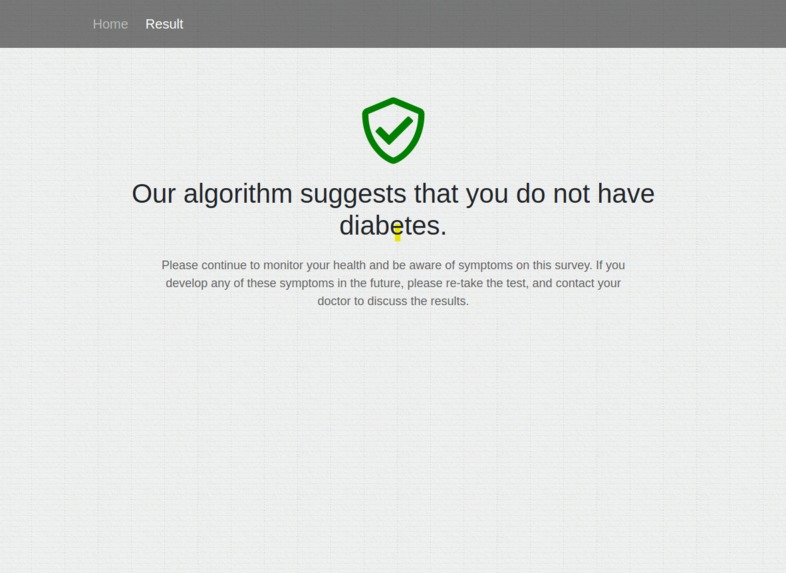
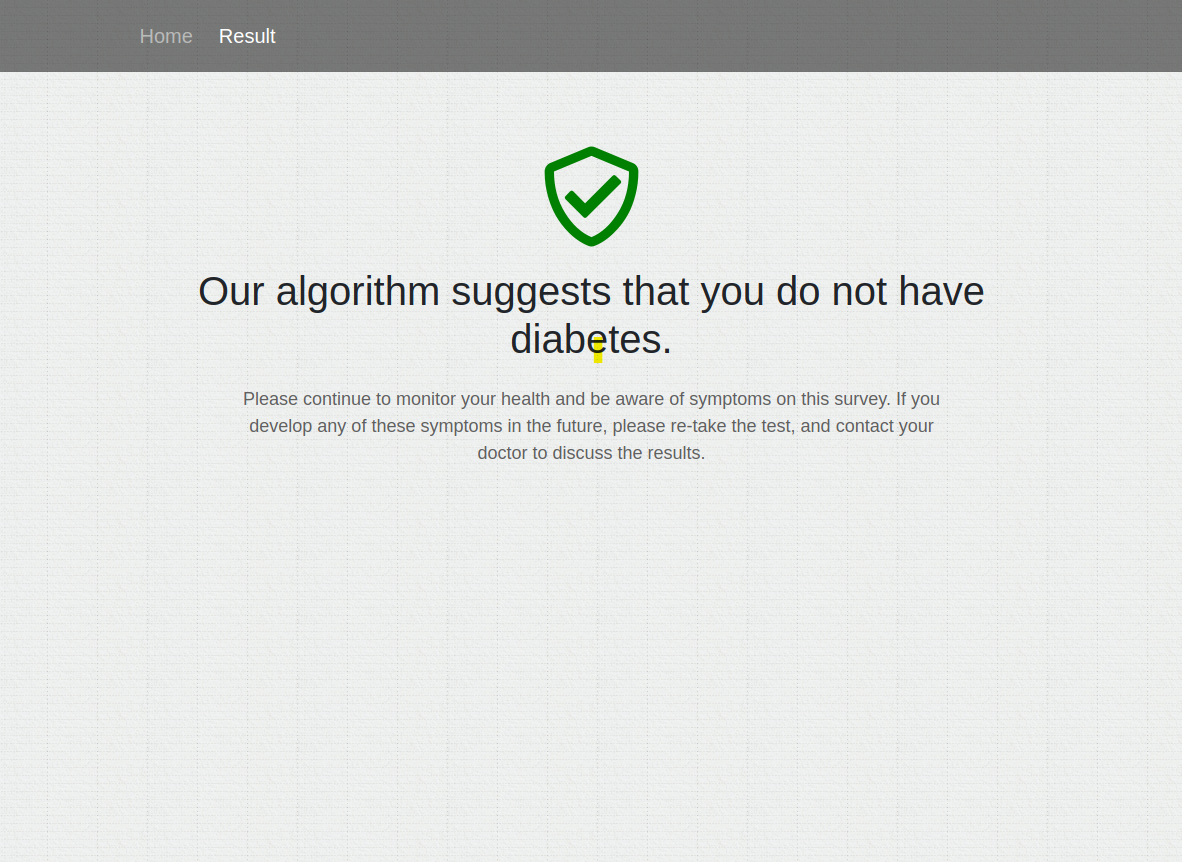
Safe
-
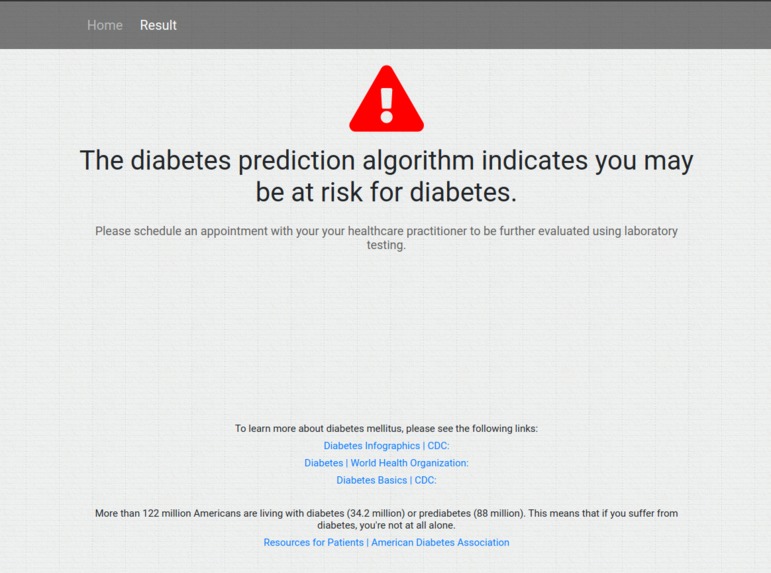
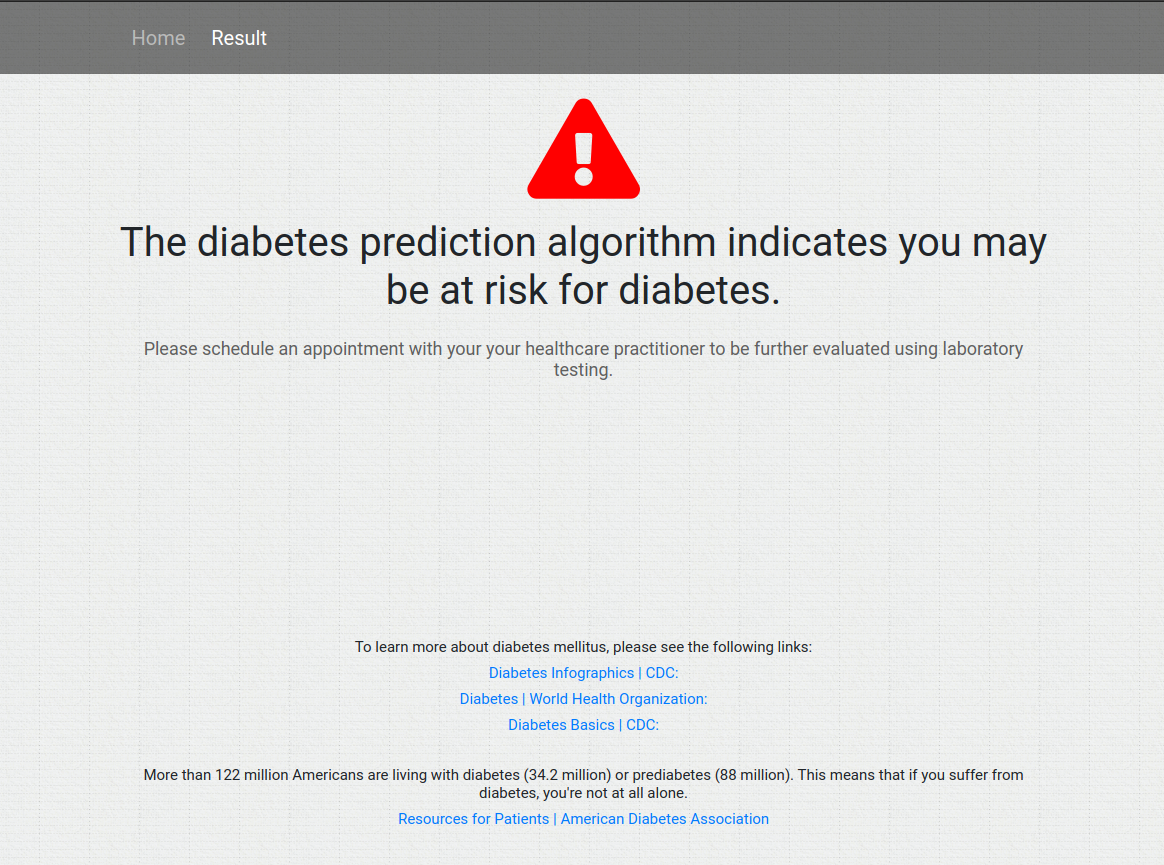
Risk
Inspiration
Diabetes Mellitus is a chronic, metabolic disease characterized by elevated blood glucose, which over time has potential to cause catastrophic damage to bodily tissue, namely the heart, blood vessels, kidneys, nerves, and eyes. According to the World Health Organization (WHO), more than 422 million people across the globe currently live with diabetes [2]. Diabetes is not only the leading cause of limb amputations, but also of kidney failure and blindness in adults aged 20-74. Despite severe consequences that can occur from untreated diabetes, the Centers for Disease Control (CDC) estimates that in the United States of America (USA), over 21% of people with diabetes are unaware they have it [1]. In addition, 88 million Americans have pre-diabetes (more than one in three people), but 8 out of 10 of those people are unaware that they have it [3].
The American Diabetes Association recommends testing for diabetes every three years starting at the age of 45. Diabetes is typically diagnosed by measuring fasting blood glucose levels, performing a glucose tolerance test, and by assessing the concentration of glycated hemoglobin (Hemoglobin A1c, HbA1c), which provides insight into a patient’s blood glucose levels over the prior three months of time. Access to quantitative laboratory testing is limited by both costs and availability but predicting early-stage diabetes (prediabetes) can help preserve patients’ health, reduce fatal outcomes, and save costs in the long run. The estimated total economic cost of diagnosed diabetes was $327 billion in 2017 [2, 4]. As such, alternative methods to detect the presence of diabetes are needed, so patients can be accurately identified and treated.
What it does
To combat this issue, one of our team members developed an artificial intelligence algorithm using a novel binary-to-fuzzy extrapolation method paired with weights determined via genetic algorithm to predict a diabetes diagnosis using a set of 16 inputs (primarily binary, yes-or-no questions). The dataset was comprised of results from several hundred patients at the Sylhet Hospital in Bangladesh [5], and was accessed through the UC Irvine Machine Learning Repository[6]. The algorithm predicts the correct diagnostic status with 96% accuracy on the testing set and an F1 Score of 97.1%.
How we built it
For the MakeUC Hackathon, we sought to develop an application capable of prompting a user with questions regarding their health, taking in the answers to such questions, and transforming the input into a viable format. The final patient vector is multiplied by weights determined via genetic algorithm, and fed into a logistic function. Final outputs are rounded using a threshold to predict the diabetes diagnosis, and patients are notified of the algorithm’s results. In the case of a positive prediction, patients are not only encouraged to seek out care from their medical practitioners but are also provided with useful resources that may answer common questions and provide comfort (by highlighting that they certainly aren’t alone with this diagnosis, if they do, indeed have it).
Challenges. we ran into
It was quite difficult to build a working web application in a 24-hour period capable of giving accurate, real-time predictions regarding a subject's health. We ran into website functioning issues spanning from important survey responses not publishing correctly, to styling issues of all kinds, but nevertheless, we prevailed.
Accomplishments that we're proud of
We are very proud of the fact that we got a working prototype up in such a short period of time. We feel it is a huge accomplishment and works well for the purpose it was intended for. We are also proud of our ability to successfully operate across vastly different timezones. Some of our team members are in India, while others are here in Cincinnati, and this posed a bit of a challenge, but we made it work!
What we learned
We exchanged countless insights spanning HTML, CSS, and web development as a whole, as well as hosting and pushing to GitHub. We also shared knowledge on frameworks such as Flask and Bootstrap, which was extremely useful.
What's next for DiabCheck
Improve the algorithm to be even more user-friendly and continue to work on the appearance of the application down to the finest detail. Continue to refine the model and ensure it is the best one suited for the job.
References
- Centers for Disease Control and Prevention. National Diabetes Statistics Report, 2020. Atlanta, GA: Centers for Disease Control and Prevention, U.S. Dept of Health and Human Services; 2020.
- Gojka R. Diabetes. (2020). World Health Organization Health Topics Diabetes Section. link.
- Centers for Disease Control and Prevention Diabetes Infographics link.
- American Diabetes Association. The cost of diabetes. American Diabetes Association Website link.
- Islam M et al. (2020) Likelihood prediction of diabetes at early stage using data mining techniques doi: 10.1007/978-981-13-8798-2_12.
- DuaD, Graff C.(2019) UCI Machine Learning Repository link. Irvine, CA: University of California, School of Information and Computer Science. Updated 2019.


Log in or sign up for Devpost to join the conversation.