-
-
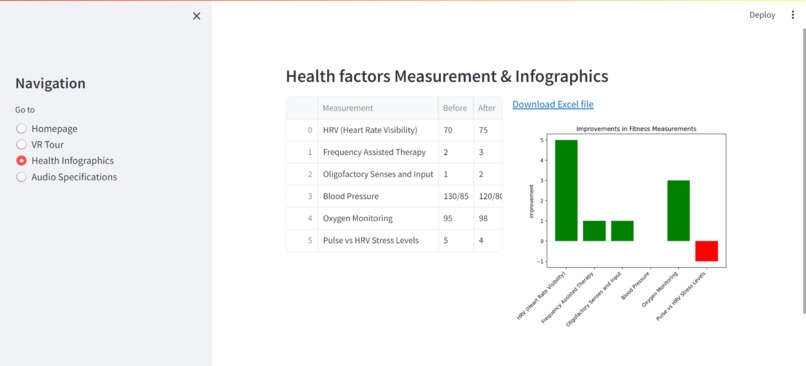
Health Infographics
-
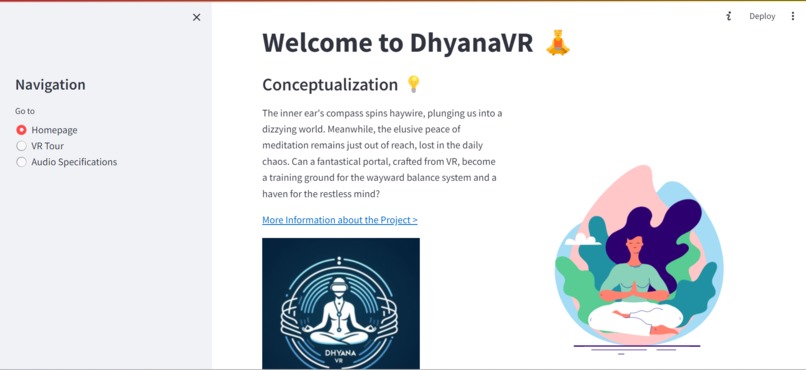
Homepage
-
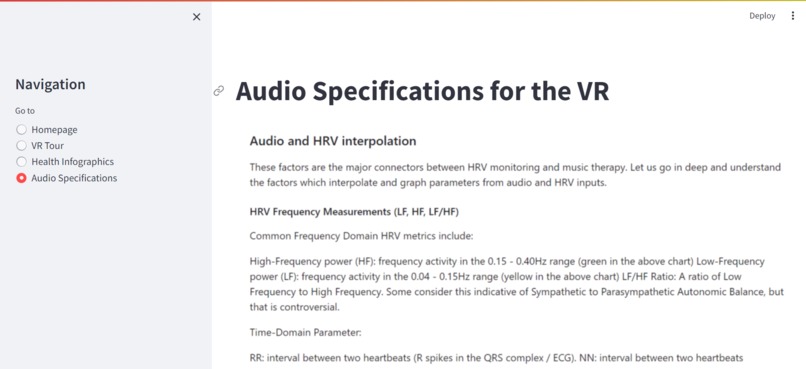
Audio-specifications Page
-
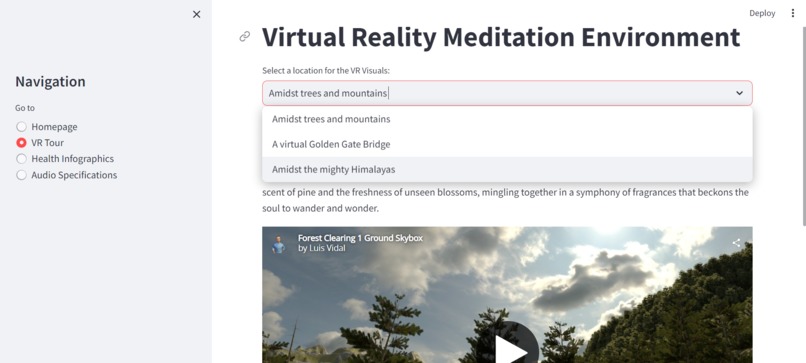
VR-Tour main
-
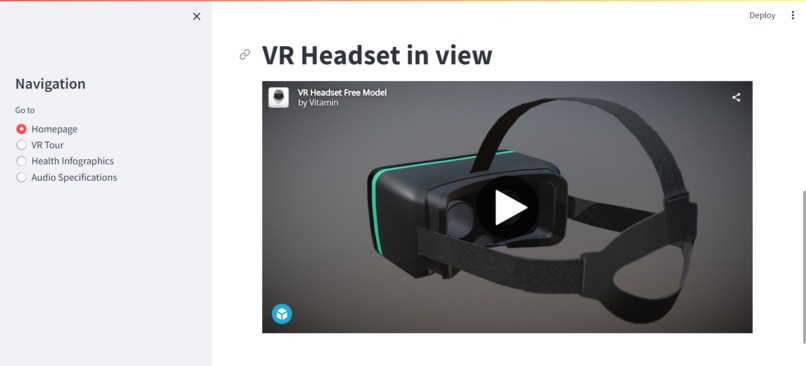
Homepage-2
-
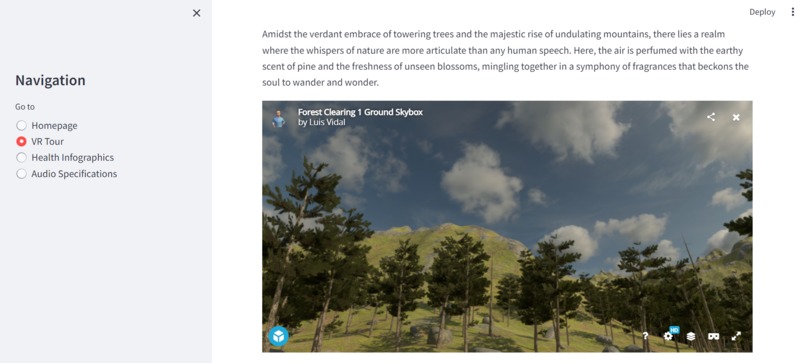
VR-Tour 1
-
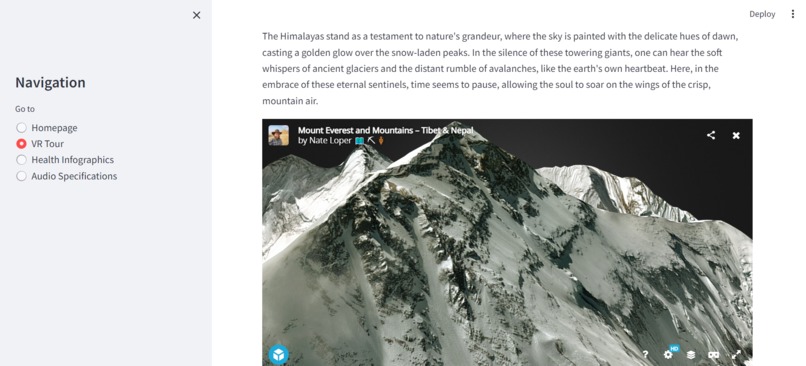
VR-Tour 3
-
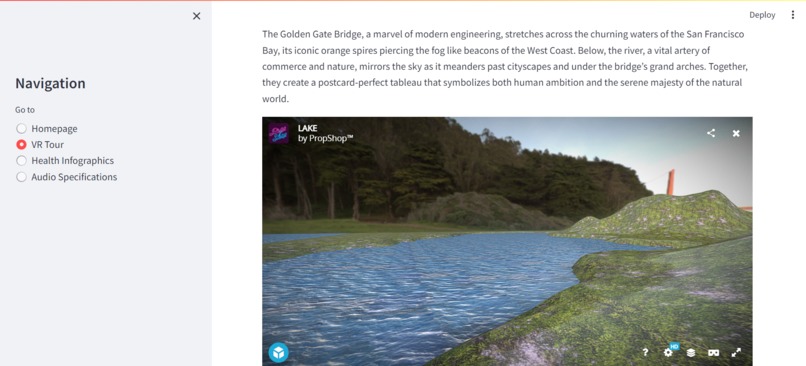
VR-Tour 2
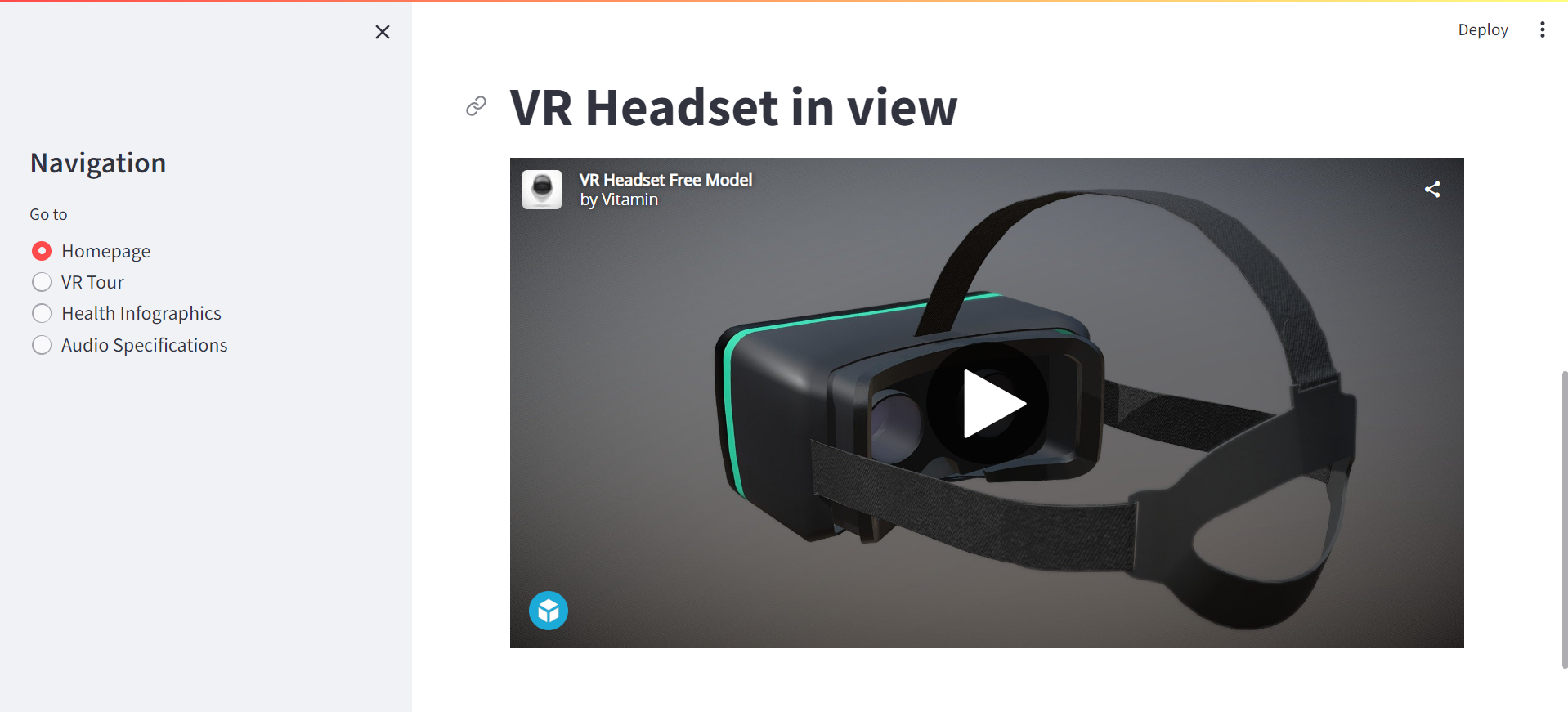
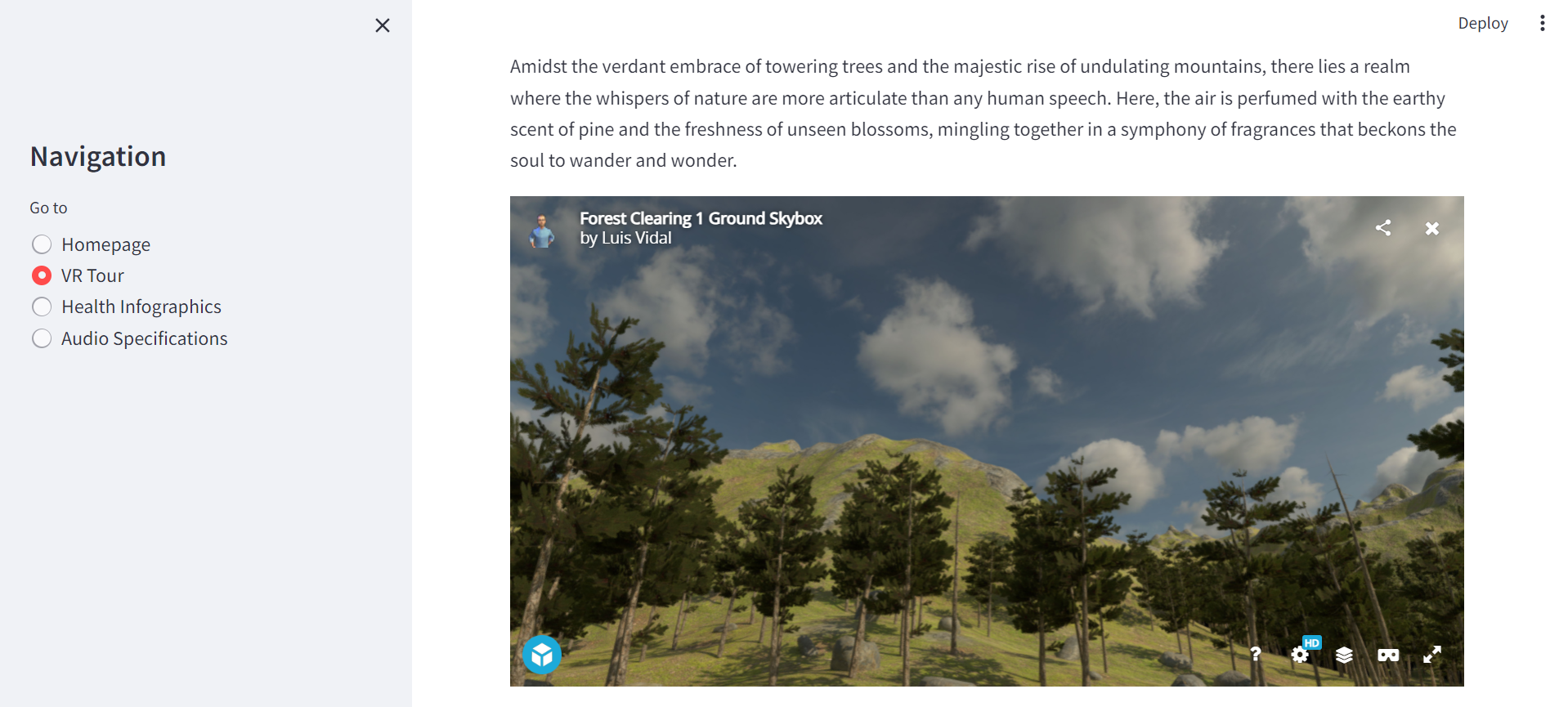
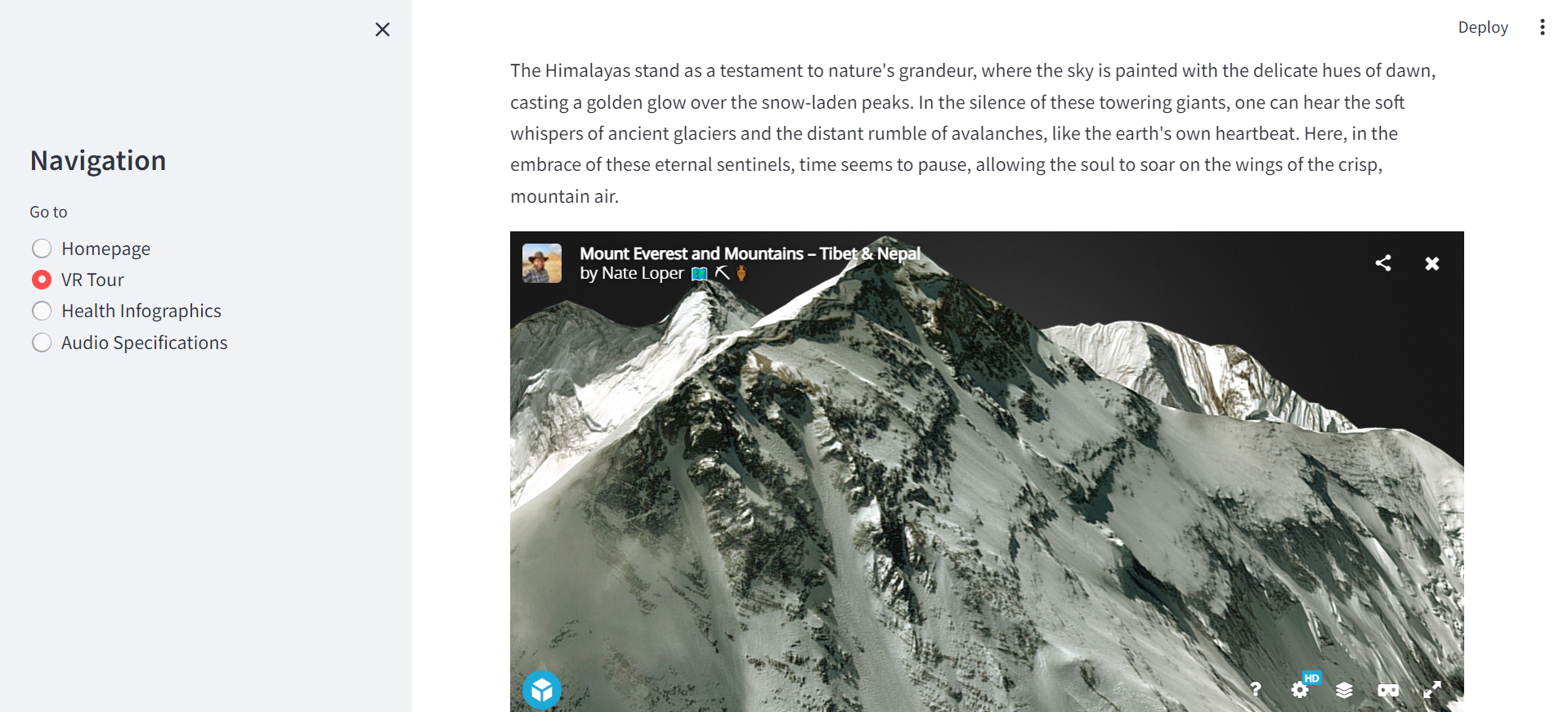
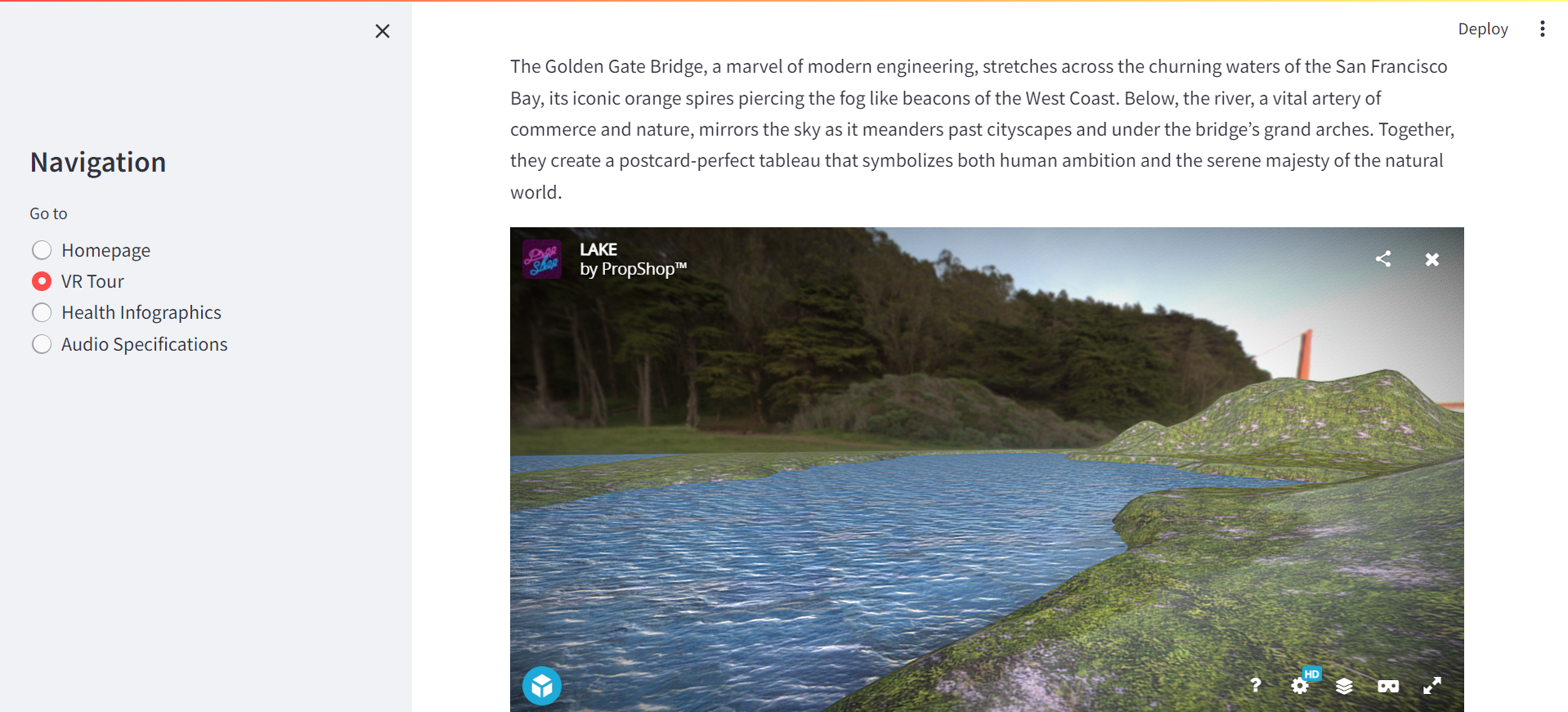
DhyanaVR

Virtual Reality Therapy & Rehabilitation
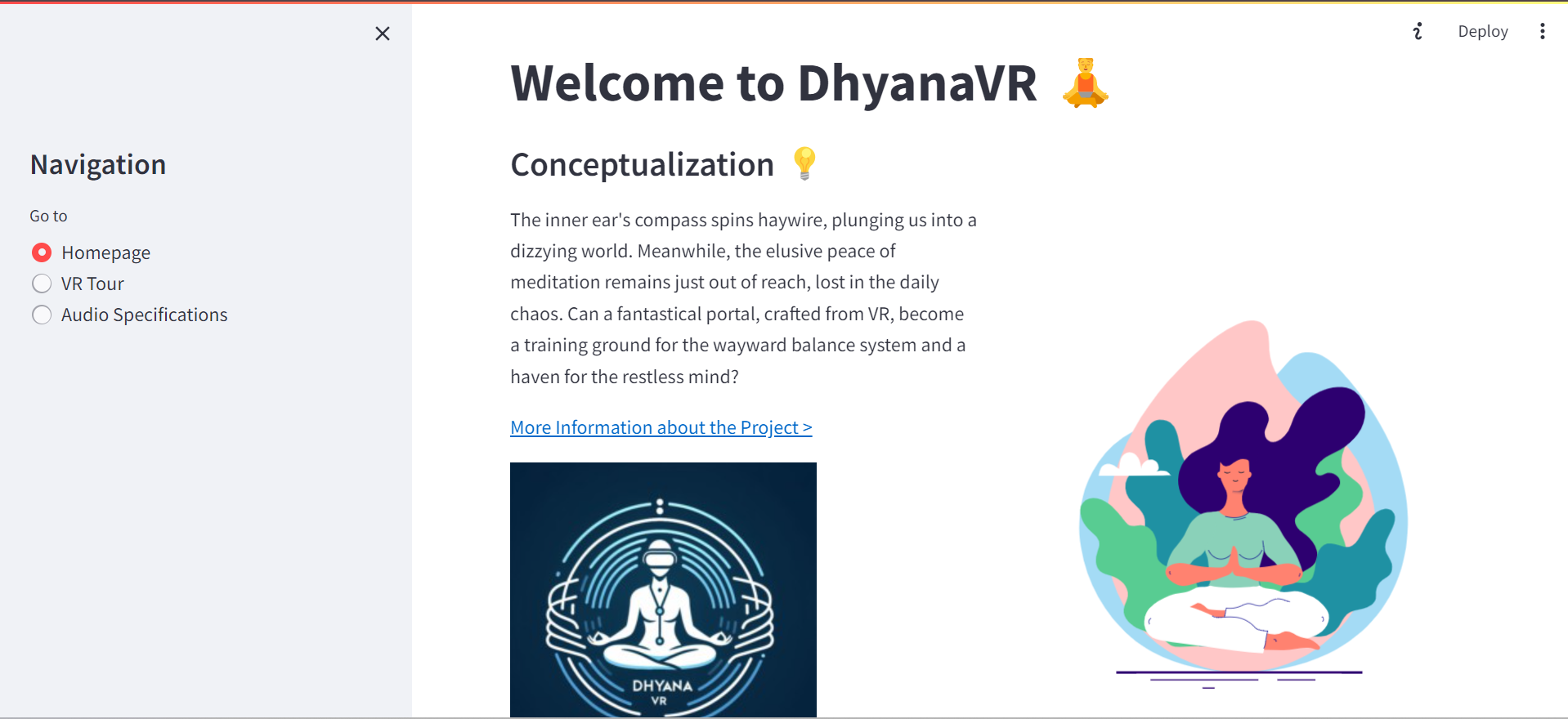
Virtual reality therapy and rehabilitation for short term stress and fatigue conditions in athletes and office workers. Dhyana VR provides an AI based solution for reducing stress and/or fatigue in specific individuals, in the short term through the combination of VR - headsets. Dhyana VR can also be used for transforming the state of mind from alert to deep sleep and drowsiness to alert state. The stress, fatigue, alertness and sleep sate state is constantly measured using vital HRV parameters like SDNN, HF, LF and LF/HF values along with other body vital parameters, including respiration rate, blood pressure and spO2. An AI based recommendation is used to select right stimulus like music , Bi-Neural frequency, Visual scenery and personalised guided meditation through voice using VR headset while measuring the above stated parameters and constantly making changes to the stimulus. This experience can be enabled on existing VR headsets like Apple Vision Pro.


Background:
We know from the past research that transitioning the state of feeling: a) From stress to relax b) Fatigue to energetic c) Wakefull-ness to deep - sleep d) Drowsy to alertness is possible by apply right meditation techniques.
We also know that HRV time and frequency analysis can provide accurate state of feeling in humans in combination of following vital health data i) spO2 ii) Age iii) Gender iv) Blood pressure
By knowing the current and desired state of feeling by the customers and measuring HRV and other health vitals continuously we then provide an immersive experience where we superimpose AI - recommended: 1) Visual themes 2) Relaxing music 3) Bi -neural frequencies 4) Dynamic guided steps through voice
using a through binocular VR headset.
In contrast to traditional therapeutic approaches which often involve physical therapy and medication and may not be sufficient for all patients. We aim to create a VR experince which can simulate a desired environment through virtual reality, stimulating a state of minds as indicated above
Objective :
To develop a Virtual Reality (VR) Therapy & Rehabilitation platform built through 'Swift' (integrated with Vision Pro dynamics) that leverages the immersive and controlled environment to create an intended space for meditation.
The user can wear the VR headset on the go; isolated VR headset "Apple Vision Pro". Further parameters such as heart rate, spO2 (blood oxygen) & pulse rate can be measured through the "Apple Watch Series 9".
Traditional anti stress and anti fatigue therapy involves deep breathing, yoga and a combination of ayurvedic and synthetic medications giving temporary relief. However, our objective is to emphasize deep breathing & yoga; integrated with music therapy for HRV, frequency therapy for & the mind & image - sound sensory combination to improve the breathing cycle. We use multiple neurobiology and cardiovascular terms to generate an overall progress report of the person.
Hardware Setup
Setup required are: Vision pro VR application, to create immersive reality experience for meditation. We also require apple watch application for meditation, HRV application and breathing rate.
it also requires a cloud based service to run the AI algorithm to recommend the right music generate guided voice based meditation steps and visual stimulus like natural scenery etc, and to stream them from the server to the VR headset.
Our project is monitored by two devices: Apple Vision Pro and the Apple Watch series, with an additional nose-mist add-on.
A 'Swift' based app which can be integrated with Vision Pro.
Consists of VR display showing the immersive environment interaction, with a dashboard consisting of vitals, records and other factors. The Apple watch provides multiple parameters such as; blood oxygen levels (spO2), pulse, heart rate (bpm) and blood pressure. The following would be displayed in the dashboard as well.
Software design
To capture the current status of the user (fatigue, stress, drowsy etc.) We use swift based VR application to choose the option.
To capture the HRV, spO2, heart rate, breathing rate; by asking user permissions to read data from apple watch and apple health app.
Using the VR application, we also ask the customer for the intended state of feeling (relaxed, alert or deep sleep)
We submit these inputs to our backend service in the cloud hosted on AWS.
The backend service also gives us LLMs for recommending right music, visual stimulus, binaural beats & also generates an audio script for guided meditation.
Audio script is then converted into voice using 'Lex voice service' of AWS.
Finally, vpice based guidance, music audio, binaural beats & video are taken to create a single stream of immersive VR experience media file and it is streamed to the VR headset.
Now, while the customer is going through the immersive meditation, we continue to measure the HRV, LF, HF & LF/HF ratio.
We provide a feedback from the customer, and give their progress report of the session and its highlights.
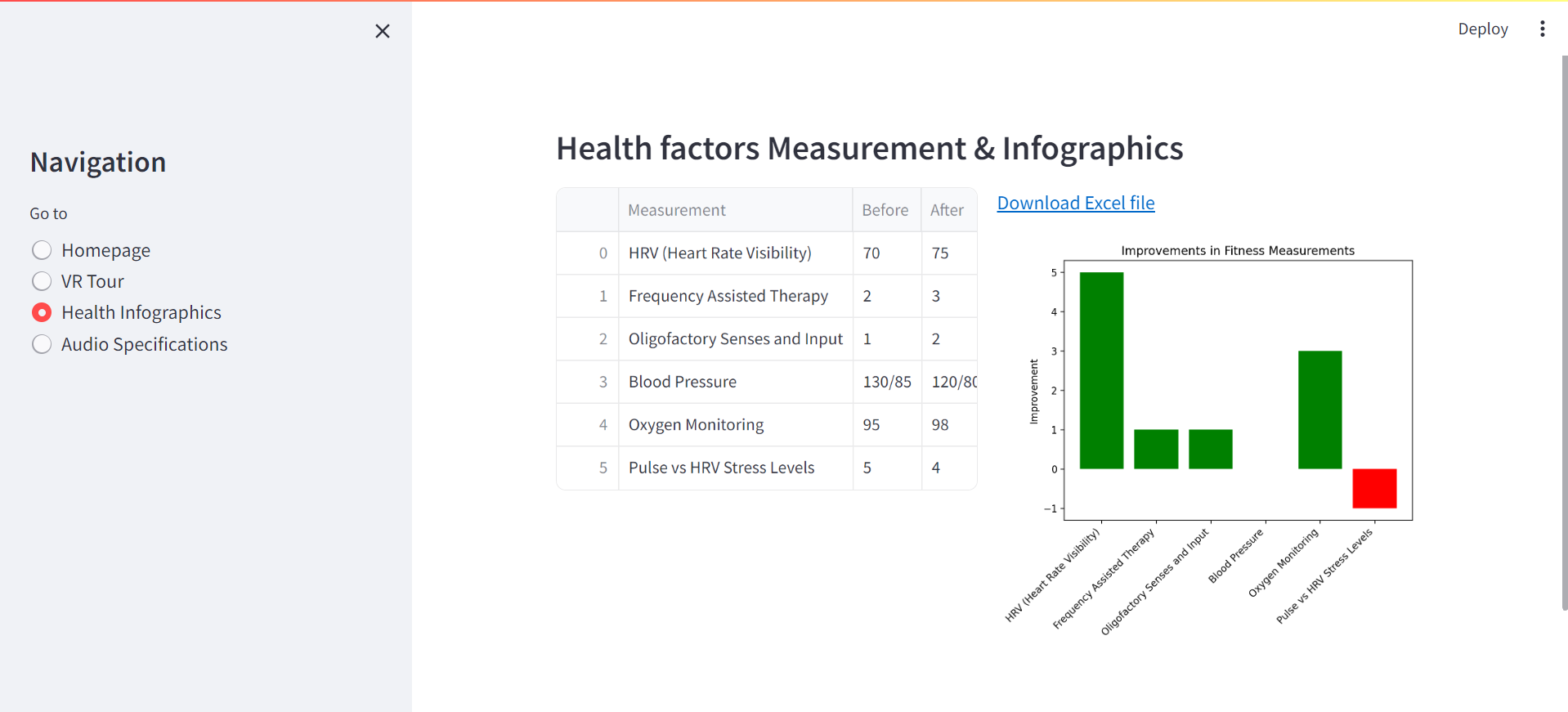
The dashboard gives a clear view of the dynamic status of the user. At the end of the therapy, it generates an Excel file giving a detailed report of the therapy session and the improvements made by the user.
Sample dashboard display, user perspective.
It gives the details of the user's progress and additional information achieved by the user.
The following flowchart gives an in-depth analysis of our project and its working procedure.
Steps of our project
Hardware deployment
The user will be wearing the Apple Vision Pro and Apple series watch, and have a Bluetooth-paired iPhone connected to the watch.
Theme and audio analyser
Based on the various HRV, HF, lF & LF/HF ratios recorded by the watch, the system suggests the appropriate theme and audio frequency to be displayed to the user for the most optimum results.
Meditation process
The AI guides the entire meditation procedure while displaying the dashboard on the VR screen. Users may change the theme or audio appropriately. Based on various waves and their functions as mentioned in the flowchart, the AI gives the best outcome by varying the pitch of the music according to the 'Principles of Music therapy'.
Nostril passage
Cold air can stimulate deep breathing and can improve the breathing cycle. A separate device will be given to the user which can be placed on the nose which spreads cold air near the user's nose, to bring about freshness prompting them to breathe deeply. Cold air has been used for a long for the same procedure, the reason why Yogis meditate in the mountains.
Aroma infusion and therapy
Aroma infusion with the given nostril air add-on can lower stress levels in users quite rapidly. Multiple volatile yet safe non-polar liquids are infused in as mist-like - like - form which causes no harm to users, yet ensures that the user inhales less amount over a long period.
Aromatherapy stimulates the presence of the user near lakes, meadows etc, given a $D - an immersive experience, encapsulating every sensory response of the user.
Overall Immersive Experience
Based on the following parameters, the users get the best experience during the entire phase of meditation. Once the session is over, it gives a detailed report of the user's progress throughout the session.
Accomplishments that we're proud of
The following flowchart gives an in-depth analysis of our project and its working procedure.
Heart Rate, HRV & Pulse interpolation
Based on the monitored heart rate and pulse, we can interpolate the dynamic HRV of the person. Two main formulas are used to calculate HRV: RMSSD and SDNN.
RMSSD - the root mean square of successive differences
A standard statistical measure of HRV. It stands for the root mean square of successive differences. RMSSD HRV measures the time difference between each successive heartbeat in real-time to arrive at your RMSSD score, meaning you can see the result at the exact moment. This formula helps investigate the impact of training loads and recovery processes.
Researchers have proposed the following HRV RMSSD normal ranges in different studies:
19 – 48 ms — healthy adults in the age group of 38 – 42 years 35 – 107 ms — elite athletes
An important feature of RMSSD is that it characterizes short-term rapid changes in heart rate, which can only occur under the influence of the parasympathetic nervous system. It is important to assess the performance of the parasympathetic system and analyze HRV, taking into account rapidly changing metrics.
SDNN - the standard deviation of NN intervals
SDNN is a measure of HRV that calculates the average value of HRV in milliseconds and shows how far your HRV is from that average at any point in the day. Although it is often calculated in 24 hours. The SDNN is considered the “gold standard” for medical stratification of cardiac risk. SDNN values predict both morbidity and mortality.
Heart attack patients with SDNN values over 100 ms have been reported to have a 5.3 lower mortality risk than those with under 50 ms.
pNN50 - another notable measure of HRV
Shows how active your parasympathetic system is relative to the sympathetic nervous system. The higher the value, the more relaxed the body is. If the pNN50 is low, you’re either tired or over-stressed. This measure helps assess parasympathetic activity from 24-hour ECG recordings, and the study presented supporting data by comparing pNN50 values in healthy subjects with those with diabetes mellitus and patients who’ve had a heart transplant.
Audio and HRV interpolation
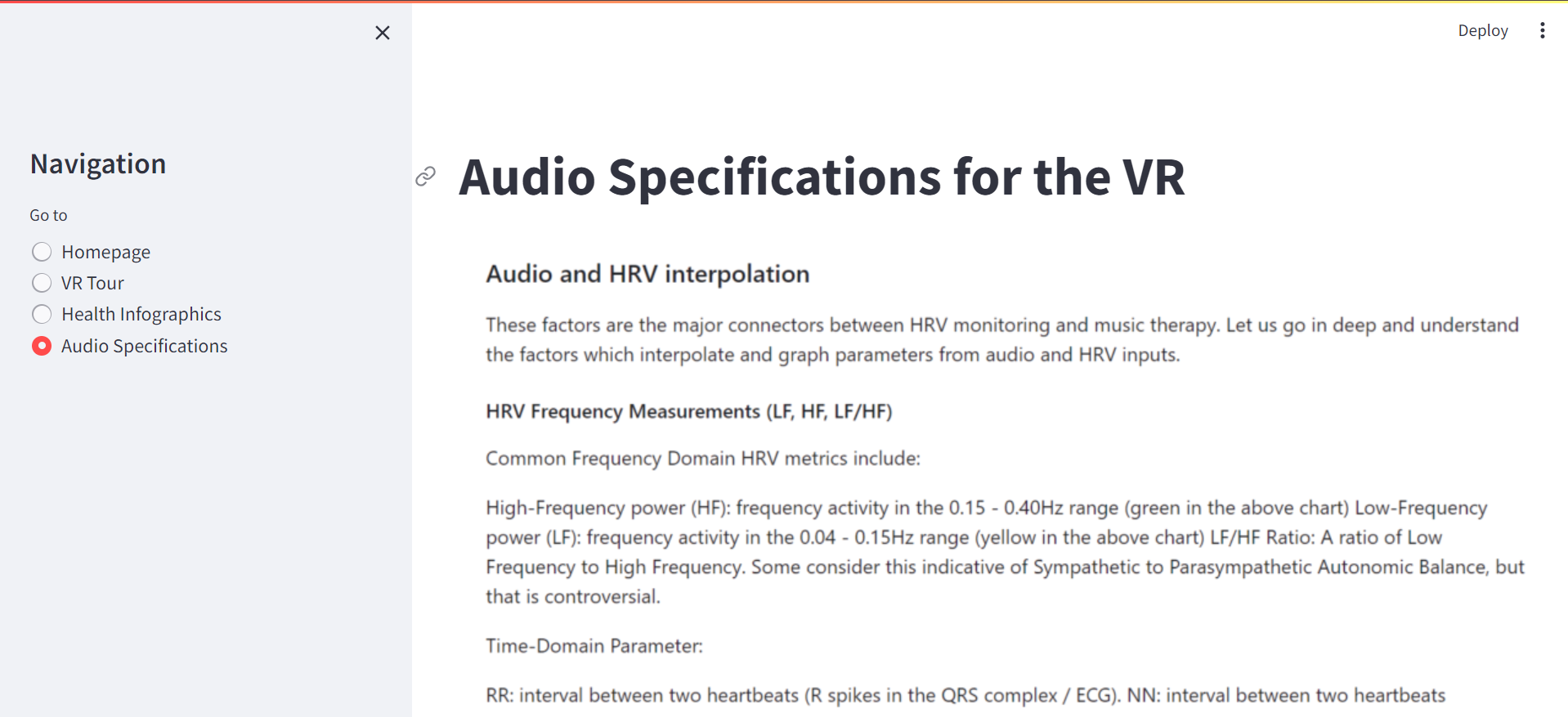
These factors are the major connectors between HRV monitoring and music therapy. Let us go in deep and understand the factors which interpolate and graph parameters from audio and HRV inputs.
HRV Frequency Measurements (LF, HF, LF/HF)
Common Frequency Domain HRV metrics include:
High-Frequency power (HF): frequency activity in the 0.15 - 0.40Hz range (green in the above chart) Low-Frequency power (LF): frequency activity in the 0.04 - 0.15Hz range (yellow in the above chart) LF/HF Ratio: A ratio of Low Frequency to High Frequency. Some consider this indicative of Sympathetic to Parasympathetic Autonomic Balance, but that is controversial.
Time-Domain Parameter:
RR: interval between two heartbeats (R spikes in the QRS complex / ECG). NN: interval between two heartbeats (emphasis on "normal" heartbeats)
The pure RR intervals can be decomposed into their frequency constituents using a fast Fourier transformation (FFT). By this method, frequency components in the VLF, LF and HF spectra are obtained from the signal. The total power is indicated as TP.
It has been shown that the frequency-based HRV parameters (spectral analysis) are not the ideal solution for the use in practice as they are very accident-sensitive. For instance the VLF (very low frequency) area can simply not be represented correctly in a short-term measurement.
Therefore, the ANS Analysis is limited to the time-domain parameters as they are valid for the short-term measurement.
Reading duration should be a minimum of 5 minutes to be accurate. 2 minutes is for confidence in Low Frequency (LF) values. High frequency (HF) can reliably be measured in 60 seconds. You can start to measure LF in as little as 2 minutes, but research says 2 minutes+ is best for LF.
In theory, LF/HF shows ANS balance
Low LF/HF ratio = PSNS dominance
High LF/HF ratio = SNS dominance
Source: EHRV & ansAnalysis
Steps followed
To understand the theory behind the mental and physical state vs HRV measurements. We also studied the existing research on how music and binaural frequency can be used as a stimulus to alter the state of failing. We developed the client software using vizard for Vision pro. We developed the backend service and used our AI model for music and meditation recommendation. We integrated this whole experience and tested on ourselves.
Our intention is to test this with at least 100 students & athletes in the next 15 days
Check our youtube link: https://youtu.be/FoMxzM03sQU
Watch the Our Project Demonstration Video
More Information about the Project
Refer to Our project Pitch
We learnt how VR are is implemented real time. We got to learn about different components of VR headset and how it's features can be enhanced along the way. We got to ponder over the different techniques that can be adopted to link smart watches with VR headset. Along with this, we learnt how to deal with different webapp integration methods and their implementation with execution. An addition to this, we got a first hand experience in team work, managing a team and putting forth our ideas and themes into action. We even got a chance to look out for micromanagement of task and decision-making techniques.

Installation
- Clone this repository to your local machine using:
git clone https://github.com/pvjambur/Dhyana_VR.git
- Navigate to the project directory:
cd Dhyana_VR
- Install the required dependencies from
requirements.txtusing pip:pip install -r requirements.txt - Clone this repository using
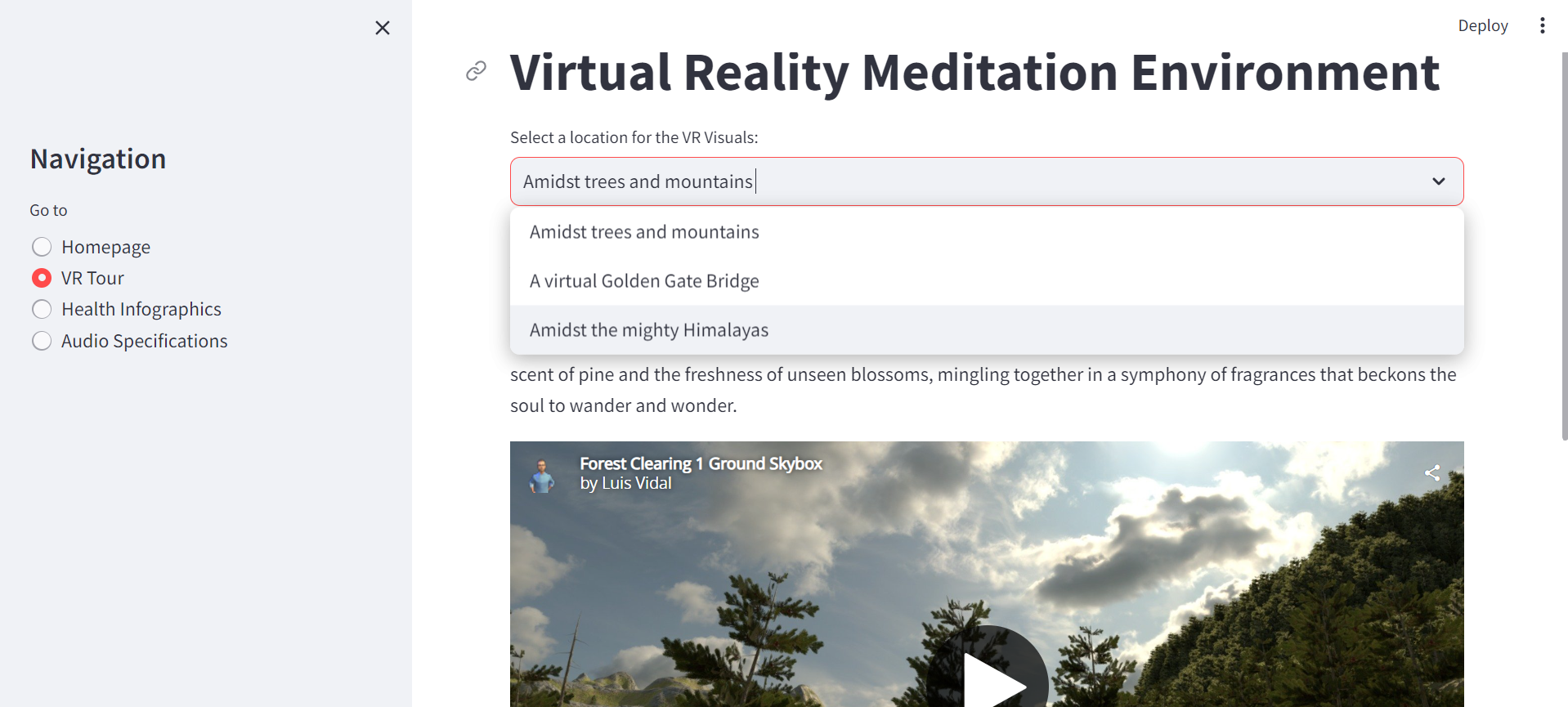
git cloneand deploy using the command:bash streamlit run main.py - To work with the VR, if you posses a Virtual reality headset, go on and relish you meditation session, if not, we have 3D visuals for you!

Future Prospects
Based on the new research associated with temperature control of air at the nostril and infusing light aroma in the air passage, we plan to augment audio - video immersion with olfactory stimulus and cold air stimuli to get a better efficiency in mind - state transmission.

Log in or sign up for Devpost to join the conversation.