-
-
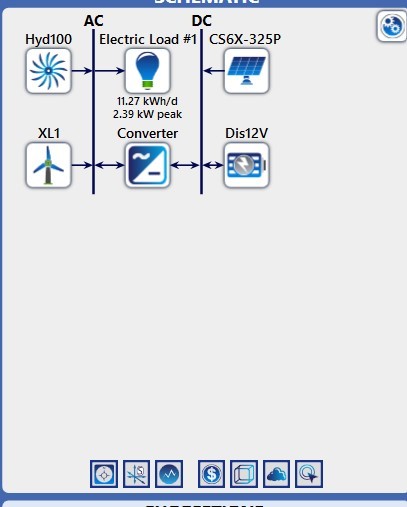
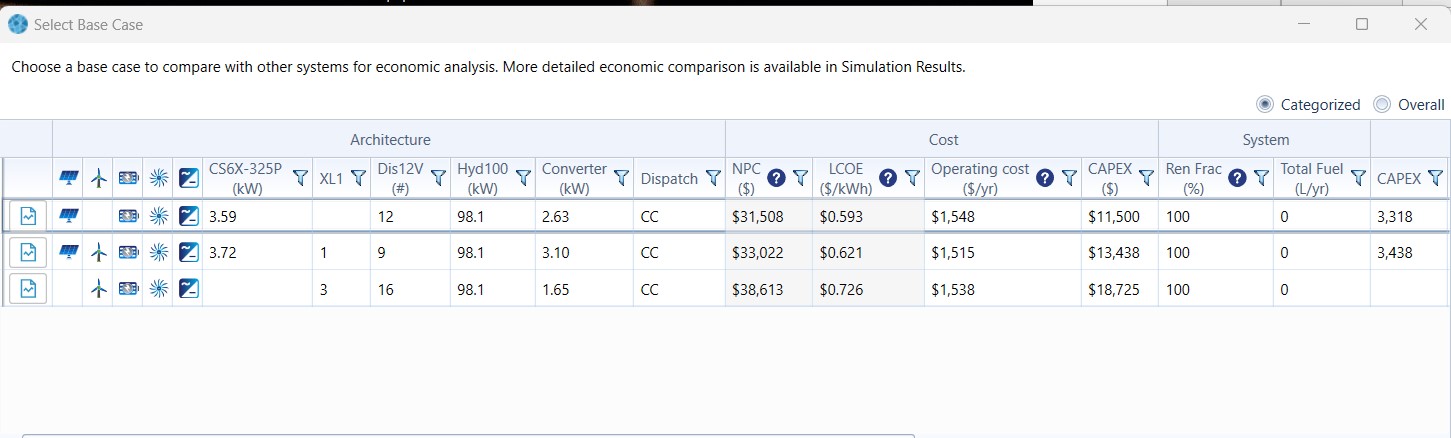
Hybrid renewable energy system.
-
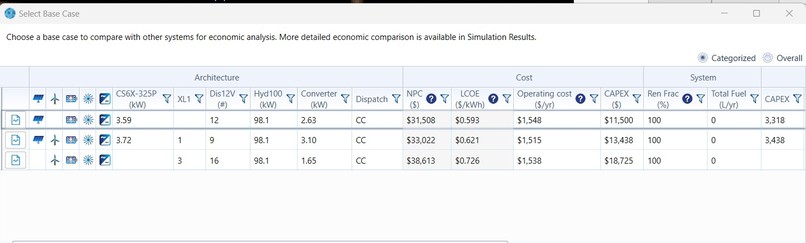
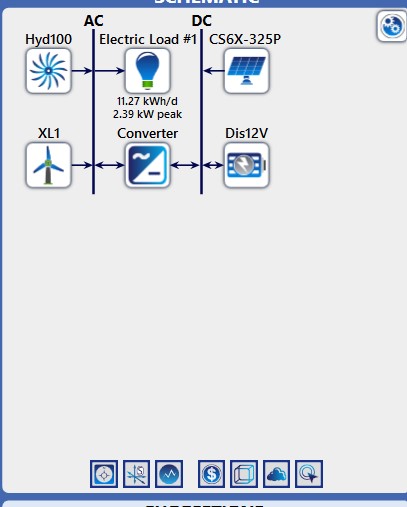
Layout of individual energy systems.
-
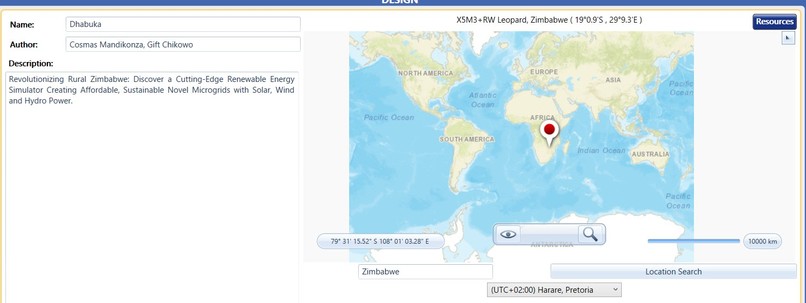
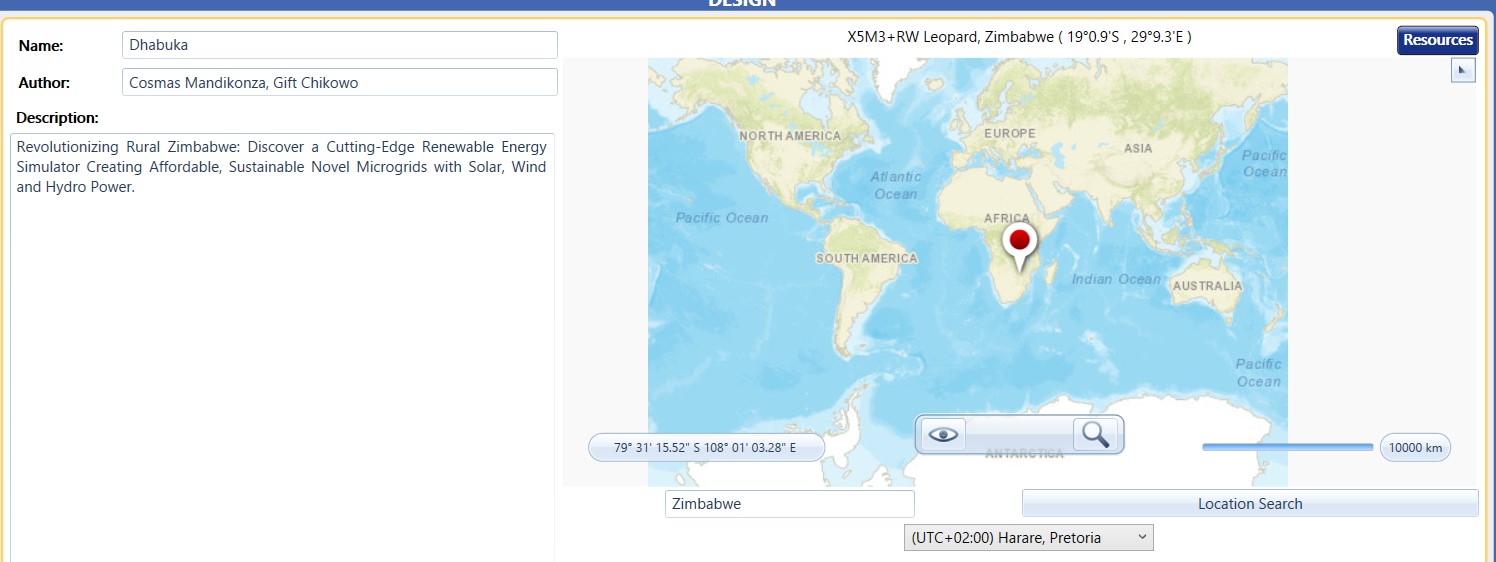
Location of the renewable energy system
-
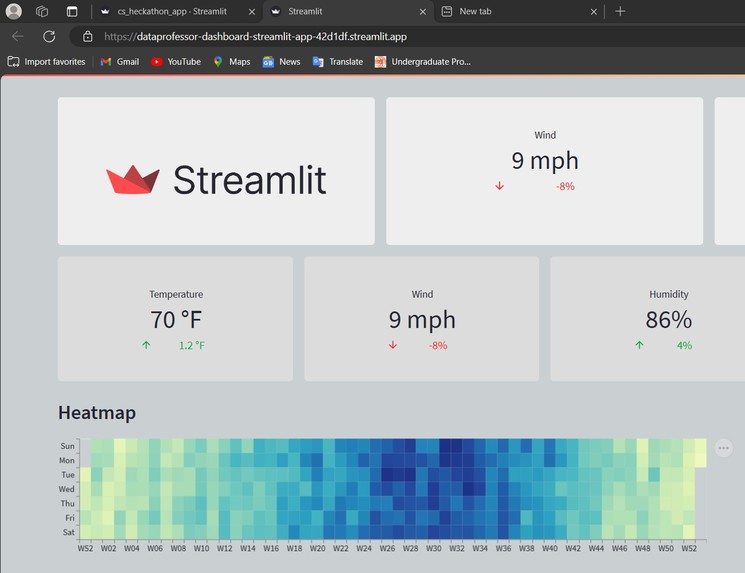
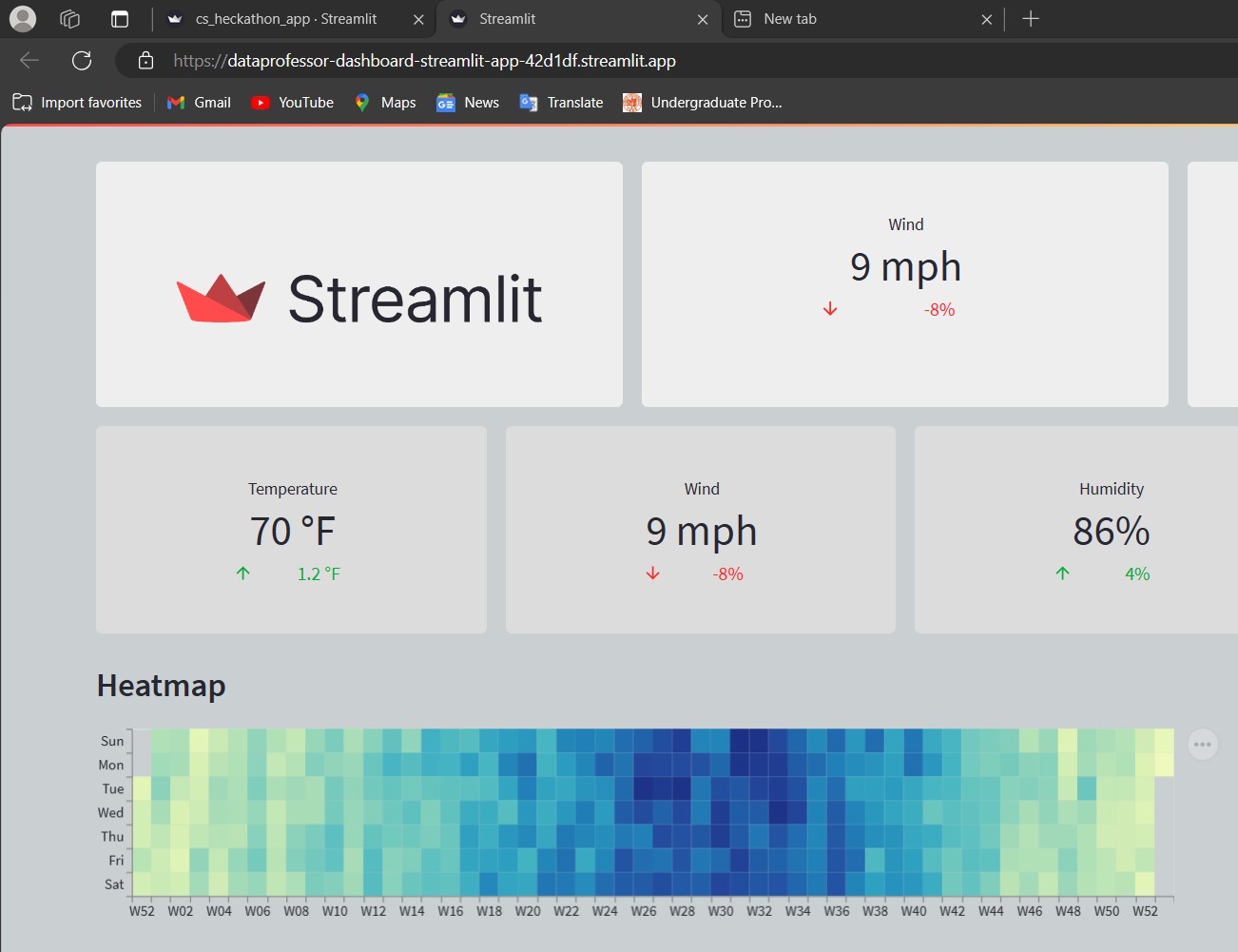
Weather analysis to determine appropriate renewable energy to use.
Inspiration
Growing up in rural Zimbabwe, I witnessed firsthand the hardships faced by communities without reliable access to electricity. My family often relied on kerosene lamps and wood fires, which were not only inefficient but also harmful to our health and environment. This personal experience inspired me to collaboratively seek an environmentally friendly and sustainable solution that could transform the lives of millions. With Zimbabwe's ambitious goal of achieving full electricity coverage by 2030, I saw an opportunity to leverage renewable energy to bring sustainable, affordable power to rural areas.
What it does
Our project is a renewable energy simulator designed for rural area electrification. It enables 91% of rural inhabitants across Zimbabwe to access electrical energy through a hybrid system that leverages renewable energy sources such as solar, wind, and hydro power. By creating cheap microgrids, this simulator helps design and optimize energy systems that are both cost-effective and sustainable, making reliable electricity accessible to underserved communities.
How we built it
To build this project, we conducted a comprehensive techno-economic analysis using HOMER Pro software. This involved:
- Design Parameter Definition: Establishing the technical specifications and economic factors for the hybrid energy system.
- Simulation: Running detailed simulations to optimize the energy production and cost efficiency of the system.
- Optimization: Using HOMER Pro’s optimizer to evaluate various configurations and identify the most efficient and cost-effective solution.
Additionally, we created a weather analysis app using Streamlit to enhance the accuracy and reliability of our energy simulations. The development process included:
- Data Acquisition and Integration: We sourced real-time weather data from multiple reliable APIs to ensure comprehensive coverage. This data included parameters such as solar irradiance, wind speed, and temperature.
- App Development: Using Python and the Streamlit library, we built an interactive web application that dynamically displays weather data. Streamlit allowed us to create a user-friendly interface quickly and efficiently.
- Data Processing and Analysis: We implemented data processing algorithms in Python to clean and analyze the incoming weather data. This involved handling missing values, smoothing data, and generating statistical summaries to ensure accuracy.
- System Integration: We integrated the processed weather data with our HOMER Pro simulations. By using Pythons Pandas library and HOMER’s API, we enabled real-time adjustments to the hybrid system models based on current weather conditions, ensuring optimal performance. ## Challenges we ran into
Throughout the project, we encountered several challenges:
- Data Availability: Accessing accurate and up-to-date weather data for rural Zimbabwe was initially difficult. We had to integrate multiple data sources to ensure reliability.
- Technical Integration: Combining the outputs of HOMER Pro with real-time data from the Streamlit app required meticulous attention to detail and a deep understanding of both platforms.
- Community Engagement: Ensuring that the proposed solution would be accepted and maintained by rural communities involved extensive outreach and education efforts.
Accomplishments that we're proud of
We are proud to have developed a solution that not only addresses the immediate energy needs of rural communities but also promotes long-term sustainability. Our simulator's ability to optimize hybrid energy systems and our weather analysis app's real-time data integration are significant achievements. Additionally, the positive feedback and engagement from the communities we aim to serve have been incredibly rewarding.
What we learned
Through this project, we learned the immense potential of renewable energy to revolutionize rural electrification. We discovered that combining different forms of renewable energy into a hybrid system could create robust and cost-effective microgrids. This approach not only provides reliable electricity but also promotes environmental sustainability and economic development in rural communities.
What's next for Dhabuka
Looking ahead, we plan to expand the capabilities of our simulator to include more advanced predictive analytics and machine learning algorithms for even greater optimization. We aim to collaborate with local governments and international organizations to implement our solutions on a larger scale. Additionally, we are exploring opportunities to adapt our technology for use in other regions with similar electrification challenges, ultimately striving to make sustainable energy accessible to all.

Log in or sign up for Devpost to join the conversation.