1. Inspiration:
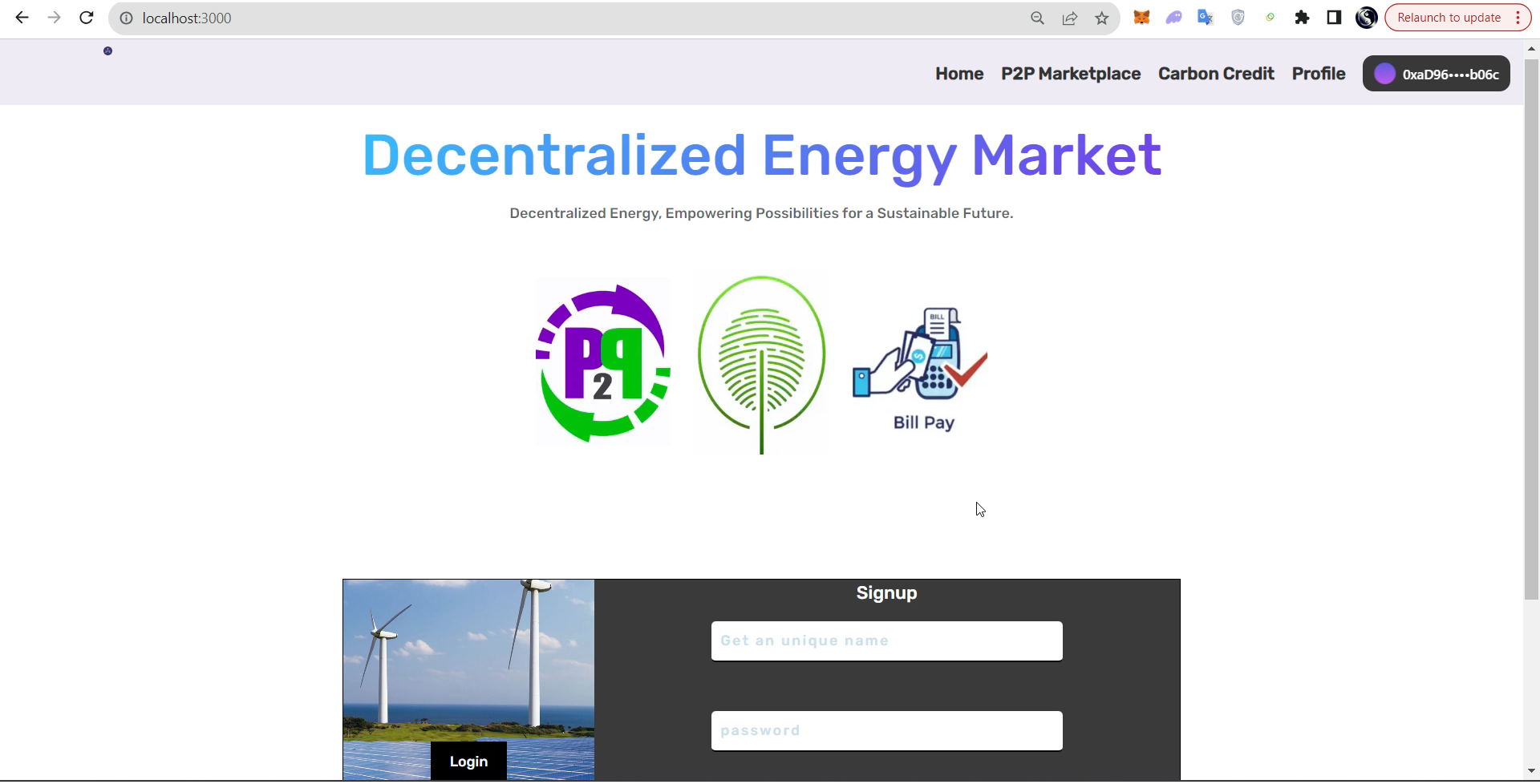
The inspiration behind the Dezentralized Energy Marketplace stems from the urgent need to address climate change and promote sustainable practices. With governments globally implementing measures to reduce carbon emissions, our project aims to contribute to these efforts through a decentralized approach. By combining peer-to-peer energy exchange, carbon credit trading, and cryptocurrency payments, we provide a comprehensive solution to environmental challenges.
2. What it does:
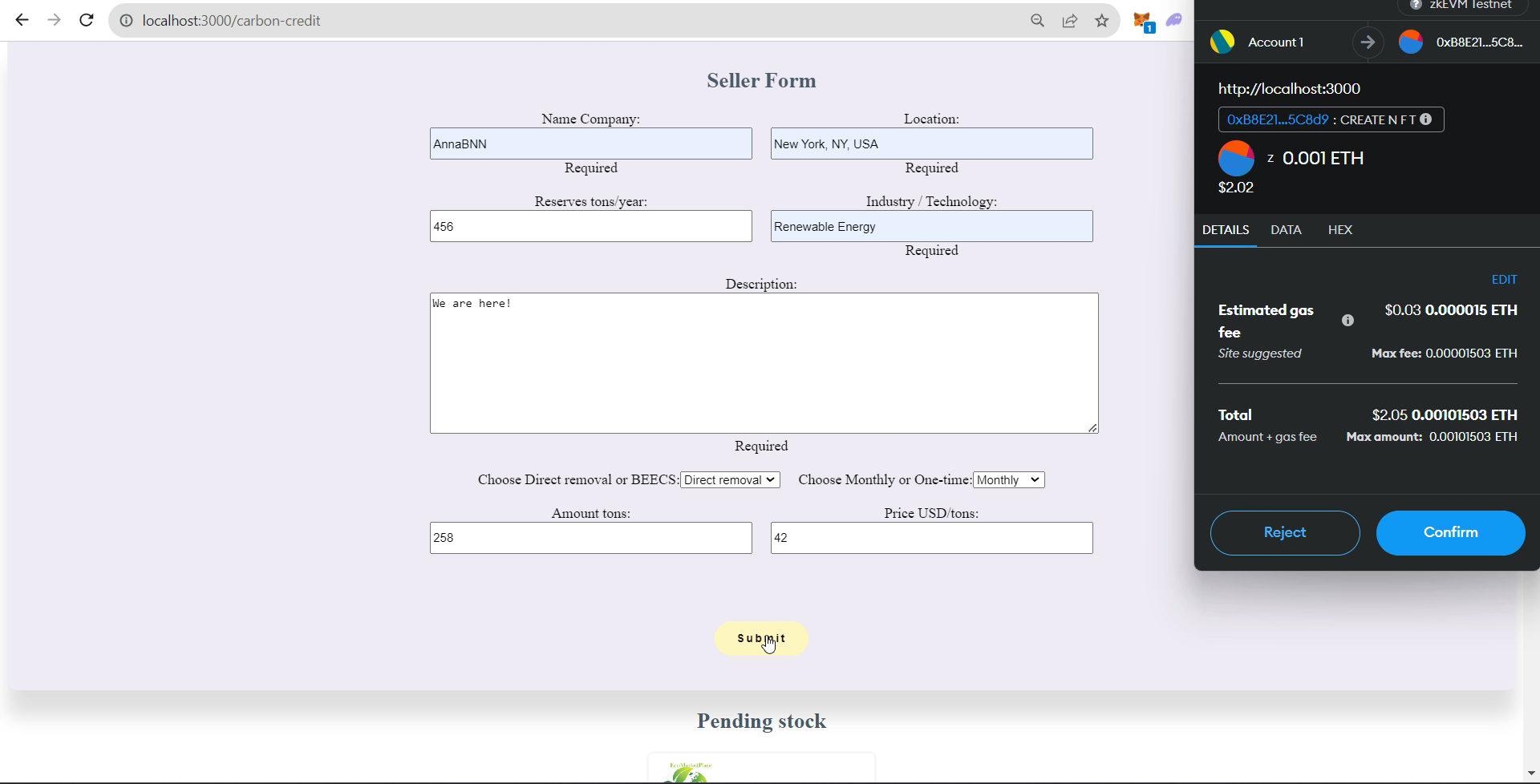
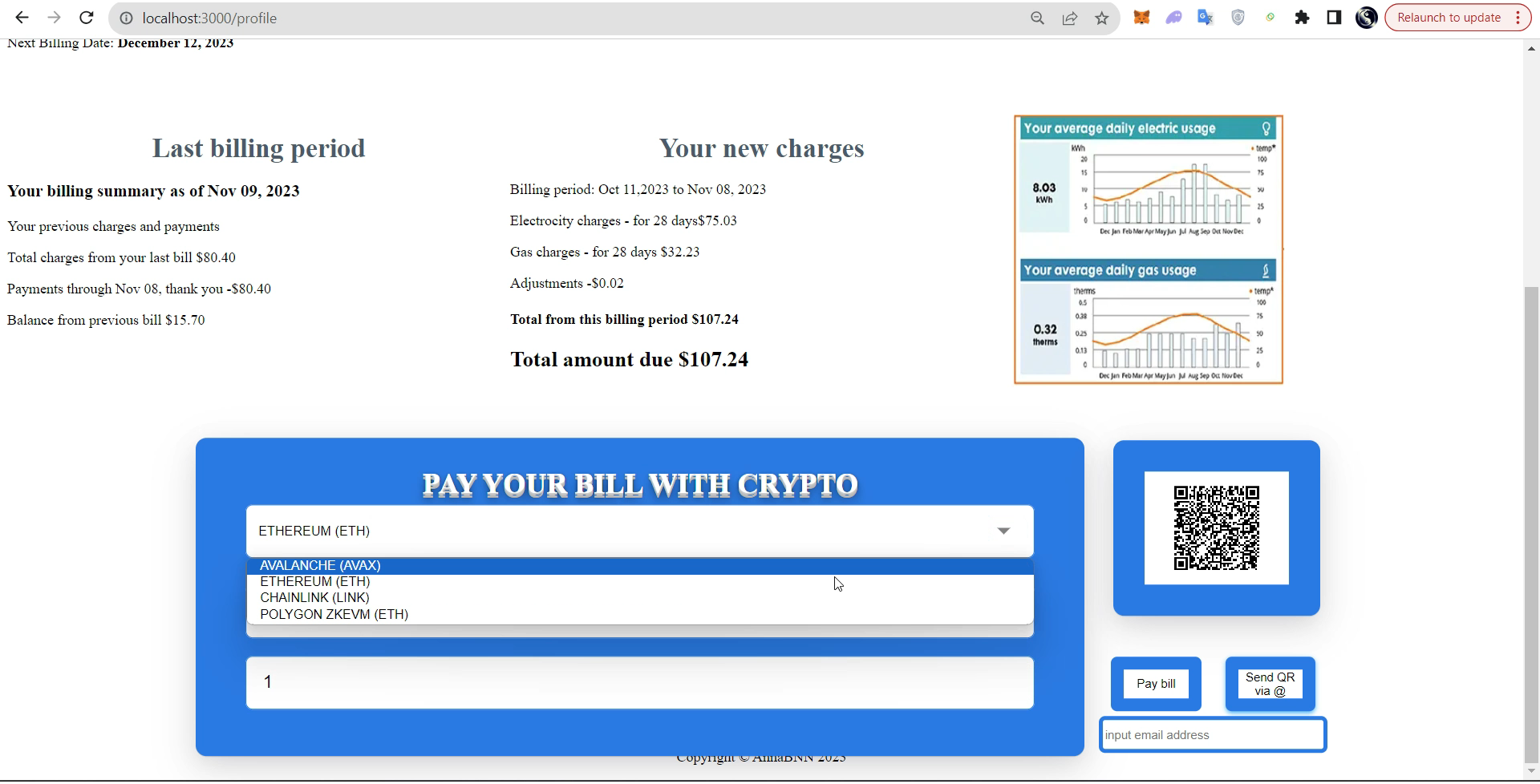
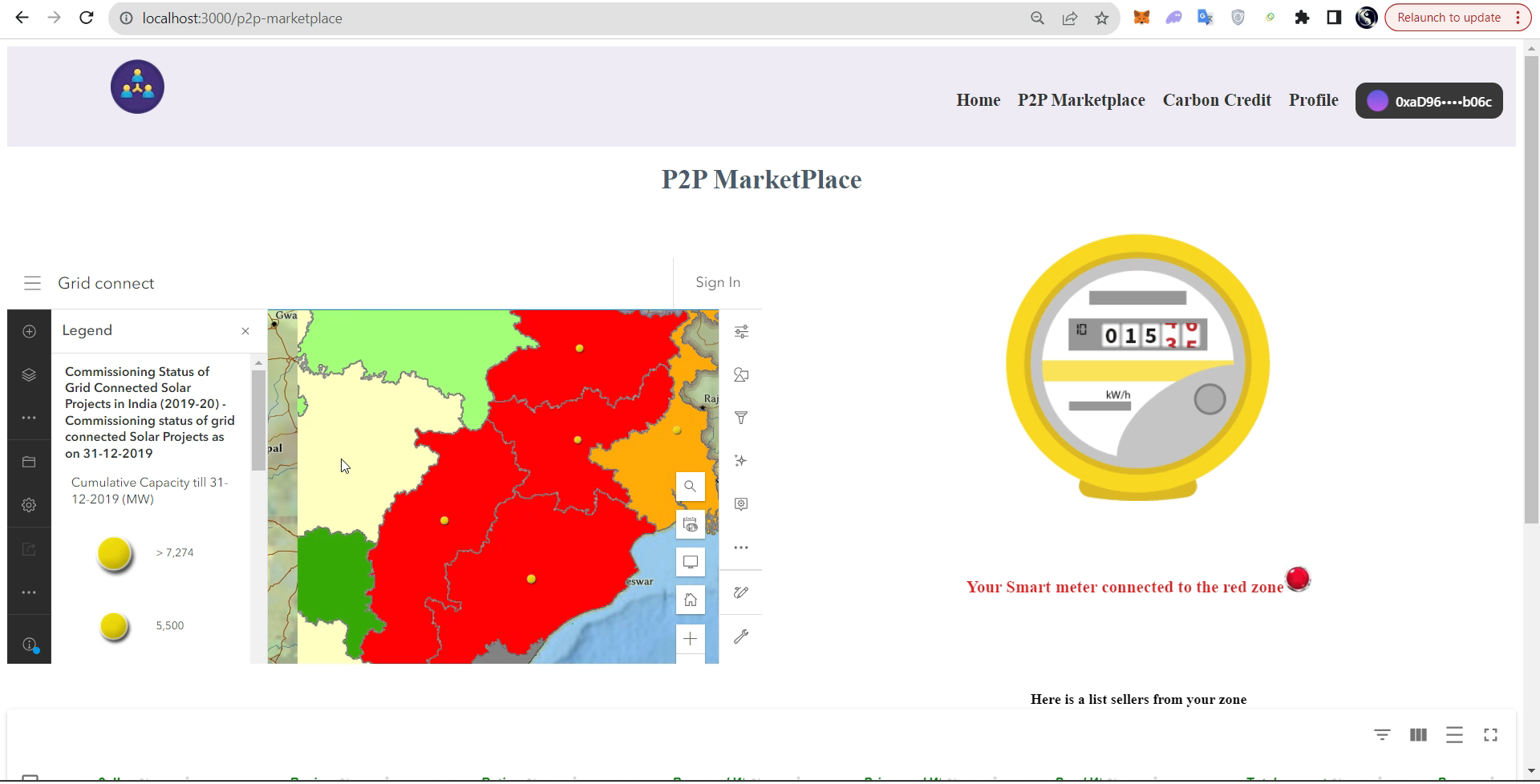
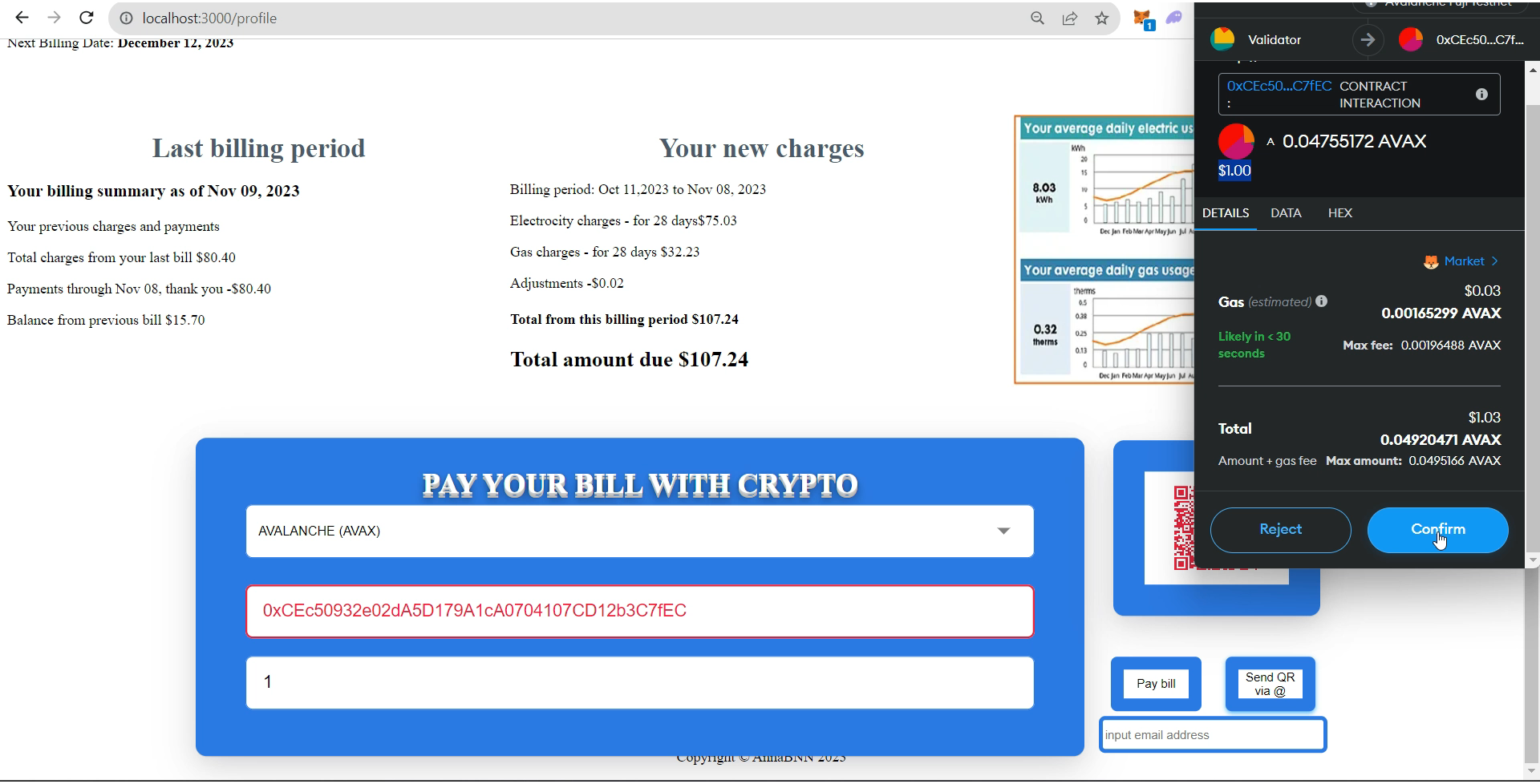
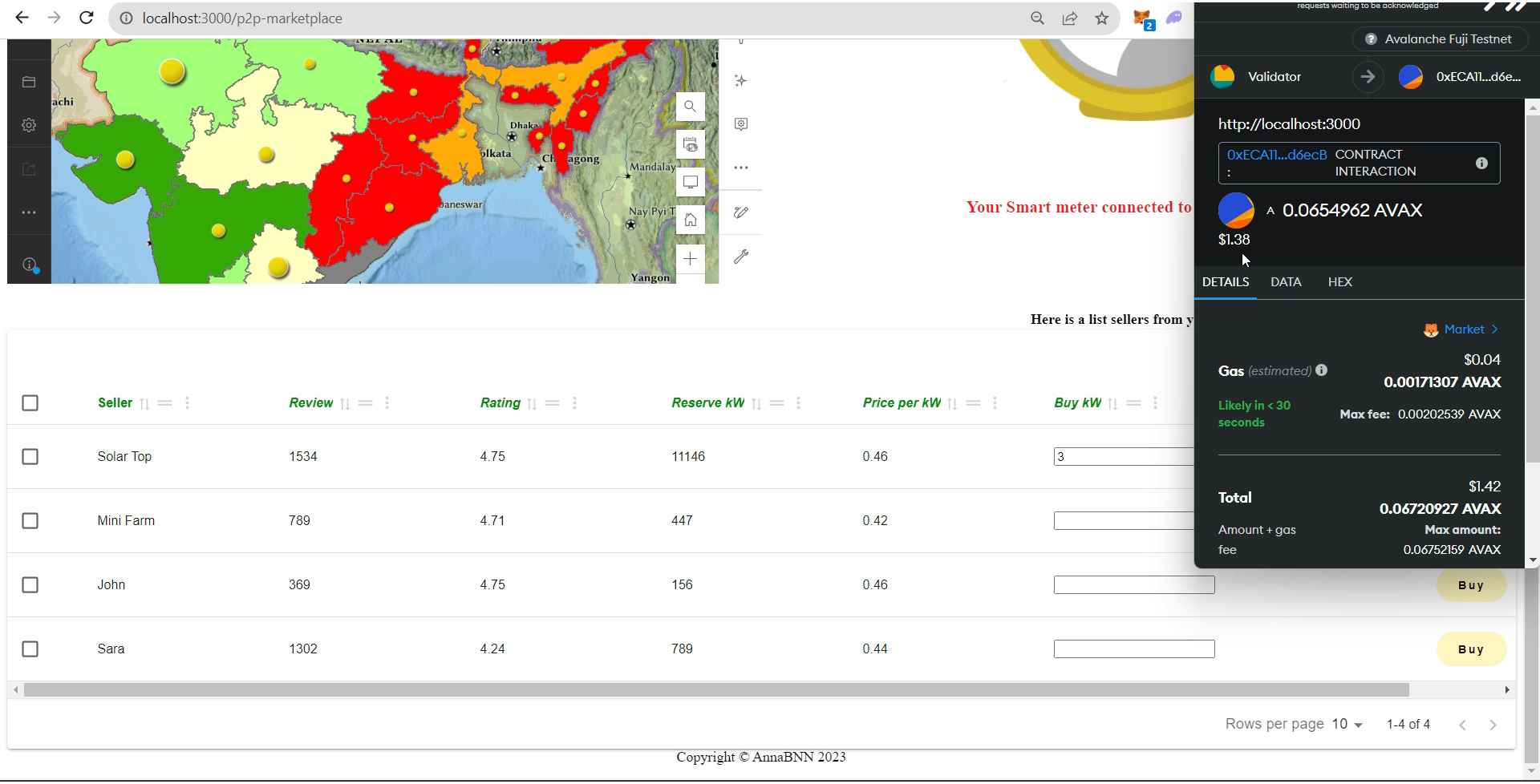
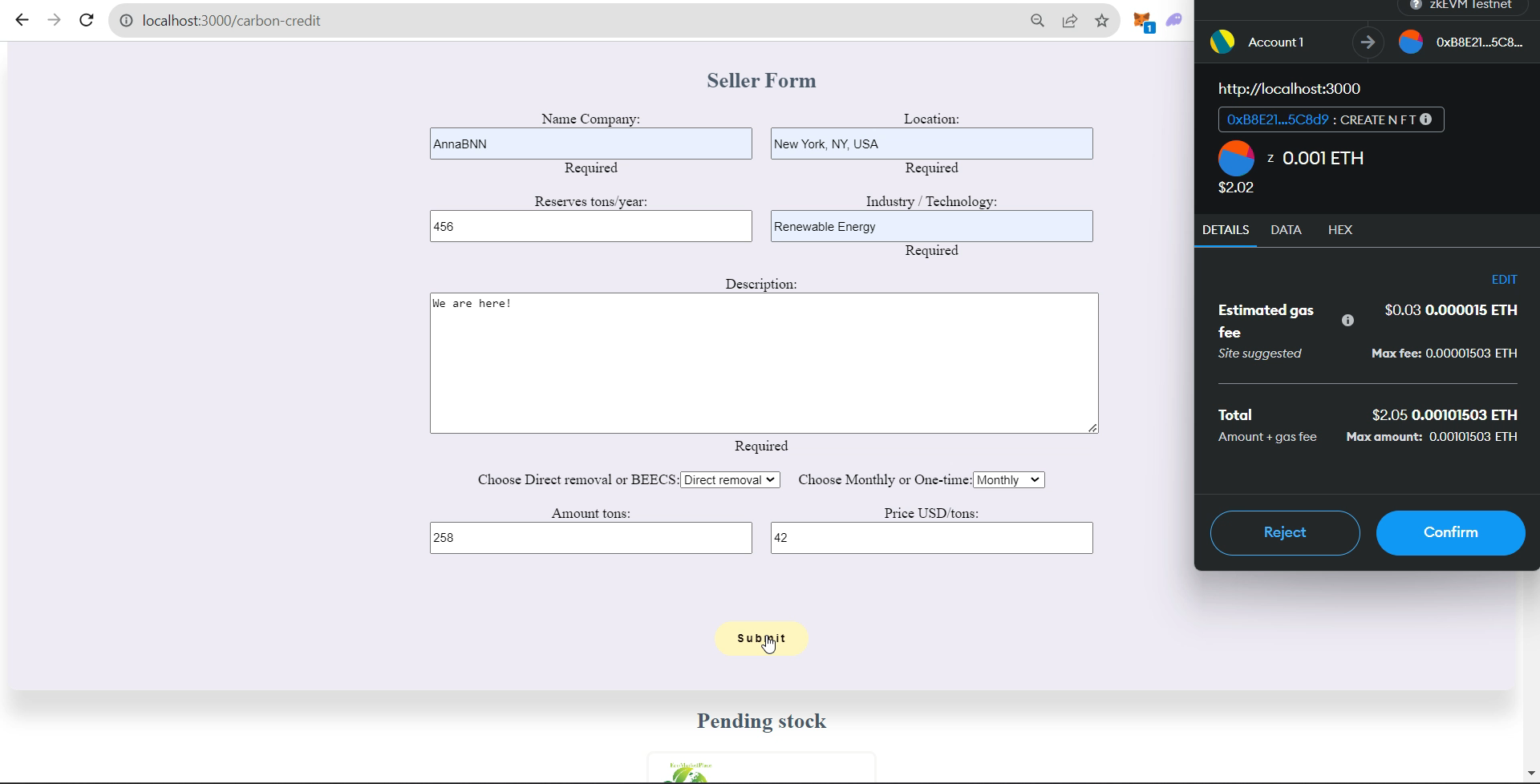
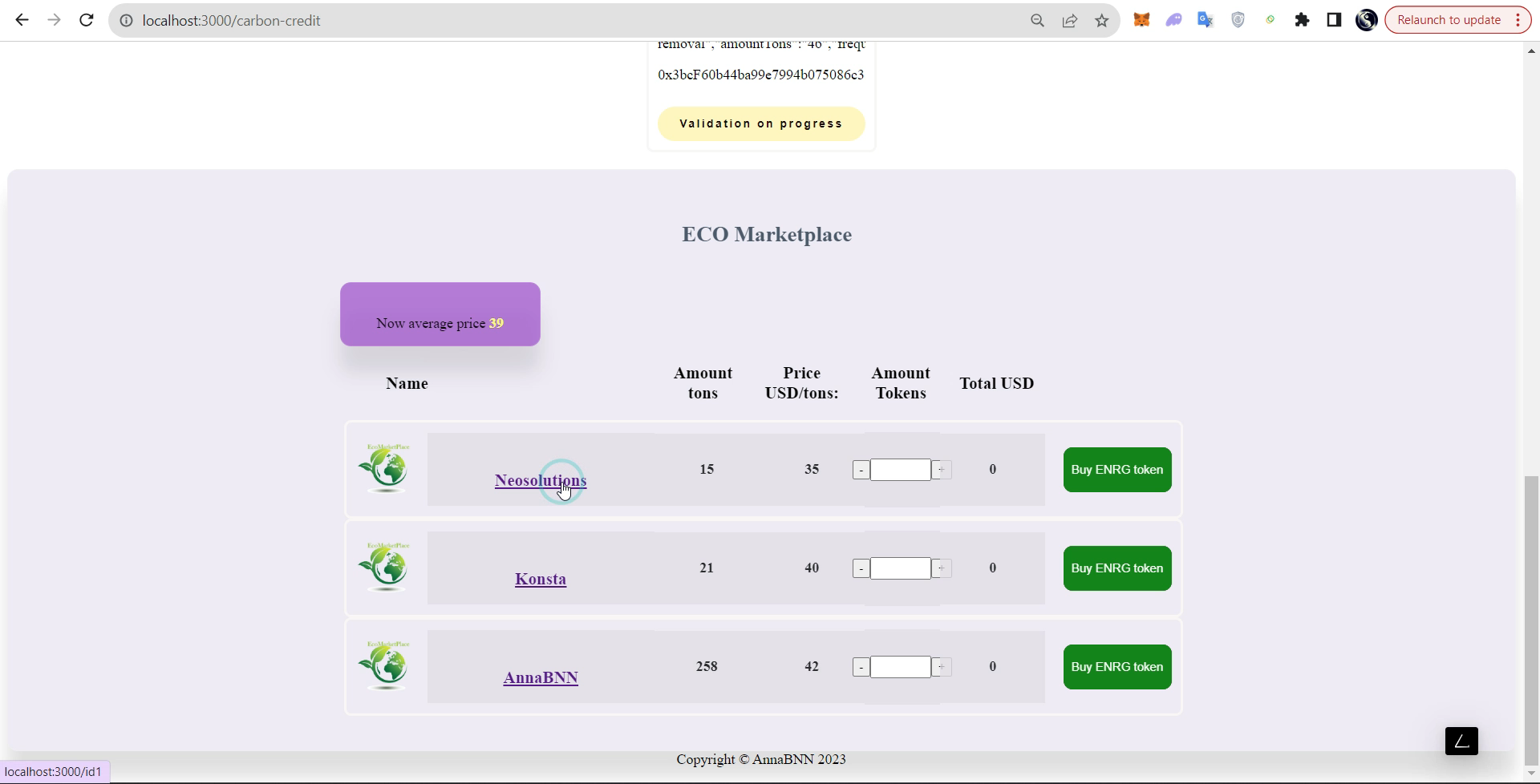
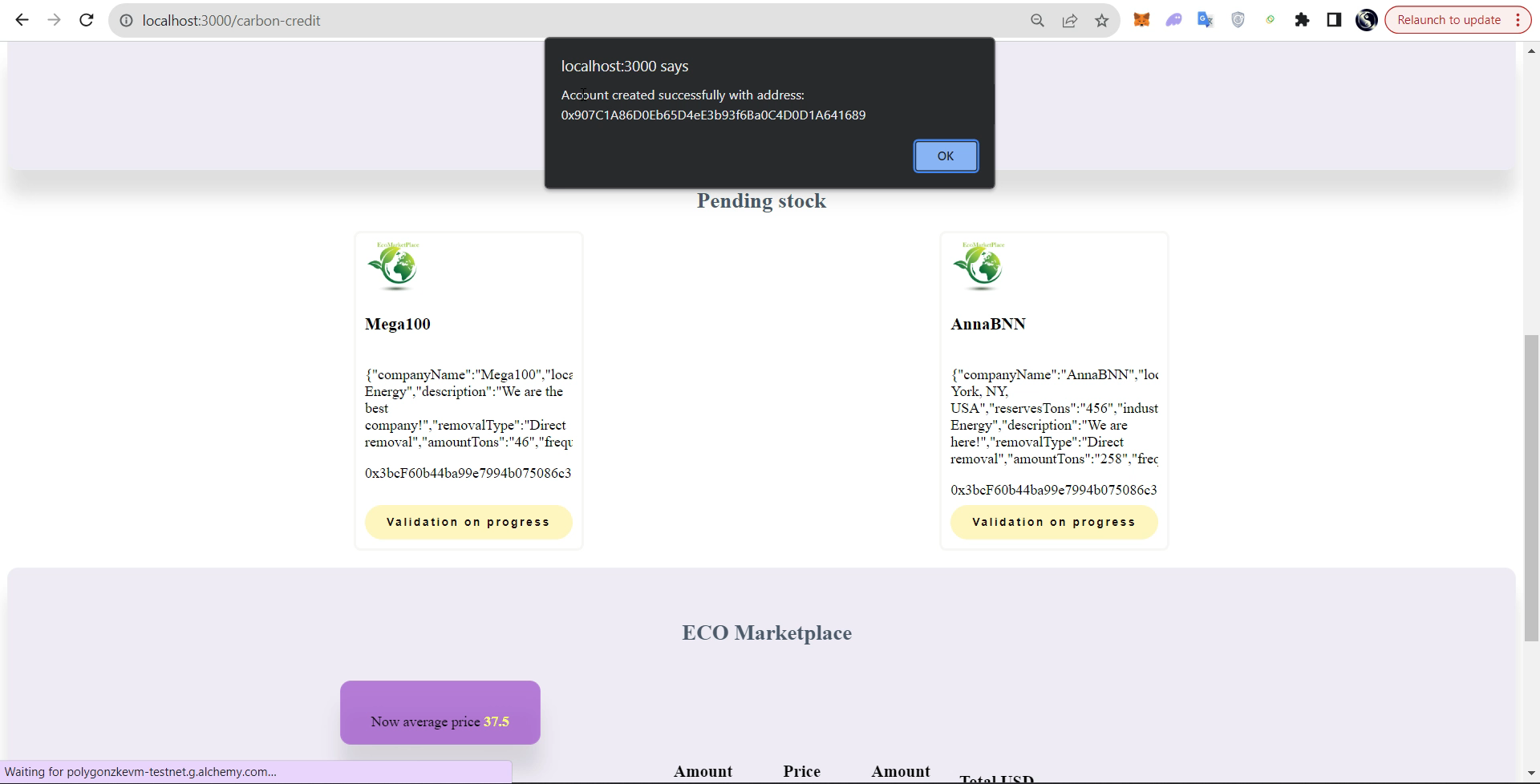
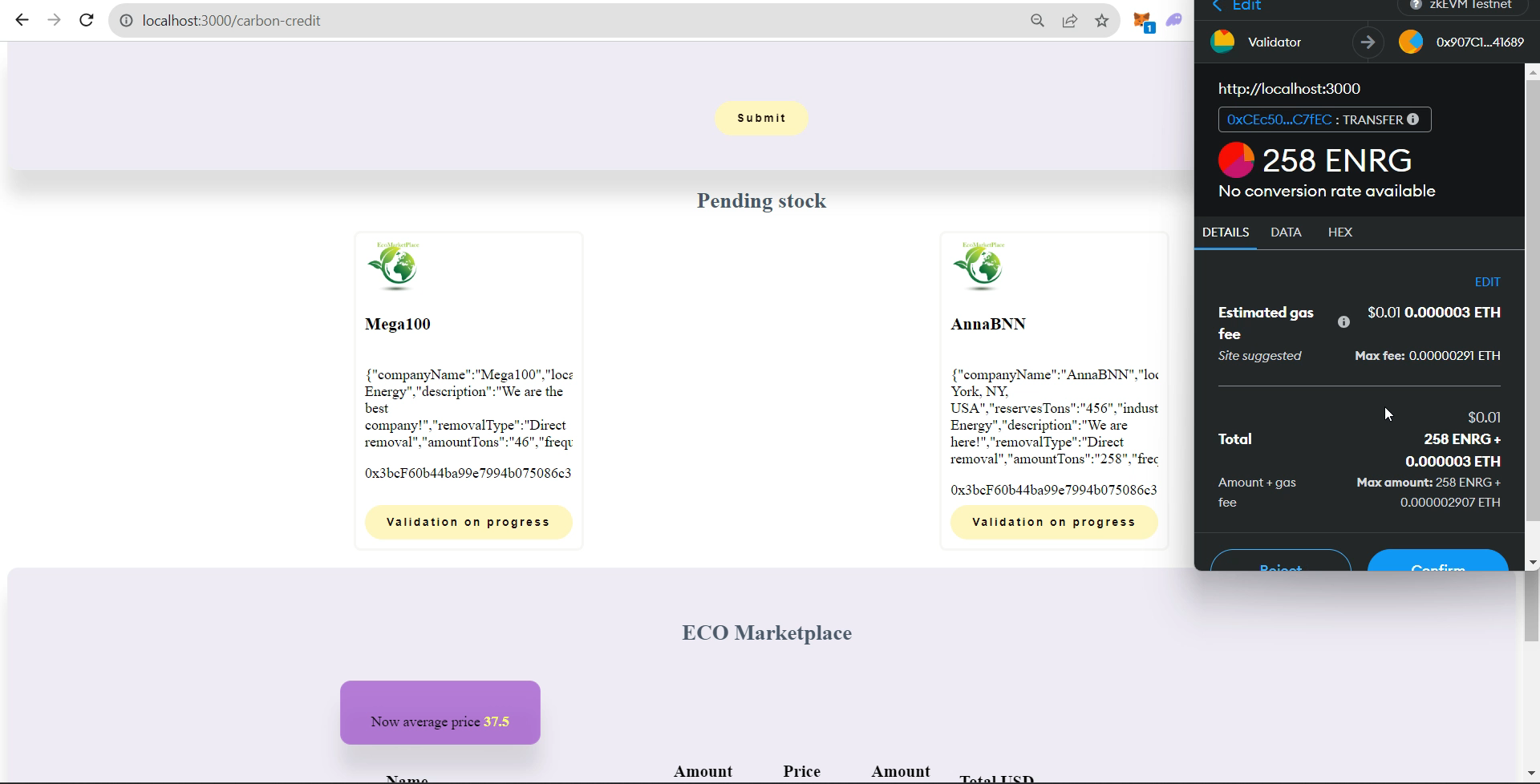
The Dezentralized Energy Marketplace serves as a multifaceted platform. It facilitates peer-to-peer energy exchange, allowing users to buy and sell surplus renewable energy. Additionally, it functions as a carbon credit trading platform on the Polygon ZKevm blockchain, enabling the issuance and exchange of ENRG Tokens for verified emission reduction projects. The platform also supports cryptocurrency payments for energy bills, promoting the use of blockchain technology for financial transactions within the energy sector.
3. How we built it:
Built on Next.js, our decentralized marketplace utilizes various technologies, including Alchemy SDK, arcgis-js-api, connectkit, MongoDB, multicoin-address-validator, qrcode.react, TypeScript, openzeppelin/contracts, and Chainlink oracle Data Feed. This robust tech stack enables secure and efficient operations, from handling payments in different cryptocurrencies to creating NFT profiles for sellers on the Avalanche and Polygon ZKevm blockchains.
4. Challenges we ran into:
Developing a decentralized energy marketplace posed several challenges, including ensuring the security of financial transactions, integrating diverse blockchain technologies seamlessly, and creating a user-friendly interface. Overcoming these challenges required collaborative efforts and innovative solutions, especially when dealing with the intricacies of carbon credit validation and the conversion of fiat to cryptocurrency within smart contracts.
5. Accomplishments that we're proud of:
We take pride in successfully implementing a peer-to-peer energy exchange, a carbon credit trading platform, and cryptocurrency payment solutions within a single decentralized ecosystem. The creation of NFT profiles on the Polygon ZKevm blockchain adds an extra layer of security and immutability to seller information. Furthermore, the integration of Chainlink oracle Data Feed ensures accurate and real-time cryptocurrency exchange rates.
6. What we learned:
The development of the Dezentralized Energy Marketplace taught us valuable lessons in handling complex financial transactions on the blockchain, creating and managing NFTs, and integrating various APIs for mapping and payment processing. We gained insights into the challenges of promoting green energy and carbon credit trading in a decentralized environment, contributing to our continuous learning in the blockchain and sustainable technology space.
7. What's next for Dezentralized Energy Marketplace:
Moving forward, we envision expanding the marketplace's reach and impact. This includes fostering partnerships with renewable energy providers, enhancing user experience through feedback, and exploring additional blockchain integrations. Continuous updates and improvements will ensure that the Dezentralized Energy Marketplace remains at the forefront of decentralized, sustainable energy solutions.
Built With
- arcgis-js-api
- avalanche
- blockchain
- chainlink
- data
- hardhat
- mongodb
- nextjs
- nextui
- nftstorage
- node.js
- openzeppelin
- oracle
- polygon
- remix
- solidity
- typescript
- zkevm


Log in or sign up for Devpost to join the conversation.