


Inspiration
As devices become more and more prevalent, students are spending an increasing time staring at their devices, and forgetting to properly hydrate. Studies have shown that over 40% of students are underhydrated, and as hydration levels decreased, students were more likely to suffer from tiredness, headaches and obesity.
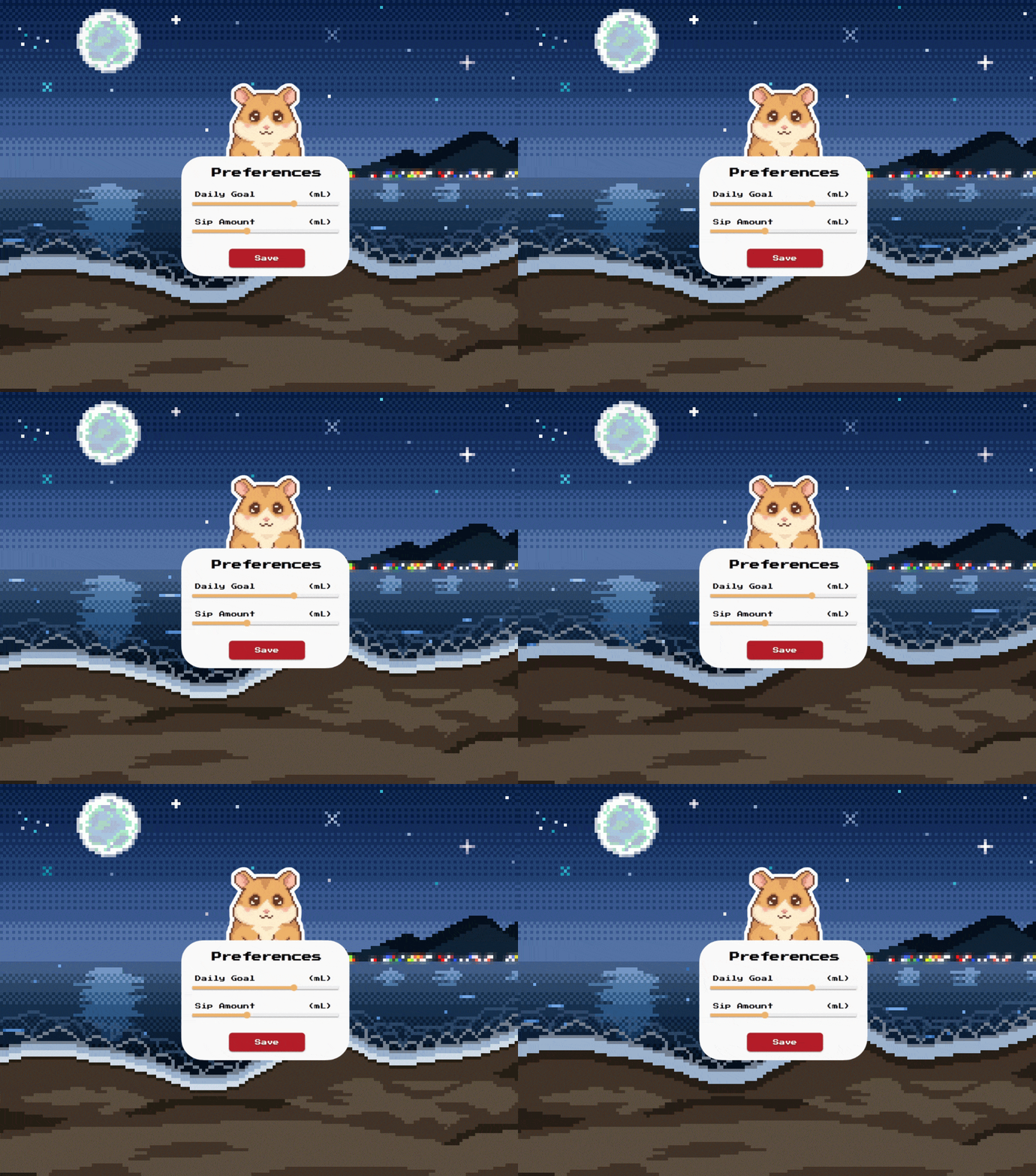
Students that use Dew are encouraged to take care of Dewey the Hydration Hamster, whose needs are carefully configured to the user in order to achieve their weight loss goals, boost their concentration, and improve their overall health!
What it does
Dew is a cute desktop companion that sits on your screen as you go about your day. As with any pet, Dewey's basic hydration needs must be met for his wellbeing. When Dewey is thirsty, he gets grumpy, encouraging the user to hydrate to make him happy again. We have taken particular care to ensure Dewey does not irritate the user, easily allowing for moving him around the screen and ensuring that he is integrated seamlessly into the user's work or home environment by minimising amount of user interaction required.
How we built it
We built the project using python, utilising generative ai to generate visuals and increase workflow. We also used the native tkinter and datetime libraries to create the graphical user interface.
Challenges we ran into
More consideration should have gone into the initial construction of our codebase. Because of our lack of consideration with our file system and object oriented structure, refactoring was necessary in order to improve scalability.
Accomplishments that we're proud of
The design of the codebase turned out well, with highly scalable and intuitive code. Additionally, our team applied the waterfall model, leading to a very streamlined and efficient workflow according to our concept sketches.
What we learned
A significant amount of research was put into deciding on the project idea, highlighting to our team the importance of keeping a regular routine. Additionally, since much of our team is fairly new to programming, and this was their first experience with Python, there were certain semantic hurdles that had to be learned about Python in particular. Our more experienced members were also able to provide plenty of learning opportunities about design practices, while our less experienced members were able to provide unique insight into unique problems and solutions.
What's next for Dew
While initially for the competition, our team has larger ambitions to improve and maintain Dew. Because of our use of the object oriented paradigm, we are able to implement new behaviours for Dewey with relative ease. As we are targeting a student demographic, our next goal is to provide encouragement for a regular meal schedule, as students tend to skip meals, disrupting their circadian rhythm and compounding with lost sleep. Additionally, we have already researched about the effects of regular hydration, meals, and sleep in tandem, and are planning to implement more nuanced behaviours such as hydration reminders thirty minutes before meals, as this can improve digestion and reduce weight gain.
Built With
- lucidchart
- python
- tkinter
- windows


Log in or sign up for Devpost to join the conversation.