-
-

Icon
-
-
-
-
-
-
-
-
-

Inspiration
As an engineering student and developer, I realized that no one builds great software alone.
Modern products are created through collaboration between frontend developers, backend developers, mobile developers, designers, AI engineers, DevOps engineers, and many other specialists. The challenge isn't always having a good idea, it's finding the right people to build it with.
Too many promising projects never move beyond a notebook because their creators can't find collaborators who share the same vision.
Existing tools each solve part of the problem.
GitHub hosts code. Discord enables communication. Notion organizes documentation.
However, there isn't a platform built specifically around helping developers discover projects, form teams, collaborate in real time, and receive intelligent guidance throughout the development lifecycle.
That realization inspired me to build DevSphere.
What it does
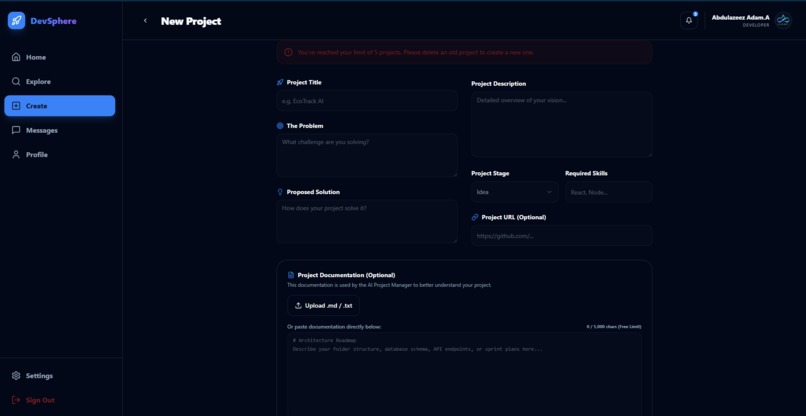
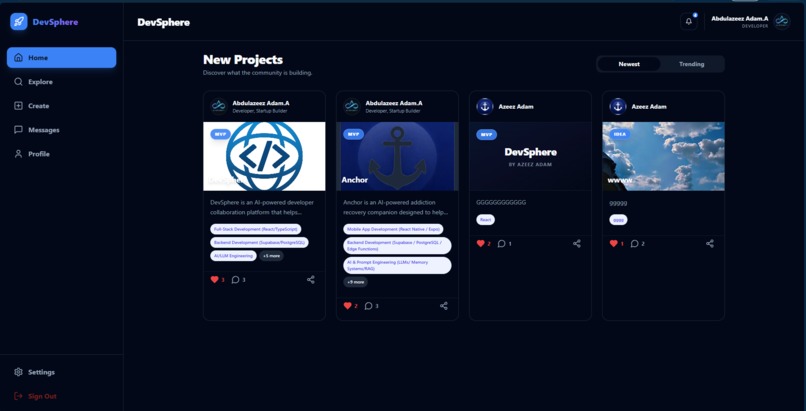
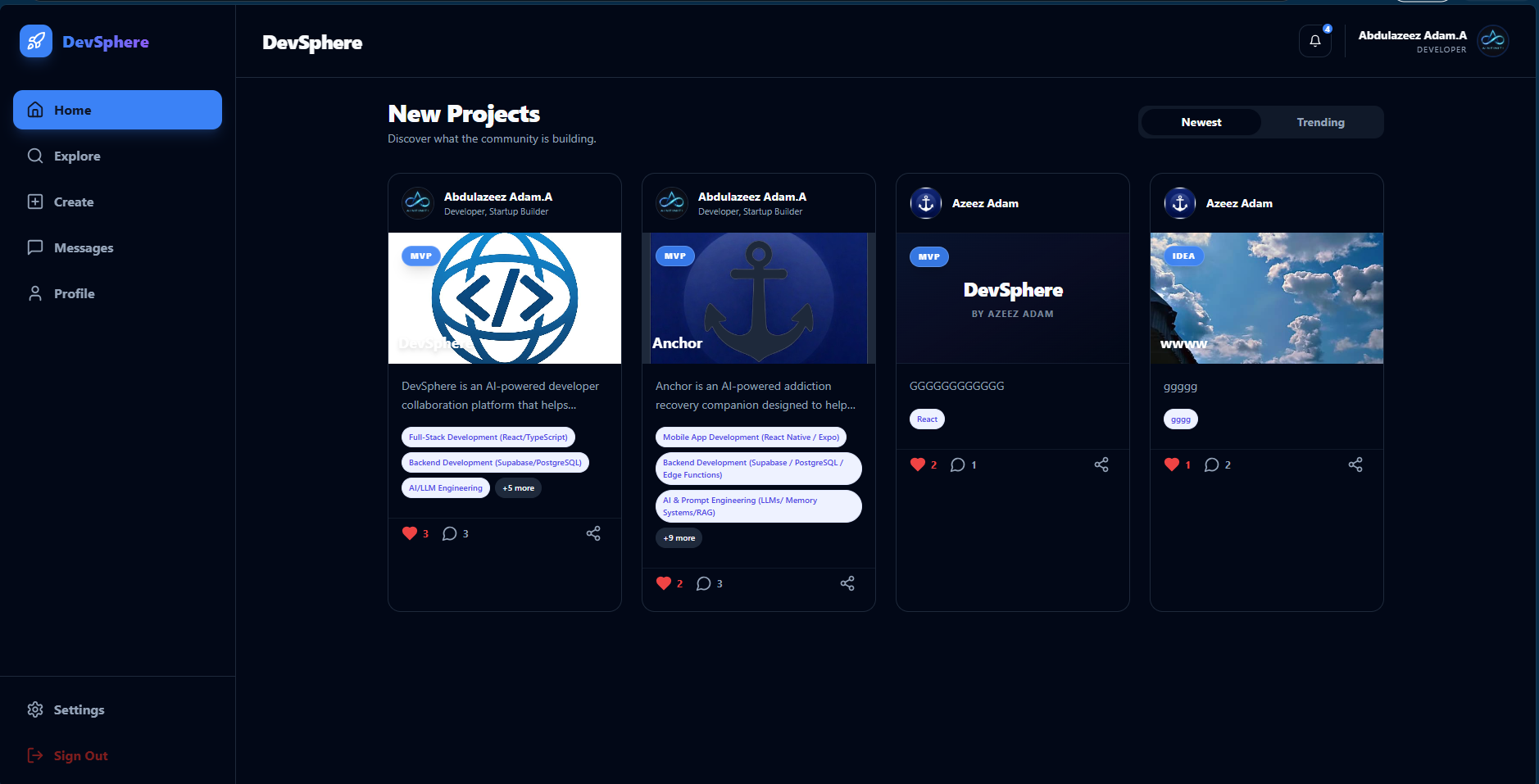
DevSphere is an AI-powered developer collaboration platform that helps developers discover projects, build teams, and ship products together.
Developers can:
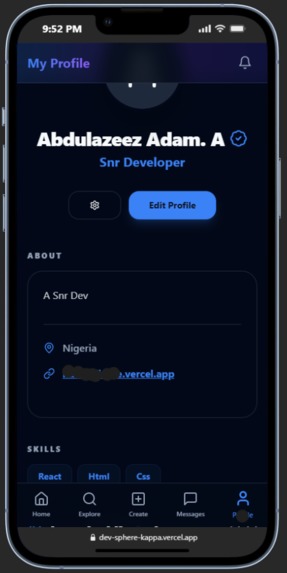
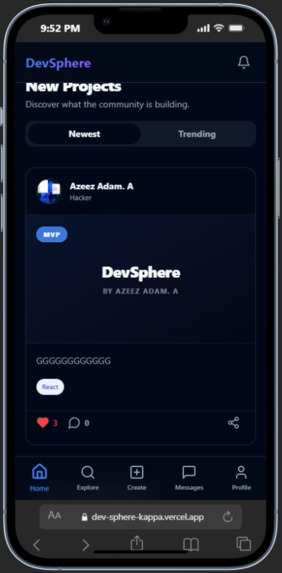
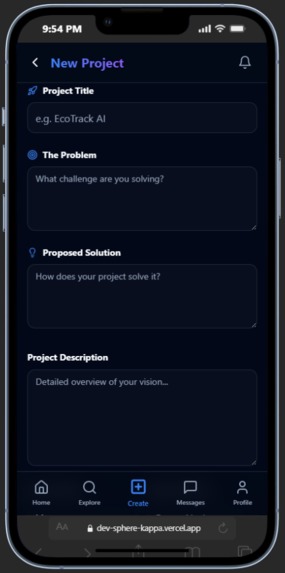
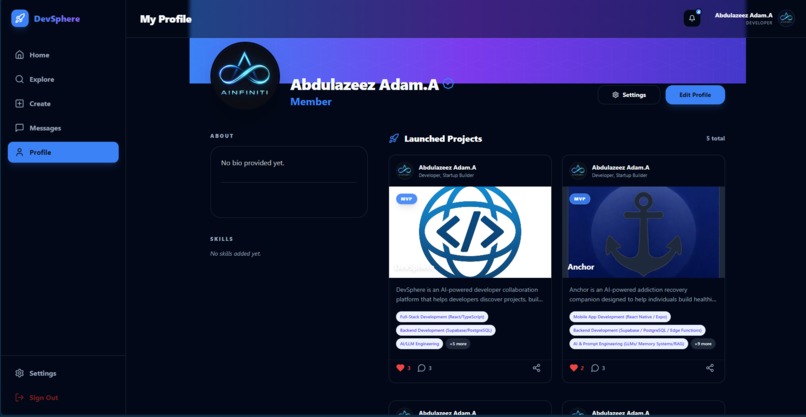
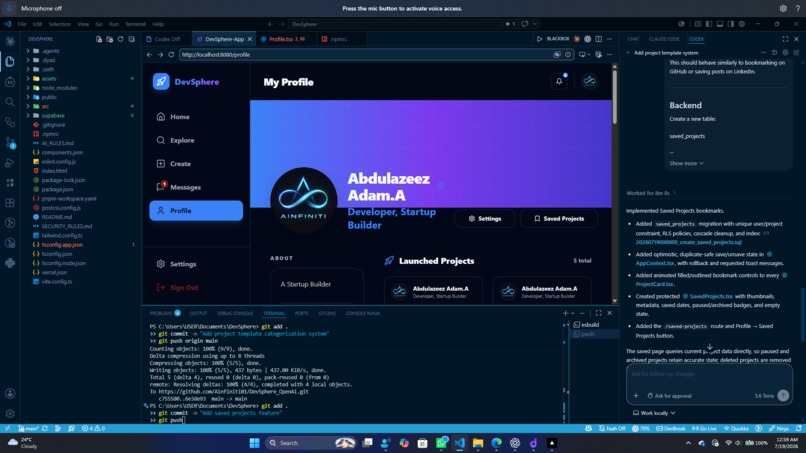
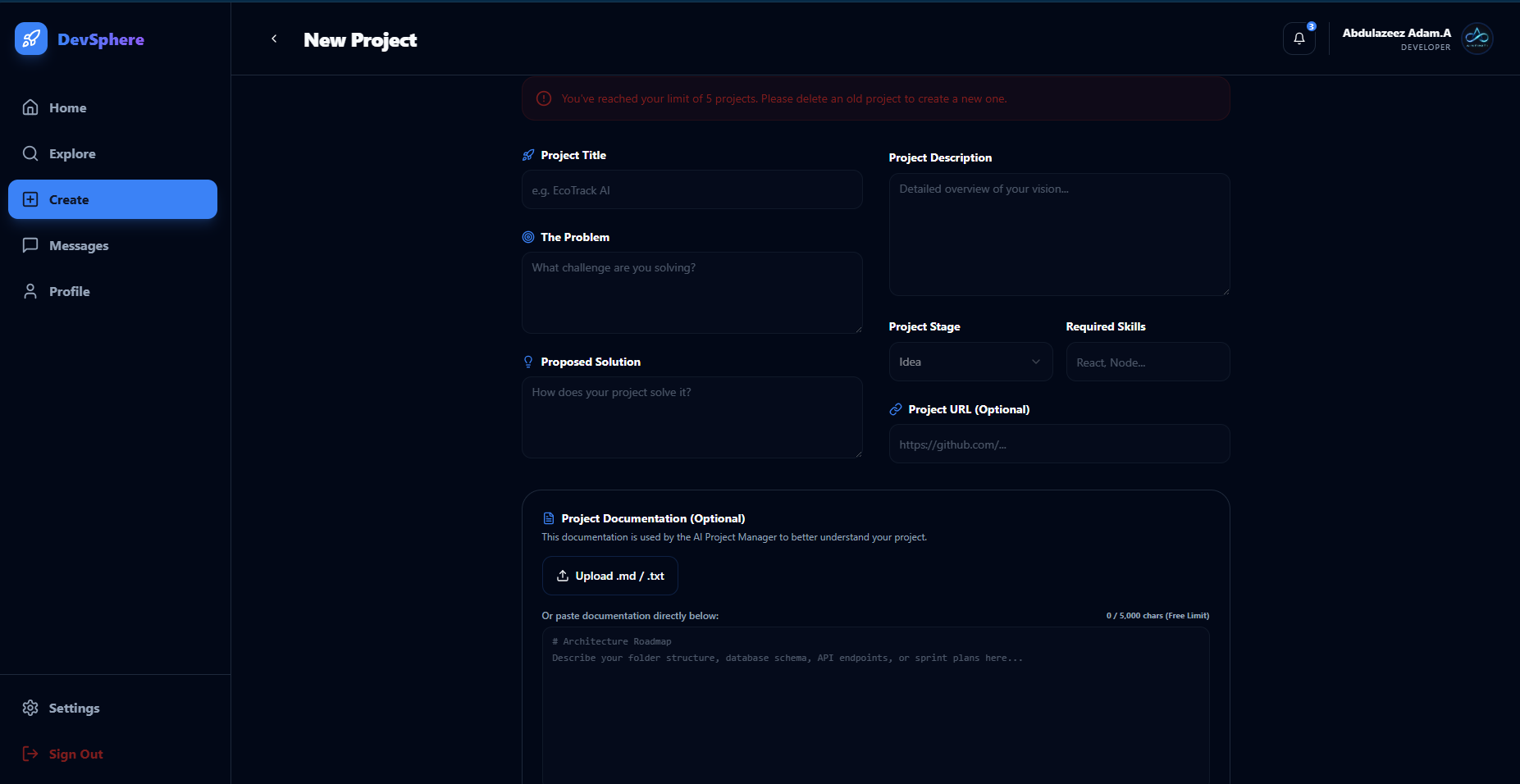
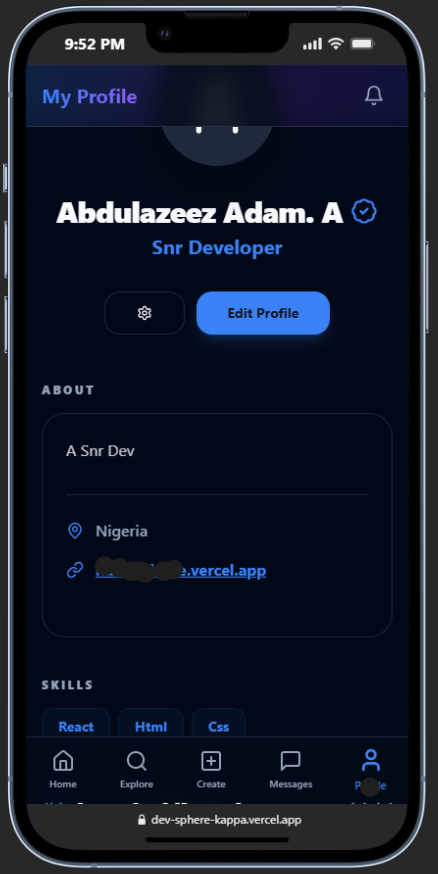
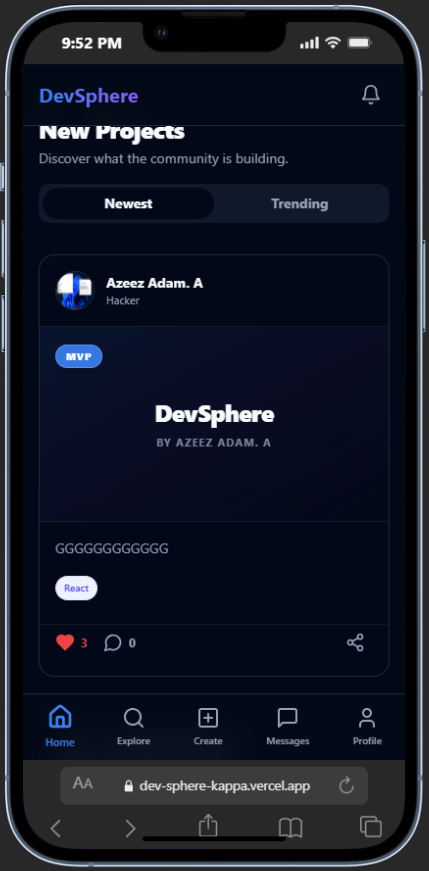
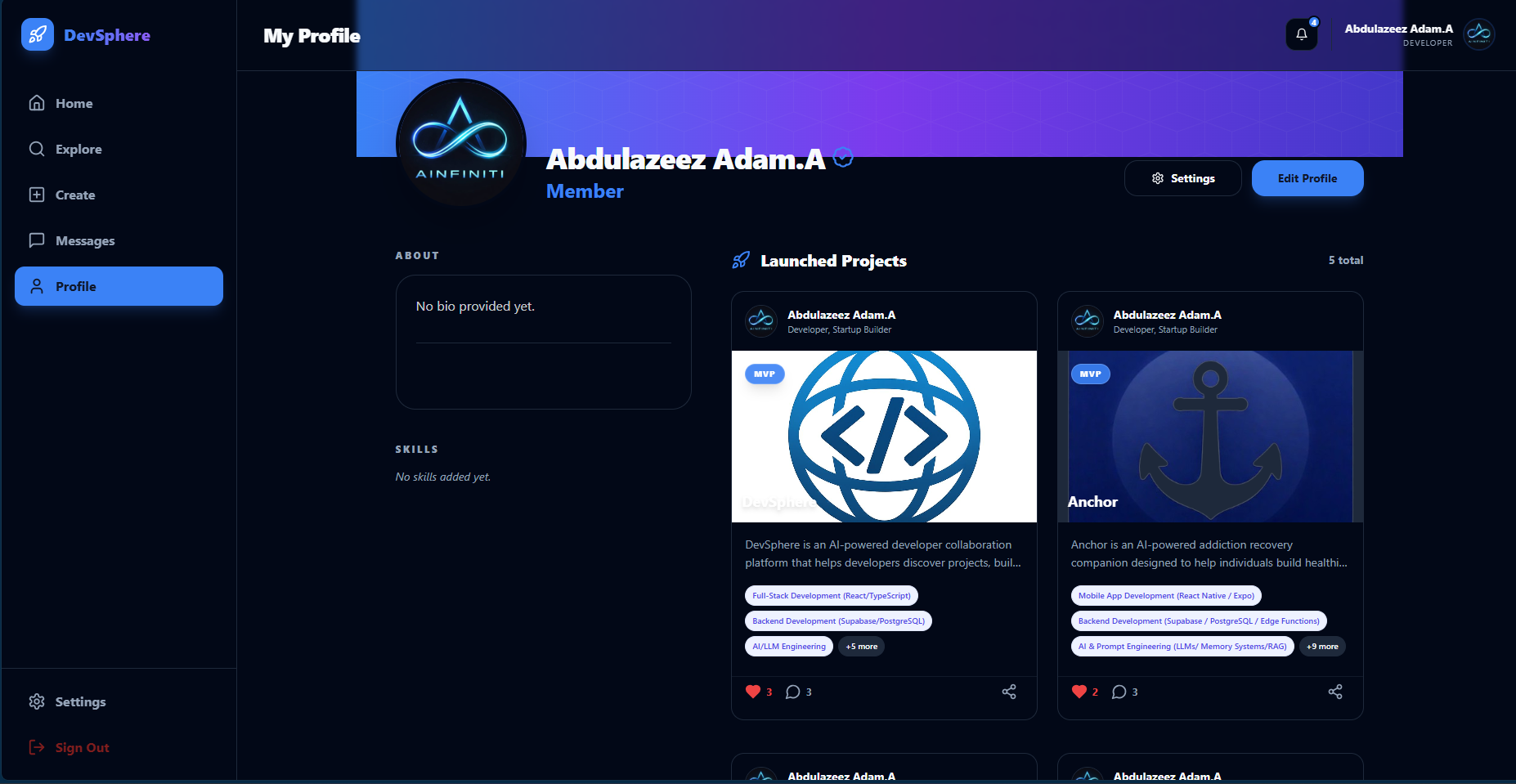
🔍 Discover and explore projects 🚀 Create and manage software projects 👥 Apply to join development teams 💬 Chat through direct and group messaging 🔔 Receive real-time notifications 📈 Share milestones and project progress 👤 Build professional developer profiles
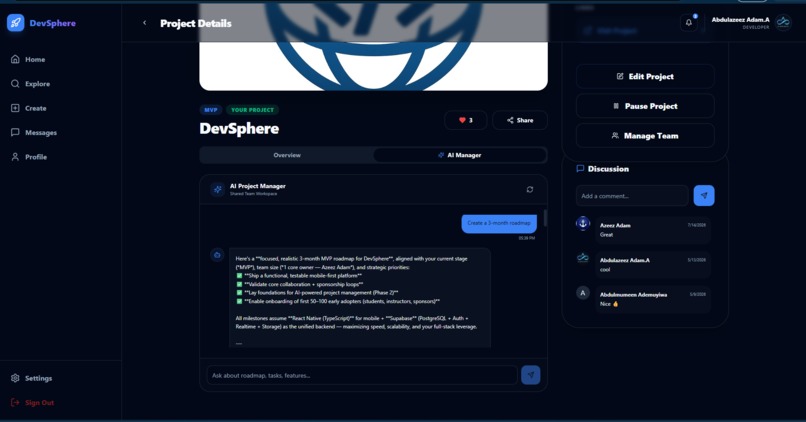
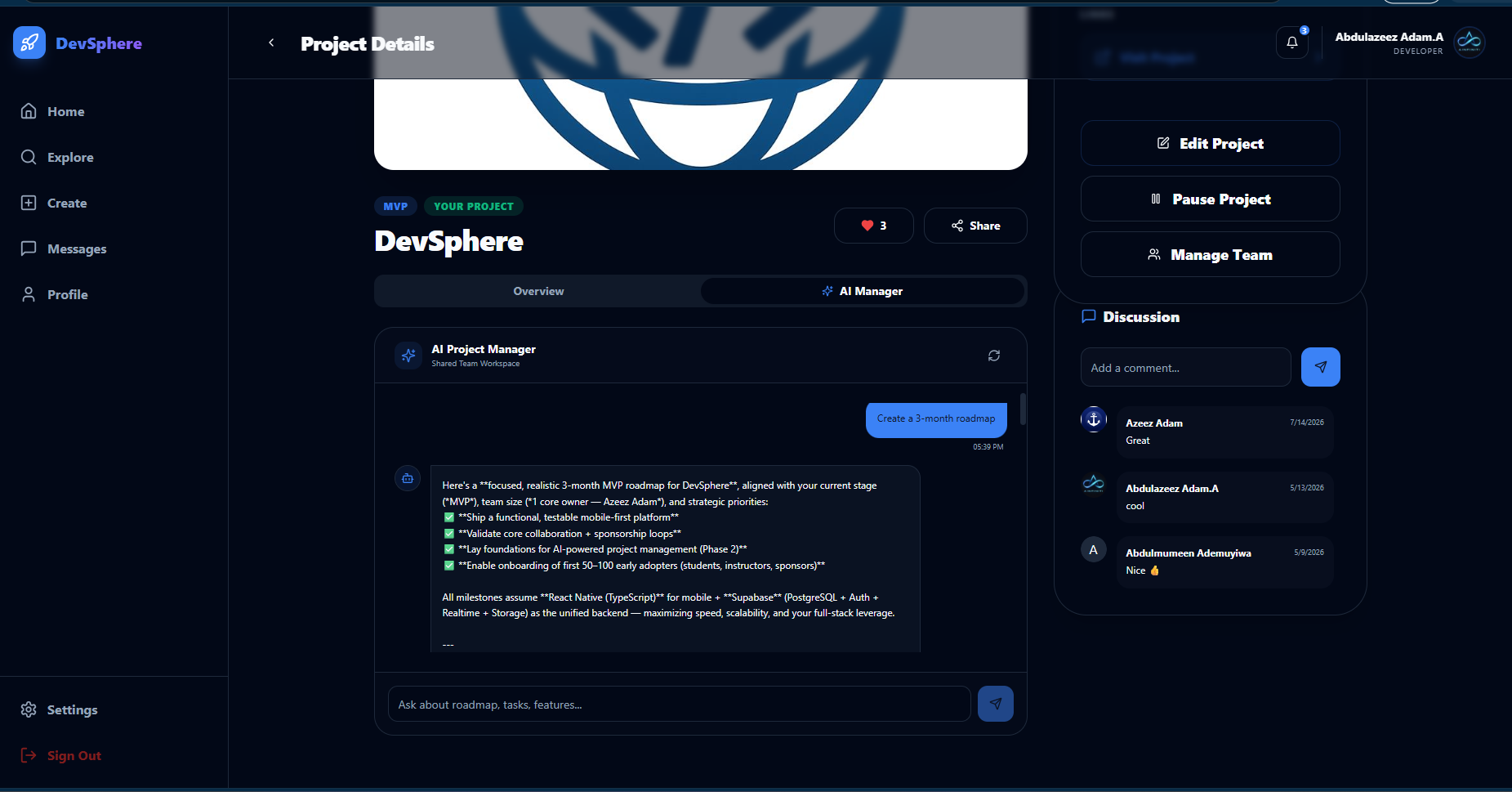
One of DevSphere's core features is its Context-Aware AI Project Manager, powered by Alibaba Cloud Qwen-Plus.
Unlike a general-purpose chatbot, the AI understands the current project's:
documentation goals development stage team structure permissions milestones recent discussions
before generating responses.
It assists with:
Sprint planning Architecture decisions Feature prioritization Technical guidance Documentation Contributor onboarding
while remaining grounded in the project's actual context.
By bringing project discovery, team formation, collaboration, and AI guidance into one platform, DevSphere reduces the friction between having an idea and building a real product with the right people.
How I built it
Mobile-First Frontend
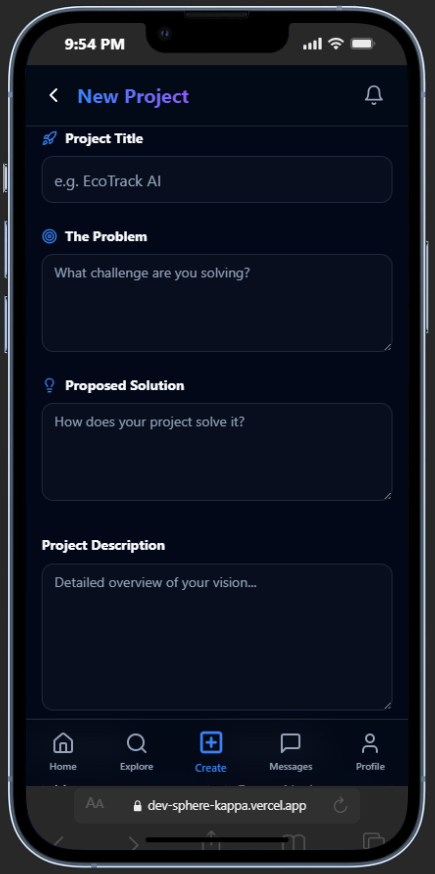
DevSphere was built using React, TypeScript, and Tailwind CSS, with customized shadcn/ui and Radix UI components to create a responsive, mobile-first experience.
Backend & Real-Time Collaboration
The backend is powered by Supabase, using:
PostgreSQL Authentication Storage Realtime Edge Functions
Most business logic lives on the backend through:
PostgreSQL triggers Row Level Security (RLS) Secure RPC functions
These automatically handle project events such as:
accepting join requests creating project chats managing team members generating notifications recording system events
while keeping the frontend lightweight.
Supabase Realtime synchronizes chats, notifications, comments, membership changes, and project activity instantly across connected users.
Context-Aware AI Project Manager
The AI Project Manager is powered by Alibaba Cloud Qwen-Plus through a secure Supabase Edge Function.
Before generating a response, the backend assembles project context including:
Project title and description Development stage Documentation Team members and permissions Recent conversations Outstanding tasks and milestones
This structured context is sent to Qwen-Plus, allowing the AI to generate grounded, project-specific recommendations instead of generic responses.
Responses automatically adapt depending on whether the user is a:
Visitor Applicant Contributor Project Owner Development with GPT-5.6 & Codex
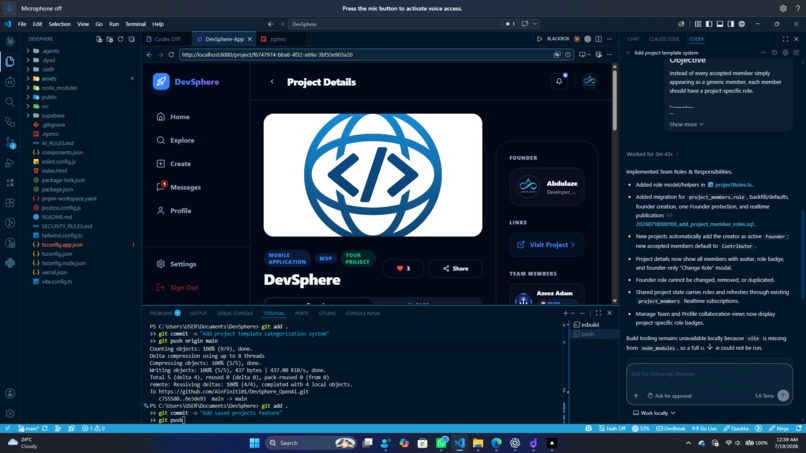
During OpenAI Build Week, GPT-5.6 and Codex were used as engineering assistants throughout development.
They helped with:
exploring implementation strategies refactoring React components improving SQL migrations debugging frontend and backend issues accelerating feature implementation
All generated code, architectural decisions, testing, integration, and final verification were reviewed and completed by me before becoming part of the project.
Performance & Scalability
To keep the application responsive:
application state was centralized using React Context duplicate requests were minimized realtime subscriptions were carefully managed backend responsibilities were separated from frontend logic
The architecture was designed to remain maintainable as additional collaboration and AI capabilities are introduced.
Challenges I ran into
Building DevSphere involved solving significantly more than UI challenges.
Some of the biggest technical challenges included:
Designing secure Row Level Security (RLS) policies Building a scalable project membership system Synchronizing realtime chat and notifications Preventing duplicate requests and race conditions Managing project permissions securely Grounding AI responses using real project context instead of allowing fabricated answers Designing a notification system that remains informative without overwhelming users Eliminating duplicate refreshes and unnecessary network requests
These challenges required balancing security, scalability, realtime synchronization, and user experience throughout the application.
Accomplishments that I'm proud of
I'm proud of building an integrated platform that combines workflows developers normally spread across multiple applications.
Highlights include:
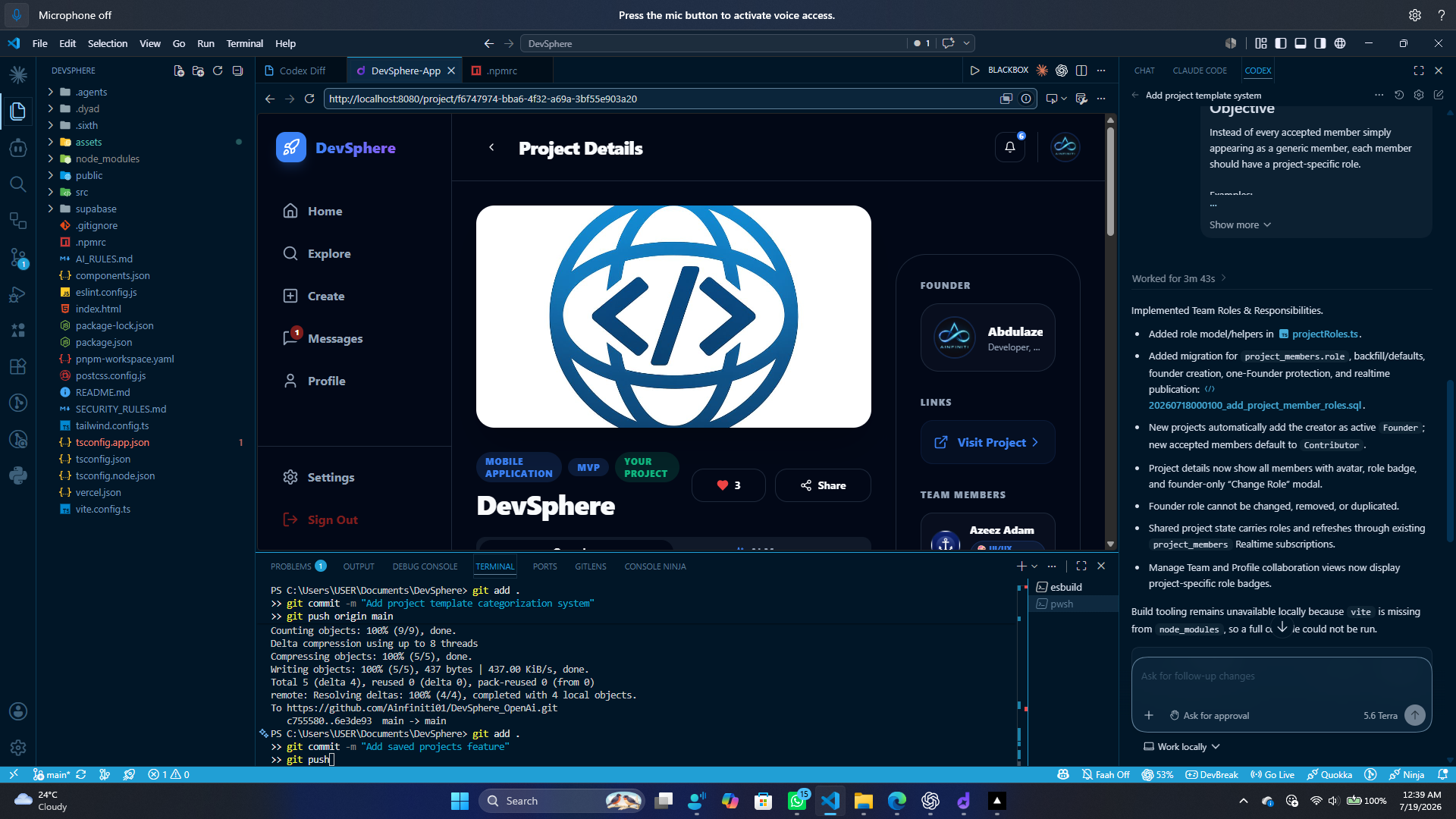
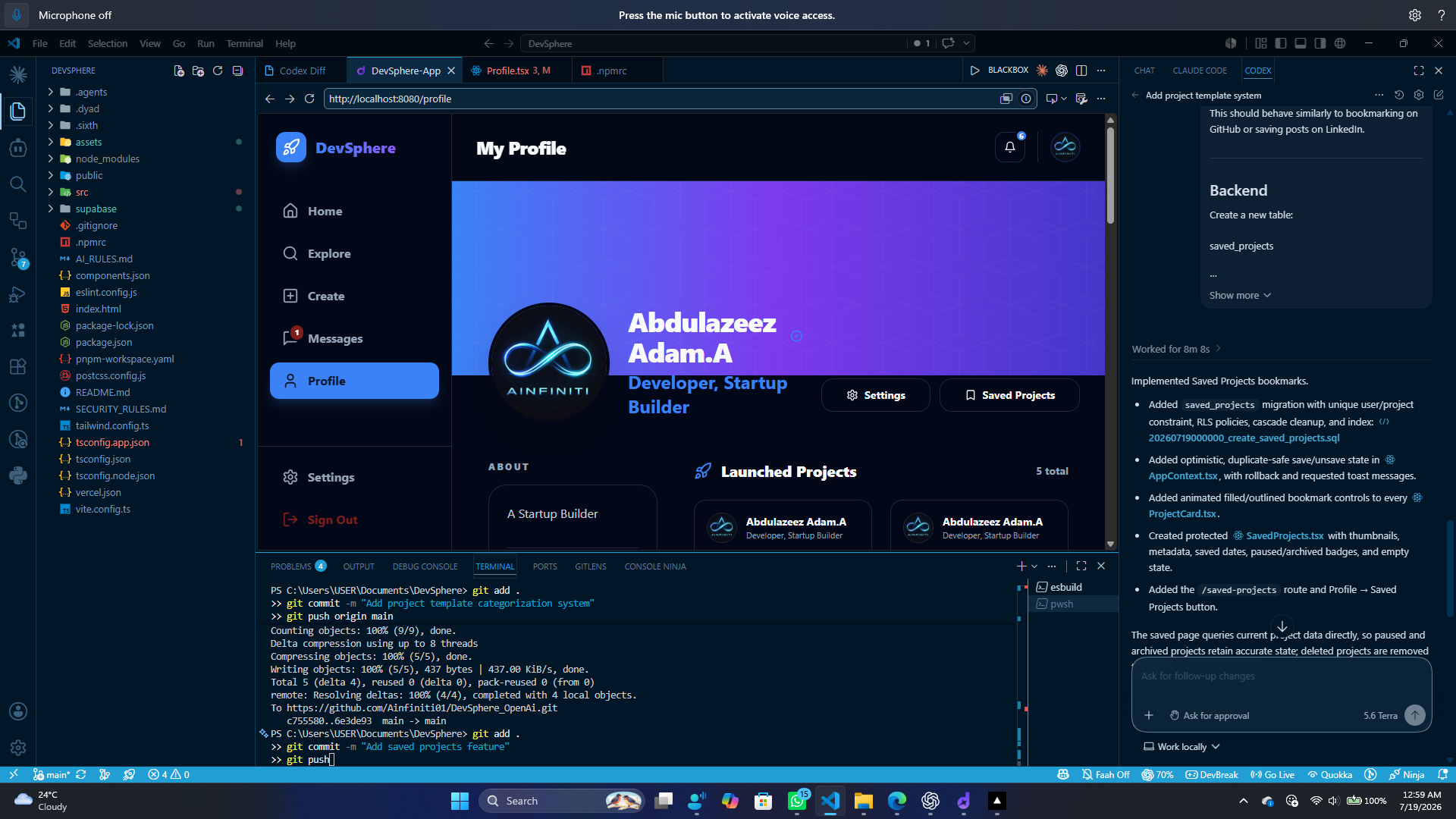
🤖 Context-aware AI Project Manager powered by Alibaba Cloud Qwen-Plus 🤝 Intelligent project collaboration 👥 Team application and approval workflow 👑 Founder and Contributor roles 📁 Project Templates ⭐ Saved Projects 📌 Pinned Chat Messages 💬 Realtime messaging and notifications 👤 Developer profiles 📱 Mobile-first responsive experience
Most importantly, DevSphere provides a strong architectural foundation that can continue evolving well beyond the hackathon.
What I learned
Building DevSphere reinforced that collaboration platforms require far more than traditional CRUD applications.
Throughout development I gained experience with:
Context-aware AI system design Prompt and context engineering for LLMs Secure backend architecture Supabase Edge Functions Realtime systems PostgreSQL and Row Level Security Permission management Scalable application architecture Mobile-first product design
It also reinforced the importance of designing software that remains maintainable and extensible as new features are introduced.
What's next for DevSphere
The roadmap for DevSphere includes:
🤖 AI sprint planning 📋 AI task generation and assignment 👥 Intelligent teammate matching 🎯 Personalized project recommendations 🔔 Interest-based notifications 🐙 GitHub integration with repository-aware AI assistance 💡 AI-assisted code reviews 💼 Investor and sponsorship matching ⭐ Premium collaboration tools 🔌 Public APIs 📱 Native mobile applications 🌍 Open-source integrations
The long-term vision is for DevSphere to become the platform where developers don't just host projects, they build startups together.
Built With
- alibaba-cloud
- codex
- css3
- dashscope
- git
- github
- html5
- javascript
- npm
- openai-gpt-5.6
- postgresql
- qwen-plus
- radix-ui
- react
- rest-api
- row-level-security
- shadcn/ui
- supabase
- supabase-auth
- supabase-edge-functions
- supabase-realtime
- supabase-storage
- tailwindcss
- typescript
- vercel


Log in or sign up for Devpost to join the conversation.