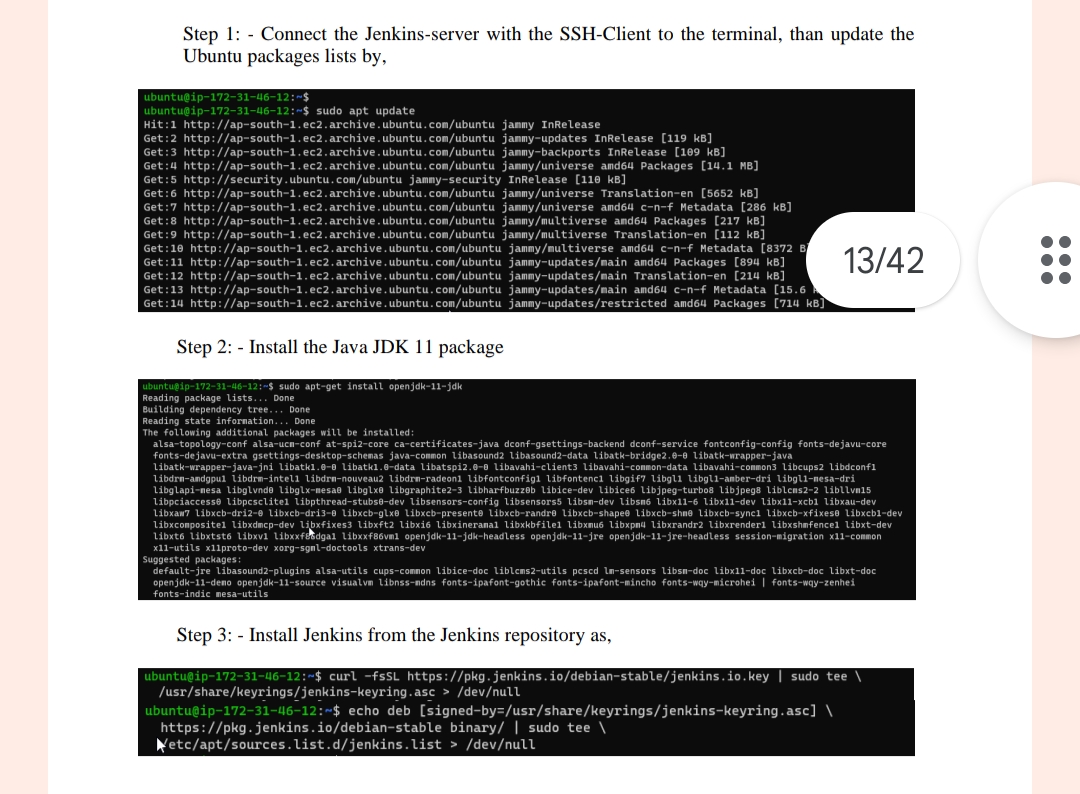
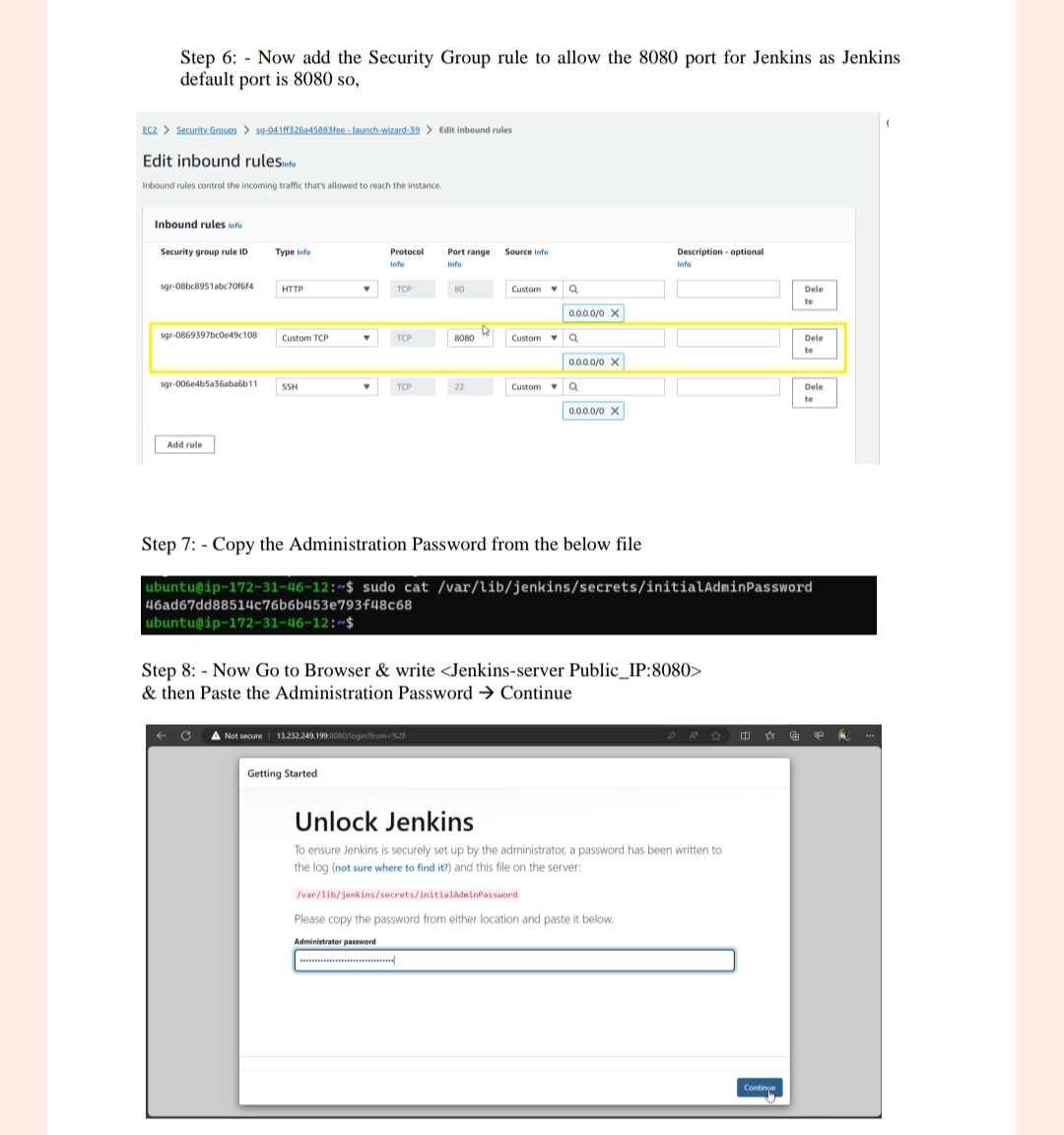
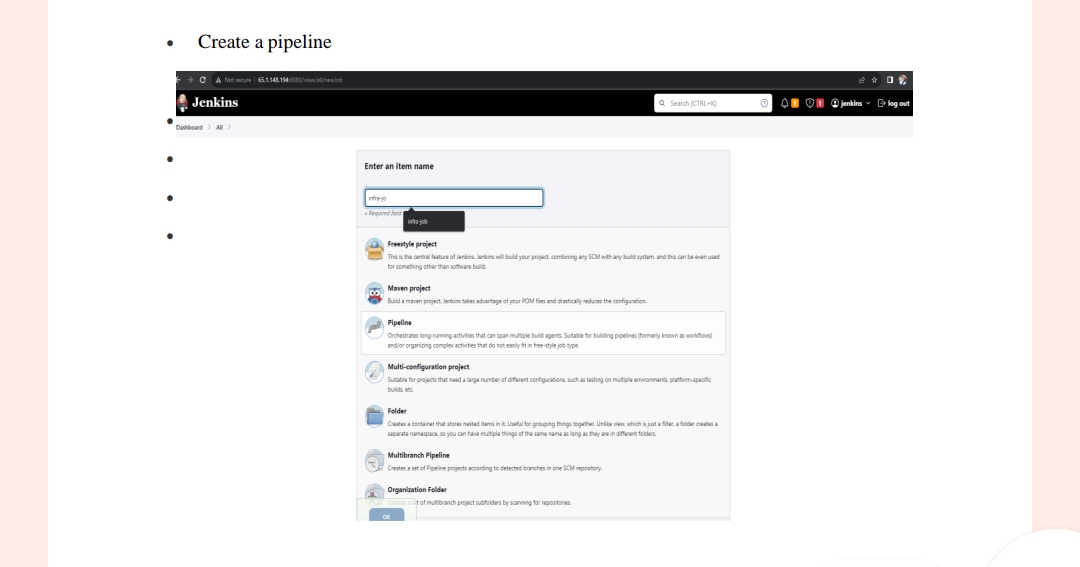
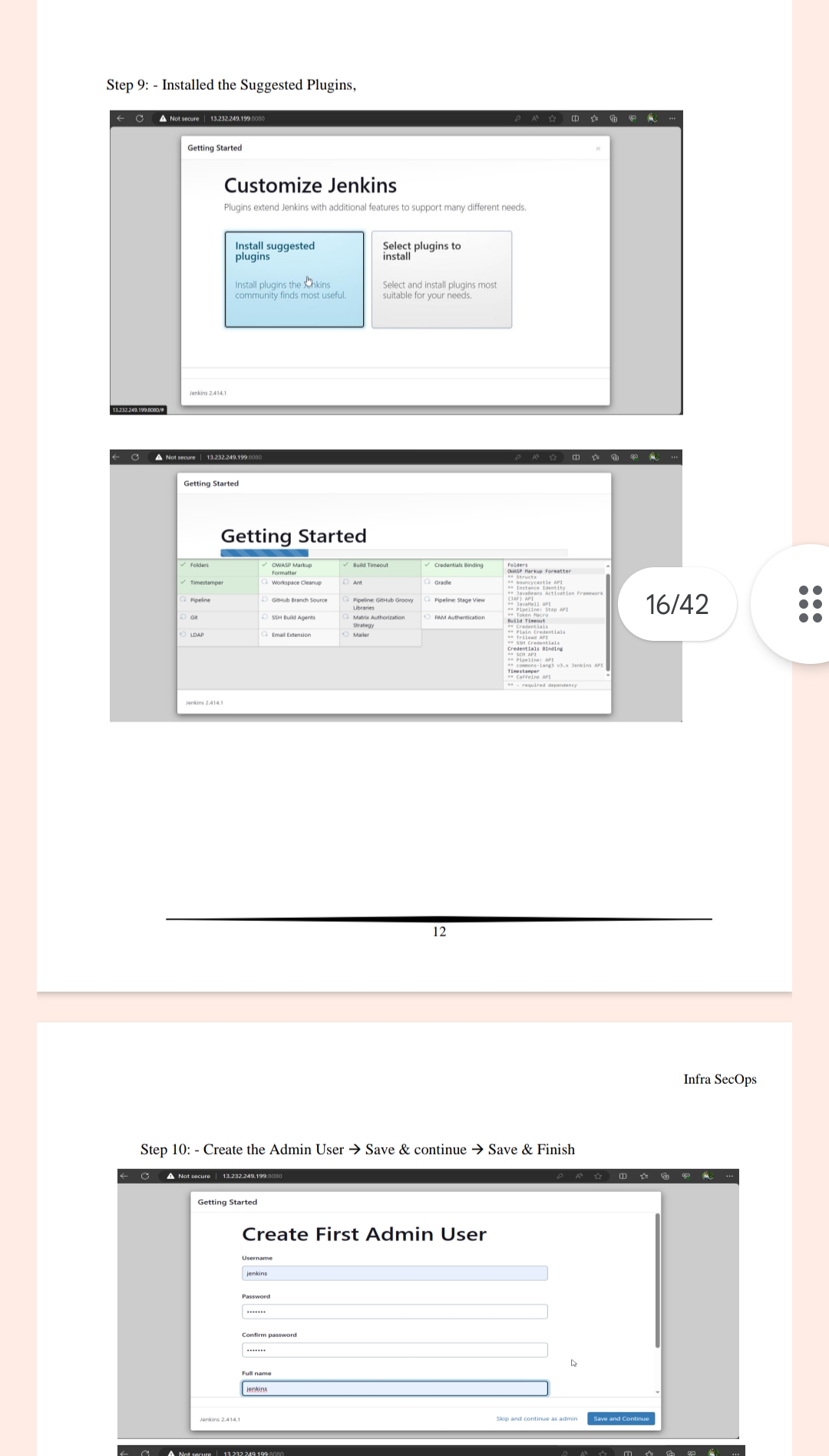
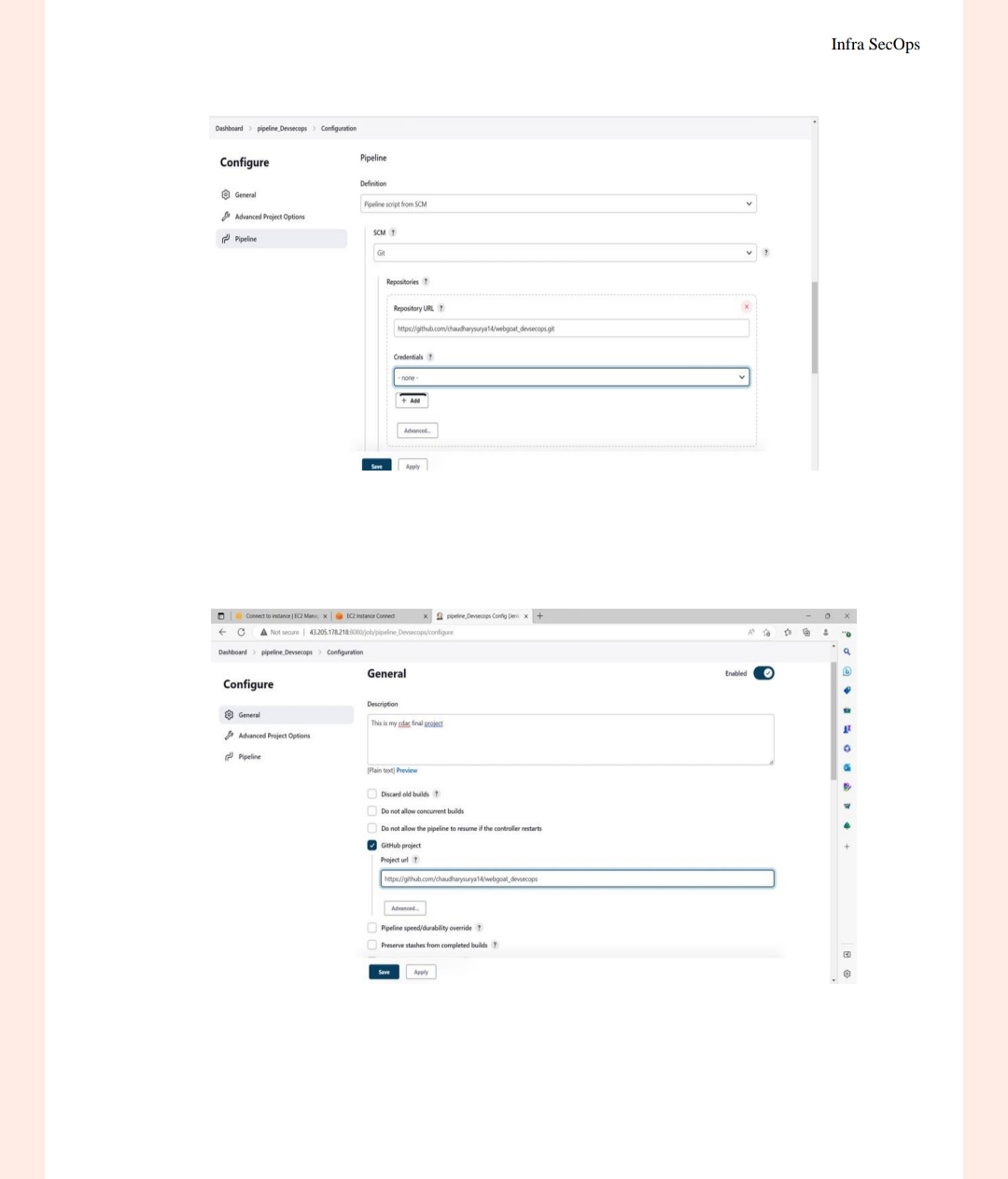
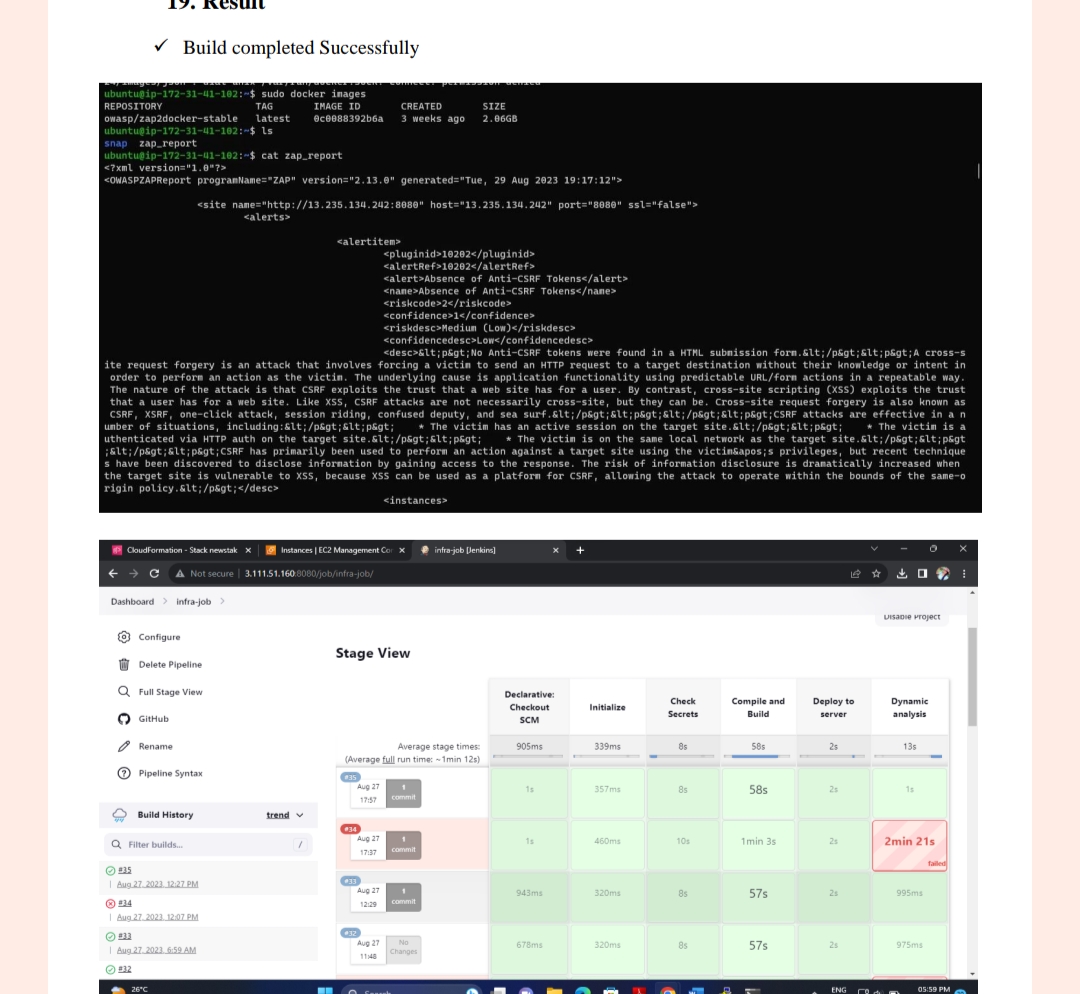
Introduction and overview of project This project aims to implement the Infrastructure framework in DevSecOps to provide a secure software development process that meets the security requirements of the organization. The project will involve the identification and analysis of security requirements, the integration of security controls into the software design and architecture, the implementation of security controls in the code, testing the software for security vulnerabilities, deployment of the software to production, and continuous monitoring and maintenance of the software to ensure that it remains secure. With the increasing number of cyber-attacks, security has become a major concern for organizations. The traditional approach of adding security measures as an afterthought to the software development process is no longer effective. Therefore, there is a need for a more proactive approach that integrates security into the software development lifecycle. The Secure Software Development Lifecycle (SSDLC) framework is a process that integrates security measures into the software development lifecycle. DevSecOps, on the other hand, is an approach that combines development, operations, and security teams to automate and integrate security into the software development process.
We faced challenges during installation of Jenkins and webgoat
Implementing Infra SecOps Infrastructure as a code is a framework for integrating security into the Application development process. SecOps is a methodology that combines security, and operations in to asingle continuous process. By implementing Infra in SecOps, you can ensure that security is built into every stage of the Application development process. Here are the steps to implement Infra in SecOps:
- Plan: In this stage, you need to define the project scope, objectives, and requirements. You also needto identify potential security risks and define security requirements.
- Design: In this stage, you need to design the architecture, components, and interfaces of the Application. You also need to define security controls, such as access control, authentication, and encryption.
- Develop: In this stage, you need to develop the Application system and ensure that it meets the security requirements defined in the previous stages. You also need to conduct security testing, such as penetration testing and vulnerability scanning.
- Deploy: In this stage, you need to deploy the application server in a secure manner. You also need to ensure that the deployment environment meets the security requirements.
- Maintain: In this stage, you need to maintain the Application by fixing security vulnerabilities andupdating security controls. You also need to ensure that the Application Server remains secure over time.
Built With
- amazon-web-services
- cicd
- jenkins
- python
- webgoat

Log in or sign up for Devpost to join the conversation.