-
-
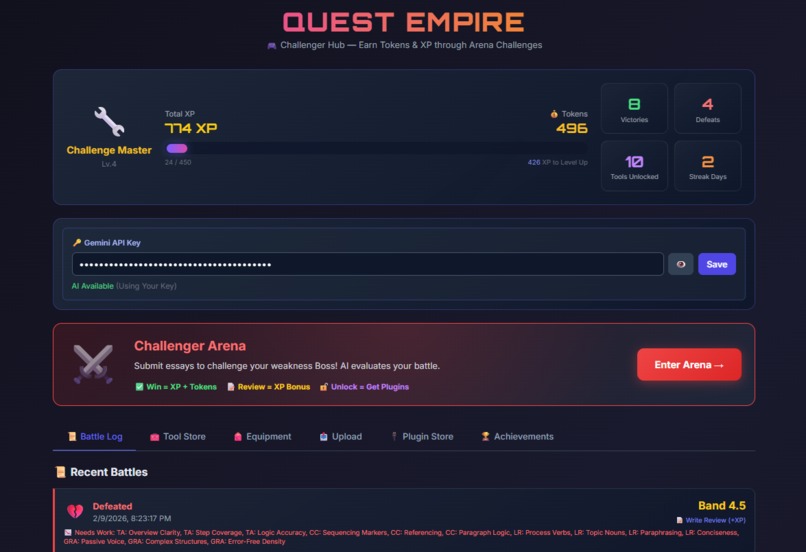
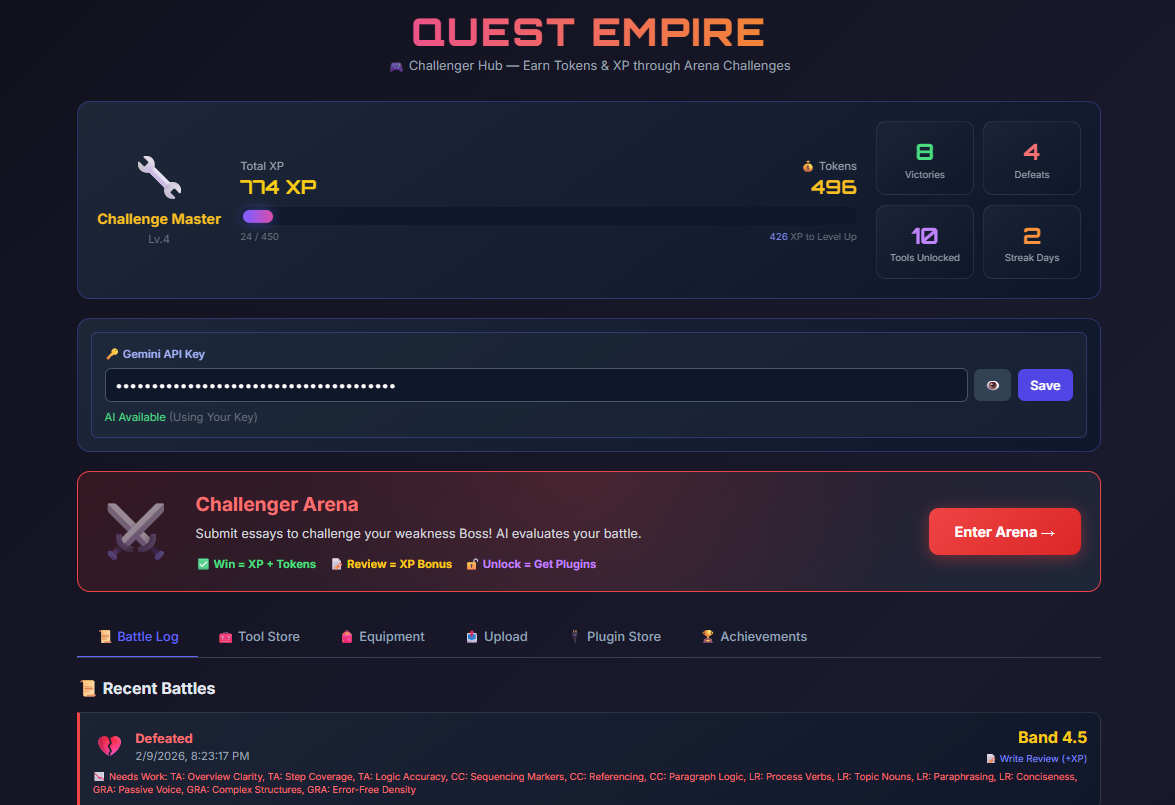
Core Dashboard and Gamification (Quest Empire)
-
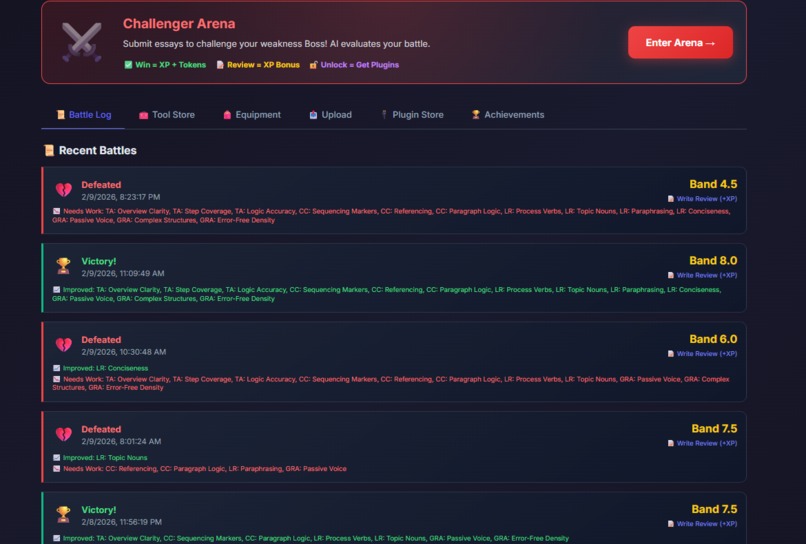
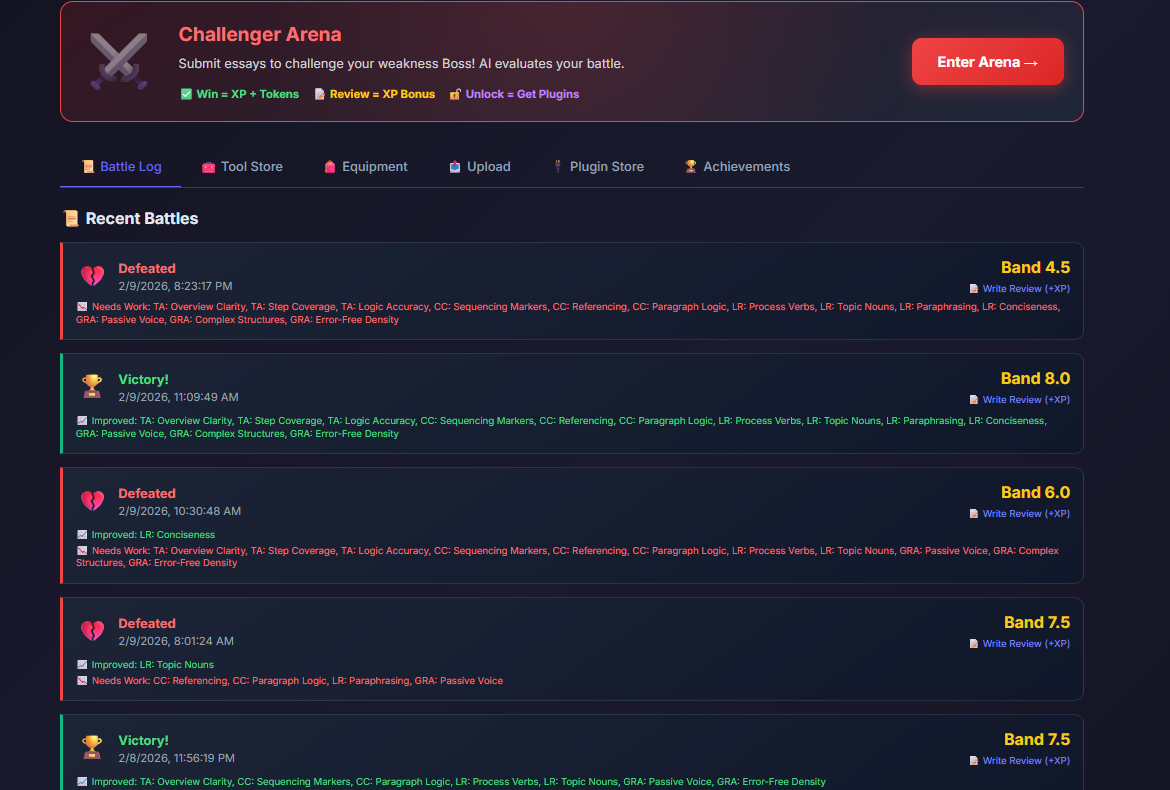
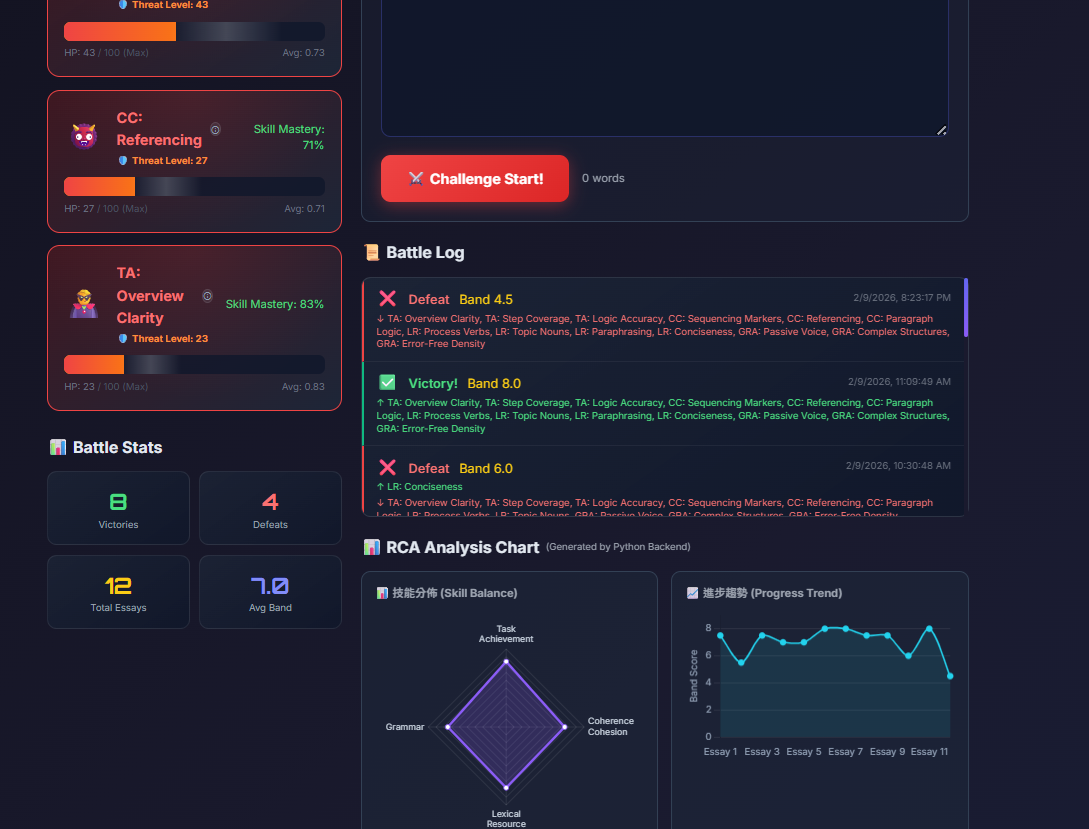
A log of previous essay submissions showing Band scores (ranging from 4.5 to 8.0) and specific areas for improvement
-
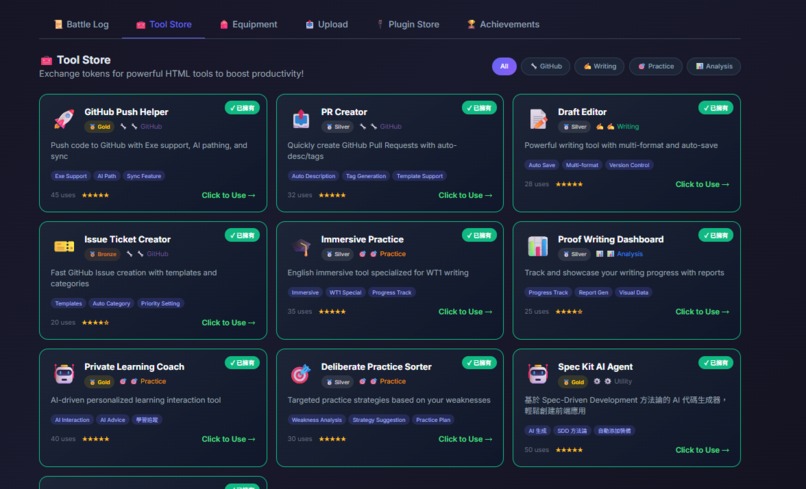
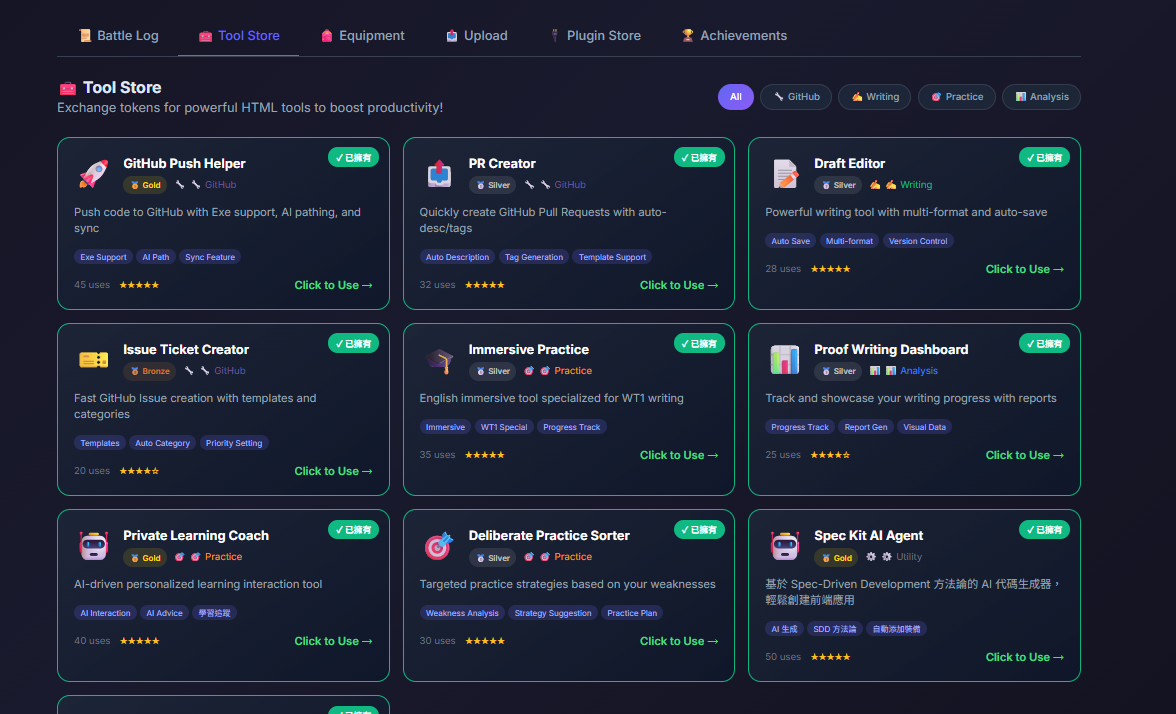
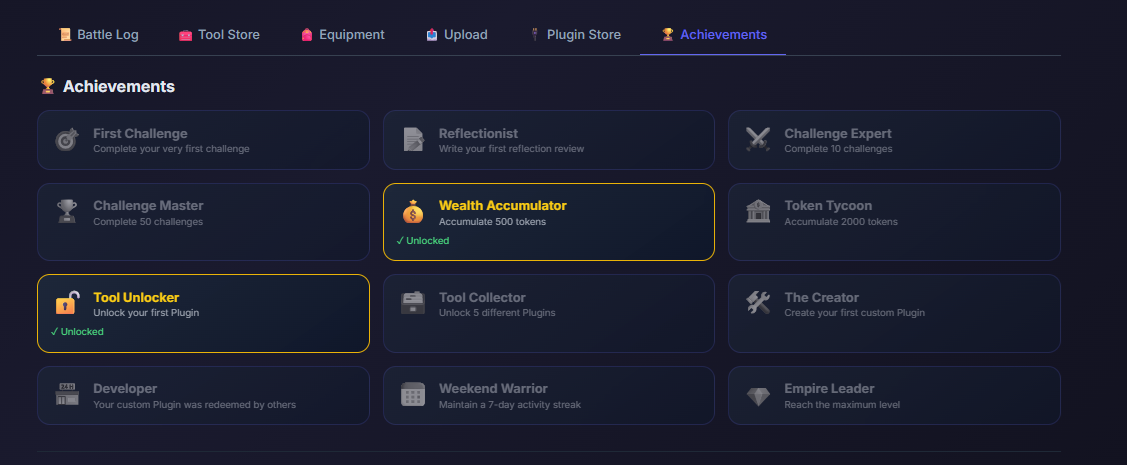
A dashboard displays total victories, defeats, and the number of tools unlocked
-
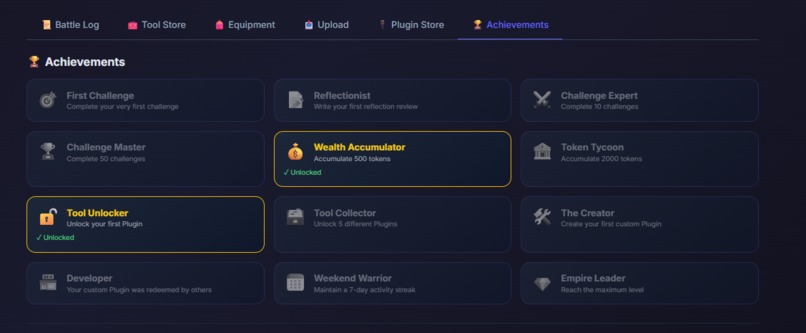
Users earn Tokens to unlock tools and maintain Streak Days to encourage daily practice
-
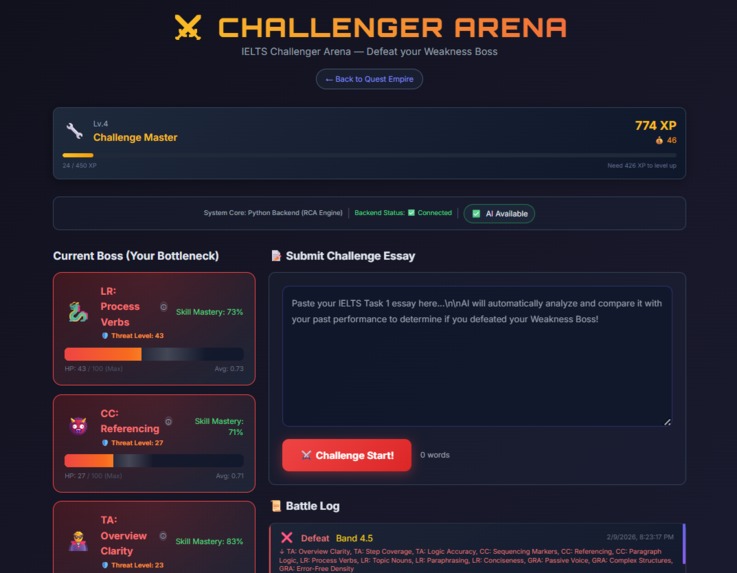
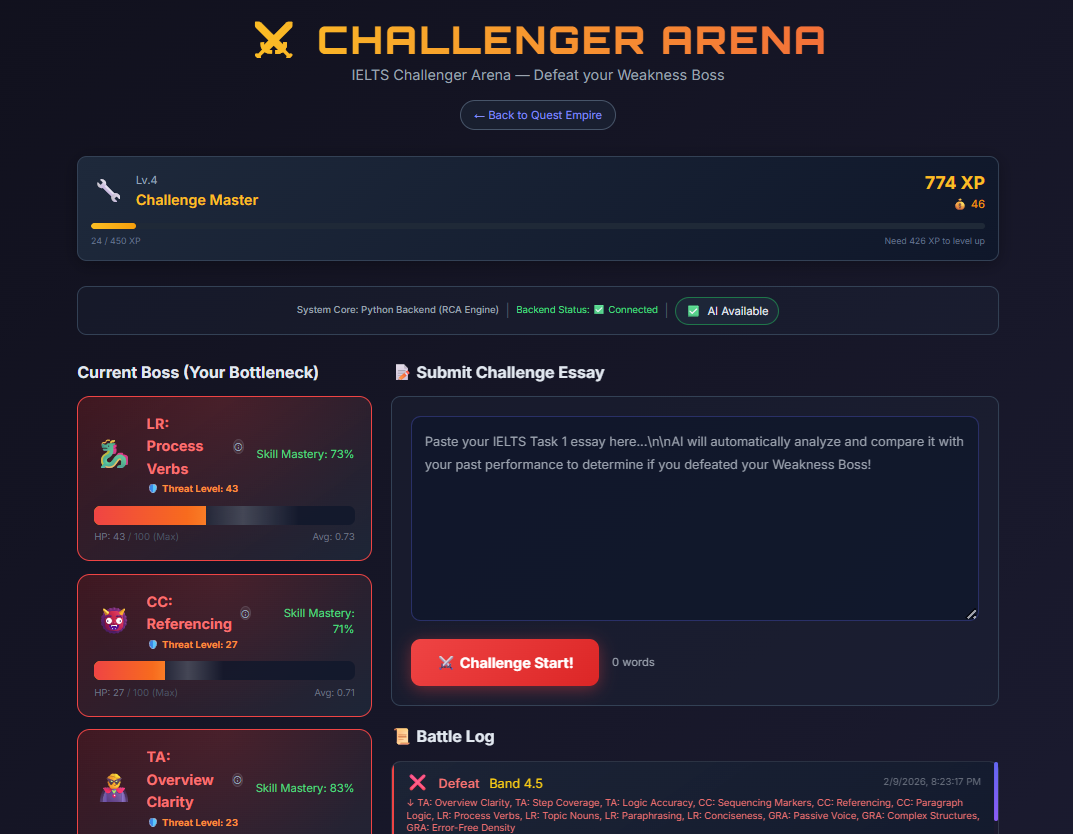
The "Challenger Arena" is the core practice module where users "fight" their writing weaknesses.
-
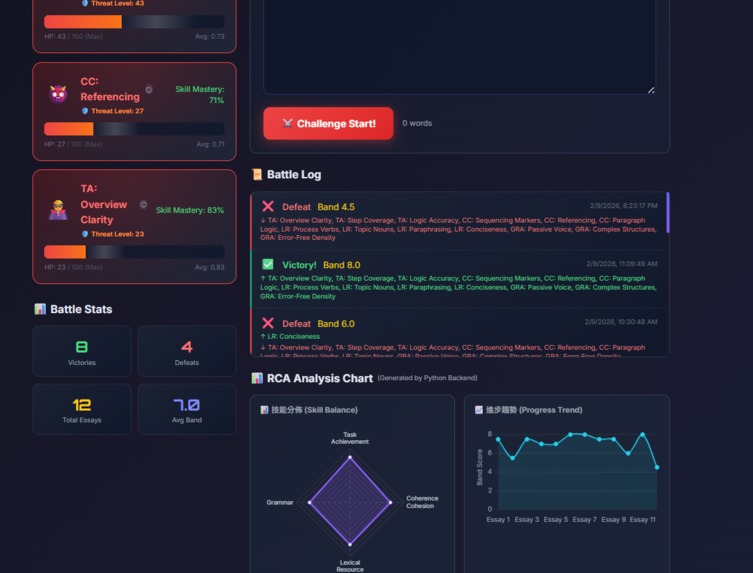
The system identifies specific areas of struggle
-
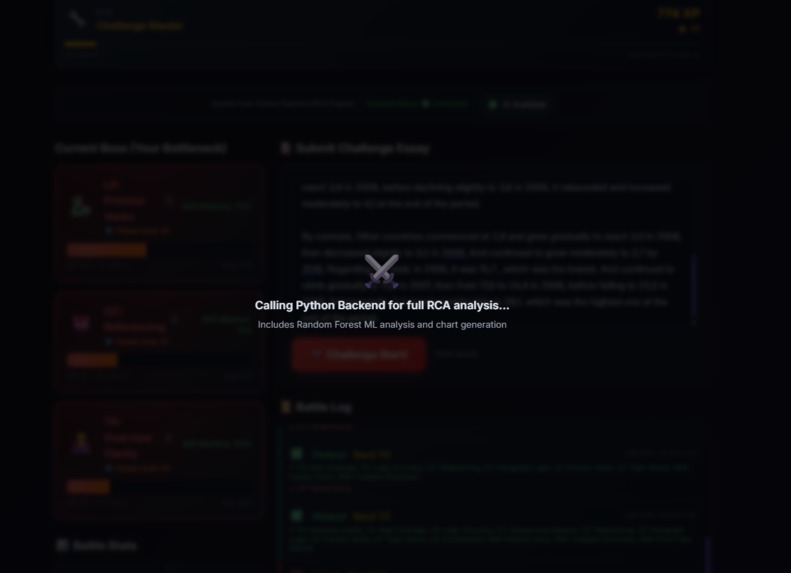
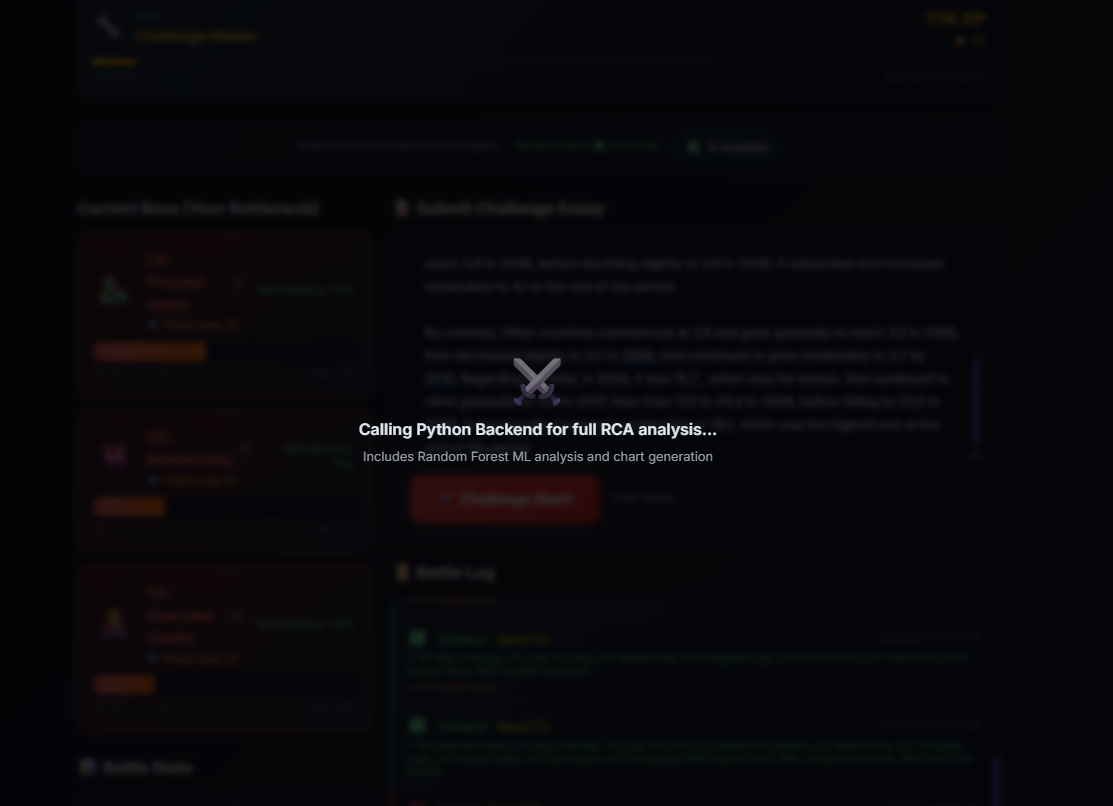
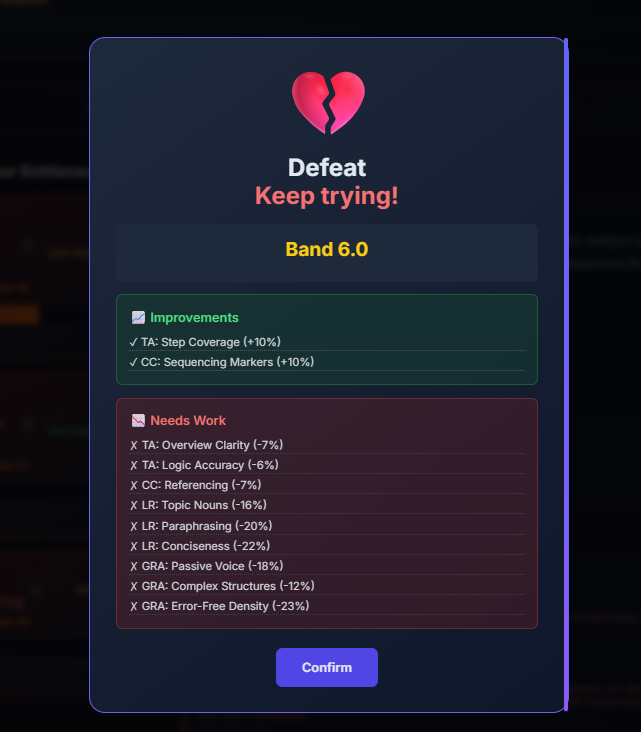
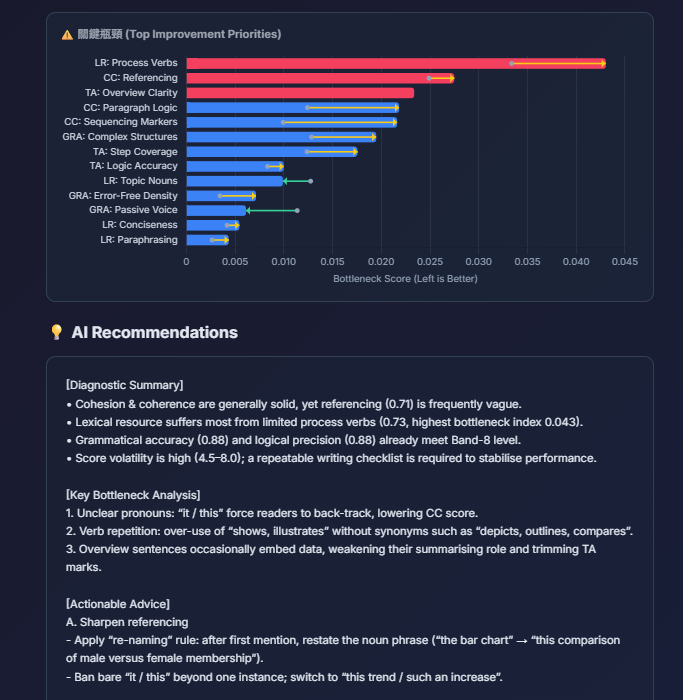
After submitting an essay, the Python-powered backend generates:Skill Balance Radar Chart, Progress Trends, Bottleneck Scores
-
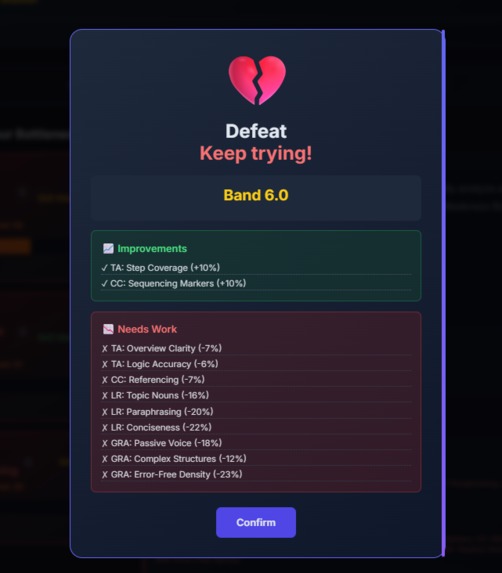
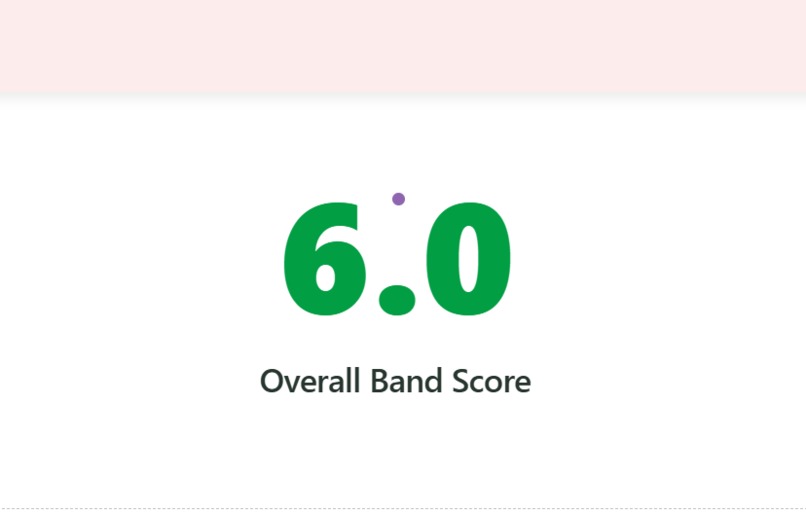
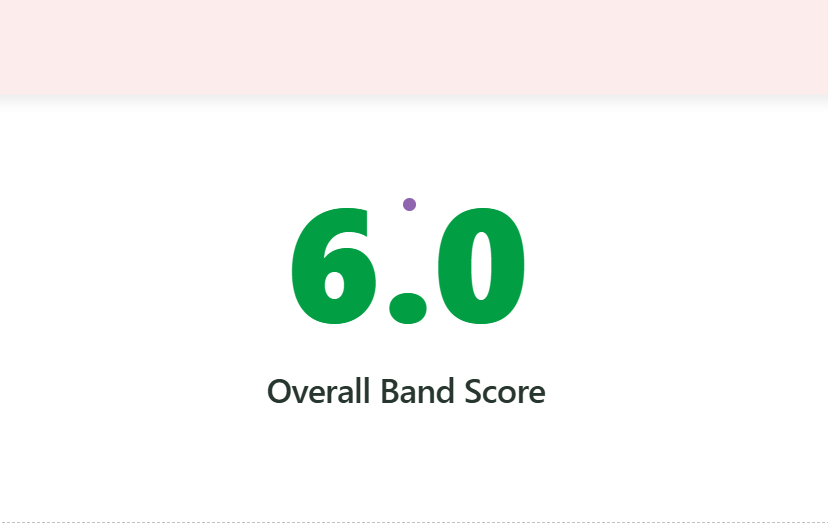
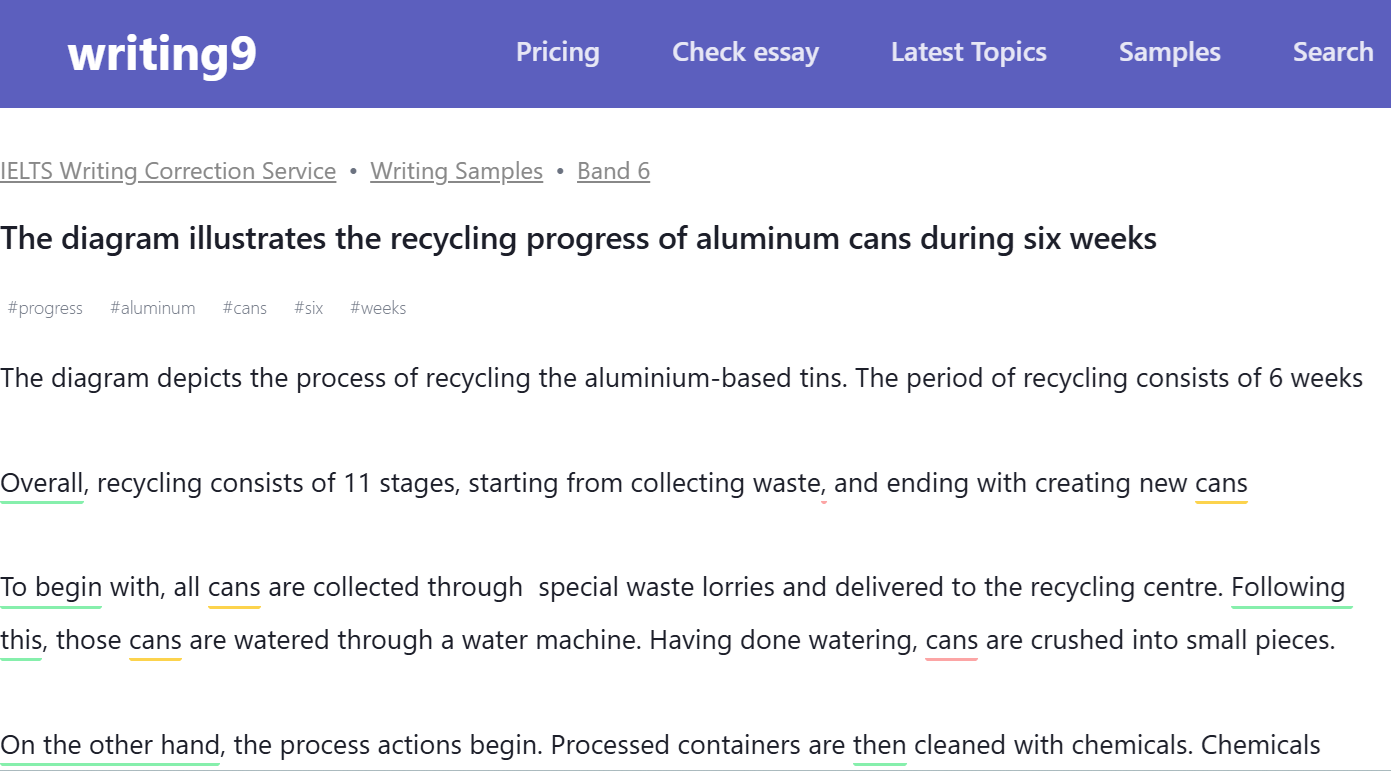
This score is identical to the one on the original website (see the next picture)
-
-
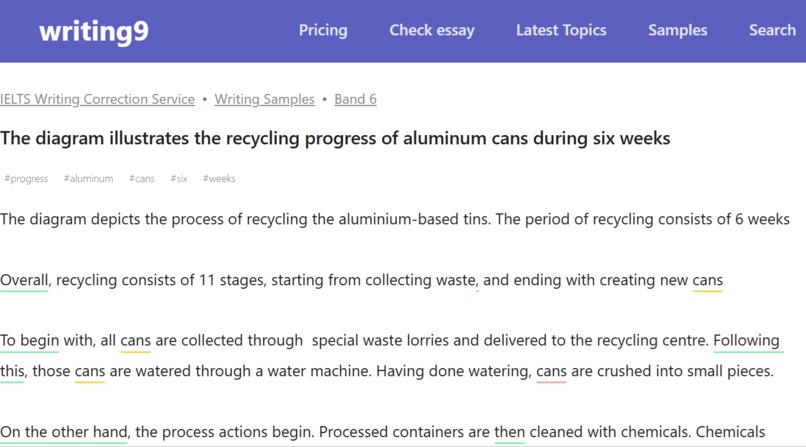
This is the article's location on the page.
-
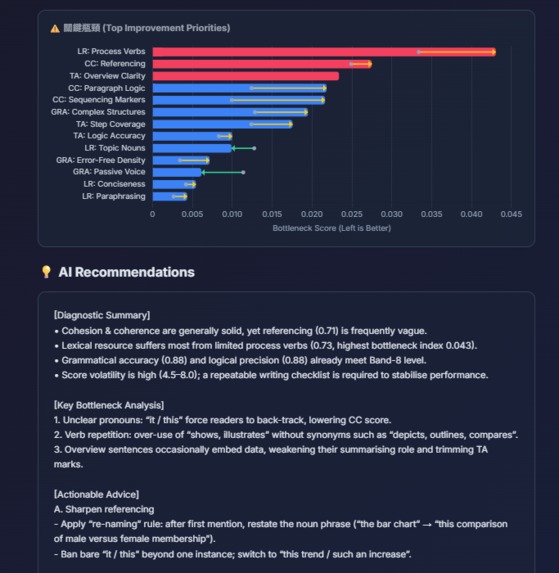
AI provides a summary of strengths and weaknesses, noting specific issues like "vague referencing" or "verb repetition"
-
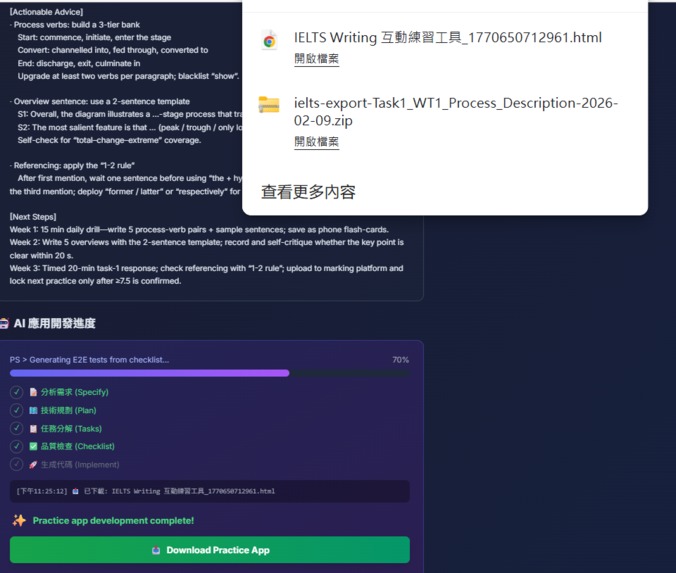
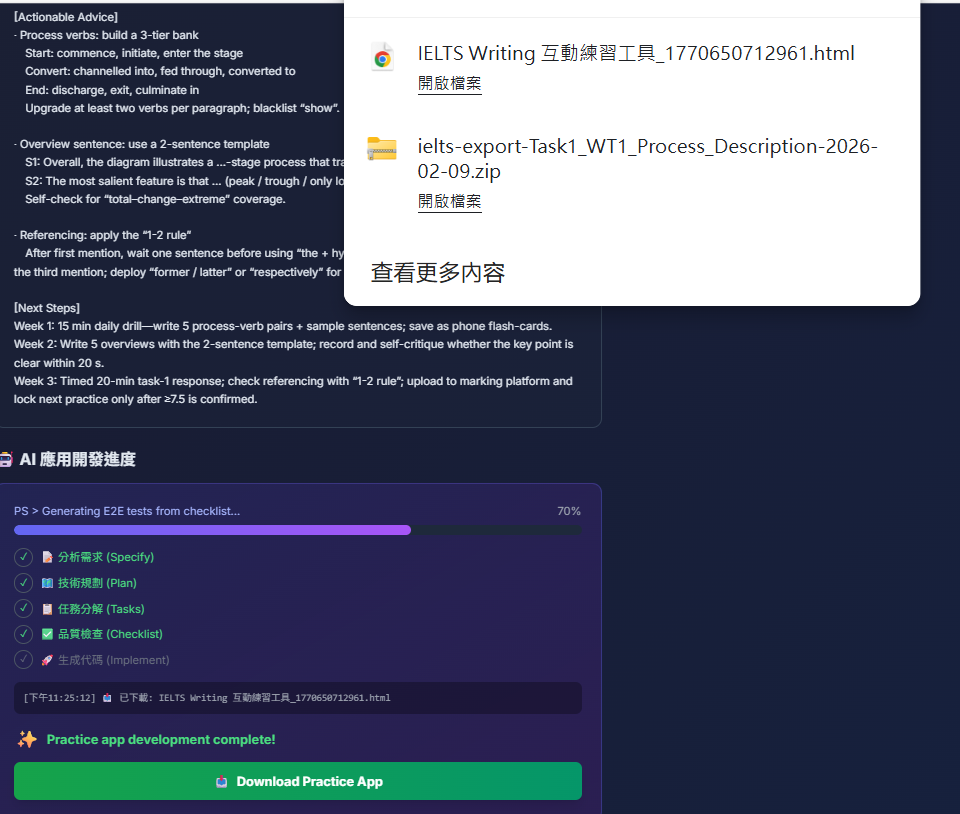
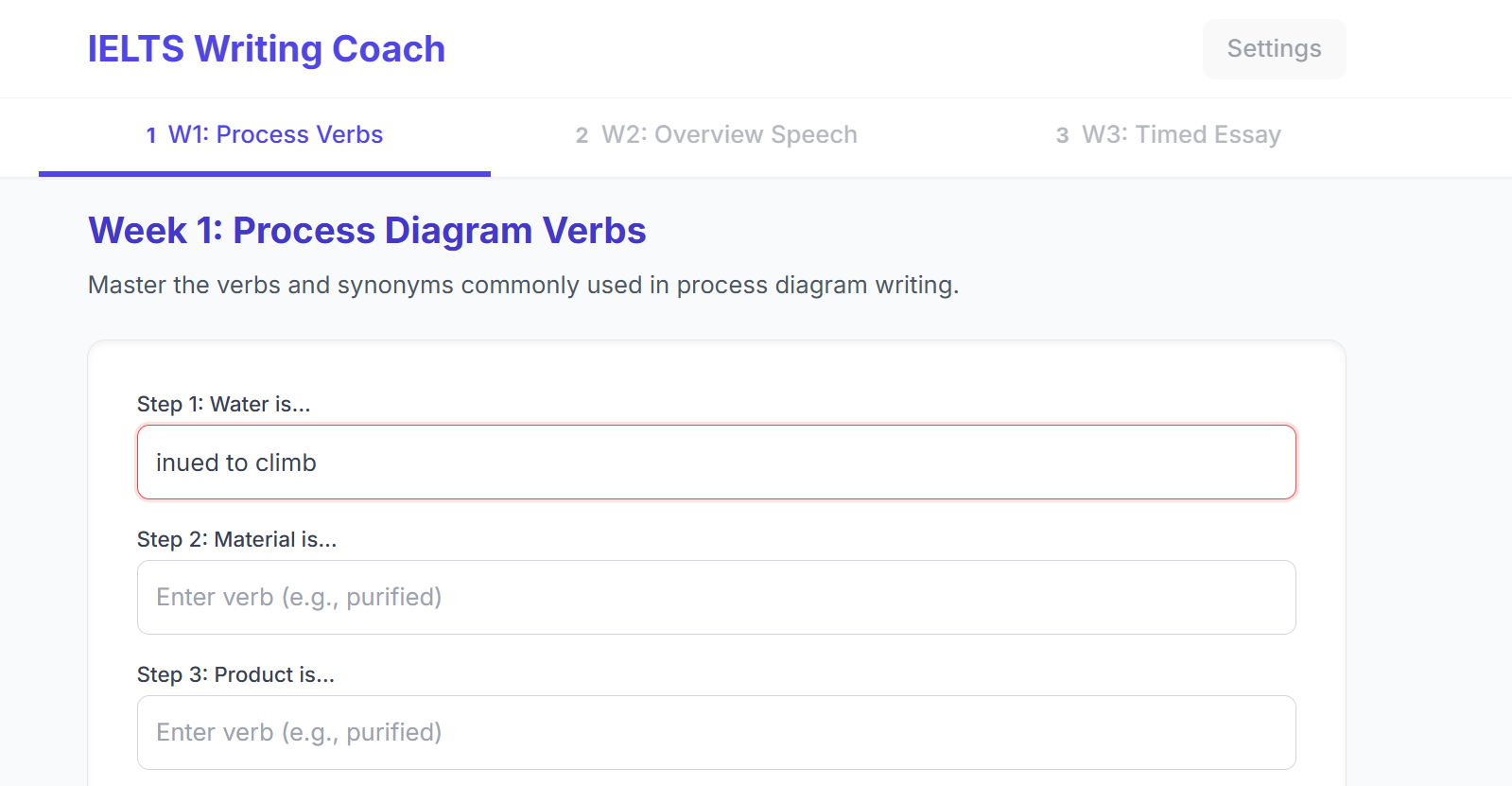
AI leverages learning recommendations to create interactive tools, like a 'Writing Coach,' for drilling specific skills.
-
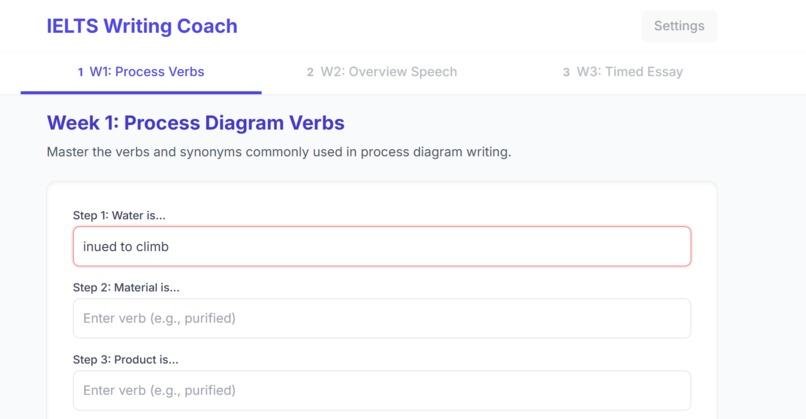
Created by the AI platform, this custom tool facilitates intentional, actionable, and deliberate learning
-
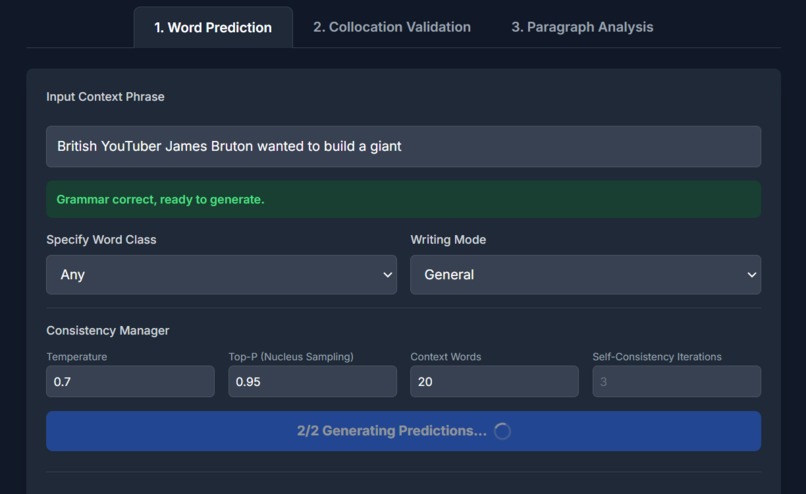
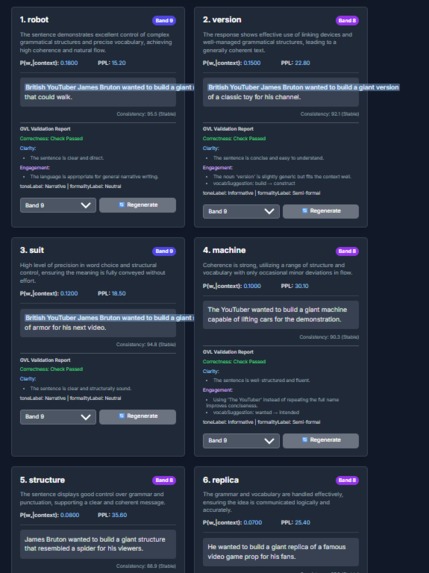
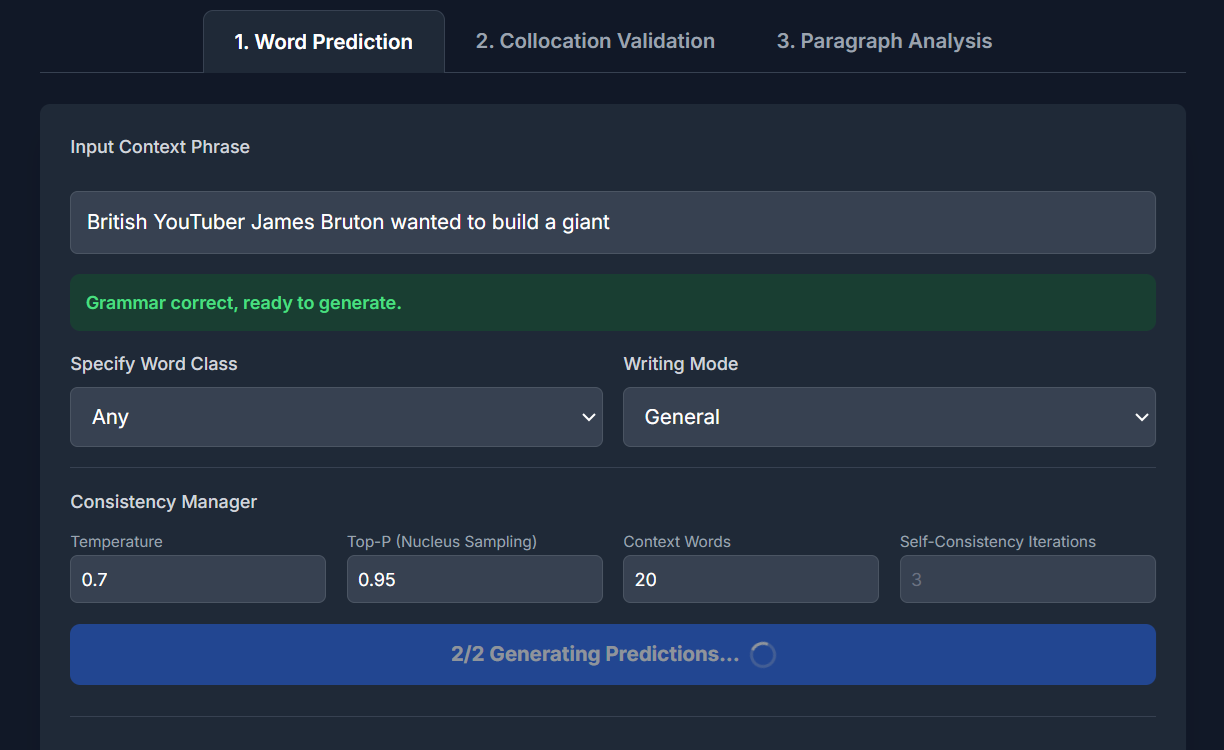
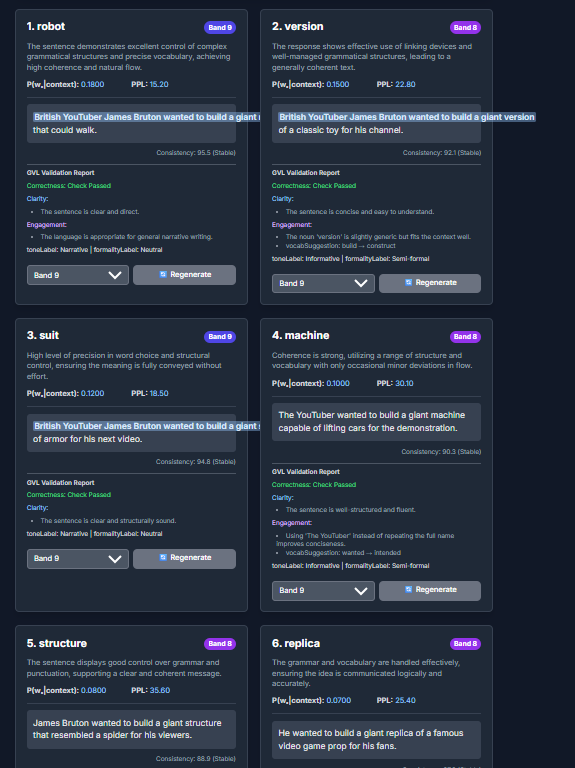
Suggests vocabulary tailored to specific Band scores (e.g., Band 8 or 9) based on the input context (together with the following image)
-
-
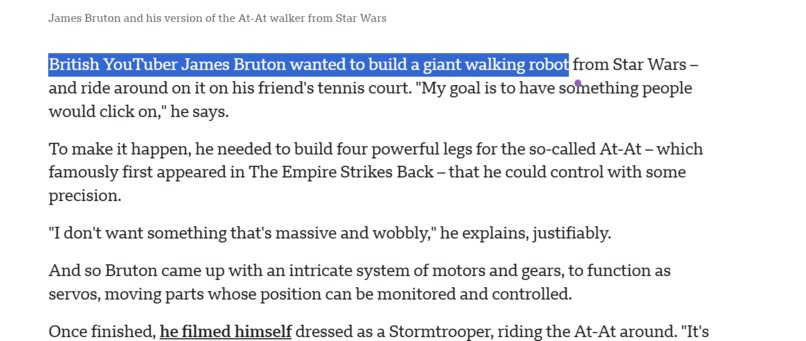
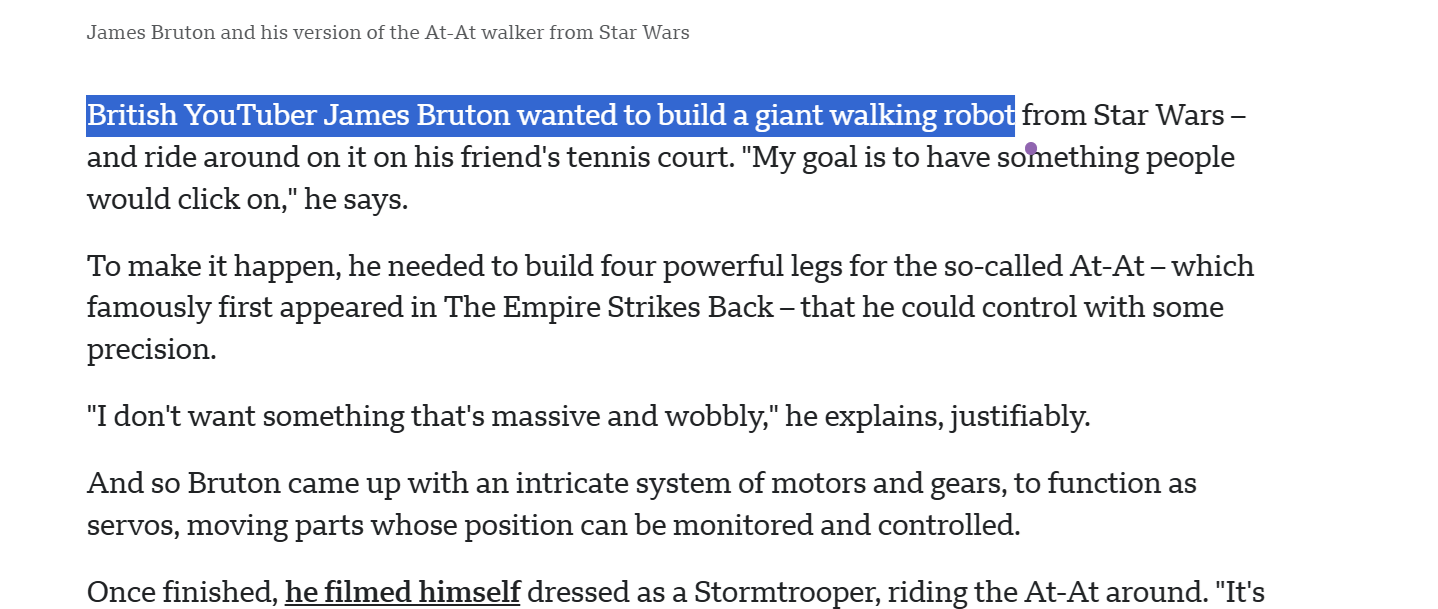
I used this BBC news report for my platform's prediction test.
-
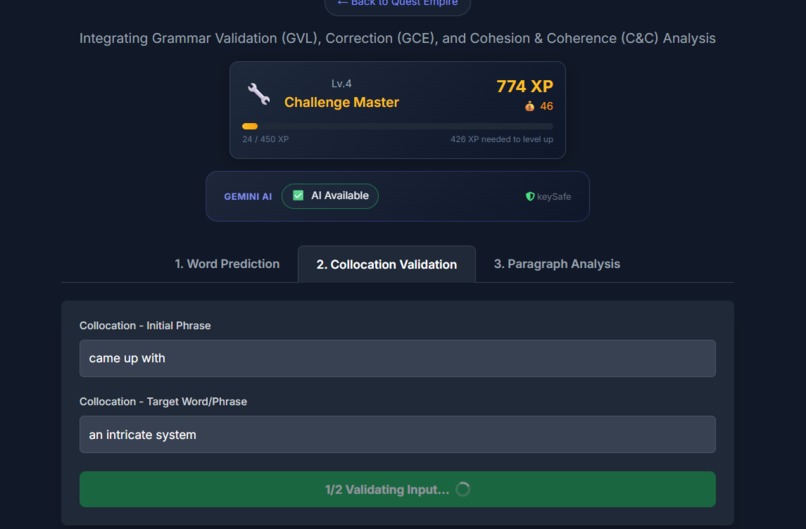
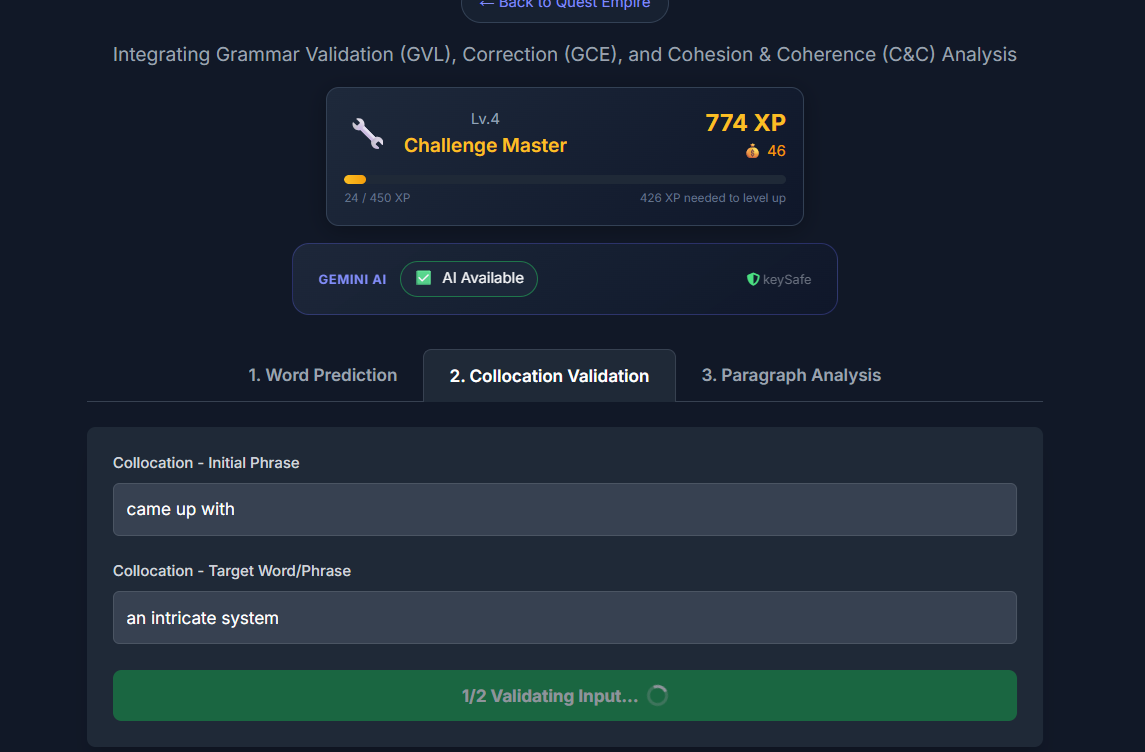
Checks if word combinations are natural and correct
-
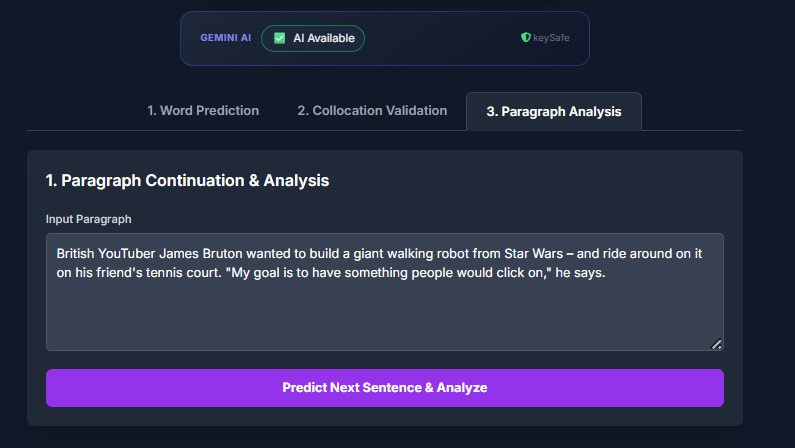
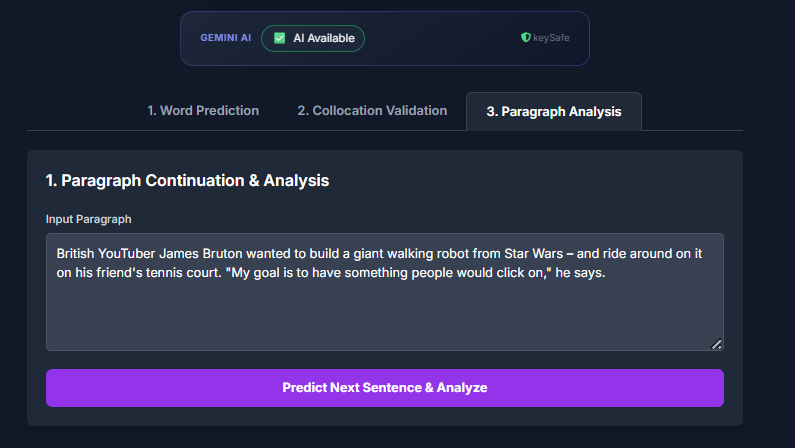
Analyzes flow, clarity, and tone, while even predicting the next logical sentence to maintain a cohesive narrative
-
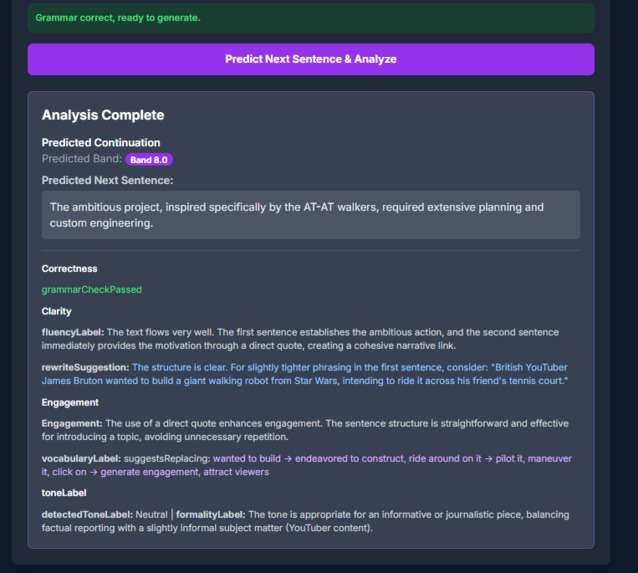
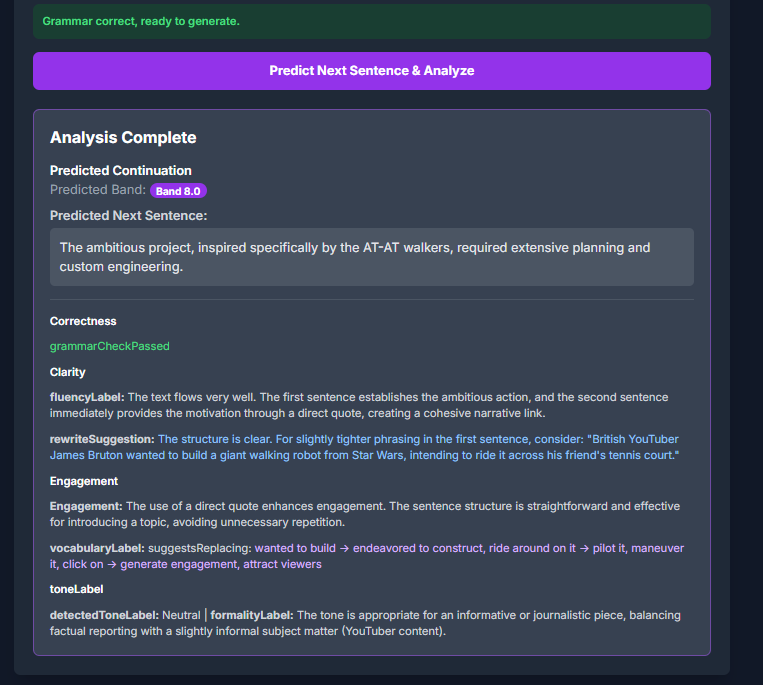
Analyzes flow, clarity, and tone, while even predicting the next logical sentence to maintain a cohesive narrative
-
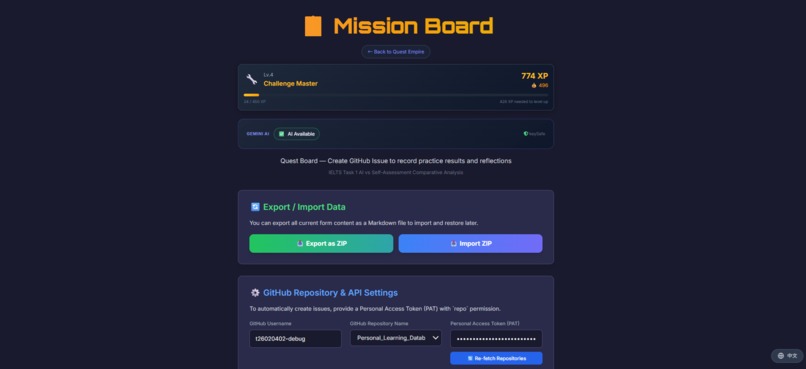
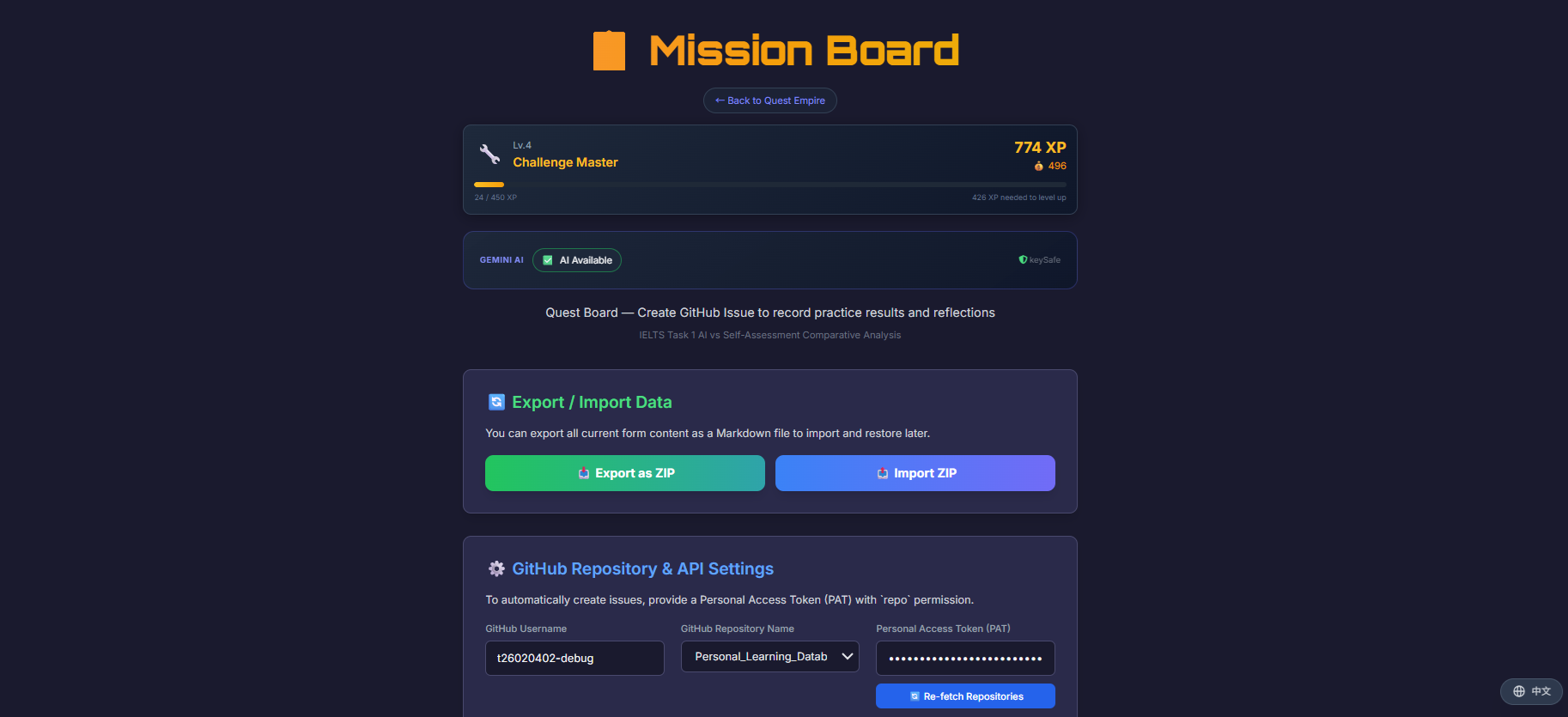
For long-term tracking and reflection, the system features a Mission Board
-
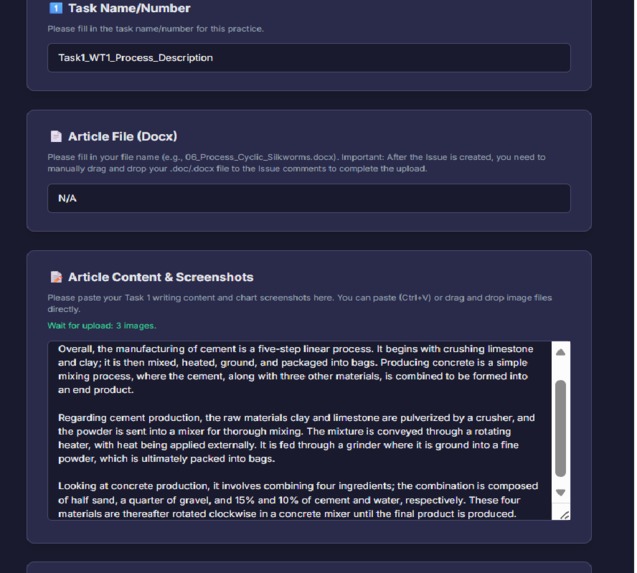
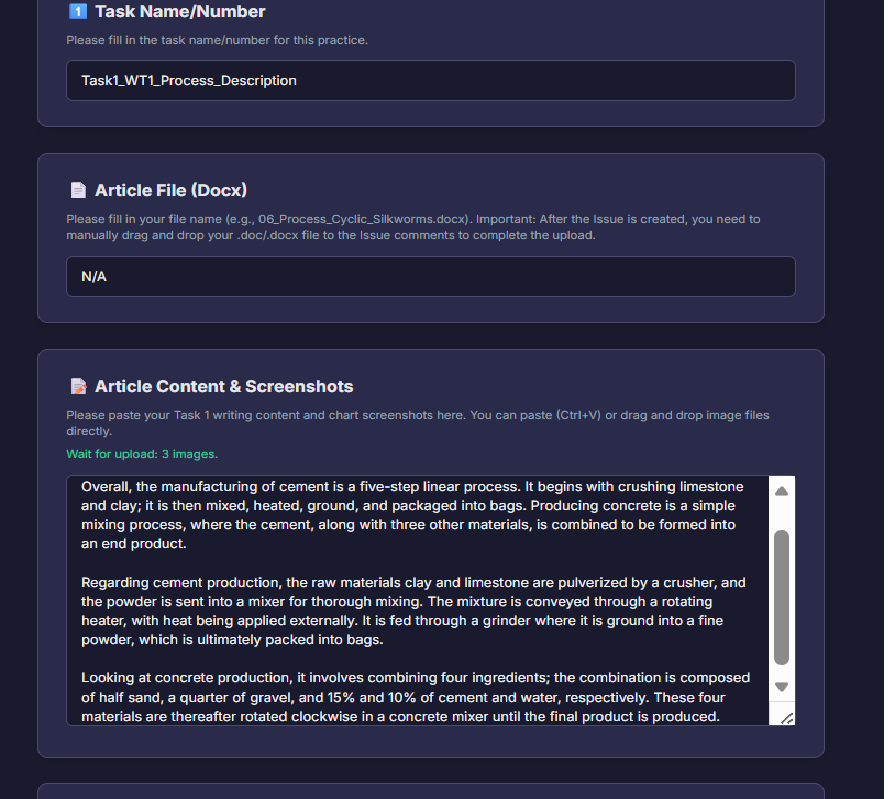
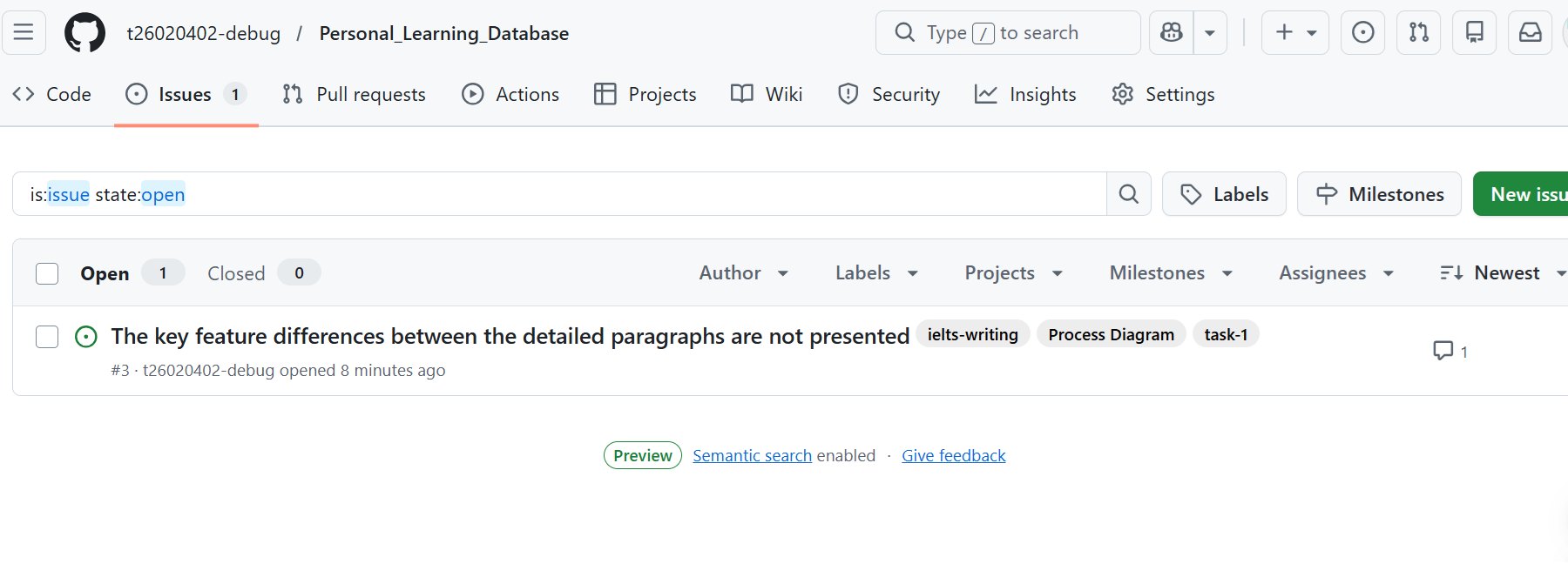
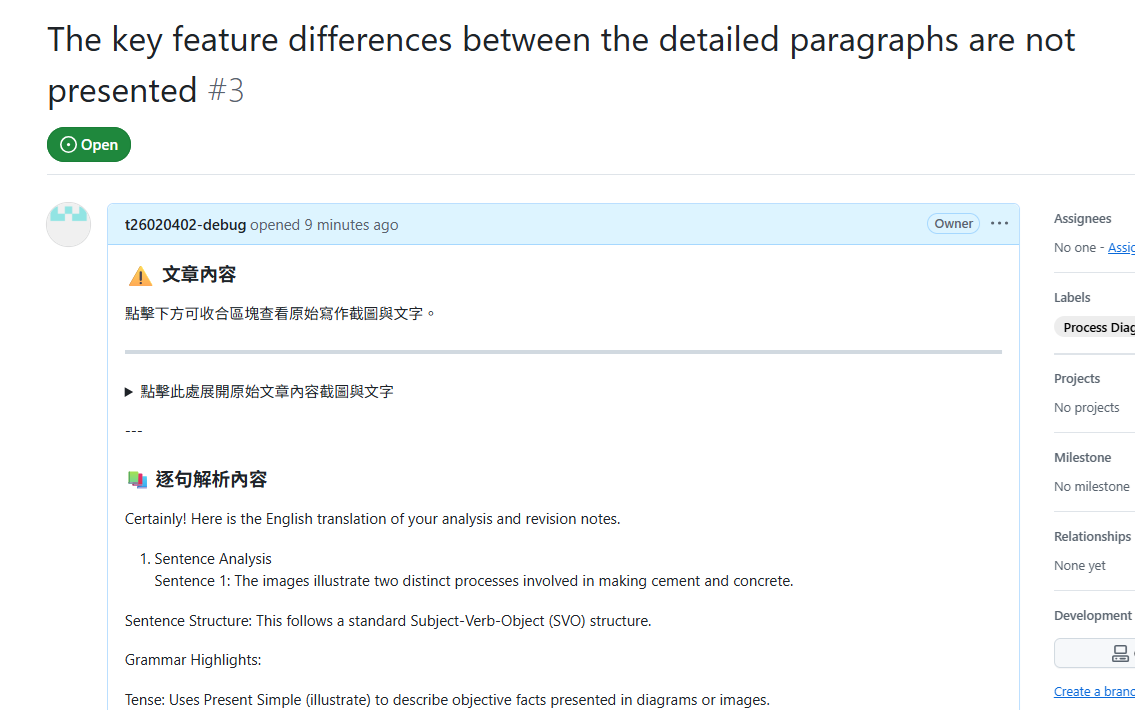
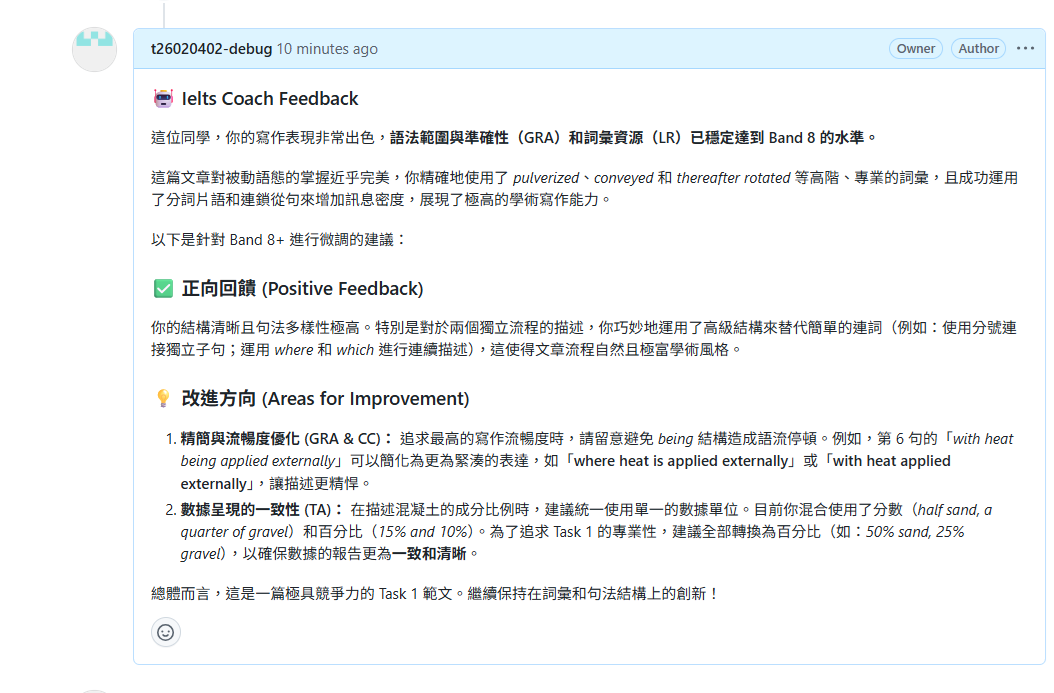
The system syncs results and AI feedback to a GitHub repository, forming a permanent learning database via Issues
-
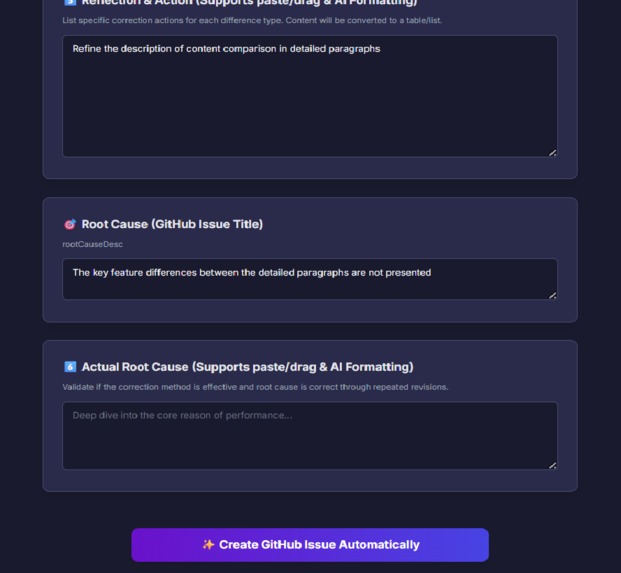
The system syncs results and AI feedback to a GitHub repository, forming a permanent learning database via Issues
-
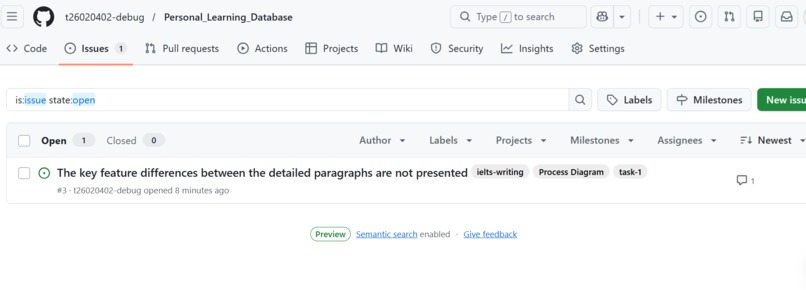
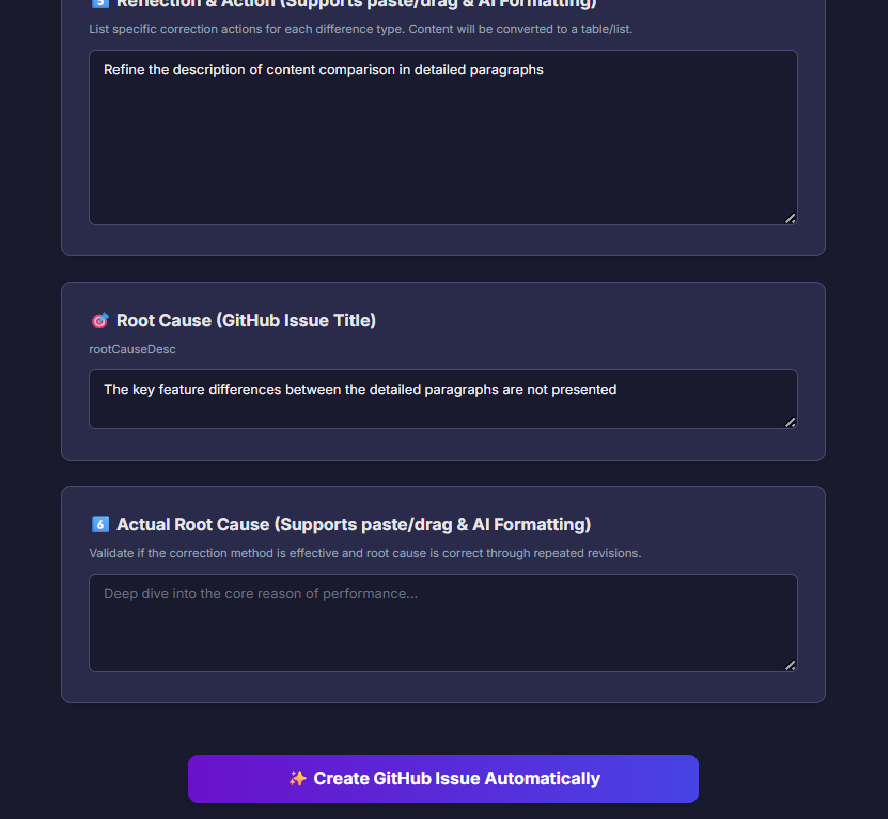
The system syncs results and AI feedback to a GitHub repository, forming a permanent learning database via Issues
-
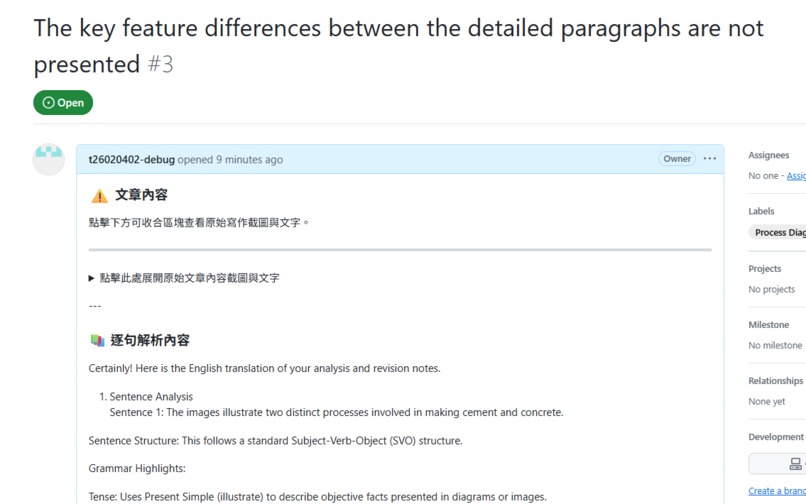
The system syncs results and AI feedback to a GitHub repository, forming a permanent learning database via Issues
-
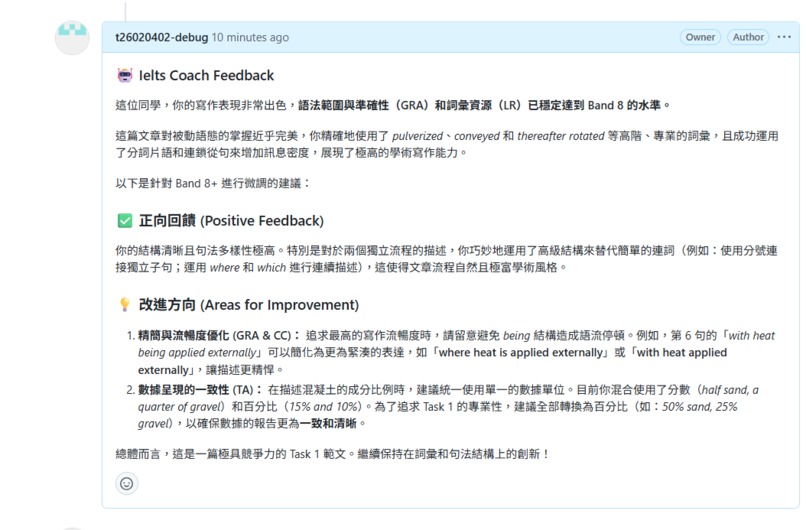
Users identify root causes via 'Difference Analysis,' while AI concludes by highlighting learner blind spots
Inspiration
Quest Empire was born from a father’s quiet struggle and a grander vision for the future. Like the movie Kung Fu Jungle (一個人的武林), my journey has often felt like a solitary pursuit—working relentlessly every day to change my circumstances and provide a better life for my children.
I realized that English is the key to that change, yet the journey of learning it is often grueling for both parents and children. I wanted to take the high expectations and love I have for my kids and crystallize them into a tool that removes the "grind." My goal was to transform the hardship of language acquisition into an engaging, interactive game—a quest for mastery.
What it does
Quest Empire is an Agentic Learning Ecosystem that goes beyond simple translation. It is an AI-driven interactive tool designed to:
- Gamify English: Turn repetitive learning into a personalized "Quest."
- Bridge the "Intuition Gap": It translates the elusive "linguistic intuition" of native speakers—something rarely taught in classrooms—into clear, actionable knowledge.
- Create a Learning "Paper Trail": By integrating with GitHub, it treats a student's learning progress like software code, making it easy to review, "debug," and replay their growth.
How we built it
We combined advanced machine learning with modern software engineering principles:
- Analytical Core: We utilized a Random Forest model to perform Root Cause Analysis (RCA) on learning errors. These results are fed into Gemini 3, which uses Intent Analysis and Specification Driven Development (SDD) principles to generate precise, executable learning paths.
- Contextual Prediction: We leveraged the Gemini 3 LLM corpus to predict sentence contexts, helping learners understand why a native speaker chooses one word over another.
- The "DevOps" of Learning: We used GitHub as our backend database storage. By analyzing what the learner already understands versus what the LLM predicts, the system filters out the "noise" to highlight specific blind spots.
Challenges we ran into
The biggest challenge was translating "feeling" into "data." Native speakers often say, "It just sounds right," which is frustrating for learners. Coding that "gut feeling" into a logic-based system required countless iterations of prompt engineering and intent analysis to ensure the AI's feedback was actually useful and not just grammatically pedantic.
Accomplishments that we're proud of
We are incredibly proud of creating a system that doesn't just point out mistakes—it explains the intent. Successfully integrating GitHub as a database for learning history was a breakthrough, as it allows learners to see their progress through the same lens of version control that engineers use to build world-class software.
What we learned
We learned that language learning is not a "content" problem; it's a "feedback" problem. By applying engineering methodologies like RCA and SDD to education, we found that we could make the invisible structures of English visible to anyone. Most importantly, we learned that technology is at its best when it's fueled by a personal mission to empower the next generation.
What's next for Quest Empire – The Agentic Learning Ecosystem
Our next step is to expand the "Agentic" capabilities of the platform. We want the AI to not only react to user input but to proactively suggest "Side Quests" based on real-world news or the learner’s specific hobbies. We are building toward a future where every child can have a world-class English mentor in their pocket, turning the "lonely martial arts" of study into a collaborative empire of knowledge.


Log in or sign up for Devpost to join the conversation.