



Inspiration
The inspiration for DevFlow AI came from experiencing the frustration of juggling multiple developer tools and platforms. As developers, we constantly switch between GitHub, analytics dashboards, project management tools, and various productivity apps. We envisioned a unified platform that could bring all these workflows together while showcasing the revolutionary potential of AI-assisted development through Kiro IDE.
What it does
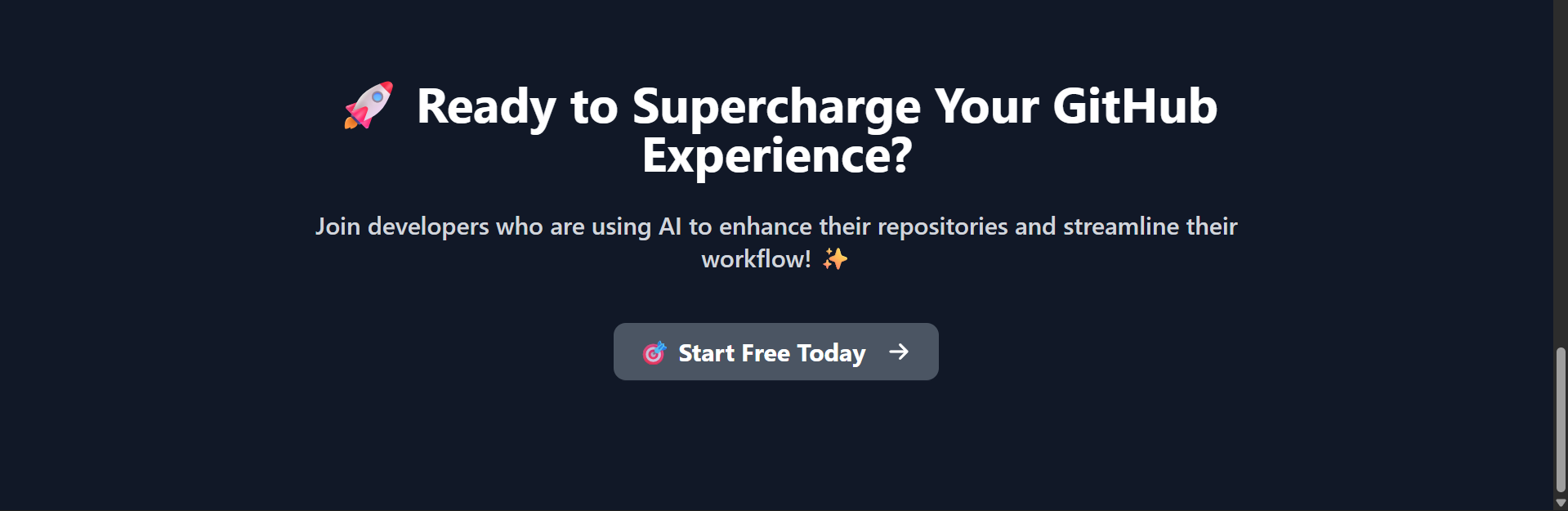
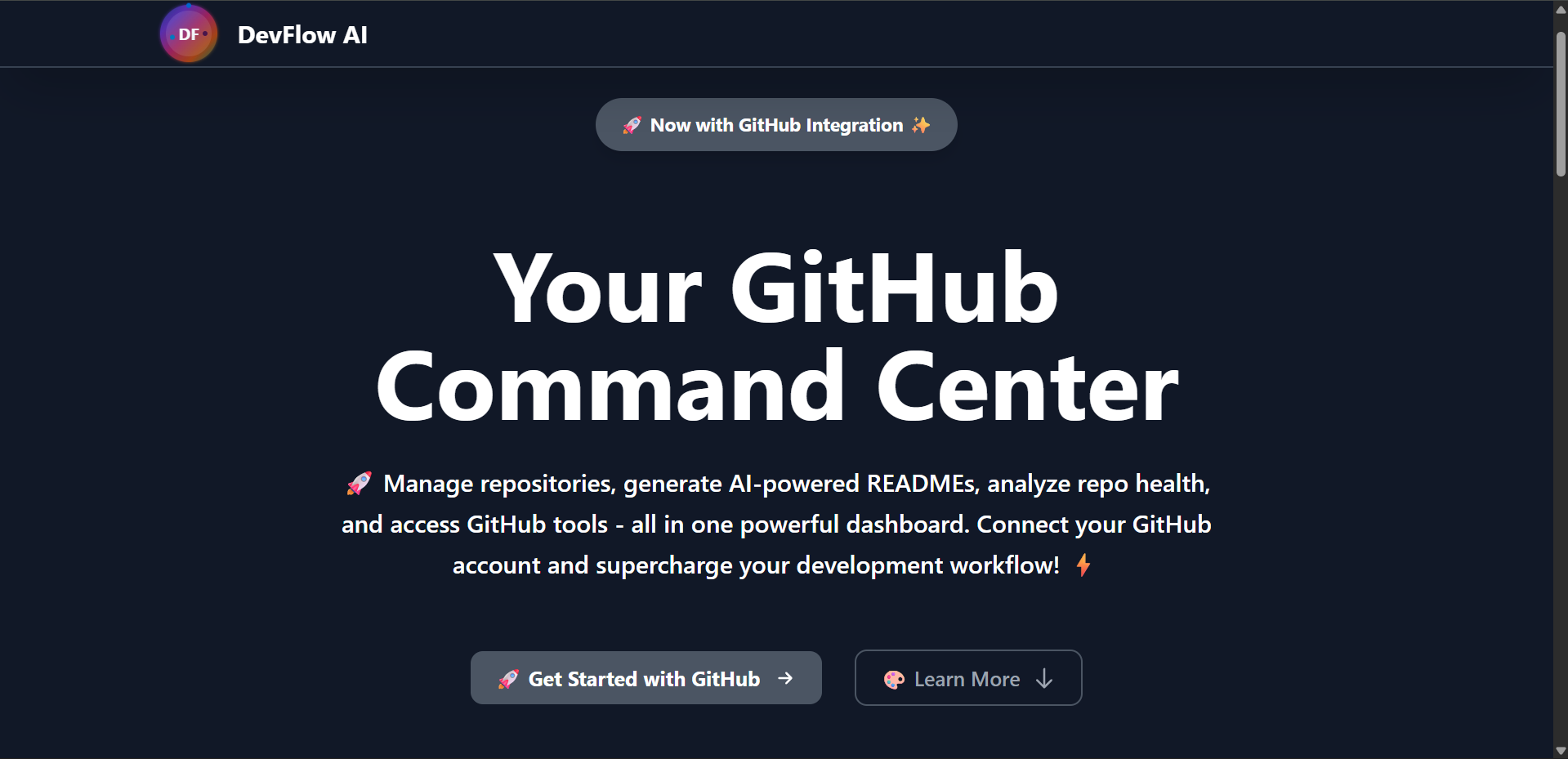
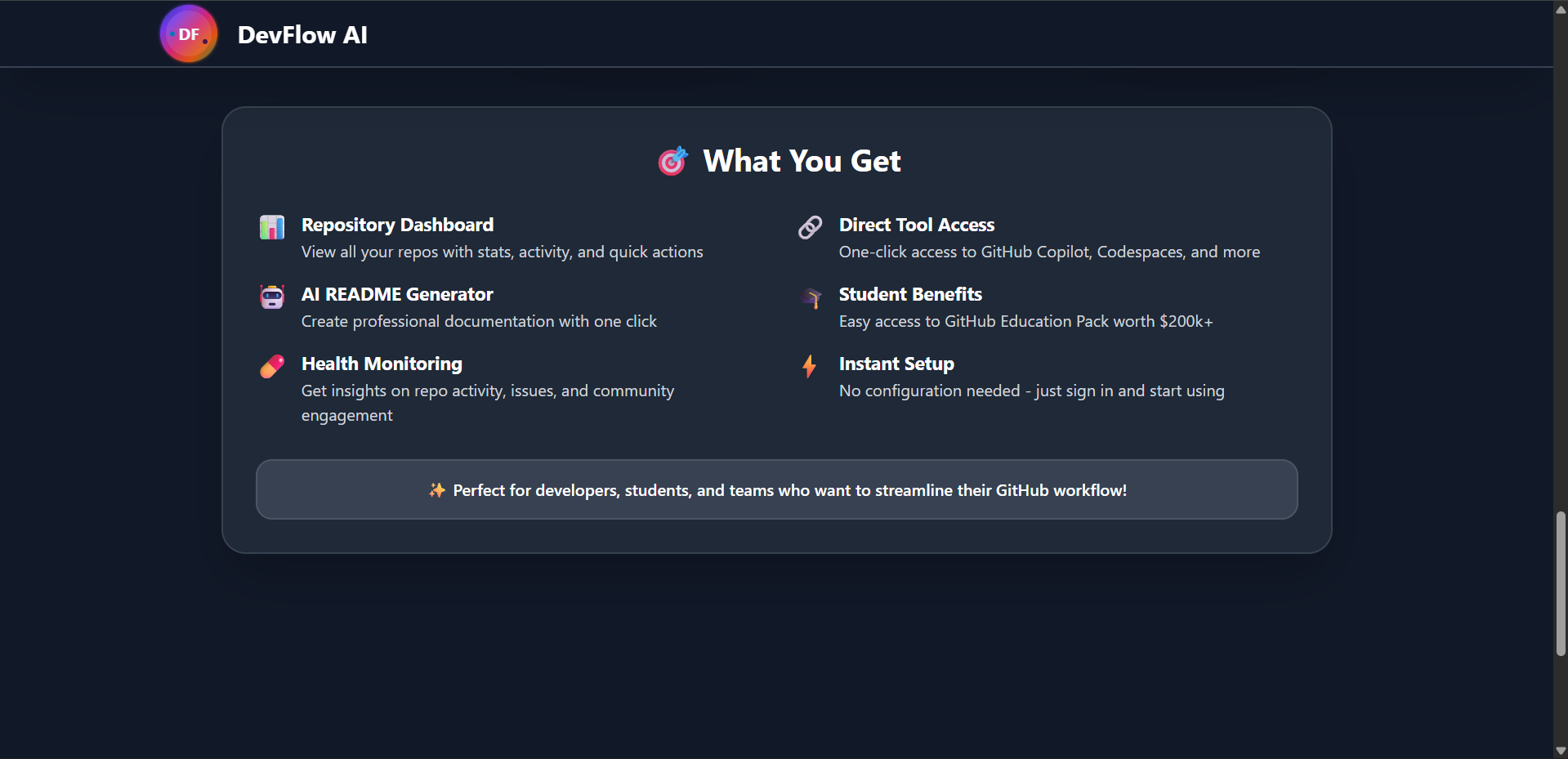
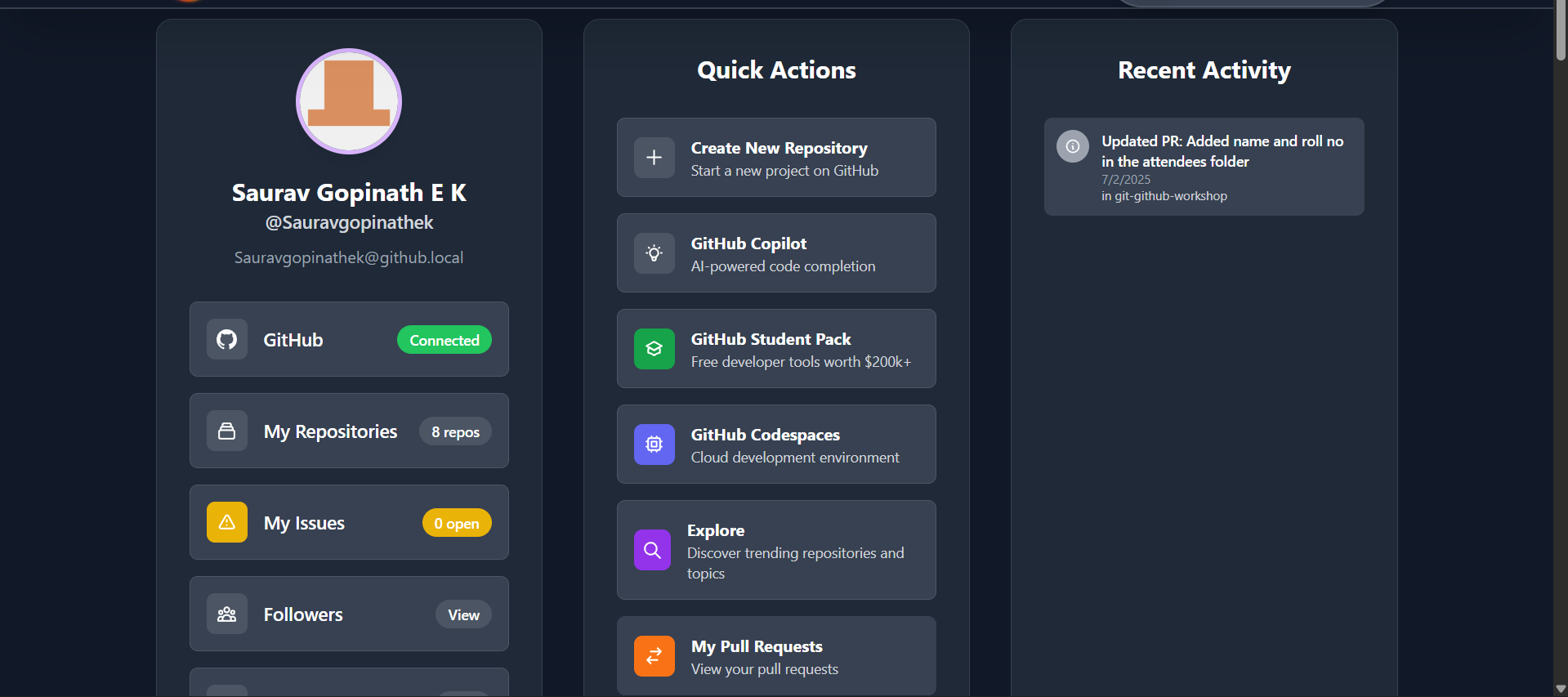
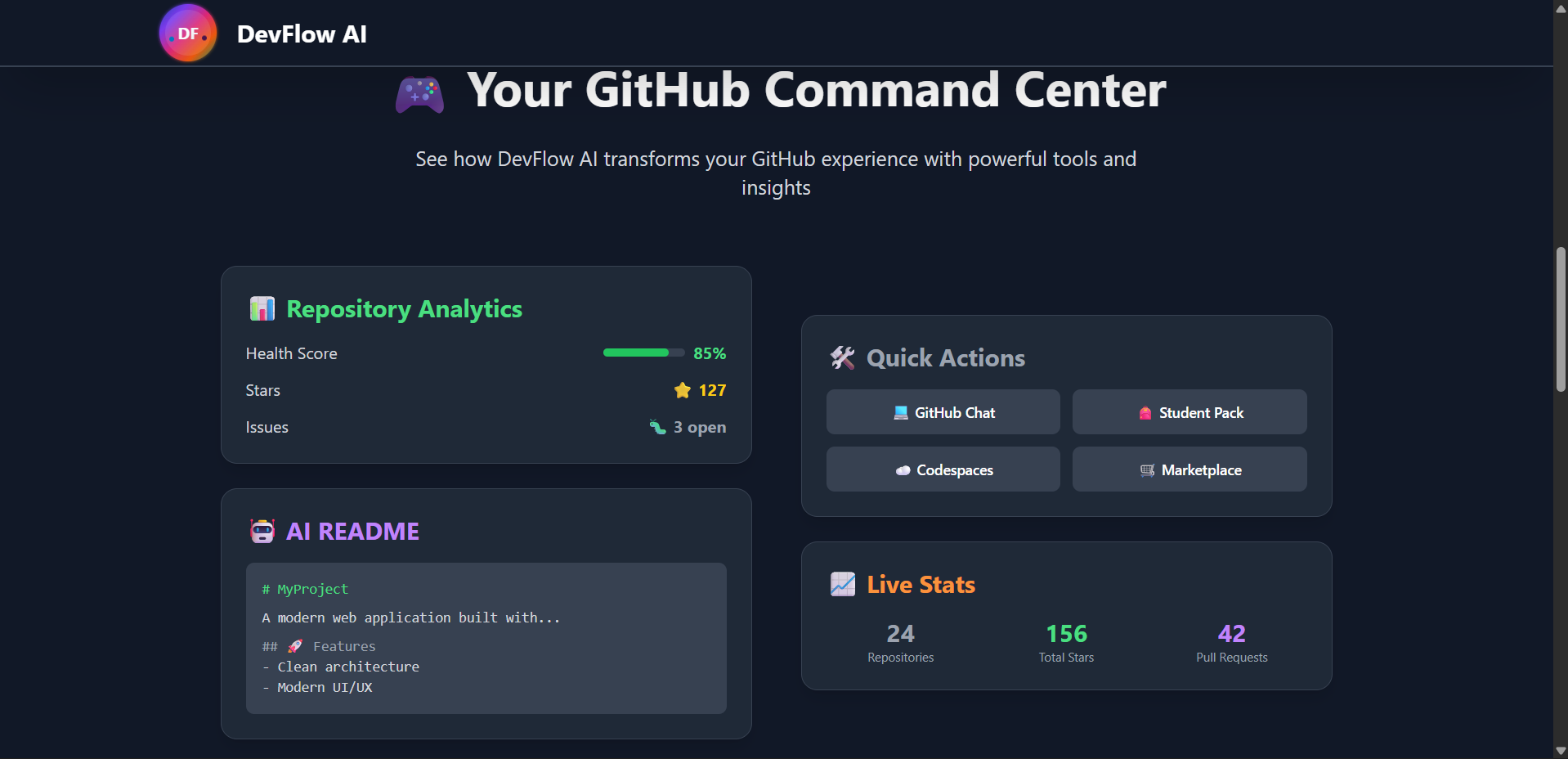
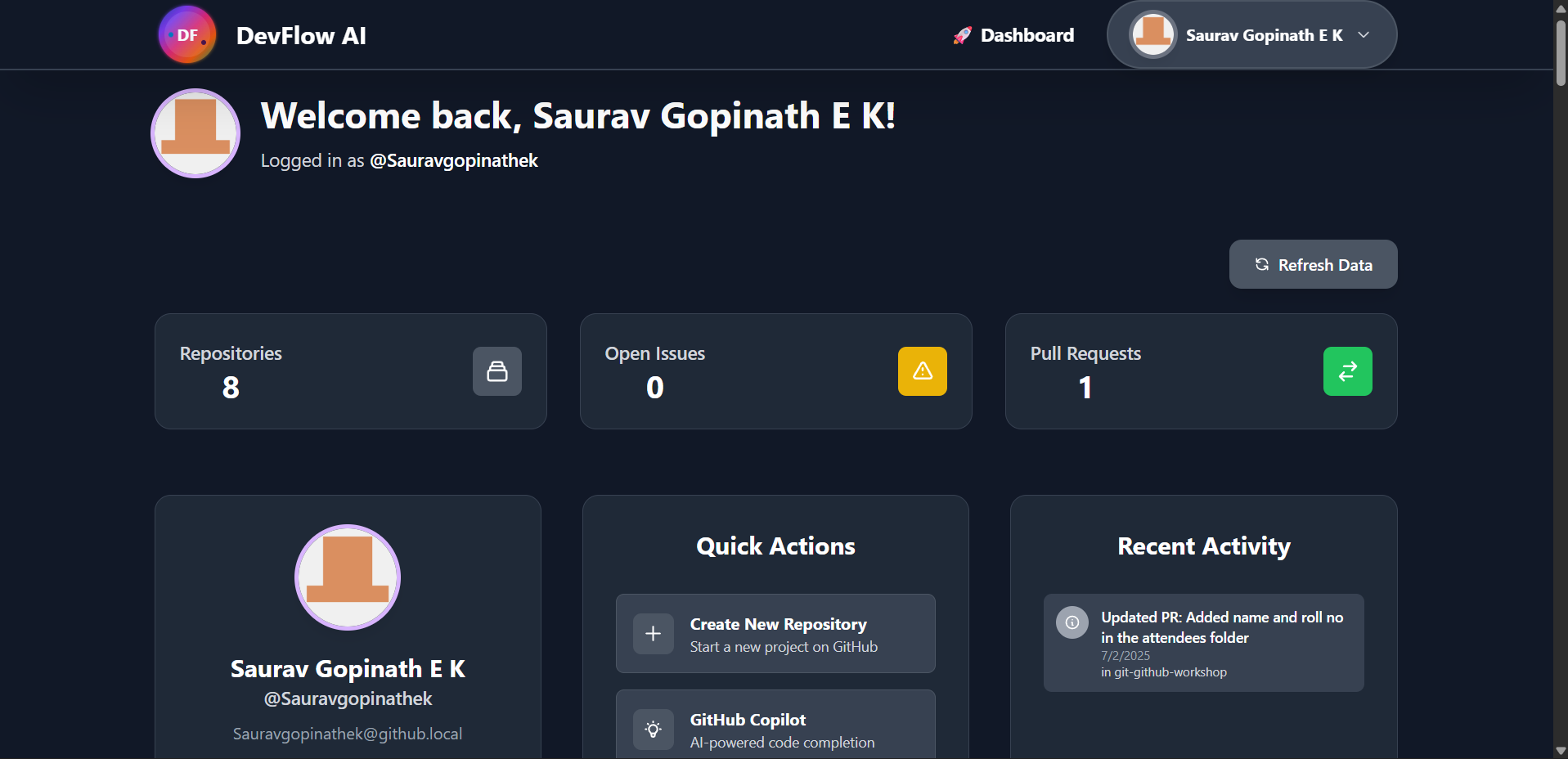
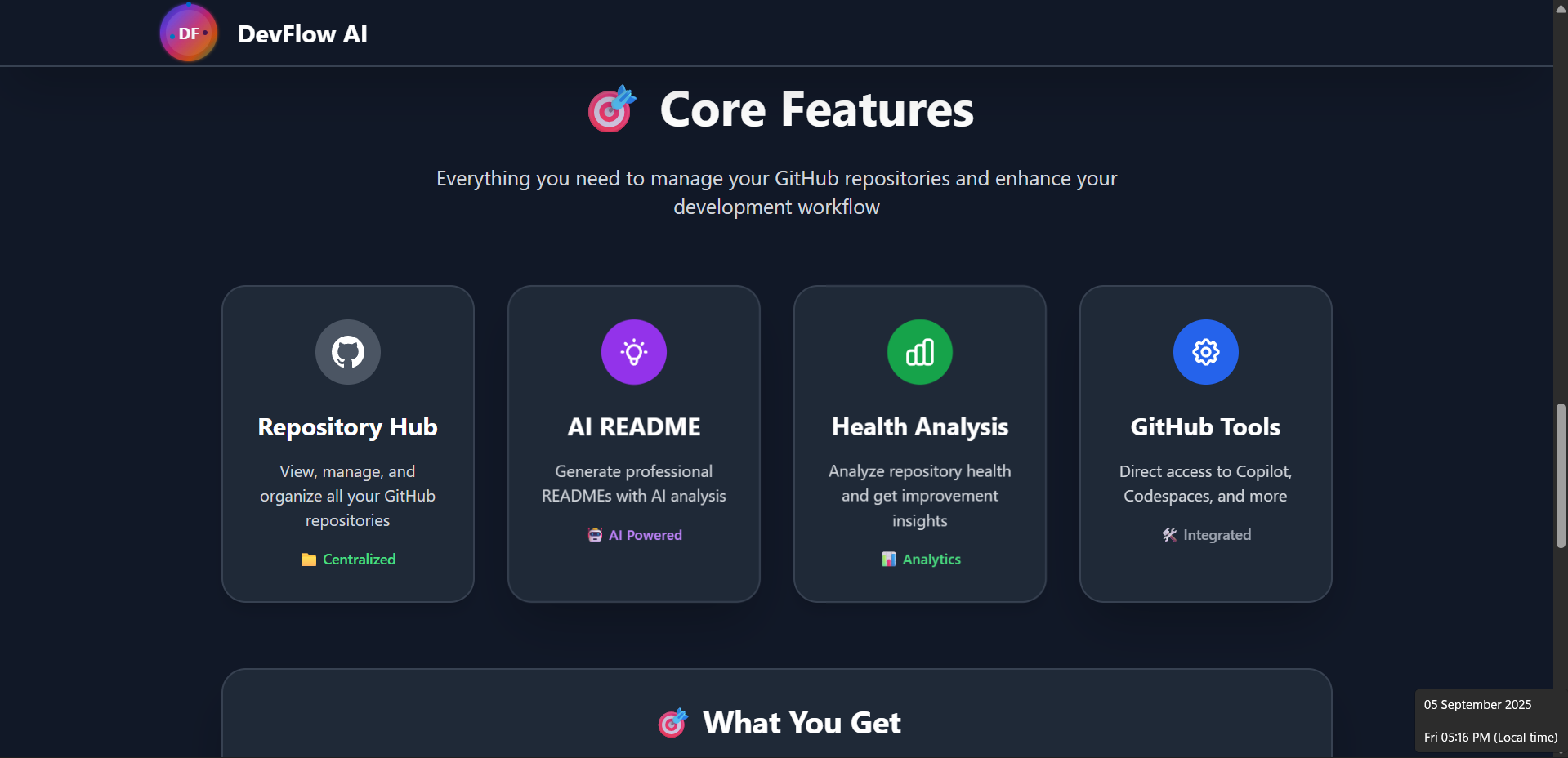
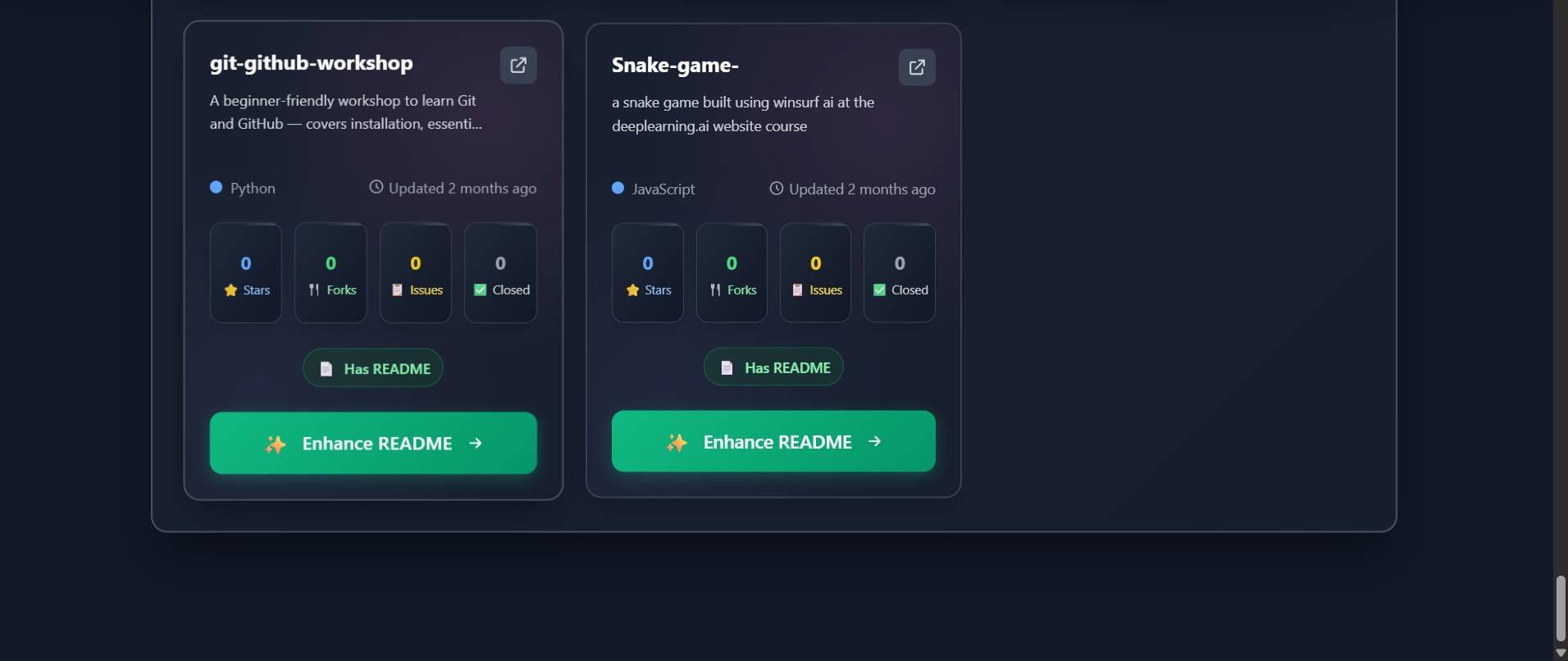
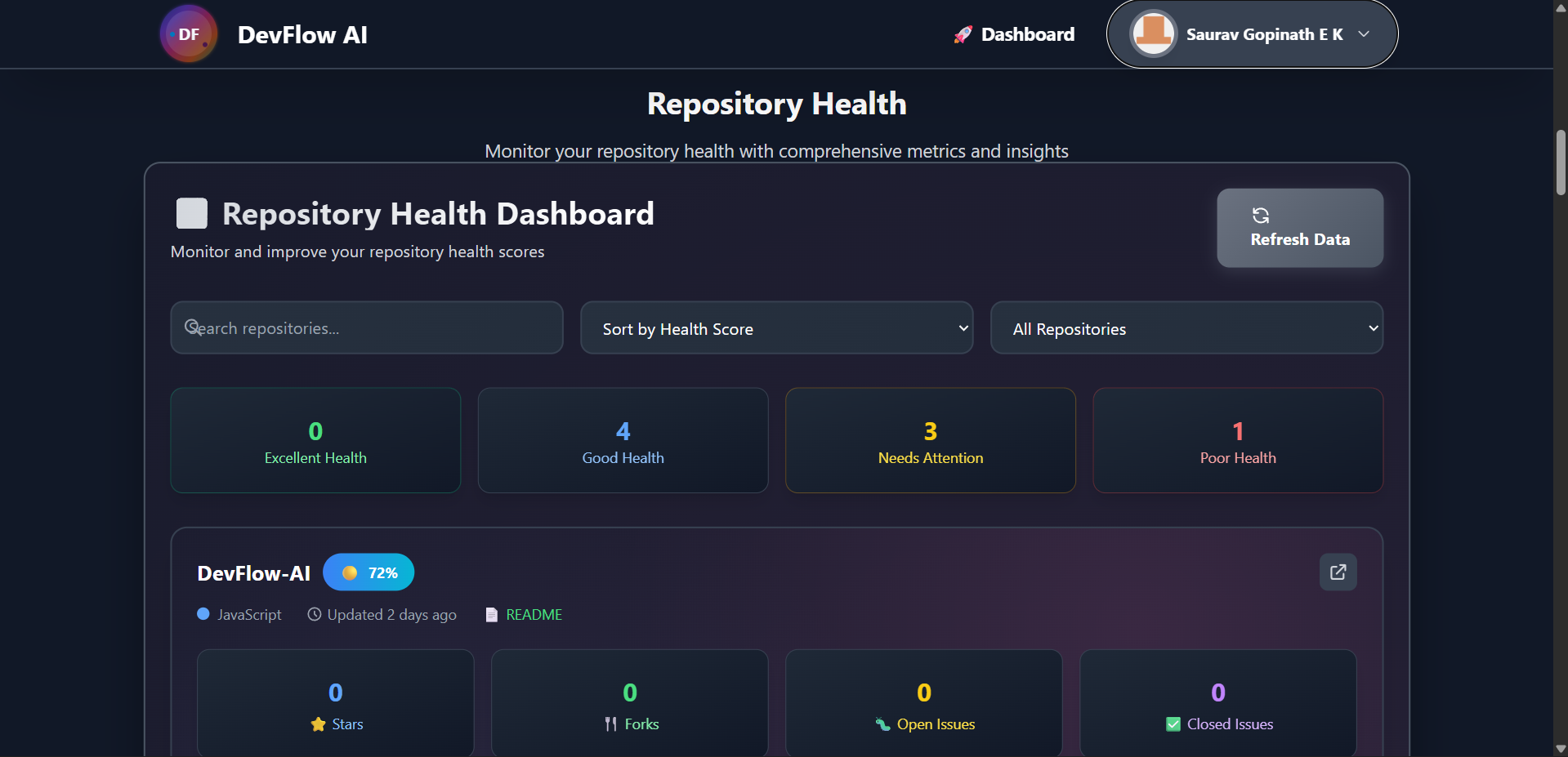
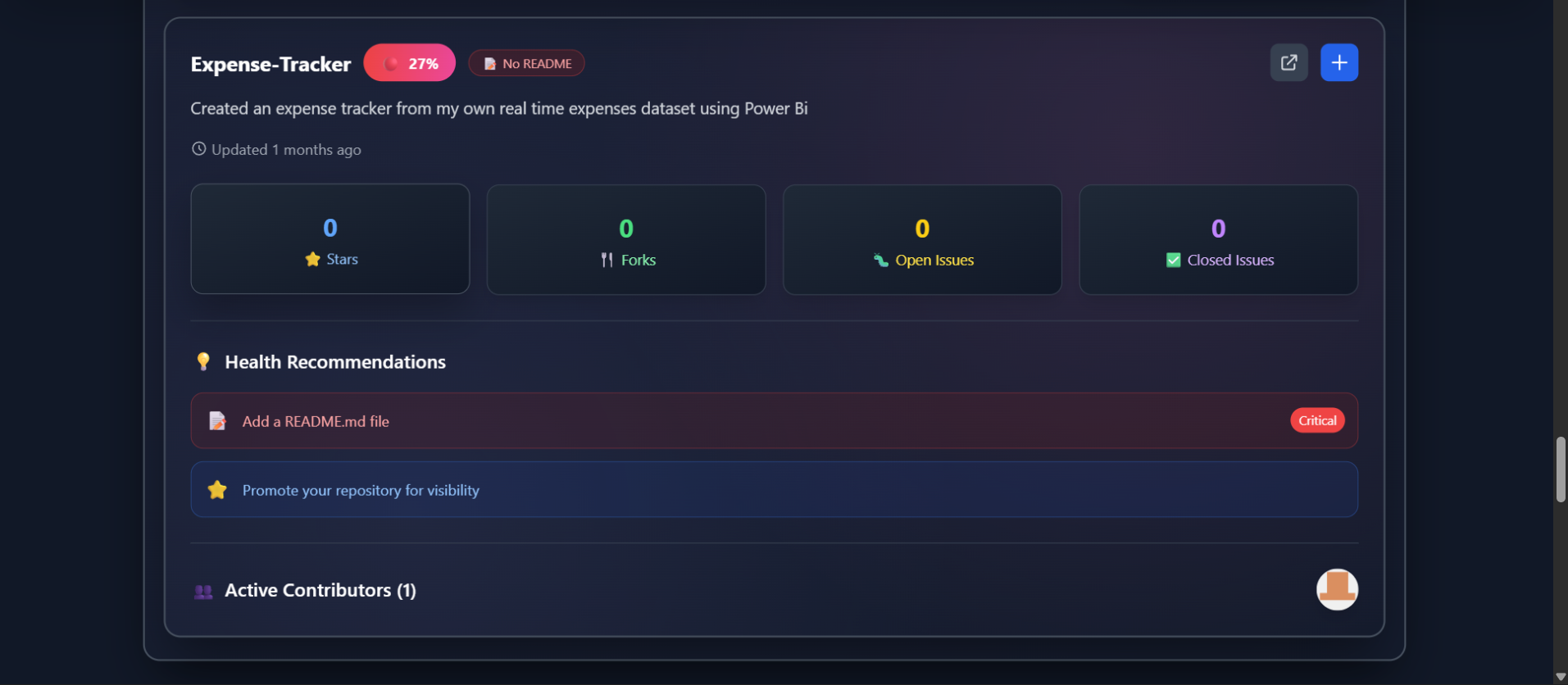
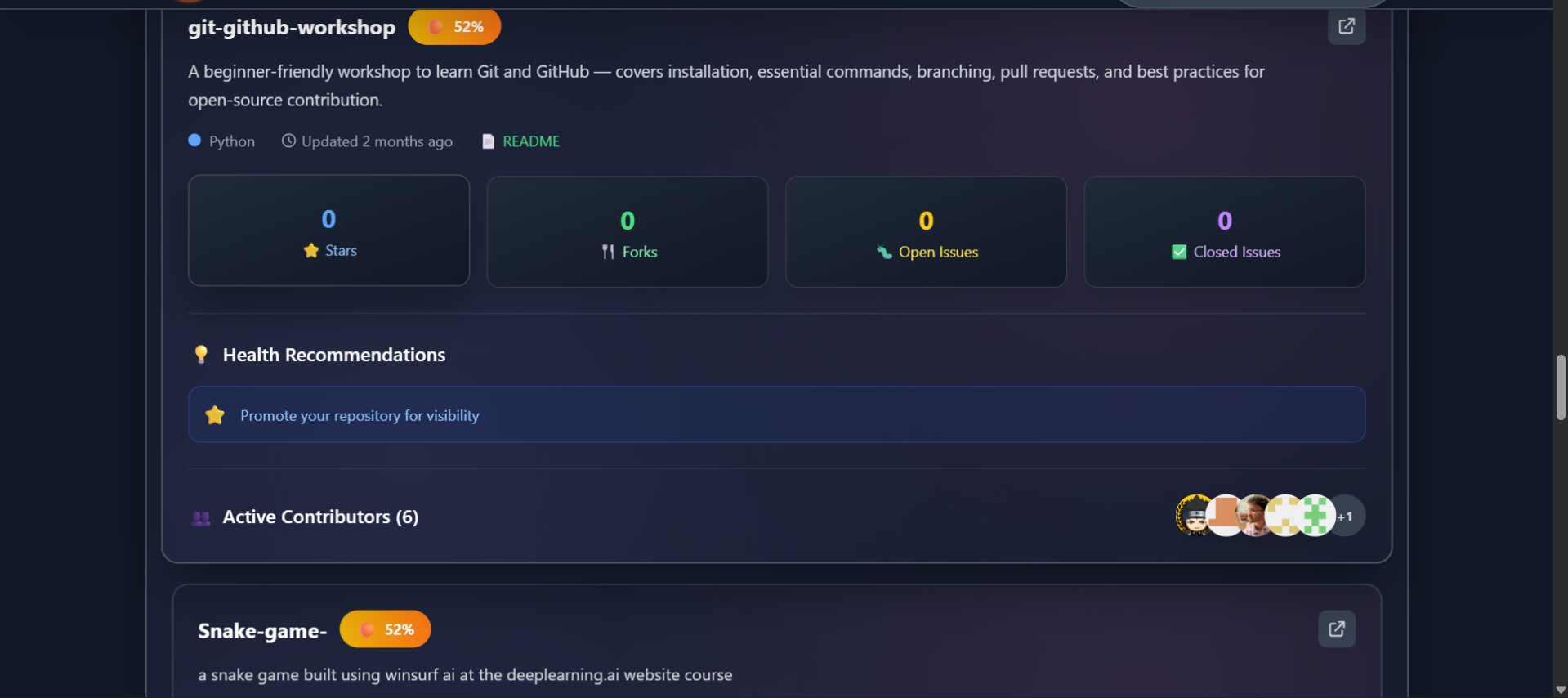
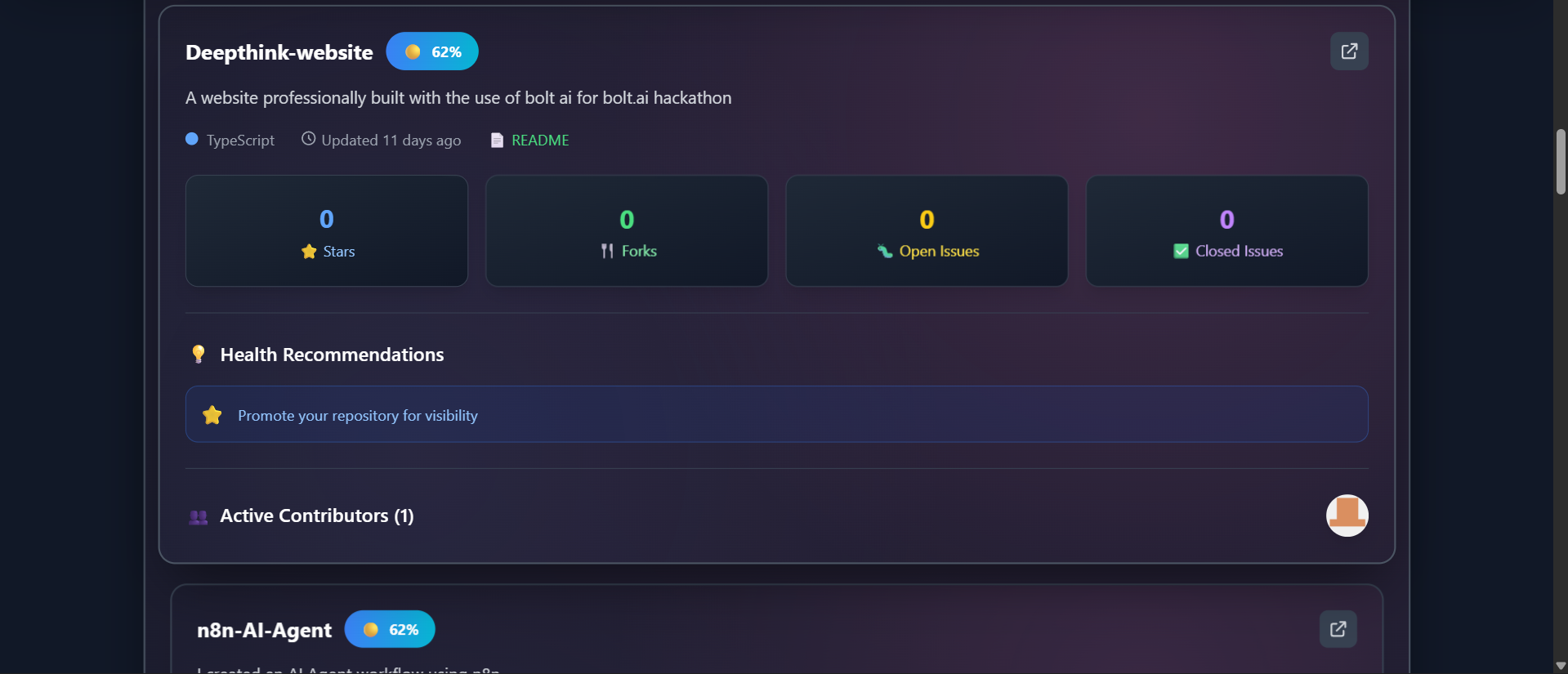
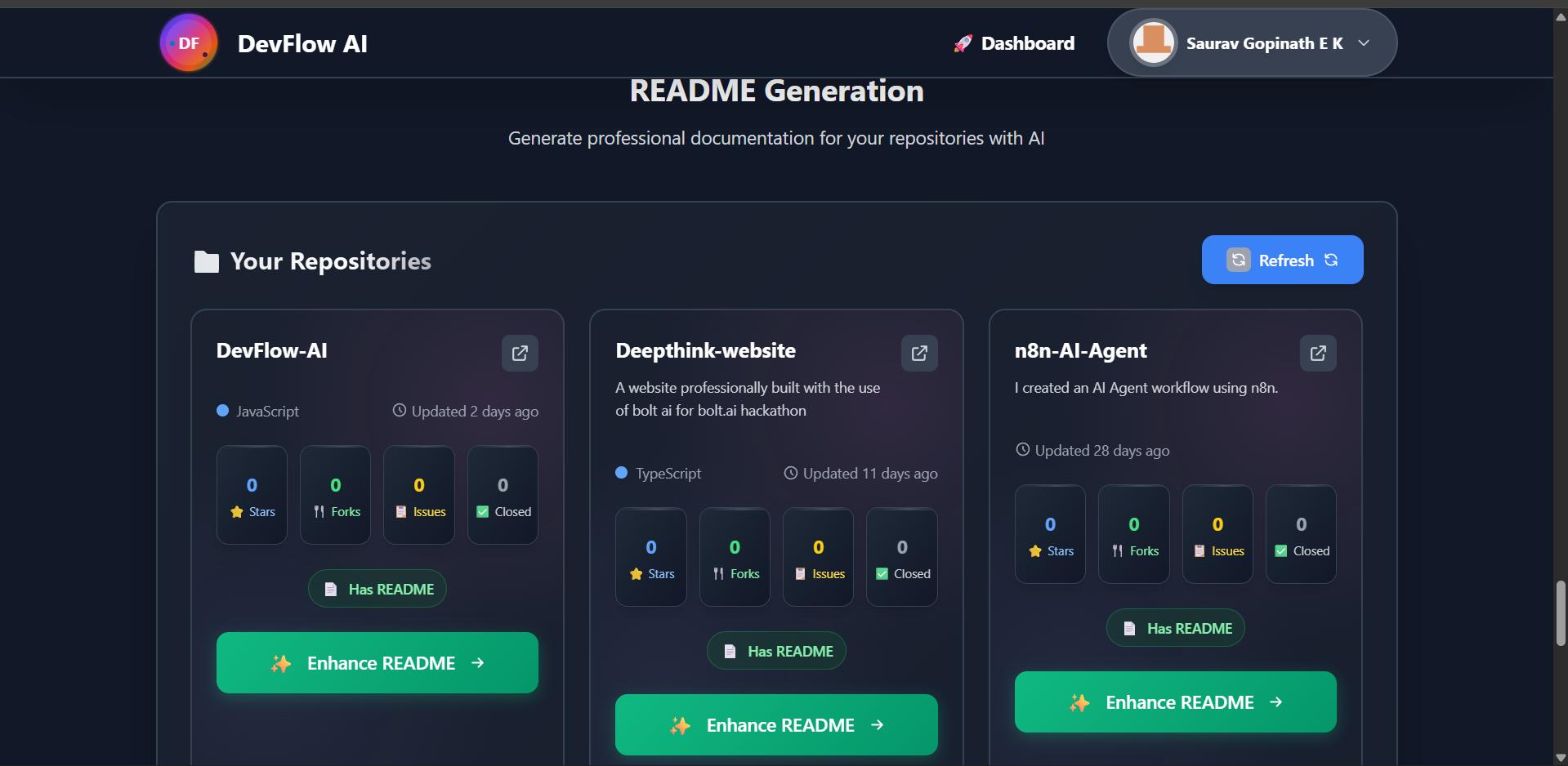
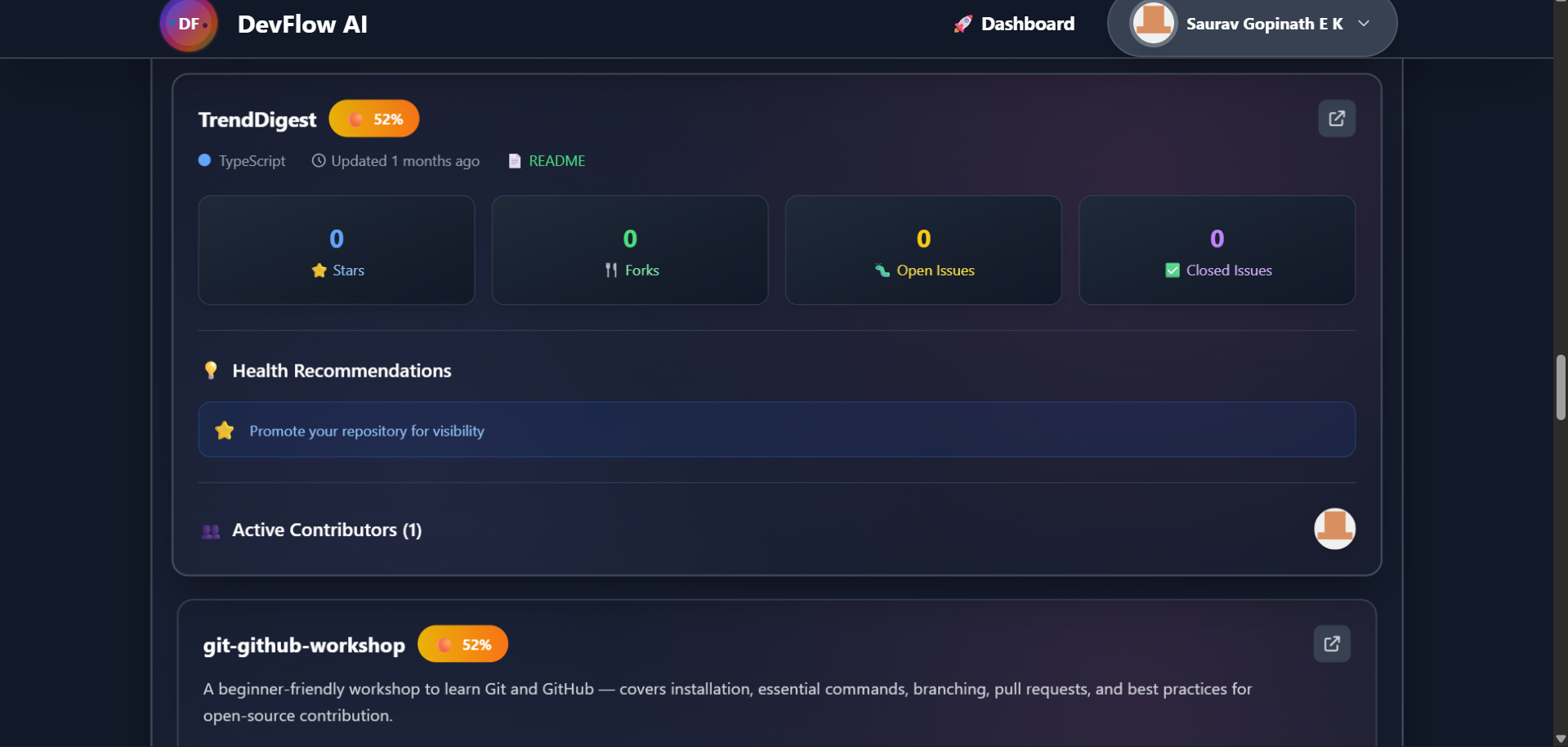
DevFlow AI is a comprehensive developer productivity platform that transforms how developers interact with their GitHub repositories. It provides:
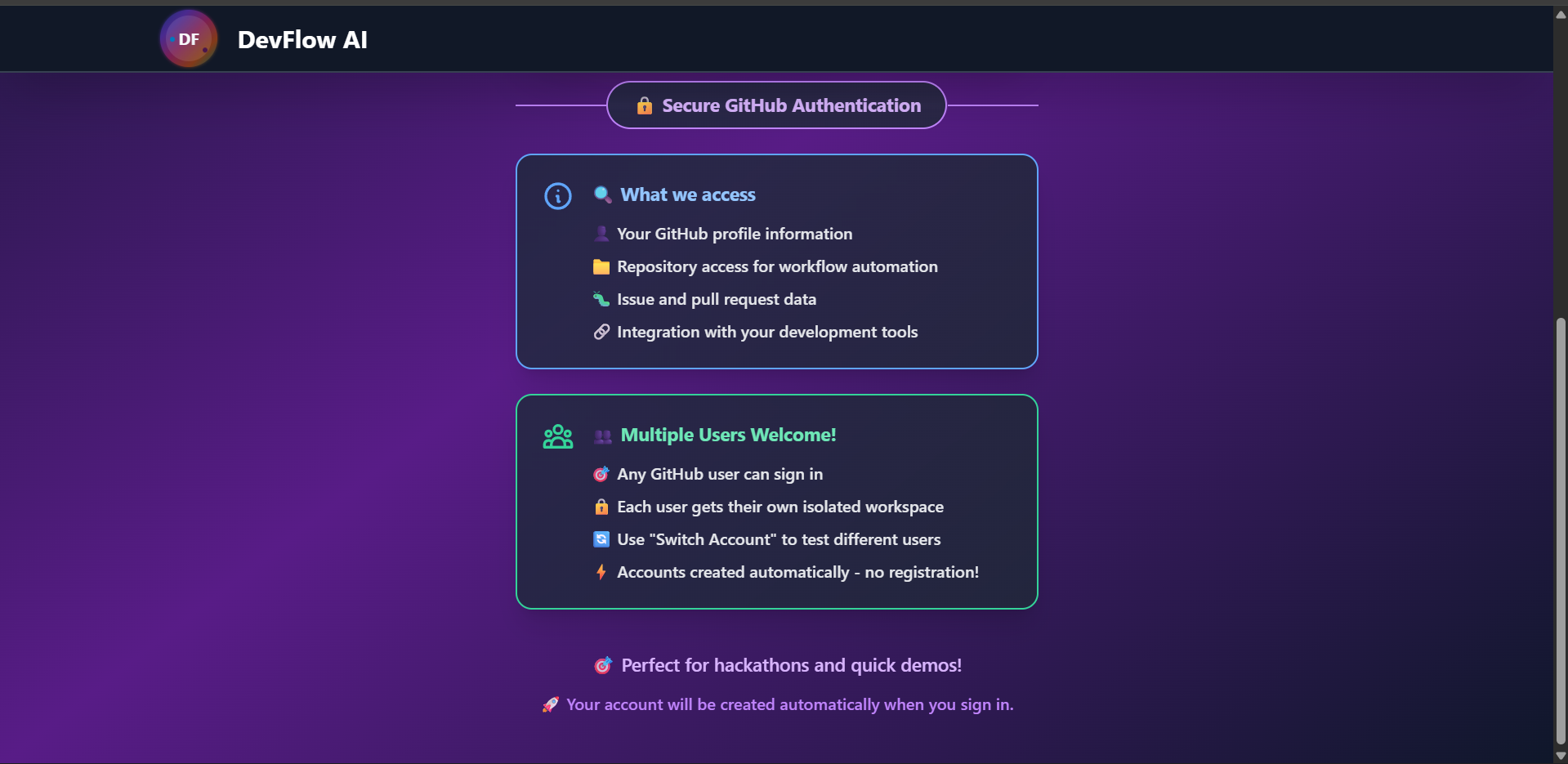
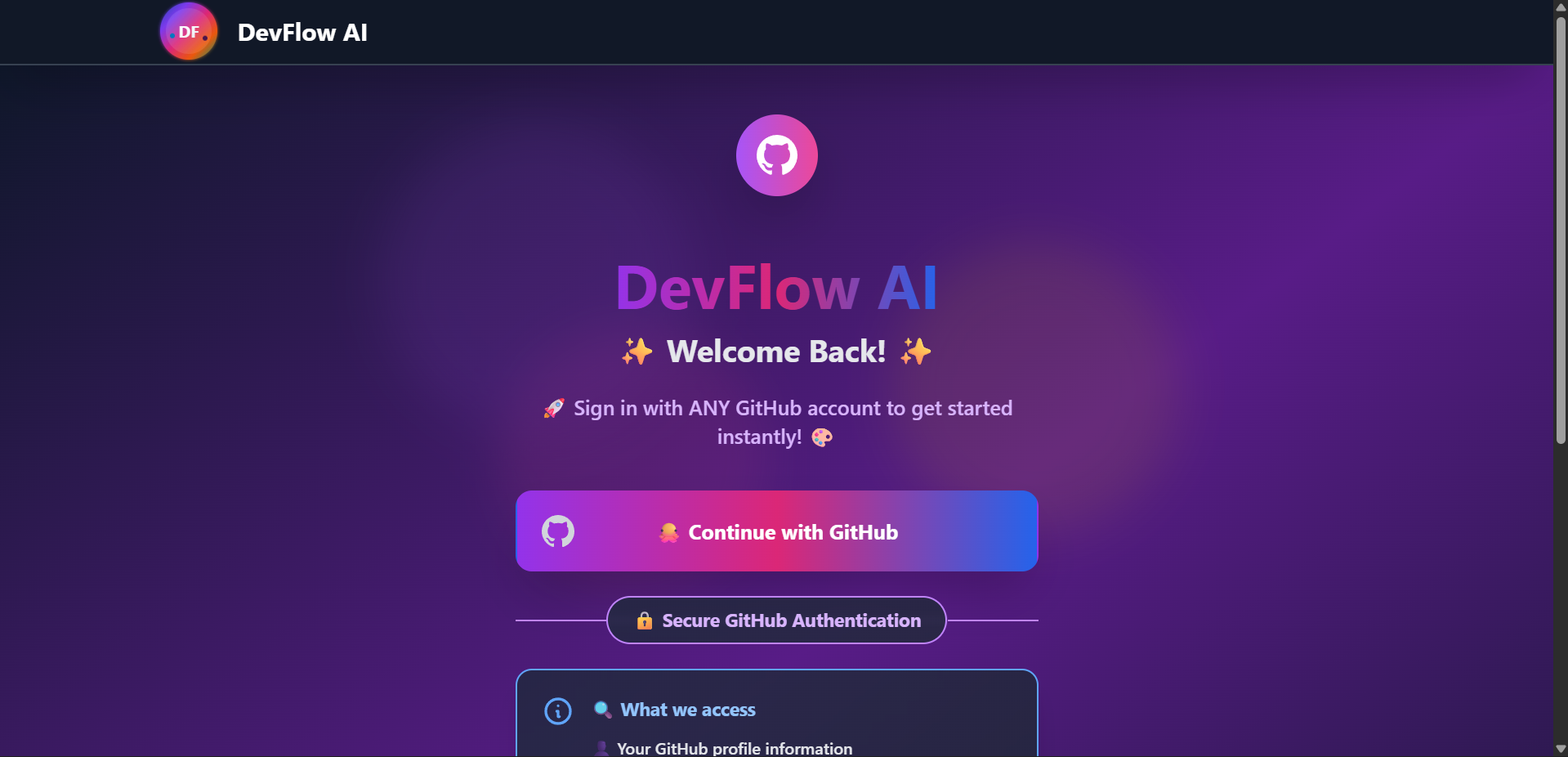
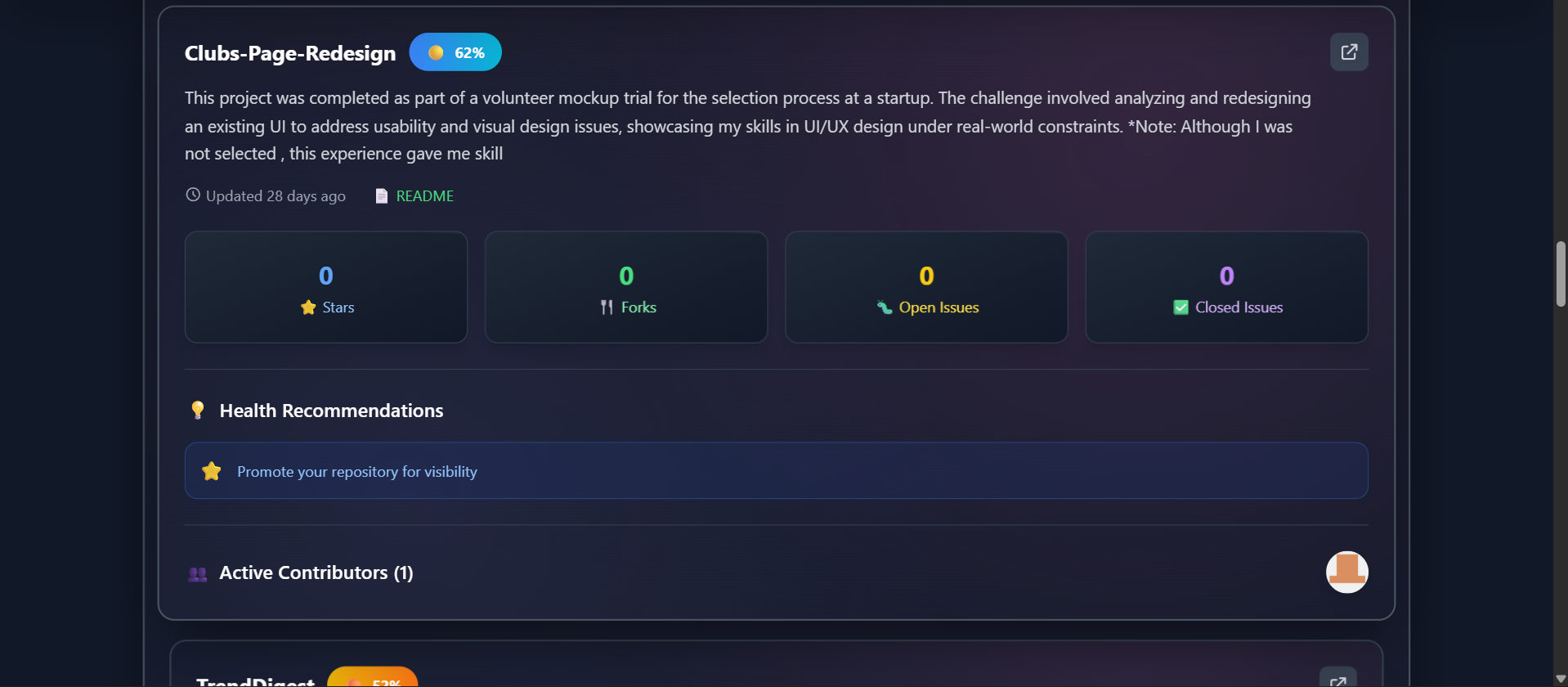
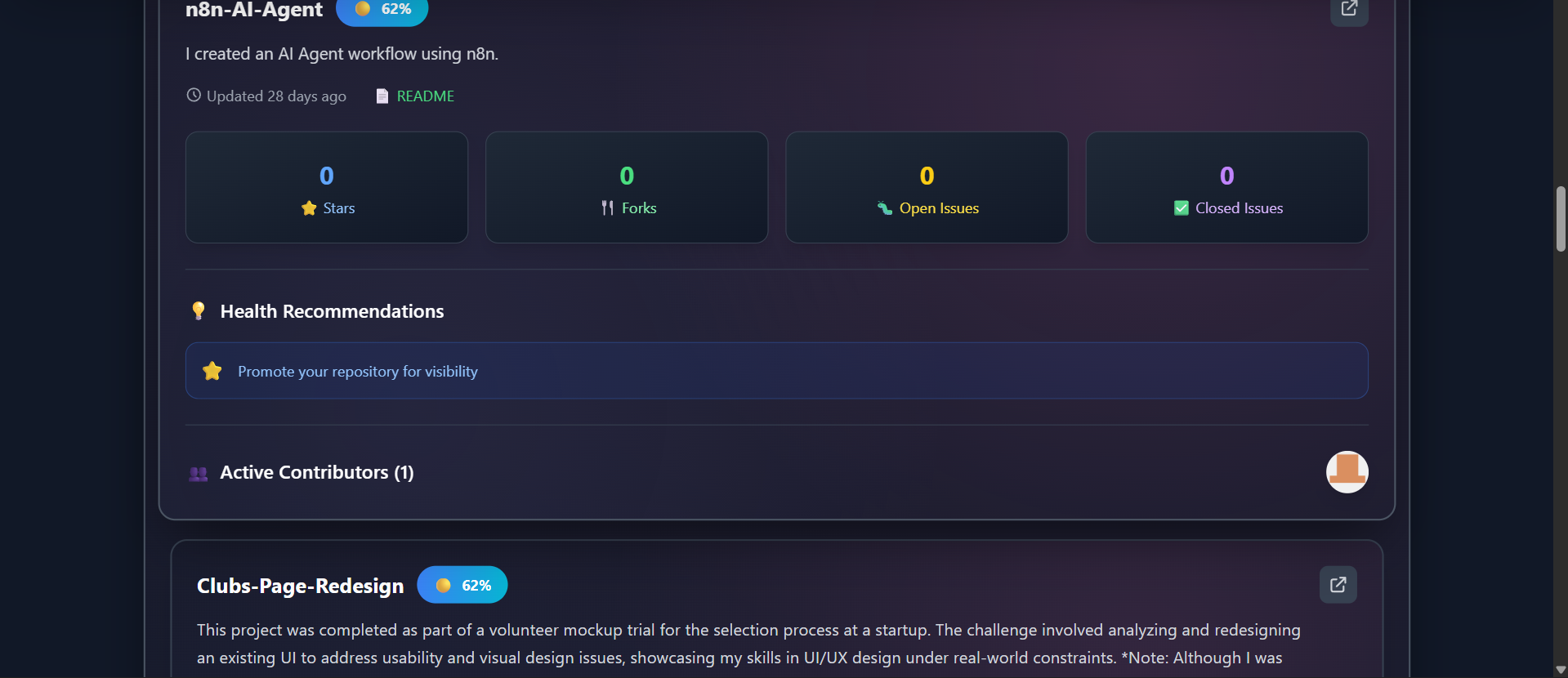
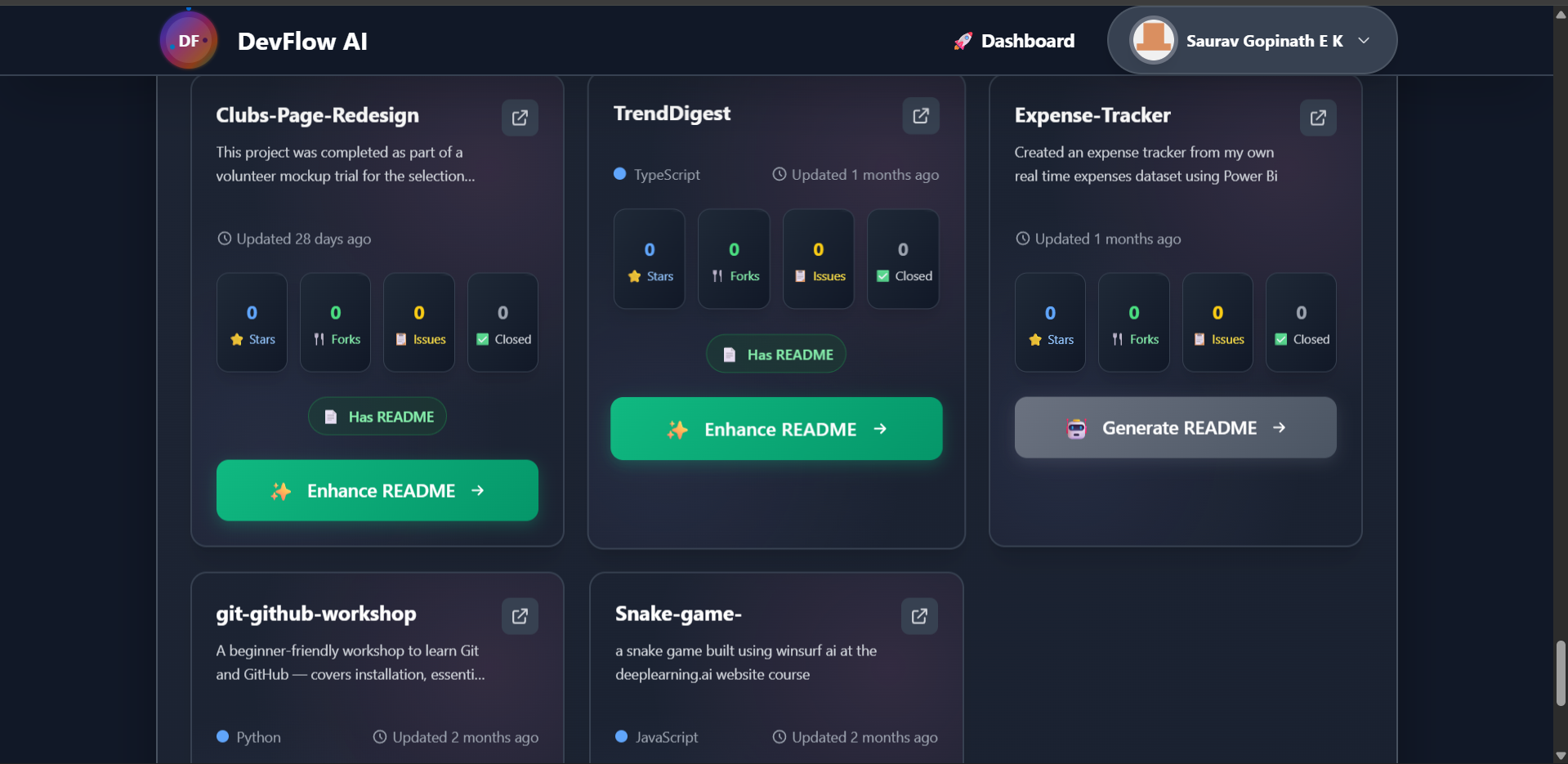
Seamless GitHub OAuth Integration: Connect any GitHub account with one click Intelligent Repository Analytics: AI-powered health scoring and recommendations for your repos Unified Dashboard: **Real-time metrics, issues, pull requests, and activity feeds in one place **Smart Repository Management: Create, analyze, and safely delete repositories with built-in safeguards Beautiful Modern UI: Purple-pink-blue gradient theme with glass-morphism effects and animated backgrounds Adaptive Experience: Dark/light mode with responsive design across all devices **Multi-User Support: Isolated workspaces for different GitHub accounts
How we built it
DevFlow AI was built entirely using Kiro's AI-assisted development capabilities, showcasing the future of software development:
Frontend: React.js with Tailwind CSS for the modern gradient UI, using functional components and React hooks for state management.
Backend: Node.js with Express.js, MongoDB for data persistence, and Passport.js for GitHub OAuth authentication.
AI-Assisted Development Process:
Conversational Programming: Described features in natural language and let Kiro generate the implementation Spec-Driven Development: Created detailed specifications that guided the entire architecture Automated Quality Assurance: Used Kiro's steering rules to maintain consistent code quality Agent Hooks: Automated testing and documentation updates on file changes The entire development process was transformed - from manual coding to conversational development, resulting in cleaner architecture and faster iteration cycles.
Challenges we ran into
GitHub API Rate Limits: Managing API calls efficiently while providing real-time data required implementing smart caching strategies and request optimization.
Auth Flow Complexity: Ensuring secure authentication while maintaining a smooth user experience across different GitHub account types and permissions.
UI Performance: Creating smooth animations and transitions with the gradient backgrounds while maintaining 60fps performance across devices.
Multi-User State Management: Implementing isolated workspaces that don't interfere with each other while sharing common UI components.
AI Development Learning Curve: Adapting to conversational programming and learning how to effectively communicate requirements to Kiro for optimal code generation.
Accomplishments that we're proud of
roduction-ready full-stack application entirely through conversational programming with Kiro IDE.
Beautiful Modern Design: Created a stunning gradient-based UI with glass-morphism effects that rivals professional SaaS applications.
Robust GitHub Integration: Implemented comprehensive OAuth flow with multi-user support and real-time data synchronization.
Performance Excellence: Achieved fast loading times and smooth animations despite complex visual effects.
Developer Experience: Created an intuitive platform that genuinely improves developer productivity and workflow management.
What we learned
AI-Assisted Development is Revolutionary: Kiro transformed our development process, allowing us to focus on design and user experience while AI handled implementation details.
Conversational Programming: Learning to effectively communicate with AI for code generation opened up entirely new development workflows.
Modern Web Technologies: Deepened understanding of React hooks, Tailwind CSS utilities, and MongoDB integration patterns.
GitHub API Mastery: Gained expertise in OAuth flows, API optimization, and real-time data management.
User Experience Design: Learned to balance visual appeal with performance and accessibility requirements.
Full-Stack Architecture: Understanding how to design scalable systems that can grow with user needs.
What's next for DevFlow-AI
What's next for DevFlow-AI Advanced Analytics: Implement machine learning models for predictive repository health and developer productivity insights.
Team Collaboration Features: Add team dashboards, shared workspaces, and collaborative repository management.
CI/CD Integration: Connect with popular CI/CD platforms for comprehensive workflow automation.
Mobile Application: Develop native mobile apps for iOS and Android with offline capabilities.
Enterprise Features: Add organization-level analytics, custom branding, and advanced security features.
AI-Powered Recommendations: Implement intelligent suggestions for code improvements, issue prioritization, and workflow optimization.
Third-Party Integrations: Connect with Jira, Slack, Discord, and other developer tools for a truly unified experience.
Open Source Community: Build a plugin ecosystem allowing developers to extend DevFlow AI with custom features.
The future of DevFlow AI is about creating the ultimate developer productivity platform that adapts to individual and team needs while showcasing the transformative power of AI-assisted development.

Log in or sign up for Devpost to join the conversation.