-
-
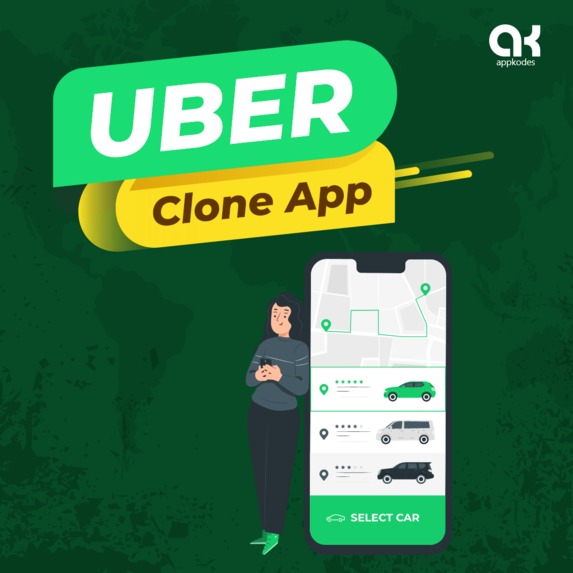
Uber Clone App Development Process
-
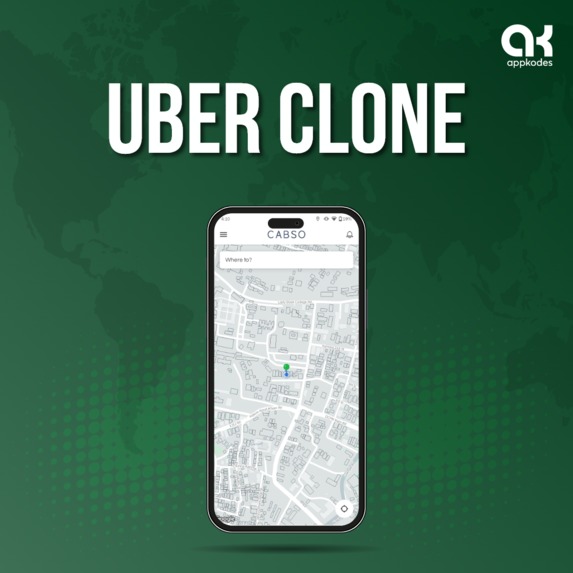
Uber Clone Script
Inspiration
The inspiration for my project came from witnessing the transformative impact Uber had on the transportation industry. The convenience and efficiency of Uber's app-based system revolutionized how people travel. This inspired me to create an app that could provide similar benefits in other areas, enhancing the way people experience on-demand services.
What it does
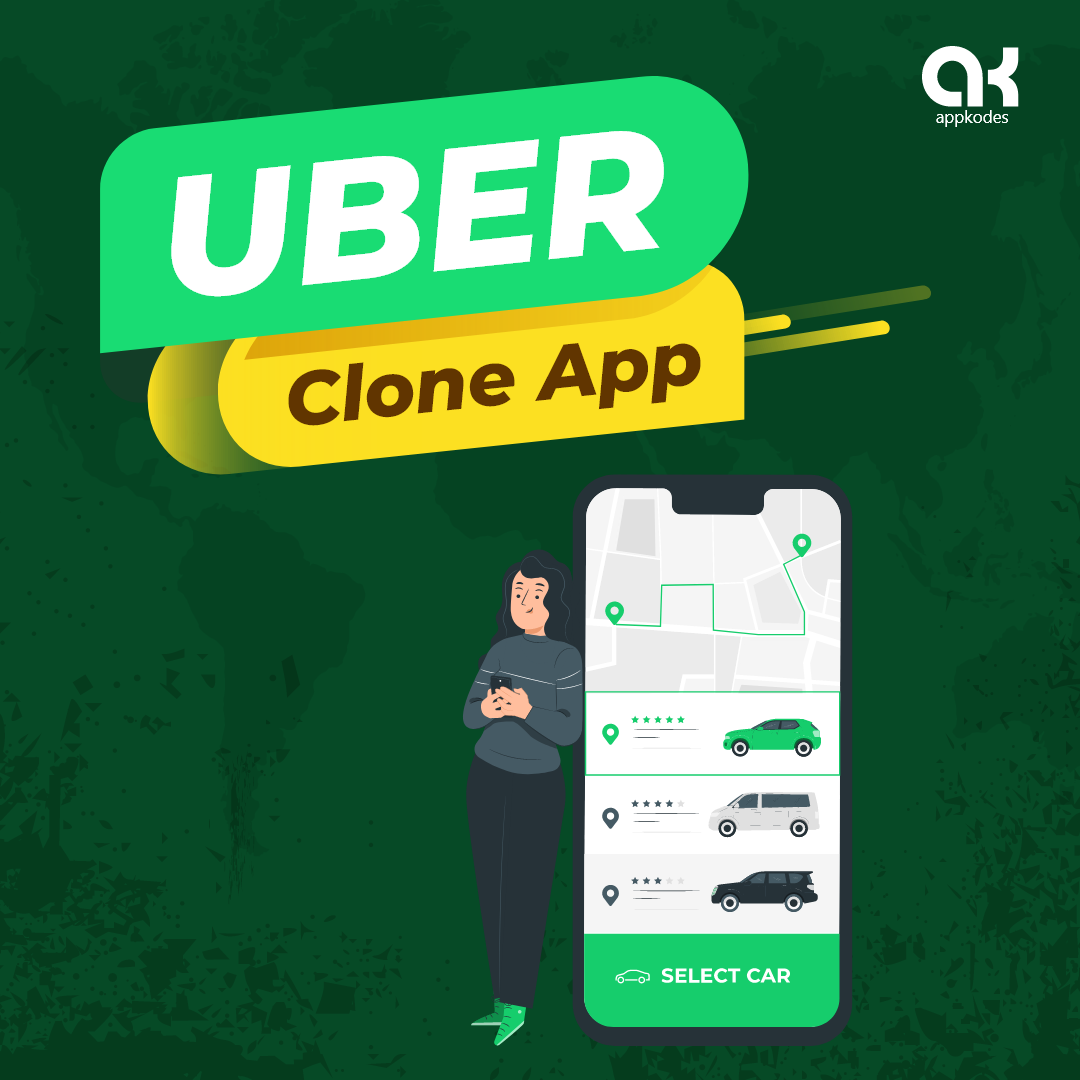
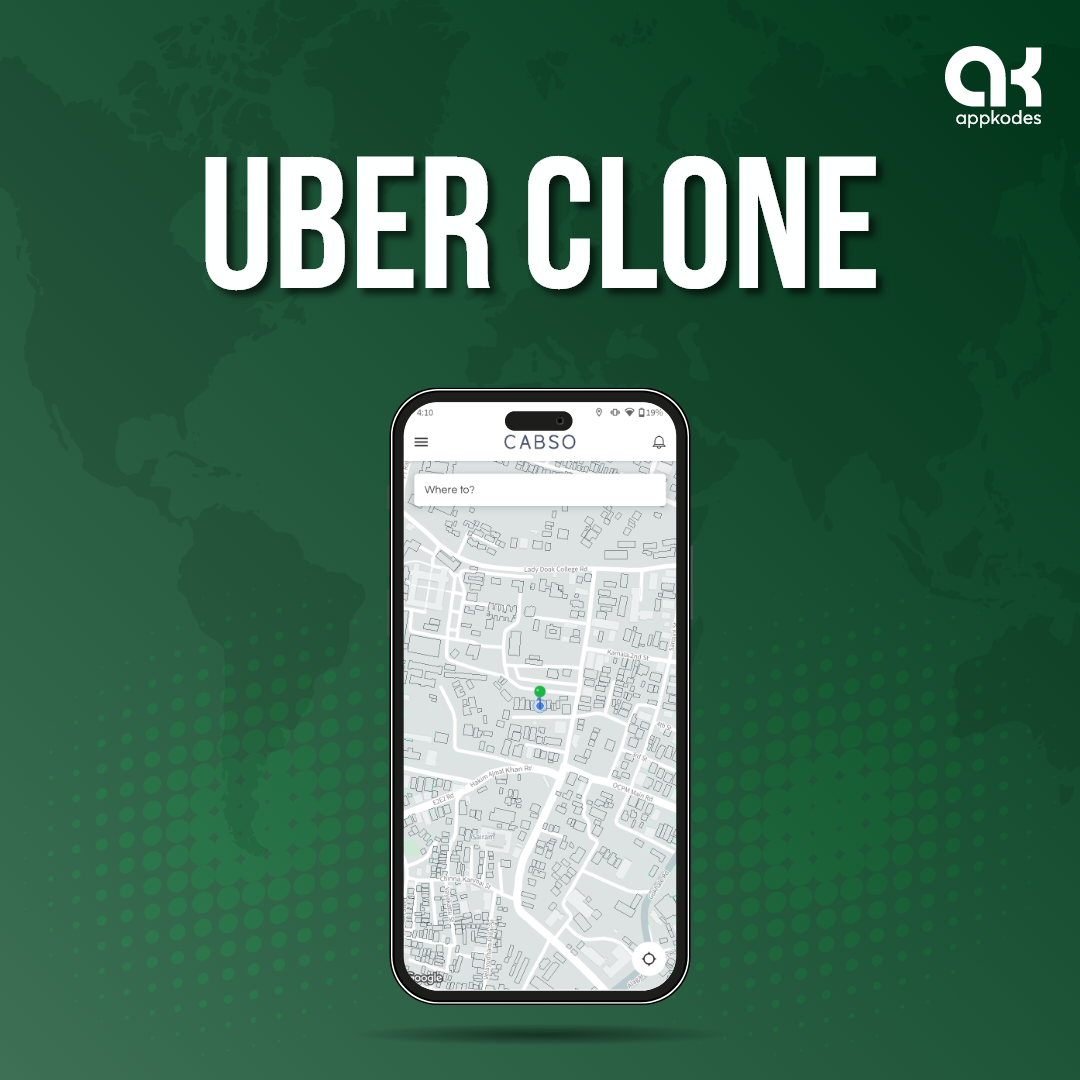
My Uber clone application connects riders with drivers seamlessly, offering features like real-time ride tracking, fare estimates, secure payment processing, and user reviews. It provides a platform for users to book rides easily and for drivers to efficiently manage ride requests, navigate routes, and track earnings.
How I built it
Define Your Goals and Business Model: The journey began with defining clear goals and a business model. This involved identifying the target market, setting a pricing strategy, and pinpointing unique selling points.
Conduct Market Research: I conducted thorough market research to understand competitors, customer preferences, and market demands. This provided a strategic roadmap for development.
Select the Right Technology Stack: I chose Node.js for the backend due to its robustness, React Native for the mobile application for its cross-platform capabilities, and MongoDB for database management.
Challenges I ran into
Throughout the development process, I encountered several challenges:
- Balancing Features and Simplicity: Striking the right balance between a feature-rich app and maintaining a simple, intuitive user experience was challenging.
- Ensuring Security: Implementing robust security measures to protect user data and ensure secure transactions required meticulous planning and execution.
- Scalability: Building a scalable system that could handle increasing numbers of users and rides without compromising performance was a complex task.
- Integration Issues: Integrating third-party services and APIs seamlessly into the app sometimes posed technical challenges.
Accomplishments that I'm proud of
- Successfully developing and launching a fully functional Uber clone app that meets user expectations.
- Creating an intuitive and visually appealing UI/UX that provides a seamless experience for both riders and drivers.
- Implementing robust security measures that protect user data and ensure secure transactions.
- Achieving a scalable solution capable of handling increasing numbers of users and rides.
What I learned
- The importance of thorough market research in informing development decisions.
- The need for a clear and well-defined business model to guide the project.
- The significance of choosing the right technology stack for building a robust and scalable app.
- The value of collaboration in designing an intuitive and visually appealing UI/UX.
- The necessity of rigorous testing to ensure the app functions flawlessly before launch.
What's next for Development Process of Uber Clone Application
Moving forward, there are several areas I plan to focus on to enhance the Uber clone application:
- Continuous Improvement: Regularly updating the app to introduce new features and improvements based on user feedback.
- Expansion: Exploring opportunities to expand the app's services to new geographic areas and markets.
- Advanced Analytics: Implementing advanced analytics to gain deeper insights into user behavior and preferences, guiding future development decisions.
- Marketing Strategies: Enhancing marketing strategies to attract more users and increase engagement on the platform.
- Partnerships: Establishing partnerships with other businesses and services to offer additional value to users.

Log in or sign up for Devpost to join the conversation.