-
-
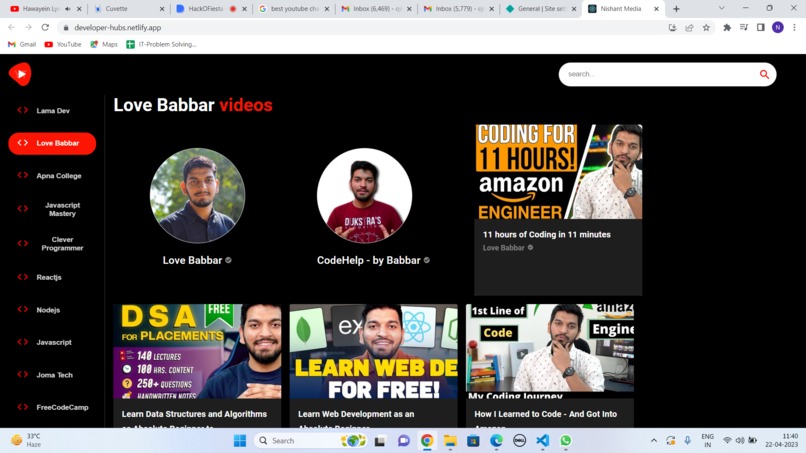
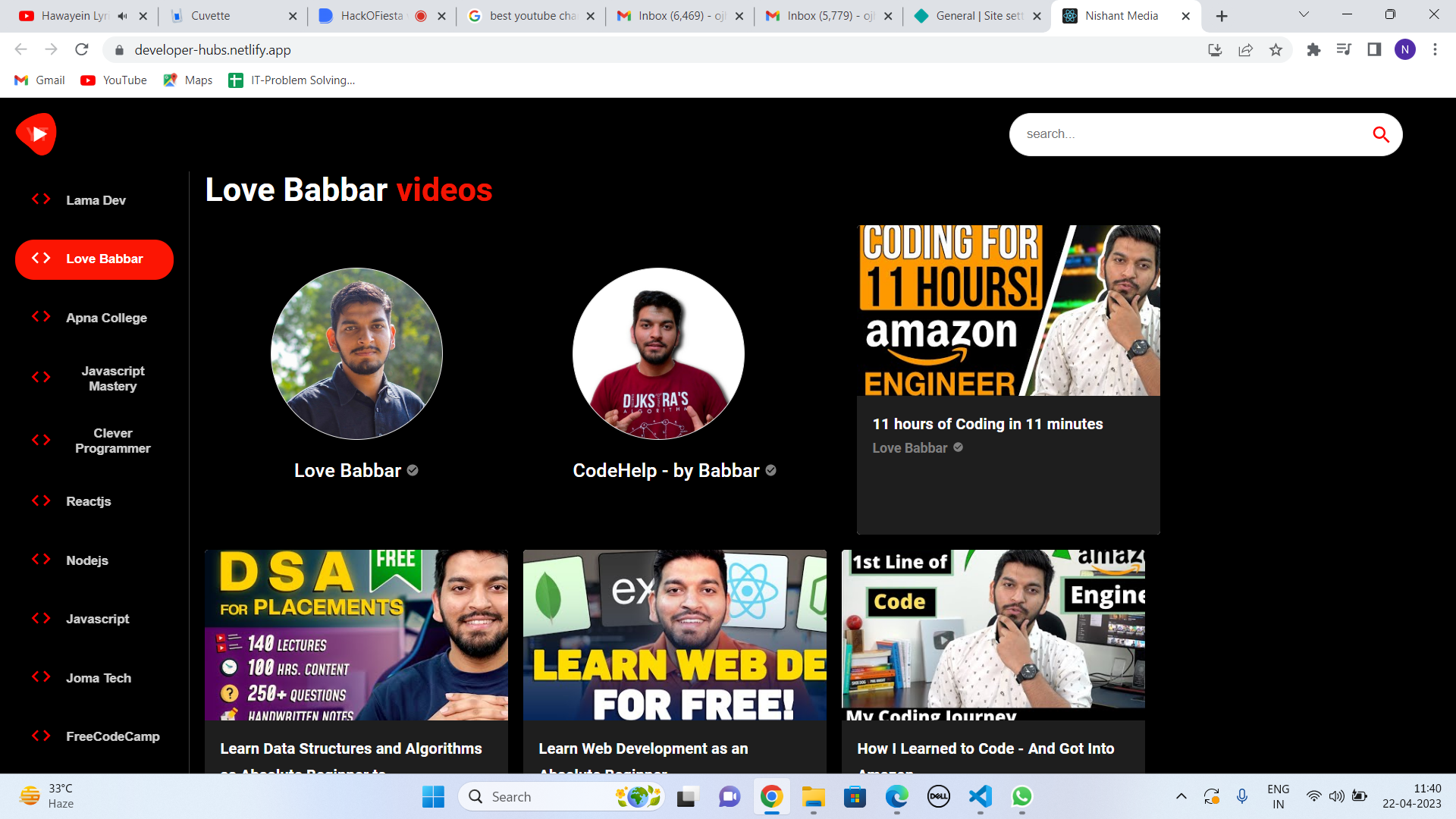
This is Channel list
-
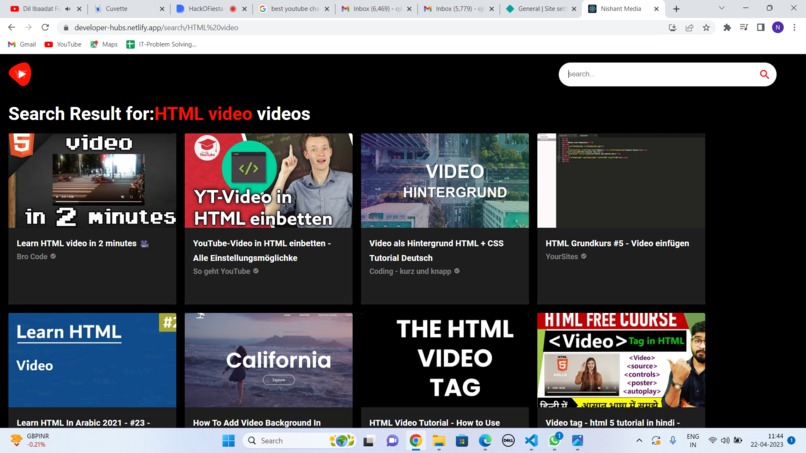
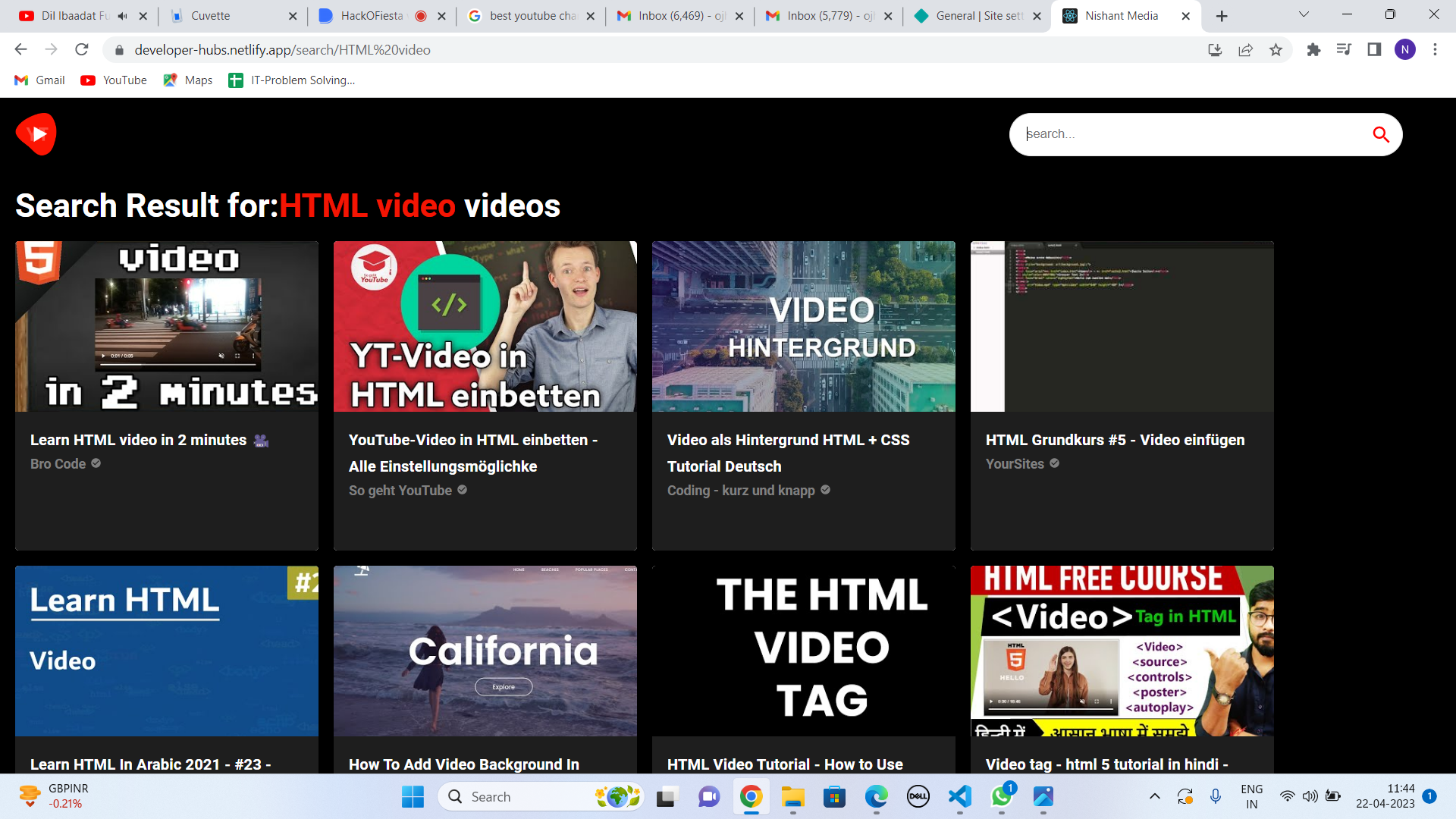
Searching of new videos
-
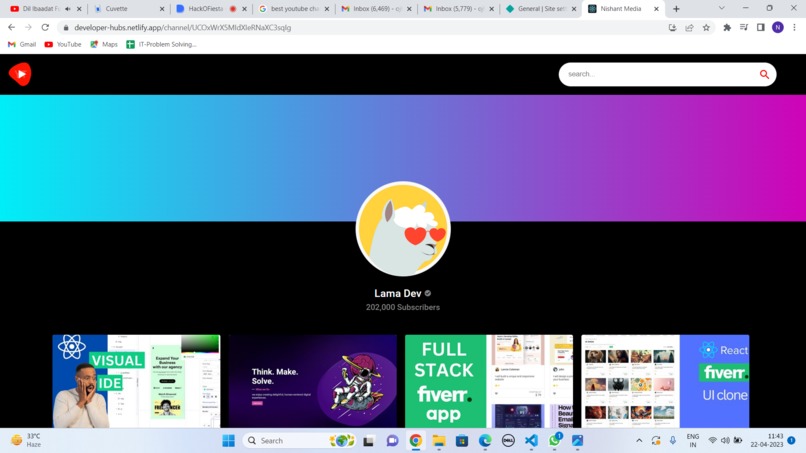
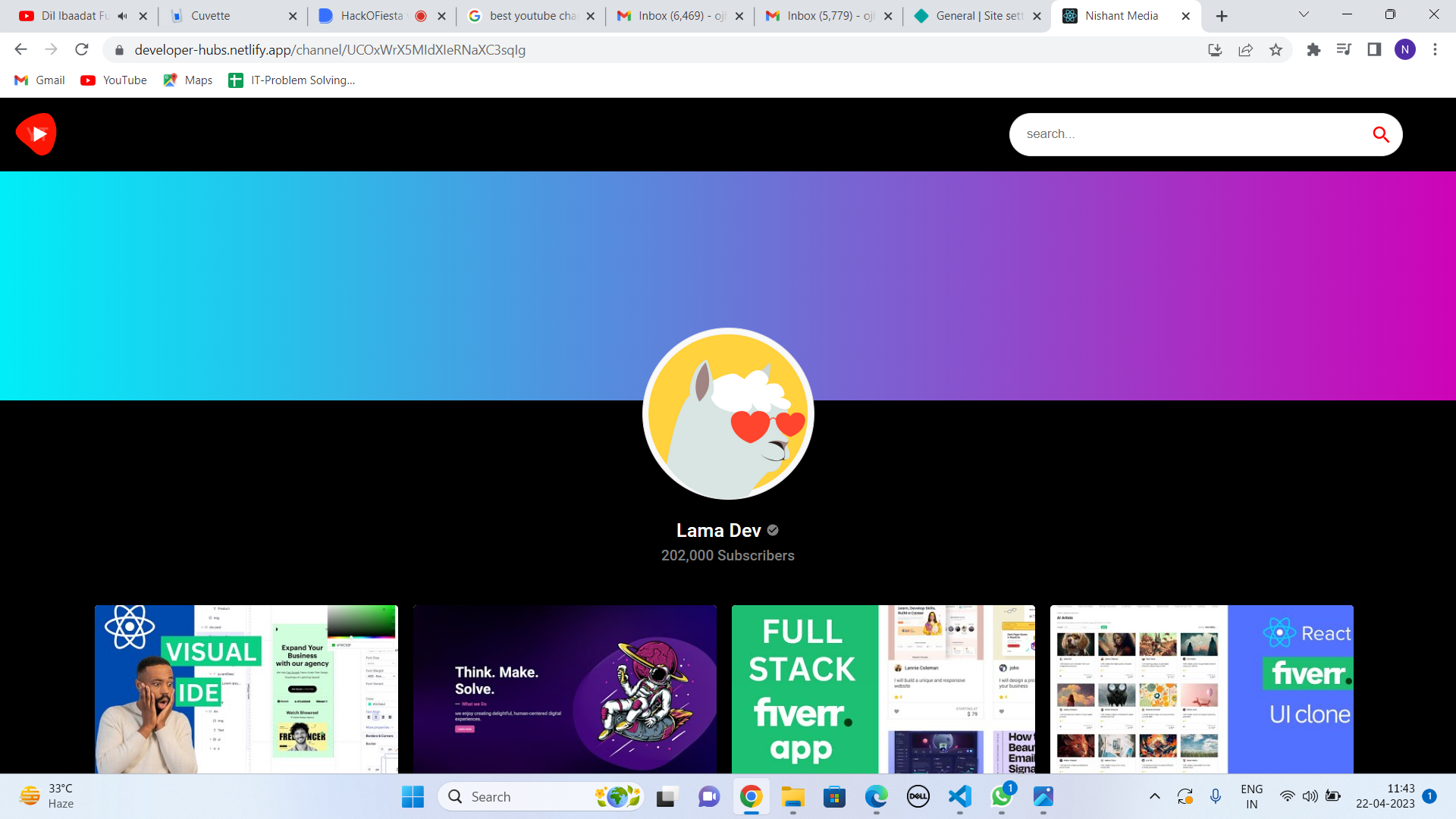
Channel Descriptions
-
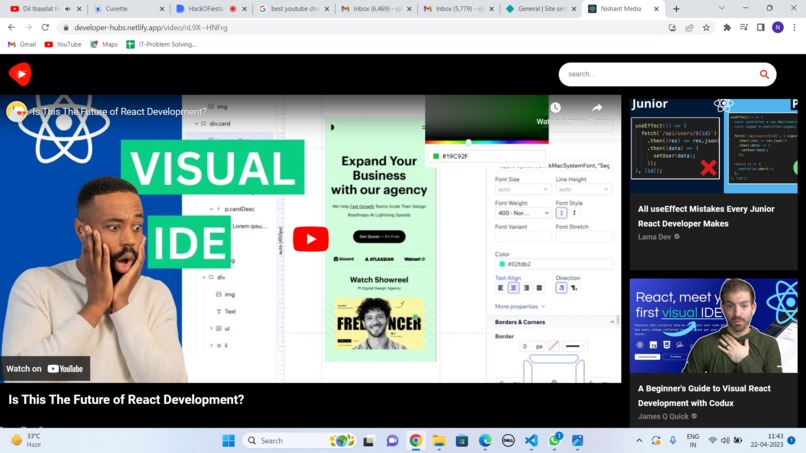
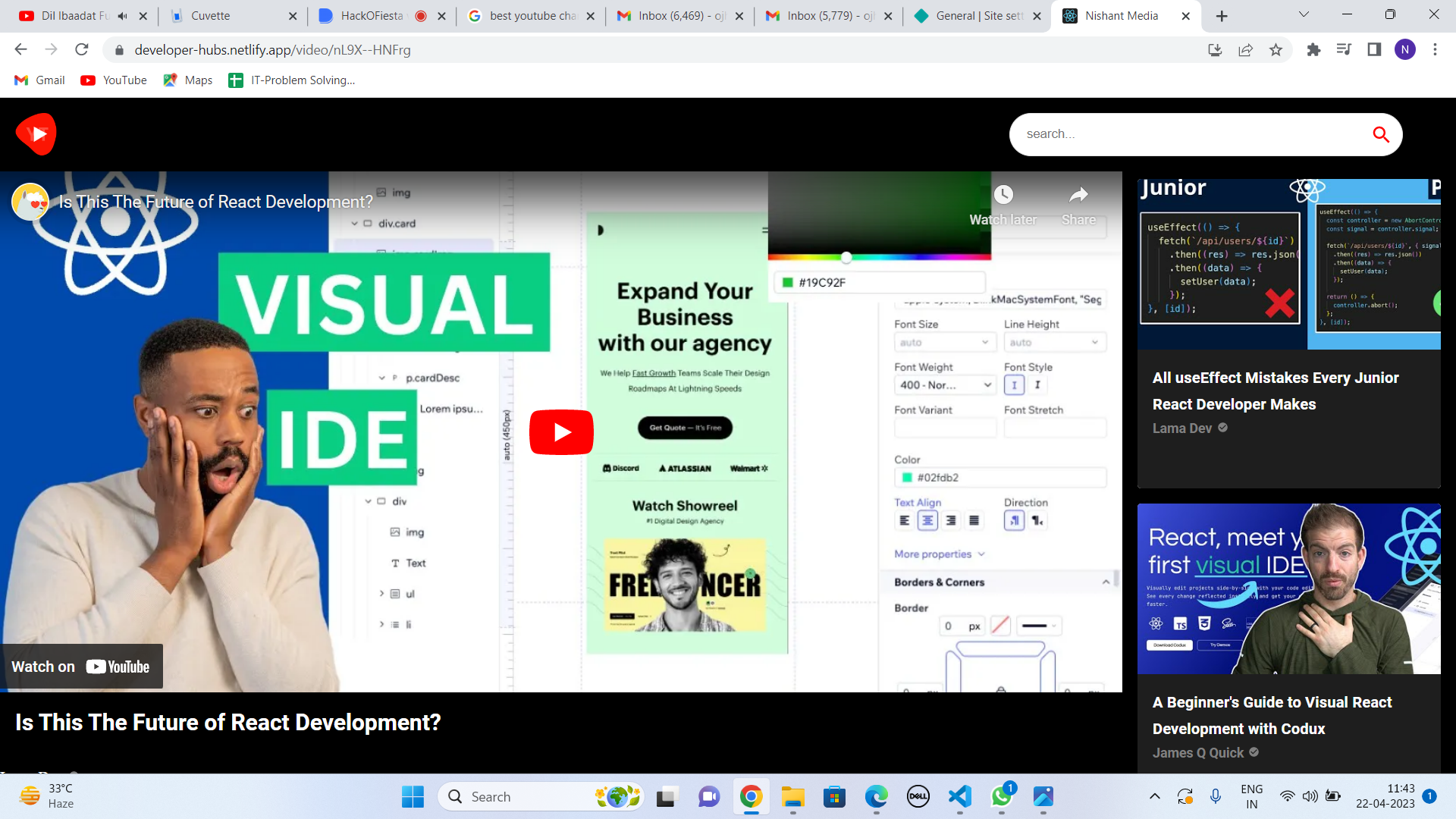
media Player and video suggestions
Inspiration
Our problem statement is that while there are many educational platforms available, such as Unacademy and Udemy, they often charge high fees. On the other hand, YouTube is a widely-used edtech platform that offers a broad range of educators and resources for free.
However, the sheer volume of content on YouTube can be overwhelming and distracting for students who are trying to focus on specific learning objectives.
What it does
This platform features video content exclusively focused on coding, development, and blockchain topics. From programming tutorials to blockchain technology insights, viewers can explore a wide range of cutting-edge content that empowers them to stay ahead in the tech industry. All videos are tailored to provide actionable insights in just a few minutes.
How we built it
Implementing a YouTube The Edtech Platform for educational purposes using HTML, CSS, JavaScript, and React JS would involve several steps. Here's a high-level overview of the process:
Planning and design: Before starting the implementation, you should plan the structure and design of the platform. This involves creating wireframes and mock-ups to define the layout, features, and user interface of the platform.
Front-end development: Once you have the design in place, you can start developing the front-end of the platform using HTML, CSS, and JavaScript. This involves creating the user interface, designing the pages, and adding interactivity.
Back-end development: Next, you would need to set up the back-end of the platform using a server-side language such as Node.js or Python. This involves creating the database, setting up user authentication, and developing the server-side functionality.
Integration with React JS: React JS can be used to enhance the user interface and add dynamic functionality to the platform. You can use React to create reusable components, add animations, and improve the user experience
Testing and deployment: Once the development is complete, you should test the platform thoroughly to ensure it works as expected. You can then deploy the platform to a hosting service such as Amazon Web Services or Google Cloud Platform.
Overall, implementing a YouTube clone for educational purposes using HTML, CSS, JavaScript, and React JS requires a solid understanding of front-end and back-end web development, as well as the ability to plan, design, and implement a complex web application.
Challenges we ran into
Data management: Integrating API data requires careful management of data to ensure accuracy and consistency across multiple data sources.
API compatibility: APIs may have different data structures or may not be compatible with the platform's programming language, requiring additional coding and integration efforts.
Security concerns: Access to APIs and sensitive data may require authentication and security protocols to protect user information.
Performance issues: Accessing and processing large amounts of data from APIs can cause performance issues, requiring optimization and caching strategies.
API changes: APIs may undergo changes, which can break the platform's functionality, requiring maintenance and updates to ensure continued compatibility.
Accomplishments that we're proud of
Successful API integrations: The team may be proud of successfully integrating APIs and providing users with valuable data from various sources, enhancing the platform's capabilities and educational value.
Positive user feedback: The team may have received positive feedback from users regarding the platform's usefulness, ease of use, and educational content, indicating that the platform is meeting user needs and expectations.
Increased user engagement: The team may have seen increased user engagement with the platform, including longer session times, increased return rates, and greater user participation in community activities.
Impactful educational outcomes: The team may be proud of the platform's ability to deliver impactful educational outcomes, such as increased skill development, enhanced problem-solving abilities, and greater confidence in coding and development skills.
Recognition and awards: The team may have received recognition or awards for the platform's innovation, educational value, or impact on the tech industry, indicating that the platform is making a significant contribution to the field.
What we learned
Proper data management is critical to ensure accurate and consistent data across multiple sources.
Compatibility issues with APIs can cause additional coding and integration efforts, requiring careful planning and testing.
Security measures should be implemented to protect sensitive user data, including authentication and encryption protocols.
Performance optimization is necessary to prevent slow loading times and processing of large amounts of data.
Maintenance and updates are essential to ensure continued compatibility with APIs, which may change over time.
What's next for Developer's HUB
Expand API integrations: Depending on the platform's focus, it may be beneficial to expand the range of APIs integrated to offer more data sources for users.
Develop personalized learning experiences: Using data from APIs, the platform could develop personalized learning experiences tailored to each user's strengths and weaknesses.
Offer certification programs: With access to API data, the platform could offer certification programs in specific areas of coding or development, providing users with tangible credentials to showcase their skills.
Foster a community: The platform could create a community for users to connect with each other, share resources, and collaborate on projects.
Implement gamification elements: Using API data, the platform could incorporate gamification elements into its educational content to make learning more engaging and interactive.

Log in or sign up for Devpost to join the conversation.