-
-
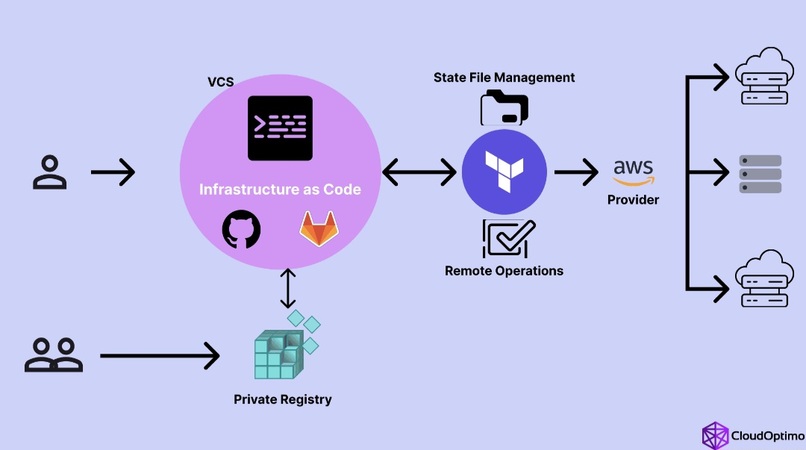
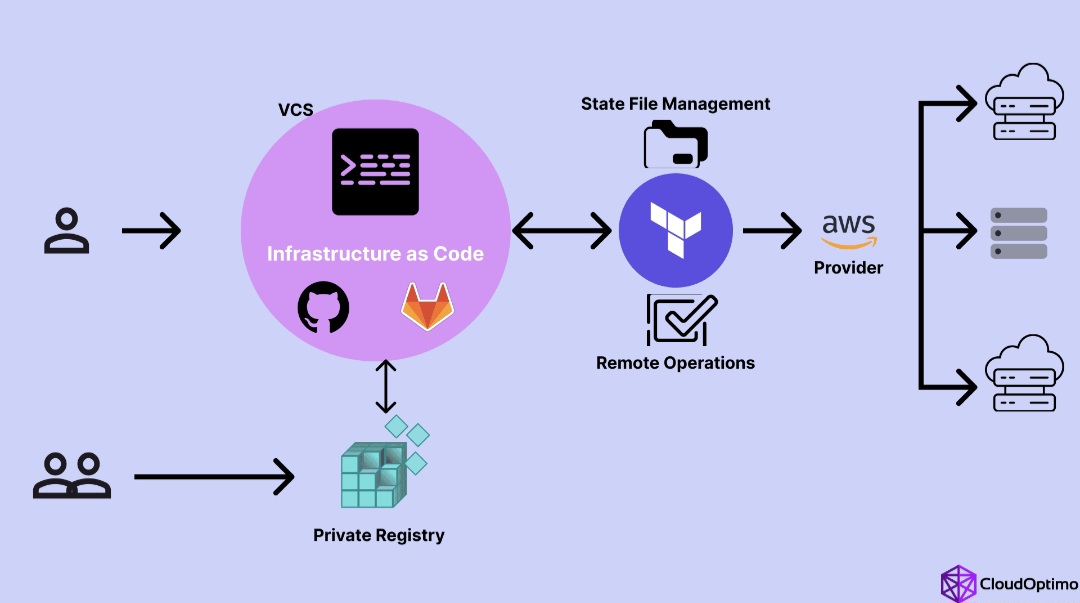
Infrastructure-as-Code workflow diagram (Terraform + AWS)
-

Cloud AI developer services concept
-

AI coding agents on a control
-
Terraform-to-multicloud illustration


Inspiration
It started with something every developer knows: the code is the easy part. The painful part is everything after — writing Terraform, guessing IAM permissions, wiring up deployment pipelines. We watched teammates burn entire weekends on config files, and we felt it ourselves on Friday night when a simple app took four hours to deploy. This weekend, the pieces to fix it finally exist. Amazon Bedrock makes powerful AI accessible through one API, Lambda lets us run it with zero infrastructure headaches, and the AWS Cloud Control API gives us a uniform way to reason about any AWS resource. So we asked ourselves: what if infrastructure code wrote itself? That's Devellias.
What it does
Devellias: (1) analyzes your stack and dependencies, (2) generates a complete infrastructure-as-code template plus least-privilege IAM policies, (3) builds a CI/CD pipeline ready to run, and (4) shows a preview plan — what it will create, change, and cost — before anything touches your account. You review, approve, and deploy.
How we built it
Devellias is serverless end-to-end. A React frontend (hosted on Amplify) sends repo URLs to an API Gateway endpoint backed by Lambda. The analysis Lambda clones and parses the codebase, then orchestrates Amazon Bedrock (Claude) with structured prompts to map application components to AWS services. A second Lambda renders the output as valid CDK templates and IAM policy documents, validated against the AWS Cloud Control API schema before being shown to the user. DynamoDB stores job state and generated artifacts; S3 serves the frontend. We deployed everything with the AWS CDK — Devellias deploys itself.
Challenges we ran into
Bedrock's first-draft infrastructure code was right in spirit but wrong in syntax — it hallucinated resource properties that don't exist. We solved it by grounding generation in live Cloud Control API schemas, so every resource Devellias emits is validated against the real AWS spec before you ever see it. Second, Bedrock's response latency made the UI feel dead, so we streamed progress updates through API Gateway WebSockets. Third: IAM. Least-privilege policies are genuinely hard, and our first versions over-permissioned everything — iterating on the prompt and adding automated policy simulation cut that down dramatically.
Accomplishments that we're proud of
First, the grounding pipeline: getting Bedrock to generate infrastructure that passes real AWS schema validation took most of Saturday night — but it's the backbone of the product, and it held through every demo. Second, none of us had built with Bedrock or CDK before Friday; by Sunday we had a working end-to-end system running entirely on AWS. Third — the one that surprised us — when we tested Devellias on a stranger's open-source repo, it produced a deployable stack on the first try. That's when we knew this wasn't a hackathon toy.
What we learned
AI doesn't replace specifications — it needs them. Our breakthrough came when we stopped asking Bedrock to "know" AWS and started feeding it the actual Cloud Control schemas. On teamwork: our grand architecture died by Saturday noon; the version that worked came from building the demo path first and everything else around it. And about the problem: when we showed an early version to another team, their first question wasn't about infrastructure — it was "can it estimate my bill?" That single question reshaped our roadmap.
What's next for Devellias
In the next few weeks, we'll add cost estimation to the preview plan — the feature users already asked for — and harden the IAM policy generation against edge cases we saw in demos. Over the next few months: support for more frameworks and languages, one-click deploy directly from Devellias, and a pilot with a small group of real development teams. Long term, we believe Devellias can become the default way developers go from code to cloud — an AI cloud engineer on every team. The hackathon proved the core idea works. Now the real build begins.

Log in or sign up for Devpost to join the conversation.