-
-
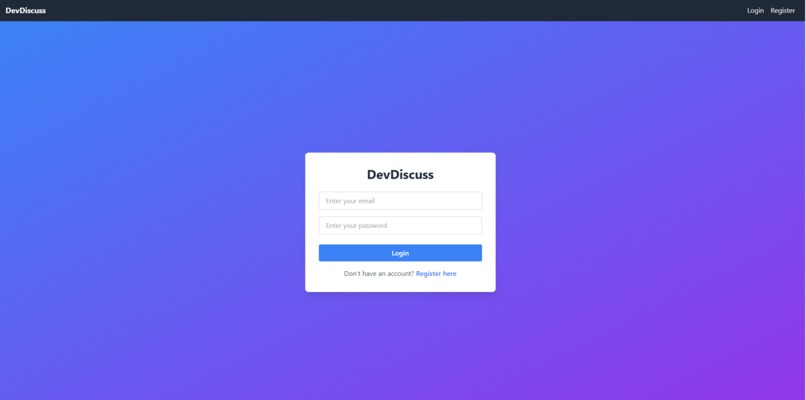
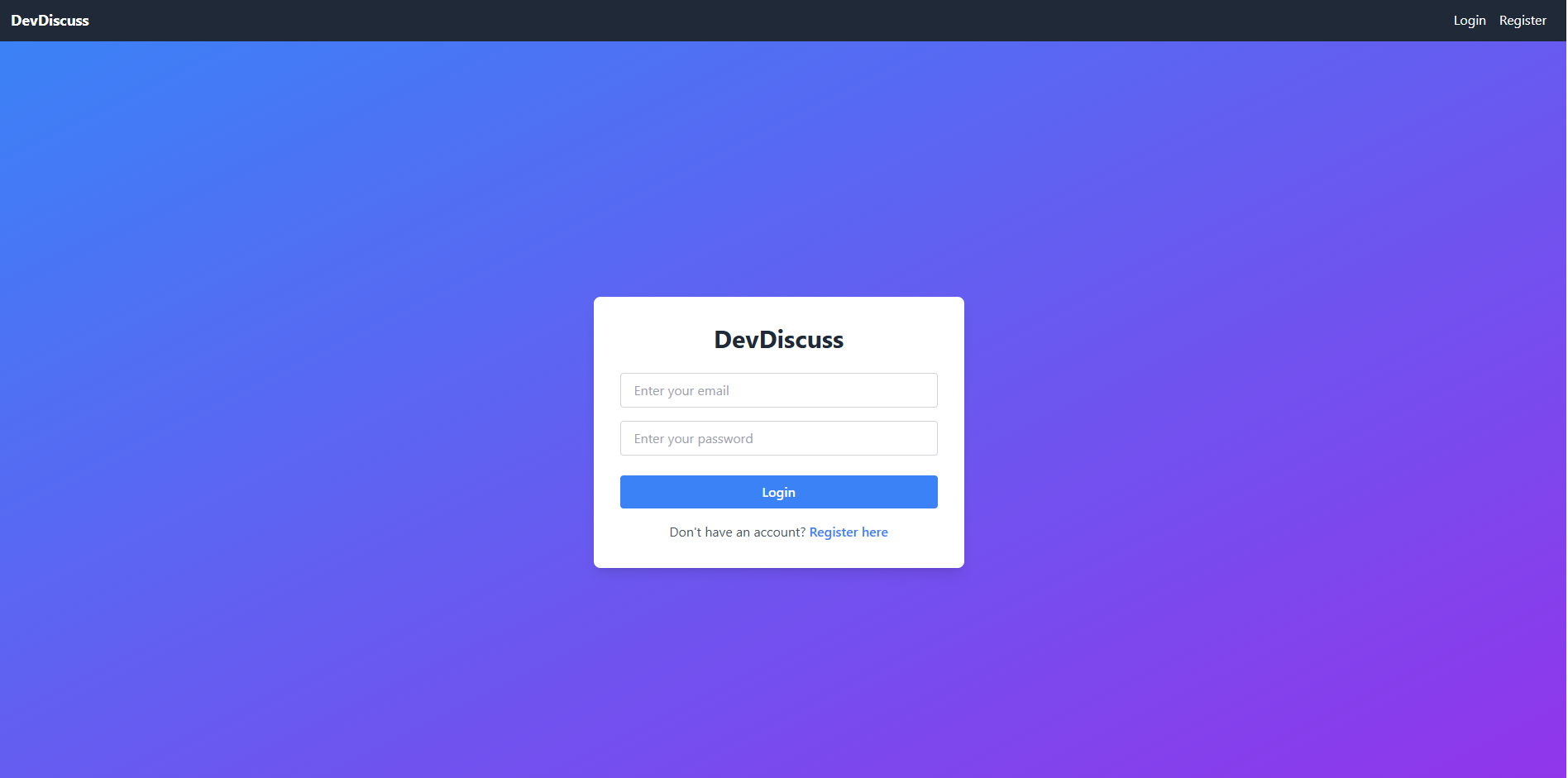
DevDiscuss is an AI-powered developer discussion platform that automatically verifies answers using a multi-stage verification pipeline
About the project
Inspiration
Developers rely on communities like Stack Overflow and discussion forums every day, but not every answer is reliable or reproducible. A highly upvoted answer can still be incomplete, outdated, or missing important environment details. I wanted to build a platform that not only lets developers discuss solutions but also helps them understand how trustworthy an answer is.
That idea became DevDiscuss—a developer discussion platform with an AI-assisted verification pipeline that automatically analyzes answers after they are submitted.
What it does
DevDiscuss allows developers to:
- Register and authenticate securely.
- Create technical discussion posts.
- Submit answers and vote on posts.
- Use an AI assistant for contextual help.
- Automatically verify answers through a structured verification workflow.
When an answer is submitted, the platform automatically creates a verification job. The verification pipeline performs:
- Step 0 Screening – A deterministic screening stage that checks whether the problem contains enough information for verification and identifies potential limitations.
- Execution – Processes the verification request through a provider abstraction and records execution metadata.
- Interpretation – AI generates a structured verification report including a verdict, confidence score, strengths, limitations, and recommendations.
The verification status is displayed directly alongside the answer and is preserved across page refreshes.
How I built it
DevDiscuss is built using the MERN stack.
Frontend
- React
- TypeScript
- Vite
- Tailwind CSS
Backend
- Node.js
- Express.js
- MongoDB with Mongoose
- JWT Authentication
- REST APIs
For AI functionality, I integrated an OpenRouter-compatible provider. The project also includes a contextual AI assistant and a modular verification pipeline composed of a queue, worker, execution engine, interpreter, and provider abstraction.
Challenges I ran into
The biggest challenge was designing a verification pipeline that remained modular and easy to extend while working within a hackathon timeframe.
I also spent considerable time defining clear responsibilities between the queue, worker, execution engine, interpreter, and provider layers so the system remained maintainable. Another challenge was validating structured AI responses and ensuring verification progress could be reflected correctly in the frontend.
What I learned
This project helped me better understand:
- Designing scalable backend architectures.
- Building asynchronous processing workflows.
- Structuring AI-powered features without tightly coupling business logic to a single provider.
- Improving application reliability through layered verification instead of relying solely on AI.
What's next
Future improvements include:
- Real Docker-based sandbox execution.
- Durable background job queues.
- Rich execution artifacts such as logs and downloadable reports.
- Multiple AI provider support.
- Verification history for answers.
DevDiscuss is a step toward making developer discussions more
Built With
- ai
- api
- codex
- css
- express.js
- git
- github
- gpt-5.6
- html5
- javascript
- jwt
- mern
- mongodb
- mongoose
- node.js
- openai
- openrouter
- react
- rest
- tailwind
- typescript
- vite


Log in or sign up for Devpost to join the conversation.