-
-
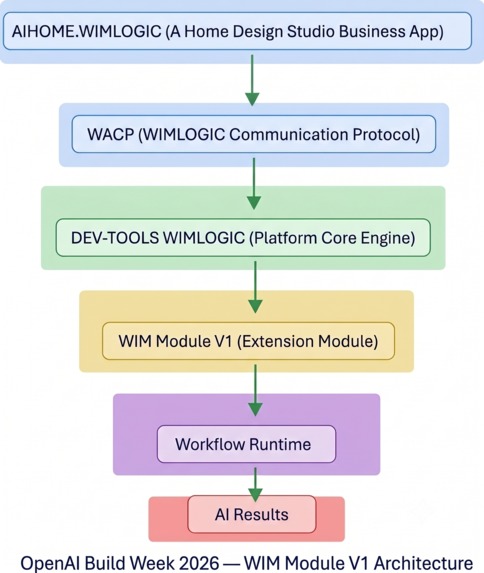
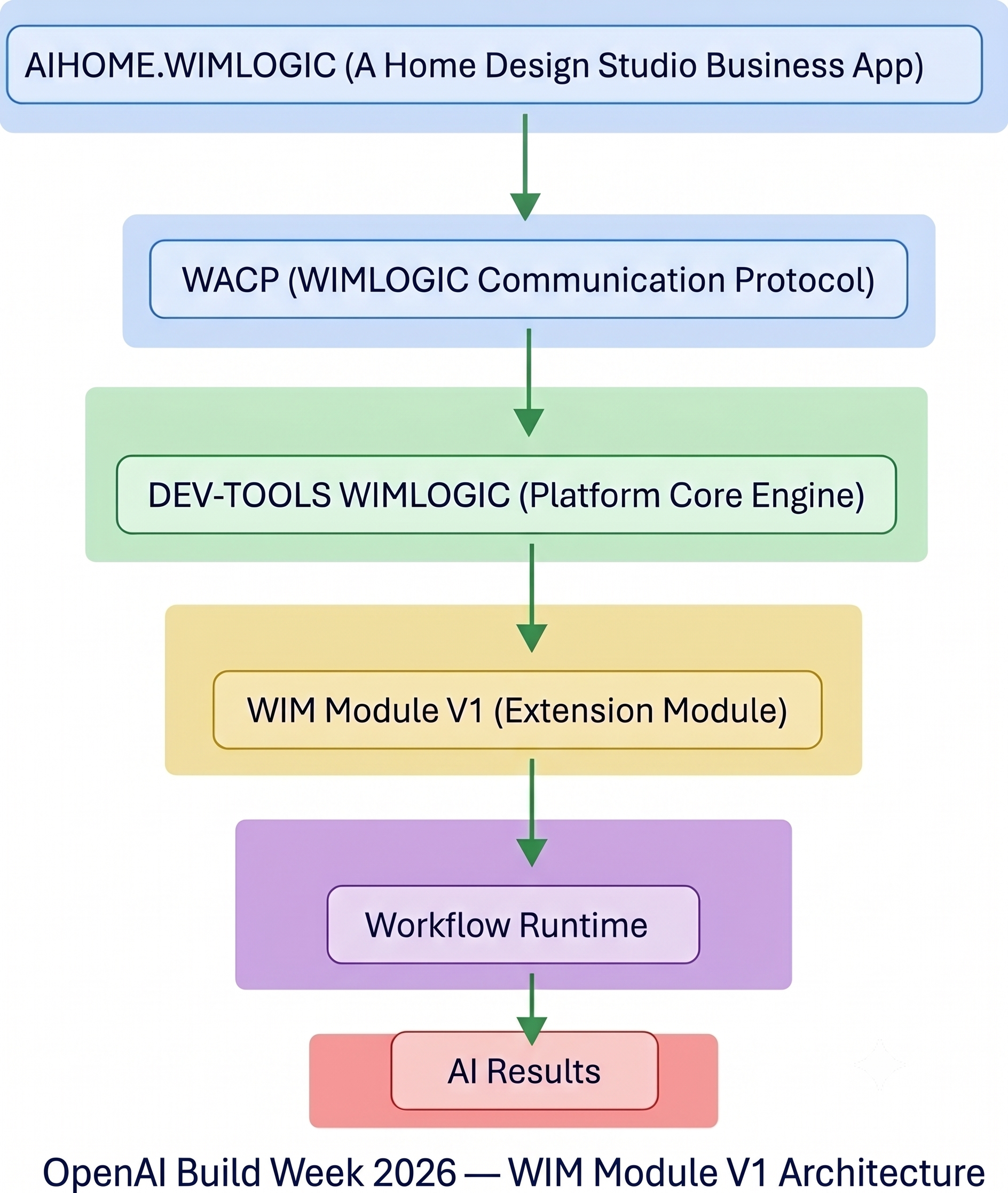
Wimlogic Architecture Diagram
-
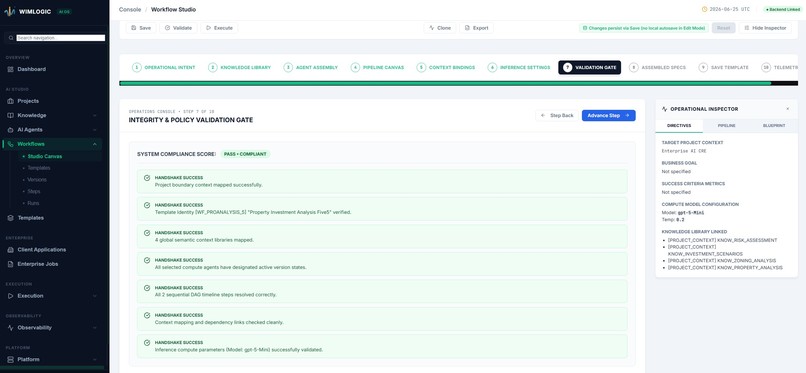
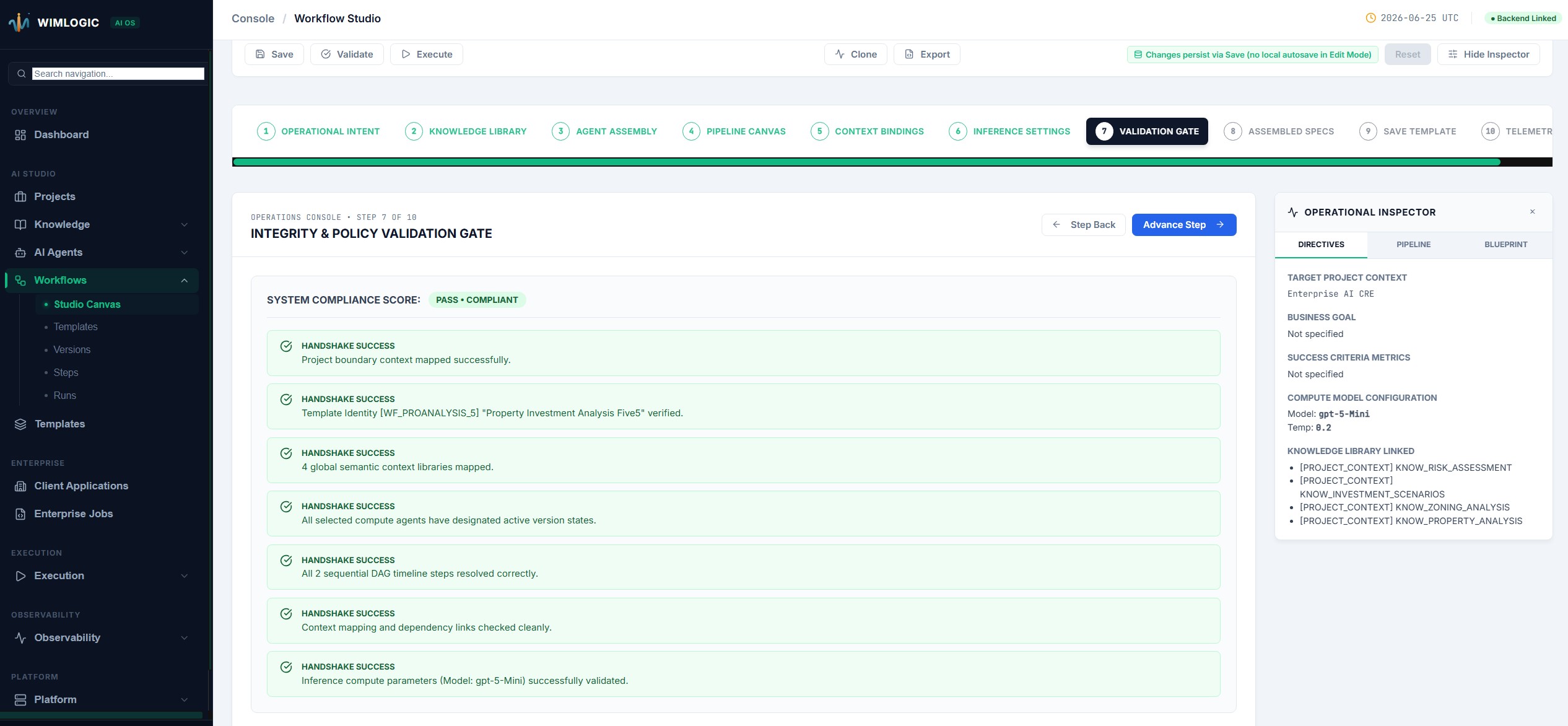
DEV-TOOLS Workflow Studio
-
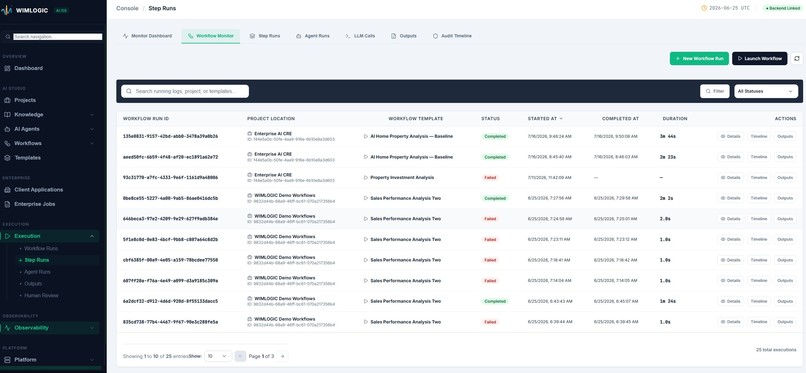
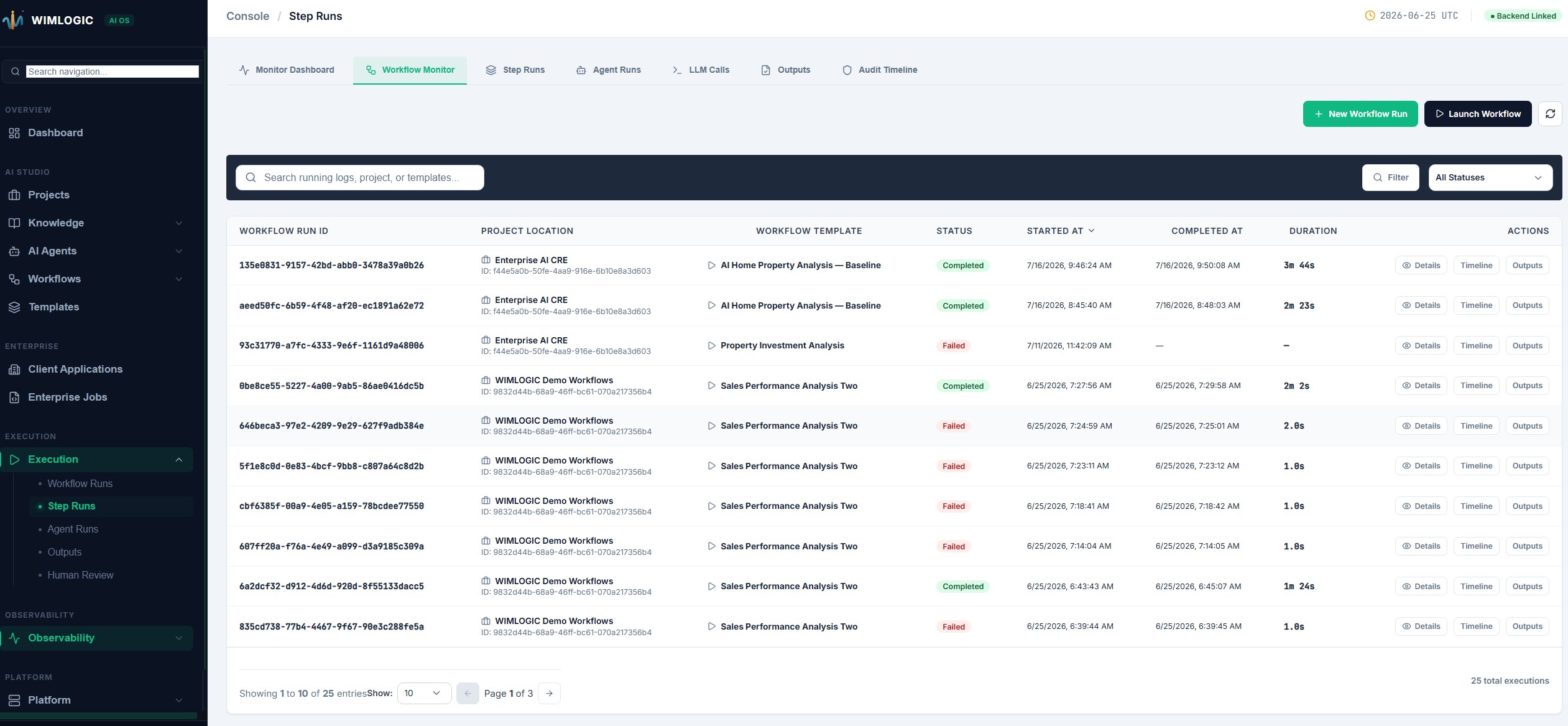
Runtime / Monitoring Screen
-
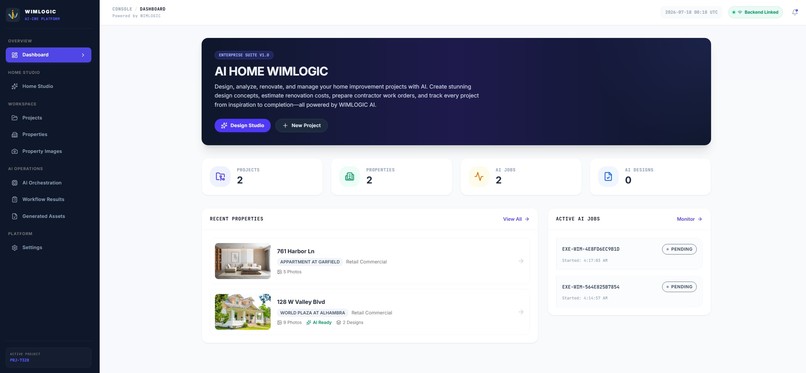
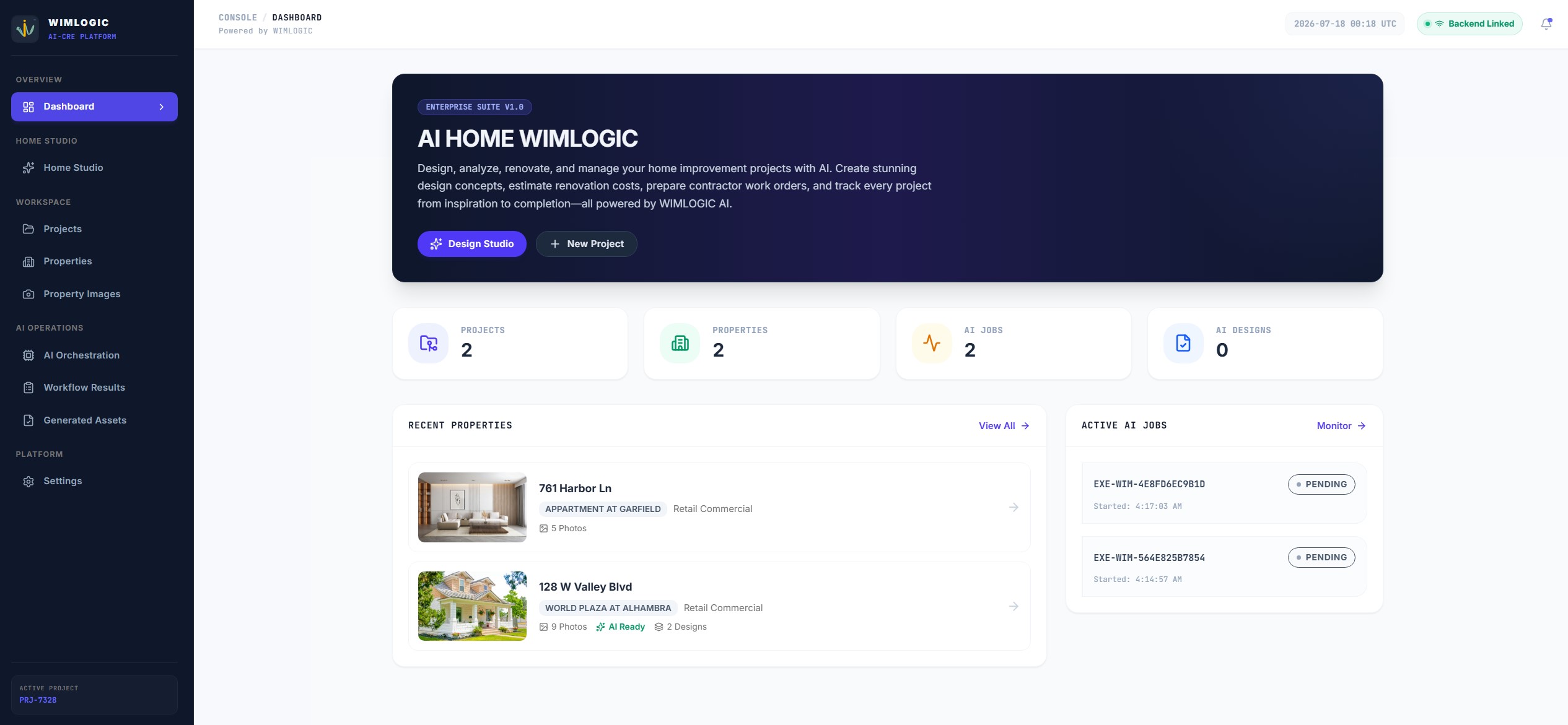
AIHOME.WIMLOGIC Dashboard
-
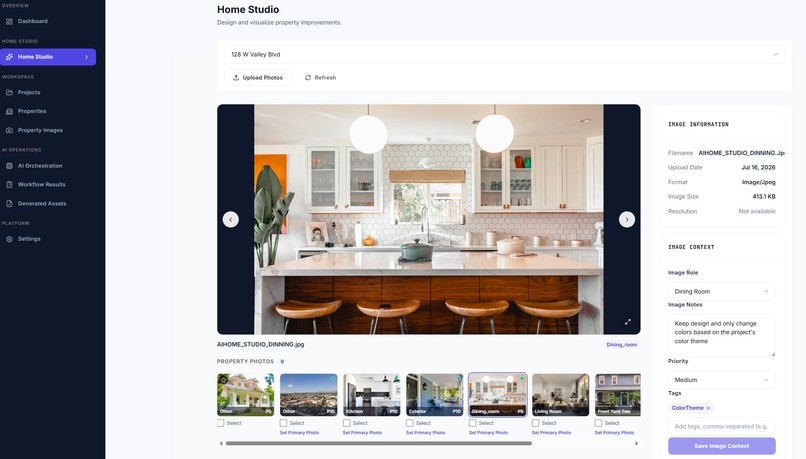
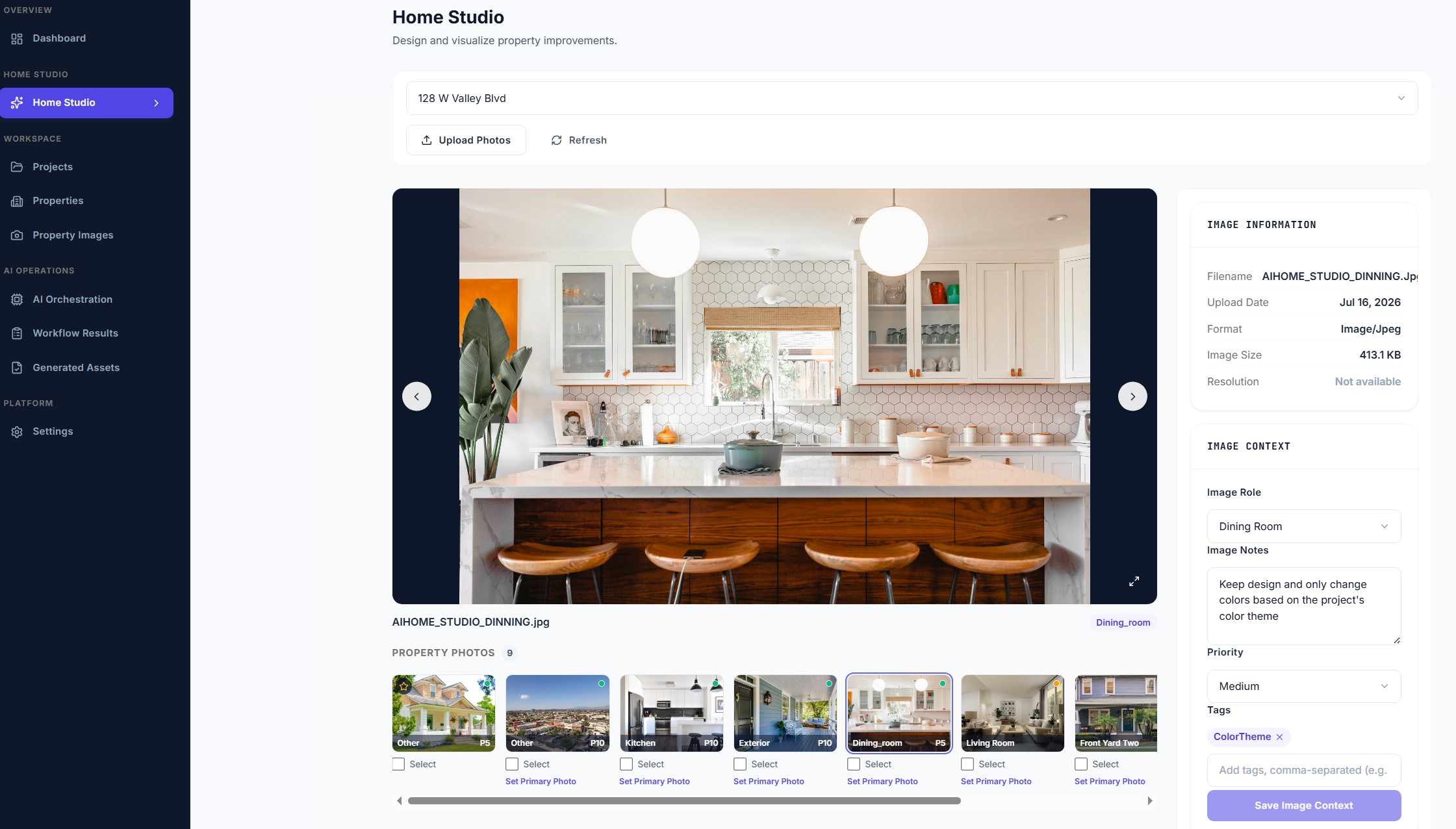
AIHOME.WIMLOGIC DESIGN STUDIO PAGE
-
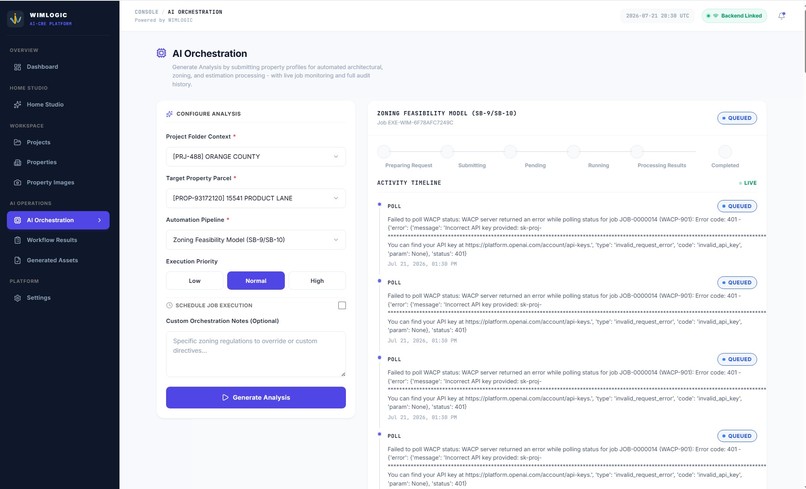
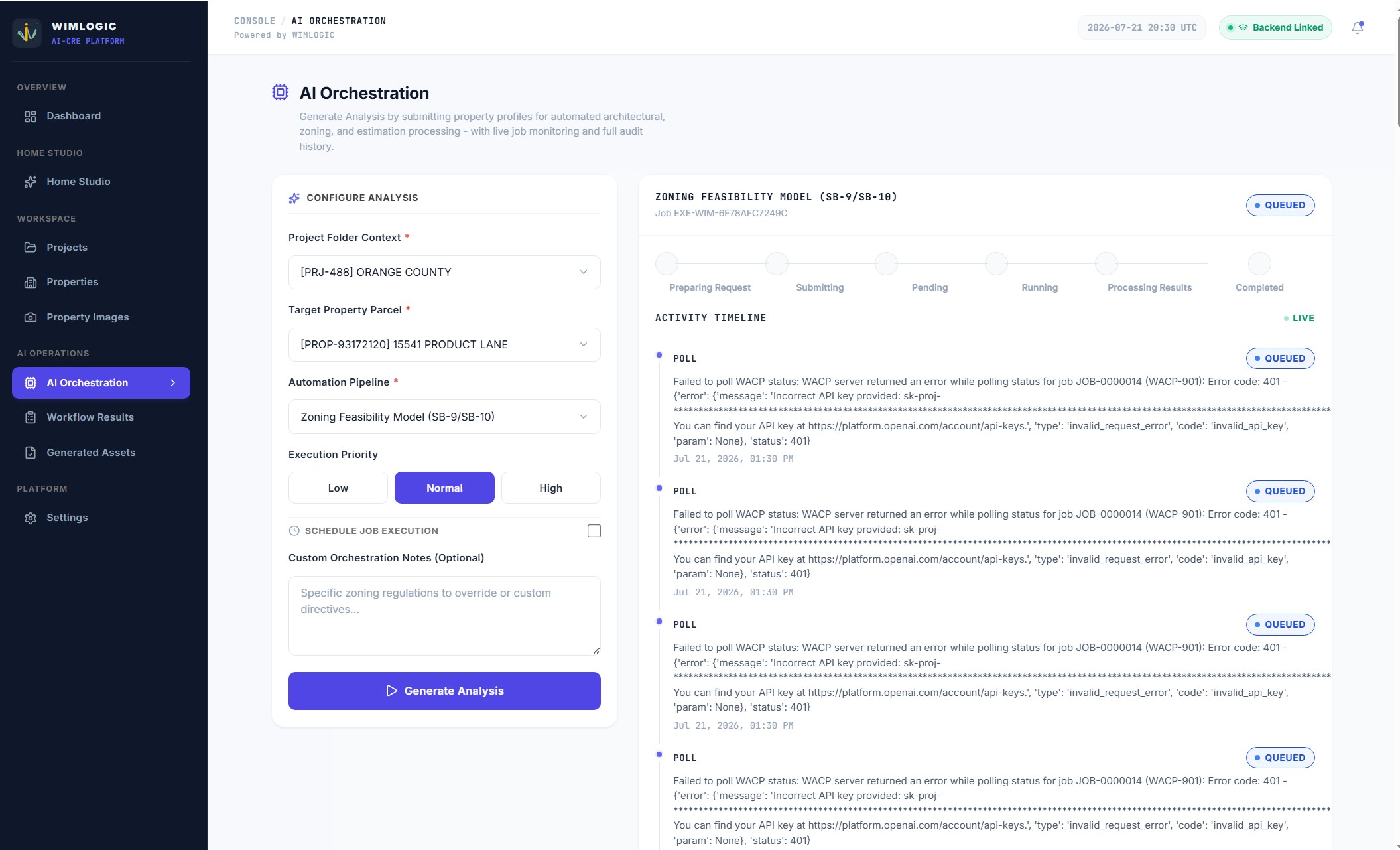
AI HOME ORCHESTRATION SESSIONS
-
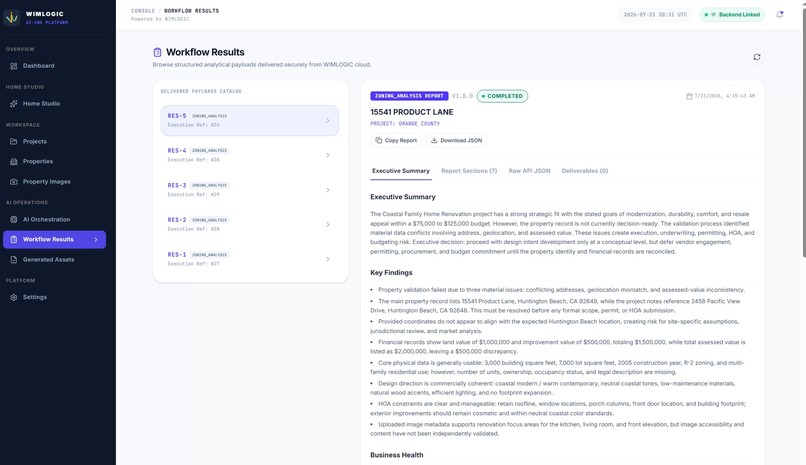
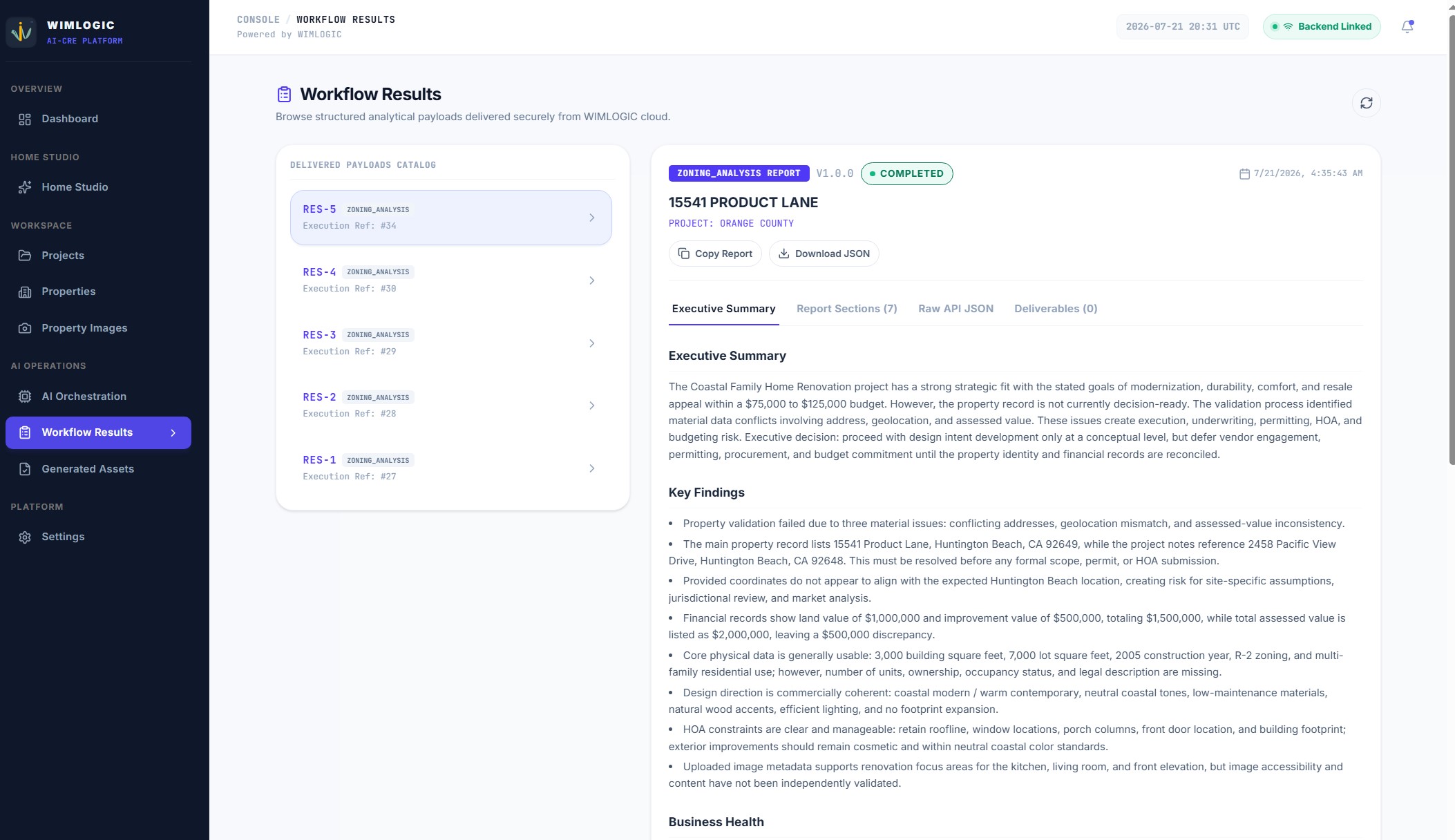
AI HOME RESULTS RETURN FROM DEV-TOOLS
-
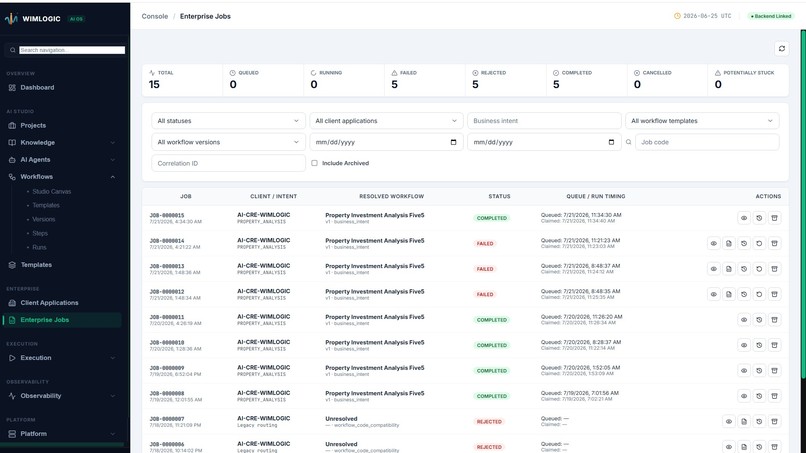
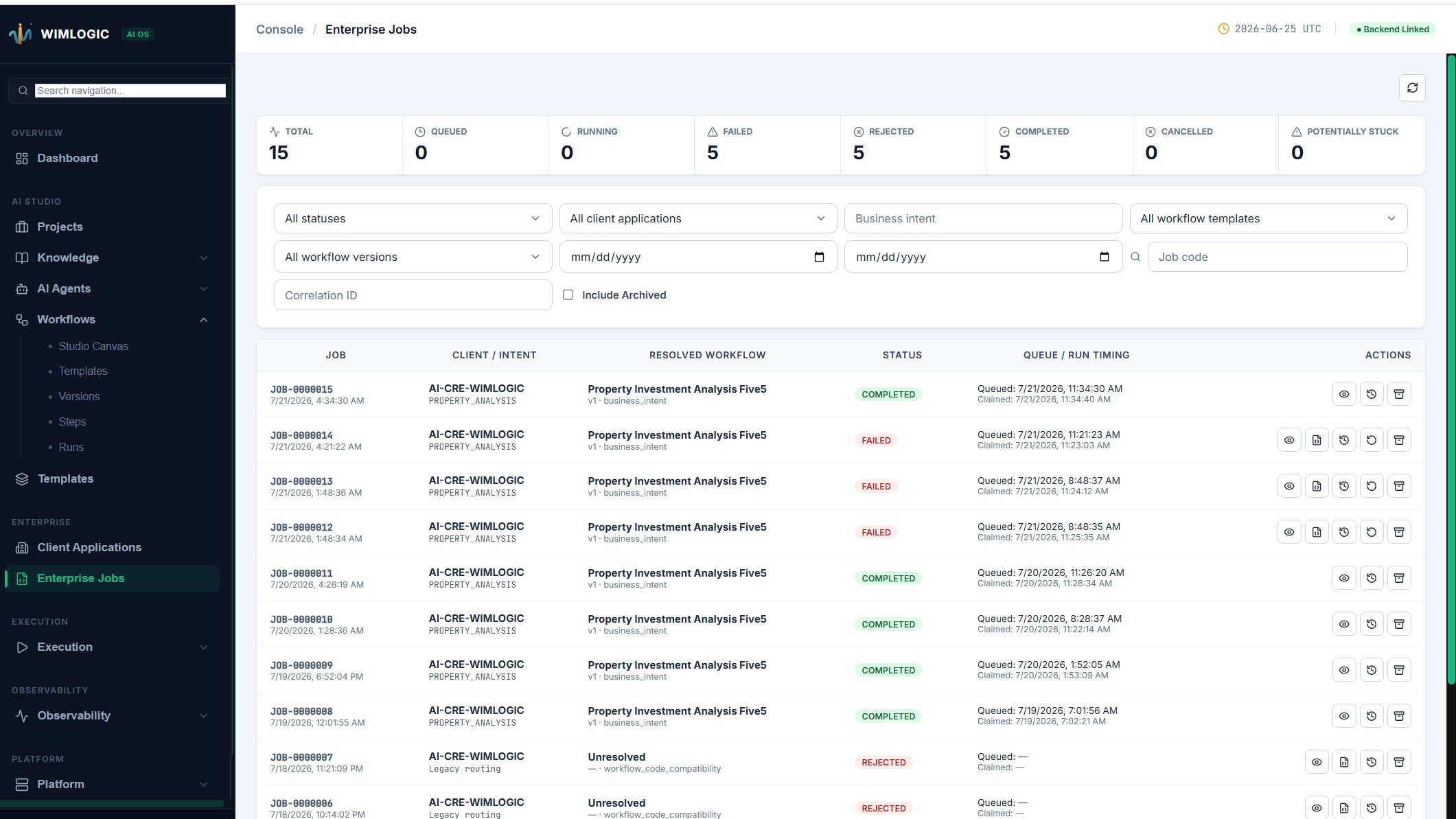
DEV-TOOLS JOB QUEUE LISTINGS WITH PROCESSING STATUS
Inspiration
Most AI applications today are built as standalone solutions with business logic tightly coupled to AI providers and prompts. I wanted to explore a different approach: treating AI workflows as reusable enterprise assets that can serve multiple business applications.
This led to the design of DEV-TOOLS WIMLOGIC, an enterprise AI workflow orchestration platform. Instead of embedding AI logic into every application, business applications communicate with the platform through the WIMLOGIC Application Communication Protocol (WACP). The platform is responsible for workflow selection, execution, monitoring, and returning structured results.
For OpenAI Build Week, I focused on implementing WIM Module V1, an intelligent routing module that selects the appropriate workflow based on business intent rather than requiring the client application to know which workflow to execute.
Using GPT-5.6 and Codex, I was able to analyze and safely extend an existing enterprise codebase instead of building an isolated prototype. Codex inspected the repository, proposed an implementation plan, and implemented the approved changes while preserving the existing platform architecture.
What it does
DEV-TOOLS WIMLOGIC separates business applications from AI execution.
The current demonstration uses AIHOME.WIMLOGIC, a home design business application, which sends standardized requests through WACP to the platform.
The platform:
Receives standardized WACP requests Uses WIM Module V1 to determine the correct workflow Executes reusable workflow templates Coordinates AI processing through the workflow runtime Returns structured results back to the client application
This architecture allows multiple business applications to share the same AI execution platform.
How we built it
The platform uses:
FastAPI React + TypeScript MySQL Workflow Templates and Versioning Workflow Runtime Engine WACP (WIMLOGIC Application Communication Protocol) OpenAI Codex (GPT-5.6) during Build Week to inspect the existing local repository, analyze the frontend, backend, WACP SDK, enterprise job pipeline, and implement WIM Module V1 through an approval-based development workflow.
I also used AI assistants throughout development for architecture discussions, implementation support, and iterative refinement while maintaining the overall system architecture and product direction.
Challenges we ran into
One of the biggest challenges was building multiple software systems simultaneously rather than a single application.
To validate the architecture, I needed to develop both the DEV-TOOLS WIMLOGIC platform and the AIHOME.WIMLOGIC business application in parallel while designing and testing the WIMLOGIC Application Communication Protocol (WACP) between them. This required continuously verifying that business requests could flow correctly from the client application through WACP, into the platform, through WIM Module V1, and finally into the workflow runtime before returning structured results.
Another challenge was designing a platform that separates business applications from workflow execution. Instead of hard-coding workflow selection into client applications, WIM Module V1 introduces an intelligent routing layer that determines the appropriate workflow based on business intent. This approach improves reusability and allows multiple business applications to share the same AI orchestration platform.
Finally, balancing a long-term enterprise architecture with a practical Build Week implementation required careful prioritization. Rather than trying to demonstrate every platform capability, I focused on delivering a working end-to-end implementation of WIM Module V1 that clearly demonstrates the architectural vision.
Accomplishments that we're proud of
Designed and implemented DEV-TOOLS WIMLOGIC, an enterprise AI workflow orchestration platform that separates business applications from AI workflow execution through a modular and extensible architecture.
Developed the WIMLOGIC Application Communication Protocol (WACP) and WACP SDK, providing a standardized integration layer that enables business applications to communicate with the platform through a consistent interface.
Successfully integrated AIHOME.WIMLOGIC with DEV-TOOLS WIMLOGIC, demonstrating an end-to-end workflow from a business request, through WACP, business-intent routing, workflow execution, and the return of structured AI results.
Implemented WIM Module V1 during OpenAI Build Week as a dedicated business-intent routing module. It selects the appropriate authorized workflow based on business intent without requiring the client application to identify workflow templates or changing the existing Workflow Runtime architecture.
Built reusable enterprise platform capabilities—including Workflow Templates, Workflow Versioning, Workflow Runtime, Job Processing, Monitoring, and AI workflow orchestration—that can be shared across multiple business applications.
Validated an architecture where new business applications can integrate through the WACP SDK without requiring changes to the platform's core orchestration engine.
Designed the platform for long-term extensibility, allowing additional routing intelligence, connector providers, external AI services, enterprise integrations, knowledge capabilities, and orchestration functions to be introduced without redesigning the core platform.
Demonstrated the value of repository-aware AI-assisted software engineering using OpenAI Codex and GPT-5.6. Although WIM Module V1 is a focused extension to DEV-TOOLS WIMLOGIC, integrating it safely required understanding the entire enterprise architecture, including WACP, enterprise job processing, workflow authorization, version resolution, and the Workflow Runtime. What impressed me most was Codex's ability to analyze the complete repository, identify the correct integration point, and implement the exact bounded changes required without disrupting the existing architecture.
What we learned
One of the biggest lessons from Build Week was that AI-assisted software engineering extends far beyond code generation.
Working with OpenAI Codex demonstrated the value of repository-aware development. Instead of generating isolated code snippets, Codex analyzed an existing enterprise codebase, understood architectural boundaries, proposed implementation plans, respected developer approvals, and implemented targeted changes without redesigning the overall system.
This reinforced my belief that experienced developers remain responsible for product vision, architecture, and governance, while AI development tools can significantly accelerate implementation, code review, and engineering productivity.
What's next for DEV-TOOLS WIMLOGIC
DEV-TOOLS WIMLOGIC is designed as a long-term enterprise AI workflow orchestration platform. WIM Module V1 is the first step toward a modular system architecture where intelligent platform capabilities can be added without changing the core workflow engine.
My next focus is expanding the platform with additional System Modules, including Connectors for third-party services, enterprise integration interfaces, workflow intelligence, knowledge management, and monitoring capabilities. Each module will build upon the same reusable workflow runtime and WACP integration model.
I also plan to expand the WACP SDK, making it easier for additional business applications to integrate with the platform while maintaining their own business logic and user experience.
My long-term vision is to build a reusable enterprise AI platform where business applications focus on solving domain-specific problems, while DEV-TOOLS WIMLOGIC provides standardized workflow orchestration, intelligent routing, AI execution, and enterprise integration services.
OpenAI Build Week represents an important milestone in validating this architecture and sharing it with the broader AI engineering community for feedback.
Built With
- agents
- ai
- api
- automation
- codex
- engineering
- enterprise
- fastapi
- github
- gpt-5
- llm
- mysql
- openai
- orchestration
- prompt
- pydantic
- python
- react
- rest
- sqlalchemy
- typescript
- vercel
- wacp
- workflow

Log in or sign up for Devpost to join the conversation.