-
-
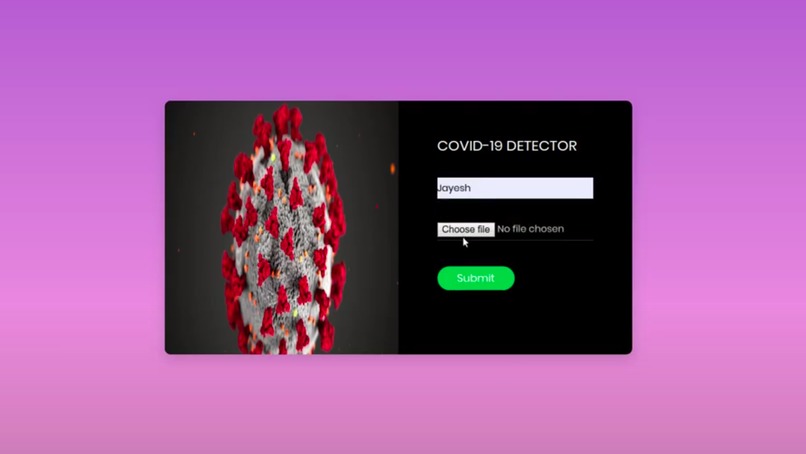
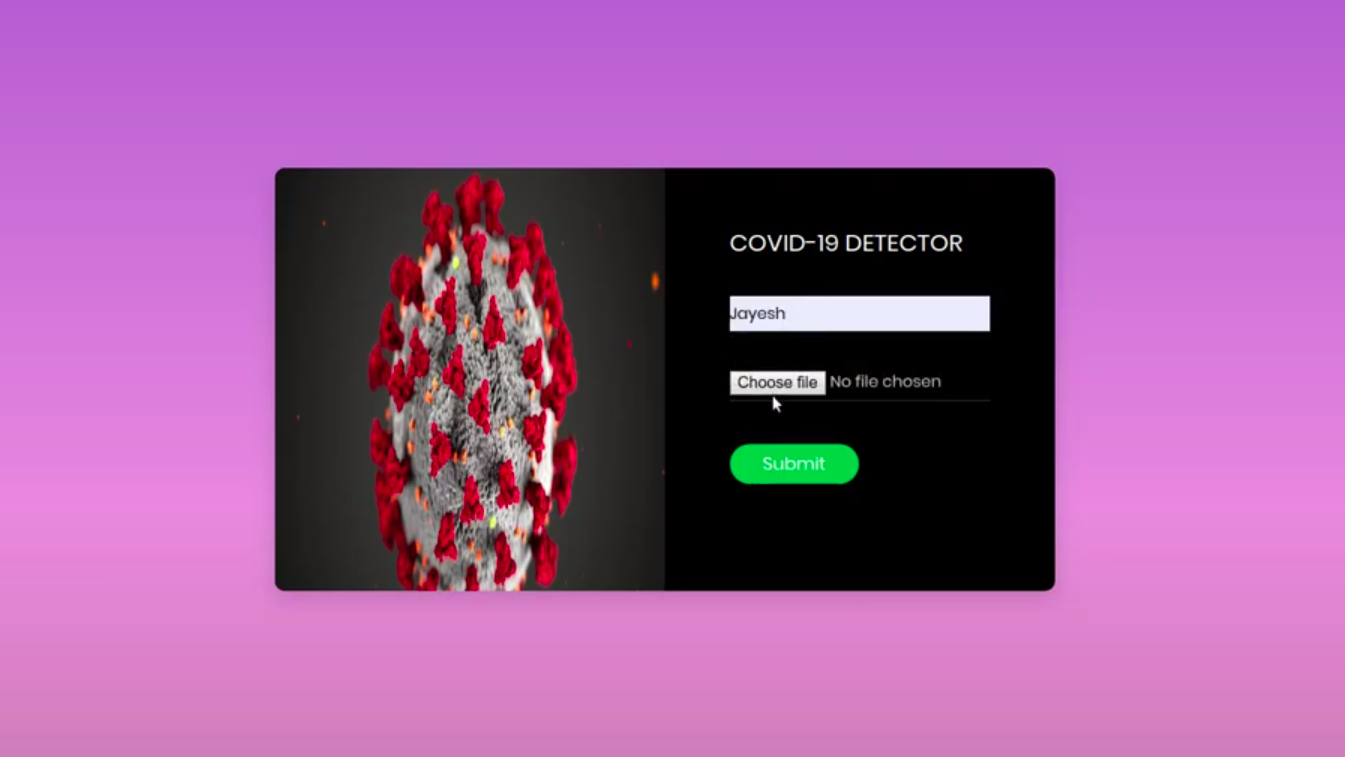
Front End
-
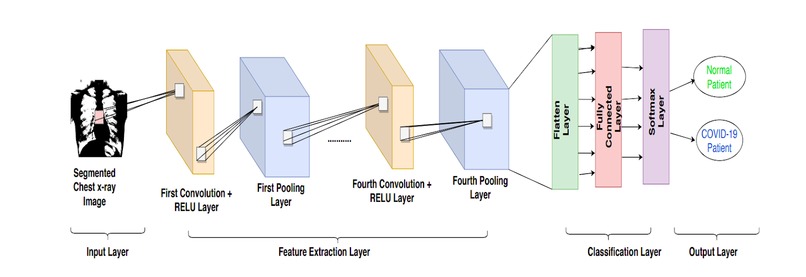
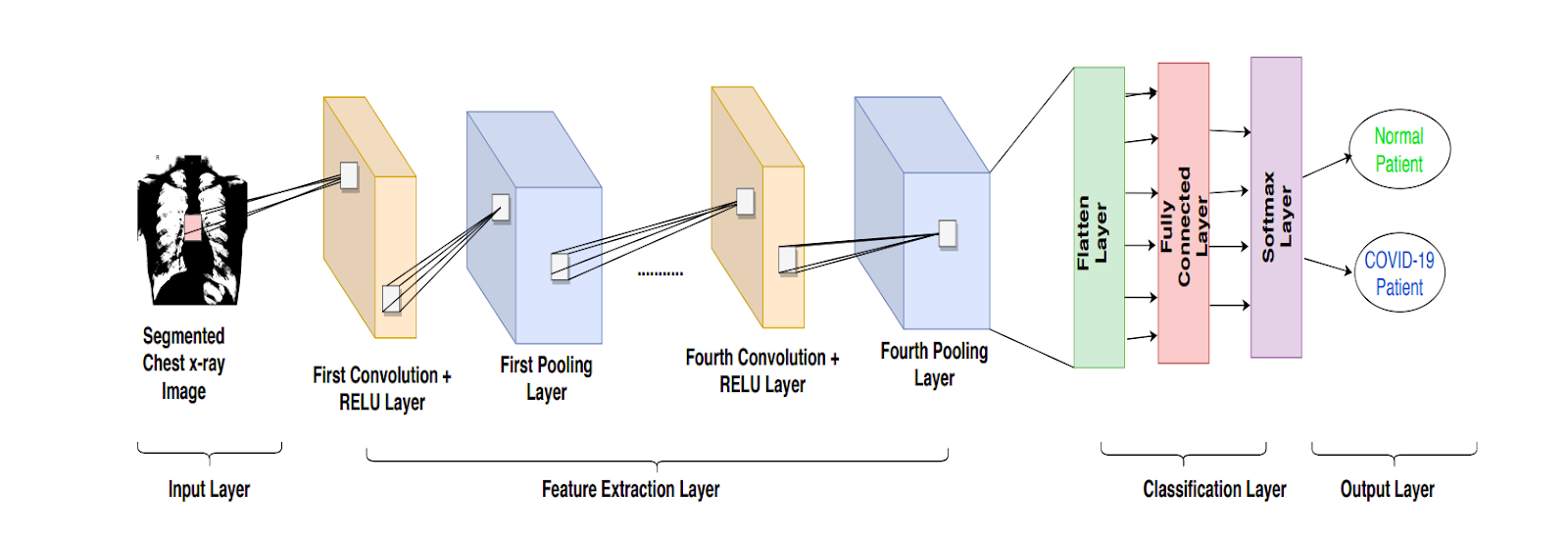
Architecture
-
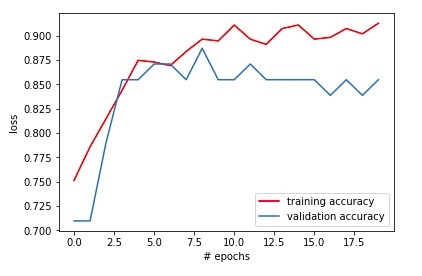
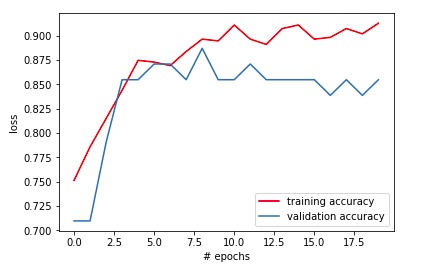
Accuracy
-
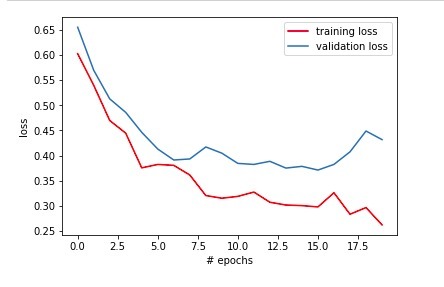
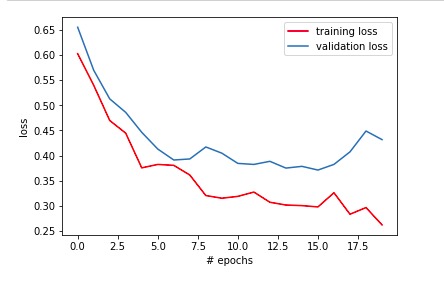
Loss
Inspiration
The 2019 novel coronavirus (COVID-19), with a starting point in China, has spread rapidly among people living in other countries, and is approaching approximately 305,275 cases worldwide according to the statistics of European Centre for Disease Prevention and Control. There are a limited number of COVID-19 test kits available in hospitals due to the increasing cases daily.Therefore, it is necessary to implement an automatic detection system as a quick alternative diagnosis option to prevent COVID-19 spreading among people. Early detection of COVID19 infection can save many lives in the prevailing situation. This virus affects the respiratory system of a person and creates white patchy shadows in the lungs. Deep learning is one of the most effective Artificial Intelligence techniques to analyse chest X- ray images for efficient and reliable COVID-19 screening.
What it does
we have proposed a Deep Convolutional Neural Network method for fast and dependable identification of COVID-19 infection cases from the patient chest X-ray images. To validate the performance of the proposed system, chest X-ray images of more than 150 confirmed COVID-19 patients from the Kaggle data repository are used in the experimentation. The results show that the proposed system identifies the cases with an accuracy of 93%.A web application developed using flask provides a simplistic User Interface for the Non-Technical end users.The users will be able to directly upload X-ray images and get the report on the next page.
How we built it
- Dataset: COVID-19 Positive Dataset: https://github.com/ieee8023/covid-chestxray-dataset The dataset contains chest X-ray images along with clinical symptoms of more than 150 different COVID-19 patients collected from Wuhan city. The dataset also contains a metadat.csv file which has various features of the patient like gender, age, etc.
- Preprocessing: Pre-processing is an essential step in classification process to improve the system accuracy. In pre- processing, we have removed the noise present in the images. In medical images, Gaussian noise is common due to thermal fluctuations of electronic components.
- Feature Extraction: Convolution layer produces some high-level complex features which are reduced by the pooling layers. In this progressive manner, CNN can learn hierarchical features layer by layer automatically. The developed CNN architecture consists of four convolutional layers, four maxpooling layers and we have used ReLU activation function.
- Classification Model: The fully connected layer is an essential component of CNN; it helps in the classification of an object. It takes input from the output of the previous layer i.e., from the last feature extraction layer. The flatten layer turns the feature matrix into a single vector and passes it to the first fully connected layer.
- Web Interface using flask: We now convert the pre-trained model in HDF5 format by using keras and tensorflow to be used in our web interface. A flask web application is written to interact with our model. A simple UI with an option to upload X-ray image is provided.
Challenges we ran into
- Accuracy: The model was earlier having less accuracy but later we used some hyper parameters to reduce overfitting.We also build a new model on completely new dataset and different CNN architecture. The new model showed excellent confusion matrix and had accuracy of above 95%
- Dependecy issues in flask server: Initially there were a few dependency issues in flask and the web app was not looking great. So we then solved all the dependency issues and the app is amazing!
Accomplishments that we're proud of
A model withn accuracy of over 95% is a great acheivement I think
What's next for DETECTION OF COVID-19 FROM CHEST X-RAYS USING DEEP LEARNING
More data, More accuracy! No need of expert radiologist everywhere! CT Scan are more accurate and better results can be achieved. But cost for CT Scan is definitely an issue.


Log in or sign up for Devpost to join the conversation.