-
-
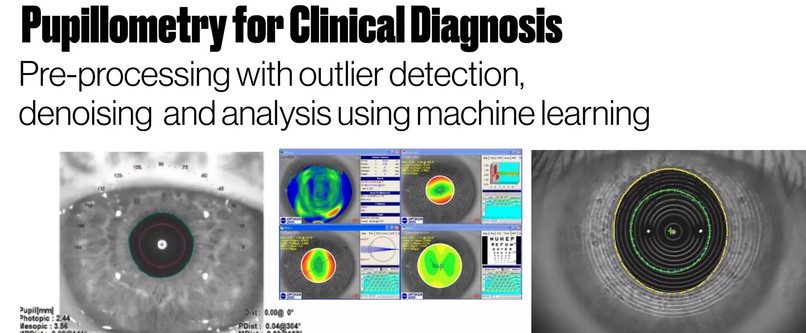
Detection of acceleomery using pupillomery
Inspiration
The inspiration for this project came from the growing need for early and accurate detection of genetic diseases, especially in children. Many genetic disorders affect movement and motor behavior, but traditional diagnosis methods are often time-consuming and expensive. This motivated me to explore how sensor data and machine learning can help identify such conditions in an automated and non-invasive way.
What it does
Through this project, I gained knowledge in multiple areas, including: Understanding accelerometry data and how movement patterns vary with age Basics of genetic disease impact on motor functions Data preprocessing and feature extraction Applying machine learning models for prediction and classification Interpreting results to distinguish normal vs abnormal behavior This project also improved my problem-solving, research, and analytical skills.
How we built it
The project was developed in the following steps: Collected accelerometer data representing human movement Preprocessed the data to remove noise and normalize values Extracted important features related to motion and activity Used machine learning algorithms to predict age from movement patterns Compared predicted age and motion behavior with normal patterns to help detect possible genetic abnormalities Evaluated the model’s performance using accuracy and validation techniques
Challenges we ran into
Some of the major challenges during the project were: Understanding and handling complex sensor data Selecting the right features for better accuracy Managing limited or imbalanced datasets Improving model performance while avoiding overfitting Interpreting results in a meaningful medical context Despite these challenges, the project helped me gain practical experience and confidence in working with real-world data and AI-based solutions.
Accomplishments that we're proud of
Successfully built a system to analyze accelerometer data for movement patterns Implemented data preprocessing and feature extraction techniques Developed a machine learning model to predict age from motion data Used age-based movement comparison to support automated detection of abnormalities Evaluated model performance and achieved reliable prediction accuracy Completed an end-to-end workflow from data collection to result analysis
What we learned
How human movement patterns change with age The importance of accelerometry in health and disease monitoring Handling real-world sensor data, including noise and missing values Feature selection techniques for improving model accuracy Basics of machine learning models used in classification and prediction Challenges involved in applying AI to healthcare-related problems
What's next for Detection genetic diseases using accelerometry
Integrating larger and more diverse datasets for better generalization Combining accelerometry with other modalities like pupillometry or gyroscope data Using deep learning models to capture complex motion patterns Developing a real-time monitoring system using wearable devices Improving early detection accuracy for specific genetic disorders Creating a user-friendly mobile or web-based healthcare application
Built With
- accelerometer
- amazon-web-services
- apis
- cloud
- colab
- csv
- feature
- files
- gcp)
- jupyter
- learning
- machine
- mysql
- notebook
- numpy
- pandas
- platform
- python
- sensor
- sql
- vs


Log in or sign up for Devpost to join the conversation.