-
-
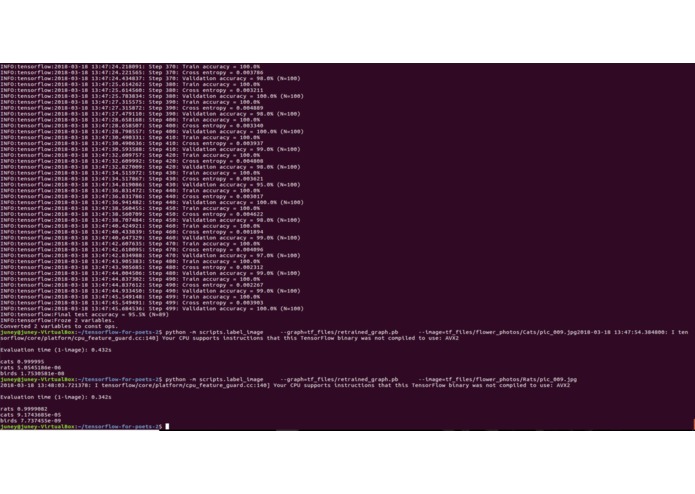
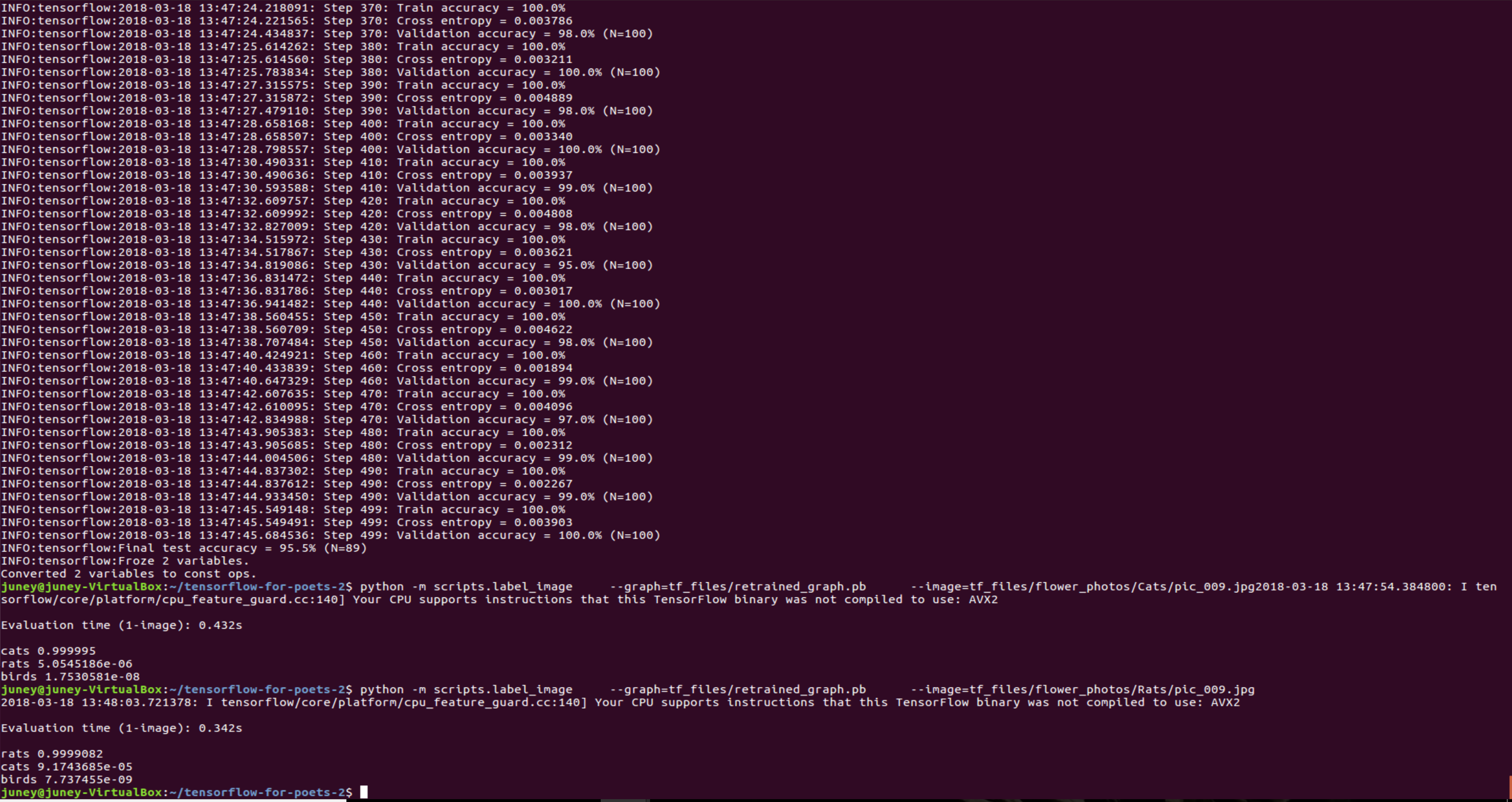
Program Console
-
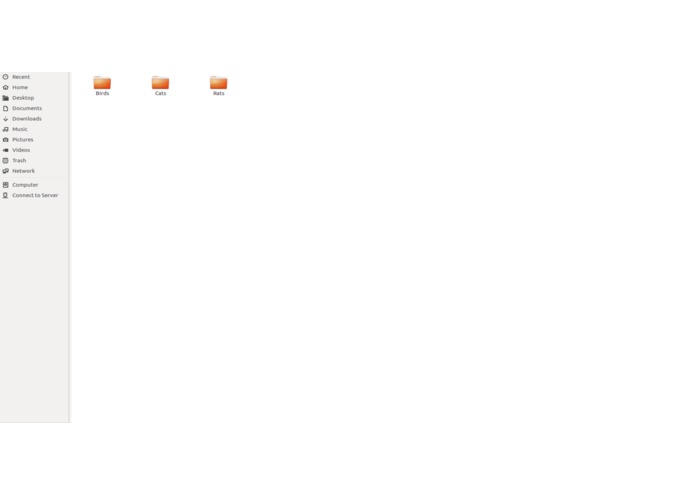
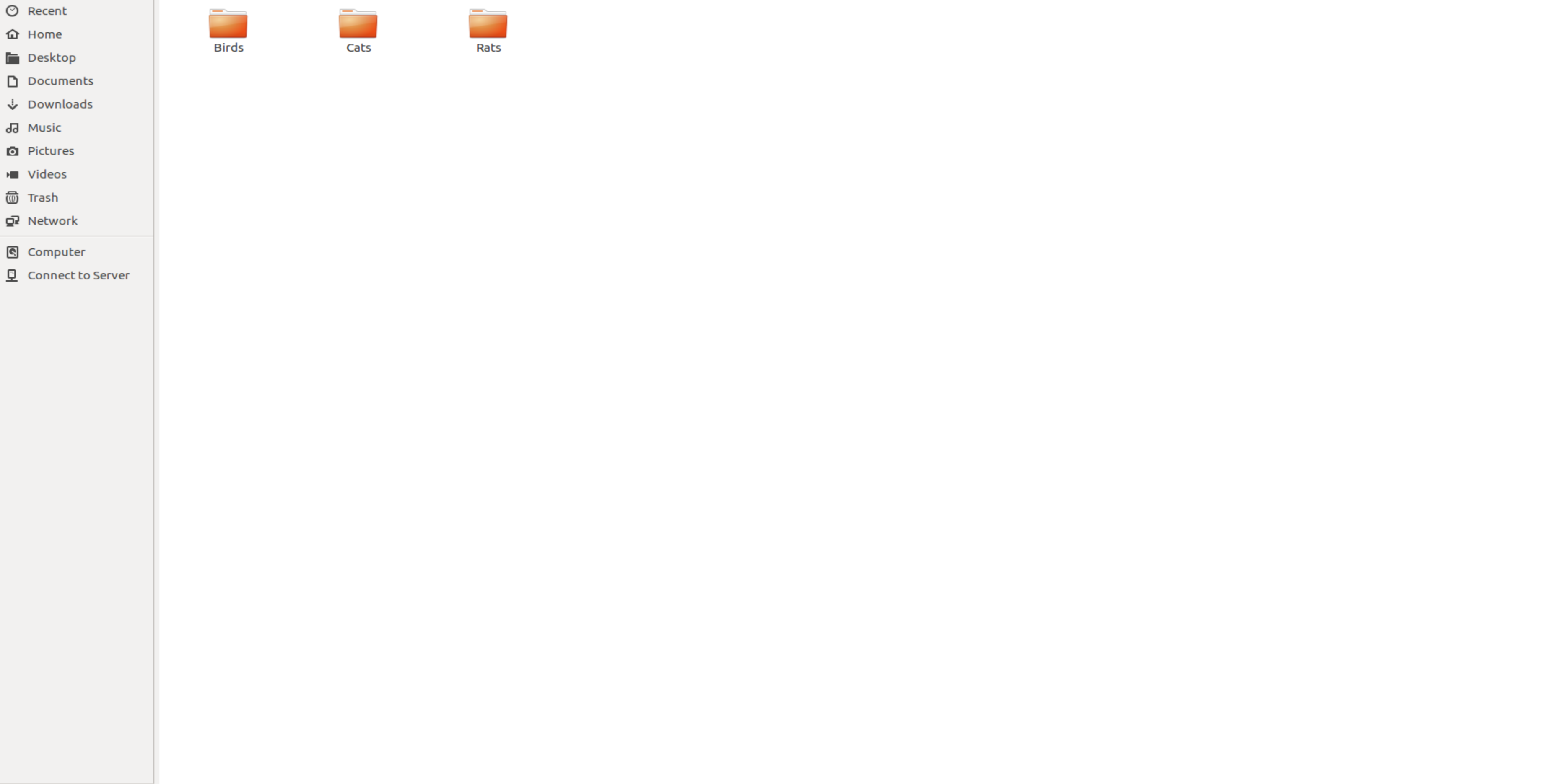
Species Folders
-
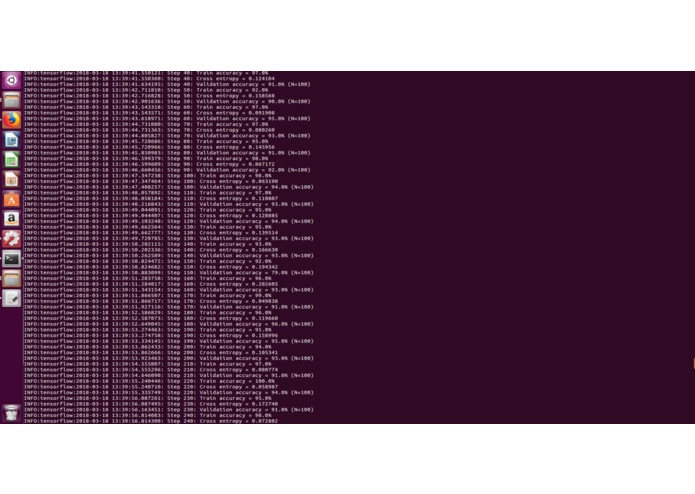
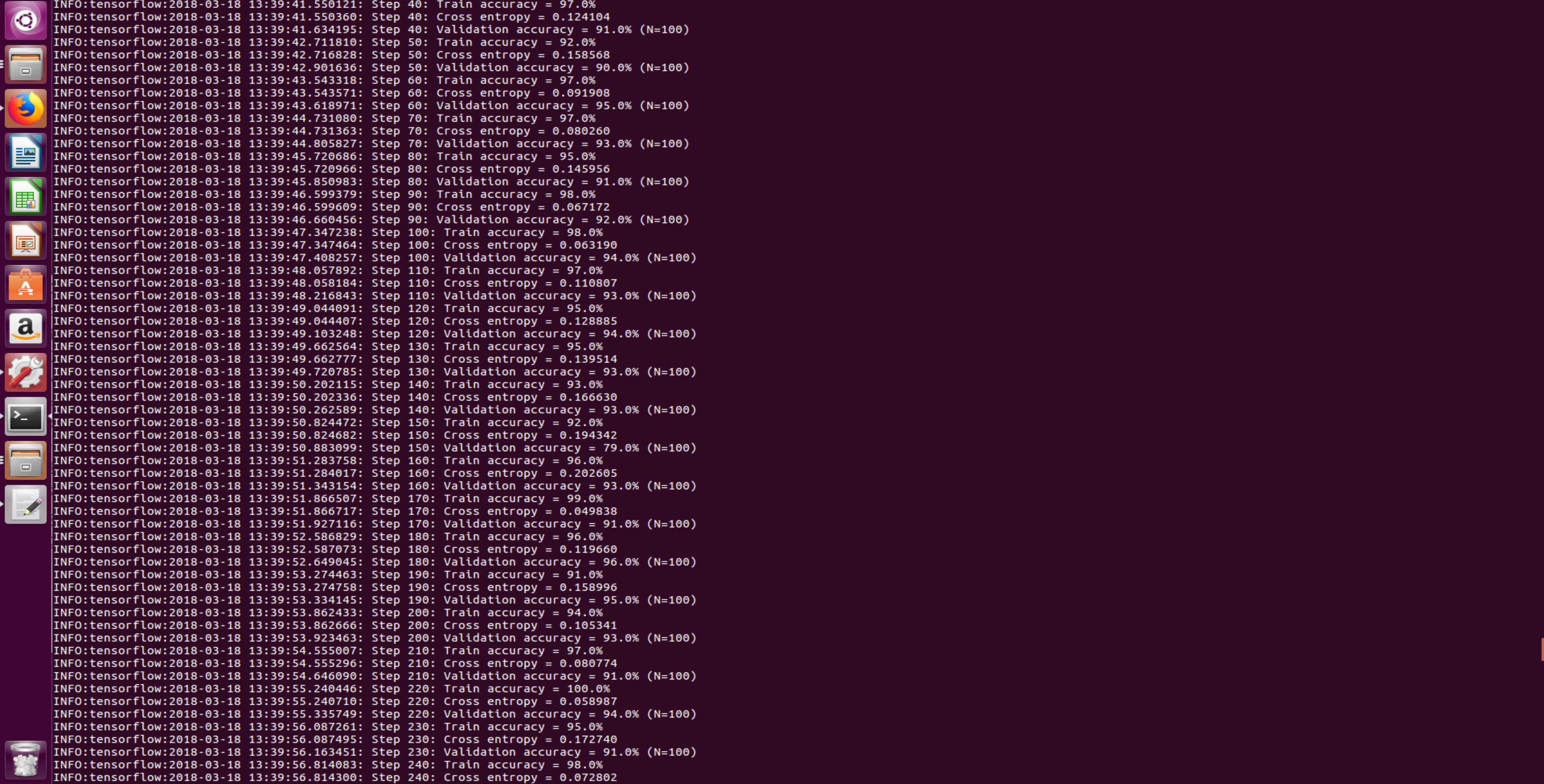
Program Training
-
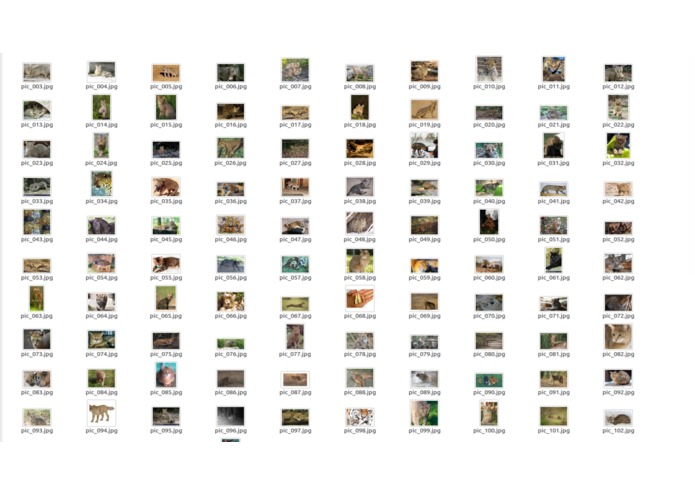
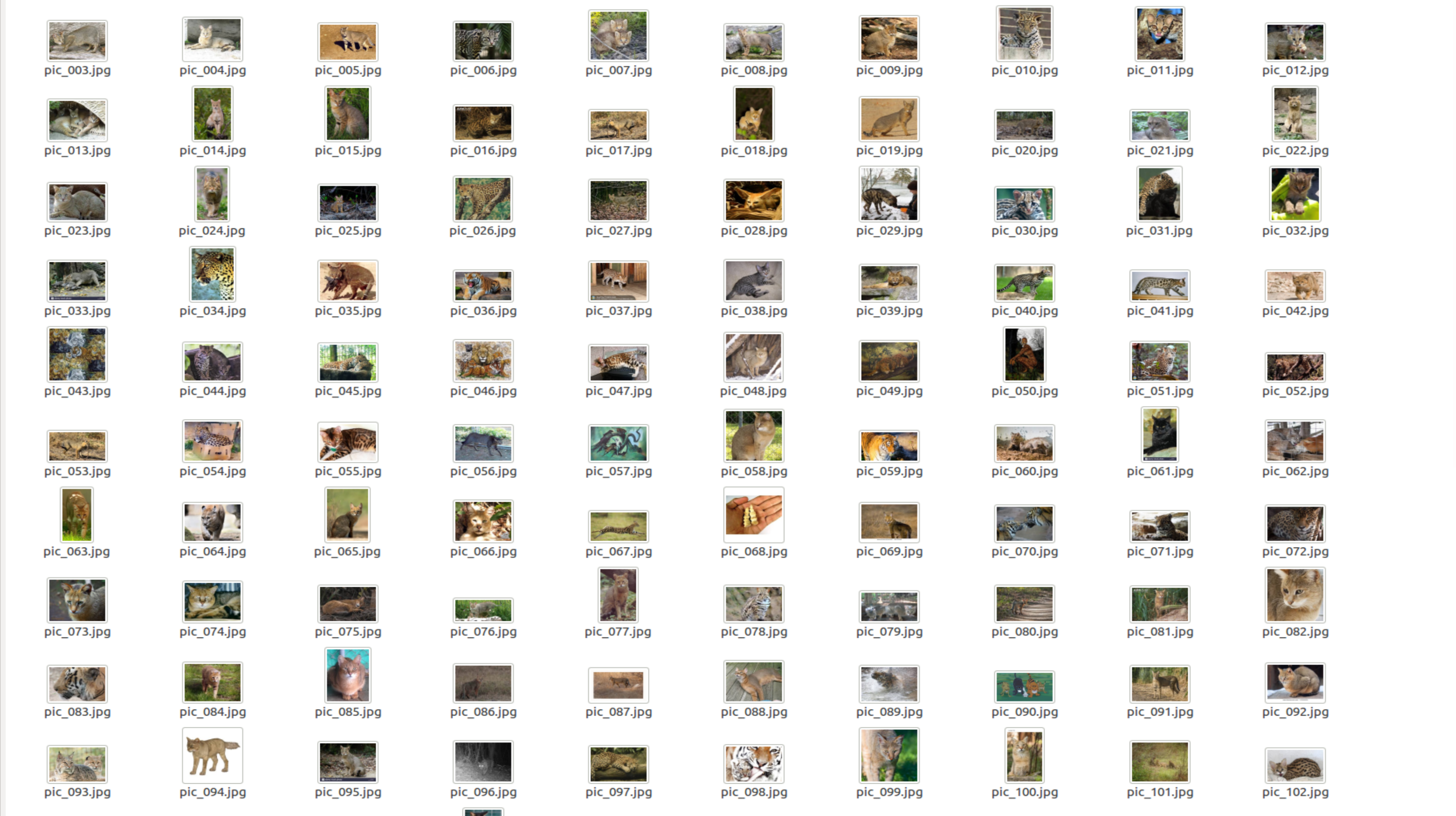
Cat Pictures
Inspiration
With the problem of invasive species, we saw that one of the problems of detecting invasive species was the actual labor of a professional being used to identify species from the game camera or the footprints of trackpads in the area. We focused on fixing this specific issue.
What it does
The program can be trained to identify any given species, which can be used to correctly identify and detect invasive species in the area, to confirm whether or not the species is still active in the region - just by simply taking a picture of the suspected animal.
How we built it
Using Python with the TensorFlow library provided by Google. By creating folders of specific animals, the Neural Net can correctly determine through trial-and-error any species specified by an input picture.
Challenges we ran into
We ran into simple coding issues such as syntax errors and directory errors.
Accomplishments that we're proud of
Using a set of random pictures provided from a Google search of feral cats, we can correctly identify with a 99% confidence that the picture is of a feral cat.
What we learned
We learned how to use and manipulate the TensorFlow Library and how a neural network can train itself by analyzing various pictures and using an algorithm to change variables associated with the pictures.
What's next for Detecting/Monitoring Invasive Species
The next step for our project would be hardware implementation. We could connect a game camera to a raspberry pi, which can be programed with our identification program. By connecting a Raspberry Pi with the program loaded onto it, the image from the camera could be imported to the Raspberry Pi, the Raspberry Pi can analyze the photo and determine the species of the animal, all in one compact area. This would allow the Raspberry Pi to transmit a signal that would notify someone of the presence of an invasive species in that specific area.

Log in or sign up for Devpost to join the conversation.