-
-
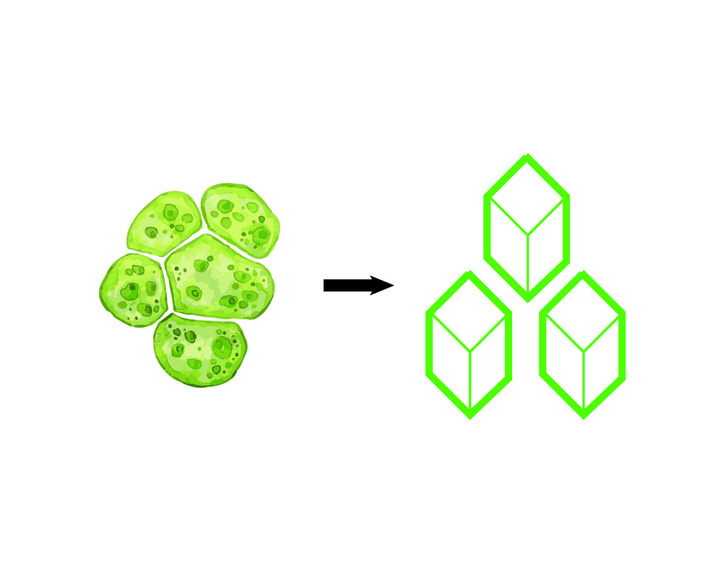
A greener box for a greener planet
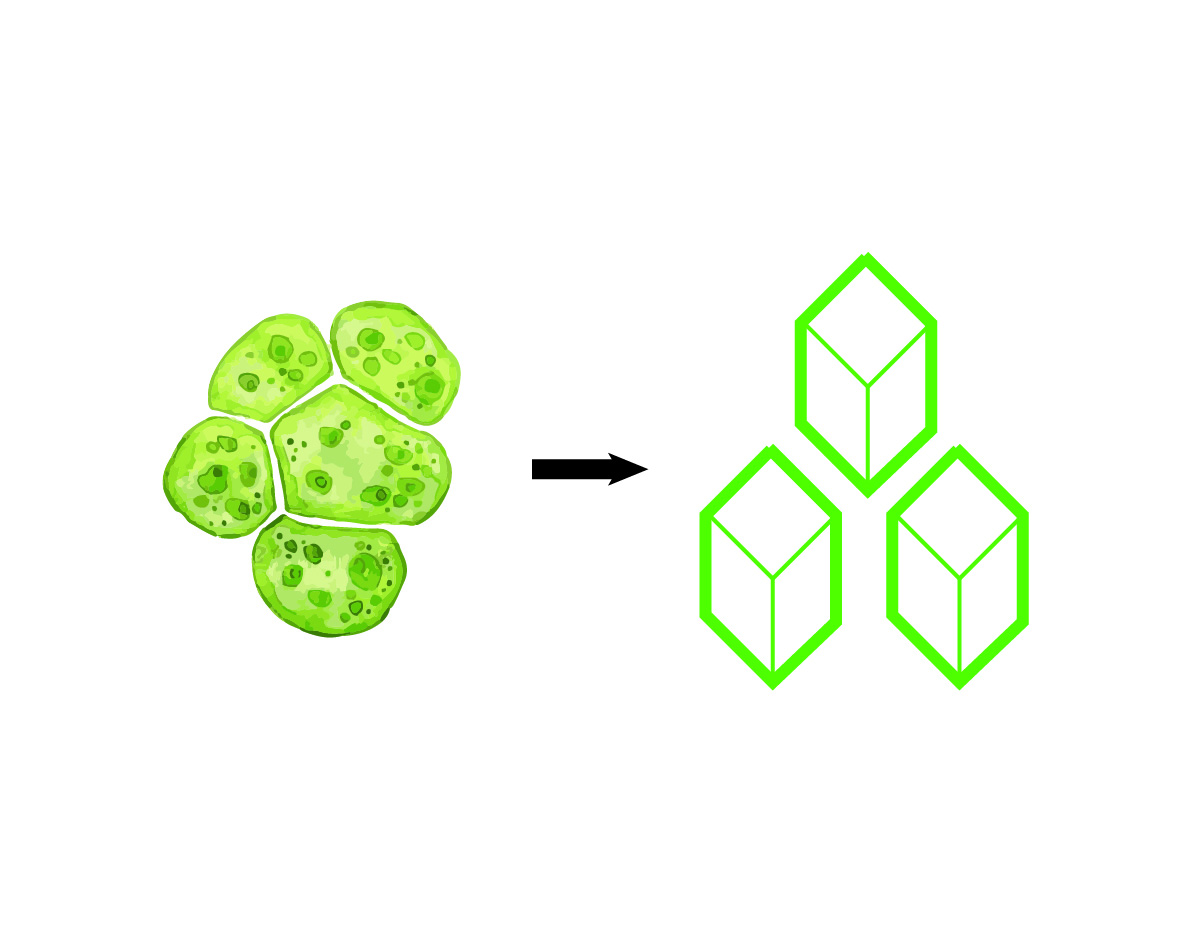
Its a story of three unlikely friends, pulled together to try and solve an impossible problem
Jacob Mast, a recent UMD graduate in Eco-Tech Design and Soil Science, met Jacques Marais during the AgEnterprise challenge, where they discussed their shared fascination with Algae. Jacob mentioned how he had put an extensive amount of study and work in harvesting and dealing with Algae via his company ALG Labs. He has received grant funding to figure out how to turn algae into paper pulp. Jacques is another recent grad, with a B.S in Architecture. He spent most of his undergrad working on a company that pioneers Hydroponic houseplants and indoor gardens as a solution to modern human's lack of connection to nature and hunger for fresh, healthy greens.
Jacob and Jacques were both introduced to Linda Yeung at the start of the Makeathon. Linda, another recent grad, holds a Computer Science degree with a Sustainability minor. She previously interned at the USDA, Two Six Labs (cybersecurity), and NASA. Currently, she is interning at Esri, developing mobile applications enabling geospatial data.
The unlikely trio combined their skills to unearth some unique capabilities.
We started the journey of trying to solve saltwater intrusion (SWI) by looking at every angle of the issue. From start to finish, relying heavily on Jacobs soil science expertise, we navigated the complex environmental consequences caused by SWI.
Hemp, graphite, and even the ditch network seems to offer some protection against SWI. Ultimately, we felt these solutions were analogous to covering a crop field with a wet towel to protect against an eternal wildfire. Rather than solving the problem, the wet towel will most likely only delay the unending fire's inevitable disastrous effect.
We wanted our solution to be scalable and substantial enough to create long term impact and when we learned about SWI's direct connection to causing devastating algal blooms. We realized that our solution had to be to a different problem, not dead crops, but the death of a 100 billion dollar bay.
Linda, having extensive experience with map data and leveraging her experience with Geospatial data, jumped to a logical suggestion. Why not track algal blooms via satellites and predict where they will go next by modeling their behavior with machine learning?
Having a comprehensive understanding of how to harvest and transform algae into paper pulp, Jacob realized that we could then collect and create paper from the algae, using the methods he has already developed.
Jacques, tapping into his entrepreneurial spirit, reached the next logical conclusion. Instead of creating paper, we could turn the algae into cardboard. With the rapid growth of eCommerce trends, the cardboard industry is expanding, whereas paper is mostly stagnant. Additionally, paper would require the green pulp to be bleached; with cardboard, the green color could become the symbol of sustainability for packaging everywhere.
Although we did not find a solution to one of SWI's major consequences, crop death, we have found a solution to another significant effect: Algal blooms. We plan to move forward with this idea to develop it into a business, and winning the SWI track of the makeathon will help us immensely in prototyping the next stage. Thank you for taking the time to read about our journey. Hopefully, you are as inspired to act as we are.


Log in or sign up for Devpost to join the conversation.