-
-
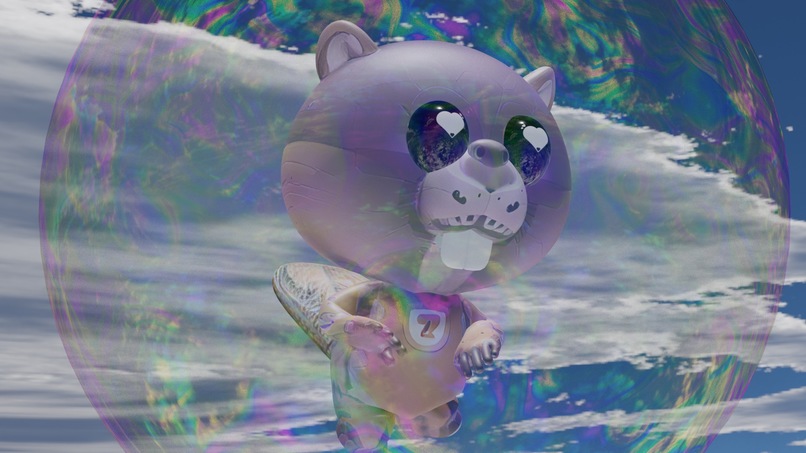
The Birth of Destiny
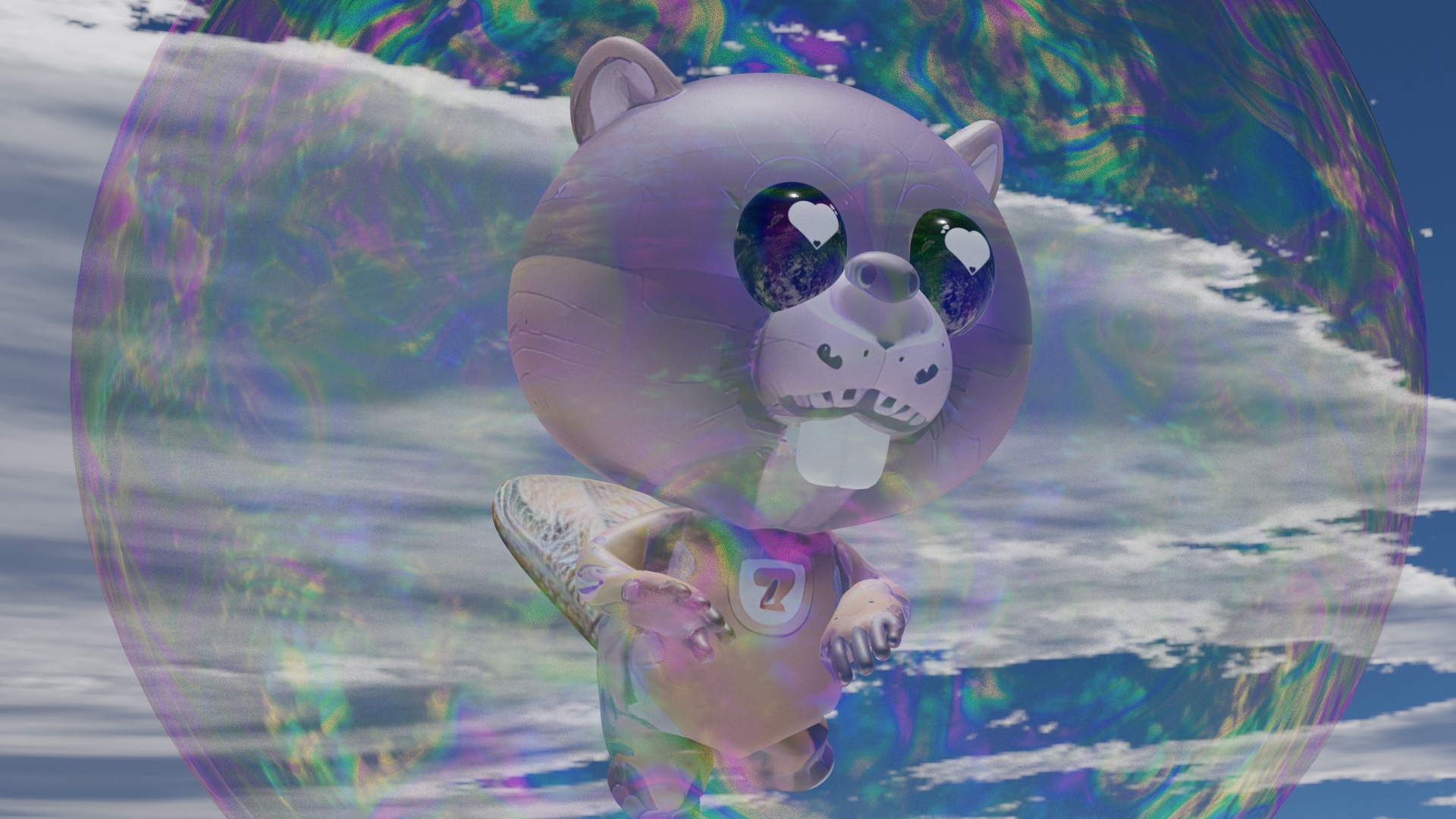
Inspiration
Intrigued by the original concept of the Destiny System, our team decided to do the “Hack the Hack” track in order to re-conceptualize the Destiny System while embracing this year's theme of connection.
What it does
Destiny is your personal reality hack guide.
As soon as a participant is accepted, they are led to sign into a web-based app that hosts their own Destiny Guide (inspired by MIT’s Tim the Beaver) already familiarized with initial information provided by the participant during the application process through InWorld.ai. Through integrating the Meshy.ai “text to texture” API, individuals are able to generate and customize varying attributes to create a guide they personally resonate with.
Before the hackathon, Destiny will:
- Prompt questions to further understand the participant in order to facilitate things such as team formation, finding relevant workshops given particular skill sets or interests, etc.
- Send updates and reminders on deadlines, financial aid applications, etc.
During the hackathon:
- Provide you with the overall schedule
- Send reminders of different tracks, networking opportunities, equipment check-out, workshops relevant to you or you’ve indicated interest in, etc.
- Help you connect and chat with other participants
- Give you directions to the different locations across campus
- Help you form your team through connecting with other participants’ personal guides
After the hackathon:
- Destiny will continue to serve as your guide to future MIT Reality Hacks, sending you updates on upcoming events and open applications
- Destiny will also serve as a personal digital collectible and on-chain proof-of-attendance that will host your finalized generated textures and collected personal data during that hackathon for you to reflectively refer back to
- Participants who win tracks will receive special digital attributes for their Destiny Guides
- Participants who attend the hackathon more than once will see the different versions of their Destiny guides for that year, viewable in an accessible inventory
This is Destiny!
How we built it
Meshy.ai, Inworld Studio, Blender, Flask API back-end
Challenges we ran into
- Exporting 3D animated model and textures into 8th wall
- Time-constraints
- Java Script and 8th wall learning curve
- Starting with a ‘template’ got confusing
- Accurate AI response to the wide range of potential questions from users
Accomplishments that we're proud of
- Forming a great team and learning A LOT
- Conceptualizing and executing our concept despite the many walls we hit throughout the process
- Devs were having a hard time bringing together the back-end with the front-end, but we eventually made it.
What we learned
We learned that it's important to find an idea quickly and carefully add to the project as the main purpose of the project can get lost storm of new ideas.
What's next for Destiny
We hope to continue working on the project and for the hackathon staff to see the potential of Destiny so it can get to a state where it can eventually be used at future hackathons.
Built With
- 8thwall
- figma
- inworld
- javascript
- meshy.ai

Log in or sign up for Devpost to join the conversation.