-
-
Team Logo
-
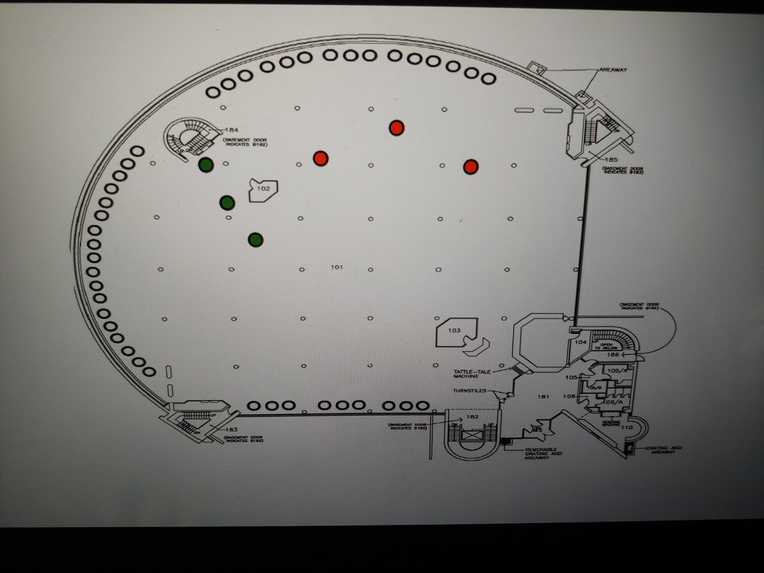
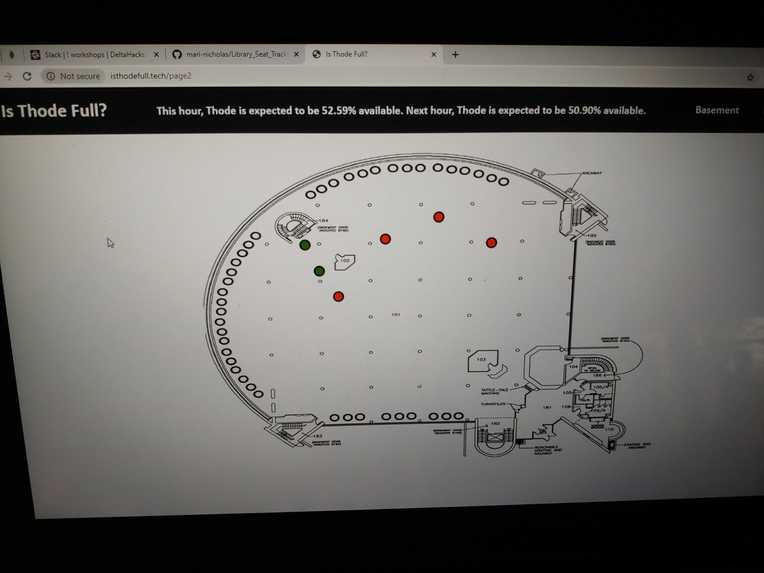
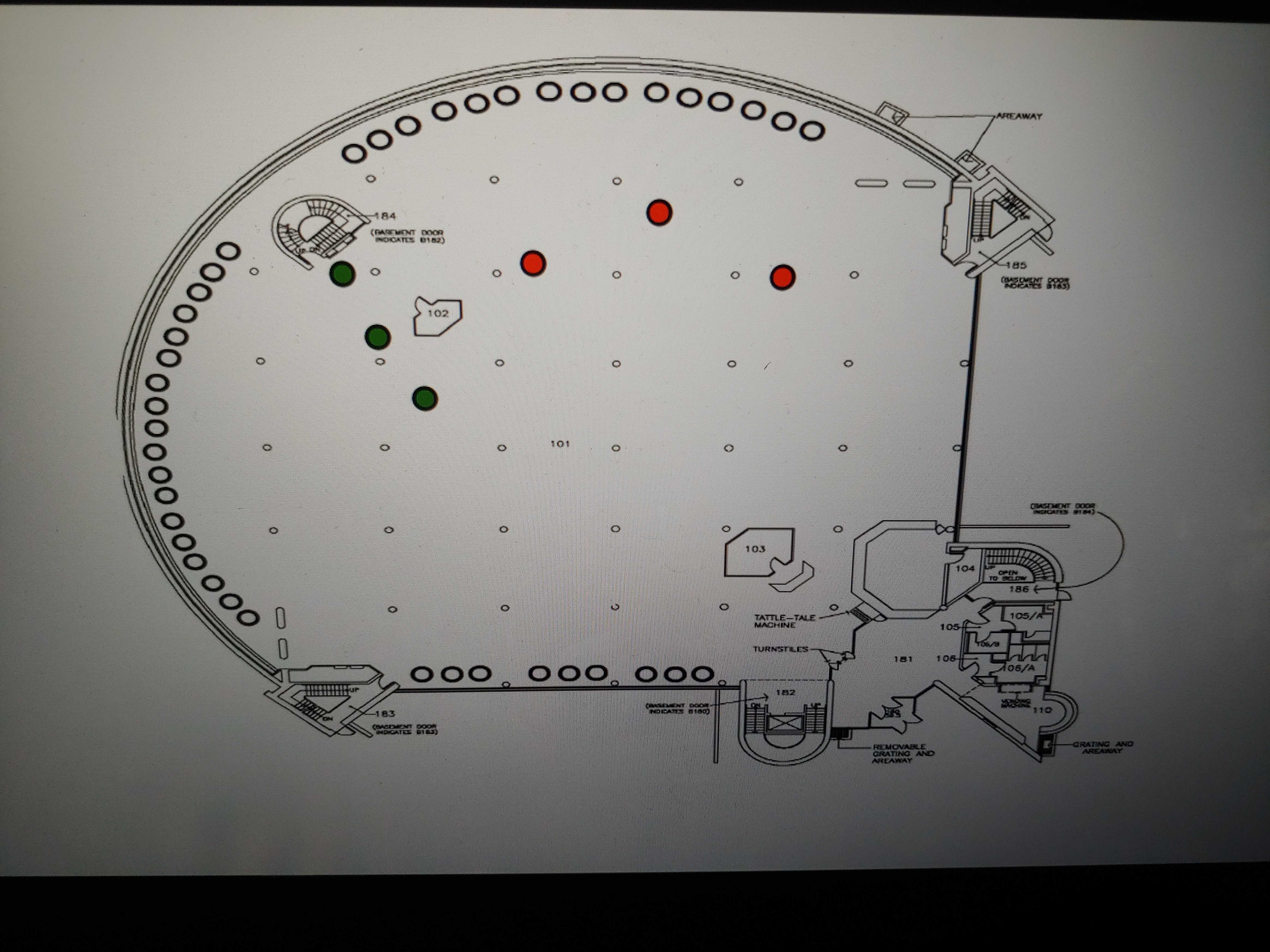
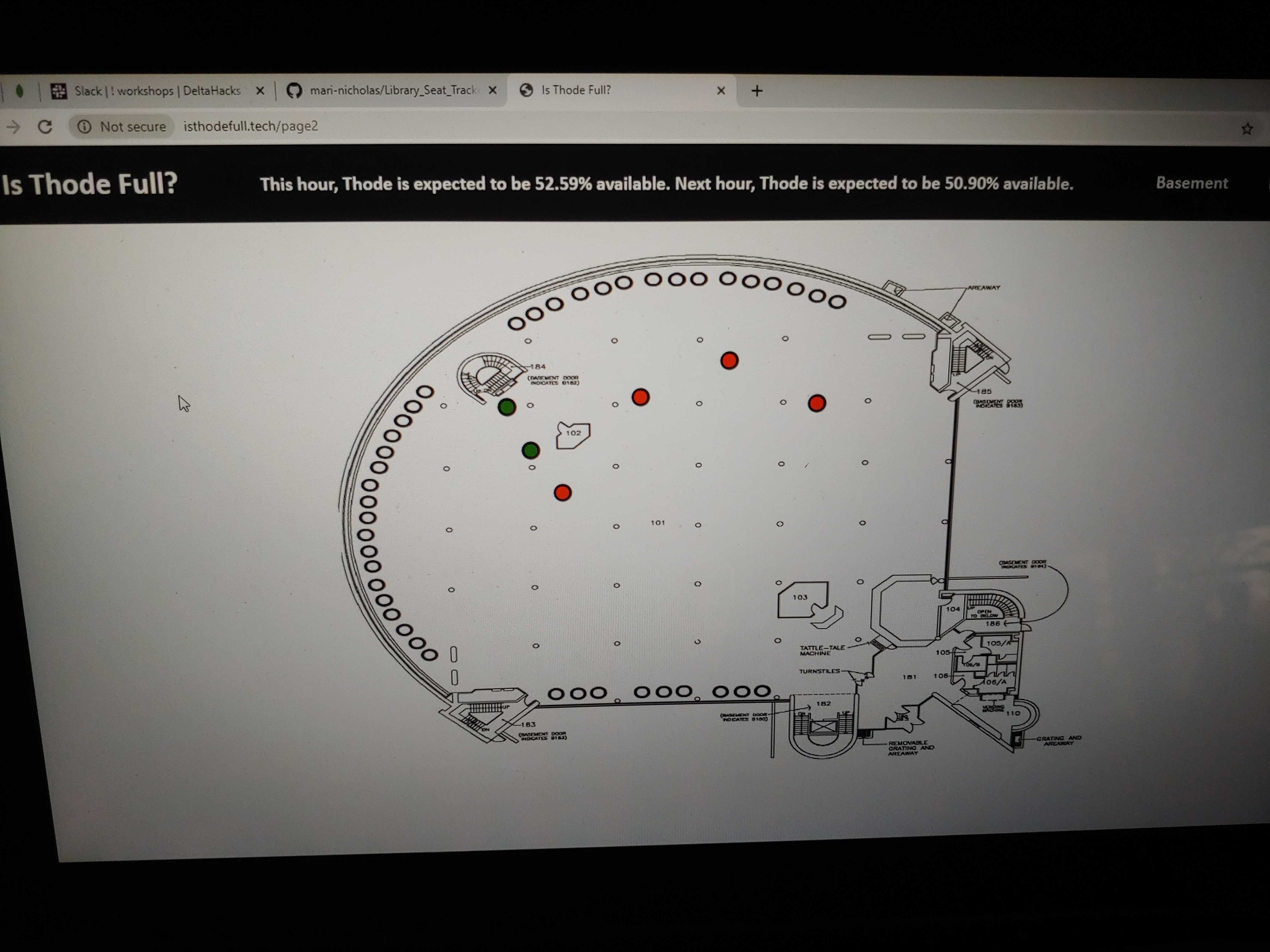
Live Desk Map
-
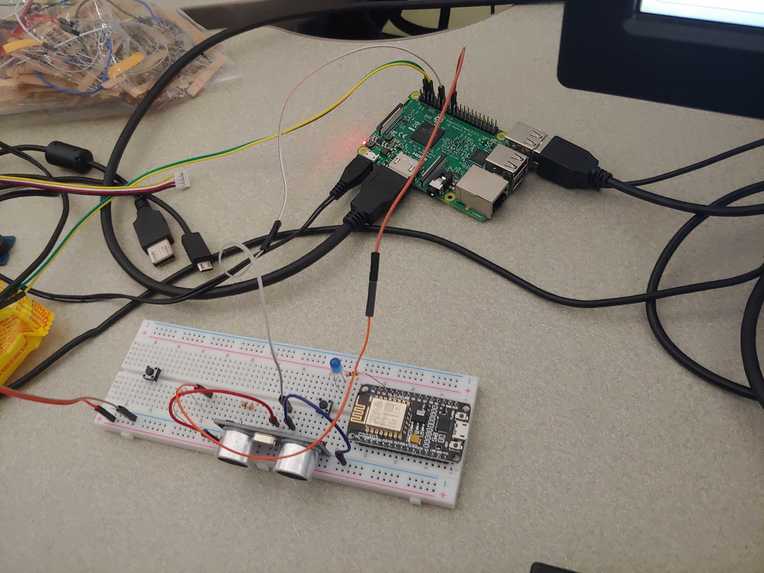
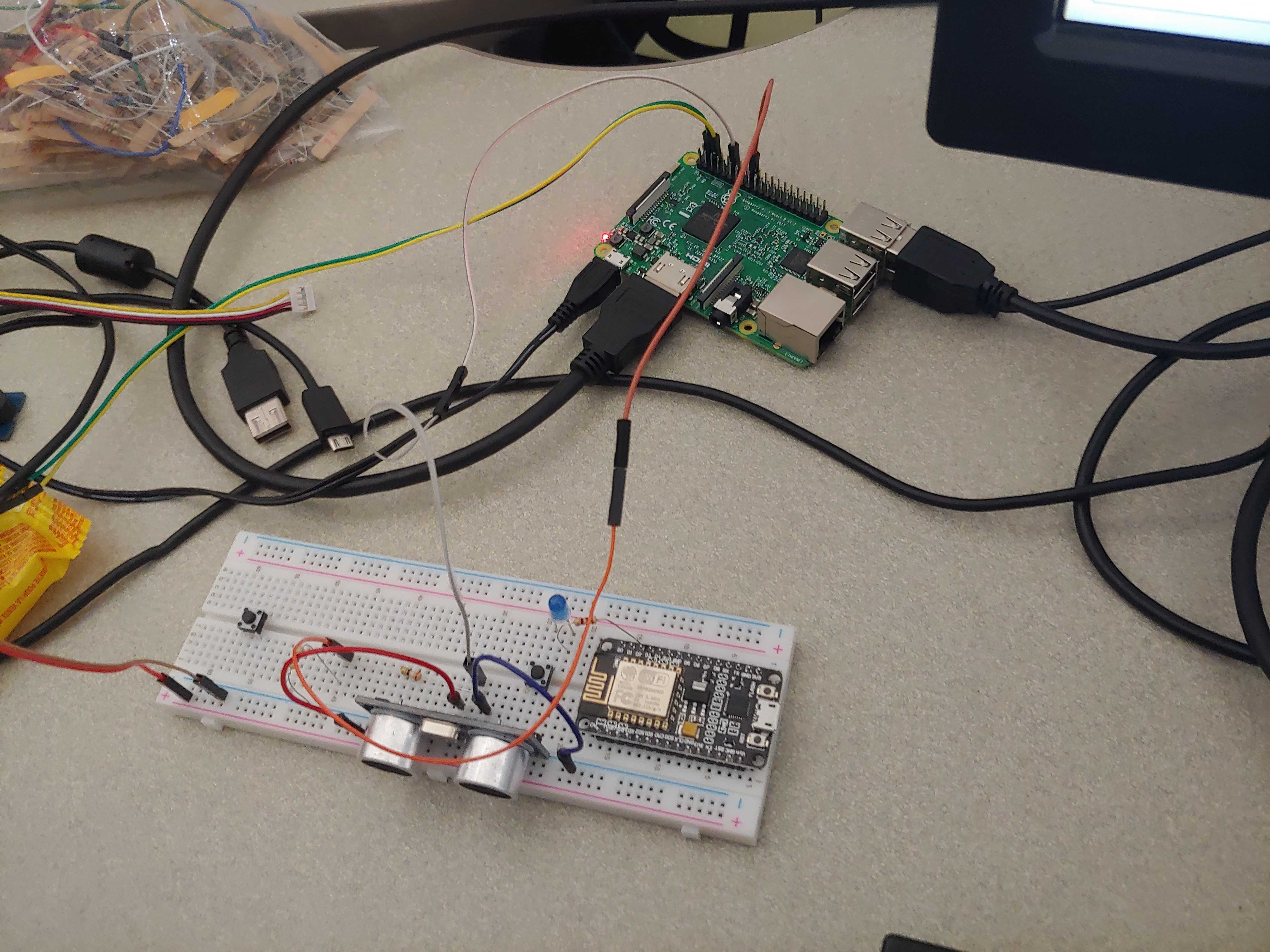
Hardware Setup (Raspberry Pi)
-
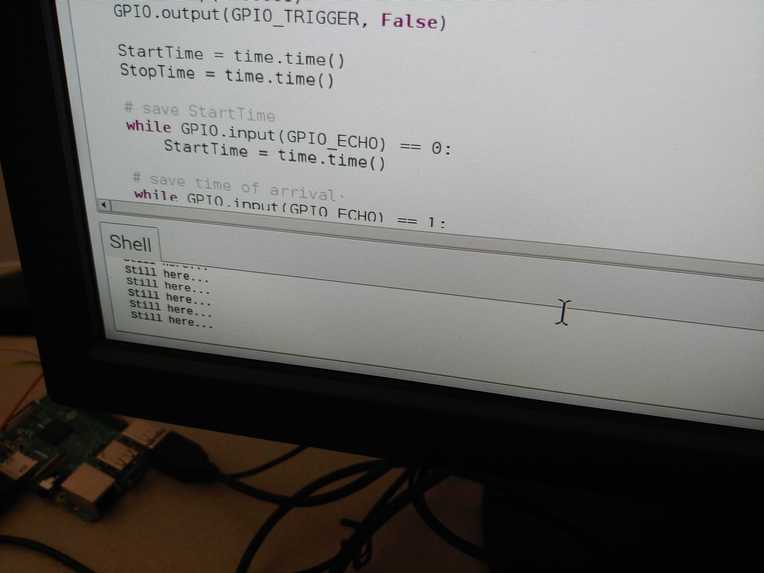
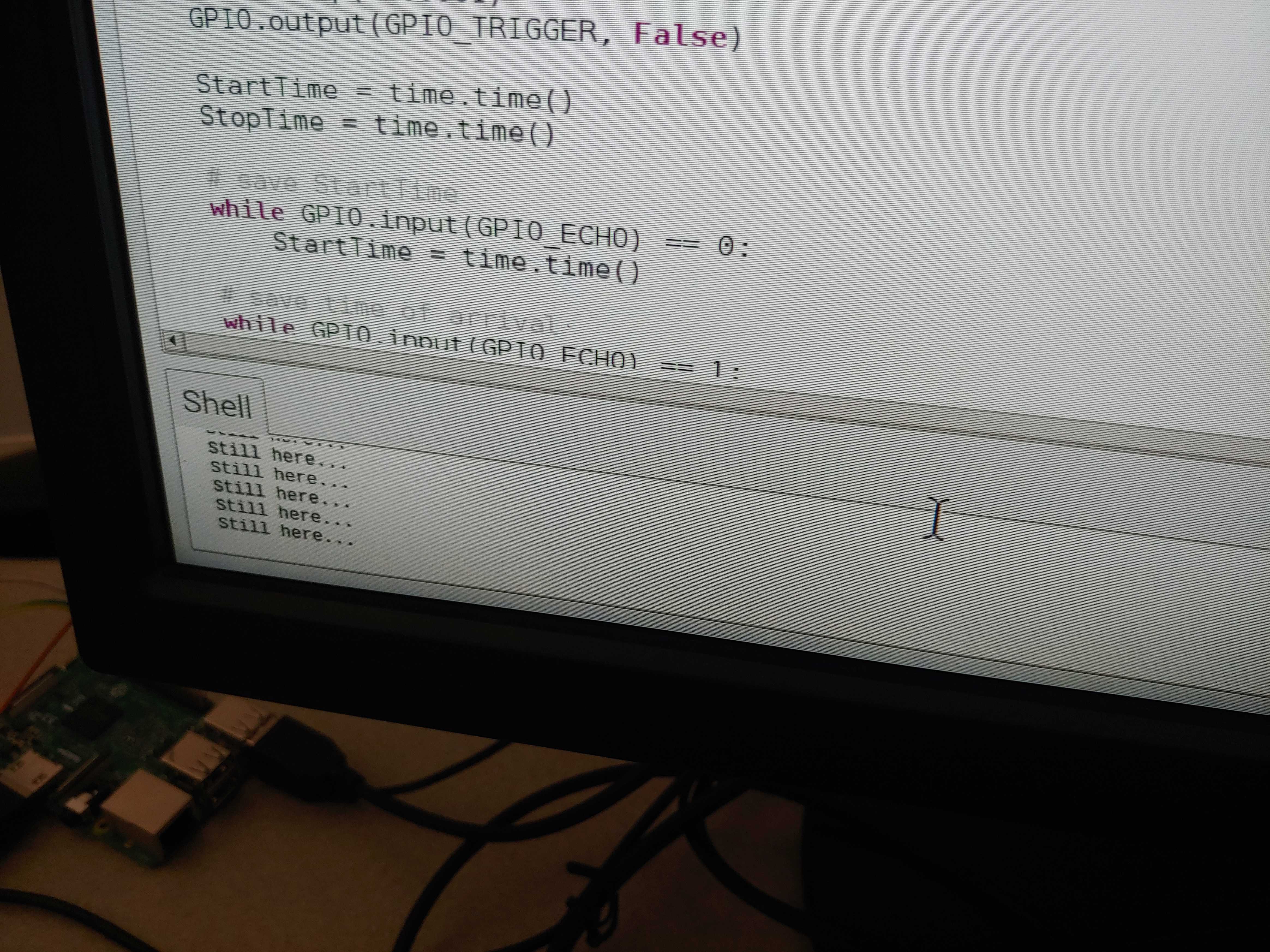
RPi Python Script
-
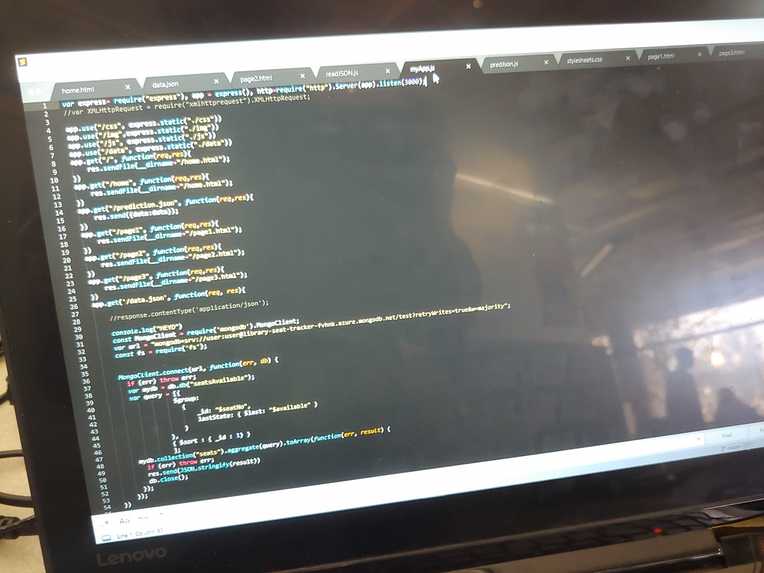
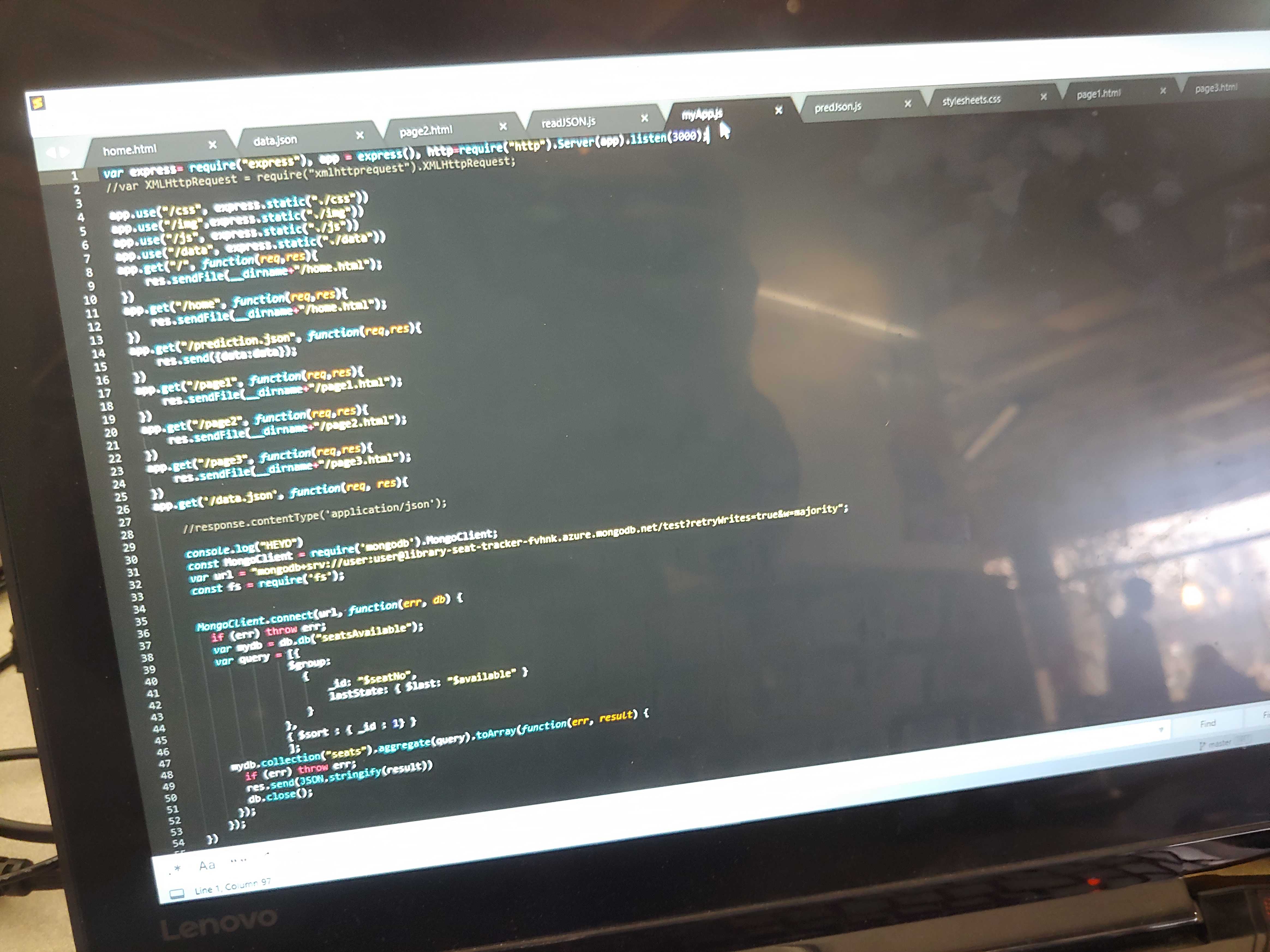
Snippet of our Node.js Backend
-
Occupied Seat
Inspiration
We know the struggles of students. Trying to get to that one class across campus in time. Deciding what to make for dinner. But there was one that stuck out to all of us: finding a study spot on campus. There have been countless times when we wander around Mills or Thode looking for a free space to study, wasting our precious study time before the exam. So, taking inspiration from parking lots, we designed a website that presents a live map of the free study areas of Thode Library.
What it does
A network of small mountable microcontrollers that uses ultrasonic sensors to check if a desk/study spot is occupied. In addition, it uses machine learning to determine peak hours and suggested availability from the aggregated data it collects from the sensors. A webpage that presents a live map, as well as peak hours and suggested availability .
How we built it
We used a Raspberry Pi 3B+ to receive distance data from an ultrasonic sensor and used a Python script to push the data to our database running MongoDB. The data is then pushed to our webpage running Node.js and Express.js as the backend, where it is updated in real time to a map. Using the data stored on our database, a machine learning algorithm was trained to determine peak hours and determine the best time to go to the library.
Challenges we ran into
We had an life changing experience learning back-end development, delving into new frameworks such as Node.js and Express.js. Although we were comfortable with front end design, linking the front end and the back end together to ensure the web app functioned as intended was challenging. For most of the team, this was the first time dabbling in ML. While we were able to find a Python library to assist us with training the model, connecting the model to our web app with Flask was a surprising challenge. In the end, we persevered through these challenges to arrive at our final hack.
Accomplishments that we are proud of
We think that our greatest accomplishment is the sheer amount of learning and knowledge we gained from doing this hack! Our hack seems simple in theory but putting it together was one of the toughest experiences at any hackathon we've attended. Pulling through and not giving up until the end was also noteworthy. Most importantly, we are all proud of our hack and cannot wait to show it off!
What we learned
Through rigorous debugging and non-stop testing, we earned more experience with Javascript and its various frameworks such as Node.js and Express.js. We also got hands-on involvement with programming concepts and databases such as mongoDB, machine learning, HTML, and scripting where we learned the applications of these tools.
What's next for desk.lib
If we had more time to work on this hack, we would have been able to increase cost effectiveness by branching four sensors off one chip. Also, we would implement more features to make an impact in other areas such as the ability to create social group beacons where others can join in for study, activities, or general socialization. We were also debating whether to integrate a solar panel so that the installation process can be easier.
Built With
- cad
- css3
- express.js
- flask
- github
- google-cloud
- hardware
- html5
- javascript
- linear-regression
- machine-learning
- mongodb
- node.js
- python
- raspberry-pi
- sklearn


Log in or sign up for Devpost to join the conversation.