-
-
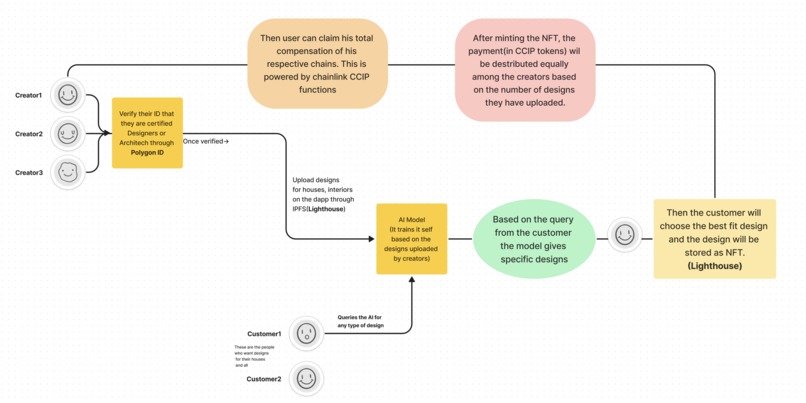
-
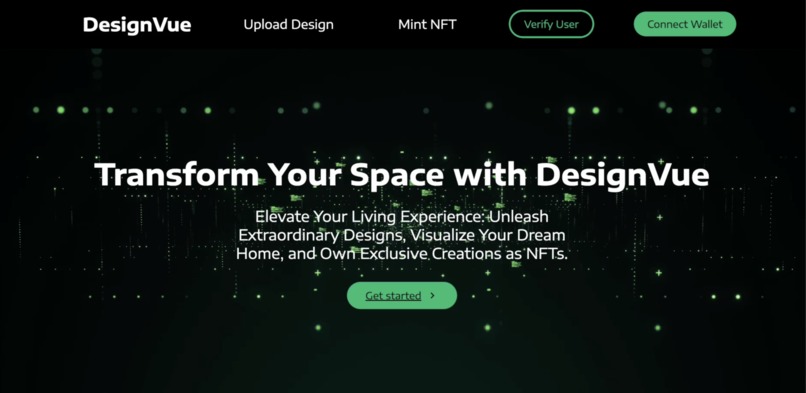
Home Page
-
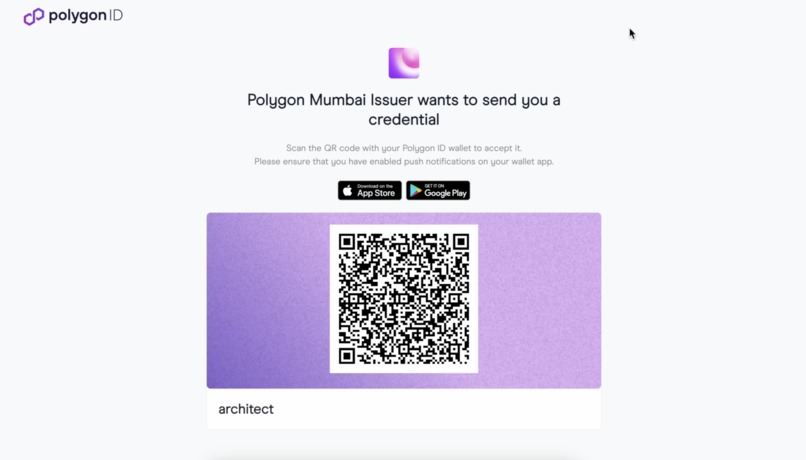
Here the credential for architect is issued
-
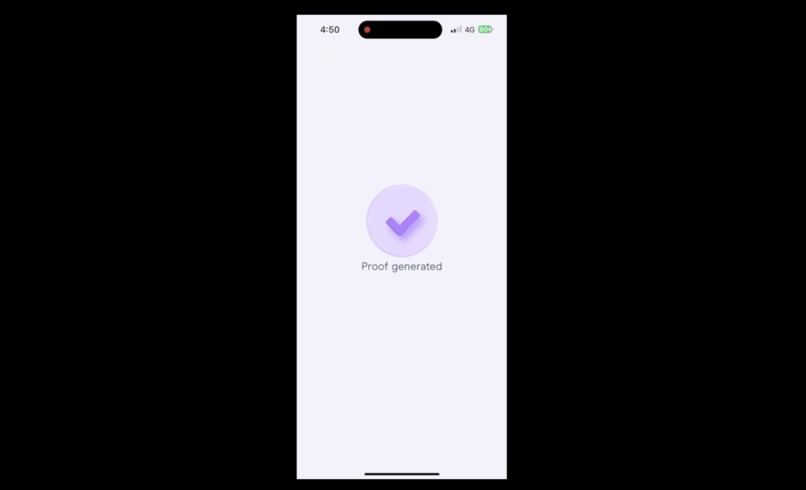
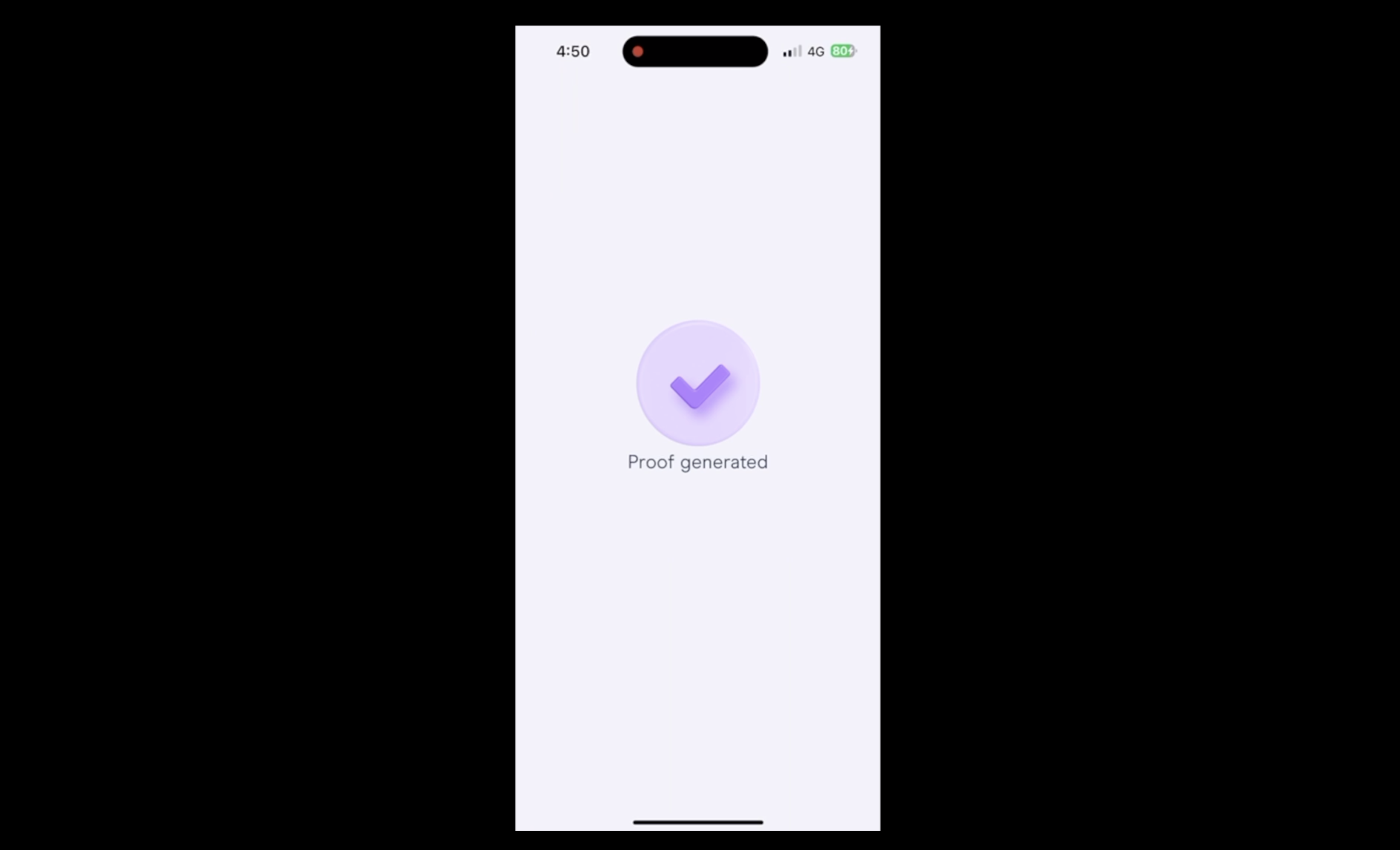
verified2
-
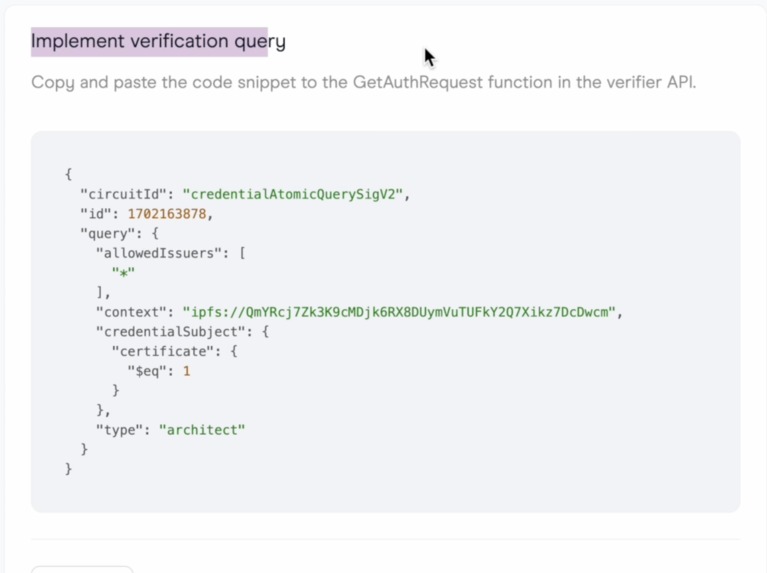
query to verify architect or designers
-
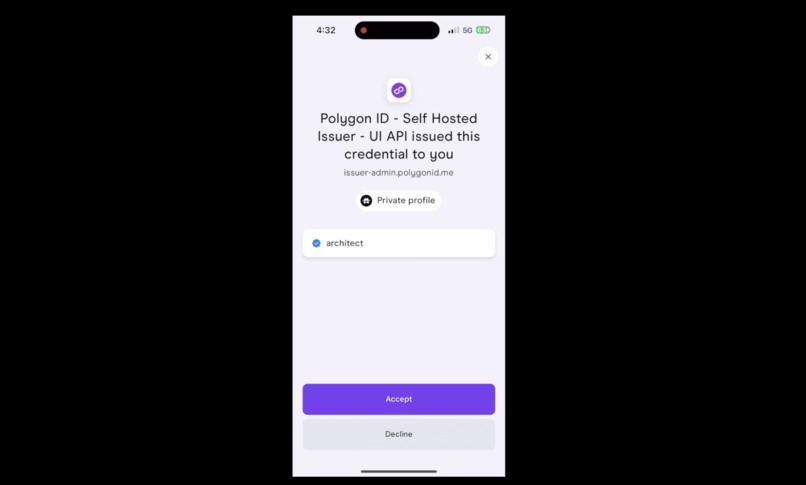
getting creadential in app
-
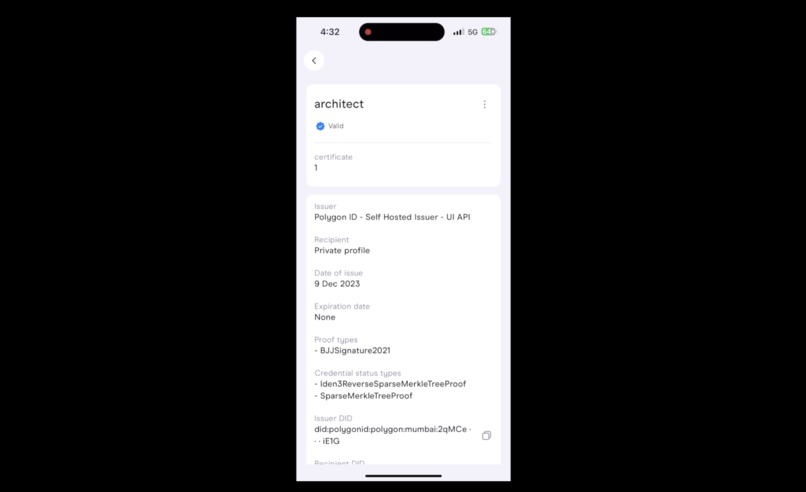
credential details
-
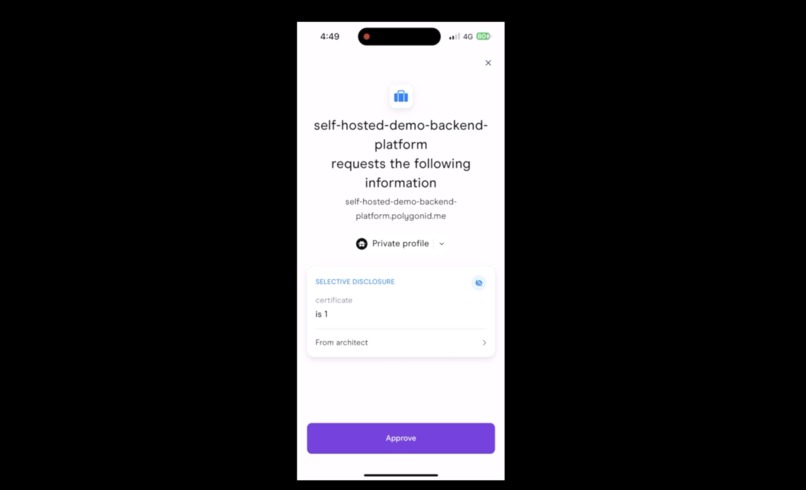
verifying1
-
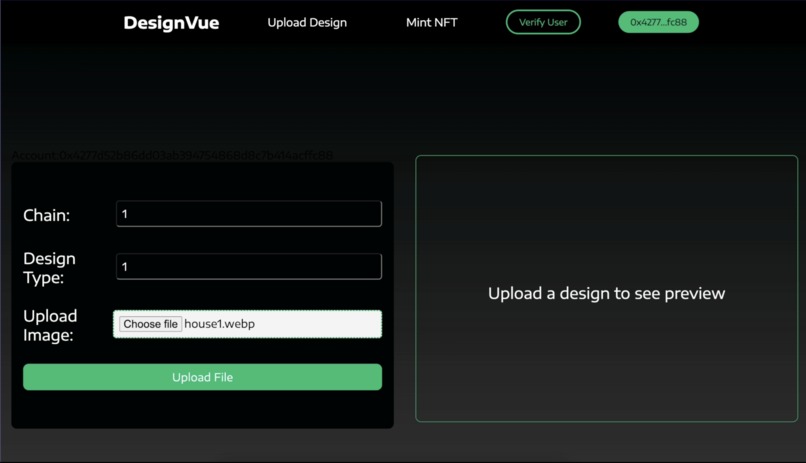
on verification he can train AI model by giving designs
-
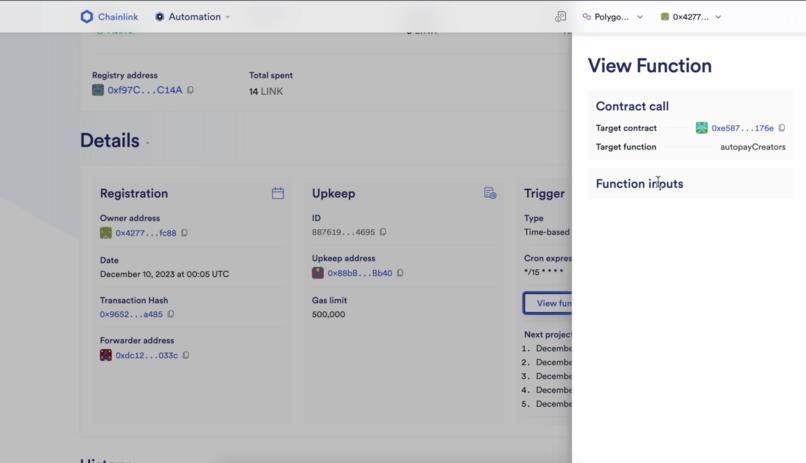
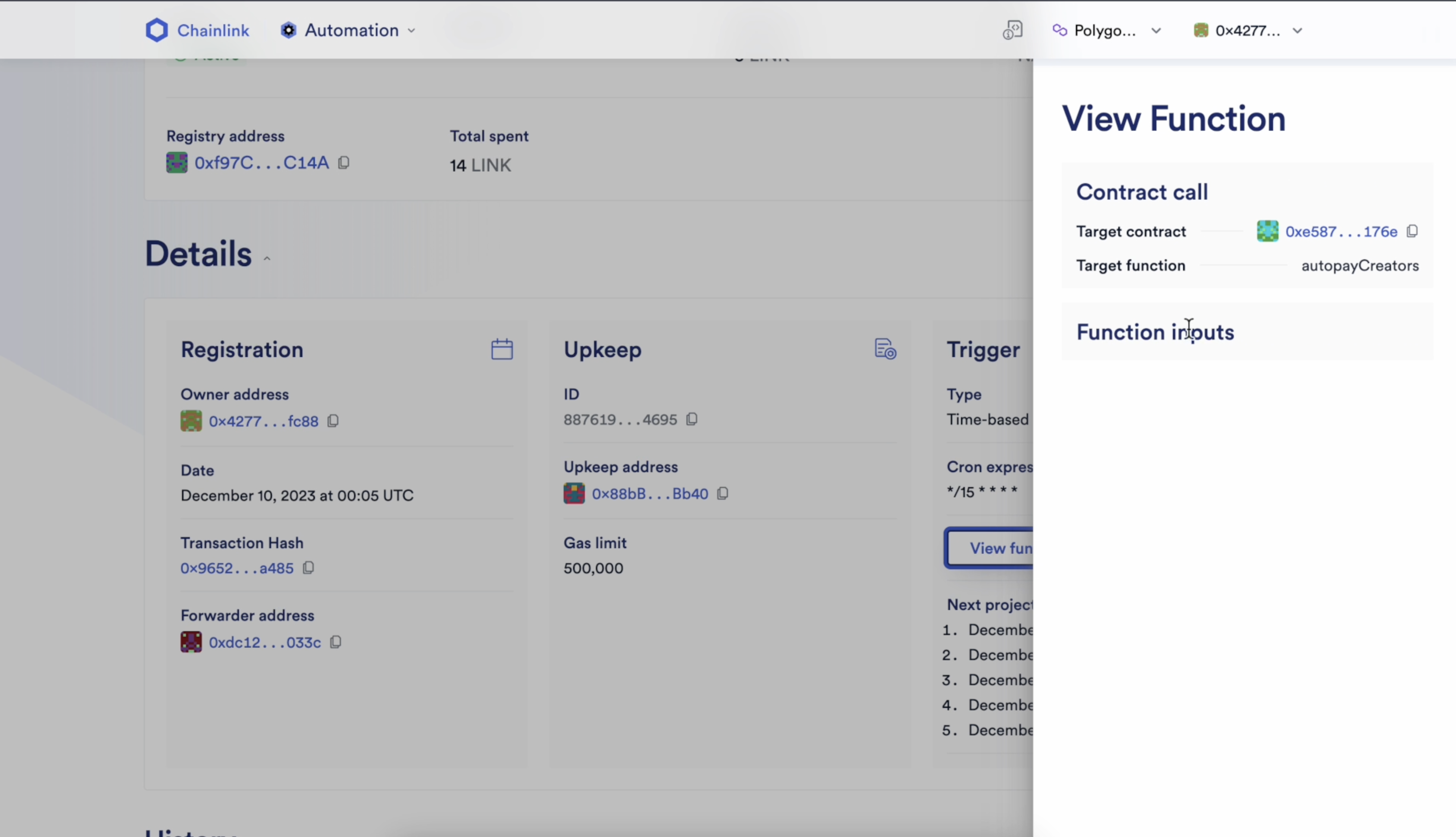
Automation function
-
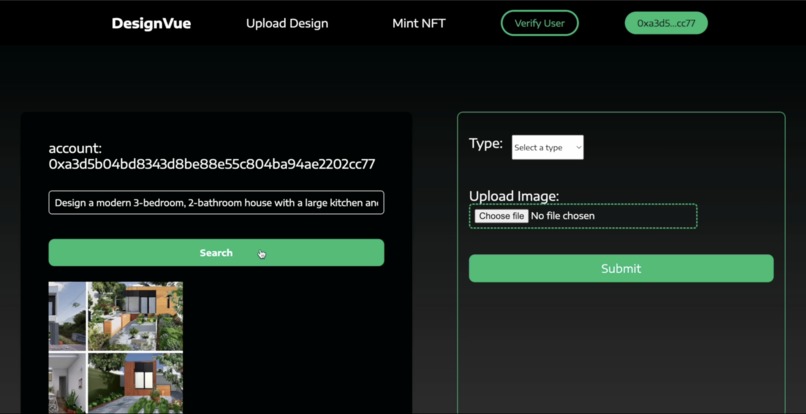
Customer on giving query gets design by the AI Model
-
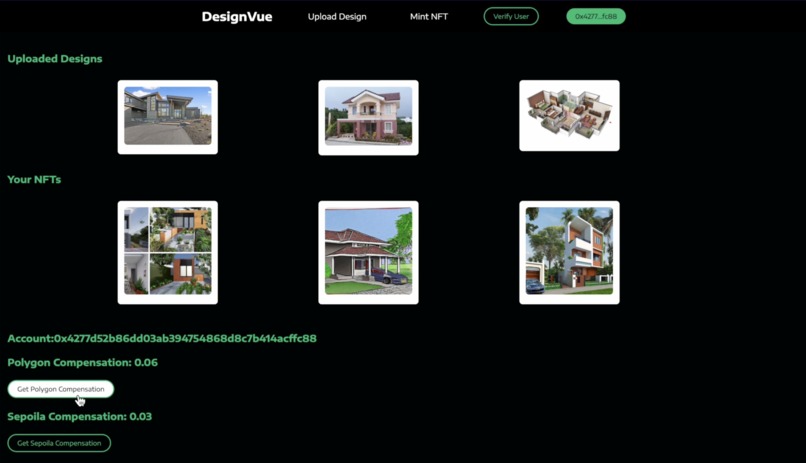
Profile page
-
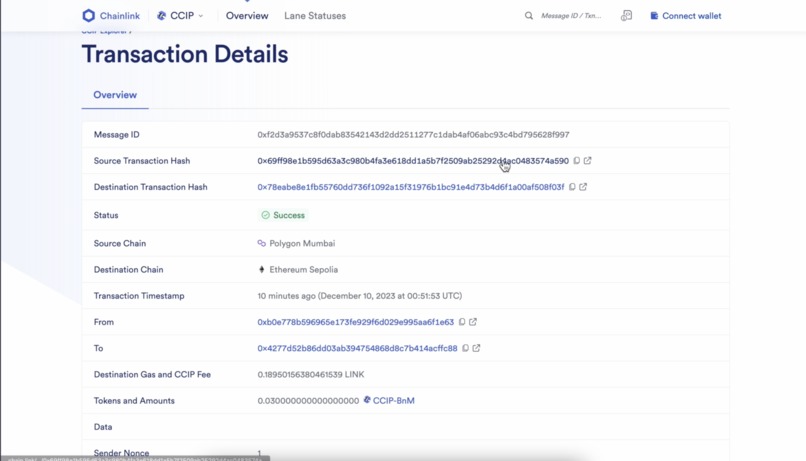
Crosschain Transfer Successful






Inspiration
At the core of DesignVue lies a passion for nurturing creativity and ensuring fair recognition for designers. In a world where digital art is flourishing, our project emerges as a beacon of innovation and integrity. We envision a future where designers are not just creators but empowered stakeholders in a digital ecosystem that values authenticity, originality, and artistic merit. This vision drove us to create DesignVue, a platform that intertwines advanced technology with the creative spirit. Crucial to this vision is the involvement of trusted designers in training our AI model. This ensures the model is fed with high-quality, ethical, and diverse design inputs, preventing any biases or detrimental learning that could occur if trained by unreliable sources. Such a cautious approach is vital in an AI-driven platform, as a model trained by unvetted individuals could adopt undesirable or harmful patterns, leading to a 'wild' or inaccurate system.
Additionally, DesignVue embraces the need for cross-chain interoperability, recognizing that the more inclusive and accessible the platform is, the more diverse and enriched the participation will be. By enabling designers and art enthusiasts from various blockchain networks to engage and transact seamlessly, we are broadening the horizon for creative expression and appreciation. This inclusivity not only enhances the platform’s diversity and reach but also ensures that designers and buyers from different blockchain backgrounds can participate without barriers, making DesignVue a truly global and versatile platform for digital art.
In essence, DesignVue’s commitment to quality training of its AI and its embracement of cross-chain interoperability are the bedrocks upon which it honors every designer's work and satisfies every art enthusiast's search for the perfect design.
What it does
![flow diagram of our website] Let's break down its core functionalities and the necessity of each component in a point-wise manner:
- Designer Verification with PolygonID:
- Function: Designers upload their professional certificates, which are verified by AI. Upon successful verification, they receive a credential through PolygonID.
- Necessity: This step ensures only qualified designers contribute to the platform, maintaining high standards of quality and authenticity in the designs.
- Design Upload and AI Training:
- Function: Verified designers can upload their designs and descriptions, choosing their design type and preferred blockchain for receiving funds. These designs contribute to training the AI model.
- Necessity: This process creates a constantly evolving and improving AI model, tailored to the unique styles and trends in design, directly influenced by professional designers.
- Customer Interaction and Design Selection:
- Function: Customers interact with the AI model by submitting queries for designs. The AI presents options based on its training, from which customers can select and mint their chosen design as an NFT using CCIP tokens.
- Necessity: This enables a personalized and efficient design discovery process for customers, making it easier to find designs that meet their specific needs or preferences.
- Autopay Function and Fair Compensation:
- Function: The Autopay feature in the smart contract distributes funds equally among designers based on the number of designs they've uploaded. Chainlink Automation triggers this process periodically to calculate and display total compensation on each designer’s profile.
- Necessity: This system ensures fair and transparent compensation for designers, encouraging continual contribution of high-quality designs. It also reduces the transaction costs associated with cross-chain payments.
- Use of Chainlink CCIP for Cross-Chain Transactions:
- Function: Chainlink CCIP (Cross-Chain Interoperability Protocol) is used for handling cross-chain transactions, allowing designers to receive compensation in their preferred blockchain. link
- Necessity: This feature addresses the challenges of cross-chain interoperability and enables designers to receive funds in a more flexible and efficient manner.
- Integration of Chainlink Automation:
- Function: Chainlink Automation is utilized to schedule the Autopay function, optimizing the timing and efficiency of compensation distribution. link
- Necessity: It reduces the cost and complexity of processing cross-chain transactions, making the platform more sustainable and economical for both designers and the platform itself.
- Overall Impact and Necessity of DesignVue:
- DesignVue addresses key challenges in the digital art and design industry, such as authenticity, fair compensation, and efficient market access.
- The integration of PolygonID, Chainlink CCIP, and Chainlink Automation makes the platform secure, user-friendly, and adaptable to various blockchain ecosystems.
- The project has the potential to transform how digital designs are created, shared, and monetized, offering a new paradigm for artists and consumers in the digital age.
In summary, DesignVue leverages cutting-edge technologies to create a unique ecosystem for designers and consumers, offering a secure, efficient, and equitable platform that aligns with the evolving landscape of digital art and blockchain technology.
How we built it
The construction of DesignVue is a testament to the harmonious integration of various cutting-edge technologies, each playing a crucial role in shaping our platform's functionality and user experience. Here's a detailed breakdown of how we built each component:
Solidity for Smart Contracts:
We utilized Solidity, a statically-typed programming language for writing smart contracts on the Ethereum blockchain. This choice was driven by Solidity's robustness, security features, and its widespread adoption in the blockchain community. Our smart contracts govern the core functionalities of DesignVue, including designer verification, AI model training, design uploading, and the Autopay distribution system. Chainlink CCIP for Cross-Chain Transactions:
To facilitate seamless cross-chain transactions, we integrated Chainlink's Cross-Chain Interoperability Protocol (CCIP) within our smart contracts. This integration allows designers and art enthusiasts to interact with multiple blockchain networks, enabling a wide range of transactions from different blockchains. This is essential for the diverse ecosystem we aim to create in DesignVue. Deployment with Remix and Hardhat:
For smart contract deployment, we used Remix, an open-source web and desktop application. Remix’s user-friendly interface made it an ideal choice for compiling, deploying, and testing our smart contracts. We also employed Hardhat, an Ethereum development environment, for advanced local testing, debugging, and network management. Hardhat's comprehensive suite of tools helped us efficiently manage the development lifecycle of our contracts. React for User Experience:
The u*ser interface of DesignVue is built using React*, a popular JavaScript library for building user interfaces. React's component-based architecture allowed us to create a dynamic, responsive, and intuitive user experience. This approach enabled us to craft a seamless and engaging platform where designers can easily upload their work and users can effortlessly interact with the AI to find their desired designs. AI Model Development with Python:
The AI model, a cornerstone of DesignVue, is developed using Python, renowned for its simplicity and the vast array of libraries available for AI and machine learning. Python allowed us to build a sophisticated AI model capable of learning from the designs uploaded by verified designers, ensuring that it constantly evolves and becomes more adept at matching user queries with suitable design suggestions. Polygon ID Verifier Node with Ethers.js:
For integrating Polygon ID, we developed a verifier node using ethers.js, a library that enables interaction with the Ethereum blockchain. This node plays a critical role in the verification process of designers, utilizing the blockchain for secure and transparent validation of credentials, which is vital for maintaining the integrity and trustworthiness of our platform. In conclusion, the construction of DesignVue is a symphony of various technologies, each carefully chosen and expertly integrated to create a platform that is not only technologically advanced but also user-friendly and conducive to the flourishing of digital art and design.
Challenges we ran into
Integrating Chainlink CCIP, Polygon ID, and Lighthouse.storage proved to be a real brain-teaser. We encountered several bumps along the way—most notably, a stubborn Polygon ID verification bug that really tested our patience. But thanks to the collective genius of our mentors and many caffeine-fueled sessions poring over documentation, we crafted a seamless solution. Even the frontend integration, which felt like a puzzle at times, came together into a user-friendly interface we're proud of. It's been a journey of persistence, creativity, and growth.
Accomplishments that we're proud of
We're immensely proud of how DesignVue intertwines cutting-edge blockchain technology with the creative sector. Our platform not only facilitates a secure and transparent environment for designers but also pioneers in cross-chain transactions and AI-driven design curation. The introduction of Chainlink Automation for fund distribution is a groundbreaking achievement, ensuring equitable compensation for creators while minimizing transaction costs. This feature not only underscores our commitment to fairness but also showcases our ability to innovate for efficiency and sustainability in the blockchain space.
What we learned
Throughout the development of DesignVue, we learned the immense potential of blockchain technology in transforming the creative industry. The integration of Polygon ID, Chainlink CCIP, and Chainlink Automation taught us the intricacies of creating a secure, efficient, and user-friendly platform. We delved deep into the challenges of digital art monetization, learning how to effectively address issues of authenticity, compensation, and cross-chain interoperability.
What's next for DesignVue
The future of DesignVue is as dynamic and promising as the designs it hosts. We plan to expand our AI's capabilities, making it more intuitive and responsive to user preferences. We're also looking at integrating additional blockchains, further diversifying the financial options for our users. Long-term, we envision DesignVue not just as a platform but as a community hub for designers and art lovers, hosting events, workshops, and collaborative projects. Our journey is just beginning, and the canvas of possibilities is endless.

Log in or sign up for Devpost to join the conversation.