-
POP!
-
-

Inspiration
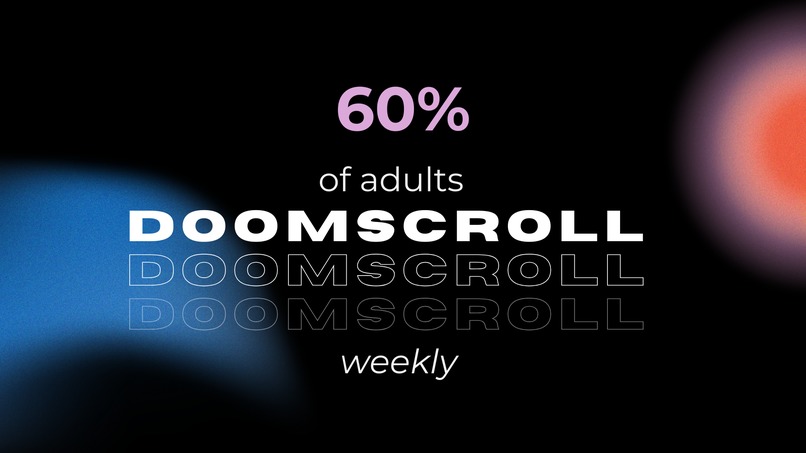
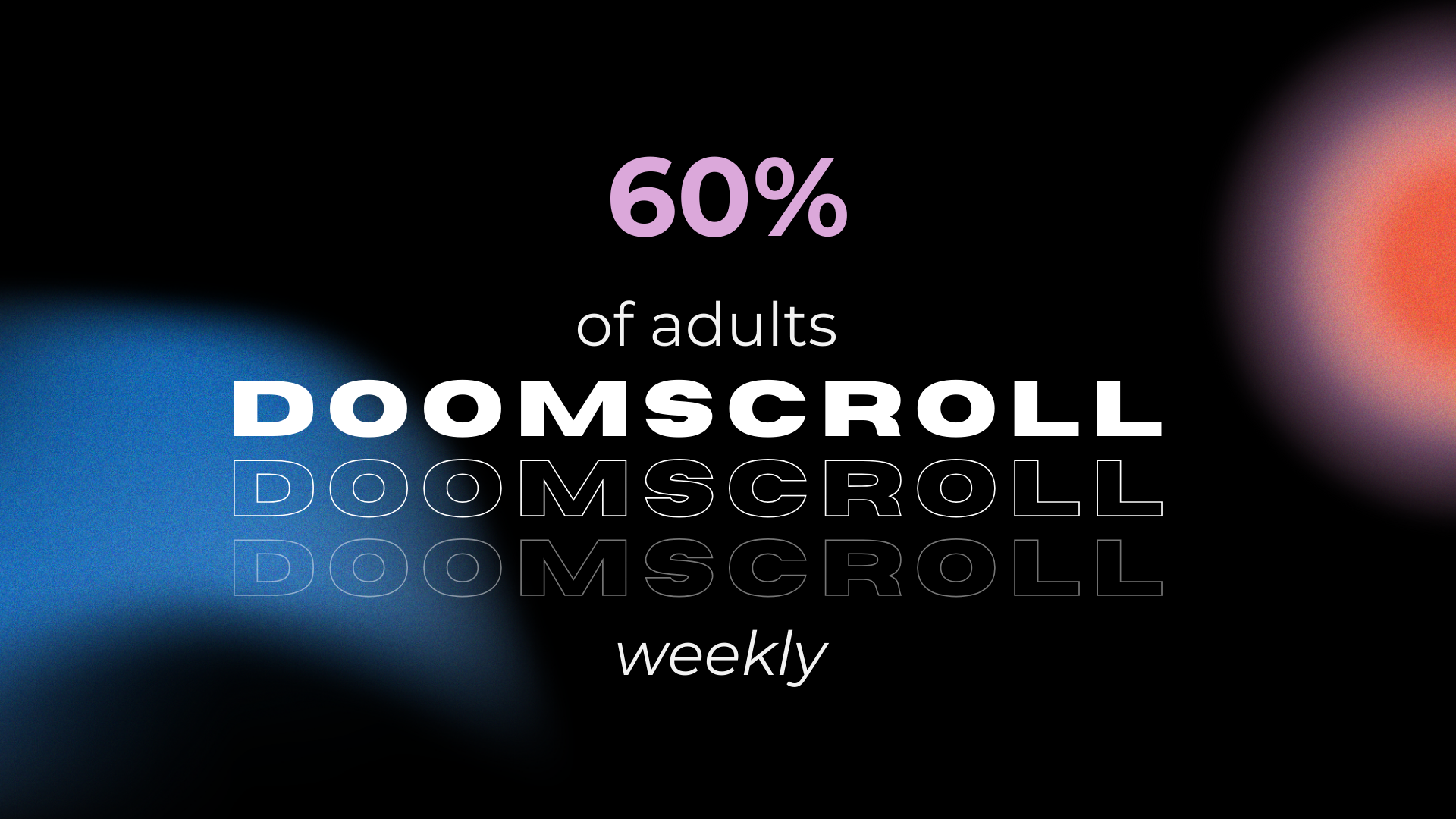
We were inspired by the repetitive, draining experience of doomscrolling, the way algorithms trap users in loops of negative or shallow content. We wanted to explore how design could transform this experience into something more mindful, empowering users to build awareness of their digital habits while still enjoying social media.
What it does
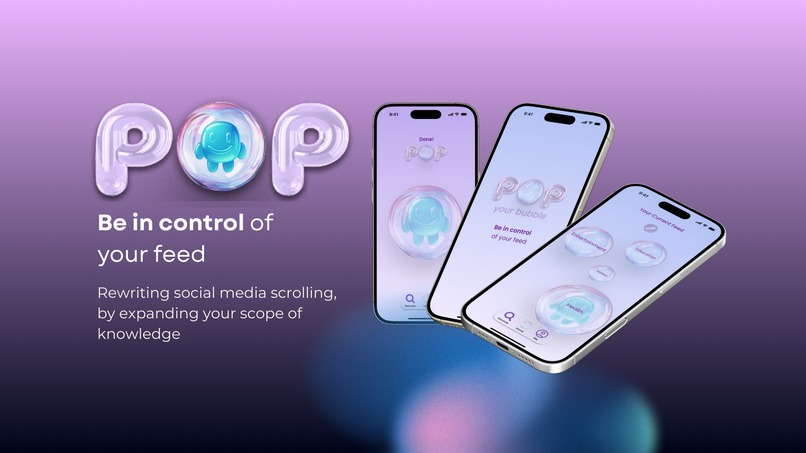
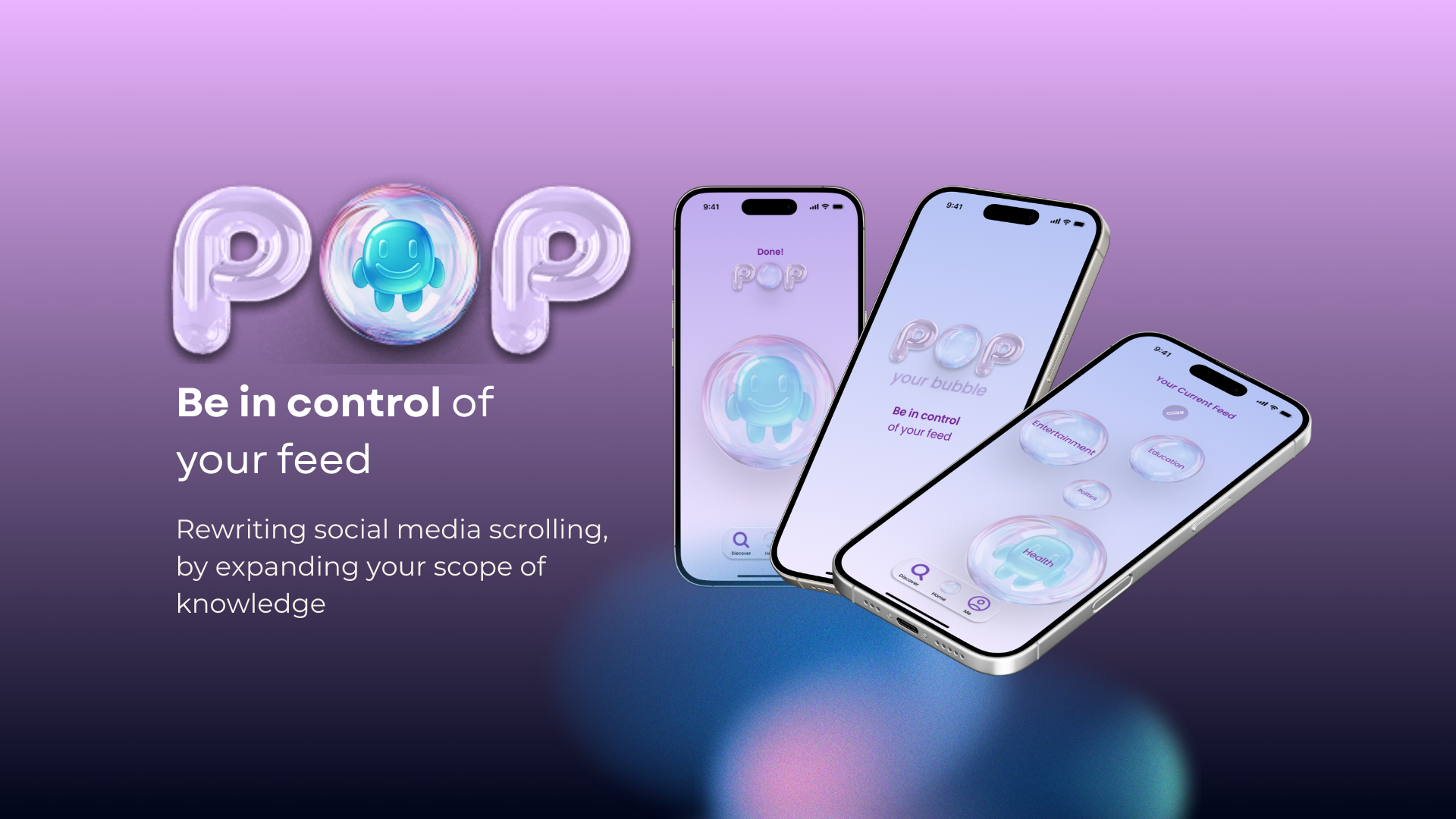
Pop helps users learn how their algorithm shapes their feed and regain control over what they see. Instead of forcing limits on screen time or restricting usage, Pop creates gentle moments of awareness and curiosity. Your social media activity is visualised as dynamic “bubbles,” each representing a content category: Design, Entertainment, Education, and more. As you scroll, these bubbles grow, shrink, and eventually “pop,” nudging you toward a more balanced, diverse, and intentional scrolling experience.
How we built it
Over 48 fast-paced hours, we grounded our concept in primary research, synthesised key behavioural insights, and rapidly turned them into actionable design decisions. Using Figma, we built interactive prototypes that showcases core features including bubble visualisation, category tracking, and behaviour-triggered notifications. Our process included journey mapping, ideation sprints, and iterative feedback loops, ensuring Pop felt intuitive, playful, and deeply user-centred at every step.
Challenges we ran into
One of our biggest challenges was finding the right balance between guidance and freedom. We didn’t want to punish users for scrolling, but gently nudge them toward mindful exploration. Another challenge was figuring out how to visualise algorithmic bias in a way that’s both clear and engaging.
Accomplishments That We’re Proud Of
We’re proud of designing an algorithm literacy tool that feels lighthearted yet meaningful. Our bubble interaction concept successfully reframes digital wellbeing from restriction to curiosity, transforming self-awareness into something visual, interactive, and empowering.
What We Learned
We learned that building digital literacy doesn’t mean limiting users, but it’s about helping them see and understand their patterns. Through user testing, we discovered the power of visual metaphors in making abstract systems like algorithms feel more tangible and human.
What’s Next for Us
We plan to continue refining Pop through deeper user testing, focusing on how effectively the interface boosts awareness of each user’s personalised algorithm. Our next step is to collaborate with major social media platforms like TikTok and Instagram, integrating Pop directly into users’ existing feeds. This would allow people to enjoy productive, mindful scrolling without ever leaving the apps they love, making Pop a seamless layer of reflection woven into everyday digital habits.
Built With
- figma


Log in or sign up for Devpost to join the conversation.