Inspiration
Our inspiration for this project comes from our weekly visits to the Burke Science Building for Physics lectures and labs. The main entrance presents several challenges, including multiple flights of stairs, double doors, and another set of stairs just inside. We realized that this entrance would be a nightmare for someone with a mobility aid, and that this entrance at Mac needed to be made more accessible.
What it does
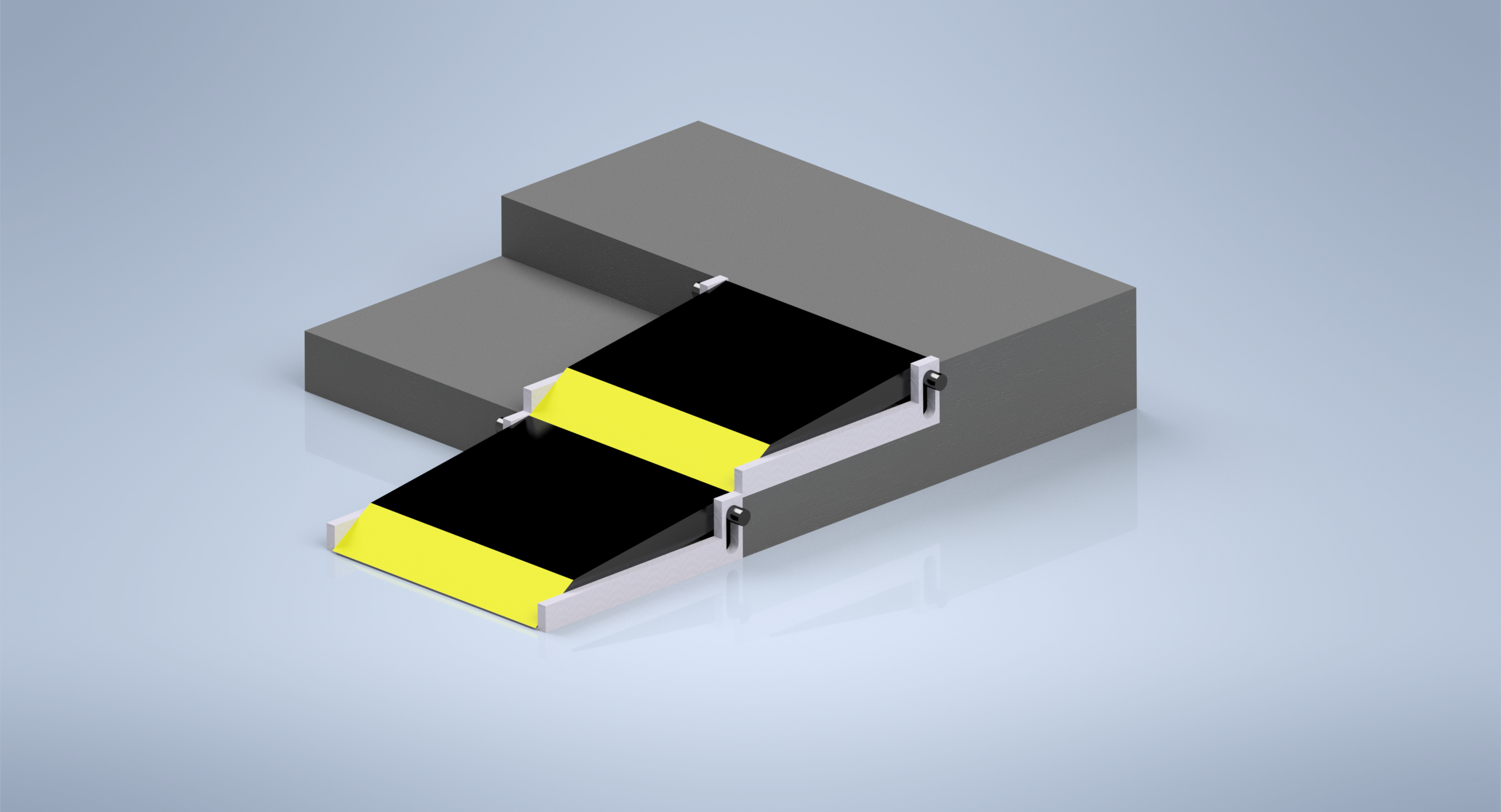
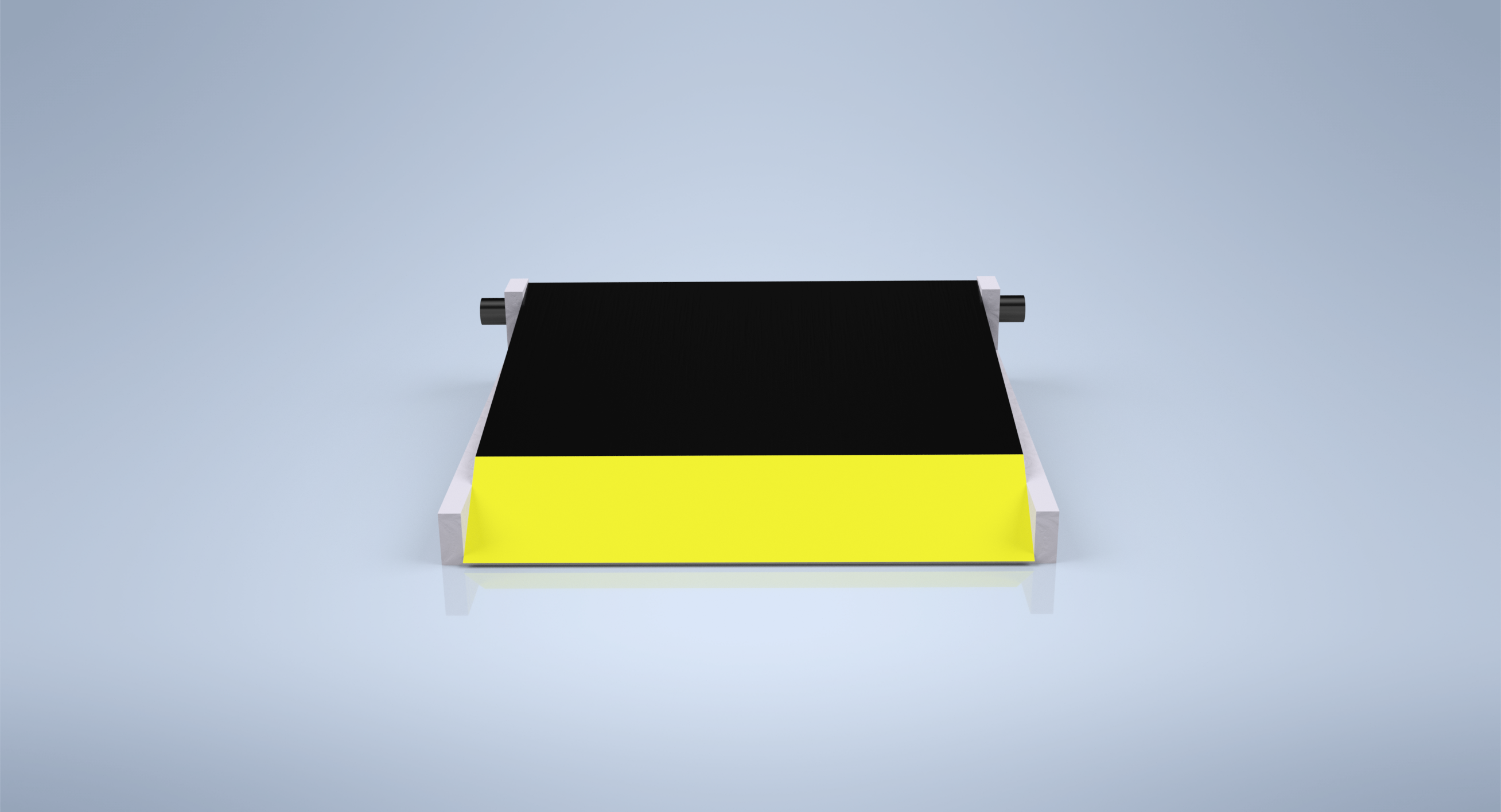
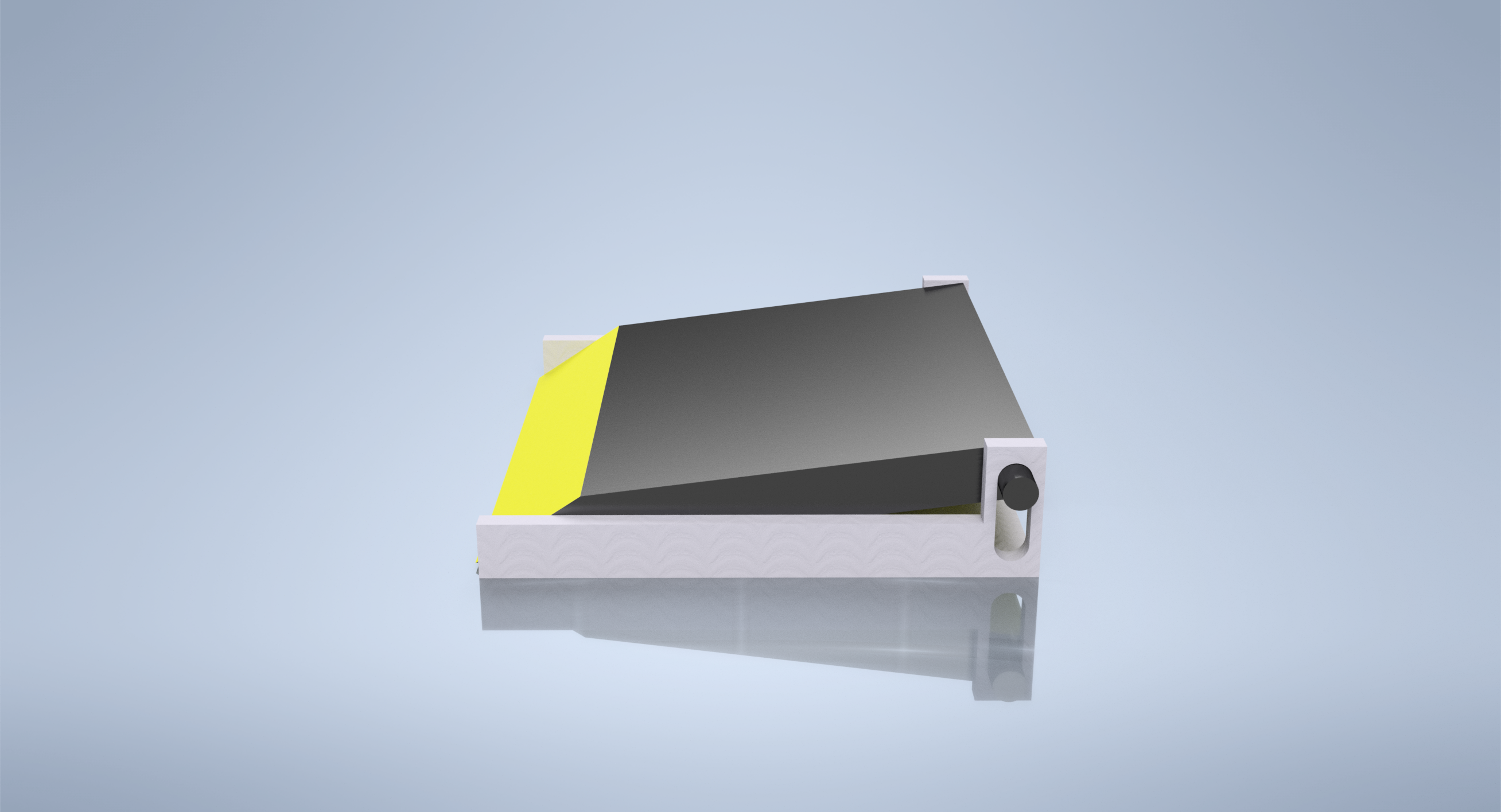
Ramp Up transforms inaccessible stairs into a wheelchair and mobility-device friendly solution, seamlessly converting regular stairs into a ramp. This innovative product prioritizes inclusivity by eliminating barriers and providing safe, effortless access for individuals with varying mobility needs.
How we built it
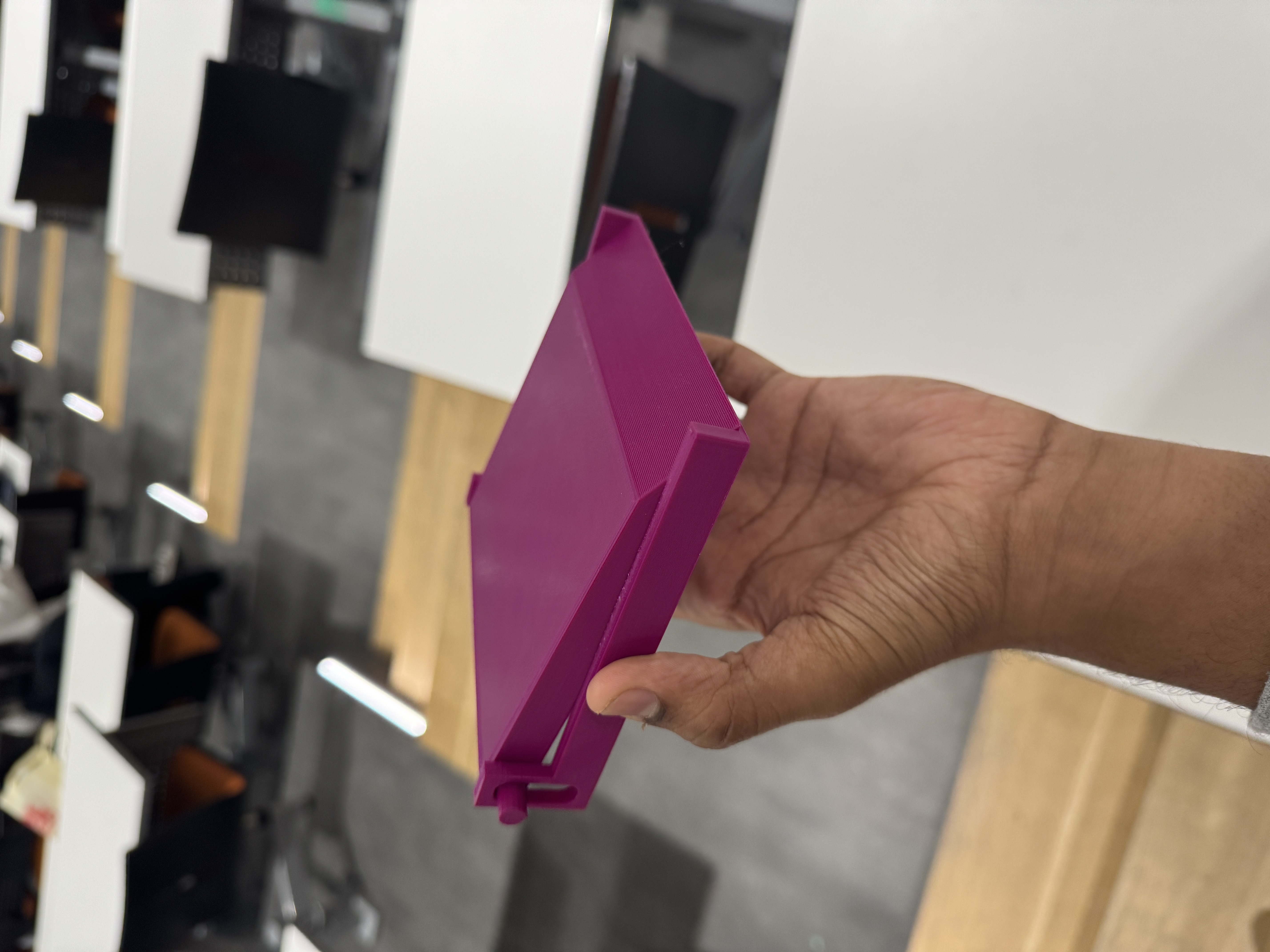
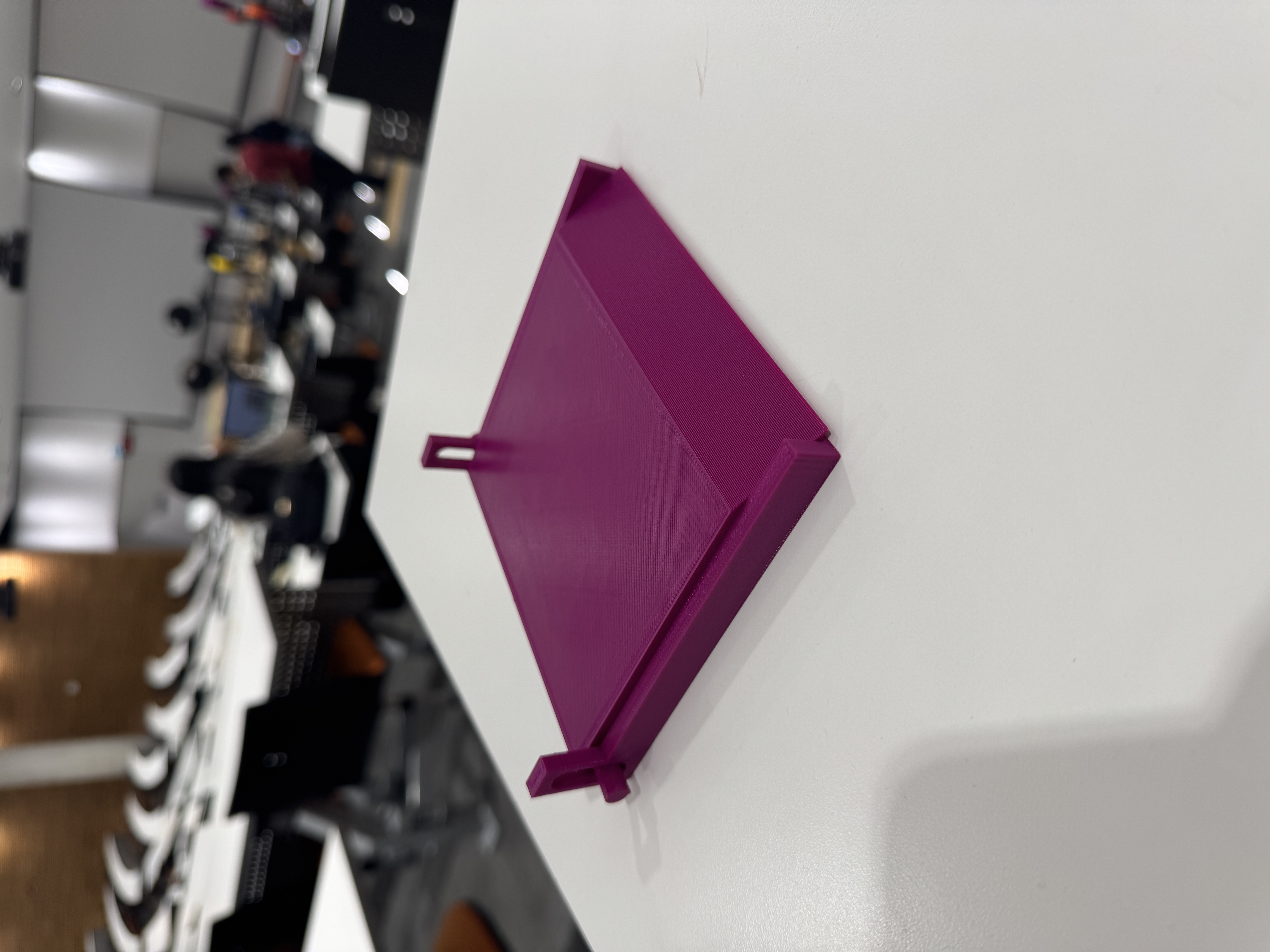
After brainstorming and developing various design solutions, we narrowed down our options to a select few final designs. At this stage, we also focused on material selection, considering factors such as durability, cost, and ease of production. Next, we transitioned our initial sketches into CAD models, created detailed renderings of the designs, and 3D printed a scaled-down prototype to assess the design’s functionality and aesthetics.
Challenges we ran into
During this process, we encountered a few challenges. First, we faced errors with our 3D printing, last-minute design changes forced us to scrap a few models and restart the printing process, requiring us to wait in line again. Additionally, creating animations for the moving parts proved challenging, as working with angle constraints and animating them was much harder than we expected.
Accomplishments that we're proud of
We are incredibly proud of our final design, despite the challenges we faced during the 3D printing process. Our renders and simulations turned out exceptionally well, especially considering it was our first time learning these skills during the Designathon workshops.
What we learned
Throughout this Designathon, we developed several new CAD skills, including rendering, animating components and constraints. We also learned how to deliver an excellent pitch. Above all else, the soft skills we gained during this experience will be invaluable as we continue to grow and build on our knowledge and expertise.
What's next for Ramp Up
Next steps for Ramp Up include refining and iterating on our design. For example, we plan to incorporate a button to activate the ramp. Additionally, we aim to integrate force sensors to detect if a user is on the ramp. If someone forgets to turn it off after exiting, after a specified time interval, the ramp should automatically deactivate. We also plan to add a buzzer when the ramp is activated, alerting nearby individuals to stay cautious while the ramp is in use. Lastly, we’d like to implement a heated ramp design to prevent snow buildup during the winter months.


Log in or sign up for Devpost to join the conversation.