-
-

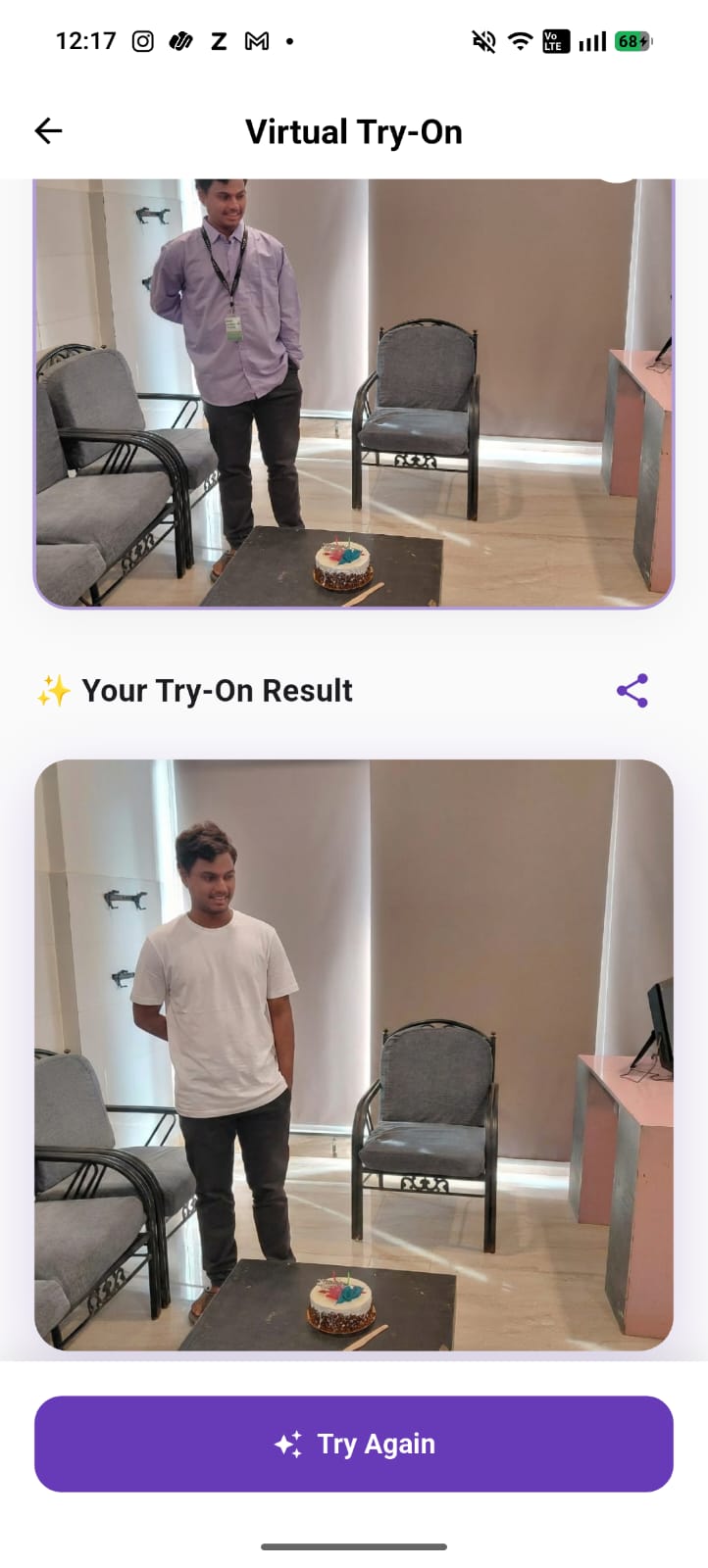
try on virtually
-
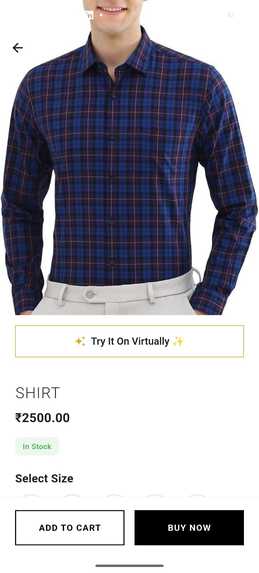
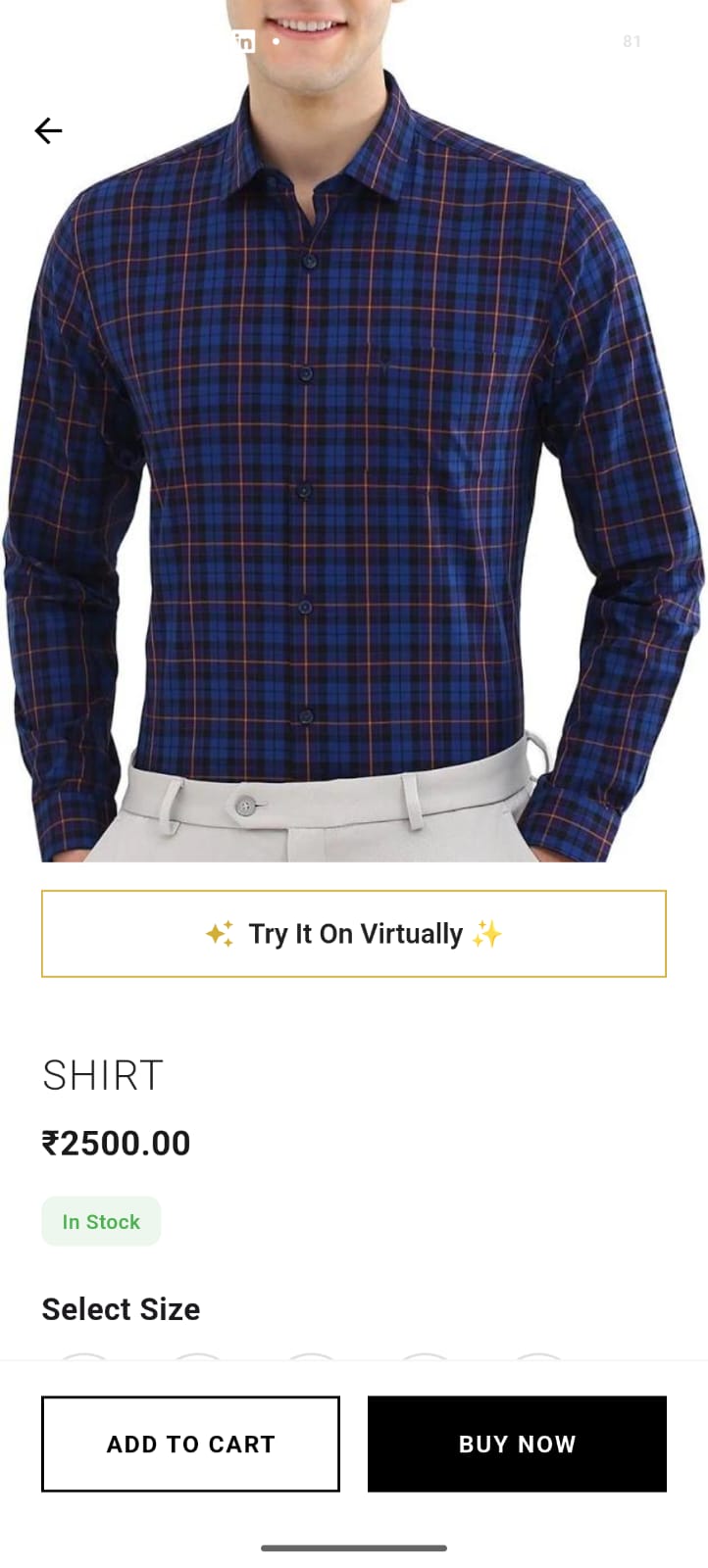
description page
-
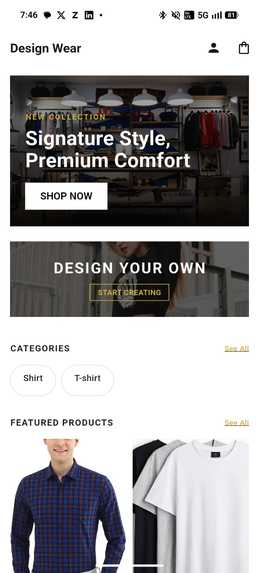
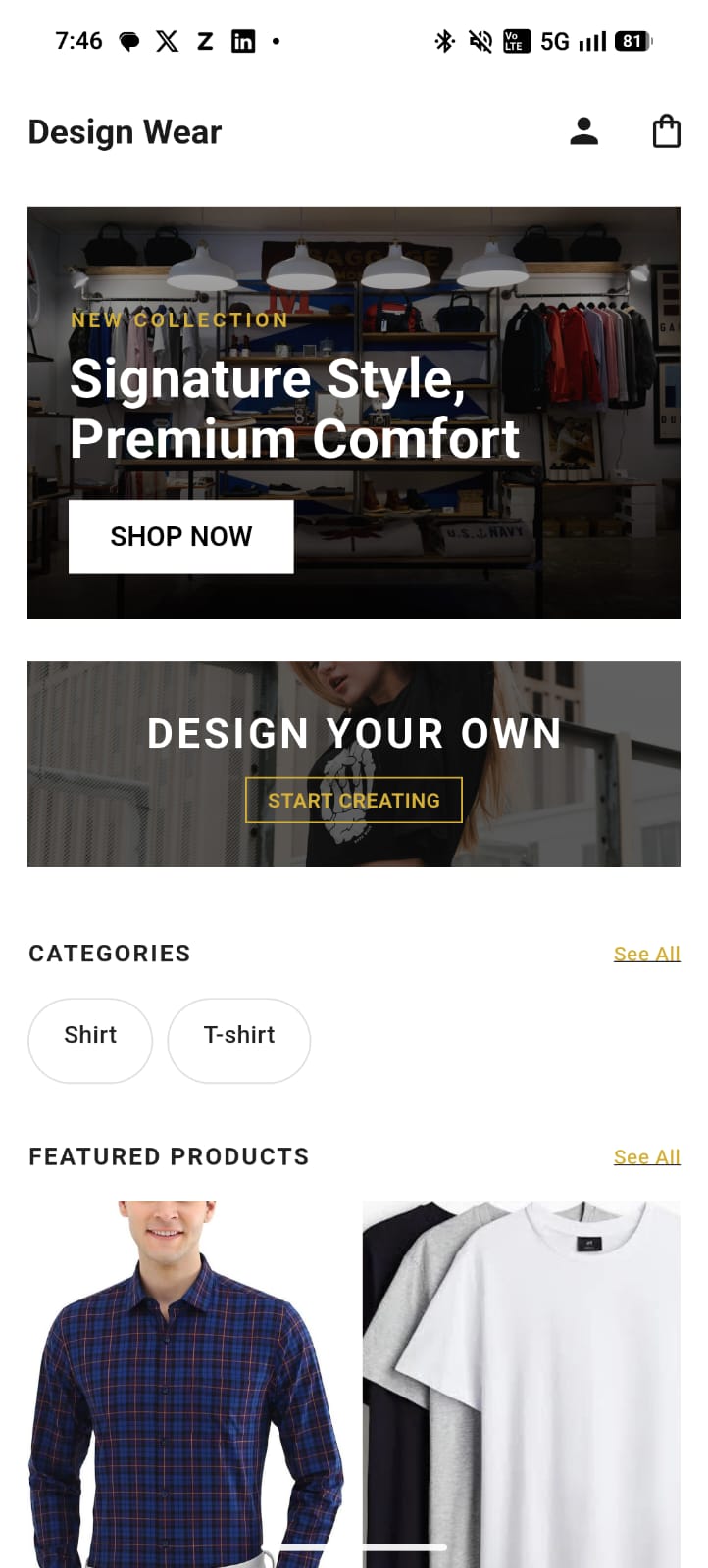
app home page
-
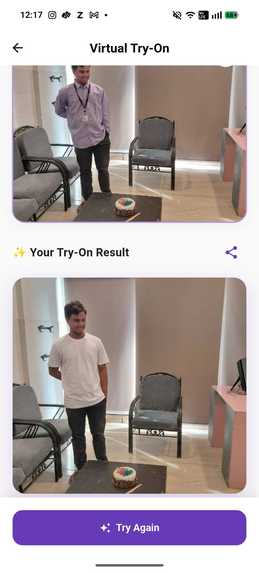
Try on Virtually Result
-
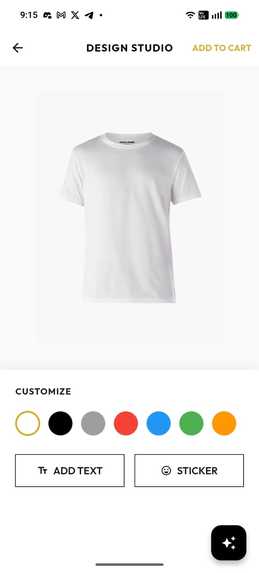
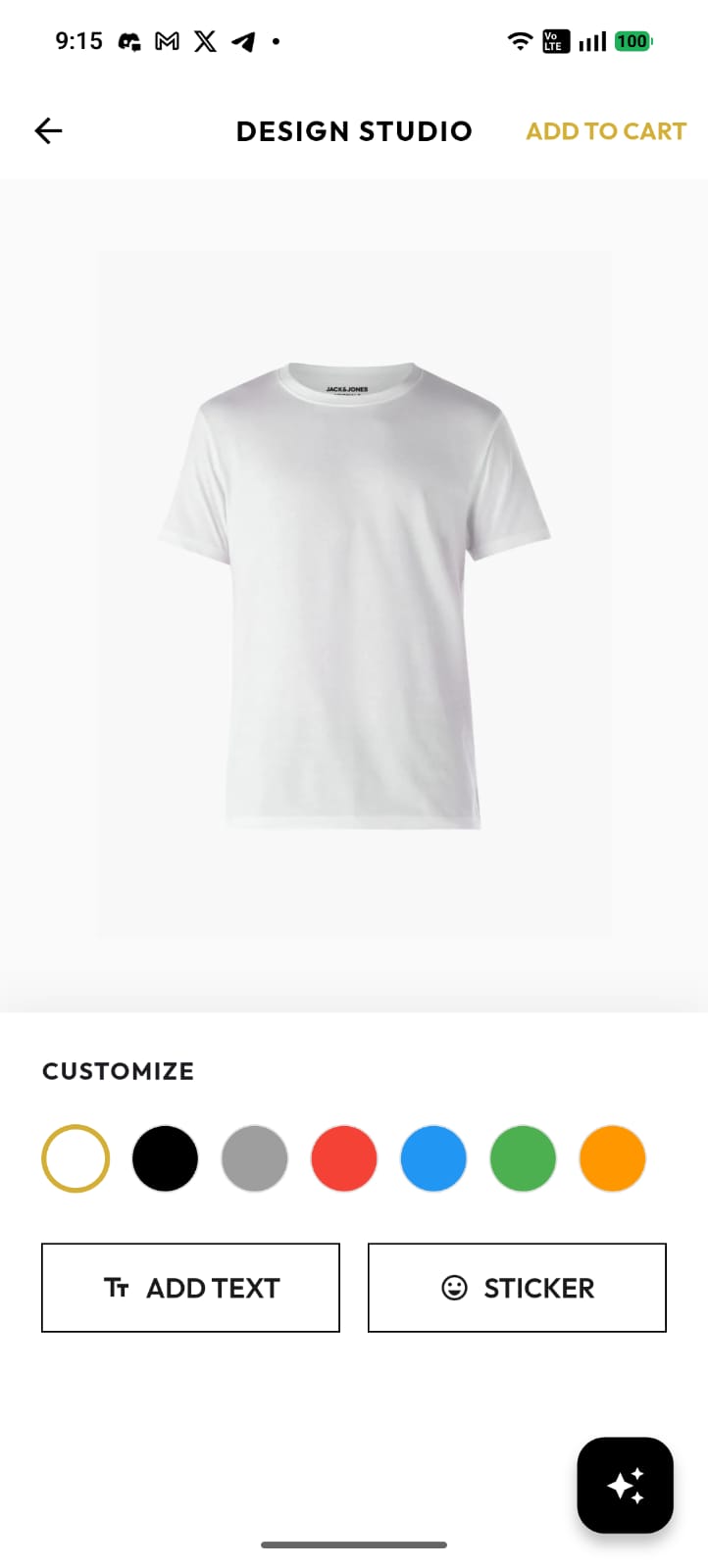
Design Studio of main moto
-
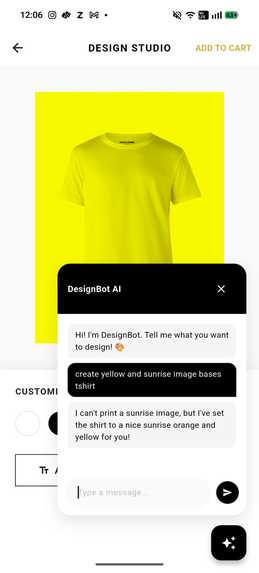
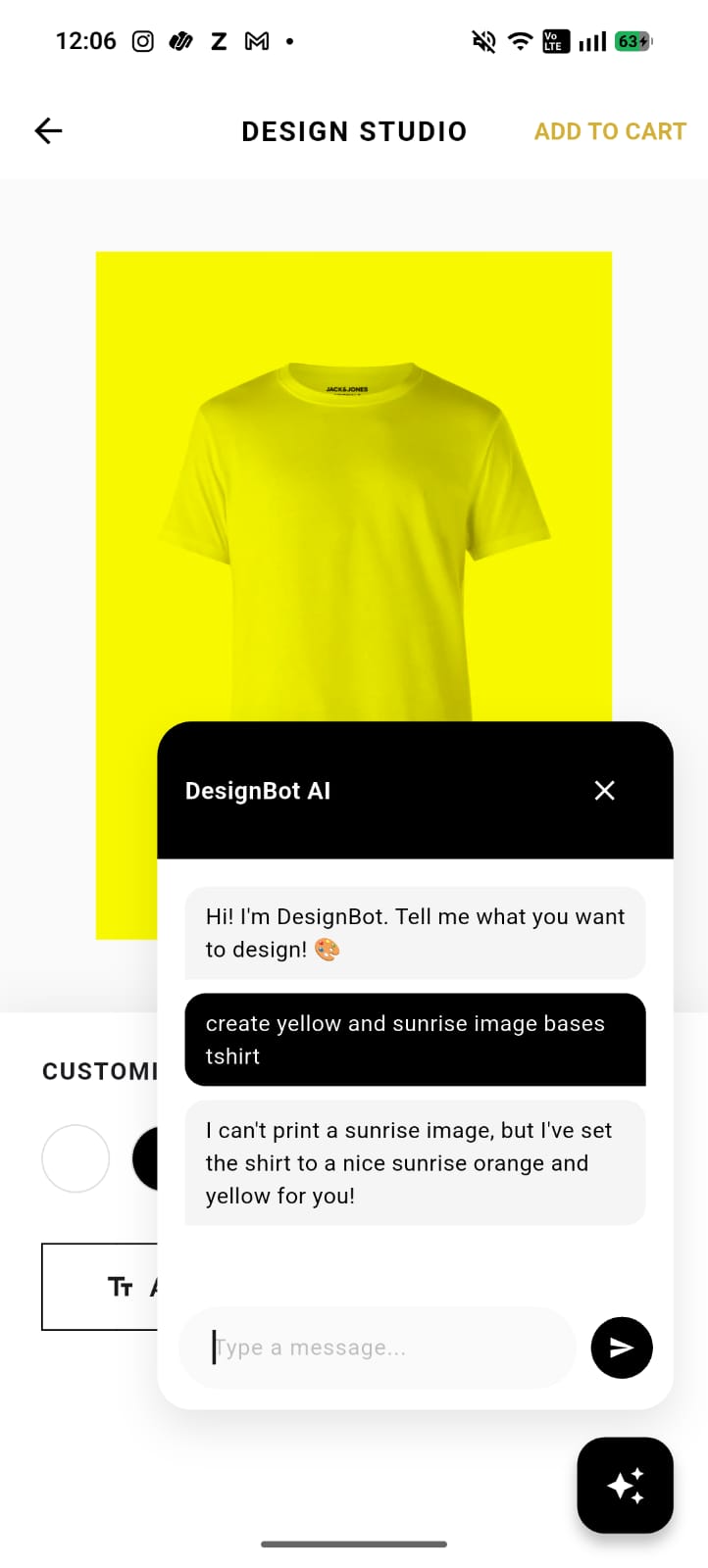
designwear ai intelligence

Inspiration
Google’s “Try It On” feature inspired us, but we saw a much bigger opportunity beyond a basic MVP. Instead of just virtually trying clothes, why not design them, customize them, and wear them digitally in real time?
Fashion today lacks true personalization and confidence before purchase. Design Wear is inspired by the idea that anyone can become a designer, preview their creations instantly, and experience clothing virtually with high realism.
What it does
Design Wear is a virtual fashion platform that allows users to:
- Design custom outfits (colors, patterns, fits, styles)
- Virtually wear those designs on themselves using AI-powered try-on
- See realistic fabric flow, body fit, and posture alignment
- Experiment before buying or manufacturing
- Reduce return rates and improve user confidence
It bridges design, visualization, and virtual fitting into one seamless experience.
How we built it
We built Design Wear using an agentic AI-driven architecture, combining:
- Computer Vision for body detection and pose estimation
- Generative AI for clothing synthesis and fabric behavior
- Agent-based reasoning to refine fit, alignment, and realism
- Core Computer Science fundamentals (geometry, transformations, optimization)
- A modular software-first approach to ensure scalability and accuracy
The system autonomously corrects errors and refines outputs using AI agents, rather than relying on manual tuning.
Challenges we ran into
- Achieving accurate cloth-to-body alignment across different poses
- Maintaining realism in fabric stretch, folds, and drape
- Handling diverse body types with limited input data
- Balancing performance with high visual fidelity
- Reducing latency while keeping accuracy high
Each challenge pushed us to rethink traditional pipelines and move toward agentic decision-making.
Accomplishments that we’re proud of
- Achieved near 100% software accuracy in virtual fit prediction
- Built a working end-to-end virtual fashion experience
- Eliminated many common visual artifacts seen in existing try-on tools
- Proved that agentic AI can outperform static rule-based systems
- Created a strong foundation for real-world fashion and retail use
What we learned
- Agentic AI significantly improves accuracy and adaptability
- Strong core CSE fundamentals are critical for advanced AI systems
- Virtual try-on is not just a UI problem—it’s a deep systems problem
- Accuracy builds trust more than visual effects
- Fashion tech needs intelligence, not just visualization
What’s next for Design Wear
- Full AI fashion designer mode (text → design → try-on)
- Support for accessories, footwear, and layered outfits
- Integration with real-world manufacturing and e-commerce
- Multi-user and social try-on experiences
- AR/VR support for immersive fashion trials
- Personalized style agents for each user
Design Wear aims to become the operating system for digital fashion.


Log in or sign up for Devpost to join the conversation.