-
-
game
-
car
-
car
-
car
Inspiration
Desert Velocity began as a personal challenge: I wanted to discover how far a non-professional game developer could go by combining a clear creative vision with Codex and GPT-5.6.
I work full-time in real estate in Rome, so I built this project entirely during evenings, weekends, and the small pockets of free time left between my professional commitments. This made the project especially meaningful to me: every feature was designed, tested, corrected, and improved step by step alongside my daily work.
What it does
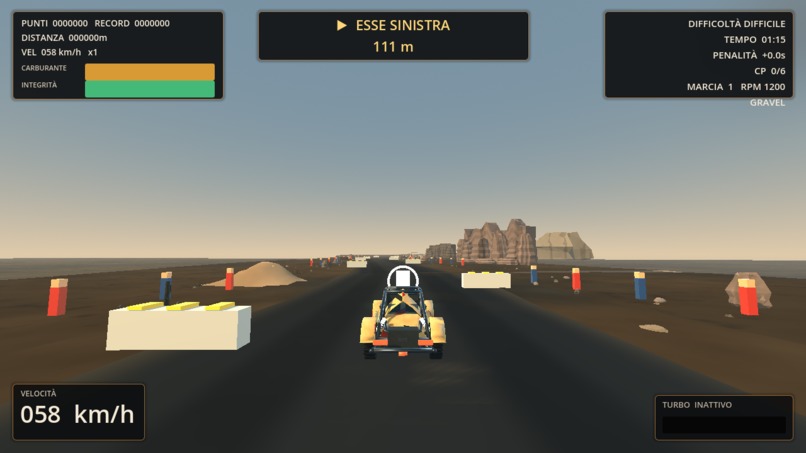
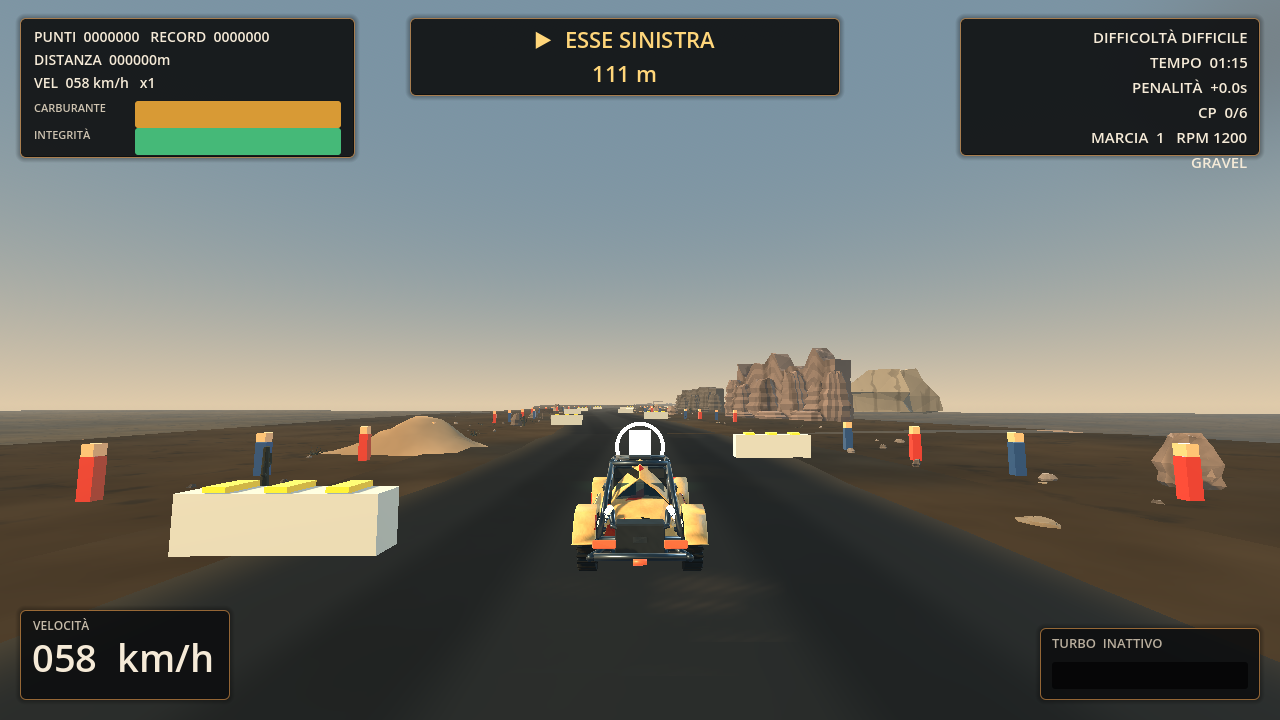
Desert Velocity is a 3D desert racing game developed in Godot. It includes two different driving experiences:
- Endurance races with checkpoints and time management
- Special stages focused on precision, speed, and route completion
- Multiple difficulty levels
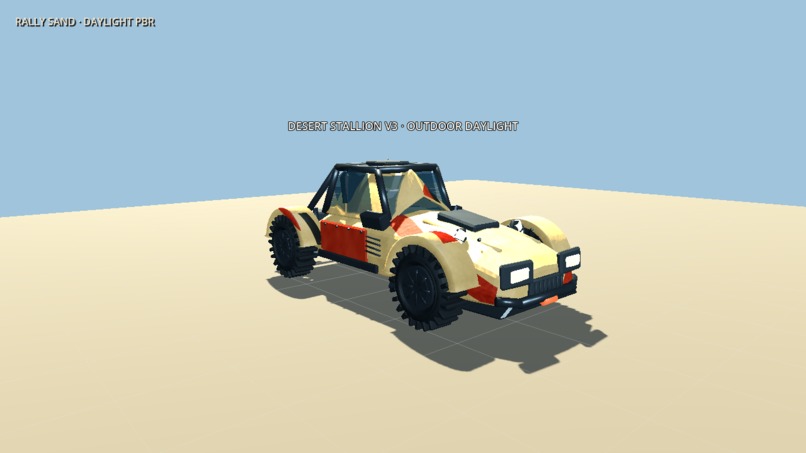
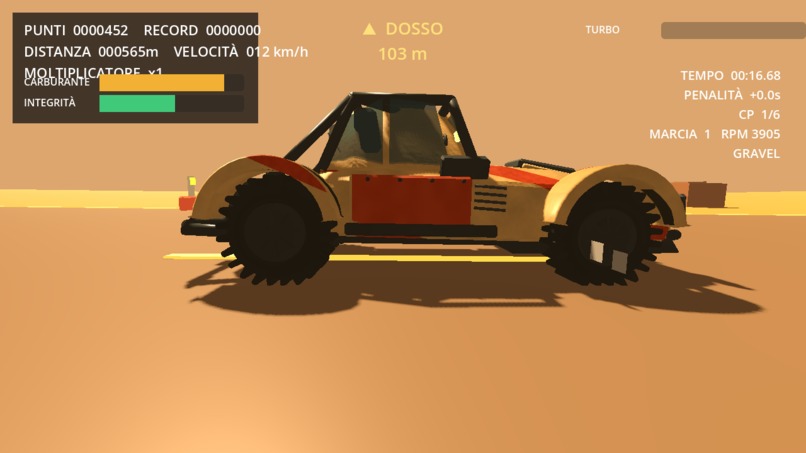
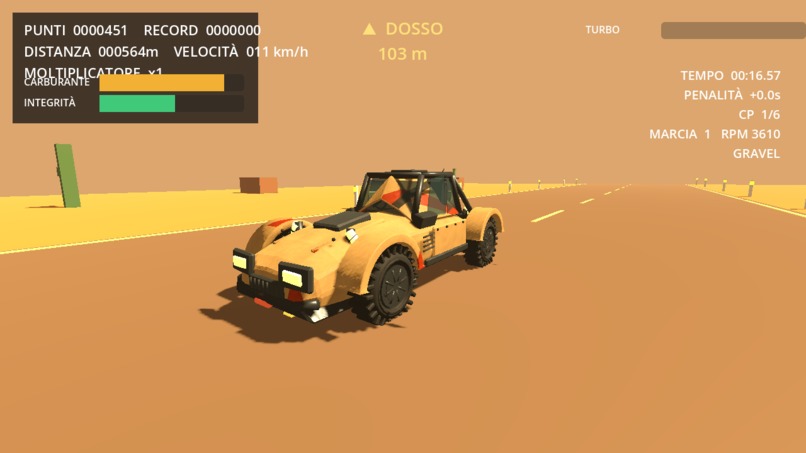
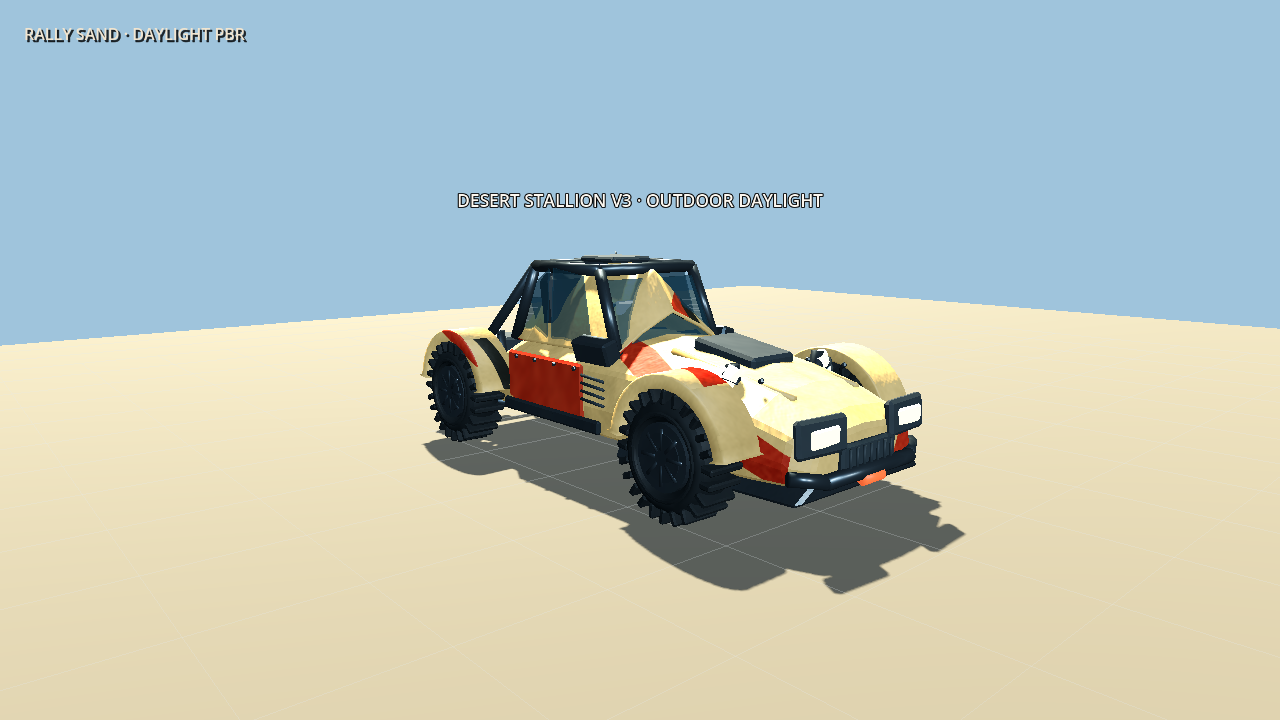
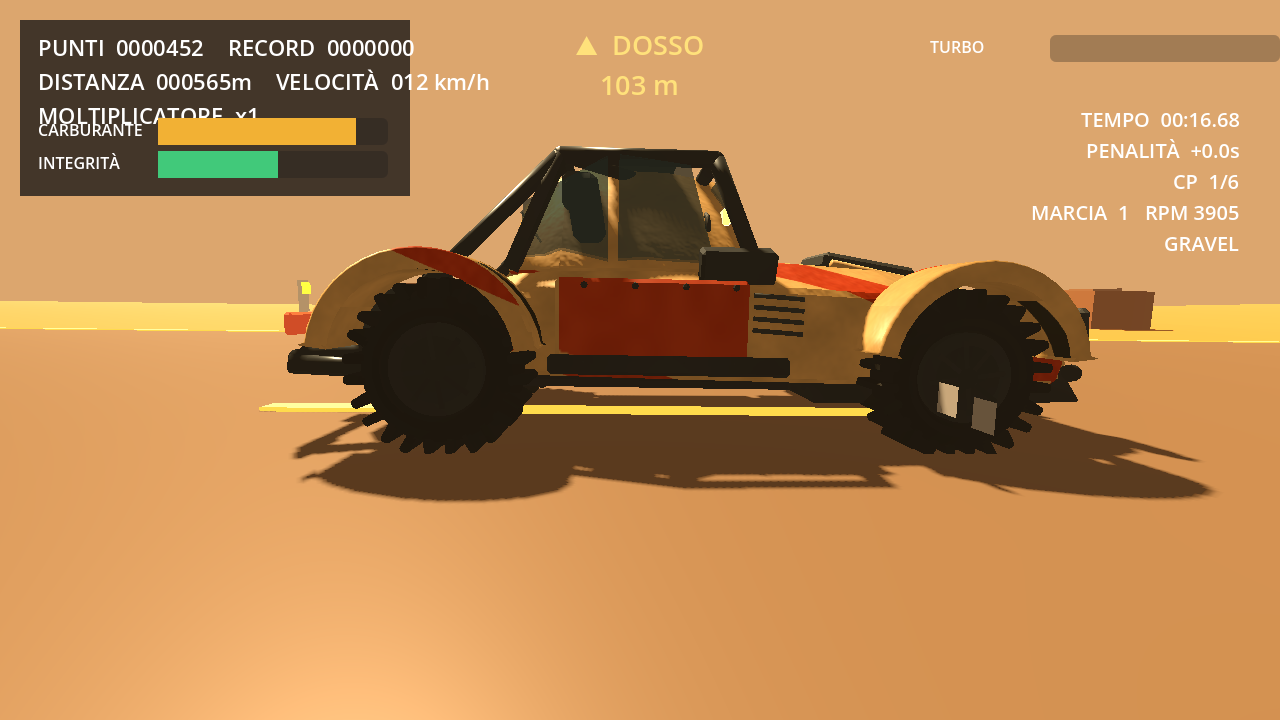
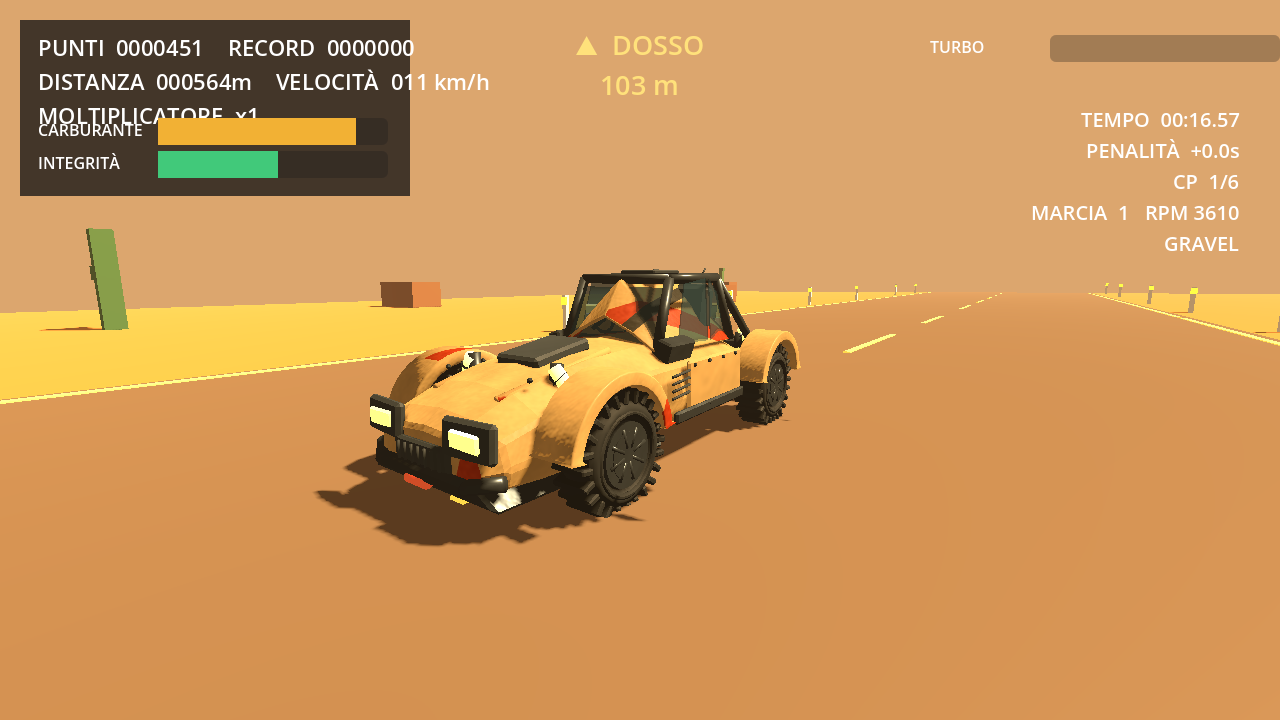
- Two playable vehicles with different characteristics
- Dynamic desert environments, canyons, dust, sunset lighting, obstacles, and collectibles
- A custom HUD, timing system, checkpoints, and race progression
- Optimized 3D assets, materials, LODs, and environment elements
How I built it
I used Godot and GDScript for the game, while Codex and GPT-5.6 supported the development process across the repository.
Codex helped me:
- design and implement gameplay systems
- debug scripts and scene-loading issues
- build checkpoints, timers, HUD logic, and difficulty balancing
- create and refine 3D vehicle and environment assets
- review code and prevent regressions
- run validation passes and performance checks
- organize long development tasks into structured milestones
The project was developed iteratively through repeated cycles of implementation, testing, correction, and visual review.
Challenges
The main challenge was building a complete and coherent game within a very limited amount of personal time.
Other challenges included:
- balancing the timer and checkpoint system across different difficulty levels
- maintaining stable performance on modest hardware
- integrating detailed 3D assets without excessive draw calls
- solving Godot parser, resource, and scene-loading issues
- keeping the project stable while making frequent gameplay and visual improvements
- coordinating complex development tasks through Codex without losing control of the repository
Accomplishments
I am proud that Desert Velocity evolved from a simple idea into a playable 3D racing experience.
The project now includes:
- a complete gameplay loop
- multiple game modes and difficulty levels
- custom vehicles and desert environments
- validated checkpoint and timing systems
- performance optimization for lower-end hardware
- a structured AI-assisted development workflow
Most importantly, I completed it while continuing my full-time work, using only my free time and a strong desire to learn, experiment, and build something real.
What I learned
This project taught me that AI-assisted development is not only about generating code. It is also about planning, reviewing, testing, correcting, and making decisions.
I learned how to work more effectively with Codex, how to break complex goals into smaller milestones, how to validate changes before continuing, and how to combine human creative direction with AI-supported implementation.
What's next
The next steps for Desert Velocity would include:
- additional tracks and environments
- more vehicles
- improved sound design and music
- controller support
- expanded visual effects
- additional race modes
- a broader public Windows release
- further optimization and player testing

Log in or sign up for Devpost to join the conversation.