-
DermAI Logo
-
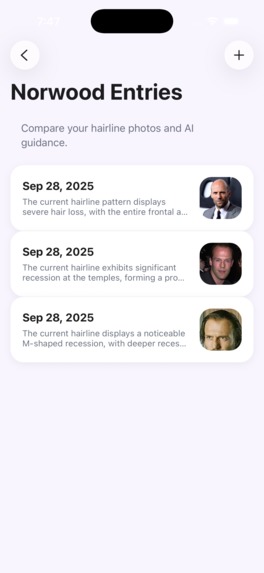
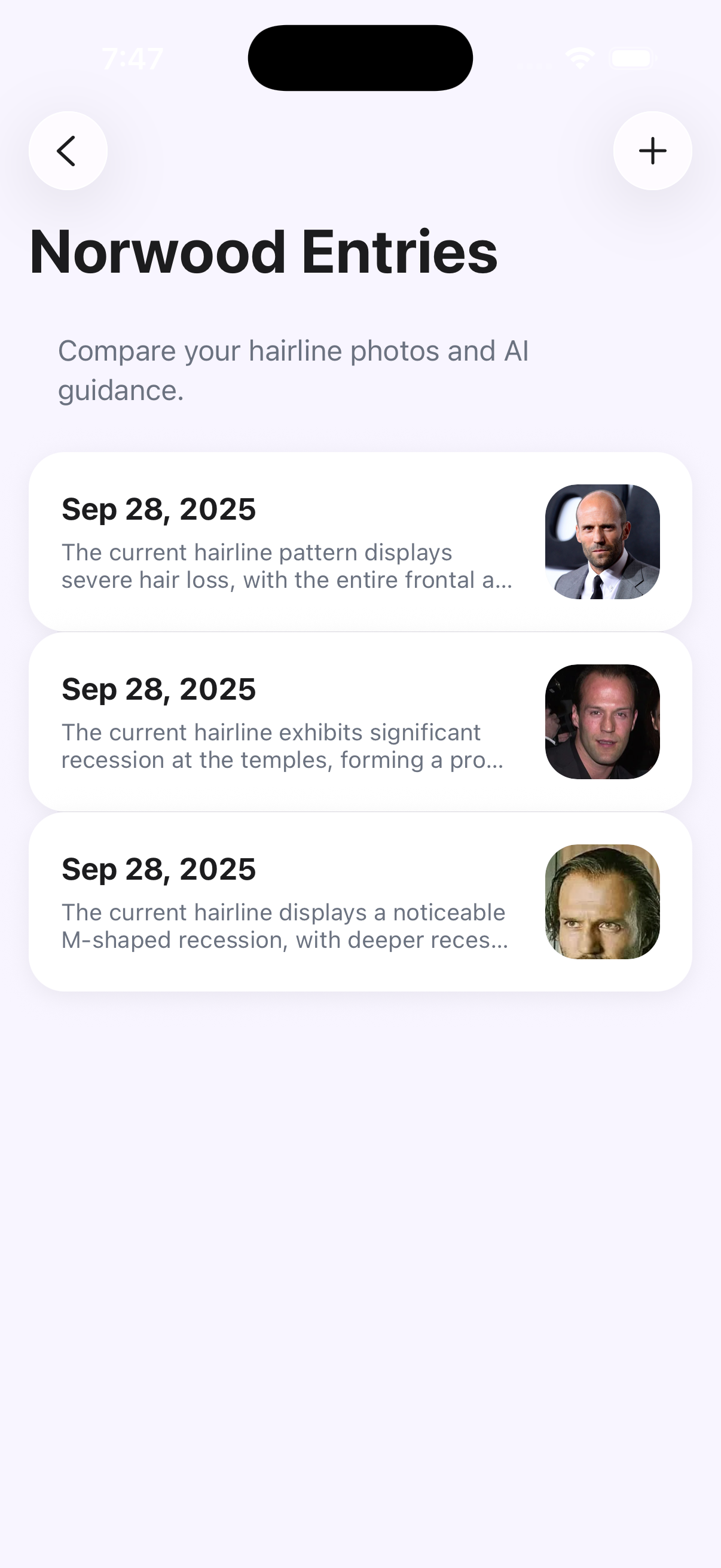
Hairline entries
-
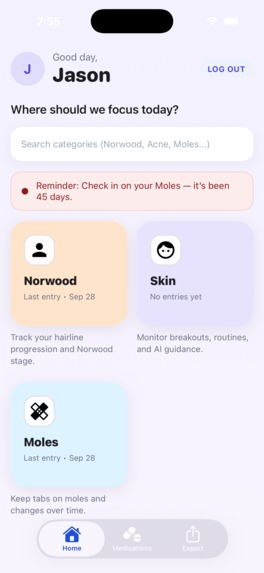
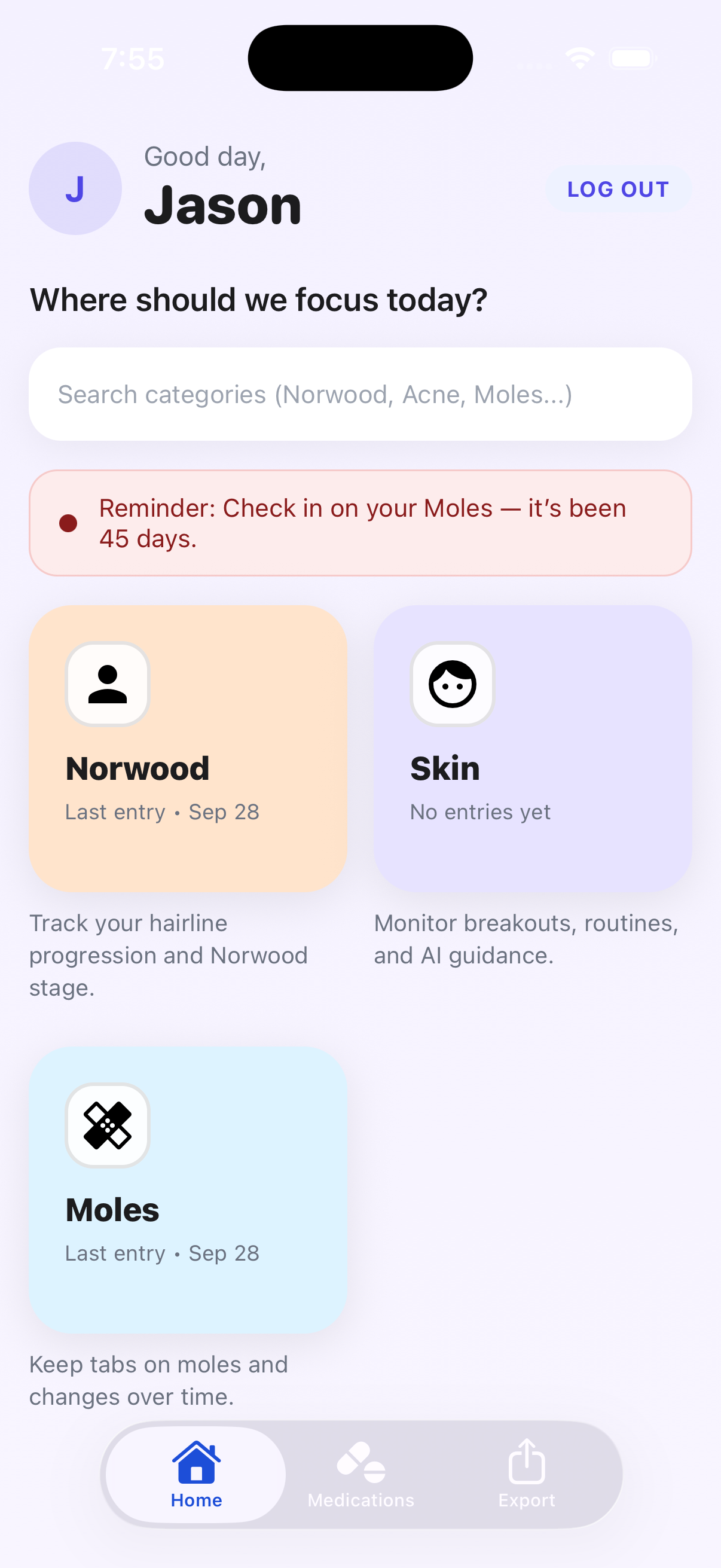
Homepage
-

Mole analysis
-

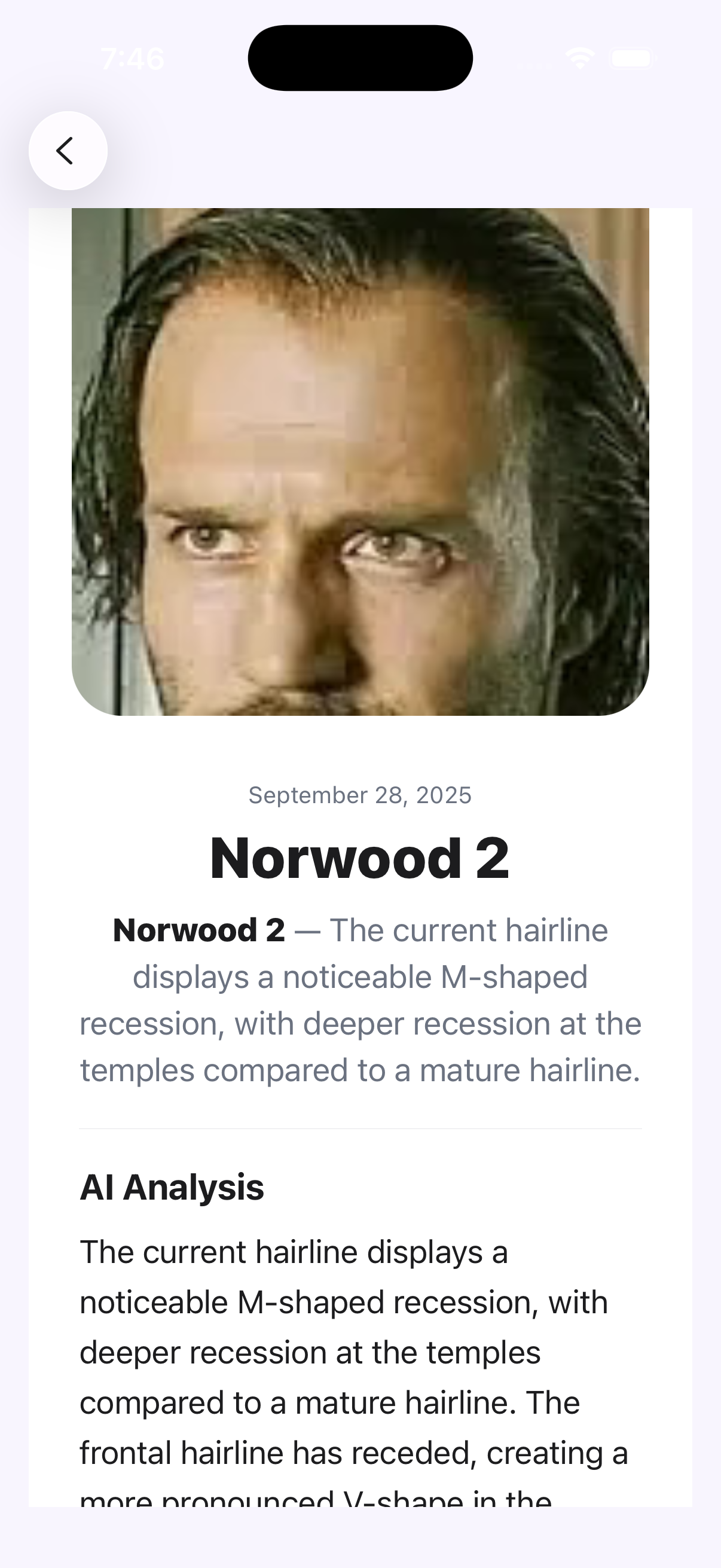
Hairline entry specific
-

DermAI dermatologist report PDF


Inspiration
Tracking changes in skin moles is a key part of dermatology, but doing so manually is tedious. Photos get buried in the camera roll, organization is messy, and remembering to log progress month after month is easy to forget. DermAI was created to solve this problem with structure, consistency, and intelligence.
What it does
DermAI provides users with a modern, intuitive interface to track and analyze skin changes over time. By combining streamlined photo management with AI-powered insights, it helps users stay on top of their dermatology goals and build a clear history they can share with professionals when needed.
How we built it
We developed DermAI with a modern stack:
- FastAPI (Python) for the API backend
- React Native for cross-platform native mobile development
- MongoDB for secure, scalable data storage
- Docker for containerization and deployment
- LaTeX for professional PDF report generation
Challenges we ran into
This was our first experience with React Native, and deploying to mobile devices proved tricky. The lack of live reloading at times slowed our iteration speed, making UI adjustments more frustrating than expected. Still, we pushed through and got it running smoothly.
Accomplishments that we're proud of
In just two days, we built a full, sleek, and functional mobile app—complete with backend integration and a polished interface. We’re especially proud of how cohesive the experience feels given the time constraints.
What we learned
Working with React Native is not as straightforward as React for the web. The learning curve was real, but it taught us how to debug across mobile environments and structure code more carefully to adapt to cross-platform needs.
What's next for DermAI
We plan to:
- Publish DermAI on the App Store
- Share it with dermatologists for feedback on clinical usefulness
- Continue refining AI features for even more valuable insights for patients


Log in or sign up for Devpost to join the conversation.