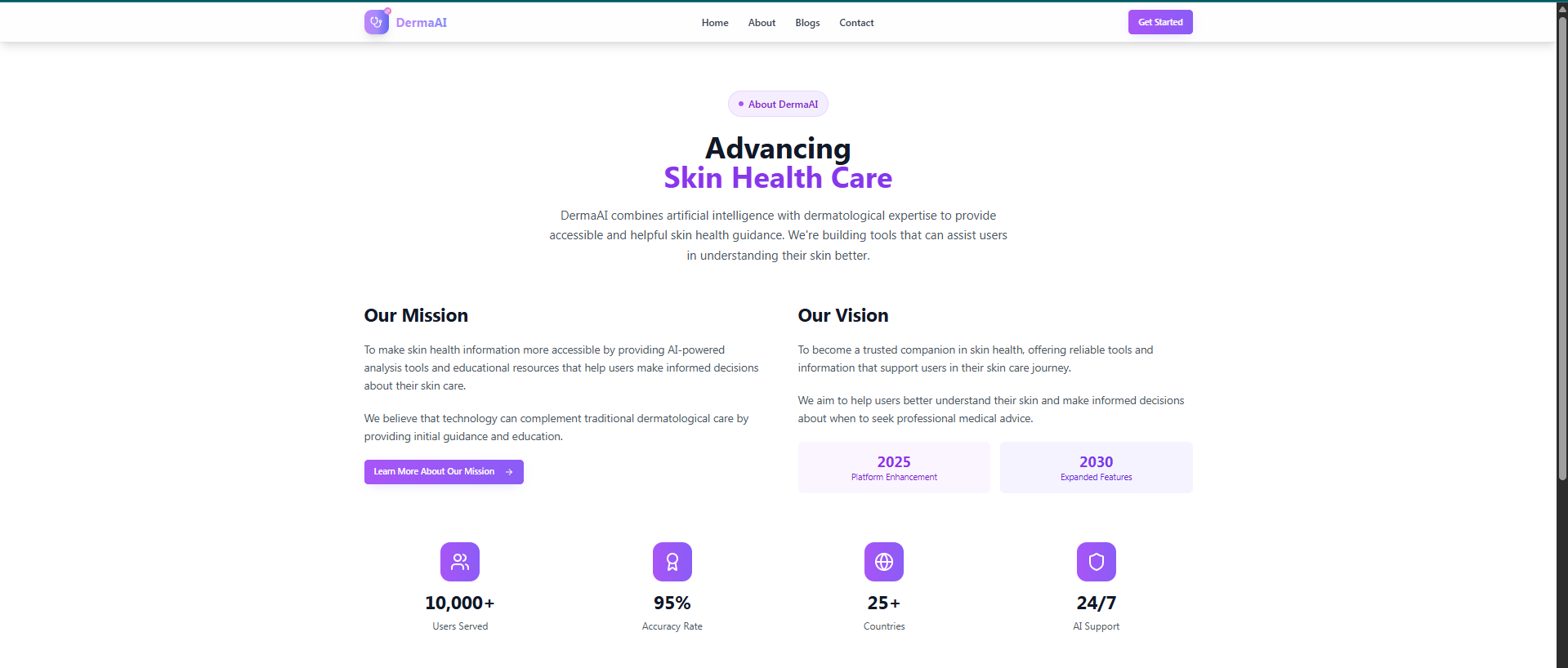
Inspiration Many people hesitate to consult dermatologists early, either due to lack of awareness or accessibility issues. This often delays diagnosis and treatment of skin conditions. We wanted to create a simple, accessible, and AI-powered platform to help people get quick preliminary insights from their skin images.
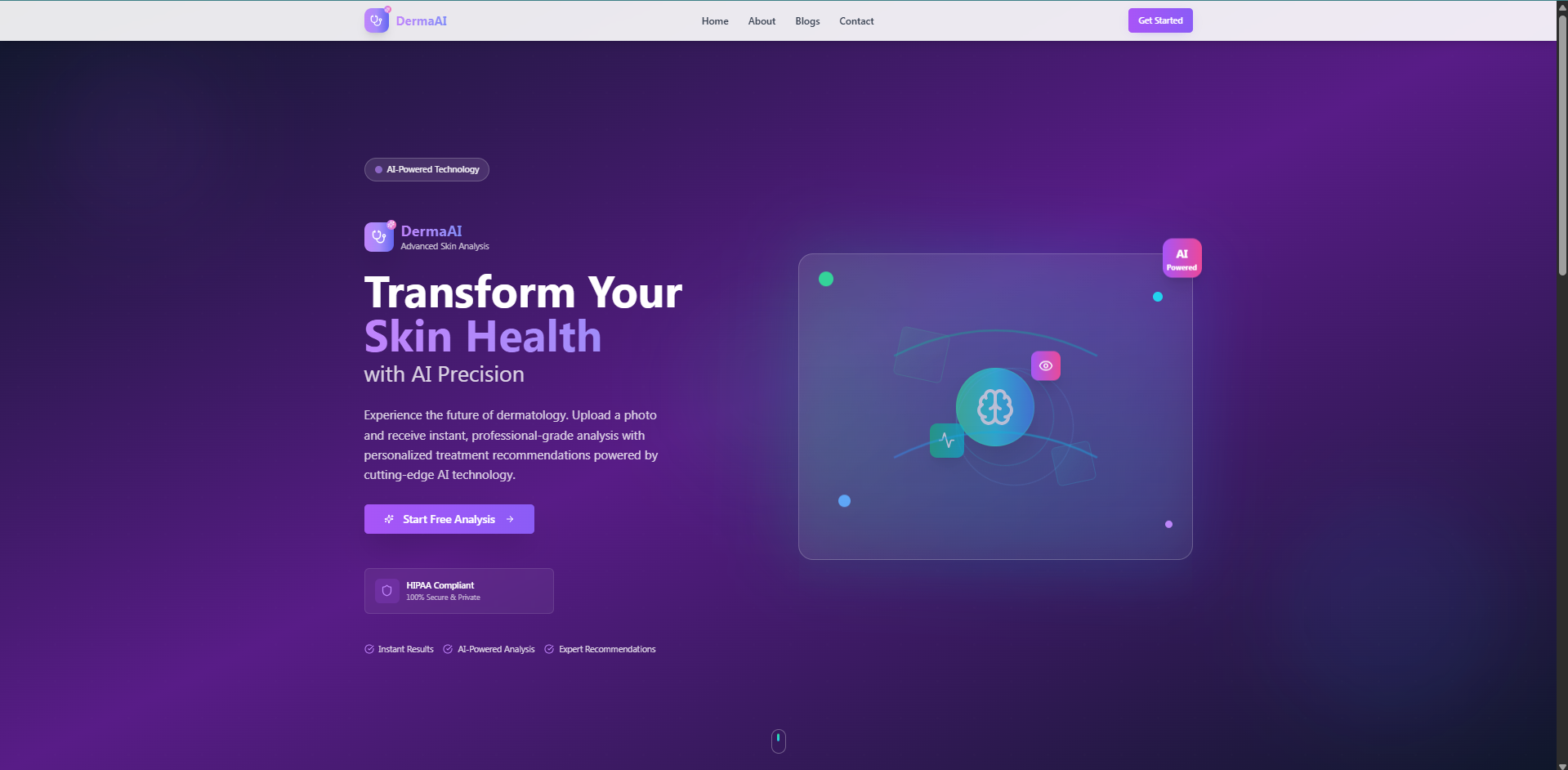
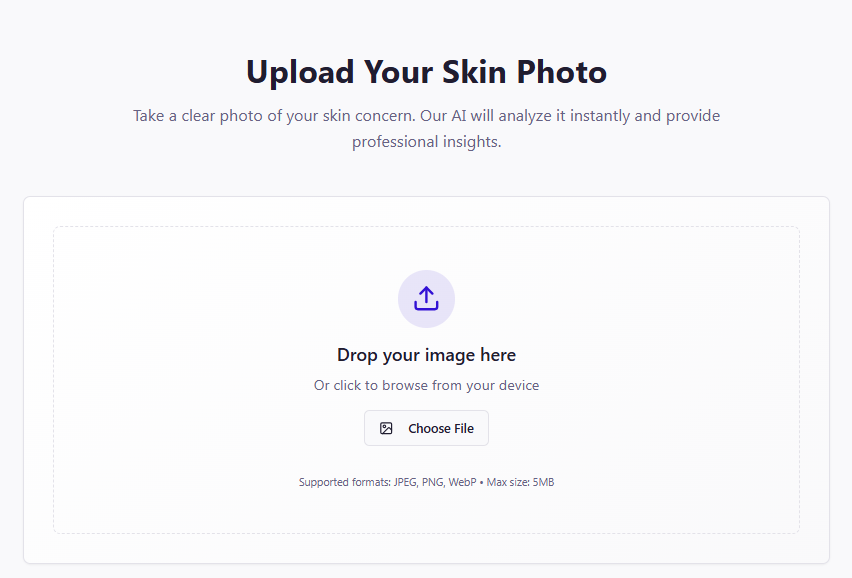
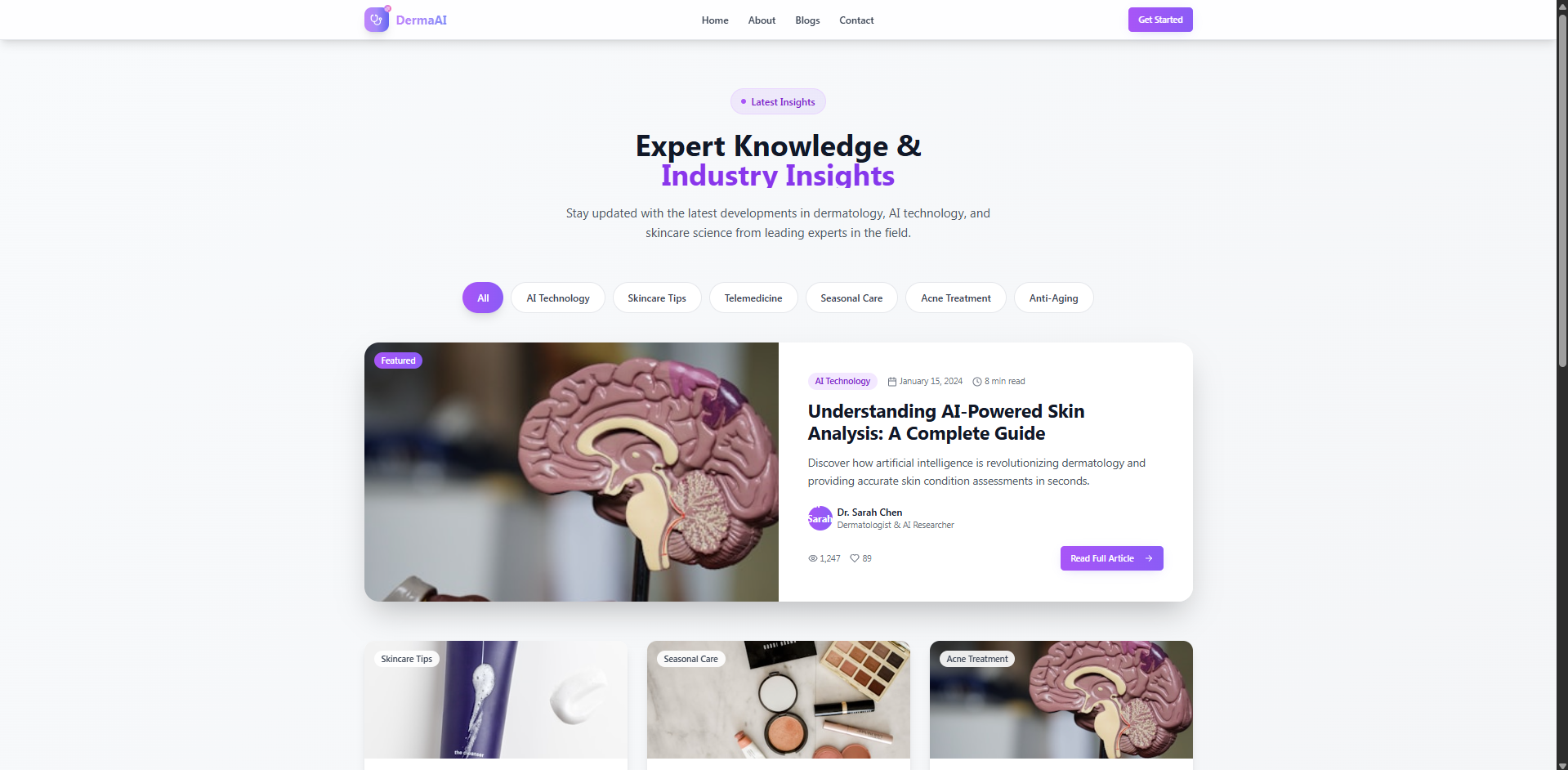
What it does DermaAI is a web-based tool where users can upload a skin image. Our CNN model analyzes the image to identify potential skin conditions, while an LLM explains the results in easy-to-understand language. This combination ensures users not only get predictions but also clear, contextual guidance.
How we built it We used React for the frontend to make the platform user-friendly and Flask for the backend to handle model processing. A CNN trained on dermatology datasets performs the image classification. To enhance accessibility, we integrated an LLM that takes the model’s results and generates simple explanations and possible care suggestions.
Challenges we ran into The biggest challenges were finding diverse, labeled datasets and ensuring fairness across different skin tones. We also faced hurdles in integrating the LLM with the vision model outputs in a meaningful way. Another challenge was designing the interface so non-technical users can easily understand the AI’s feedback.
Accomplishments that we're proud of We successfully built an end-to-end pipeline that merges computer vision with natural language capabilities. The platform not only predicts but also explains results, bridging the gap between AI outputs and user understanding. Achieving promising accuracy while keeping the interface clean and accessible is something we’re proud of.
What we learned We learned how to combine computer vision and language models to create user-centric solutions. The project deepened our understanding of dataset quality, handling class imbalance, and model deployment. Most importantly, we learned how critical clear communication is when building healthcare-related AI systems.
What's next for Derma AI We plan to improve accuracy by fine-tuning the model on larger and more diverse datasets. Next, we aim to expand support for multiple skin conditions and integrate features like severity levels. In the long term, we want to enable tele-dermatology features, connecting users directly with certified doctors.


Log in or sign up for Devpost to join the conversation.