-
-
-
-
-
-
-
-
-
-
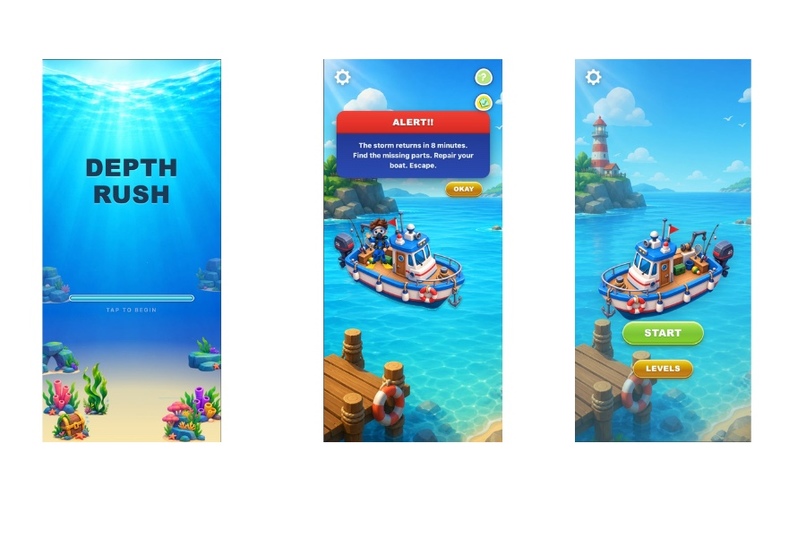
In game
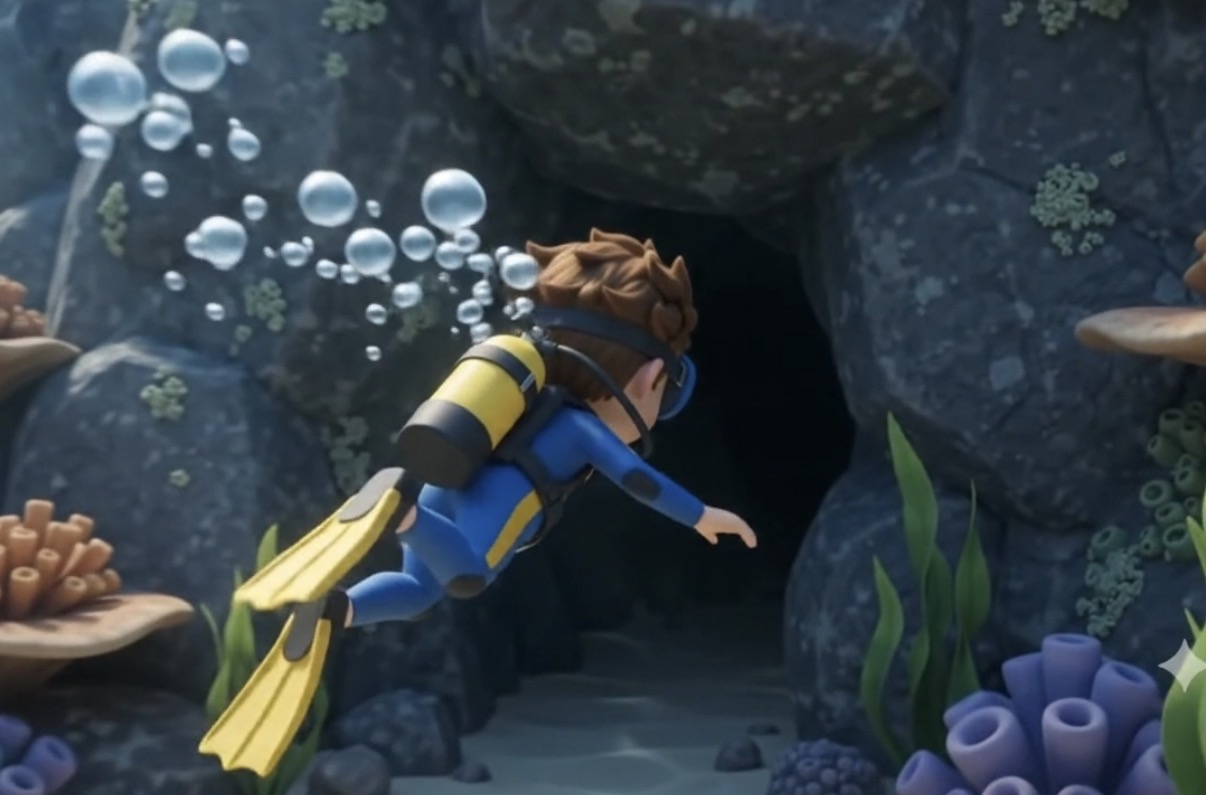
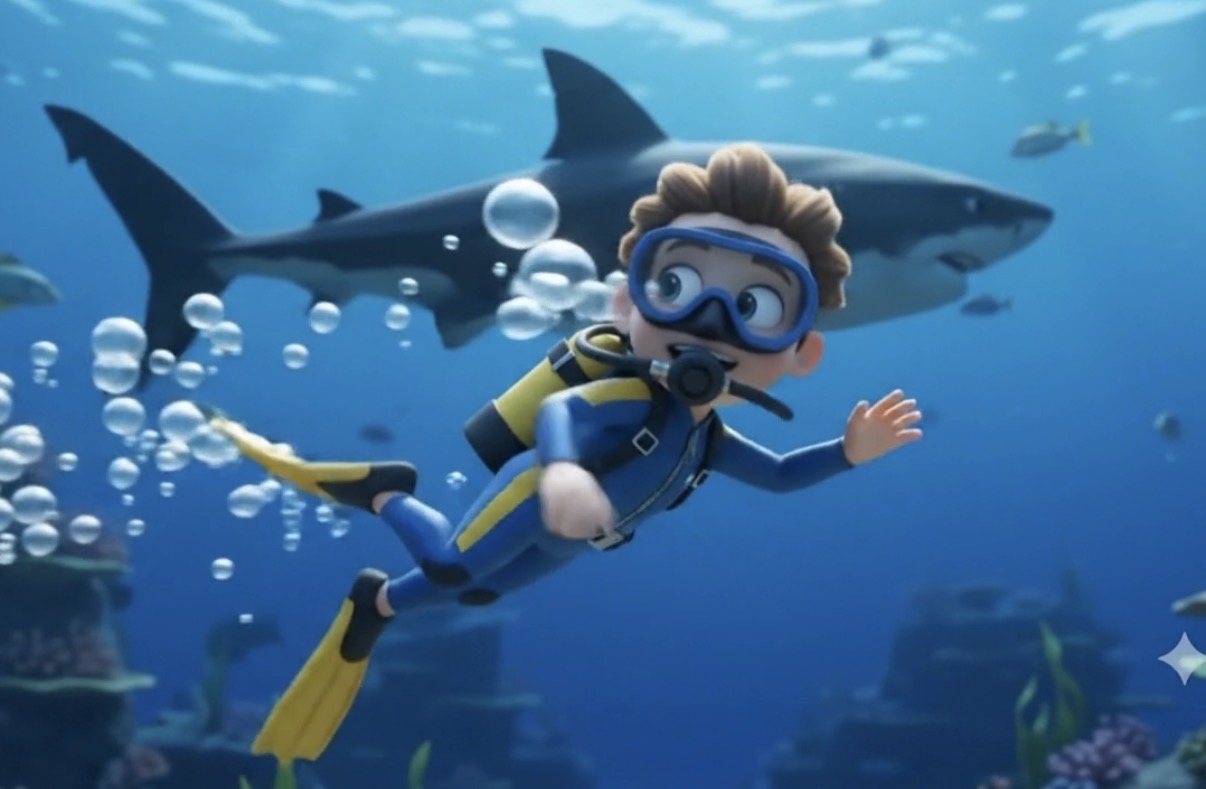
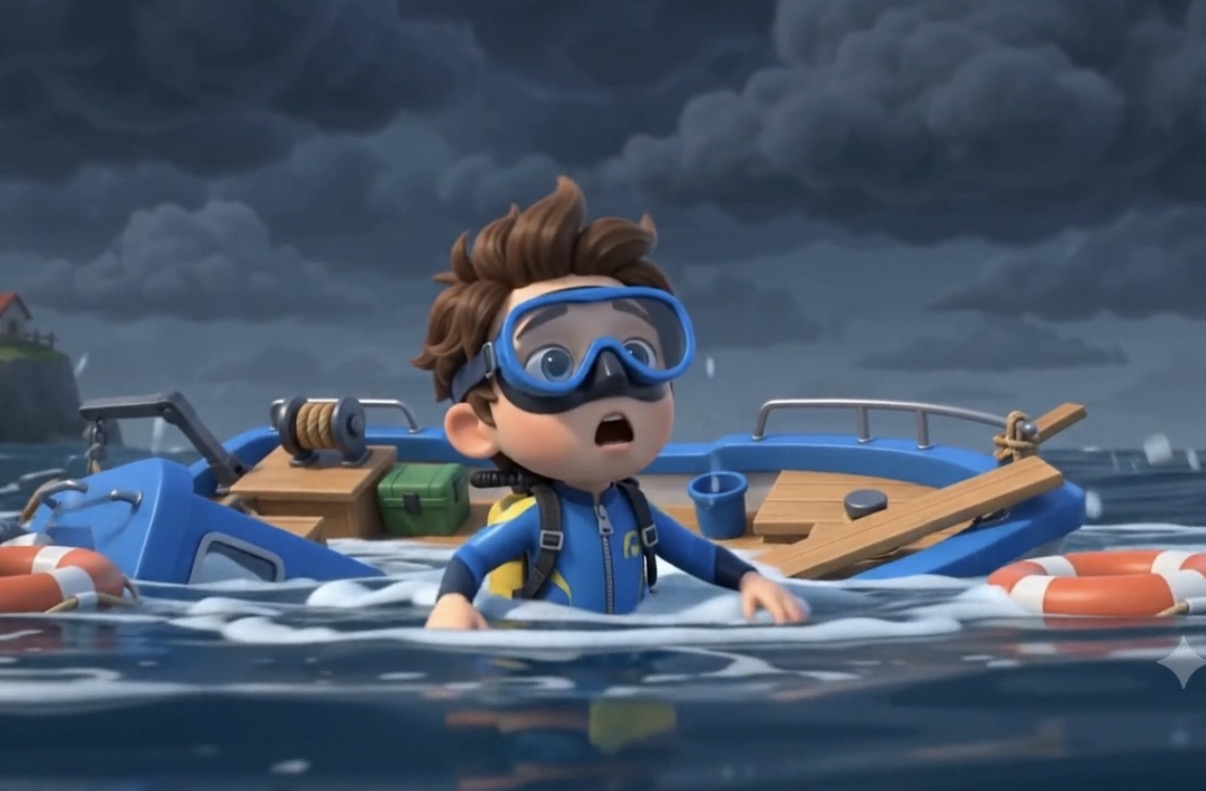
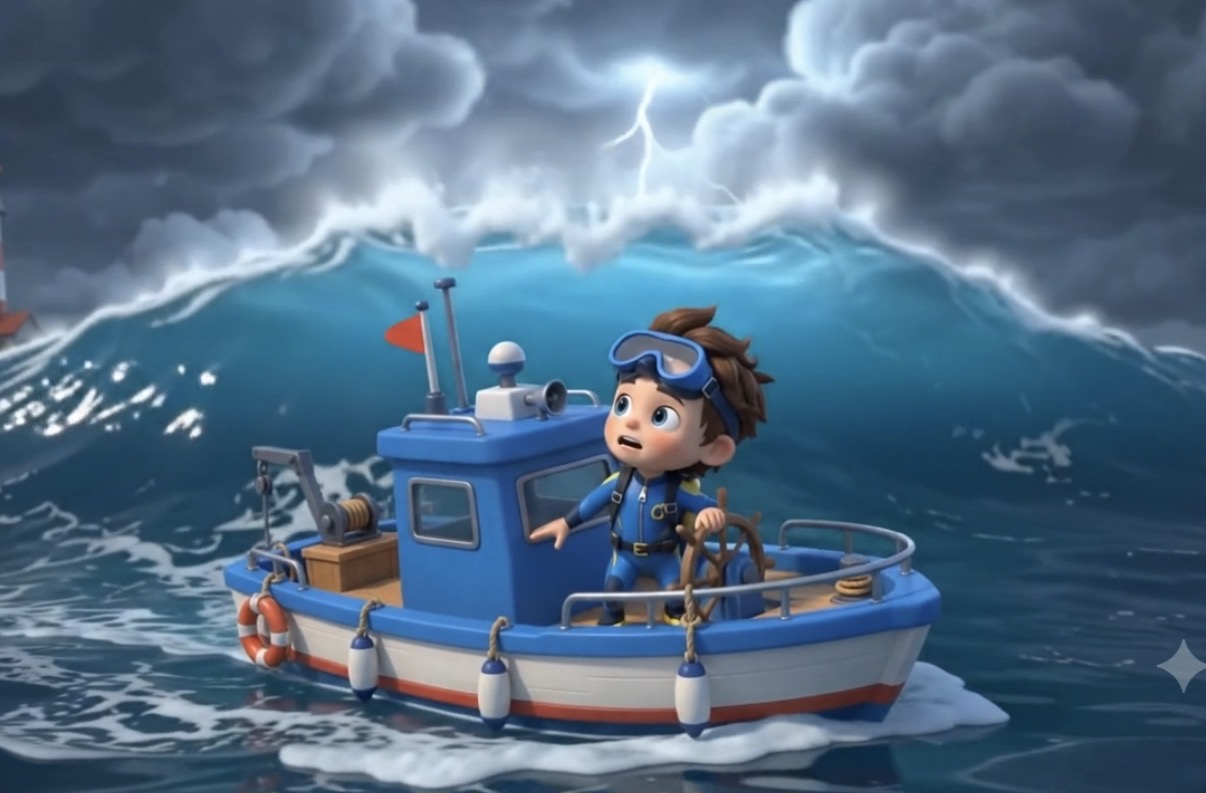
Inspiration
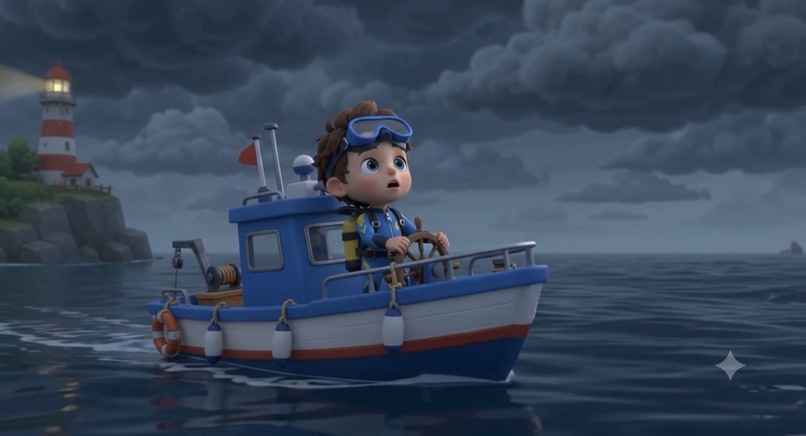
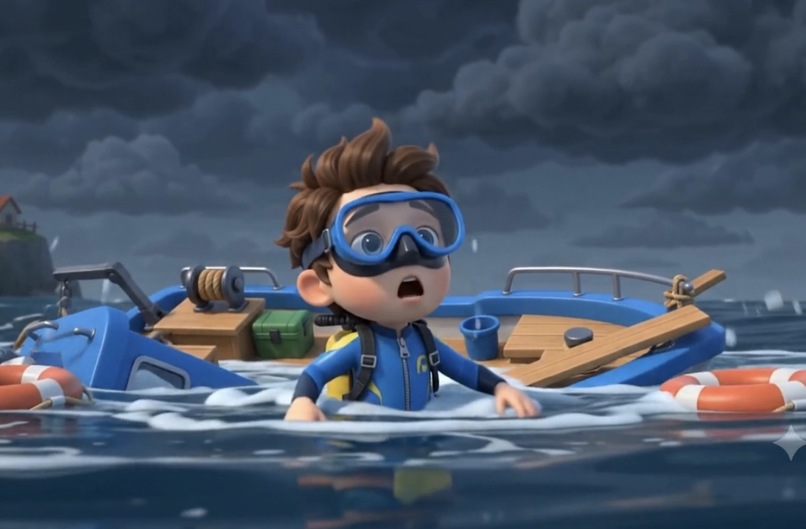
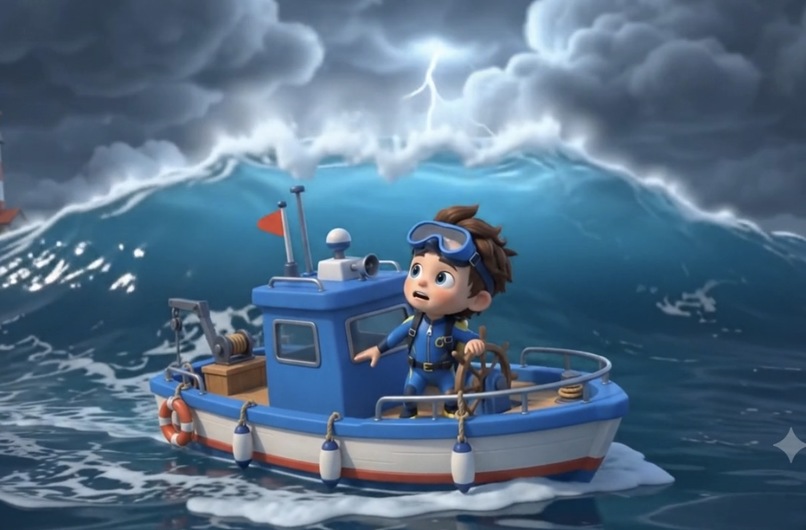
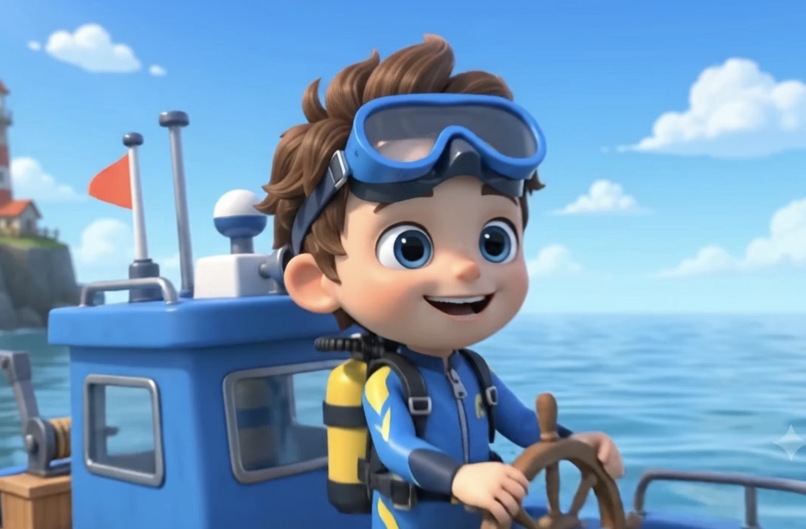
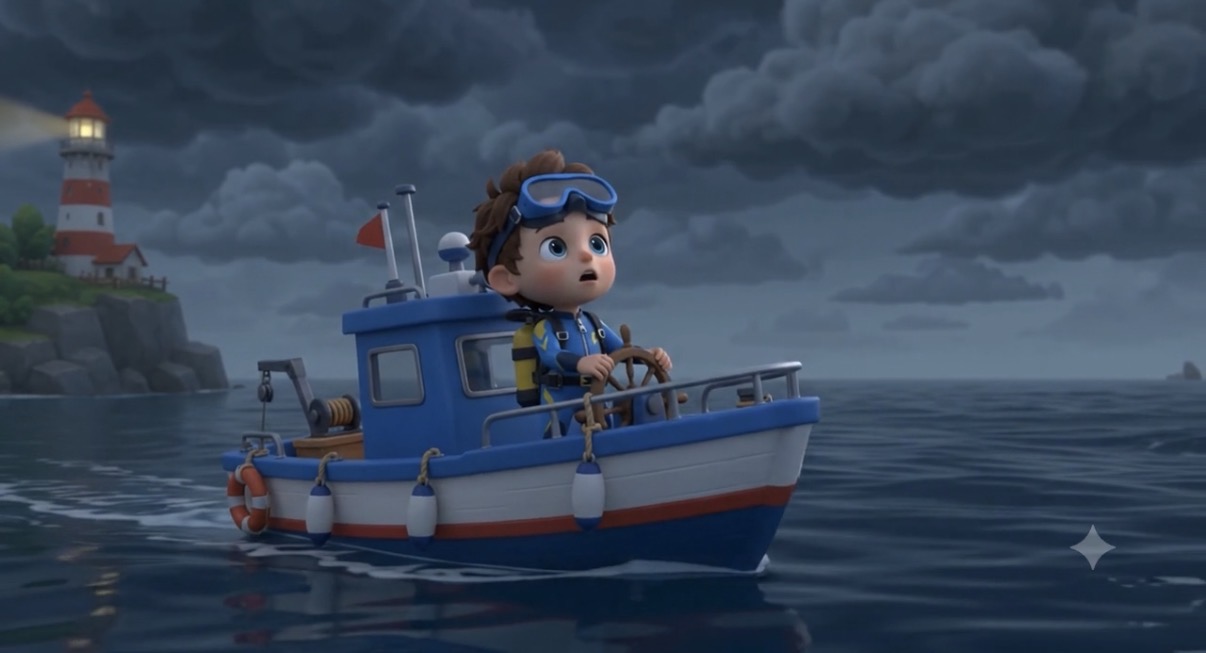
Underwater work demands calm decisions under pressure: monitor air, respect worsening weather, protect equipment, and return safely to the people waiting on the boat. Depth Rush turns those responsibilities into a short, accessible game loop. The boat is not just a score checkpoint; it is the diver's safe place, the place where recovered work becomes useful, and the reason to come home.
The game is inspired by the practical habits behind safe operations: plan a route, keep a reserve, understand changing conditions, avoid hazards, and do not let finishing a task become more important than returning safely. It is not a replacement for real diving training or operational SOPs. Instead, it makes those ideas understandable through play: success means completing useful work while making responsible choices about risk, time, and oxygen.
What it does
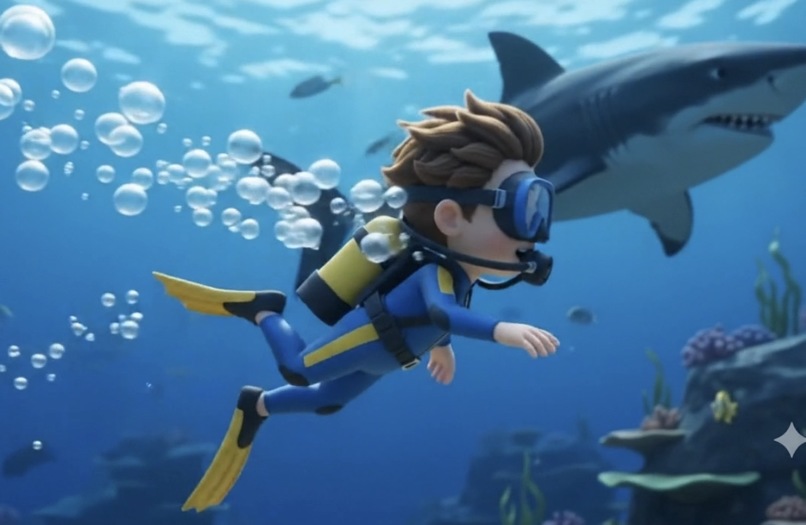
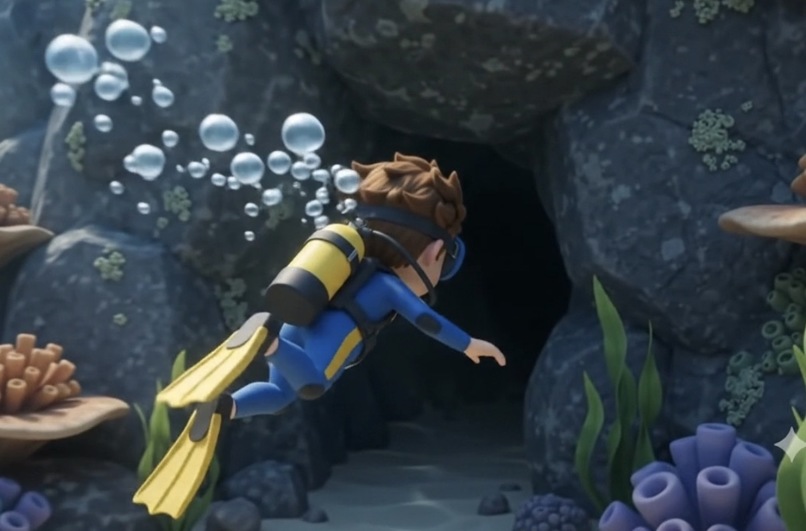
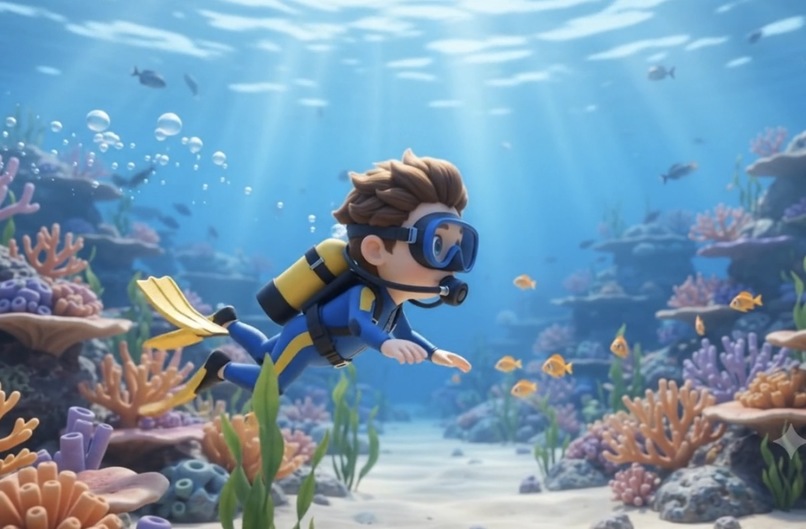
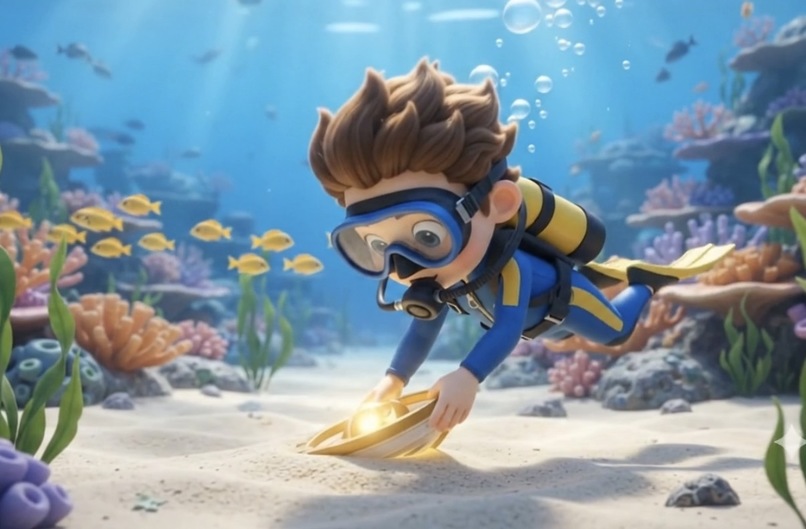
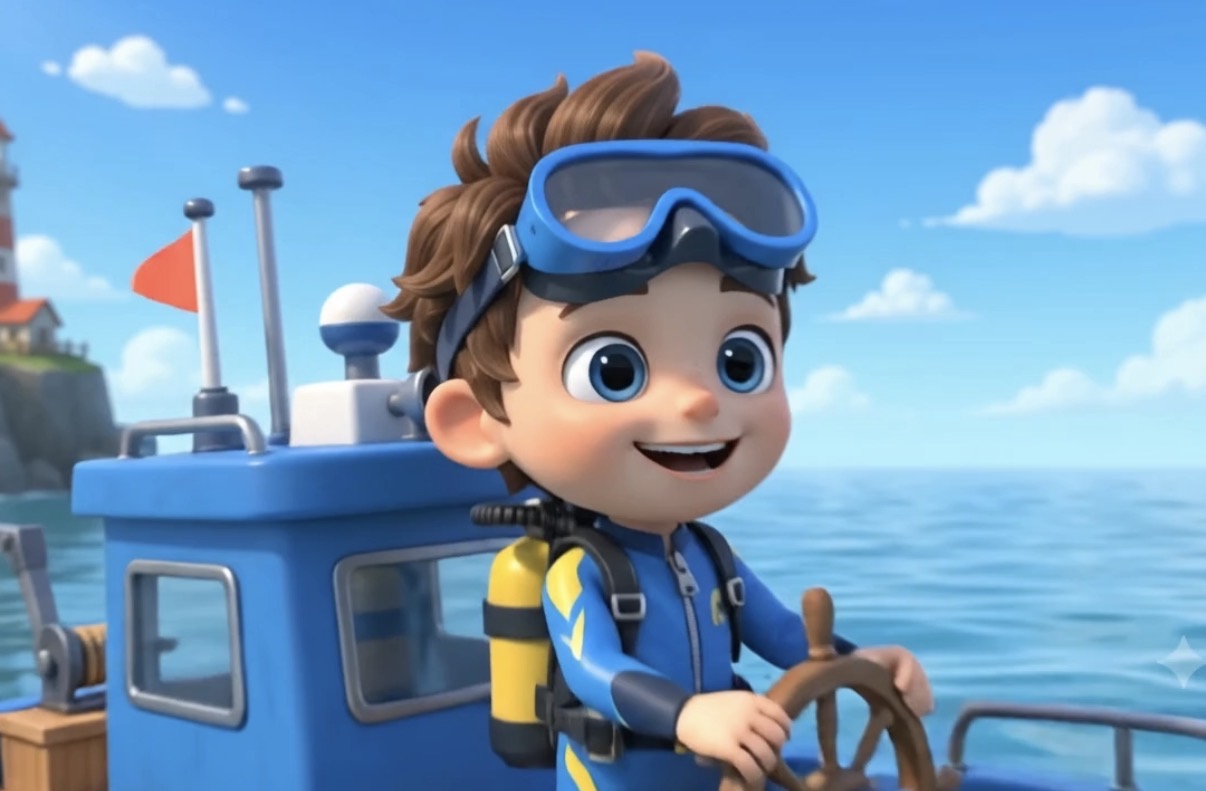
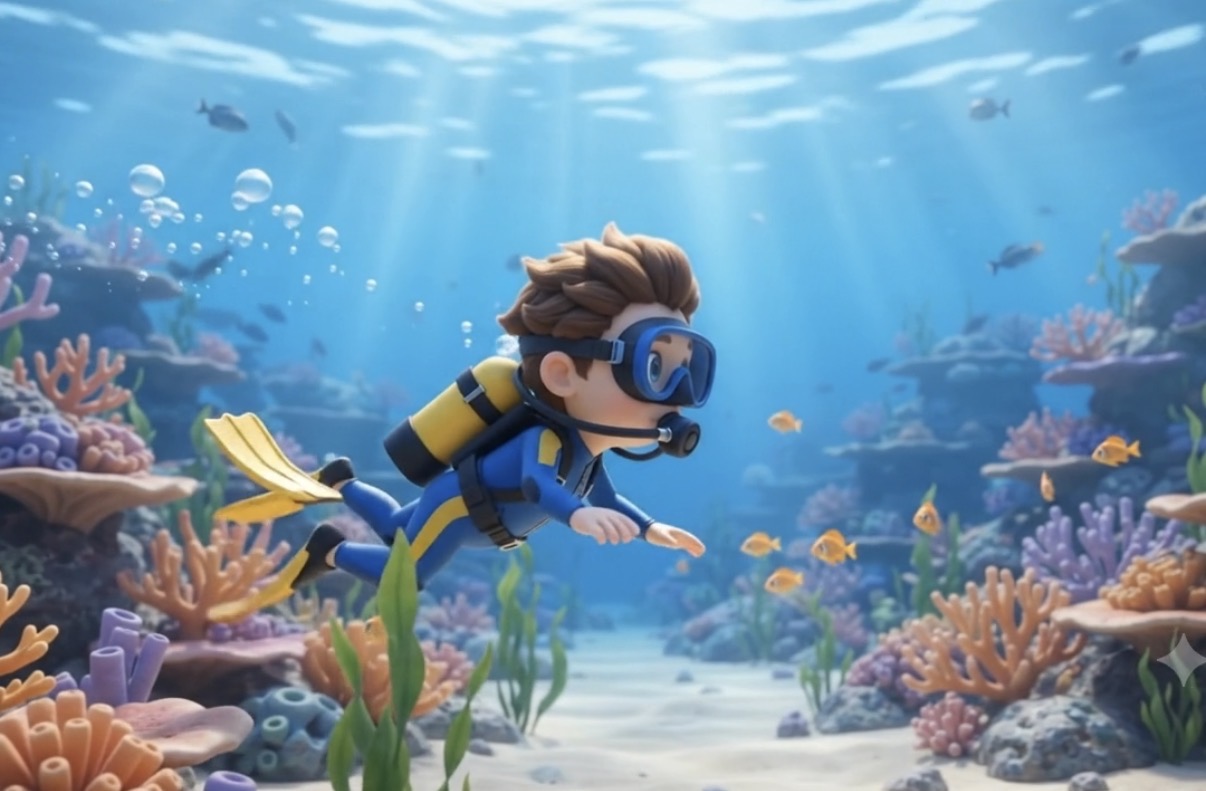
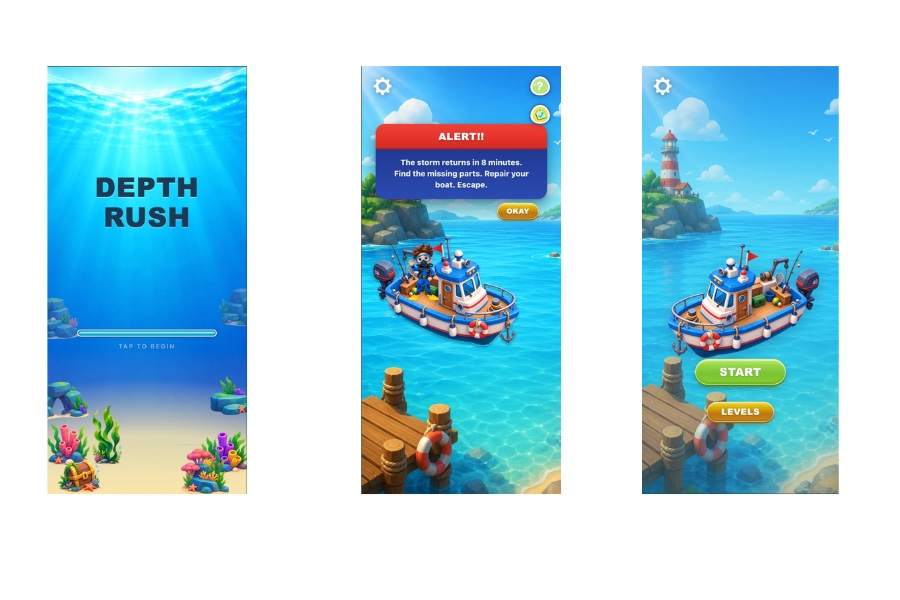
Depth Rush is a portrait, single-player survival and resource-management prototype. You control a diver repairing a damaged workboat across nine dives in three biomes: the Continental Shelf, Kelp Trench, and Abyssal Vent.
Each level uses one of three jobs:
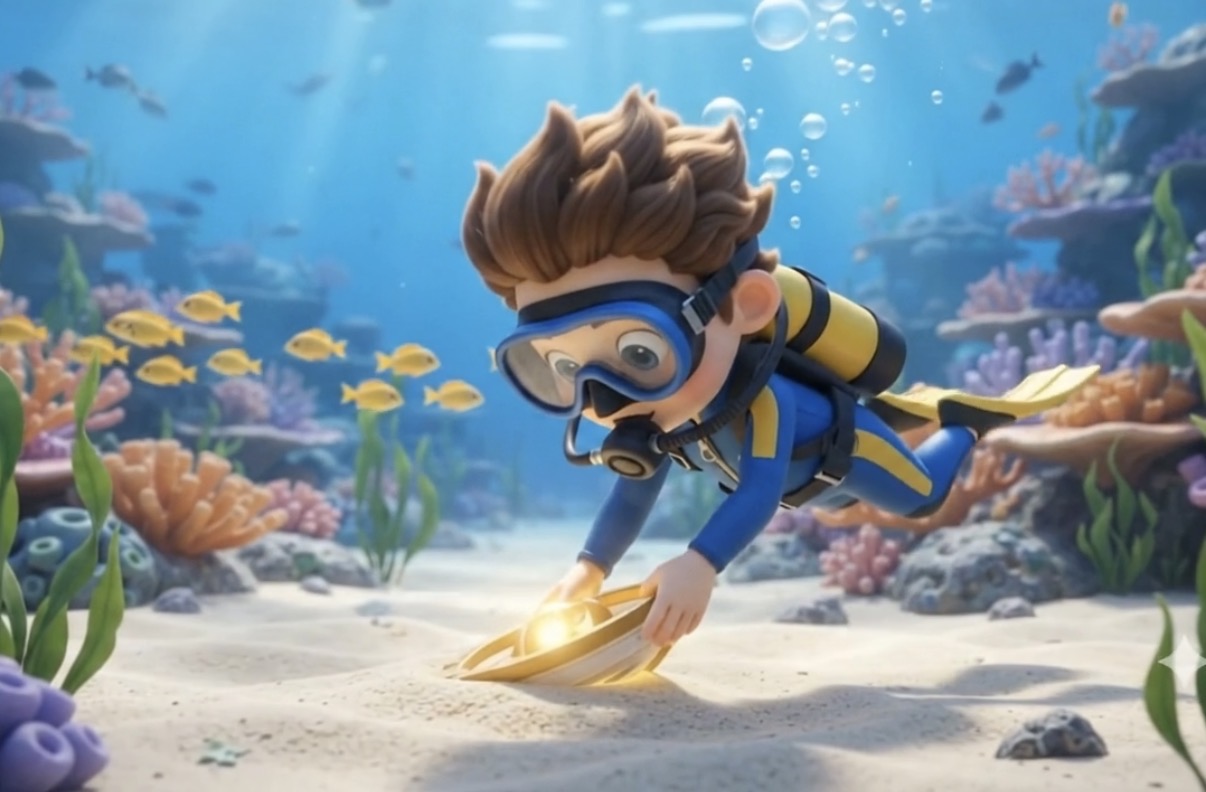
- Salvage: recover boat parts and repair them on deck.
- Survey: load beacons, plant them at marked anchors, then call in the survey.
- Cargo: return crates one at a time while moving slower and consuming oxygen faster.
How we built it
The game is built with JavaScript, HTML, CSS, and Three.js/WebGL. Three.js is vendored in the submission, and the build makes no external or CDN requests. Levels are data-driven and procedurally generated. The environment uses generated geometry and runtime canvas textures alongside local art assets. AI tools, including Claude, Gemini, and ChatGPT, were heavily utilized during development; the user interface for the entire application was built using these tools, and the game mechanics were implemented mostly through prompting.
The prototype uses a 2.7D movement model: the scene and hazards remain 3D, while the diver moves on a vertical plane. This makes the mobile stick direct: up ascends, down descends, and left/right move across the site. Boost is the only additional underwater action; optional tilt can replace the movement stick.
Challenges we ran into
The initial fully 3D control approach required players to aim movement with a second stick. That made surfacing, the most frequent action, unnecessarily difficult. Restricting movement to a plane removed the camera-aim problem without removing depth from the world.
The change exposed reachability and camera issues: objectives and scenery could sit on an axis the player could no longer control. Objective proximity, spawning, collision, and camera placement were then adjusted around the 2.7D constraint.
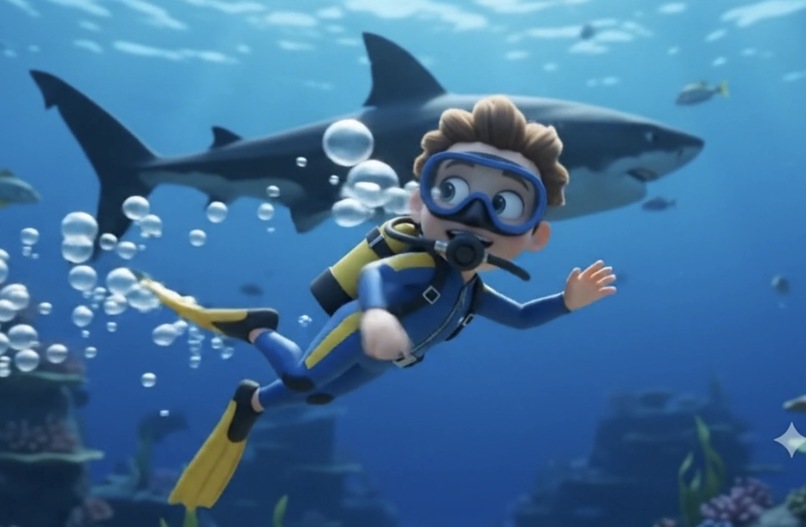
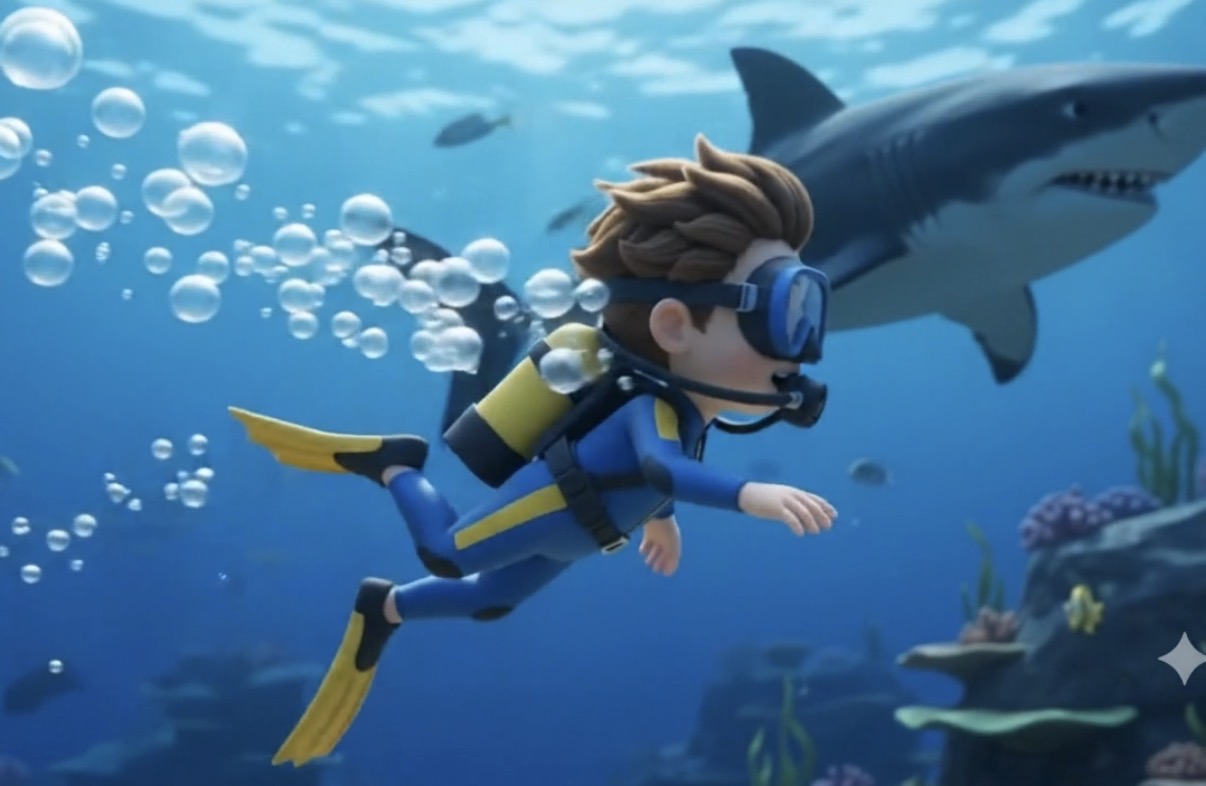
Balancing also required measurement. A shark must be escapable with boost, but boost must cost enough oxygen to remain a decision. The current prototype includes lethal pursuing sharks, oxygen-draining ambush squid, and drifting jelly hazards that stun and cost oxygen.
Accomplishments that we're proud of
We built a complete mobile survival prototype with nine playable dives across three biomes and three job types: salvage, survey, and cargo. The 2.7D movement system keeps the underwater world and hazards in 3D while making movement direct and readable on a portrait phone. Oxygen, weather, threats, and equipment all feed into one decision: return safely or risk one more task.
What we learned
Free 3D movement was possible, but it made returning to the surface too difficult on mobile. Direct 2.7D controls made the game clearer, while forcing us to rethink spawning, collision, camera placement, and objective reachability. We also learned that resource tension needs measured costs: speed, oxygen use, boost, and shark pursuit must all be balanced together.
What's next for Depth Rush
We want to improve the balance between oxygen, movement speed, boost, and enemy pressure so that each dive feels tense without becoming frustrating. We would add mechanics such as damaged equipment that must be repaired, limited-use emergency tools, changing currents, and weather that disrupts visibility or sonar. We also want clearer onboarding for the three job types, more varied level layouts, permanent equipment upgrades, and daily seeded dives with leaderboards and replay ghosts.


Log in or sign up for Devpost to join the conversation.