-
-
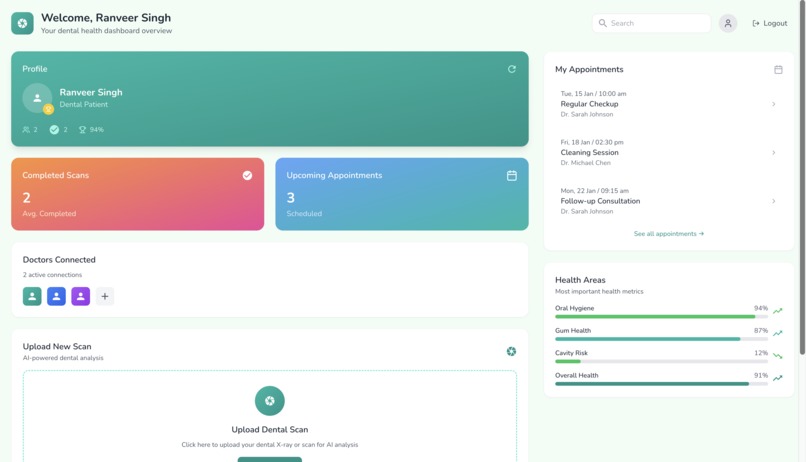
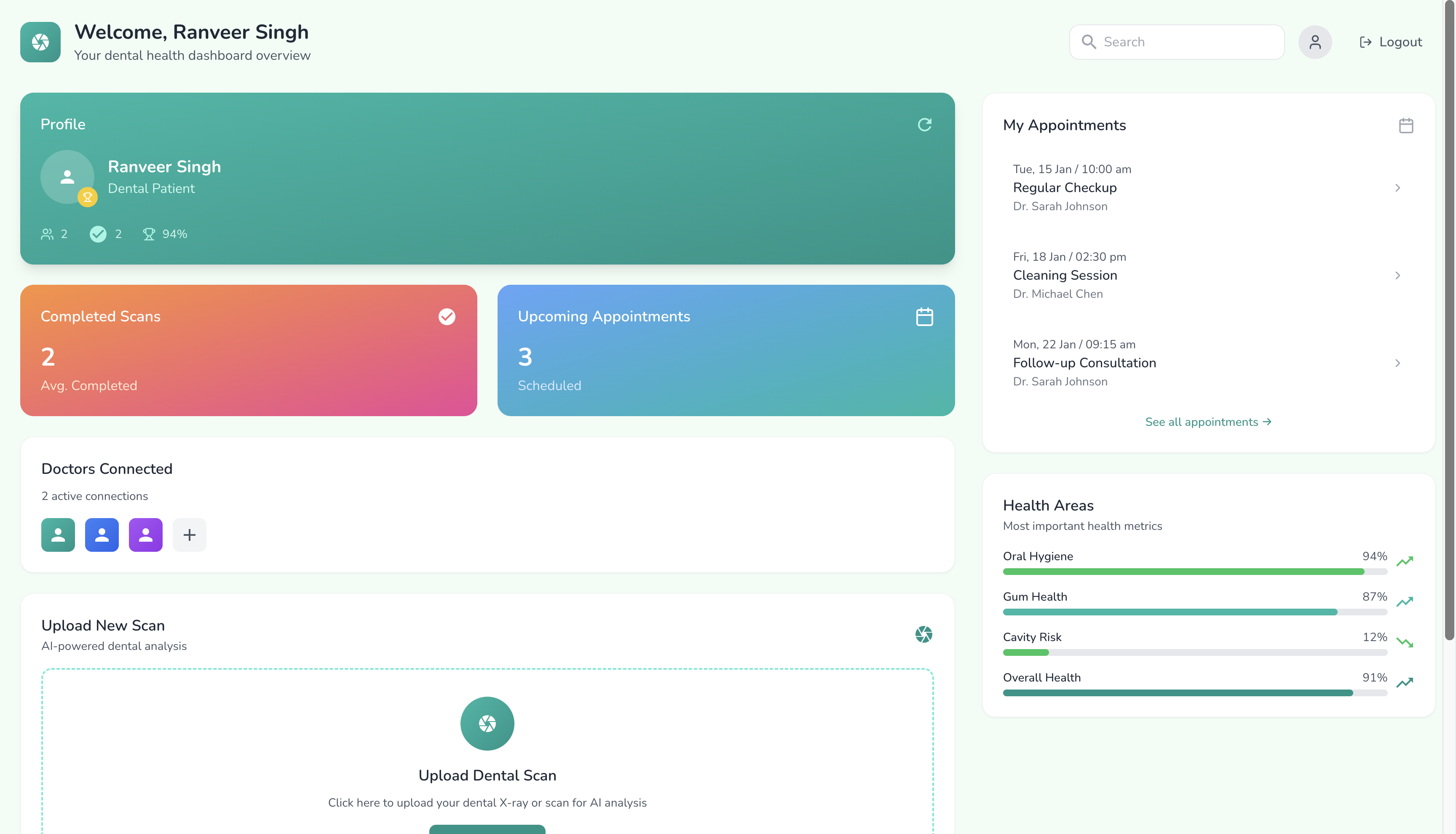
Landing Page
-
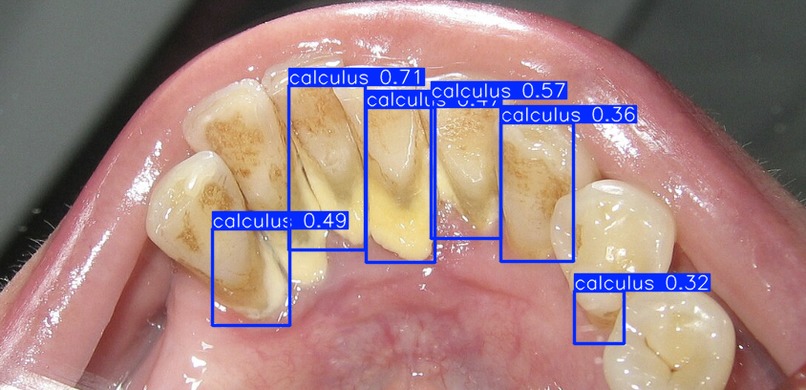
AI Detection
-
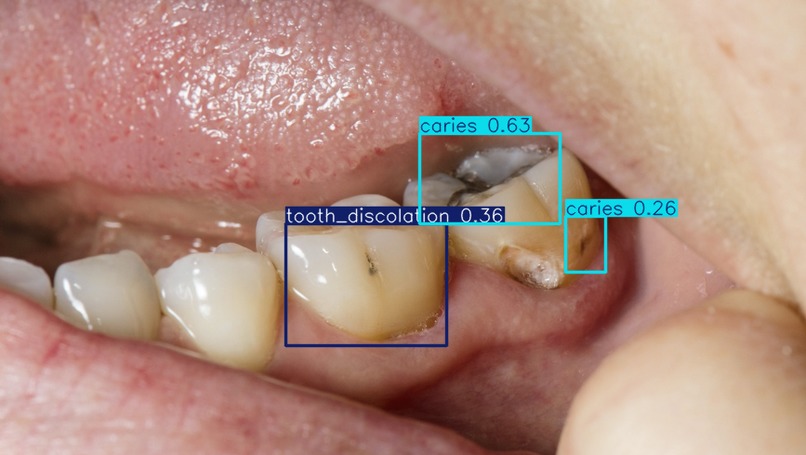
AI Detection
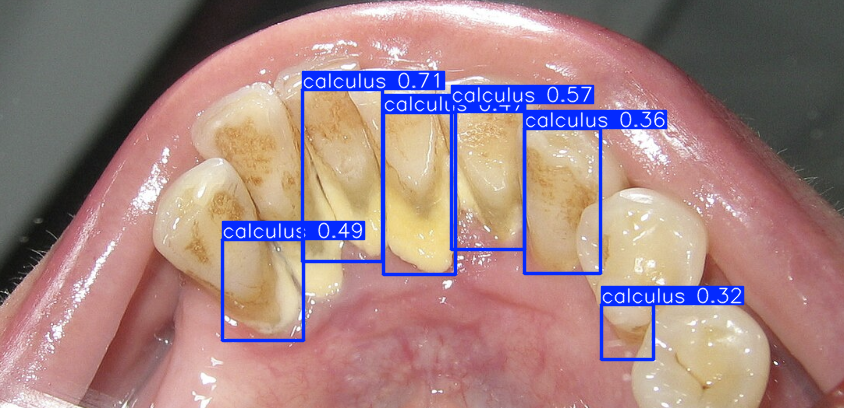
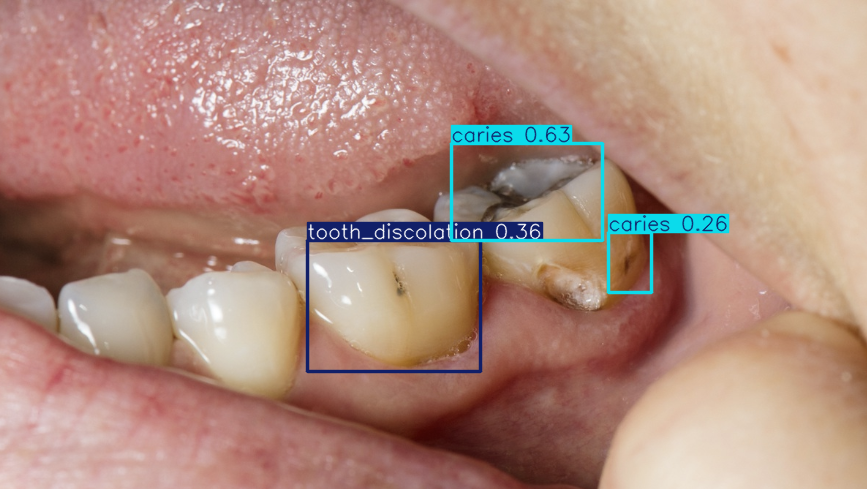
Inspiration
Dental care is a universal need, but access and early detection remain huge barriers—especially for low-income communities. Cavities and gum disease often go unnoticed until they require costly intervention, leaving patients and providers struggling to catch problems early. We were inspired to build DentalConnect as a way to make preventative care and accurate diagnostics more accessible, efficient, and equitable.
What It Does
DentalConnect is an AI-powered diagnostic platform for both patients and dental professionals.
- For patients: Upload a simple photo of your teeth and receive an instant, visual, and easy-to-understand report highlighting potential issues such as cavities, gingivitis, or discoloration, alongside personalized preventative care tips.
- For dentists: Gain an AI-assisted “second pair of eyes” for reviewing X-rays and images. Our system flags subtle signs of oral disease, helping reduce diagnostic errors and improving efficiency in high-volume practices.
- By connecting patients with providers through a secure portal, DentalConnect bridges the gap between awareness and action, improving oral health outcomes.
How We Built It
We trained a Computer Vision model on 10,000+ human-labeled dental images from Roboflow using Amazon SageMaker Studio. Our model classifies oral diseases such as ulcers, hypodontia, gum inflammation, caries, calculus, and tooth discoloration.
- Frontend: A clean React UI where patients can upload images and receive reports.
- Backend: FastAPI endpoints integrate with SageMaker for predictions. We store patient data securely in MongoDB, and use Auth0 for authentication and confidentiality.
Challenges We Ran Into
Model Training in Sagemaker: Setting up Amazon Sagemaker wasn’t straightforward. From configuring training jobs to managing compute resources, the learning curve was steep. Debugging errors in training pipelines and ensuring the model converged properly took significant trial and error.
Endpoint Deployment: Deploying our model as a SageMaker endpoint was the biggest roadblock. We ran into repeated errors with input/output formatting, authentication mismatches, and integration with FastAPI.
MongoDB Integration: Implementing MongoDB for patient-doctor data was challenging. We had to resolve schema inconsistencies, authentication issues, and ensure secure connections between the app and database. Handling user-specific data without losing speed or security took extra effort.
Accomplishments
Successfully trained a Computer Vision AI model capable of detecting oral diseases such as cavities, gingivitis, and tooth discoloration from image data. Built a functional interface for patients to upload photos and receive clear, visualized results, making AI-powered diagnostics more accessible. Managed to create a pipeline that connects AI, cloud tools, and authentication systems — even if not fully deployed, the architecture is in place for future completion.
What We Learned
AI Training & SageMaker: We gained firsthand experience in training and fine-tuning an AI model for medical imaging. Using SageMaker required us to carefully manage datasets, preprocessing pipelines, and compute resources, teaching us how to optimize for both performance and cost efficiency in a cloud-based environment.
General Workflow Design: Building DentalConnect showed us the value of structuring an end-to-end workflow — from data ingestion to AI inference to user-facing results. We learned how important it is to design modular components (AI, API, database, UI) that can be debugged and improved independently.
Authentication & Security: Implementing Auth0 introduced us to the real-world complexity of authentication and authorization flows. We learned about imports for JWT handling, token validation, and how to integrate role-based access for patients vs. doctors in a secure way.
Implementing MongoDB: We explored how to design and connect MongoDB schemas for healthcare applications. Handling user data securely while ensuring fast access forced us to think about indexing, encryption, and proper integration with authentication systems.
## What's Next Expand the dataset with more diverse images (different demographics, oral conditions, and imaging modalities) and implement a better dashboard
Built With
- amazon-web-services
- fastapi
- mongodb
- python
- react
- sage
- tailwind


Log in or sign up for Devpost to join the conversation.